Table of Contents
Integrative Orthopedics for Whole-Body Pain Relief: A Clinician’s Guide to Evidence-Based Solutions
Abstract
In this educational post, I present a practical, clinician-centered journey through interventional orthopedics, functional orthopedics, and the “functional unit” approach to musculoskeletal medicine. I explain why we must move beyond single pain generators and consider the interplay between joints, ligaments, muscles, fascia, nerves, and the subchondral bone to achieve durable results. I also introduce our multidisciplinary model at Injury Medical Clinic PA (Mission Plaza Injury Medical Clinic) in El Paso, Texas, where Dr. Maria Guadalupe Cardenas, MD (Board Certified in Internal Medicine; NPI #1164426749; Texas MD License #J2933), serves as Medical Director and Collaborative Physician alongside me, Dr. Alexander Jimenez, DC, APRN, FNP-BC, CFMP, IFMCP, ATN, CCST. Together, we integrate chiropractic care, internal medicine oversight, functional medicine, personal injury medicine, and rehabilitation. I highlight recent evidence from leading researchers, including ultrasound- and fluoroscopy-guided orthobiologic strategies, intra-articular and extra-articular targeting, and intraosseous approaches for knee osteoarthritis. Finally, I connect these insights with clinical observations from my practice and sciatica-focused resources.

Why Interventional Orthopedics Needs a Functional Lens
- The core idea: We are not merely treating a structure that hurts; we are restoring the performance of a connected system. In interventional orthopedics, we use image guidance such as ultrasound and fluoroscopy to precisely target structures implicated by the patient’s diagnosis and mechanics.
- The functional orthopedics concept: I call this the functional unit approach—anchored in the osteopathic tenets that the body is a unit, structure and function are interrelated, the body has self-healing mechanisms, and rational treatment is based on these principles. This draws on physical medicine and rehabilitation (PM&R) and functional medicine to identify the root causes driving recurrent dysfunction.
- Why this matters clinically: Focusing narrowly on a single joint space or tendon often misses the synergistic drivers—capsular restraint, ligamentous laxity, motor control deficits, paraspinal stability, or subchondral bone signaling—that perpetuate pain and disability. Durable outcomes arise when we intervene at multiple levels of the functional unit.
Defining the Functional Unit in Orthopedics
- The functional unit reimagined: Borrowing from the “functional spinal unit” concept (vertebra-disc-vertebra plus associated soft tissues), we generalize to the limb or axial segment. A knee, for example, is not only cartilage and capsule; it is the integration of intra-articular structures (meniscus, synovium, cartilage), extra-articular stabilizers (MCL, LCL, retinaculum), dynamic controllers (quadriceps, hamstrings, hip abductors), fascial slings, neural drivers, vascularity, and the subchondral bone.
- Practical implications:
- Assess global alignment and loading (varus/valgus moments, pronation/supination, pelvic tilt).
- Identify compensations across the kinetic chain (hip abductor weakness driving dynamic knee valgus, or foot mechanics altering tibial rotation).
- Evaluate neuromuscular control (motor recruitment, endurance, proprioception) and soft tissue tone (myofascial restrictions, trigger points).
- Consider subchondral bone health as a living, signaling organ that modulates chondral integrity and pain.
How Image-Guided Orthobiologics Fit into the Functional Unit Model
- Precision targeting: Ultrasound and fluoroscopy enable accurate placement of orthobiologics (e.g., platelet-rich plasma [PRP], bone marrow aspirate concentrate [BMAC]) into joints, entheses, ligaments, paraspinal compartments, and even intraosseous sites, based on individual pathology and mechanics (Dragoo & Wasterlain, 2014; Patel et al., 2013).
- Comprehensive strategies:
- Spine: Evidence suggests that treating only the epidural space may overlook the broader pain ecology. Combining epidural/perineural injections with targeted facet, ligamentum flavum, interspinous ligaments, and paraspinal muscle interventions under guidance can produce more durable relief when matched to clinical and imaging findings (Kennedy et al., 2015; Wu et al., 2021).
- Knee: Treating both intra-articular and extra-articular structures (e.g., collateral ligaments, patellofemoral retinaculum, pes anserinus, hamstring origins) may yield superior outcomes compared to intra-articular-only approaches when clinical exam implicates multiple pain generators (Filardo et al., 2019; Laudy et al., 2015).
Subchondral Bone: The Overlooked Driver in Osteoarthritis
- The subchondral bone as a living tissue: It houses vasculature, nerves, and mesenchymal progenitors that cross-talk with cartilage. With advancing osteoarthritis (OA), there is remodeling, microfracture, altered perfusion, and inflammatory crosstalk that can amplify pain and degrade cartilage (Dieppe & Lohmander, 2005; Burr & Gallant, 2012).
- Cell biology insights: Foundational studies have compared progenitor cell populations from iliac crest (PSIS) marrow with subchondral bone compartments, noting age- and disease-associated declines beneath degenerate joints that may compromise endogenous repair (Hernigou et al., 2014).
- Intraosseous orthobiologics:
- PRP: Meta-analytic signals suggest intraosseous PRP may confer benefits especially in more advanced OA by modifying the subchondral microenvironment and nociceptive signaling (Zhao et al., 2016; Andia & Maffulli, 2018).
- BMAC: Longitudinal studies in severe OA indicate that intraosseous BMAC can reduce pain and delay conversion to total knee arthroplasty, with patient preference often favoring the “biologic knee” when compared to prosthetic counterparts in matched scenarios (Hernigou et al., 2015; Centeno et al., 2018).
- Why biology matters: In late OA, cartilage alone is not the sole pain generator. Subchondral sclerosis, venous stasis, and microcracks activate nociceptors in the osteochondral unit. Targeting this unit with intraosseous approaches aims to restore perfusion, dampen neurogenic inflammation, and augment local repair potential.
Clinical Reasoning: From Mechanics to Targets
- Varus knee pattern:
- Typical drivers: Medial compartment overload, medial meniscal degeneration, medial femoral condyle stress, tibial plateau remodeling.
- Functional targets: Intra-articular joint space (synovitis, cartilage), medial meniscal horn, medial collateral ligament (strain), and counter-balance of lateral stabilizers if over-lengthened.
- Rationale: Restoring medial compartment biology while reinforcing ligamentous stability reduces focal overload and maltracking.
- Valgus knee pattern:
- Typical drivers: Lateral compartment stress, lateral meniscal changes, medial soft-tissue stretch.
- Functional targets: Lateral joint structures and meniscus, plus reinforcement of medial soft tissues when chronically lengthened.
- Rationale: Balanced capsuloligamentous tension improves patellofemoral tracking and tibiofemoral alignment under load.
- Patellofemoral maltracking:
- Drivers: Lateral retinacular tightness, medial patellofemoral ligament laxity, hip abductor/external rotator weakness, and foot pronation driving tibial internal rotation.
- Functional targets: Retinaculum, MPFL, vastus medialis obliquus activation, hip abductors/external rotators, foot mechanics.
- Rationale: Integrated soft tissue treatment plus neuromuscular retraining reduces lateral drift and compressive stress.
- Atraumatic knee pain with lateral meniscus or patellofemoral symptoms:
- Look above and below: Foot/ankle alignment, hip strength (especially gluteus medius), and lumbosacral contributions (e.g., subclinical radiculopathy) can be perpetuators.
- Rationale: Failing to address the kinetic chain often leads to transient relief followed by recurrence.
The Spine as a Functional Unit: Beyond the Disc
- Functional spinal unit: The vertebral bodies, discs, zygapophyseal joints, interspinous and supraspinous ligaments, ligamentum flavum, paraspinal muscles, fascia, and neural elements function as a single biomechanical system.
- Interventional implications:
- When radicular pain coexists with facet arthropathy and myofascial dysfunction, a comprehensive plan may include epidural/periradicular biologics, facet/pericapsular treatment, interspinous ligament support, and paraspinal muscle rehabilitation guided by ultrasound.
- Rationale: Stabilizing passive restraints and optimizing active control create a pain-modulating environment for nerve recovery and disc load-sharing (Falla et al., 2004; Panjabi, 2006).
Integrative Chiropractic Care Within a Multidisciplinary Team
- Our model in El Paso, TX:
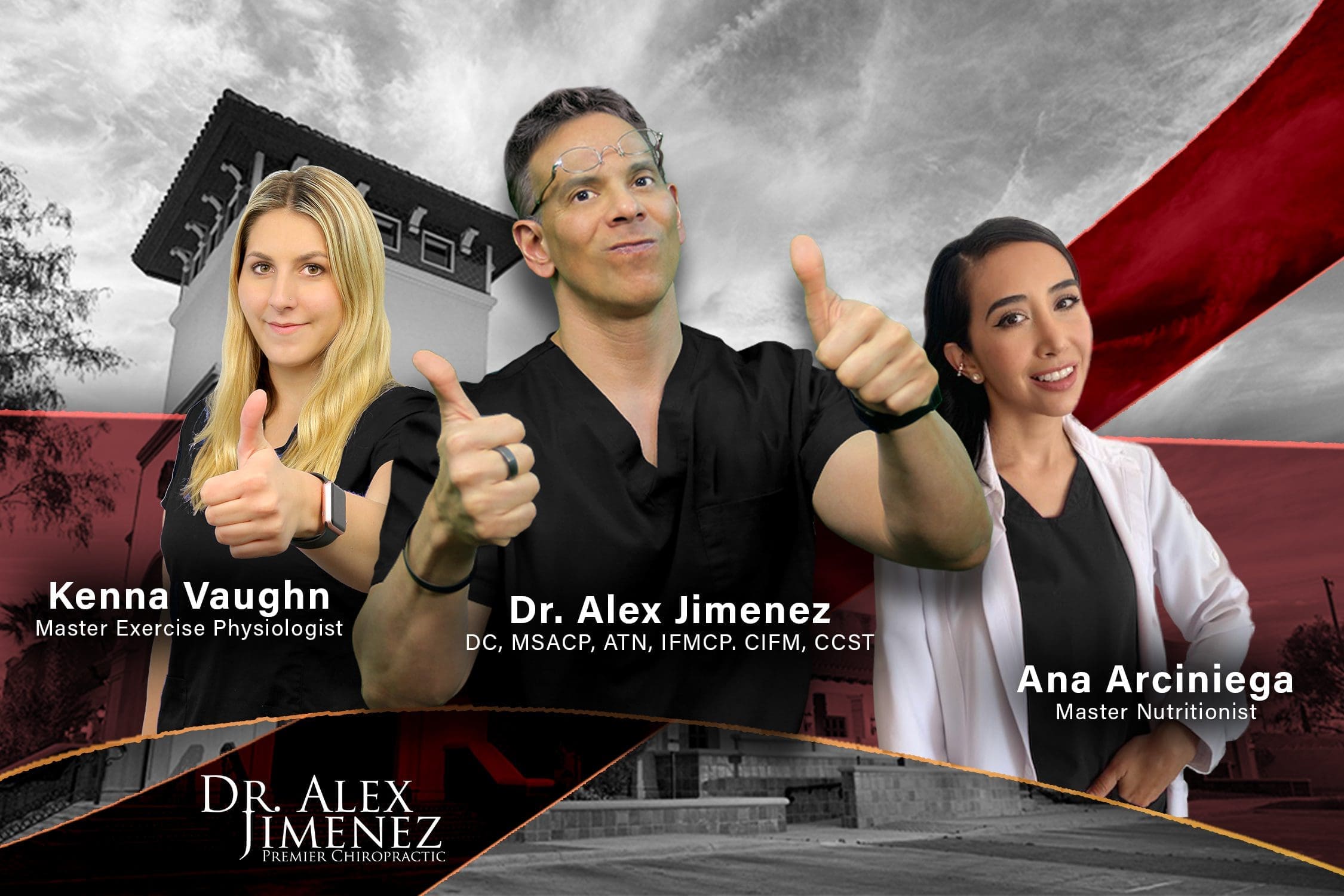
- Medical direction: Dr. Maria Guadalupe Cardenas, MD (Board Certified in Internal Medicine; NPI #1164426749; Texas MD License #J2933) serves as the Medical Director and Collaborative Physician at Injury Medical Clinic PA (Mission Plaza Injury Medical Clinic).
- Chiropractic and functional medicine: I, Dr. Alexander Jimenez, DC, APRN, FNP-BC, CFMP, IFMCP, ATN, CCST, coordinate integrative chiropractic care with functional assessments and targeted rehabilitation.
- Why this matters: The MD-DC collaboration is a hallmark of modern injury and integrative clinics: a physician ensures medical safety, diagnostics, and oversight; the chiropractor delivers biomechanical restoration, manual therapies, and motor control re-education; both align with evidence-based orthobiologic and rehabilitative protocols.
- How we integrate:
- Evaluation:
- Medical appraisal by Dr. Cardenas: Comorbidities, medications, inflammatory burden, metabolic status, and imaging review.
- Functional and biomechanical assessment by me: Posture, gait, regional interdependence, strength testing (e.g., EHL for distal/proximal linkage), motor control, and pain behavior patterns.
- Diagnostic ultrasound: Dynamic visualization of tendons, ligaments, effusions, fascial planes, and guidance for interventions.
- Interventions:
- Interventional orthopedics: Ultrasound/fluoroscopy-guided PRP/BMAC to intra-articular, peri-tendinous, ligamentous, paraspinal, or intraosseous targets as indicated.
- Integrative chiropractic care: High-velocity low-amplitude or low-force mobilizations as appropriate, directional preference therapy, myofascial release, neurodynamics, and spinal stabilization.
- Functional medicine: Nutritional optimization (omega-3s, protein adequacy, vitamin D), sleep strategies, and anti-inflammatory lifestyle coaching.
- Rehabilitation: Progressive loading, isometrics to eccentrics to plyometrics, sensorimotor retraining, and return-to-sport or work conditioning.
- Safety and oversight:
- Dr. Cardenas supervises medical appropriateness, coordinates imaging and labs, monitors for adverse events, and manages complex comorbidities.
- We use shared decision-making and outcomes tracking to refine care.
- Evaluation:
Why Chiropractors and Internists Together Improve Outcomes
- Complementary strengths:
- Internists are skilled at managing systemic drivers—metabolic syndrome, chronic inflammation, anemia, or vitamin deficiencies—that can inhibit tissue repair.
- Chiropractors specialize in restoring mechanical balance, joint play, fascial glide, and neuromuscular control, which reduces aberrant loads on healing tissues.
- The healing equation:
- Tissue biology + Load management + Motor control + Systemic health = Sustainable outcomes.
- Example: A patient with knee OA and obesity benefits when subchondral biology is supported (e.g., intraosseous PRP/BMAC), alignment and gait are corrected, the hip abductors are strengthened, and insulin resistance/inflammation is addressed.
Clinical Observations from Practice and Sciatica-Focused Care
- From my clinical experience (see sciatica.clinic and my LinkedIn clinical discussions), patients with persistent sciatica often present with:
- Lumbar segmental instability, paraspinal deconditioning, and thoracolumbar fascia restrictions.
- Hip abductor weakness driving lumbopelvic compensation and increased foraminal stress.
- Foot and ankle mechanics altering tibial rotation and pelvic orientation, increasing facet or disc stress.
- Practical takeaways:
- Integrative chiropractic adjustments and soft tissue work can immediately improve segmental mechanics and reduce nociceptive input.
- When combined with targeted biologic therapies for associated ligaments or paraspinal muscles (as medically indicated), we observe improved durability of relief.
- Progressive stabilization and motor control training consolidate gains by improving feed-forward activation of deep stabilizers and reducing shear forces.
- Outcome tracking:
- We employ patient-reported outcomes (e.g., pain, function, return to activity), performance tests (e.g., single-leg squat quality, lateral step-down), and ultrasound measures (e.g., tendon thickness, fascial sliding) to quantify progress and refine protocols.
Putting It All Together: A Decision Framework
- Step 1: Define the functional unit and pain ecology.
- Identify all plausible pain generators and perpetuators: joint, ligament, muscle, fascia, nerve, and subchondral bone.
- Step 2: Map mechanics to biology.
- Determine which structures are overloaded or lax due to alignment, neuromuscular deficits, or fascial restrictions.
- Step 3: Use precise, image-guided interventions.
- Choose intra-articular plus extra-articular targets as indicated; consider intraosseous options for advanced OA; do not treat blindly.
- Step 4: Integrate chiropractic correction and rehabilitation.
- Restore joint play and muscle balance; retrain movement; scale loading to tissue capacity.
- Step 5: Optimize systemic milieu with internal medicine and functional medicine.
- Address inflammation, nutrition, sleep, and comorbidities to support tissue repair and reduce relapse.
- Step 6: Monitor and iterate.
- Track objective and subjective metrics; adjust dosing, targets, and rehab based on responses.
Why This Approach Is Evidence-Aligned
- Multitarget strategies reflect the interconnectedness of the osteochondral unit, capsuloligamentous restraints, and neuromuscular control.
- Image-guided orthobiologics improve precision and safety, allowing us to tailor therapy to the individual’s pathology and biomechanics.
- Intraosseous therapies address the osteochondral interface, an increasingly recognized driver of pain and disease progression in OA.
- Integrative chiropractic care and rehabilitation anchor biomechanical correction, reduce the risk of reinjury, and enhance neuromuscular resilience.
- Internal medicine oversight ensures comprehensive care, especially in patients with cardiometabolic disease, autoimmune conditions, or polypharmacy considerations.
Closing Perspective: From Pain Generators to Treatment Generators
As a clinician trained in chiropractic and functional medicine, my goal is not to chase a single pain generator but to identify treatment generators across the functional unit. By integrating interventional orthopedics, chiropractic precision, functional medicine, and internal medicine oversight, we align biology with biomechanics and behavior. This is where patients often experience not just temporary relief but meaningful, lasting recovery.
References
- Andia, E., & Maffulli, N. (2018). Platelet-rich plasma for managing pain and inflammation in osteoarthritis. Nature Reviews Rheumatology, 14(12), 747–759.
- Burr, D. B., & Gallant, M. A. (2012). Bone remodelling in osteoarthritis. Nature Reviews Rheumatology, 8(11), 665–673.
- Centeno, C. J., et al. (2018). A prospective, multi-site registry study of bone marrow concentrate for knee osteoarthritis. BMC Musculoskeletal Disorders, 19, 215.
- Dieppe, P. A., & Lohmander, L. S. (2005). Pathogenesis and management of pain in osteoarthritis. The Lancet, 365(9463), 965–973.
- Falla, D., et al. (2004). Patients with chronic low back pain have reduced capacity of the lumbar multifidus muscle. Spine, 29(19), E421–E427.
- Filardo, G., et al. (2019). PRP intra-articular and extra-articular injections for knee osteoarthritis: Rationale and evidence. Journal of Clinical Medicine, 8(6), 930.
- Hernigou, P., et al. (2014). Adipose and marrow cell populations in osteoarthritis and aging. International Orthopaedics, 38(10), 2055–2062.
- Hernigou, P., et al. (2015). Subchondral injection of bone marrow concentrate for osteoarthritis of the knee. International Orthopaedics, 39(12), 2363–2370.
- Kennedy, D. J., et al. (2015). Ultrasound-guided spine interventions. PM&R, 7(2), 123–135.
- Laudy, A. B., et al. (2015). Efficacy of platelet-rich plasma injections in knee osteoarthritis: A systematic review and meta-analysis. British Journal of Sports Medicine, 49(10), 657–672.
- Panjabi, M. M. (2006). A hypothesis of chronic back pain: The instability mechanism. European Spine Journal, 15(6), 668–676.
- Patel, S., et al. (2013). Upper and lower limb musculoskeletal injections: A systematic review of imaging guidance. British Journal of Radiology, 86(1021), 20130212.
- Wu, J., et al. (2021). Platelet-rich plasma for spinal pain: A systematic review and meta-analysis. Pain Physician, 24(3), 195–212.
- Zhao, J., et al. (2016). Intraosseous platelet-rich plasma injections for knee osteoarthritis: A meta-analysis. Clinical Orthopaedics and Related Research, 474(8), 1938–1947.
About Our Team and Clinic
- Dr. Maria Guadalupe Cardenas, MD: Board Certified in Internal Medicine; NPI #1164426749; Texas MD License #J2933; Medical Director and Collaborative Physician at Injury Medical Clinic PA (Mission Plaza Injury Medical Clinic), El Paso, Texas.
- Dr. Alexander Jimenez, DC, APRN, FNP-BC, CFMP, IFMCP, ATN, CCST: Integrative chiropractic physician and functional medicine practitioner.
Professional Scope of Practice *
The information herein on "Integrative Orthopedics for Whole-Body Pain Relief Insights" is not intended to replace a one-on-one relationship with a qualified health care professional or licensed physician and is not medical advice. We encourage you to make healthcare decisions based on your research and partnership with a qualified healthcare professional.
Blog Information & Scope Discussions
Welcome to El Paso's Premier Wellness and Injury Care Clinic & Wellness Blog, where Dr. Alex Jimenez, DC, FNP-C, a Multi-State board-certified Family Practice Nurse Practitioner (FNP-BC) and Chiropractor (DC), presents insights on how our multidisciplinary team is dedicated to holistic healing and personalized care. Our practice aligns with evidence-based treatment protocols inspired by integrative medicine principles, similar to those found on this site and our family practice-based chiromed.com site, focusing on restoring health naturally for patients of all ages.
Our areas of multidisciplinary practice include Wellness & Nutrition, Chronic Pain, Personal Injury, Auto Accident Care, Work Injuries, Back Injury, Low Back Pain, Neck Pain, Migraine Headaches, Sports Injuries, Severe Sciatica, Scoliosis, Complex Herniated Discs, Fibromyalgia, Chronic Pain, Complex Injuries, Stress Management, Functional Medicine Treatments, and in-scope care protocols.
Our information scope is multidisciplinary, focusing on musculoskeletal and physical medicine, wellness, contributing etiological viscerosomatic disturbances within clinical presentations, associated somato-visceral reflex clinical dynamics, subluxation complexes, sensitive health issues, and functional medicine articles, topics, and discussions.
We provide and present clinical collaboration with specialists from various disciplines. Each specialist is governed by their professional scope of practice and their jurisdiction of licensure. We use functional health & wellness protocols to treat and support care for musculoskeletal injuries or disorders.
Our videos, posts, topics, and insights address clinical matters and issues that are directly or indirectly related to our clinical scope of practice.
Our office has made a reasonable effort to provide supportive citations and has identified relevant research studies that support our posts. We provide copies of supporting research studies upon request to regulatory boards and the public.
We understand that we cover matters that require an additional explanation of how they may assist in a particular care plan or treatment protocol; therefore, to discuss the subject matter above further, please feel free to ask Dr. Alex Jimenez, DC, APRN, FNP-BC, or contact us at 915-850-0900.
We are here to help you and your family.
Blessings
Dr. Alex Jimenez DC, MSACP, APRN, FNP-BC*, CCST, IFMCP, CFMP, ATN
Email: [email protected]
Multidisciplinary Licensing & Board Certifications:
Licensed as a Doctor of Chiropractic (DC) in Texas & New Mexico*
Chiropractic Licenses:
Texas DC License #: TX5807, Verified: TX5807
New Mexico DC License #: NM-DC2182, Verified: NM-DC2182
Nurse Practitioner Licenses:
Texas APRN License #: 1191402, Verified: 1191402 *
New Mexico CNP License #: 90560, Verified 90560
Florida APRN License #: 11043890, Verified: APRN11043890 *
Colorado License #: C-APN.0105610-C-NP, Verified: C-APN.0105610-C-NP
New York License #: N25929, Verified N25929
Georgia APRN License #: GAA-NP005701
Multi-State Advanced Practice Registered Nurse (APRN*) Texas & Multi-States
Multi-state Compact APRN License by Endorsement (43 States)
Compact Status: Multi-State License: Authorized to Practice in 43 States*
Nursing Licensure Compact: Updated Here
DEA Registration: (Drug Enforcement Agency Registered)
All medical (MDs) and family practice providers (FNP-APRN) are registered and licensed to offer various levels of medication.
Verify Providers Here
License Verification Link: Nursys License Verifier
* Prescriptive Authority Authorized (DEA Registered Providers). Call if Required
Board Certification:
ANCC FNP-BC: Board Certified Nurse Practitioner*
Education:
Graduate with Honors: ICHS: MSN-FNP (Family Nurse Practitioner Program)
Degree Granted. Master's in Family Practice, MSN Diploma (Cum Laude)
Dr. Alex Jimenez, DC, APRN, FNP-BC*, CFMP, IFMCP, ATN, CCST
(Board Certified: Family Practice Nurse Practitioner—Multistate)*
(Licensed Nurse Practitioner & Chiropractor - Multistate)*
Clinical Director
DC & FNP License (Review Above)
Digital Business Card
NPI: 1205907805
Dr. Maria Cardenas, MD
(Board Certified: Internal Medicine)
(Licensed Medical Doctor)
Medical Director, Clinical Director & Collaborative Physician
NPI # 1164426748
MD License #: J2933
Licenses and Board Certifications:
MD: Medical Doctor
DC: Doctor of Chiropractic
APRNP: Advanced Practice Registered Nurse
FNP-BC: Family Practice Specialization (Multi-State Board Certified)
FNP-BC: Family Practice Across Life Span (Neonatal to Geriatrics)
RN: Registered Nurse (Multi-State Compact License)
CFMP: Certified Functional Medicine Provider
MSN-FNP: Master of Science in Family Practice Medicine
MSACP: Master of Science in Advanced Clinical Practice
IFMCP: Institute of Functional Medicine
CCST: Certified Chiropractic Spinal Trauma
ATN: Advanced Translational Neutrogenomics
Family with Primary Care Focus (Family Nurse Practitioner or FNP)
- The Family Nurse Practitioner (FNP) promotes, maintains, and restores health for individuals and families across the lifespan. FNPs also identify health risks, promote wellness, and diagnose and manage acute and chronic illness.
- The FNP focuses on comprehensive primary care, promoting healthy lifestyles for patients across the lifespan in settings such as private practice, physician offices, and community health centers.
Memberships & Associations:
TCA: Texas Chiropractic Association: Member ID: 104311
TNA: Texas Nurse Association: Member ID: 06458222
TNP: Texas Nurse Practitioner Association ID: 2025091511
AANP: American Association of Nurse Practitioners: Member ID: 2198960
ANA: American Nurses Association: Member ID: 06458222 (District TX01)
| Primary Taxonomy | Selected Taxonomy | State | License Number |
|---|---|---|---|
| No | 111N00000X - Chiropractor | NM | DC2182 |
| Yes | 111N00000X - Chiropractor | TX | DC5807 |
| Yes | 363LF0000X - Nurse Practitioner - Family | TX | 1191402 |
| Yes | 363LF0000X - Nurse Practitioner - Family | FL | 11043890 |
| Yes | 363LF0000X - Nurse Practitioner - Family | CO | C-APN.0105610-C-NP |
| Yes | 363LF0000X - Nurse Practitioner - Family | NY | N25929 |
| Yes | 363LF0000X - Nurse Practitioner - Family | NM |
90560 |
| Yes | 363LF0000X - Nurse Practitioner - Family | GA | GAA-NP005701 |
Dr. Alex Jimenez, DC, APRN, FNP-BC*, CFMP, IFMCP, ATN, CCST
(Board Certified: Family Practice Nurse Practitioner—Multistate)*
(Primary Care Across Lifespan—Neonatal / Pediatric / Adult / Geriatrics)
(Licensed Nurse Practitioner & Chiropractor - Multistate)*
Clinical Director
Digital Business Card
NPI: 1205907805
Dr. Maria Cardenas, MD
(Board Certified: Internal Medicine)*
(Licensed Medical Doctor)*
Medical Director, Clinical Director & Collaborative Physician
NPI # 1164426748
MD License #: J2933
📆 Schedule Appointment: Schedule 24/7 (Click Here)