Unlock the potential of patient optimization for regenerative medicine for improved healing and patient care in innovative therapies.
Table of Contents
Abstract
In the evolving field of orthobiologics, our focus extends beyond the procedure itself to encompass the patient’s entire physiological landscape. This post explores the critical importance of optimizing a patient’s metabolic health before undergoing regenerative treatments. Drawing on the six pillars of lifestyle medicine—diet, exercise, sleep, stress management, social connection, and avoidance of risky substances—we will examine how these factors directly influence the efficacy of orthobiologic therapies. I will present the latest findings from leading researchers that demonstrate how we can enhance cellular function, reduce systemic inflammation, and improve tissue-healing capacity through targeted, evidence-based lifestyle interventions. This comprehensive guide will illuminate the intricate connection between metabolic health and treatment success, offering a roadmap for practitioners and patients alike. Furthermore, we will explore how integrative chiropractic care supports this holistic model by addressing the biomechanical and structural components integral to a patient’s overall well-being and recovery journey.
As a practitioner with a diverse background that includes not only medicine but also a deep interest in sound medicine and public health, I bring a unique perspective to patient care. My passion lies in ensuring every patient is in the best possible condition before we proceed with an orthobiologic procedure. I believe that preparing the patient is just as crucial as the biologic material we use. In essence, we are optimizing the patient’s internal pharmacy—the very source from which these healing cells originate. This optimization focuses intently on their metabolic health.
To structure this discussion, I’ll use the lifestyle medicine framework to outline how we can achieve maximum metabolic optimization and, consequently, better patient outcomes.
The Six Pillars of Health in Orthobiologics
Lifestyle medicine provides a powerful framework for enhancing patient health through six core pillars:
- Diet: Nourishing the body with the right foods.
- Exercise: Improving physical function and cellular health.
- Sleep: Essential for hormonal regulation and tissue repair.
- Stress Mitigation: Reducing the negative impact of chronic stress.
- Social Connectedness: A key component of mental and emotional well-being.
- Avoidance of Risky Substances: Eliminating toxins that hinder healing.
By optimizing these areas, we significantly increase a patient’s overall health. Recent review articles, published within the last 14 months, have begun to summarize the data supporting this approach (Centeno, 2022). While we currently have few, if any, randomized controlled trials (RCTs) directly linking these lifestyle interventions to orthobiologic outcomes, we can extrapolate from a wealth of existing research. Studies have shown, for example, that dietary changes can improve platelet function and that exercise enhances mesenchymal stem cell (MSC) activity.
A pivotal article identified six key aspects of health that can be improved to influence procedural outcomes positively (Centeno et al., 2023). Our goal is to ensure patients leave our clinic not just with the thought, “That hurt,” but with the confident expectation, “This is going to be great,” and then experience that wonderful improvement. We aim to build a reputation based on significantly improving our patients’ quality of life.
These six influential health aspects are:
- Obesity: Excess body weight, particularly around the midsection.
- Inflammation: Specifically, the unhealthy, chronic low-grade inflammation, as opposed to the acute, beneficial inflammation we sometimes aim for with our procedures.
- Sarcopenia: The age-related loss of muscle mass and function.
- Dysbiosis: An imbalance in the gut microbiota. This condition can lead to a buildup of toxic molecules and inflammatory signals, contributing to chronic low-grade inflammation.
- Insomnia: Poor sleep quality and quantity. As anyone with children knows, quality sleep is non-negotiable for health.
- Other Lifestyle Behaviors: Factors like smoking or excessive alcohol consumption can negate all other positive efforts. A patient might be running marathons and eating well, but if they smoke a pack of cigarettes a day, I would pause and question whether now is the right time for an orthobiologic procedure.
The Dual Impact of Obesity on Joint Health
When considering joint degeneration, such as knee arthritis, there are two primary pathways through which obesity exerts its damaging effects.
The first is the mechanical load. This is the pathway we discuss most often because it’s intuitive. Excess weight places a significant load on the joints, leading to increased wear and tear. A well-established principle I learned during my fellowship training still holds: for every pound of weight a patient loses from their midsection, the load on their knees decreases by approximately fourfold. Subsequent studies have confirmed this powerful relationship. Losing weight directly reduces the mechanical stress on the joints.
The second pathway is the metabolic aspect, which is more complex but equally important. Obesity is often linked with metabolic dysregulation, including:
- Dyslipidemia: Abnormal levels of lipids (fats) in the blood, such as elevated low-density lipoprotein (LDL). High LDL contributes to increased oxidative stress.
- Insulin Resistance: Impaired cellular response to insulin, leading to elevated blood sugar and inflammation.
- Adipokine Dysregulation: Adipose (fat) tissue is not just an inert storage depot; it’s an active endocrine organ that secretes signaling molecules called adipokines. In obesity, the balance of these molecules is disrupted, promoting a pro-inflammatory state throughout the body.
This metabolic fallout creates a systemically hostile environment that undermines the body’s natural regenerative processes.
A Deep Dive into Diet and Nutrition
Diet profoundly affects our cellular health and healing capacity. Here’s how it intersects with the key health aspects we’ve discussed:
- Obesity and Insulin Resistance: A poor diet is a primary driver of these conditions, which impair cellular function and the body’s ability to heal.
- Chronic Low-Grade Inflammation: The wrong foods create a hostile inflammatory environment that is detrimental to tissue regeneration.
- Gut Dysbiosis: The gut microbiome is a burgeoning area of research. An imbalance in gut bacteria can trigger systemic inflammation, directly affecting healing outcomes. I am confident we will see much more research in this area moving forward.
Proposed Dietary Approach
My recommendation is to discuss an anti-inflammatory diet with patients. This dietary pattern, long used in rheumatology for inflammatory arthritis, emphasizes:
- Increased Fiber and Leafy Greens: These provide essential nutrients and support a healthy gut microbiome.
- Increased Omega-3 Fatty Acids: Found in fish, flaxseeds, and walnuts, these fats have potent anti-inflammatory properties.
- Low-Glycemic Index Foods: These foods help stabilize blood sugar and reduce insulin spikes.
- Adequate Protein Intake: Protein is the building block for tissue repair.
- Avoidance of Processed Foods and Sugars: These are primary drivers of inflammation and metabolic dysfunction.
Do Patients Need Supplements?
If a patient consumes a varied, whole-foods diet, they likely do not need extensive supplementation. However, for those with concerns about nutritional gaps, certain supplements can be beneficial:
- Vitamin C: Crucial for collagen synthesis.
- Vitamin D & Magnesium: Support muscle function and healing.
- Zinc & Copper: Aid in tissue repair.
- Probiotics: May help restore balance to the gut microbiota.
It’s important to note that the evidence regarding the timing and use of supplements around orthobiologic procedures is mixed. Some studies may suggest discontinuing certain supplements before a procedure, so personalized guidance is key.
In my clinic, I start with a quick nutrition screen. I often ask, “Are you on any special diet?” A trigger word like “clean eating” prompts me to ask more questions, as some patients inadvertently eliminate vital nutrients in their pursuit of a “clean” diet. Based on this, I provide dietary recommendations or refer them to a registered dietitian.
The Healing Diet: Combat Inflammation, Embrace Wellness- Video

The Power of Exercise for Cellular Optimization
Exercise is a cornerstone of metabolic health and offers profound benefits for patients undergoing orthobiologic treatments. It improves obesity, insulin resistance, sleep quality, and sarcopenia while lowering inflammation. Specifically for orthobiologics, exercise:
- Optimizes Mesenchymal Stem Cell (MSC) Quality and Quantity: Exercise can increase the number of circulating MSCs and improve their function.
- Increases Platelet Counts: Studies have shown that acute bouts of exercise can increase platelet counts.
- Enhances Tissue Responsiveness: Regular physical activity can make tissues more receptive to the growth factors and signaling molecules delivered during a procedure.
- Limits Cellular Senescence: Exercise helps clear out old, dysfunctional (senescent) cells and improves MSC replication and differentiation capacity.
Exercise Recommendations
As a baseline, I use the “exercise vita” sign, a quick two-question screen about a patient’s activity. The general recommendation is at least 150 minutes of moderate-intensity exercise per week. I am honest with my patients; I tell them that even I sometimes struggle to meet this goal. This opens a dialogue about making gradual progress toward the ideal.
- High-Intensity Interval Training (HIIT): Recommended for its benefits on endothelial function, which is vital for cardiovascular health and tissue perfusion.
- Resistance Training: At least two times per week to combat sarcopenia and build functional strength.
- Pre-PRP Exercise: Some research suggests that an acute bout of high-intensity exercise right before a blood draw for Platelet-Rich Plasma (PRP) can increase platelet yield. I know many colleagues who have patients use a nearby gym just before their appointment for this purpose.
The Critical Role of Sleep in Healing
Adequate sleep—seven to nine hours per night—is non-negotiable for healing. Sleep regulates numerous hormones, including cortisol. We often think of cortisol as a “bad” stress h”rmo”e, but its regulation is key. Poor sleep also affects thyroid hormones and, critically, central pain modulation.
In our context, this is incredibly important. If you want your patient to have less post-procedural pain, ensuring they get good sleep is a powerful tool. Poor sleep impairs their ability to modulate pain and disrupts essential metabolic and repair processes.
I screen for two special cases:
- Obstructive Sleep Apnea (OSA): This condition can cause endothelial dysfunction due to intermittent hypoxia (low oxygen). I have had patients screen positive on a questionnaire, leading to a sleep evaluation and a new diagnosis of OSA.
- The Insomnia-Dysbiosis Link: Emerging evidence suggests a bidirectional relationship between poor sleep and gut dysbiosis. One can exacerbate the other, creating a vicious cycle of inflammation and poor health.
My approach is to screen for sleep disturbances with simple questions and questionnaires. If a patient flags a concern, I either manage it if it’s within myit’spe (e.g., sleep hygiene counseling) or refer them to a sleep specialist. Good nutrition and exercise also support better sleep, highlighting the interplay between these pillars.
Risky Substances: Tobacco and Alcohol
I am very direct with my patients about tobacco and alcohol. Both are classified as Group 1 carcinogens by the International Agency for Research on Cancer.
- Tobacco: Nicotine is directly cytotoxic to MSCs (your stem cells) and can cause abnormal platelet aggregation.
- Alcohol: Increases the risk of post-procedural infection and impairs wound healing, as shown in extensive surgical data. It can also damage MSCs.
I counsel patients on cessation, providing resources such as quitlines, discussing pharmacotherapy, or referring them to their primary care provider to manage these significant risk factors.
Stress, Social Connection, and Pain
The connection between stress, social connectedness, and orthobiologics is primarily seen through the lens of pain mitigation. Robust data show that psychological factors heavily influence pain perception.
Chronic stress leads to elevated cortisol levels, which, while suppressing some inflammatory cytokines, can also impair tissue healing. High stress levels can restrict MSC proliferation and differentiation. Furthermore, chronic stress can put platelets into an undesirable pro-inflammatory, aggregated state.
My approach is to use a biopsychosocial model to assess for stress, anxiety, and depression. It’s crucial that if you screen for these issues, you have the resources available to help. You cannot ask a patient if they are depressed and then leave them without support. This means having a network for behavioral health counseling and social support resources ready.
An Integrative Chiropractic Perspective
Within this holistic framework, integrative chiropractic care offers a vital complementary approach. While we focus on optimizing the patient’s internal metabolic environment, we cannot ignore their structural and biomechanical health. From my clinical experience, addressing spinal misalignments, improving joint mobility, and restoring proper nerve function are essential for a successful outcome.
Chiropractic adjustments can help:
- Reduce Mechanical Stress: By correcting biomechanical imbalances, we can alleviate undue stress on joints targeted for orthobiologic treatment.
- Improve Nerve Function: Proper spinal alignment supports optimal nervous system communication, which is crucial for coordinating the body’s healing processes.
- Decrease Pain and Inflammation: Manual therapies can help modulate pain pathways and reduce localized inflammation, creating a more favorable environment for regenerative therapies to work.
Integrating chiropractic care ensures that the body’s framework is as optimized as its cellular machinery. This comprehensive strategy, which I regularly employ in my practice, addresses both the “soil” (metabolic health) and the “scaffolding” (musculoskeletal structure), giving our patients the best possible chance for recovery and long-term wellness.
Recommended Screening and Clinical Workflow
Many practitioners ask what specific lab work they should order. If you have access to a patient’s recent medical records (within the last six months) and their metabolic markers look good, you may not need to order extensive new tests.
However, if that information isn’t available, here is my proposed workflow:
Initial Assessment:
- Point-of-Care Measurements: Height, weight, blood pressure, and waist circumference.
- Point-of-Care Labs: A fasting glucose and lipid panel can quickly screen for metabolic syndrome.
- Additional Labs (if clinically indicated): HbA1c (for diabetes), C-reactive protein (CRP, a marker of inflammation), or a renal function panel.
- Screening Questionnaires: Use validated tools for diet, exercise, sleep (e.g., for OSA), alcohol/tobacco use, and stress/anxiety.
Stratifying Risk:
Based on the assessment, I categorize patients into low, moderate, or high metabolic risk. There isn’t a firm definition, but for me:
- Low Risk: A patient with no signs of metabolic syndrome.
- High Risk: A patient with an HbA1c of 11% or multiple uncontrolled metabolic issues.
The Optimization Period:
For a patient who is a good candidate for an orthobiologic procedure but has metabolic red flags, this is a perfect opportunity for intervention.
- Counsel and Educate: Explain the link between their health and the potential success of the procedure.
- Establish a Plan: Provide a clear “optimization prescription” covering diet, exercise, sleep, and stress management.
- Set Baseline Markers: Document their initial lab values.
- Follow-Up: See them back in 8-12 weeks, repeat the relevant markers, and assess their progress.
- Shared Decision-Making: Proceed with the orthobiologic procedure once you and the patient agree that the patient is in an optimized state.
This post-procedure guidance period is also critical. We can encourage continued adherence to these lifestyle changes to ensure the benefits are not just temporary but become a long-term investment in their health.
Thank you for joining me on this exploration of integrative and metabolic optimization.
References
- Centeno, C. (2022). The case for a new subspecialty of interventional orthobiologics. BMC Sports Science, Medicine and Rehabilitation, 14(1), 74.
- Centeno, C., Freeman, M., & Pastoriza, A. (2023). A review of lifestyle factors to optimize the outcomes of orthopedic biologics. Journal of Prolotherapy, 15, e1-e15.
SEO Tags: metabolic optimization, orthobiologics, lifestyle medicine, integrative chiropractic care, Dr. Alexander Jimenez, regenerative medicine, PRP, mesenchymal stem cells, anti-inflammatory diet, exercise physiology, sleep health, stress management, chronic inflammation, gut dysbiosis, insulin resistance, patient outcomes, pain management, functional medicine
Professional Scope of Practice *
The information herein on "Regenerative Medicine Explained for Patient Optimization" is not intended to replace a one-on-one relationship with a qualified health care professional or licensed physician and is not medical advice. We encourage you to make healthcare decisions based on your research and partnership with a qualified healthcare professional.
Blog Information & Scope Discussions
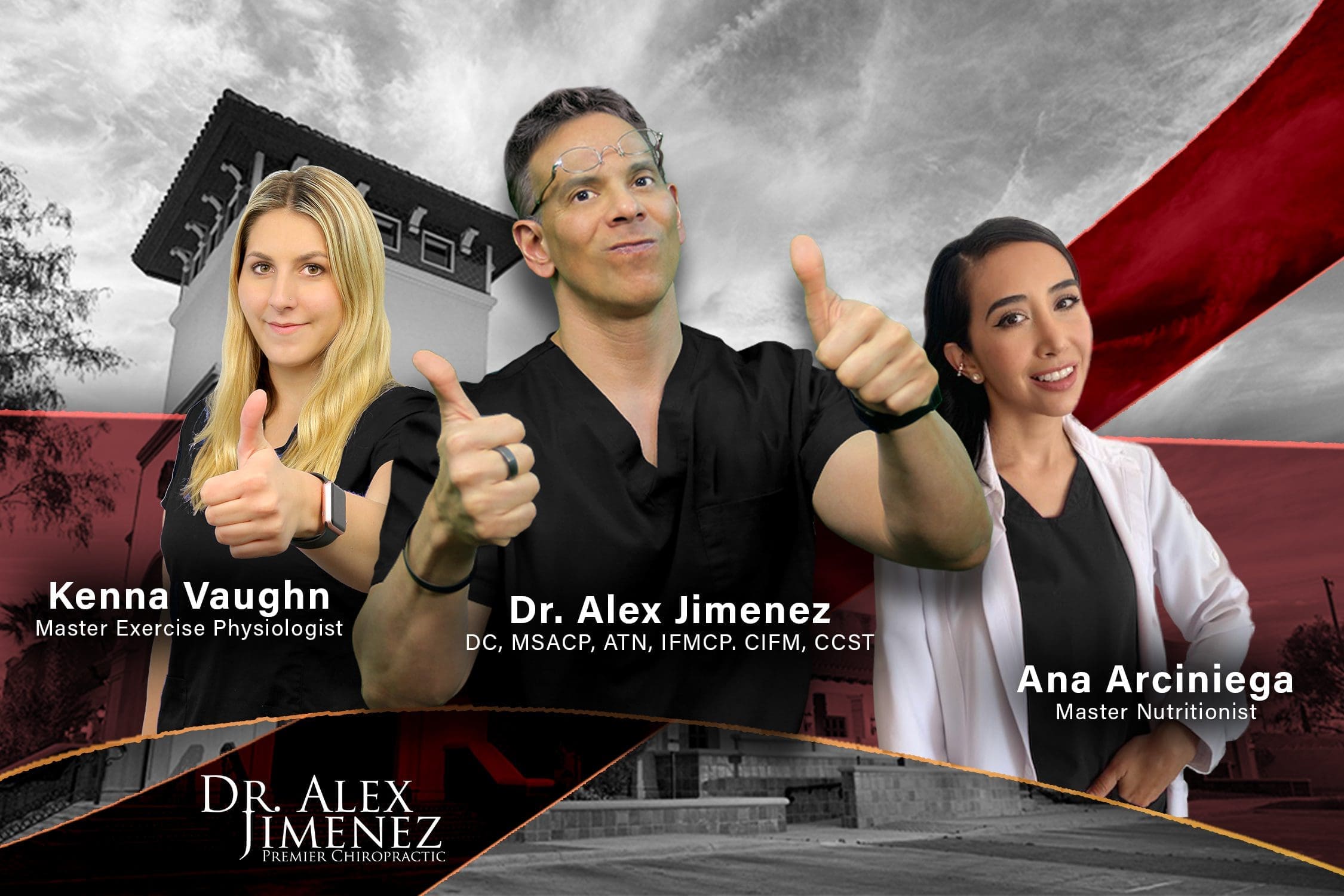
Welcome to El Paso's Premier Wellness and Injury Care Clinic & Wellness Blog, where Dr. Alex Jimenez, DC, FNP-C, a Multi-State board-certified Family Practice Nurse Practitioner (FNP-BC) and Chiropractor (DC), presents insights on how our multidisciplinary team is dedicated to holistic healing and personalized care. Our practice aligns with evidence-based treatment protocols inspired by integrative medicine principles, similar to those found on this site and our family practice-based chiromed.com site, focusing on restoring health naturally for patients of all ages.
Our areas of multidisciplinary practice include Wellness & Nutrition, Chronic Pain, Personal Injury, Auto Accident Care, Work Injuries, Back Injury, Low Back Pain, Neck Pain, Migraine Headaches, Sports Injuries, Severe Sciatica, Scoliosis, Complex Herniated Discs, Fibromyalgia, Chronic Pain, Complex Injuries, Stress Management, Functional Medicine Treatments, and in-scope care protocols.
Our information scope is multidisciplinary, focusing on musculoskeletal and physical medicine, wellness, contributing etiological viscerosomatic disturbances within clinical presentations, associated somato-visceral reflex clinical dynamics, subluxation complexes, sensitive health issues, and functional medicine articles, topics, and discussions.
We provide and present clinical collaboration with specialists from various disciplines. Each specialist is governed by their professional scope of practice and their jurisdiction of licensure. We use functional health & wellness protocols to treat and support care for musculoskeletal injuries or disorders.
Our videos, posts, topics, and insights address clinical matters and issues that are directly or indirectly related to our clinical scope of practice.
Our office has made a reasonable effort to provide supportive citations and has identified relevant research studies that support our posts. We provide copies of supporting research studies upon request to regulatory boards and the public.
We understand that we cover matters that require an additional explanation of how they may assist in a particular care plan or treatment protocol; therefore, to discuss the subject matter above further, please feel free to ask Dr. Alex Jimenez, DC, APRN, FNP-BC, or contact us at 915-850-0900.
We are here to help you and your family.
Blessings
Dr. Alex Jimenez DC, MSACP, APRN, FNP-BC*, CCST, IFMCP, CFMP, ATN
Email: [email protected]
Multidisciplinary Licensing & Board Certifications:
Licensed as a Doctor of Chiropractic (DC) in Texas & New Mexico*
Chiropractic Licenses:
Texas DC License #: TX5807, Verified: TX5807
New Mexico DC License #: NM-DC2182, Verified: NM-DC2182
Nurse Practitioner Licenses:
Texas APRN License #: 1191402, Verified: 1191402 *
New Mexico CNP License #: 90560, Verified 90560
Florida APRN License #: 11043890, Verified: APRN11043890 *
Colorado License #: C-APN.0105610-C-NP, Verified: C-APN.0105610-C-NP
New York License #: N25929, Verified N25929
Georgia APRN License #: GAA-NP005701
Multi-State Advanced Practice Registered Nurse (APRN*) Texas & Multi-States
Multi-state Compact APRN License by Endorsement (43 States)
Compact Status: Multi-State License: Authorized to Practice in 43 States*
Nursing Licensure Compact: Updated Here
DEA Registration: (Drug Enforcement Agency Registered)
All medical (MDs) and family practice providers (FNP-APRN) are registered and licensed to offer various levels of medication.
Verify Providers Here
License Verification Link: Nursys License Verifier
* Prescriptive Authority Authorized (DEA Registered Providers). Call if Required
Board Certification:
ANCC FNP-BC: Board Certified Nurse Practitioner*
Education:
Graduate with Honors: ICHS: MSN-FNP (Family Nurse Practitioner Program)
Degree Granted. Master's in Family Practice, MSN Diploma (Cum Laude)
Dr. Alex Jimenez, DC, APRN, FNP-BC*, CFMP, IFMCP, ATN, CCST
(Board Certified: Family Practice Nurse Practitioner—Multistate)*
(Licensed Nurse Practitioner & Chiropractor - Multistate)*
Clinical Director
DC & FNP License (Review Above)
Digital Business Card
NPI: 1205907805
Dr. Maria Cardenas, MD
(Board Certified: Internal Medicine)
(Licensed Medical Doctor)
Medical Director, Clinical Director & Collaborative Physician
NPI # 1164426748
MD License #: J2933
Licenses and Board Certifications:
MD: Medical Doctor
DC: Doctor of Chiropractic
APRNP: Advanced Practice Registered Nurse
FNP-BC: Family Practice Specialization (Multi-State Board Certified)
FNP-BC: Family Practice Across Life Span (Neonatal to Geriatrics)
RN: Registered Nurse (Multi-State Compact License)
CFMP: Certified Functional Medicine Provider
MSN-FNP: Master of Science in Family Practice Medicine
MSACP: Master of Science in Advanced Clinical Practice
IFMCP: Institute of Functional Medicine
CCST: Certified Chiropractic Spinal Trauma
ATN: Advanced Translational Neutrogenomics
Family with Primary Care Focus (Family Nurse Practitioner or FNP)
- The Family Nurse Practitioner (FNP) promotes, maintains, and restores health for individuals and families across the lifespan. FNPs also identify health risks, promote wellness, and diagnose and manage acute and chronic illness.
- The FNP focuses on comprehensive primary care, promoting healthy lifestyles for patients across the lifespan in settings such as private practice, physician offices, and community health centers.
Memberships & Associations:
TCA: Texas Chiropractic Association: Member ID: 104311
TNA: Texas Nurse Association: Member ID: 06458222
TNP: Texas Nurse Practitioner Association ID: 2025091511
AANP: American Association of Nurse Practitioners: Member ID: 2198960
ANA: American Nurses Association: Member ID: 06458222 (District TX01)
| Primary Taxonomy | Selected Taxonomy | State | License Number |
|---|---|---|---|
| No | 111N00000X - Chiropractor | NM | DC2182 |
| Yes | 111N00000X - Chiropractor | TX | DC5807 |
| Yes | 363LF0000X - Nurse Practitioner - Family | TX | 1191402 |
| Yes | 363LF0000X - Nurse Practitioner - Family | FL | 11043890 |
| Yes | 363LF0000X - Nurse Practitioner - Family | CO | C-APN.0105610-C-NP |
| Yes | 363LF0000X - Nurse Practitioner - Family | NY | N25929 |
| Yes | 363LF0000X - Nurse Practitioner - Family | NM |
90560 |
| Yes | 363LF0000X - Nurse Practitioner - Family | GA | GAA-NP005701 |
Dr. Alex Jimenez, DC, APRN, FNP-BC*, CFMP, IFMCP, ATN, CCST
(Board Certified: Family Practice Nurse Practitioner—Multistate)*
(Primary Care Across Lifespan—Neonatal / Pediatric / Adult / Geriatrics)
(Licensed Nurse Practitioner & Chiropractor - Multistate)*
Clinical Director
Digital Business Card
NPI: 1205907805
Dr. Maria Cardenas, MD
(Board Certified: Internal Medicine)*
(Licensed Medical Doctor)*
Medical Director, Clinical Director & Collaborative Physician
NPI # 1164426748
MD License #: J2933
📆 Schedule Appointment: Schedule 24/7 (Click Here)