Table of Contents
Healing Nutrition With Peptides and Chiropractic Care
Abstract
Healing from a musculoskeletal injury requires more than one type of support. Muscles, tendons, ligaments, joints, and tissues around the spine need adequate protein, vitamins, minerals, healthy fats, movement, and time to recover. A protein-forward, anti-inflammatory whole-food diet may help create a healthier environment for this process. When medically appropriate, nutrition can be combined with peptide therapy, integrative chiropractic care, functional medicine, and rehabilitation.
The Mediterranean diet is one useful option because it emphasizes fish, vegetables, fruit, olive oil, nuts, seeds, legumes, and other minimally processed foods. A carefully planned ketogenic diet may also be considered for some patients, especially when metabolic health or weight management is part of the treatment plan. However, these approaches should be personalized. Peptide therapy also requires medical oversight because the evidence and regulatory status vary greatly from one peptide to another.
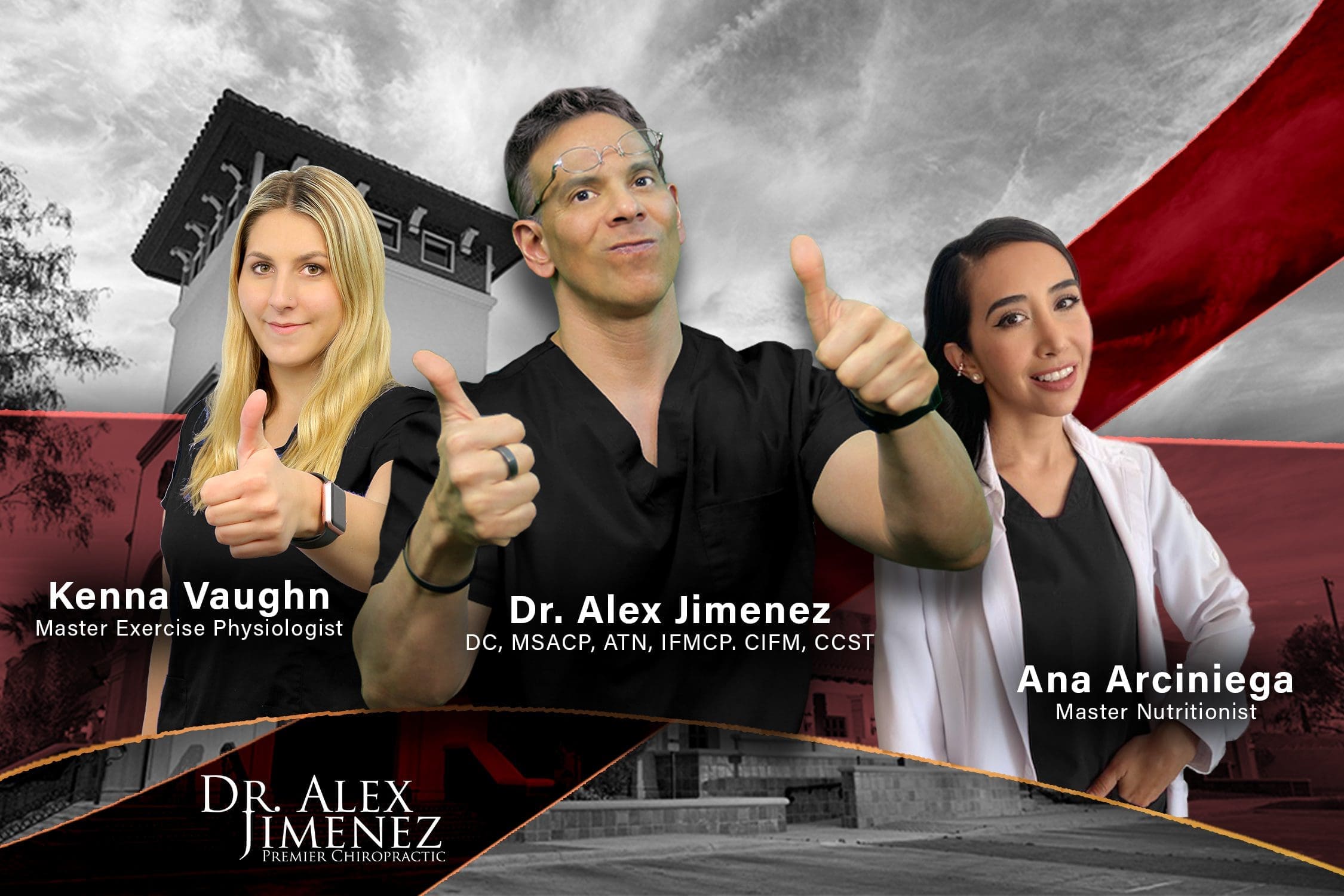
At Injury Medical Clinic PA in El Paso, Texas, Dr. Alexander Jimenez, DC, APRN, FNP-BC, CCST, CFMP, IFMCP, ATN, integrates chiropractic care, functional medicine, rehabilitation, personal injury care, and nutrition with medical oversight from Maria Guadalupe Cardenas, MD, a board-certified internal medicine physician and the clinic’s Medical Director and Collaborative Physician.

Why Nutrition Matters During Musculoskeletal Recovery
When the body is repairing injured tissue, it needs raw materials.
Protein is especially important because it provides amino acids. Amino acids are used to build and repair muscle, connective tissue, enzymes, and many other structures needed during recovery. Research on wound and tissue healing shows that adequate protein and specific amino acids play important roles in normal repair processes (Barchitta et al., 2019; Arribas-López et al., 2021).
This does not mean that eating more protein will automatically heal a disc injury, ligament tear, or painful joint. Nutrition cannot mechanically correct an injured joint, decompress a nerve, or replace rehabilitation. Instead, nutrition helps ensure the body has the materials needed to support recovery.
A protein-forward eating plan may include foods such as:
- Fish, including salmon and sardines
- Chicken and turkey
- Eggs
- Lean beef
- Beans and lentils
- Greek yogurt or other tolerated high-protein foods
- Nuts and seeds
- Tofu and other minimally processed plant proteins
Clinical nutrition resources used in peptide-focused practices also commonly emphasize protein, vegetables, healthy fats, hydration, and reducing highly processed foods (Med Matrix, 2025; Purposeful Healing DPC, 2026).
What Does an Anti-Inflammatory Diet Mean?
Inflammation is not always detrimental
Short-term inflammation is part of normal healing. Problems can arise when inflammation becomes excessive or remains elevated for a long period. Chronic inflammatory activity is associated with several metabolic and chronic health problems.
An anti-inflammatory eating pattern usually focuses on nutrient-dense whole foods while reducing excessive amounts of refined sugar, heavily processed foods, and foods that add large amounts of calories without much nutritional value.
Common choices include:
- Leafy green vegetables
- Berries and other colorful fruits
- Fatty fish
- Extra-virgin olive oil
- Avocados
- Nuts and seeds
- Beans
- Herbs and spices such as ginger and turmeric
- High-quality protein sources
These foods supply protein, fiber, vitamins, minerals, antioxidants, and healthy fats. Chiropractic nutrition resources also commonly recommend these foods when nutrition is being used to support musculoskeletal wellness and recovery (Mabe, n.d.; Phinney, 2024).
The Mediterranean Diet: A Strong Starting Point
For many people, the Mediterranean diet provides one of the easiest ways to build a protein-forward, anti-inflammatory eating pattern.
It is not a strict diet. Instead, it is a flexible way of eating based on vegetables, fruit, legumes, nuts, seeds, fish, whole grains, olive oil, and moderate portions of other proteins.
Research has linked Mediterranean-style eating with improvements in several cardiometabolic risk factors. Reviews have also found evidence that the Mediterranean diet can reduce certain inflammatory markers (Guasch-Ferré & Willett, 2021; Schwingshackl & Hoffmann, 2014). More recent research continues to support its ability to improve several markers connected with inflammation.
For a patient recovering from a back, neck, joint, or soft-tissue injury, a Mediterranean-style plate might include:
- Grilled salmon or chicken for protein
- Leafy greens and colorful vegetables
- Lentils or beans
- Olive oil
- A small serving of whole grains
- Berries or fruit
- Nuts or seeds
This approach can be adjusted for calorie needs, diabetes, food allergies, digestive problems, kidney disease, athletic goals, or weight-management needs.
Can a Ketogenic Diet Be Used Instead?
A ketogenic diet is another option, but it requires more individual planning.
Ketogenic diets greatly reduce carbohydrates and increase the body’s use of fat and ketones for fuel. Some studies suggest ketogenic diets may improve selected inflammatory markers, especially among people with higher weight or obesity. However, findings are not completely consistent across studies, and ketogenic eating should not be presented as the best choice for everyone (Rondanelli et al., 2024).
A whole-food ketogenic approach may emphasize:
- Eggs
- Fish
- Poultry
- Lean meats
- Avocado
- Olive oil
- Nuts and seeds
- Low-carbohydrate vegetables
- Leafy greens
Purposeful Healing DPC describes a similar combination of higher protein, whole foods, healthy fats, and low-carbohydrate vegetables when ketogenic eating is used as part of an anti-inflammatory plan.
However, ketogenic diets may not be appropriate for every patient. Medical history, kidney and liver function, medications, lipid levels, diabetes treatment, pregnancy, digestive health, and nutritional needs should all be considered.
This is why a ketogenic diet should be discussed with a qualified healthcare professional rather than started simply because it is popular online.
Where Does Peptide Therapy Fit?
Peptides are short chains of amino acids that can act as biological signals. Naturally occurring peptides are involved in many functions throughout the body, including metabolism, hormone signaling, immune function, and cellular communication.
The term peptide therapy, however, covers many different substances.
Some peptide-based medications have established medical uses and FDA approval. Other peptides promoted for recovery, anti-aging, muscle growth, or tissue repair remain experimental or have limited human safety data.
This distinction is very important.
For example, the FDA has identified safety concerns or insufficient safety information for several compounded peptide substances, including BPC-157, CJC-1295, ipamorelin acetate, injectable GHK-Cu, MOTS-C, and others. These treatments should not be described as proven cures for musculoskeletal injuries.
The safest approach is to think of medically appropriate peptide therapy as one possible part of a larger treatment plan, not as a replacement for food, exercise, rehabilitation, sleep, or established medical care.
Wellness Doctor RX makes a similar point: peptides should not be viewed as magic treatments. Nutrition provides raw materials, rehabilitation rebuilds strength, chiropractic care addresses movement and mechanical function, and medical supervision helps determine whether a treatment is appropriate (Jimenez, 2026).
Why Peptide Therapy Still Needs Good Nutrition
A biological signal cannot build tissue without raw materials.
Think of it this way: a construction manager can tell workers what needs to be repaired, but the crew still needs lumber, concrete, tools, and energy to complete the job.
The body works in a similar way.
Protein supplies amino acids. Vegetables and fruits provide vitamins, minerals, antioxidants, and plant compounds. Healthy fats support cell membranes and other normal functions. Adequate calories provide energy for recovery.
This is why several clinical peptide-nutrition programs emphasize protein intake and whole-food meals rather than using peptide treatment alone (Clean Eatz, n.d.; Med Matrix, 2025).
How Integrative Chiropractic Care Fits Into the Plan
Nutrition addresses the body’s internal environment. Chiropractic care addresses a different part of the problem: movement and musculoskeletal function.
Integrative chiropractic treatment may involve assessment of spinal and joint movement, posture, muscle imbalance, mobility, biomechanics, and functional limitations.
Depending on the patient, care may include:
- Chiropractic adjustments or mobilization
- Spinal decompression
- Soft-tissue treatment
- Corrective exercise
- Mobility training
- Strengthening
- Rehabilitation
- Lifestyle and nutritional guidance
Nutrition does not replace this mechanical work, and chiropractic care does not replace nutrition.
That is the value of combining them.
Chiropractic and nutrition resources describe this approach as using food to support tissue health while physical care works on movement, joint function, and musculoskeletal recovery (Grove Chiropractic, 2025; Mabe, n.d.).
Dr. Alex Jimenez’s Clinical Observations
In his published clinical observations, Dr. Alexander Jimenez, DC, APRN, FNP-BC, CCST, CFMP, IFMCP, ATN, describes recovery as a process that often requires several systems to be addressed at once.
His clinical model can be simplified into several parts:
- Nutrition supplies the materials.
- Medical therapy may influence biological signaling when appropriate.
- Chiropractic care works on movement and mechanical function.
- Rehabilitation rebuilds strength and stability.
- Functional medicine evaluates metabolic and lifestyle factors.
- Medical oversight helps determine safety and appropriateness.
Dr. Jimenez’s educational resources and professional materials reflect this multidisciplinary view. His practice information describes care involving chiropractic treatment, nutrition and wellness, chronic pain management, functional medicine, injury care, and rehabilitation.
These observations are clinical perspectives, not proof that every patient will respond the same way.
Medical Oversight From Dr. Maria Guadalupe Cardenas, MD
An important part of this model is medical collaboration.
Dr. Maria Guadalupe Cardenas, MD, is identified by Injury Medical Clinic PA’s materials as a board-certified internal medicine physician with more than 40 years of clinical experience. The practice lists her as its medical director and collaborative physician, with Texas medical license J2933 and practice-listed NPI #1164426749.
Dr. Cardenas works alongside Dr. Jimenez at Injury Medical Clinic PA in El Paso, Texas.
This creates a multidisciplinary setting that coordinates different parts of care. Dr. Jimenez brings chiropractic, family nurse practitioner, functional medicine, spinal trauma, and rehabilitation experience. Dr. Cardenas provides internal medicine experience and medical direction.
Together, the clinical model may include:
- Chiropractic care
- Medical evaluation and oversight
- Functional medicine
- Personal injury care
- Nutrition
- Rehabilitation
- Metabolic health management
- Musculoskeletal recovery strategies
This type of collaboration can be especially useful when a patient’s problem goes beyond one painful joint or one injured muscle. An accident patient, for example, may also have medication concerns, metabolic disease, hypertension, inflammation, abnormal laboratory findings, or other medical issues that need to be considered when designing a recovery plan.
Building a Simple Recovery Plate
A recovery-focused meal does not have to be complicated.
Start with a quality protein source. Add several vegetables. Include a healthy fat and, when appropriate, a minimally processed carbohydrate.
For example:
Mediterranean style: grilled salmon, roasted vegetables, lentils, olive oil, and berries.
Higher-protein Mediterranean style: chicken, Greek salad, chickpeas, olive oil, and a small serving of whole grain.
Lower-carbohydrate style: grilled chicken, avocado, broccoli, leafy greens, olive oil, and nuts.
Ketogenic style: salmon, spinach, avocado, olive oil, and a moderate portion of nuts.
The goal is not to follow a trendy diet perfectly. The goal is to consistently give the body enough protein and nutrient-dense foods while limiting foods that make calorie control and metabolic health more difficult.
A Whole-Body Approach to Healing
Peptide therapy, chiropractic care, nutrition, and rehabilitation are not interchangeable treatments.
They address different parts of health.
A protein-forward, anti-inflammatory whole-food diet supplies nutrients needed for normal tissue repair. Mediterranean-style eating has especially strong evidence for supporting metabolic and cardiovascular health and reducing some inflammatory markers. A ketogenic approach may also help selected patients, but it should be individualized.
Integrative chiropractic care can then focus on mobility, biomechanics, joint function, and rehabilitation. When peptide-based treatment is being considered, medical evaluation becomes even more important because different peptides have entirely unique levels of evidence, approval, and safety information.
At Injury Medical Clinic PA in El Paso, the collaborative model used by Dr. Alex Jimenez and Dr. Maria Guadalupe Cardenas reflects this broader idea: support the patient from several directions instead of expecting one treatment to do everything.
Before beginning peptide therapy, making a major dietary change, starting a ketogenic diet, taking new supplements, or changing an existing treatment program, speak with your physician or qualified healthcare provider. Treatment should be based on your medical history, medications, laboratory findings, injuries, nutritional needs, and individual goals.
References
Arribas-López, E., Zand, N., Ojo, O., Snowden, M. J., & Kochhar, T. (2021). The effect of amino acids on wound healing. Journal of Nutritional Science, 10, e34.
Barchitta, M., Maugeri, A., Favara, G., Lio, R. M. S., Evola, G., Agodi, A., & Basile, G. (2019). Nutrition and wound healing: An overview focusing on the beneficial effects of curcumin. International Journal of Molecular Sciences, 20(5), 1119.
Clean Eatz. (n.d.). This is peptide nutrition 101.
Grove Chiropractic. (2025). Integrating chiropractic care with nutrition for optimal wellness.
Guasch-Ferré, M., & Willett, W. C. (2021). The Mediterranean diet and health: A comprehensive overview. Journal of Internal Medicine, 290(3), 549–566.
Jimenez, A. (2026). Peptides, nutrition, and chiropractic wellness explained. EP Wellness & Functional Medicine Clinic.
Jimenez, A. (2026). Integrative peptide therapy and chiropractic care for cellular repair, metabolic health, and regenerative aesthetics. El Paso Chiropractor Blog.
Jimenez, A. (n.d.). Dr. Alex Jimenez, DC, APRN, FNP-BC, CFMP, IFMCP.
Jimenez, A. (n.d.). Professional profile. LinkedIn.
Mabe, S. (n.d.). Integrating chiropractic care with nutrition for optimal wellness. Rangeline Chiropractic.
Med Matrix. (2025). Nutrition and peptide therapy: How they work together for better results.
Phinney, M. (2024). Empowering nutritional advice to support chiropractic treatment for optimal health.
Purposeful Healing DPC. (2026). 2026 anti-inflammatory guide: Combining keto & high protein for longevity.
Rondanelli, M., et al. (2024). Does the ketogenic diet mediate inflammation markers in obese and overweight subjects?.
Schwingshackl, L., & Hoffmann, G. (2014). Mediterranean dietary pattern, inflammation and endothelial function: A systematic review and meta-analysis of intervention trials.
U.S. Food and Drug Administration. (2026). Certain bulk drug substances for use in compounding that may present significant safety risks.
Professional Scope of Practice *
The information herein on "Healing Nutrition With Peptides and Chiropractic Care Benefits" is not intended to replace a one-on-one relationship with a qualified health care professional or licensed physician and is not medical advice. We encourage you to make healthcare decisions based on your research and partnership with a qualified healthcare professional.
Blog Information & Scope Discussions
Welcome to El Paso's Premier Wellness and Injury Care Clinic & Wellness Blog, where Dr. Alex Jimenez, DC, FNP-C, a Multi-State board-certified Family Practice Nurse Practitioner (FNP-BC) and Chiropractor (DC), presents insights on how our multidisciplinary team is dedicated to holistic healing and personalized care. Our practice aligns with evidence-based treatment protocols inspired by integrative medicine principles, similar to those found on this site and our family practice-based chiromed.com site, focusing on restoring health naturally for patients of all ages.
Our areas of multidisciplinary practice include Wellness & Nutrition, Chronic Pain, Personal Injury, Auto Accident Care, Work Injuries, Back Injury, Low Back Pain, Neck Pain, Migraine Headaches, Sports Injuries, Severe Sciatica, Scoliosis, Complex Herniated Discs, Fibromyalgia, Chronic Pain, Complex Injuries, Stress Management, Functional Medicine Treatments, and in-scope care protocols.
Our information scope is multidisciplinary, focusing on musculoskeletal and physical medicine, wellness, contributing etiological viscerosomatic disturbances within clinical presentations, associated somato-visceral reflex clinical dynamics, subluxation complexes, sensitive health issues, and functional medicine articles, topics, and discussions.
We provide and present clinical collaboration with specialists from various disciplines. Each specialist is governed by their professional scope of practice and their jurisdiction of licensure. We use functional health & wellness protocols to treat and support care for musculoskeletal injuries or disorders.
Our videos, posts, topics, and insights address clinical matters and issues that are directly or indirectly related to our clinical scope of practice.
Our office has made a reasonable effort to provide supportive citations and has identified relevant research studies that support our posts. We provide copies of supporting research studies upon request to regulatory boards and the public.
We understand that we cover matters that require an additional explanation of how they may assist in a particular care plan or treatment protocol; therefore, to discuss the subject matter above further, please feel free to ask Dr. Alex Jimenez, DC, APRN, FNP-BC, or contact us at 915-850-0900.
We are here to help you and your family.
Blessings
Dr. Alex Jimenez DC, MSACP, APRN, FNP-BC*, CCST, IFMCP, CFMP, ATN
Email: [email protected]
Multidisciplinary Licensing & Board Certifications:
Licensed as a Doctor of Chiropractic (DC) in Texas & New Mexico*
Chiropractic Licenses:
Texas DC License #: TX5807, Verified: TX5807
New Mexico DC License #: NM-DC2182, Verified: NM-DC2182
Nurse Practitioner Licenses:
Texas APRN License #: 1191402, Verified: 1191402 *
New Mexico CNP License #: 90560, Verified 90560
Florida APRN License #: 11043890, Verified: APRN11043890 *
Colorado License #: C-APN.0105610-C-NP, Verified: C-APN.0105610-C-NP
New York License #: N25929, Verified N25929
Georgia APRN License #: GAA-NP005701
Multi-State Advanced Practice Registered Nurse (APRN*) Texas & Multi-States
Multi-state Compact APRN License by Endorsement (43 States)
Compact Status: Multi-State License: Authorized to Practice in 43 States*
Nursing Licensure Compact: Updated Here
DEA Registration: (Drug Enforcement Agency Registered)
All medical (MDs) and family practice providers (FNP-APRN) are registered and licensed to offer various levels of medication.
Verify Providers Here
License Verification Link: Nursys License Verifier
* Prescriptive Authority Authorized (DEA Registered Providers). Call if Required
Board Certification:
ANCC FNP-BC: Board Certified Nurse Practitioner*
Education:
Graduate with Honors: ICHS: MSN-FNP (Family Nurse Practitioner Program)
Degree Granted. Master's in Family Practice, MSN Diploma (Cum Laude)
Dr. Alex Jimenez, DC, APRN, FNP-BC*, CFMP, IFMCP, ATN, CCST
(Board Certified: Family Practice Nurse Practitioner—Multistate)*
(Licensed Nurse Practitioner & Chiropractor - Multistate)*
Clinical Director
DC & FNP License (Review Above)
Digital Business Card
NPI: 1205907805
Dr. Maria Cardenas, MD
(Board Certified: Internal Medicine)
(Licensed Medical Doctor)
Medical Director, Clinical Director & Collaborative Physician
NPI # 1164426748
MD License #: J2933
Licenses and Board Certifications:
MD: Medical Doctor
DC: Doctor of Chiropractic
APRNP: Advanced Practice Registered Nurse
FNP-BC: Family Practice Specialization (Multi-State Board Certified)
FNP-BC: Family Practice Across Life Span (Neonatal to Geriatrics)
RN: Registered Nurse (Multi-State Compact License)
CFMP: Certified Functional Medicine Provider
MSN-FNP: Master of Science in Family Practice Medicine
MSACP: Master of Science in Advanced Clinical Practice
IFMCP: Institute of Functional Medicine
CCST: Certified Chiropractic Spinal Trauma
ATN: Advanced Translational Neutrogenomics
Family with Primary Care Focus (Family Nurse Practitioner or FNP)
- The Family Nurse Practitioner (FNP) promotes, maintains, and restores health for individuals and families across the lifespan. FNPs also identify health risks, promote wellness, and diagnose and manage acute and chronic illness.
- The FNP focuses on comprehensive primary care, promoting healthy lifestyles for patients across the lifespan in settings such as private practice, physician offices, and community health centers.
Memberships & Associations:
TCA: Texas Chiropractic Association: Member ID: 104311
TNA: Texas Nurse Association: Member ID: 06458222
TNP: Texas Nurse Practitioner Association ID: 2025091511
AANP: American Association of Nurse Practitioners: Member ID: 2198960
ANA: American Nurses Association: Member ID: 06458222 (District TX01)
| Primary Taxonomy | Selected Taxonomy | State | License Number |
|---|---|---|---|
| No | 111N00000X - Chiropractor | NM | DC2182 |
| Yes | 111N00000X - Chiropractor | TX | DC5807 |
| Yes | 363LF0000X - Nurse Practitioner - Family | TX | 1191402 |
| Yes | 363LF0000X - Nurse Practitioner - Family | FL | 11043890 |
| Yes | 363LF0000X - Nurse Practitioner - Family | CO | C-APN.0105610-C-NP |
| Yes | 363LF0000X - Nurse Practitioner - Family | NY | N25929 |
| Yes | 363LF0000X - Nurse Practitioner - Family | NM |
90560 |
| Yes | 363LF0000X - Nurse Practitioner - Family | GA | GAA-NP005701 |
Dr. Alex Jimenez, DC, APRN, FNP-BC*, CFMP, IFMCP, ATN, CCST
(Board Certified: Family Practice Nurse Practitioner—Multistate)*
(Primary Care Across Lifespan—Neonatal / Pediatric / Adult / Geriatrics)
(Licensed Nurse Practitioner & Chiropractor - Multistate)*
Clinical Director
Digital Business Card
NPI: 1205907805
Dr. Maria Cardenas, MD
(Board Certified: Internal Medicine)*
(Licensed Medical Doctor)*
Medical Director, Clinical Director & Collaborative Physician
NPI # 1164426748
MD License #: J2933
📆 Schedule Appointment: Schedule 24/7 (Click Here)