Table of Contents
How Telemedicine Enhances Nutrition Guidance: An Integrative Approach with Chiropractic and Functional Medicine

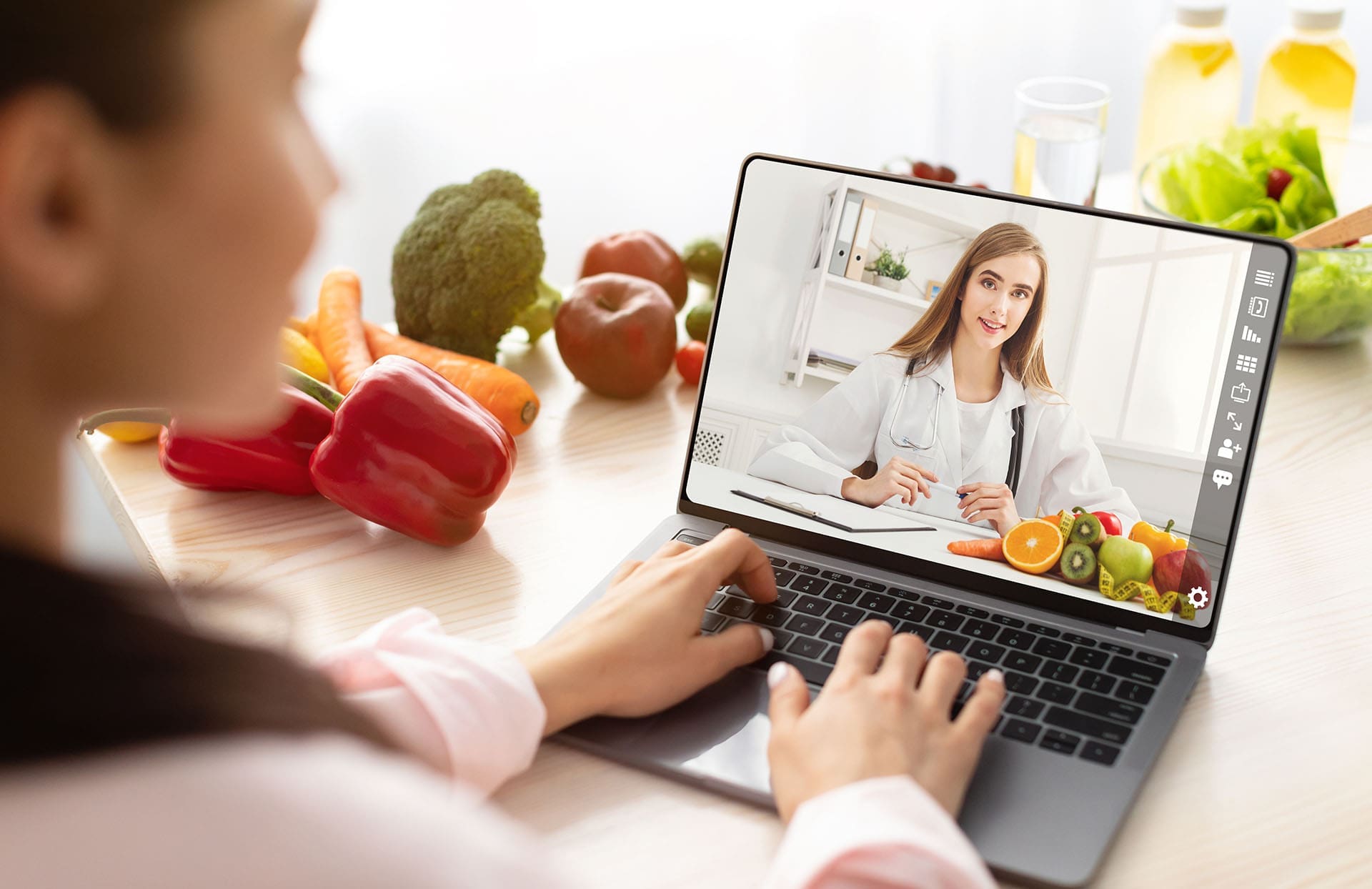
Telemedicine is changing how people get health advice, especially when it comes to eating right. Imagine talking to a doctor from your couch about what foods can help your body feel better. This tech makes it easy for patients to get meal tips without leaving home. It helps with things like creating meal plans just for you, sharing easy-to-follow guides, and even setting up special meals tailored to your health needs. All this makes taking care of your health through food less of a hassle.
In this article, we examine how telemedicine works in nutrition. We focus on combining chiropractic care, which addresses spinal and body alignment, with functional medicine, which explores the root causes of health issues. Together, they use online tools such as video calls, apps, and home tests to provide advice on food, supplements, and daily habits. This way, doctors can check lab results, track your progress, and suggest changes to your exercise or routine, all remotely.
Why does this matter? Many people struggle with health problems like diabetes or pain that food can help manage. Telemedicine breaks down barriers such as travel and busy schedules. It lets experts create plans with foods to eat or avoid, plus tips on sleep and movement. Studies show this approach can lead to better health over time. Let’s dive into how it all comes together.
Understanding Telemedicine Basics
Telemedicine means using tech like video calls or apps to see a doctor without being in the same room. It started growing rapidly due to needs like the pandemic, but now it’s common in everyday care. For nutrition, it means diet experts can talk to you about what to eat from anywhere.
This setup uses different ways to connect:
- Real-time video chats for face-to-face talks.
- Apps that track what you eat or your steps.
- Messages or emails for quick questions.
- Devices that send data like blood sugar levels straight to the doctor.
It’s safe and private, with secure apps to protect your info. Telemedicine makes health care more reachable, especially if you live far from specialists or have trouble getting around. For nutrition, this means getting meal advice without waiting in a clinic.
How Telemedicine Provides Nutrition Guidance
Telemedicine makes it easier to give nutrition advice by connecting patients and experts online. Patients can share their eating habits, health goals, and even photos of meals through apps. Doctors then create plans tailored to needs, such as weight loss or diabetes management.
One big way it helps is with personalized meal plans. During a video call, a nutritionist asks about your likes, allergies, and daily life. They use this to suggest meals that fit. For example, if you have heart issues, they might plan low-salt options. Apps can even use AI to scan food pics and count calories or nutrients.
It also includes sharing instructional materials. For example, some videos explain how to read food labels, and online classes teach portion sizes. These tools teach you how to make better choices on your own. Group video sessions can cover topics such as healthy cooking, making learning fun, and socializing.
Another key part is organizing medically tailored meals. These are ready-made foods designed for your health condition, such as low-sugar options for diabetes. Telemedicine lets doctors work with delivery services to get these to your door. They check your needs, like allergies, and adjust as you go.
All this convenience helps patients stick to healthy eating. No more long drives to appointments—log in and get support. This leads to better control over health issues through diet.
Here are some examples of telemedicine tools for nutrition:
- Mobile apps for logging meals and getting instant feedback.
- Wearable devices that track activity and send data to your doctor.
- Patient portals where you upload lab results or food diaries.
- AI chatbots that answer quick questions about recipes or nutrients.
Benefits of Telemedicine for Managing Health Through Nutrition
Managing health problems with food gets simpler with telemedicine. It helps with chronic conditions like diabetes or heart disease by remotely monitoring them. For instance, patients can share glucose readings, and doctors can tweak meal plans right away.
This approach makes care more patient-focused. You set goals together, like eating more veggies, and track progress online. It empowers you to take charge, leading to lasting changes.
Family involvement is a plus, too. Include loved ones in calls to share recipes or guidelines. This way, everyone at home follows the same healthy habits, making it easier to stick with.
Telemedicine also connects you to resources such as food banks and delivery apps for healthy options. If money or access is an issue, doctors can help find programs like SNAP.
In hospitals, technology like patient portals lets you order meals with nutrition information displayed. You track intake and see how it meets goals, even from a bed. This boosts awareness and motivation.
Overall, it’s about making nutrition fit your life. Less stress, more support, better health.
Benefits include:
- Easier access for rural or busy people.
- Real-time adjustments to plans.
- Cost savings from fewer in-person visits.
- Better outcomes for conditions such as cancer or aging.
The Integrative Method: Combining Chiropractic and Functional Medicine
Chiropractic care aligns the body, including the spine, to help nerves function better. Functional medicine digs into why you’re sick, looking at diet, stress, and genes. Together, they provide full nutrition advice remotely.
This mix uses video calls for talks, home tests for labs, and apps for tracking. Doctors review results online and plan treatments with foods, supplements, and habits to address root causes.
For example, if pain is caused by inflammation, they suggest anti-inflammatory foods such as berries or fish. Supplements like collagen support joints, while magnesium helps sleep—key for healing.
At-home testing means blood draws come to you, then are discussed over the phone. Digital support tracks sleep or steps, letting doctors adjust plans fast.
Video calls cover exercise tips, like walks for energy, or habit changes, like better hydration. It’s holistic—body, mind, food, all linked.
This method heals from the inside out. No guessing alone; ongoing check-ins keep you on track.
Key parts of this integrative telemedicine:
- Root cause checks with history and tests.
- Personalized diets avoiding triggers, adding healers.
- Supplements, if needed, like probiotics for the gut.
- Lifestyle tweaks for stress or sleep.
- Progress via secure apps and calls.
Chiropractic boosts this by improving digestion through alignment, helping the body better absorb nutrients. The functional side adds nutrition to prevent issues.
Clinical Observations from Dr. Alexander Jimenez
Dr. Alexander Jimenez, a chiropractor and nurse practitioner, shares insights on using telemedicine for nutrition in integrative care. With over 30 years of experience, he focuses on root causes without drugs or surgery.
He notes that nutrition can fix imbalances in chronic pain or injuries. For example, keto diets reduce inflammation, which can help with sciatica. Telemedicine lets him review patient data remotely, like using wearables, to tailor plans.
In his practice, he combines chiropractic with functional medicine for conditions such as diabetes and autoimmunity. Online assessments create diets with macros and supplements, such as vitamin D for bone health or zinc for healing.
He observes that telemedicine makes care accessible, especially for busy or injured people. Video coaching covers gut health, including probiotics and antioxidants for recovery.
Dr. Jimenez stresses patient empowerment. Through apps, folks track progress, leading to lasting changes in habits like hydration or protein intake for muscles.
His work shows this approach works for menopause, TBI, or weight issues, blending food advice with alignments for full wellness.
Observations include:
- Nutrition speeds injury recovery.
- Telehealth bridges gaps for remote patients.
- Integrative plans prevent chronic diseases.
- Personalized supplements fix deficiencies.
Real-World Examples and Challenges
Take someone with back pain: A Telemedicine session reviews diet, suggests omega-3s, and tracks via app. Adjustments via video-guided home exercises.
For diabetes, plans include low-carb meals and remote monitoring for better control.
Challenges: Tech access or learning curves. Solutions: Simple apps and training.
The future looks bright with more AI for plans.
Conclusion
Telemedicine transforms nutrition guidance, making it easy and effective. Integrating chiropractic and functional medicine adds depth, fixing roots remotely. With tools like apps and calls, patients can better manage their health through food. Dr. Jimenez’s work proves it works. Try it for convenient care.

References
Advanced Integrated Health. (n.d.). Virtual functional medicine consultations and care.
Being Functional. (n.d.). Functional medicine and telehealth: The benefits of virtual care.
BMC Health Services Research. (2020). Engaging hospitalised patients in their nutrition care using technology: Development of the NUTRI-TEC intervention.
El Paso Chiropractic. (n.d.). Nutrition category.
Grove Chiropractic. (n.d.). Integrating chiropractic care with nutrition for optimal wellness.
Jimenez, A. (n.d.). Injury specialists.
Jimenez, A. (n.d.). LinkedIn profile.
The Well-House Chiro. (n.d.). Functional nutrition 101: Heal from the inside out for lasting wellness.
The Well-House Chiro. (n.d.). Functional nutrition & health coaching – Holistic nutritionist in Missouri.
U.S. Department of Health and Human Services. (n.d.). Getting started: Understanding telehealth for nutrition care.
U.S. Department of Health and Human Services. (n.d.). Preparing patients to receive nutrition care using telehealth.
Professional Scope of Practice *
The information herein on "Telemedicine Enhances Nutrition Guidance at Home" is not intended to replace a one-on-one relationship with a qualified health care professional or licensed physician and is not medical advice. We encourage you to make healthcare decisions based on your research and partnership with a qualified healthcare professional.
Blog Information & Scope Discussions
Welcome to El Paso's Premier Wellness and Injury Care Clinic & Wellness Blog, where Dr. Alex Jimenez, DC, FNP-C, a Multi-State board-certified Family Practice Nurse Practitioner (FNP-BC) and Chiropractor (DC), presents insights on how our multidisciplinary team is dedicated to holistic healing and personalized care. Our practice aligns with evidence-based treatment protocols inspired by integrative medicine principles, similar to those found on this site and our family practice-based chiromed.com site, focusing on restoring health naturally for patients of all ages.
Our areas of multidisciplinary practice include Wellness & Nutrition, Chronic Pain, Personal Injury, Auto Accident Care, Work Injuries, Back Injury, Low Back Pain, Neck Pain, Migraine Headaches, Sports Injuries, Severe Sciatica, Scoliosis, Complex Herniated Discs, Fibromyalgia, Chronic Pain, Complex Injuries, Stress Management, Functional Medicine Treatments, and in-scope care protocols.
Our information scope is multidisciplinary, focusing on musculoskeletal and physical medicine, wellness, contributing etiological viscerosomatic disturbances within clinical presentations, associated somato-visceral reflex clinical dynamics, subluxation complexes, sensitive health issues, and functional medicine articles, topics, and discussions.
We provide and present clinical collaboration with specialists from various disciplines. Each specialist is governed by their professional scope of practice and their jurisdiction of licensure. We use functional health & wellness protocols to treat and support care for musculoskeletal injuries or disorders.
Our videos, posts, topics, and insights address clinical matters and issues that are directly or indirectly related to our clinical scope of practice.
Our office has made a reasonable effort to provide supportive citations and has identified relevant research studies that support our posts. We provide copies of supporting research studies upon request to regulatory boards and the public.
We understand that we cover matters that require an additional explanation of how they may assist in a particular care plan or treatment protocol; therefore, to discuss the subject matter above further, please feel free to ask Dr. Alex Jimenez, DC, APRN, FNP-BC, or contact us at 915-850-0900.
We are here to help you and your family.
Blessings
Dr. Alex Jimenez DC, MSACP, APRN, FNP-BC*, CCST, IFMCP, CFMP, ATN
email: [email protected]
Multidisciplinary Licensing & Board Certifications:
Licensed as a Doctor of Chiropractic (DC) in Texas & New Mexico*
Texas DC License #: TX5807, Verified: TX5807
New Mexico DC License #: NM-DC2182, Verified: NM-DC2182
Multi-State Advanced Practice Registered Nurse (APRN*) in Texas & Multi-States
Multi-state Compact APRN License by Endorsement (42 States)
Texas APRN License #: 1191402, Verified: 1191402 *
Florida APRN License #: 11043890, Verified: APRN11043890 *
Colorado License #: C-APN.0105610-C-NP, Verified: C-APN.0105610-C-NP
New York License #: N25929, Verified N25929
License Verification Link: Nursys License Verifier
* Prescriptive Authority Authorized
ANCC FNP-BC: Board Certified Nurse Practitioner*
Compact Status: Multi-State License: Authorized to Practice in 40 States*
Graduate with Honors: ICHS: MSN-FNP (Family Nurse Practitioner Program)
Degree Granted. Master's in Family Practice MSN Diploma (Cum Laude)
Dr. Alex Jimenez, DC, APRN, FNP-BC*, CFMP, IFMCP, ATN, CCST
My Digital Business Card
Licenses and Board Certifications:
DC: Doctor of Chiropractic
APRNP: Advanced Practice Registered Nurse
FNP-BC: Family Practice Specialization (Multi-State Board Certified)
RN: Registered Nurse (Multi-State Compact License)
CFMP: Certified Functional Medicine Provider
MSN-FNP: Master of Science in Family Practice Medicine
MSACP: Master of Science in Advanced Clinical Practice
IFMCP: Institute of Functional Medicine
CCST: Certified Chiropractic Spinal Trauma
ATN: Advanced Translational Neutrogenomics
Memberships & Associations:
TCA: Texas Chiropractic Association: Member ID: 104311
AANP: American Association of Nurse Practitioners: Member ID: 2198960
ANA: American Nurse Association: Member ID: 06458222 (District TX01)
TNA: Texas Nurse Association: Member ID: 06458222
NPI: 1205907805
| Primary Taxonomy | Selected Taxonomy | State | License Number |
|---|---|---|---|
| No | 111N00000X - Chiropractor | NM | DC2182 |
| Yes | 111N00000X - Chiropractor | TX | DC5807 |
| Yes | 363LF0000X - Nurse Practitioner - Family | TX | 1191402 |
| Yes | 363LF0000X - Nurse Practitioner - Family | FL | 11043890 |
| Yes | 363LF0000X - Nurse Practitioner - Family | CO | C-APN.0105610-C-NP |
| Yes | 363LF0000X - Nurse Practitioner - Family | NY | N25929 |
Dr. Alex Jimenez, DC, APRN, FNP-BC*, CFMP, IFMCP, ATN, CCST
My Digital Business Card