Table of Contents
Speeding and Aggressive Driving MVAs: Why They Are So Dangerous and How Integrative Injury Care Supports Recovery
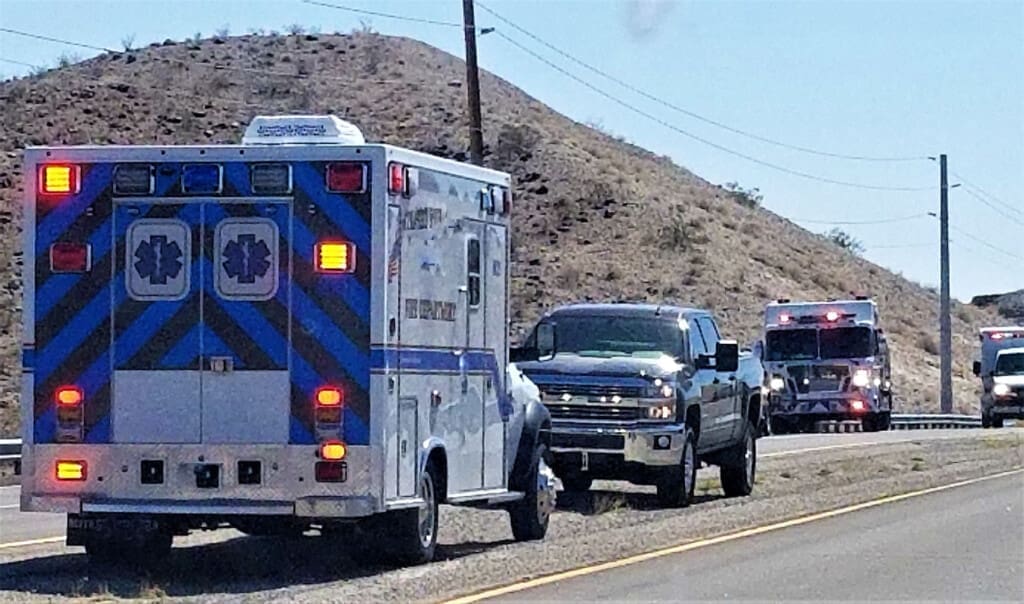
Speeding and aggressive driving accidents are among the most dangerous crashes on the road. These crashes happen when drivers ignore traffic laws, rush through traffic, tailgate, switch lanes without care, run red lights, or drive too fast for the weather, road, or traffic conditions. Speeding is not only driving above the posted limit. It also means driving too fast for rain, darkness, road work, traffic, curves, or poor visibility (National Highway Traffic Safety Administration [NHTSA], n.d.).
For more than two decades, speeding has been involved in about one-third of motor vehicle deaths in the United States. In 2024, NHTSA reported 11,288 speeding-related traffic deaths, and speeding was a factor in 29% of all traffic fatalities that year (NHTSA, n.d.).
What Counts as Speeding?
Speeding includes:
- Driving above the posted speed limit
- Driving too fast during rain, fog, dust, or darkness
- Going too fast through construction zones
- Driving too fast around curves or intersections
- Moving faster than traffic conditions safely allow
Speed limits are designed to protect drivers, passengers, pedestrians, bicyclists, and law enforcement officers. They are not random numbers. They are based on roadway design, traffic flow, visibility, and crash risk. When drivers ignore these limits, they reduce their reaction time and increase the force of a crash (Zero Deaths Maryland, n.d.).
What Is Aggressive Driving?
Aggressive driving is more than one bad choice behind the wheel. It usually includes a pattern of risky traffic violations. NHTSA describes aggressive driving behaviors as actions such as driving much faster than traffic, following too closely, making unsafe lane changes, and running red lights. Road rage is different. Road rage means an intentional assault with a vehicle or weapon after a roadway conflict (NHTSA, n.d.).
Common aggressive driving behaviors include:
- Tailgating
- Cutting off other drivers
- Racing through yellow or red lights
- Weaving through traffic
- Failing to yield
- Blocking passing lanes
- Speeding to “beat” traffic
- Making angry gestures or threats
- Using the vehicle to intimidate others
These choices can quickly turn a normal commute into a high-impact crash.
Why Drivers Speed or Become Aggressive
Many drivers do not start the day planning to drive dangerously. But stress, frustration, and poor judgment can build fast. NHTSA lists traffic congestion, running late, feeling anonymous inside a vehicle, and disregard for others as common reasons people speed or drive aggressively (NHTSA, n.d.).
Common triggers include:
- Being late for work, school, court, or an appointment
- Heavy traffic
- Road construction
- Feeling blocked by slower vehicles
- Anger after being cut off
- Overconfidence in driving skill
- Habitual speeding on familiar roads
- Emotional stress before getting behind the wheel
The problem is that aggressive driving rarely saves much time. Instead, it raises the chance of a serious crash.
Why High-Speed Crashes Cause More Severe Injuries
Speed changes everything in a crash. At higher speeds, the driver has less time to notice danger, less time to brake, and less space to stop. A speeding vehicle also hits with more force. Zero Deaths Maryland notes that the chance of death or serious injury grows at higher speeds and can double for every 10 mph over 50 mph (Zero Deaths Maryland, n.d.).
The Florida Department of Transportation explains that speeding can cause:
- Greater loss of vehicle control
- Reduced protection from seat belts and airbags
- Longer stopping distance
- More severe crash injuries
- Higher fuel cost and economic loss (Florida Department of Transportation, n.d.).
This is why high-speed car accidents often lead to deeper tissue damage, more severe spinal stress, and longer recovery times.
Common Injuries After Speeding and Aggressive Driving Crashes
A high-impact crash can push the body beyond its normal limits. The neck, back, shoulders, hips, knees, nerves, muscles, ligaments, and discs may all be affected.
Common injuries include:
- Whiplash
- Herniated discs
- Bulging discs
- Sciatica
- Neck and back sprains
- Ligament injuries
- Shoulder injuries
- Hip and knee trauma
- Headaches after neck trauma
- Nerve pain, numbness, or tingling
- Muscle spasms
- Joint stiffness
- Fatigue and inflammation
Some symptoms appear right away. Others may take hours or days to show up. This happens because adrenaline can hide pain after a crash. Inflammation can also build slowly.
Why Early Evaluation Matters
After a speeding or aggressive driving crash, the body may feel “shaken up” before pain becomes clear. A person may think they are fine, then wake up the next day with neck stiffness, back pain, headaches, shoulder pain, or radiating leg pain.
Early evaluation can help identify:
- Spinal joint restriction
- Nerve irritation
- Disc injury signs
- Soft-tissue inflammation
- Range-of-motion loss
- Muscle guarding
- Functional changes that affect work, sleep, and daily activity
In personal injury care, documentation is also important. Clear records can help show how the crash affected movement, pain levels, work ability, sleep, and quality of life.
Integrative Injury Care in El Paso, Texas
At Injury Medical Clinic PA in El Paso, Texas, Dr. Alex Jimenez, DC, works within a multidisciplinary model under the medical oversight of Dr. Maria Guadalupe Cardenas, MD. Dr. Cardenas is Board Certified in Internal Medicine, has over 40 years of experience as an internist, and serves as Medical Director and Collaborative Physician. Clinic materials identify her as NPI #1164426749 and Texas MD License #J2933 (Jimenez, n.d.).
This setup is common in integrative and injury care clinics. Dr. Cardenas provides internal medicine oversight and medical direction, while Dr. Jimenez focuses on chiropractic care, functional medicine, personal injury care, rehabilitation, and neuromusculoskeletal recovery. Dr. Jimenez’s clinical observations emphasize identifying the injury pattern, reducing pain, improving mobility, supporting healing, and helping patients return to daily activities (Jimenez, n.d.).
How Chiropractic Care Helps After a Crash
Chiropractic care focuses on joint motion, spinal alignment, nervous system stress, and body mechanics. After a crash, the spine and joints can become stiff, inflamed, and guarded by tight muscles.
Chiropractic care may help:
- Improve neck and back mobility
- Reduce joint restriction
- Decrease muscle guarding
- Support better posture and movement
- Improve comfort during daily activity
- Help restore normal spinal mechanics
For crash patients, chiropractic care is often combined with rehabilitation exercises, soft-tissue care, and medical review when needed.
Spinal Decompression for Disc and Nerve Pressure
Spinal decompression is used to reduce pressure on spinal structures. Cleveland Clinic describes spinal decompression as treatment designed to relieve pressure on spinal nerves or spinal structures that may contribute to pain from bulging discs, herniated discs, pinched nerves, sciatica, or spinal stenosis (Cleveland Clinic, 2022).
In an injury clinic, decompression may be used when a crash causes neck or back pain with radiating symptoms, such as pain into the arm or leg. The goal is to reduce pressure, calm irritated nerves, and support better motion.
MLS Laser Therapy and Photobiomodulation
MLS Laser Therapy uses light-based photobiomodulation to support cellular repair and reduce inflammation in injured tissue. Research on photobiomodulation suggests it may help with pain and inflammation, though results depend on the condition, dose, and patient factors (González-Muñoz et al., 2023).
After a crash, laser therapy may be used to support muscles, ligaments, tendons, and irritated soft tissue. It is non-surgical and often used as part of a larger recovery plan.
Shockwave Therapy for Scar Tissue and Soft-Tissue Pain
Shockwave Therapy uses acoustic sound waves to stimulate injured tissue. It is often used for tendon, ligament, and muscle-related pain. A 2024 review reported that extracorporeal shockwave therapy can help reduce pain in people with tendinopathy (Majidi et al., 2024).
In auto injury care, shockwave therapy may be considered when soft tissue remains painful, tight, or irritated after the first stage of healing.
Regenerative Therapies: PRP, PFP, and MFAT
Regenerative therapies use the body’s natural healing materials. These may include PRP, PFP, and MFAT when clinically appropriate.
PRP, or Platelet-Rich Plasma, is made from a patient’s own blood. Johns Hopkins Medicine explains that PRP contains a higher concentration of growth factors that may stimulate or speed healing in certain injuries (Johns Hopkins Medicine, n.d.).
PFP, or Platelet-Poor Plasma, may be used in some regenerative protocols to support tissue recovery. MFAT, or Micro-Fragmented Adipose Tissue, uses processed adipose tissue to provide cushioning and healing signals in injured joints. These options are not magic fixes. They are supportive tools that may be used with rehabilitation, chiropractic care, nutrition, and medical oversight.
Epidural Spinal Injections for Severe Nerve Inflammation
Some crash patients develop strong nerve pain from inflamed spinal nerves. This may feel like burning, shooting pain, numbness, tingling, or weakness. Cleveland Clinic explains that epidural steroid injections deliver anti-inflammatory medication into the epidural space around the spinal nerves to help reduce inflammation and nerve-related pain (Cleveland Clinic, 2021).
These injections are not for every patient. They are usually considered when conservative care needs a medical boost and when symptoms suggest significant spinal nerve irritation.
IV Infusion Therapy and Healing Support
After a high-impact crash, the body may deal with inflammation, pain, poor sleep, fatigue, and stress. IV infusion therapy delivers fluids, vitamins, minerals, and nutrients directly into the bloodstream. It does not replace food, rest, rehabilitation, or medical care. Instead, it may support hydration and nutrient status when medically appropriate.
In an integrative clinic, IV therapy may be part of a broader recovery plan that includes movement, nutrition, functional medicine, and injury care.
Functional Medicine, Rehabilitation, and Whole-Person Recovery
Dr. Alexander Jimenez, DC, APRN, FNP-BC, CCST, CFMP, IFMCP, ATN, uses clinical observations from chiropractic care, functional medicine, personal injury care, and rehabilitation. His approach looks at how the crash affected the whole person, not just one painful area (Jimenez, n.d.).
This may include reviewing:
- Pain patterns
- Inflammation
- Sleep quality
- Nutrition
- Movement limits
- Nerve symptoms
- Posture
- Work duties
- Daily function
- Recovery goals
A patient who was hit by an aggressive or speeding driver may need more than one type of care. A complete plan may include chiropractic adjustments, decompression, rehabilitation, soft-tissue care, laser therapy, shockwave therapy, regenerative support, injections, IV support, and medical oversight when needed.
Safer Roads and Stronger Recovery
Speeding and aggressive driving accidents are preventable, but their effects can be serious. These crashes reduce reaction time, increase crash force, and raise the risk of severe injury. The safest choice is to slow down, allow extra travel time, avoid tailgating, stay calm in traffic, and give aggressive drivers space.
When a crash does happen, early evaluation matters. In El Paso, the multidisciplinary model at Injury Medical Clinic PA connects chiropractic care from Dr. Alex Jimenez with medical direction from Dr. Maria Guadalupe Cardenas, MD. This team-based approach helps patients move from pain and confusion toward structure, documentation, rehabilitation, and recovery.

References
Cleveland Clinic. (2021). Epidural steroid injection: What it is, benefits, risks & side effects.
Cleveland Clinic. (2022). Spinal decompression therapy.
Florida Department of Transportation. (n.d.). Speeding and aggressive driving.
González-Muñoz, A., et al. (2023). Efficacy of photobiomodulation therapy in the treatment of chronic pain.
Governors Highway Safety Association. (2026). Speeding and aggressive driving.
Jimenez, A. (n.d.). Dr. Maria Cardenas, MD: Board-certified internal medicine specialist.
Jimenez, A. (n.d.). El Paso car accident shoulder injury recovery care strategies.
Jimenez, A. (n.d.). El Paso, TX chiropractor Dr. Alex Jimenez, DC | Personal injury specialist.
Johns Hopkins Medicine. (n.d.). Platelet-rich plasma injections.
Majidi, L., et al. (2024). The effect of extracorporeal shock-wave therapy on pain in tendinopathy.
National Highway Traffic Safety Administration. (n.d.). Speeding and aggressive driving prevention.
National Highway Traffic Safety Administration. (n.d.). Aggressive driving and other laws.
National Safety Council. (n.d.). Speeding.
Texas Department of Insurance. (2020). Aggressive driving fact sheet.
Zero Deaths Maryland. (n.d.). Speed and aggressive driving.
Zero Deaths Maryland. (2022). The dangers of speeding.
Professional Scope of Practice *
The information herein on "Speeding and Aggressive Driving MVAs: Understanding Risks" is not intended to replace a one-on-one relationship with a qualified health care professional or licensed physician and is not medical advice. We encourage you to make healthcare decisions based on your research and partnership with a qualified healthcare professional.
Blog Information & Scope Discussions
Welcome to El Paso's Premier Wellness and Injury Care Clinic & Wellness Blog, where Dr. Alex Jimenez, DC, FNP-C, a Multi-State board-certified Family Practice Nurse Practitioner (FNP-BC) and Chiropractor (DC), presents insights on how our multidisciplinary team is dedicated to holistic healing and personalized care. Our practice aligns with evidence-based treatment protocols inspired by integrative medicine principles, similar to those found on this site and our family practice-based chiromed.com site, focusing on restoring health naturally for patients of all ages.
Our areas of multidisciplinary practice include Wellness & Nutrition, Chronic Pain, Personal Injury, Auto Accident Care, Work Injuries, Back Injury, Low Back Pain, Neck Pain, Migraine Headaches, Sports Injuries, Severe Sciatica, Scoliosis, Complex Herniated Discs, Fibromyalgia, Chronic Pain, Complex Injuries, Stress Management, Functional Medicine Treatments, and in-scope care protocols.
Our information scope is multidisciplinary, focusing on musculoskeletal and physical medicine, wellness, contributing etiological viscerosomatic disturbances within clinical presentations, associated somato-visceral reflex clinical dynamics, subluxation complexes, sensitive health issues, and functional medicine articles, topics, and discussions.
We provide and present clinical collaboration with specialists from various disciplines. Each specialist is governed by their professional scope of practice and their jurisdiction of licensure. We use functional health & wellness protocols to treat and support care for musculoskeletal injuries or disorders.
Our videos, posts, topics, and insights address clinical matters and issues that are directly or indirectly related to our clinical scope of practice.
Our office has made a reasonable effort to provide supportive citations and has identified relevant research studies that support our posts. We provide copies of supporting research studies upon request to regulatory boards and the public.
We understand that we cover matters that require an additional explanation of how they may assist in a particular care plan or treatment protocol; therefore, to discuss the subject matter above further, please feel free to ask Dr. Alex Jimenez, DC, APRN, FNP-BC, or contact us at 915-850-0900.
We are here to help you and your family.
Blessings
Dr. Alex Jimenez DC, MSACP, APRN, FNP-BC*, CCST, IFMCP, CFMP, ATN
email: [email protected]
Multidisciplinary Licensing & Board Certifications:
Licensed as a Doctor of Chiropractic (DC) in Texas & New Mexico*
Texas DC License #: TX5807, Verified: TX5807
New Mexico DC License #: NM-DC2182, Verified: NM-DC2182
Multi-State Advanced Practice Registered Nurse (APRN*) in Texas & Multi-States
Multi-state Compact APRN License by Endorsement (42 States)
Texas APRN License #: 1191402, Verified: 1191402 *
Florida APRN License #: 11043890, Verified: APRN11043890 *
Colorado License #: C-APN.0105610-C-NP, Verified: C-APN.0105610-C-NP
New York License #: N25929, Verified N25929
License Verification Link: Nursys License Verifier
* Prescriptive Authority Authorized
ANCC FNP-BC: Board Certified Nurse Practitioner*
Compact Status: Multi-State License: Authorized to Practice in 40 States*
Graduate with Honors: ICHS: MSN-FNP (Family Nurse Practitioner Program)
Degree Granted. Master's in Family Practice MSN Diploma (Cum Laude)
Dr. Alex Jimenez, DC, APRN, FNP-BC*, CFMP, IFMCP, ATN, CCST
(Board Certified: Family Practice Nurse Practitioner—Multistate)*
(Licensed Nurse Practitioner & Chiropractor - Multistate)*
Clinical Director
Digital Business Card
Dr. Maria Cardenas, MD
(Board Certified: Internal Medicine)
(Licensed Medical Doctor)
Medical Director, Clinical Director & Collaborative Physician
NPI # 1164426749
MD License #: J2933
Licenses and Board Certifications:
MD: Medical Doctor
DC: Doctor of Chiropractic
APRNP: Advanced Practice Registered Nurse
FNP-BC: Family Practice Specialization (Multi-State Board Certified)
RN: Registered Nurse (Multi-State Compact License)
CFMP: Certified Functional Medicine Provider
MSN-FNP: Master of Science in Family Practice Medicine
MSACP: Master of Science in Advanced Clinical Practice
IFMCP: Institute of Functional Medicine
CCST: Certified Chiropractic Spinal Trauma
ATN: Advanced Translational Neutrogenomics
Memberships & Associations:
TCA: Texas Chiropractic Association: Member ID: 104311
AANP: American Association of Nurse Practitioners: Member ID: 2198960
ANA: American Nurse Association: Member ID: 06458222 (District TX01)
TNA: Texas Nurse Association: Member ID: 06458222
NPI: 1205907805
| Primary Taxonomy | Selected Taxonomy | State | License Number |
|---|---|---|---|
| No | 111N00000X - Chiropractor | NM | DC2182 |
| Yes | 111N00000X - Chiropractor | TX | DC5807 |
| Yes | 363LF0000X - Nurse Practitioner - Family | TX | 1191402 |
| Yes | 363LF0000X - Nurse Practitioner - Family | FL | 11043890 |
| Yes | 363LF0000X - Nurse Practitioner - Family | CO | C-APN.0105610-C-NP |
| Yes | 363LF0000X - Nurse Practitioner - Family | NY | N25929 |
Dr. Alex Jimenez, DC, APRN, FNP-BC*, CFMP, IFMCP, ATN, CCST
(Board Certified: Family Practice Nurse Practitioner—Multistate)*
(Licensed Nurse Practitioner & Chiropractor - Multistate)*
Clinical Director
Digital Business Card
Dr. Maria Cardenas, MD
(Board Certified: Internal Medicine)*
(Licensed Medical Doctor)*
Medical Director, Clinical Director & Collaborative Physician
NPI # 1164426749
MD License #: J2933