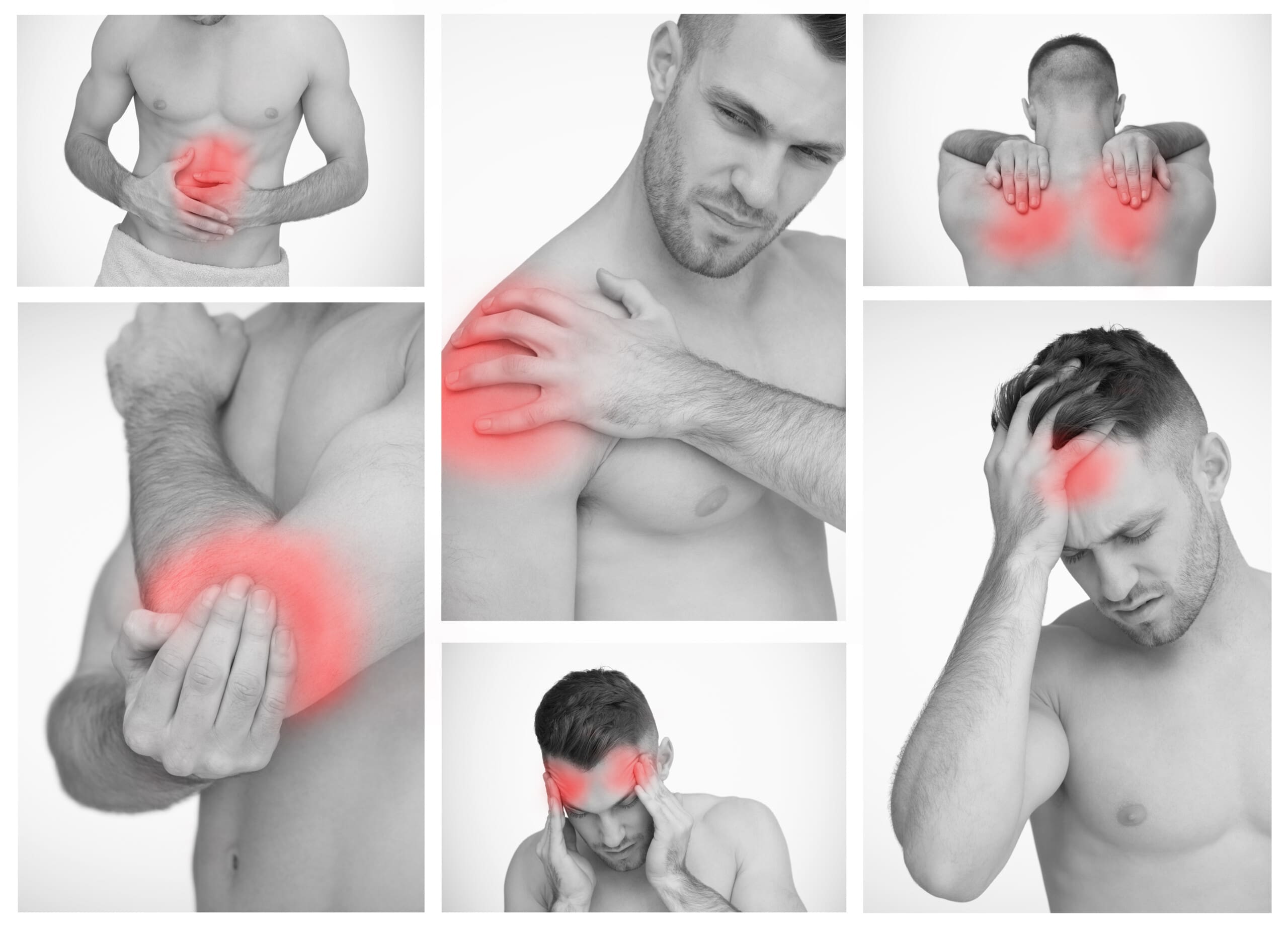
Achieve optimal musculoskeletal health recovery and regeneration with targeted practices for increased mobility and strength.
Table of Contents
Abstract
In this educational post, I will explore the multifaceted nature of patient recovery, drawing from the latest evidence-based research and my own clinical observations. We will delve into the complex world of nutritional supplements such as glucosamine, chondroitin, and turmeric, examining their roles and timing of use, particularly in relation to orthopedic and biological procedures such as Platelet-Rich Plasma (PRP). I will discuss the critical importance of a foundational, healthy lifestyle—encompassing a plant-based Mediterranean diet, quality sleep, and appropriate exercise—as the cornerstone of any successful treatment plan. Furthermore, we will explore the often-underestimated impacts of hormonal balance and stress management on healing and pain perception. By integrating these principles into chiropractic care, we can create a comprehensive, patient-centered plan that addresses the root causes of dysfunction and supports the body’s natural healing, leading to a smoother, more effective recovery.
With a background in chiropractic, advanced practice nursing, and functional medicine, I’m always looking for the most effective, evidence-based strategies to support my patients’ health journeys. A recurring theme in my practice, particularly with those suffering from chronic pain or recovering from injuries, is the desire to understand what they can do beyond our sessions to accelerate their healing. Recently, during an educational discussion, a question arose that perfectly captures this common concern: What role do supplements and lifestyle factors play in managing pain and fatigue, especially in the context of advanced treatments like PRP?
This question opens the door to a conversation about how targeted interventions, nutritional support, and fundamental lifestyle habits work together. Let’s journey together through these concepts to clarify how an integrative approach can significantly enhance patient outcomes.
The Role of Supplements in Joint Health and Pain Management
When patients ask about supplements for joint pain, I often start by discussing the research behind some of the most popular options: glucosamine, chondroitin, and turmeric. The evidence, drawn from rheumatology and orthopedic studies, is promising but not definitive. There isn’t a “slam dunk” study that proves their efficacy 100% of the time for every person.
- Glucosamine and Chondroitin: These are structural components of cartilage, the tissue that cushions our joints. The theory is that supplementing with them can help rebuild or slow the degeneration of cartilage.
- Turmeric (Curcumin): The active compound in turmeric, curcumin, is a potent anti-inflammatory. Many studies highlight its ability to modulate inflammatory pathways, which can help reduce pain and swelling in conditions like osteoarthritis.
Because the evidence is mixed, I counsel my patients realistically. I typically recommend a trial period of about eight weeks, a timeframe often used in clinical studies. This allows us enough time to gauge whether the supplement is making a noticeable difference for that individual.
However, the conversation becomes more nuanced when a patient is scheduled for a biological procedure, such as Platelet-Rich Plasma (PRP) therapy, which I frequently utilize in my practice for conditions ranging from joint degeneration to soft tissue injuries. PRP works by concentrating a patient’s own platelets and injecting them into the injured area to stimulate the body’s natural healing cascade.
Interestingly, some literature suggests that potent anti-inflammatory supplements, such as turmeric, could modulate platelet function. While I don’t believe these supplements are inherently harmful, the goal with a procedure like PRP is to control as many variables as possible to maximize success. For this reason, I often advise patients to pause their use of certain supplements for a couple of weeks before and after the procedure. This is not because we have definitive evidence of harm, but because we want to ensure the platelets can function optimally without any potential interference. It’s a precautionary measure to protect their investment in their health. I’ve had patients who insisted on staying on their supplements and still had excellent outcomes, which highlights the complexity and individuality of healing. The key is open, honest discussion about the knowns and the unknowns.
Beyond Adjustments: Chiropractic and Integrative Healthcare
Foundational Health: The Non-Negotiable Pillars of Recovery
While supplements can be a helpful adjunct, they are not the main event. The most powerful tools for optimizing health and recovery are rooted in lifestyle. In my clinical practice, I’ve observed that patients who actively improve their nutrition, sleep, and exercise habits consistently achieve better, more sustainable results. These are the variables with the most robust scientific support.
The Power of a Pro-Healing Diet
Nutrition is a cornerstone of recovery. The data, particularly from neurological and cardiovascular research, overwhelmingly supports a diet that combats chronic inflammation and provides the essential building blocks for tissue repair.
- The Mediterranean and Green Mediterranean Diets: I guide my patients toward a primarily plant-based Mediterranean diet. This eating pattern is rich in fruits, vegetables, whole grains, legumes, nuts, and healthy fats like olive oil. It emphasizes fish over red meat and minimizes processed foods, sugar, and refined grains.
- The “Green” Mediterranean Diet: This is an enhanced version that further emphasizes plant-based foods, includes daily consumption of green tea and a specific aquatic plant called Mankai duckweed, and strictly avoids red and processed meats. Studies, such as one published in the journal Heart, have shown it can be even more effective at reducing cardiometabolic risk factors (Shai et al., 2020).
The physiological principle is simple: these diets are rich in antioxidants and polyphenols that actively combat oxidative stress and inflammation, thereby creating an internal environment conducive to healing. When we apply this logic to orthopedic procedures, it stands to reason that nourishing the body in this way can enhance the effectiveness of treatments like PRP by improving the quality and function of the platelets we use. This is an exciting area where more research is needed, but extrapolating from the existing data provides a strong, logical basis for dietary recommendations.
Integrative Chiropractic Care: Restoring Function and Reducing Interference
This is where integrative chiropractic care becomes essential. Chiropractic adjustments focus on restoring proper motion and function to the joints, particularly the spine. When the musculoskeletal system is aligned and moving correctly, it reduces mechanical stress on injured tissues and alleviates neurological interference.
- Mechanism of Action: By performing specific adjustments, we can decrease pain signals, improve joint mobility, and reduce compensatory strain on other parts of the body. For example, if a patient has sciatica originating from a lumbar disc issue, chiropractic care can help decompress the affected nerve root.
- Synergy with Other Treatments: This functional restoration is a perfect partner to nutritional strategies and biological treatments. If we are using PRP to heal a damaged knee tendon but the patient’s gait is altered by pelvic misalignment, the tendon will remain under abnormal stress, hindering recovery. By correcting the biomechanics with chiropractic care, we create an optimal environment for the PRP to work effectively. It’s about addressing both the cellular-level healing and the macro-level biomechanical function simultaneously.
The Overlooked Factors: Hormones and Stress
Beyond diet and exercise, two other areas are gaining recognition for their profound impact on recovery: hormones and stress.
Hormonal Balance and Healing
Hormones are powerful signaling molecules that regulate countless bodily processes, including inflammation, tissue repair, and pain perception. As we age, levels of key hormones like testosterone, estrogen, and growth hormone naturally decline. This can directly impact the body’s ability to recover from injury. I believe the future of regenerative medicine will increasingly involve assessing and optimizing a patient’s hormonal status to enhance treatment outcomes. It represents a significant, and often missing, piece of the recovery puzzle.
The Critical Role of Stress Management
Perhaps the most underrated factor in healing is stress management. Chronic stress, whether emotional, mental, or physical, keeps the body in a state of “fight or flight.” The hormone cortisol mediates this.
- Physiological Impact of Chronic Stress: Sustained high levels of cortisol promote systemic inflammation, suppress the immune system, impair sleep quality, and can even increase pain perception. A patient under significant stress is physiologically disadvantaged in healing.
- Clinical Implications: In my practice, I have seen a clear correlation between high stress or anxiety levels and a more difficult recovery. These patients often report that it takes longer for their pain to subside, and they may experience more flare-ups post-procedure. This is supported by growing evidence of a link between psychological state and physical healing.
As healthcare providers, we must become comfortable discussing stress with our patients. I often use validated surveys like the Perceived Stress Scale (PSS) or the PCL-5 for PTSD to screen for high levels of distress. If a patient scores high, it opens a crucial dialogue. We can then prepare them for a potentially more “tumultuous” recovery and, more importantly, empower them with tools for stress management. These can include:
- Mindfulness and meditation practices
- Breathing exercises
- Yoga or gentle movement
- Counseling or therapy
By proactively addressing stress, we not only improve their recovery from a specific injury but also enhance their overall resilience and well-being.
A Cohesive, Patient-Centered Vision
The journey to recovery is not a single path but a convergence of many. It involves targeted medical and chiropractic interventions to restore function, evidence-based nutritional support to fuel cellular repair, and a conscious effort to manage the profound influence of stress. By weaving these elements together, we move away from a fragmented, symptom-based model and toward a truly holistic and integrative paradigm. We empower our patients to become active participants in their healing by providing a comprehensive toolkit that addresses the body, mind, and lifestyle. This is the future of effective, patient-centered care.
References
Shai, I., Meir, A. Y., Tsaban, G., Zelicha, H., Rinott, E., Kaplan, A., … & Tsofra, R. (2020). Effect of green-Mediterranean diet on cardiometabolic risk; a randomized controlled trial. Heart, 107(11), 903-910. https://heart.bmj.com/content/107/11/903
Harvard T.H. Chan School of Public Health. (n.d.). Diet Review: Mediterranean Diet. The Nutrition Source. Retrieved May 2, 2026, from https://www.hsph.harvard.edu/nutritionsource/healthy-weight/diet-reviews/mediterranean-diet/
SEO Tags: integrative chiropractic, functional medicine, Dr. Alex Jimenez, pain management, PRP therapy, nutritional supplements, glucosamine, turmeric, Mediterranean diet, stress management, hormonal balance, patient recovery, evidence-based medicine, holistic health, chiropractic care, sciatica, chronic pain, wellness, El Paso TX
Professional Scope of Practice *
The information herein on "Musculoskeletal Health Explained for Regeneration & Recovery" is not intended to replace a one-on-one relationship with a qualified health care professional or licensed physician and is not medical advice. We encourage you to make healthcare decisions based on your research and partnership with a qualified healthcare professional.
Blog Information & Scope Discussions
Welcome to El Paso's Premier Wellness and Injury Care Clinic & Wellness Blog, where Dr. Alex Jimenez, DC, FNP-C, a Multi-State board-certified Family Practice Nurse Practitioner (FNP-BC) and Chiropractor (DC), presents insights on how our multidisciplinary team is dedicated to holistic healing and personalized care. Our practice aligns with evidence-based treatment protocols inspired by integrative medicine principles, similar to those found on this site and our family practice-based chiromed.com site, focusing on restoring health naturally for patients of all ages.
Our areas of multidisciplinary practice include Wellness & Nutrition, Chronic Pain, Personal Injury, Auto Accident Care, Work Injuries, Back Injury, Low Back Pain, Neck Pain, Migraine Headaches, Sports Injuries, Severe Sciatica, Scoliosis, Complex Herniated Discs, Fibromyalgia, Chronic Pain, Complex Injuries, Stress Management, Functional Medicine Treatments, and in-scope care protocols.
Our information scope is multidisciplinary, focusing on musculoskeletal and physical medicine, wellness, contributing etiological viscerosomatic disturbances within clinical presentations, associated somato-visceral reflex clinical dynamics, subluxation complexes, sensitive health issues, and functional medicine articles, topics, and discussions.
We provide and present clinical collaboration with specialists from various disciplines. Each specialist is governed by their professional scope of practice and their jurisdiction of licensure. We use functional health & wellness protocols to treat and support care for musculoskeletal injuries or disorders.
Our videos, posts, topics, and insights address clinical matters and issues that are directly or indirectly related to our clinical scope of practice.
Our office has made a reasonable effort to provide supportive citations and has identified relevant research studies that support our posts. We provide copies of supporting research studies upon request to regulatory boards and the public.
We understand that we cover matters that require an additional explanation of how they may assist in a particular care plan or treatment protocol; therefore, to discuss the subject matter above further, please feel free to ask Dr. Alex Jimenez, DC, APRN, FNP-BC, or contact us at 915-850-0900.
We are here to help you and your family.
Blessings
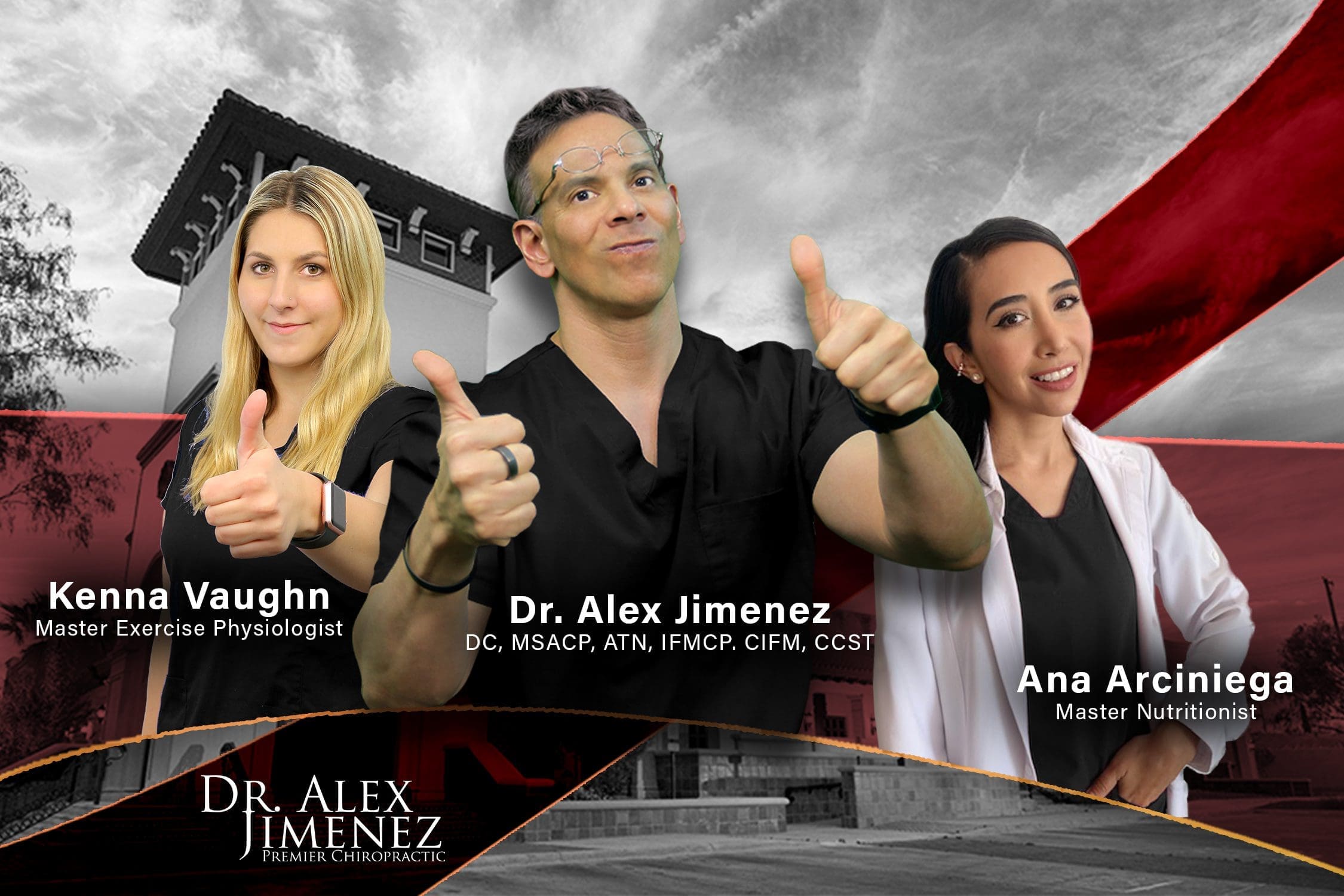
Dr. Alex Jimenez DC, MSACP, APRN, FNP-BC*, CCST, IFMCP, CFMP, ATN
email: [email protected]
Multidisciplinary Licensing & Board Certifications:
Licensed as a Doctor of Chiropractic (DC) in Texas & New Mexico*
Texas DC License #: TX5807, Verified: TX5807
New Mexico DC License #: NM-DC2182, Verified: NM-DC2182
Multi-State Advanced Practice Registered Nurse (APRN*) in Texas & Multi-States
Multi-state Compact APRN License by Endorsement (42 States)
Texas APRN License #: 1191402, Verified: 1191402 *
Florida APRN License #: 11043890, Verified: APRN11043890 *
Colorado License #: C-APN.0105610-C-NP, Verified: C-APN.0105610-C-NP
New York License #: N25929, Verified N25929
License Verification Link: Nursys License Verifier
* Prescriptive Authority Authorized
ANCC FNP-BC: Board Certified Nurse Practitioner*
Compact Status: Multi-State License: Authorized to Practice in 40 States*
Graduate with Honors: ICHS: MSN-FNP (Family Nurse Practitioner Program)
Degree Granted. Master's in Family Practice MSN Diploma (Cum Laude)
Dr. Alex Jimenez, DC, APRN, FNP-BC*, CFMP, IFMCP, ATN, CCST
(Board Certified: Family Practice Nurse Practitioner—Multistate)*
(Licensed Nurse Practitioner & Chiropractor - Multistate)*
Clinical Director
Digital Business Card
Dr. Maria Cardenas, MD
(Board Certified: Internal Medicine)
(Licensed Medical Doctor)
Medical Director, Clinical Director & Collaborative Physician
NPI # 1164426749
MD License #: J2933
Licenses and Board Certifications:
MD: Medical Doctor
DC: Doctor of Chiropractic
APRNP: Advanced Practice Registered Nurse
FNP-BC: Family Practice Specialization (Multi-State Board Certified)
RN: Registered Nurse (Multi-State Compact License)
CFMP: Certified Functional Medicine Provider
MSN-FNP: Master of Science in Family Practice Medicine
MSACP: Master of Science in Advanced Clinical Practice
IFMCP: Institute of Functional Medicine
CCST: Certified Chiropractic Spinal Trauma
ATN: Advanced Translational Neutrogenomics
Memberships & Associations:
TCA: Texas Chiropractic Association: Member ID: 104311
AANP: American Association of Nurse Practitioners: Member ID: 2198960
ANA: American Nurse Association: Member ID: 06458222 (District TX01)
TNA: Texas Nurse Association: Member ID: 06458222
NPI: 1205907805
| Primary Taxonomy | Selected Taxonomy | State | License Number |
|---|---|---|---|
| No | 111N00000X - Chiropractor | NM | DC2182 |
| Yes | 111N00000X - Chiropractor | TX | DC5807 |
| Yes | 363LF0000X - Nurse Practitioner - Family | TX | 1191402 |
| Yes | 363LF0000X - Nurse Practitioner - Family | FL | 11043890 |
| Yes | 363LF0000X - Nurse Practitioner - Family | CO | C-APN.0105610-C-NP |
| Yes | 363LF0000X - Nurse Practitioner - Family | NY | N25929 |
Dr. Alex Jimenez, DC, APRN, FNP-BC*, CFMP, IFMCP, ATN, CCST
(Board Certified: Family Practice Nurse Practitioner—Multistate)*
(Licensed Nurse Practitioner & Chiropractor - Multistate)*
Clinical Director
Digital Business Card
Dr. Maria Cardenas, MD
(Board Certified: Internal Medicine)*
(Licensed Medical Doctor)*
Medical Director, Clinical Director & Collaborative Physician
NPI # 1164426749
MD License #: J2933