“Individuals may not realize they have a cracked rib until symptoms like pain when taking in a deep breath begin to present. Can knowing the symptoms and causes of cracked or broken ribs help in diagnosis and treatment?”
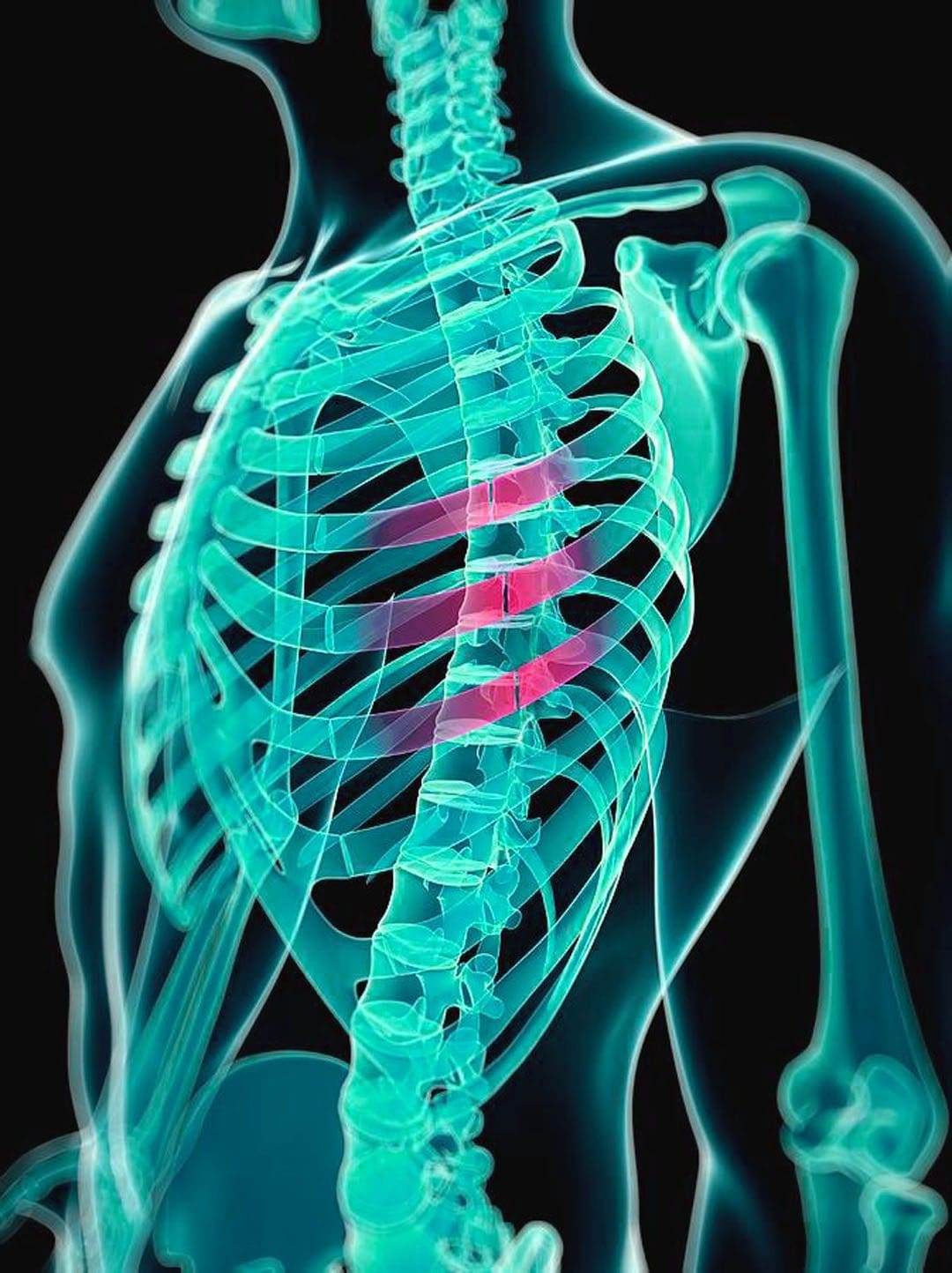
Cracked Rib
A broken/fractured rib describes any break in the bone. A cracked rib is a type of rib fracture and is more a description than a medical diagnosis of a rib that has been partially fractured. Any blunt impact to the chest or back can cause a cracked rib, including:
- Falling
- Vehicle collision
- Sports injury
- Violent coughing
- The main symptom is pain when inhaling.
- The injury typically heals within six weeks.
Symptoms
Cracked ribs are usually caused by a fall, trauma to the chest, or intense violent coughing. Symptoms include:
- Swelling or tenderness around the injured area.
- Chest pain when breathing/inhaling, sneezing, laughing, or coughing.
- Chest pain with movement or when lying down in certain positions.
- Possible bruising.
- Although rare, a cracked rib can cause complications like pneumonia.
- See a healthcare provider immediately if experiencing difficulty breathing, severe chest pain, or a persistent cough with mucus, high fever, and/or chills.
Types
In most cases, a rib usually gets broken in one area, causing an incomplete fracture, which means a crack or break that does not go through the bone. Other types of rib fractures include:
Displaced and Nondisplaced Fractures
- Completely broken ribs may or may not shift out of place.
- If the rib does move, this is known as a displaced rib fracture and is more likely to puncture lungs or damage other tissues and organs. (Yale Medicine. 2024)
- A rib that stays in place usually means the rib is not completely broken in half and is known as a nondisplaced rib fracture.
Flail Chest
- A section of the ribcage can break away from the surrounding bone and muscle, although this is rare.
- If this happens, the ribcage will lose stability, and the bone will move freely as the individual inhales or exhales.
- This broken ribcage section is called a flail segment.
- This is dangerous as it can puncture the lungs and cause other serious complications, like pneumonia.
Causes
Common causes of cracked ribs include:
- Vehicle collisions
- Pedestrian accidents
- Falls
- Impact injuries from sports
- Overuse/Repetitive stress brought on by work or sports
- Severe coughing
- Older individuals can experience a fracture from a minor injury due to the progressive loss of bone minerals. (Christian Liebsch et al., 2019)
The Commonality of Rib Fractures
- Rib fractures are the most common type of bone fracture.
- They account for 10% to 20% of all blunt trauma injuries seen in emergency rooms.
- In cases where an individual seeks care for a blunt injury to the chest, 60% to 80% involve a broken rib. (Christian Liebsch et al., 2019)
Diagnosis
A cracked rib is diagnosed with a physical exam and imaging tests. During the examination, a healthcare provider will listen to the lungs, press gently on the ribs, and watch as the rib cage moves. The imaging test options include: (Sarah Majercik, Fredric M. Pieracci 2017)
- X-rays – These are for detecting recently cracked or broken ribs.
- CT Scan – This imaging test comprises multiple X-rays and can detect smaller cracks.
- MRI – This imaging test is for soft tissues and can often detect smaller breaks or cartilage damage.
- Bone Scan – This imaging test uses a radioactive tracer to visualize the structure of bones and can show smaller stress fractures.
Treatment
In the past, treatment used to involve wrapping the chest with a band known as a rib belt. These are rarely used today as they can restrict breathing, increasing the risk of pneumonia or even a partial lung collapse. (L. May, C. Hillermann, S. Patil 2016). A cracked rib is a simple fracture that requires the following:
- Rest
- Over-the-counter or prescription medications can help manage pain symptoms.
- Nonsteroidal anti-inflammatory drugs – NSAIDs like ibuprofen or naproxen are recommended.
- If the break is extensive, individuals may be prescribed stronger pain medication depending on the severity and underlying conditions.
- Physical therapy can expedite the healing process and help maintain the range of motion of the chest wall.
- For patients who are frail and elderly individuals, physical therapy can help the patient walk and normalize certain functions.
- A physical therapist can train the individual to transfer between bed and chairs safely while maintaining awareness of any movements or positioning that make the pain worse.
- A physical therapist will prescribe exercises to keep the body as strong and limber as possible.
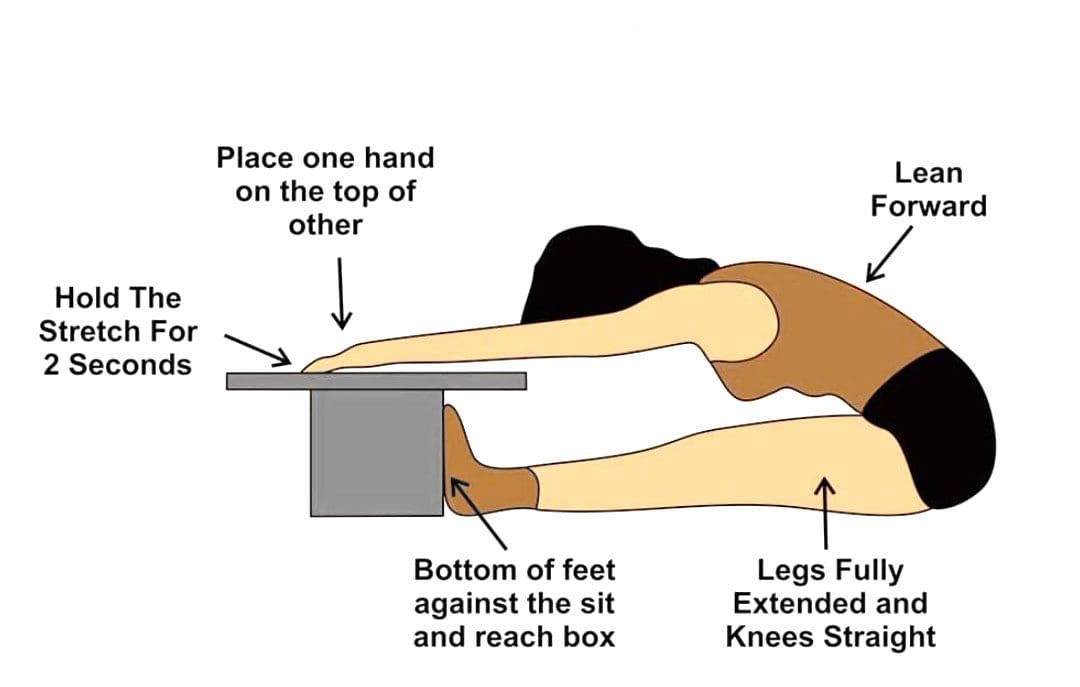
- For example, lateral twists can help improve the range of motion in the thoracic spine.
- During the early stages of recovery, it is recommended to sleep in an upright position.
- Lying down can add pressure, causing pain and possibly worsen the injury.
- Use pillows and bolsters to help support sitting up in bed.
- An alternative is to sleep in a reclining chair.
- Healing takes at least six weeks. (L. May, C. Hillermann, S. Patil 2016)
Other Conditions
What may feel like a cracked rib may be a similar condition, which is why it’s important to get checked out. Other possible symptom causes can include:
- Bruised ribs – This occurs when the ribs are not cracked, but the smaller blood vessels around the region burst and leak into surrounding tissues. (Sarah Majercik, Fredric M. Pieracci 2017)
- Popped ribs – This is when the rib cartilage tears and breaks, causing it to slip out of position. (Sarah Majercik, Fredric M. Pieracci 2017)
- Pulled muscle – A muscle strain, or pulled muscle, occurs when the muscle gets overstretched, which can lead to a tear. The ribs are not affected, but it can feel like they are. (Sarah Majercik, Fredric M. Pieracci 2017)
Emergency
The most common complication is being unable to take a deep breath because of the pain. When the lungs cannot breathe deeply enough, mucous and moisture can build up and lead to an infection like pneumonia. (L. May, C. Hillermann, S. Patil 2016). Displaced rib fractures can also damage other tissues or organs, increasing the risk of a collapsed lung/pneumothorax or internal bleeding. It is recommended to seek immediate medical attention if symptoms develop like:
- Shortness of breath
- Difficulty breathing
- A bluish color of the skin caused by lack of oxygen
- A persistent cough with mucus
- Chest pain when breathing in and out
- Fever, sweating, and chills
- Rapid heart rate
The Power of Chiropractic Care In Injury Rehabilitation
References
Yale Medicine. (2024). Rib fracture (broken rib).
Liebsch, C., Seiffert, T., Vlcek, M., Beer, M., Huber-Lang, M., & Wilke, H. J. (2019). Patterns of serial rib fractures after blunt chest trauma: An analysis of 380 cases. PloS one, 14(12), e0224105. https://doi.org/10.1371/journal.pone.0224105
May L, Hillermann C, Patil S. (2016). Rib fracture management. BJA Education. Volume 16, Issue 1. Pages 26-32, ISSN 2058-5349. doi:10.1093/bjaceaccp/mkv011
Majercik, S., & Pieracci, F. M. (2017). Chest Wall Trauma. Thoracic surgery clinics, 27(2), 113–121. https://doi.org/10.1016/j.thorsurg.2017.01.004