How do healthcare professionals provide a clinical approach to recognizing trafficking to individuals seeking a safe environment?
Introduction
Around the world, there is a phenomenon that local media and organizations are paying more attention to and that many people should be aware of. This is known as trafficking, and it can encompass a wide range of activities, from forced labor in various industries to sex work. While most individuals of trafficking are usually young women or children, it can affect many individuals of all ages and backgrounds. Many survivors of trafficking are compelled to live with the psychological and physical injuries they sustained from the mistreatment they endured at the hands of their traffickers. This course aims to give medical professionals and others in allied fields an understanding of the realities of human trafficking, as well as the kinds of resources and interventions that can be used to help many individuals trafficking in this two-part series. Today’s article overviews trafficking and how it can impact the individual. In part two, we will discuss the roles and protocols of how healthcare professionals can identify trafficking while providing a safe and positive space for the individual. We discuss with certified associated medical providers who consolidate our patients’ information to assess and identify trafficking in the clinic. We also inform and guide patients while asking their associated medical provider intricate questions to integrate a customized treatment plan for their pain and provide them with a safe and positive space. Dr. Jimenez, D.C., includes this information as an academic service. Disclaimer.
The Definition of Trafficking
It can be challenging to define trafficking since it frequently coexists with other problems like forced marriage, sexual assault, domestic abuse, and forced labor. (Hume & Sidun, 2017) As the United Nations stated, trafficking encompasses the following activities: “as recruitment, transportation, transfer, harboring, or receipt of many individuals using the threat or use of force to achieve the consent of a person having control over another person, for exploitation.” (United Nations Human Rights Office of the High Commissioner, n.d.) The following components of this definition include:
- the movement of an individual
- the victim’s coercion or force
- the victim’s exploitation or maltreatment (Parrenas, Hwang, & Lee, 2012)
Additionally, the definition of trafficking also has the following divisions that are also feasible (United Nations Office on Drugs and Crime, n.d.):
- Act: This is a reference to the different forms of human trafficking, including the hiring, transferring, receiving, and harboring of individuals.
- Means: Coercion, force, fraud, kidnapping, deception, abuse of power or weakness, or providing cash or other rewards to someone in a position of authority over the victim are typically used to carry out trafficking.
- Purpose: Traffickers engage in forced labor, prostitution, sexual exploitation, forced servitude, slavery, and even organ harvesting to further their financial interests.
While the terms are occasionally used synonymously, human trafficking and people smuggling are not the same. Human smuggling is the transportation of a person into the nation by illicit means; it is voluntary, as the person smuggled usually offers compensation to another individual or party to achieve this purpose (Lusk & Lucas, 2009).
The broad term of human trafficking in the Trafficking Victims Protection Act includes both labor trafficking and sex trafficking. Sex trafficking is when someone is under the age of 18 and is obtained, patronized, or solicited for a commercial sex act by deception, force, or compulsion. The forced, coerced, or fraudulent submission of an individual to slavery, debt bondage, involuntary servitude, or peonage is considered labor trafficking. According to the U.S. Congress, the TVPA does not require that trafficking take place if a person is physically moved from one location to another.
The Statistics Of Trafficking
Determining the actual extent of the problem is challenging due to the complexity of the human trafficking issue and the fact that both the offenders and the victims frequently go unnoticed. A few published estimates from academics, researchers, and organizations and agencies responsible for recording and monitoring occurrences of human trafficking are as follows:
- According to estimates from the International Labour Organization, there are over 40 million victims of human trafficking worldwide. (International Labour Organization, n.d.)
- Over 51,000 complaints of cases of human trafficking have been received by the National Human Trafficking Hotline since 2007 (National Human Trafficking Hotline, n.d.).
- The number of persons thought to be trafficked in the United States varies greatly from year to year, with estimates ranging from 40,000 to 50,000. (Weizter, 2007)
- Most anti-trafficking programs tend to center on sex trafficking because of its sensationalized aspect (Saiz-Echezarreta, Alvarado, & Gomez-Lorenzini, 2018).
- In 2017, the United States Department of Justice obtained 1,045 convictions for offenses related to human trafficking, a 78% increase from 2015. (International Labour Organization, n.d.).
- According to the International Labour Organization, over 15 million people are in forced marriages, 4.8 million people are victimized by sex trafficking, and forced labor trafficking claims the lives of almost 25 million people globally. (International Labour Organization, 2017)
- In the US, Florida is the third-most popular destination for victims of human trafficking. In 2018, there were 767 reports of human trafficking incidents in Florida and close to 1,900 contacts with the National Human Trafficking Hotline. There was almost 70% of sex trafficking, 16.5% of labor trafficking, and 7.5% of both sex and labor trafficking combined. Of the victims, 56% were adults, and 69% were female (National Human Trafficking Hotline, n.d.).
Data Collection Challenges
The current ICD-10-CM abuse codes could not adequately distinguish victims of human trafficking from other abuse victims, even though an increasing number of caregivers are trained to recognize and record individuals of different forms of human trafficking. Clinicians couldn’t properly identify a condition or arrange the resources needed to administer treatment without the right codes. Additionally, this made it impossible to critically monitor the existence and recurrence of human labor or sexual exploitation.
June 2018 saw the publication of the first ICD-10-CM codes for categorizing abuse related to human trafficking, as requested by the American Heart Association’s Hospitals Against Violence program. The proposal for the modification came from the AHA’s Central Office on ICD-10, which collaborated with Catholic Health Initiatives, the Human Trafficking Initiative at Massachusetts General Hospital, and the Freedom Clinic. With effect from FY 2019, certain ICD-10-CM codes can be used to collect data on adult or child forced labor or sexual exploitation, whether it is proven or suspected. These new codes may be issued in addition to other current ICD-10-CM codes for abuse, neglect, and other maltreatment. These codes received support from different hospitals and health systems. Furthermore, there exist novel codes that can be utilized to record an individual’s past labor or sexual exploitation history, examine, rule out, and observe instances of exploitation, and identify multiple, repeating perpetrators of maltreatment and neglect through an external cause of code (Macias-Konstantopoulos, 2018).
The ICD-10-CM provides specific abuse codes for a range of abuse experiences, such as physical abuse of an older adult, sexual abuse of a child, and violence against a spouse or partner. Similar to how disease diagnosis codes are used, tracking the frequency and trends of particular abuse types, their relationships to other injuries and illnesses, and the kinds of resources that might be needed to stop the abuse are all made feasible by recording abuse using the relevant ICD-10-CM code. Adopting prevention strategies, creating best practices for treatment, introducing new services and payment methods, and establishing new financing and research fields are all made possible by using these codes as the primary diagnosis (Macias-Konstantopoulos, 2018).
Documenting particular types of violence and abuse alone does not give a full picture of the abuse experience. Every abuse experience is a result of a complex interaction between several variables, including the physical surroundings, social and familial dynamics, and personal risks and vulnerabilities. Healthcare professionals can respond to illnesses and injuries connected to abuse as well as underlying health-related social and mental requirements more effectively when these aspects are assessed, documented, and coded using ICD-10-CM Z codes. Similarly, applying ICD-10-CM S, T, V, W, X, and Y codes to record and classify external causes of morbidity as well as the nature, purpose, and mechanism of injury can help shed light on how abuse and violence are committed and pave the way for further preventative measures (Macias-Konstantopoulos, 2018).
Required Actions
- Coders should be aware of and start using the ICD-10-CM codes for forced labor and sexual exploitation as they examine a patient’s medical records to determine which ICD-10-CM codes to include.
- Hospitals and health systems should inform those who need to know—doctors, nurses, other medical professionals, and coding specialists, among others—about the significance of gathering data on forced labor and sexual exploitation of people.
- By keeping track of verified and suspected cases within the healthcare system, hospitals, and health systems can better monitor victim requirements and find ways to enhance community health. This practice also offers an additional means of gathering data to help the systemic creation of a service and resource infrastructure, as well as attempts to prevent harm and inform public policy.
The accompanying chart illustrates the distinction between focused and comprehensive assessment, documentation, and coding of abuse. It also highlights how these differences may affect medical professionals’ reactions to cases and their comprehension of the kinds of resources that may be required to help victims of human trafficking (Macias-Konstantopoulos, 2018).
Beyond the Surface: Understanding the Effects of Personal Injury- Video

Common Misconceptions of Trafficking
There is a misconception that trafficking entails the kidnapping and crossing of national or international borders for various activities to individuals. This misconception fails to acknowledge that individual trafficking can be of any ethnicity, gender, or country and that it can happen almost anywhere and in any sector of the economy. A handful of the widespread myths about human trafficking are as follows:
- Myth: Physical violence is a common part of trafficking. Traffickers frequently employ nonviolent tactics, such as deception, manipulation, intimidation, and deceit, to coerce their victims into exploitative circumstances, even while physical violence plays a role in many of their crimes.
- Myth: Sexual exploitation is a necessary component of trafficking. It’s likely the most well-known type of trafficking, but commercial sexual exploitation of victims is also a frequent practice. However, experts think that labor trafficking is more commonplace throughout the world.
- Myth: Only undocumented foreign nationals are victims of trafficking. The Polaris Project operates the National Human Trafficking Hotline, which has handled thousands of cases of trafficking involving foreign nationals who are lawfully employed or residing in the United States.
- Myth: Only illicit or covert sectors are involved in trafficking. Trafficking has been documented concerning several legitimate industries, including manufacturing, restaurants, cleaning services, and construction.
- Myth: Transporting a person across state or national borders is a part of trafficking. Human smuggling is the illicit movement of persons across state or national borders. There can be trafficking even when there is no cross-border travel. A person may even become a victim of trafficking in their own house or hometown.
- Myth: Trafficking is always a part of the commercial sex trade. Any commercial sex with kids is invariably seen as human trafficking. Adult commercial sex is only classified as trafficking when the victim is coerced, compelled, or deceived into doing it against their will.
Common Forms of Trafficking
There are many forms of trafficking as many individuals that were trafficked are categorized into the following:
- Sex Trafficking
- Bonded Labor/Forced Labor
- Child Labor
- Child Conscription
The Impact & Consequences of Trafficking on Individuals
For someone who has never experienced human trafficking, it might be challenging to understand why so many victims choose to remain silent or show such a strong willingness to cooperate with their traffickers (Johnson, 2012). According to Baldwin, Fehrenbacher, and Eisenman (2015), the victim’s compliance and quiet are influenced by the following elements, which the quiet Compliance Model explains:
Coercion: Traffickers use violence, intimidation, and depriving the individual of basic needs to force them into obedience. Traffickers may employ psychological strategies, including isolation, degrading treatment, and induced tiredness in addition to physical force. As a result, the individual experiences a distorted sense of reality and feels helpless.
Collusion: The victim’s cooperation with their traffickers in trafficking or other illicit activities may result from a combination of factors, including fear, loneliness, total dependence, and even a sense of identification with the trafficker.
Contrition: The victims’ guilt and regret for their acts, despite the coerced collaboration, only serve to guarantee their quiet (Johnson, 2013).
Trafficking individuals are susceptible to a wide range of health issues, including chronic illnesses brought on by inadequate working conditions or malnourishment, unwanted pregnancies, severe injuries, and STDs. It’s crucial to remember that emotional issues are often experienced as physical illnesses or sensations in certain cultures. For instance, depression, stress, or anxiety may manifest as symptoms of exhaustion, headaches, or gastrointestinal issues (Greenbaum, 2018; Zimmerman, Hossain, & Fun, 2008).
Conclusion
It is important to recognize the signs of trafficking in individuals who have been dealing with these issues. In part 2 of this series, we will look at how healthcare workers are identified and what procedures to take when a patient is trafficked. This allows the individual to know they are in a safe and positive environment to get the help they deserve.
References
Baldwin, S. B., Fehrenbacher, A. E., & Eisenman, D. P. (2015). Psychological Coercion in Human Trafficking. Qualitative Health Research, 25(9), 1171-1181. https://doi.org/10.1177/1049732314557087
Greenbaum, V. J. (2017). Child sex trafficking in the United States: Challenges for the healthcare provider. PLoS Med, 14(11), e1002439. https://doi.org/10.1371/journal.pmed.1002439
Hume, D. L., & Sidun, N. M. (2017). Human Trafficking of Women and Girls: Characteristics, Commonalities, and Complexities. Women & Therapy, 40(1-2), 7-11. https://doi.org/10.1080/02703149.2016.1205904
International Labour Organization. (2024, January 28). What is forced labor?www.ilo.org. https://www.ilo.org/topics/forced-labour-modern-slavery-and-human-trafficking/what-forced-labour
International Labour Organization. (2022, September 12). Global Estimates of Modern Slavery: Forced Labour and Forced Marriage | International Labour Organization.www.ilo.org. https://www.ilo.org/publications/major-publications/global-estimates-modern-slavery-forced-labour-and-forced-marriage
Johnson, B. (2016). Aftercare for Survivors of Human Trafficking. Scribd. https://www.scribd.com/document/324584925/Aftercare-for-Survivors-of-Human-Trafficking
Lusk, M., & Lucas, F. (2008). The challenge of human trafficking and contemporary slavery. Journal of Comparative Social Welfare, 25(1), 49–57. https://doi.org/10.1080/17486830802514049
Macias-Konstantopoulos, W. L. (2018). Diagnosis Codes for Human Trafficking Can Help Assess Incidence, Risk Factors, and Comorbid Illness and Injury. AMA J Ethics, 20(12), E1143-1151. https://doi.org/10.1001/amajethics.2018.1143
National Human Trafficking Hotline. (2023). National Statistics. Humantraffickinghotline.org. https://humantraffickinghotline.org/en/statistics
Florida | National Human Trafficking Hotline. (n.d.). Humantraffickinghotline.org. https://humantraffickinghotline.org/en/statistics/florida
Parreñas, R. S., Hwang, M. C., & Lee, H. R. (2012). What Is Human Trafficking? A Review Essay. Signs: Journal of Women in Culture and Society, 37(4), 1015–1029. https://doi.org/10.1086/664472
Saiz Echezarreta, V., Alvarado, C., & Gómez-Lorenzini, P. (2018). Advocacy of trafficking campaigns: A controversy story. Comunicar, 26(55), 29–38. https://doi.org/10.3916/c55-2018-03
United Nations. (2000). Special Treaty Event Protocol to Prevent, Suppress and Punish Trafficking in Persons, Especially Women and Children, supplementing the United Nations Convention against Transnational Organized Crime (New York, 15 November 2000). https://www.unodc.org/documents/treaties/Special/2000_Protocol_to_Prevent_2C_Suppress_and_Punish_Trafficking_in_Persons.pdf
United Nations. (2024). Human Trafficking. United Nations: Office on Drugs and Crime. https://www.unodc.org/unodc/en/human-Trafficking/Human-Trafficking.html
Weitzer, R. (2007). The Social Construction of Sex Trafficking: Ideology and Institutionalization of a Moral Crusade. Politics & Society, 35(3), 447-475. https://doi.org/10.1177/0032329207304319
Zimmerman, C., Hossain, M., Yun, K., Gajdadziev, V., Guzun, N., Tchomarova, M., Ciarrocchi, R. A., Johansson, A., Kefurtova, A., Scodanibbio, S., Motus, M. N., Roche, B., Morison, L., & Watts, C. (2008). The health of trafficked women: a survey of women entering posttrafficking services in Europe. Am J Public Health, 98(1), 55-59. https://doi.org/10.2105/AJPH.2006.108357










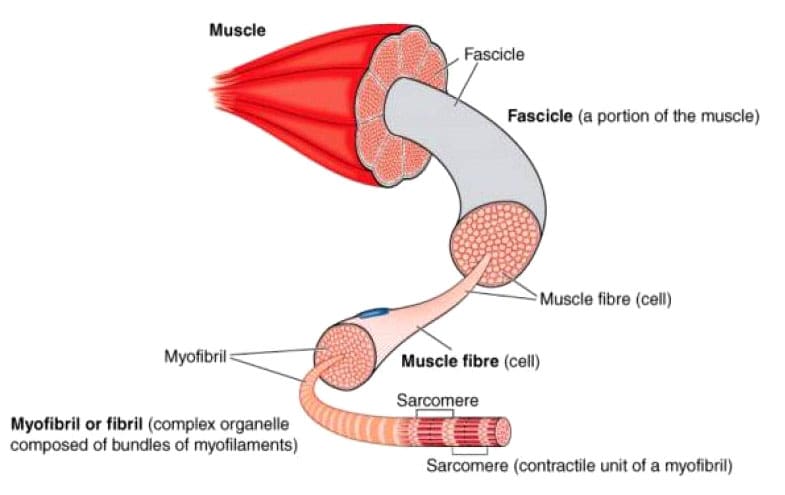 With contractures, the sarcomeres overly lengthen when the muscle fibers tighten. This increase in sarcomere length prevents the muscle from contracting normally, resulting in weakness. Muscle fibers are encased in an extracellular matrix, a mesh composed of collagen and other proteins that help transmit force and provide muscle contraction. Muscle contractures cause the amount of collagen within the extracellular matrix to increase, causing a stiffening of fibers that restricts movement. (


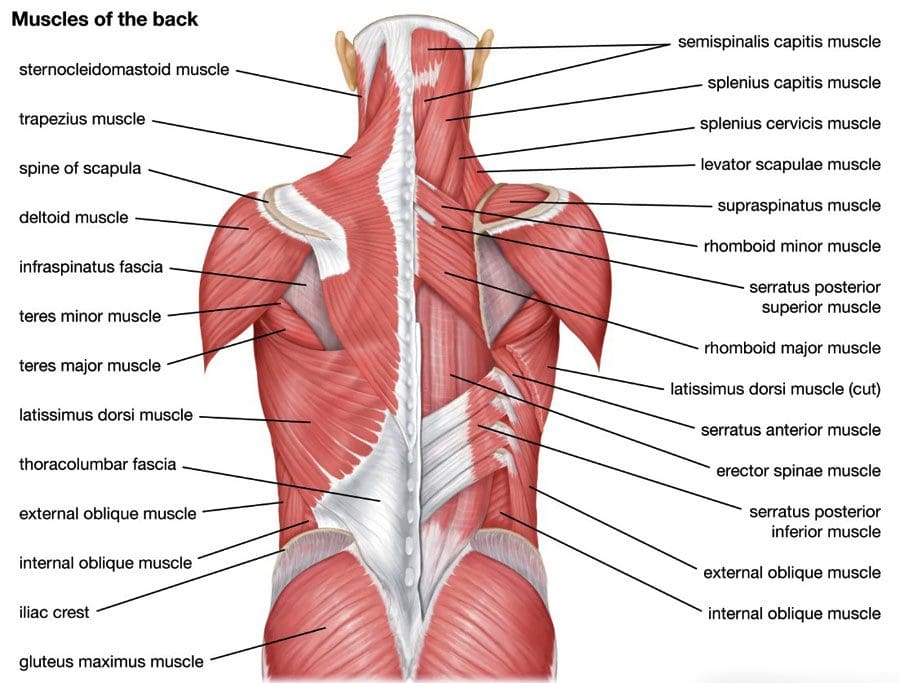
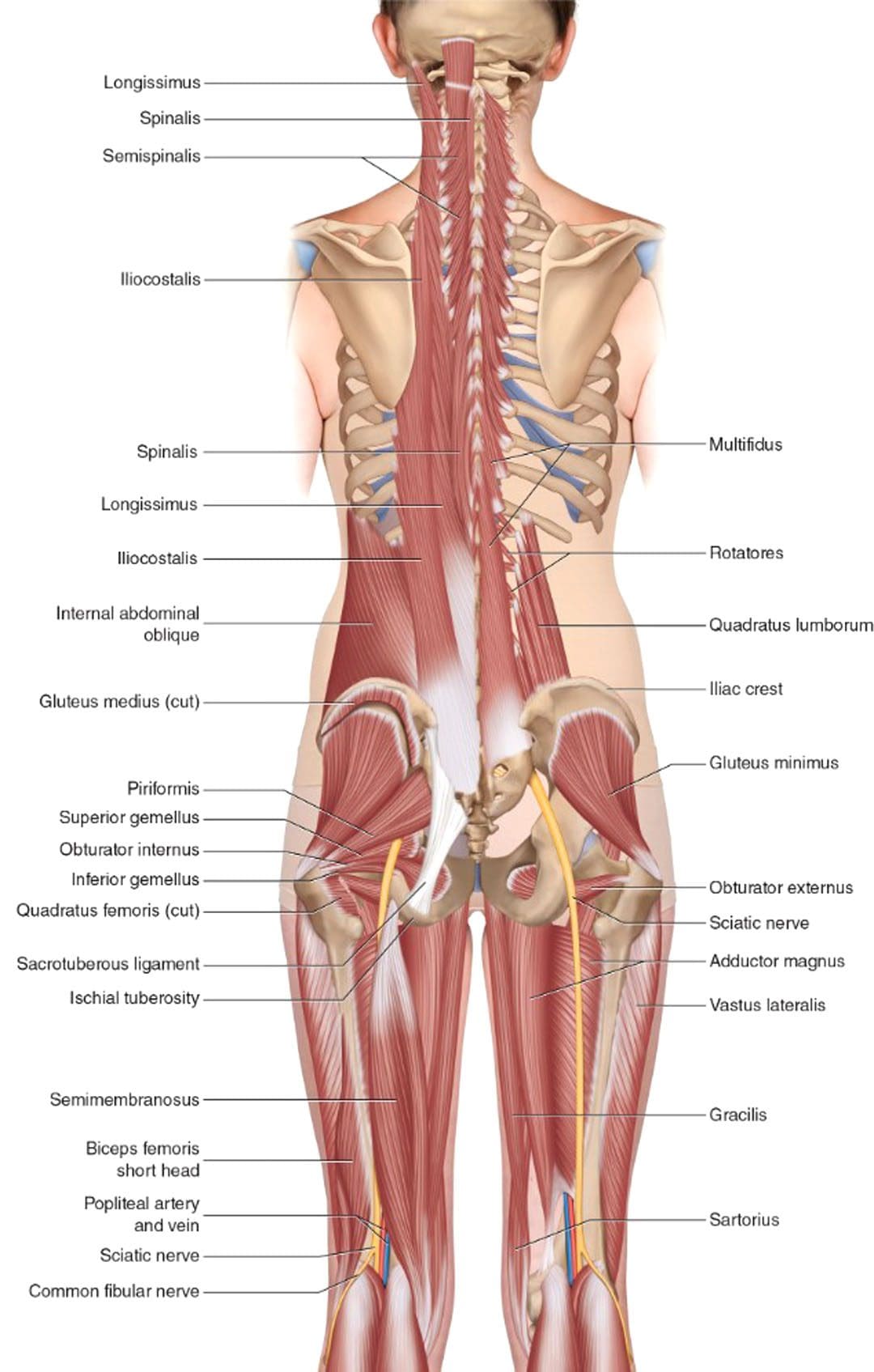 What the Fascia Does







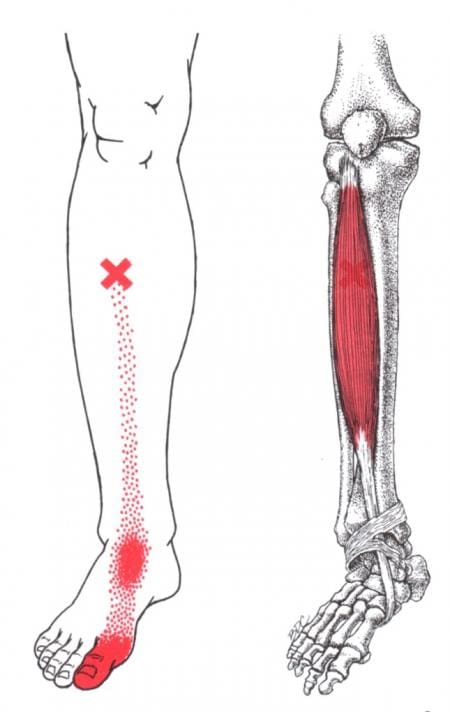 Causes