Learn about the benefits of chiropractic rehabilitation and how it can help manage chronic pain and migraines.
Table of Contents
Abstract
Migraine is a complex neurological disorder that affects more than one billion people worldwide and disrupts daily life through intense pain, sensory sensitivity, and functional impairment. This educational post, written by Dr. Alexander Jimenez, DC, APRN, FNP-BC, CFMP, IFMCP, ATN, CCST, explains the physiological underpinnings of migraine, its symptoms and impact on day-to-day living, and how integrative non-surgical approaches—including chiropractic care—can be incorporated into a personalized health and wellness routine. It reviews the clinical guidelines and mechanisms of Botox (onabotulinumtoxinA) for chronic migraine, evidence-informed home strategies for reduction of attacks, and the multidisciplinary model at Injury Medical Clinic PA (also known as Mission Plaza Injury Medical Clinic) in El Paso, Texas, where Dr. Jimenez collaborates with Medical Director and Collaborative Physician Dr. Maria Guadalupe Cardenas, MD. Drawing on modern evidence-based research and clinical observations, the post presents a clear narrative journey through migraine care that emphasizes safety, coordinated care, and sustainable improvement.
How Migraines Affect the Body: Understanding the Neurological Journey
Migraine is not simply a bad headache. It is a primary neurological disorder involving the brain, brainstem, meninges, and peripheral nerves. The trigeminovascular system is central to migraine pain. First-order neurons from the trigeminal ganglion innervate the dura and intracranial vessels. When activated, they release neuropeptides such as calcitonin gene-related peptide (CGRP) and substance P. CGRP produces potent vasodilation, neurogenic inflammation, and sensitization of pain pathways (Iyengar et al., 2019).
Signals converge in the trigeminocervical complex (TCC)—the spinal trigeminal nucleus and upper cervical cord. From there, second-order neurons project to the thalamus and higher cortical areas involved in pain perception, emotion, and autonomic regulation. Central sensitization can lower the threshold for future attacks, helping explain progression from episodic to chronic migraine.
In migraine with aura, cortical spreading depression (CSD) is the leading model. A wave of neuronal and glial depolarization spreads across the cortex at 2–6 mm per minute, producing the visual, sensory, or language symptoms of aura. Animal data show that CSD can activate meningeal nociceptors and elevate CGRP, linking aura to subsequent headache in many patients (Zhang et al., 2020). Not every attack involves aura or CSD; hypothalamic and brainstem nuclei also modulate attack susceptibility through circadian, hormonal, and stress-related inputs.
These mechanisms explain why migraine produces not only head pain but also nausea, photophobia, phonophobia, and profound fatigue. The same pathways can amplify input from the upper cervical spine. Dysfunction at C0–C3 can increase nociceptive traffic into the TCC, lowering the threshold for a migraine attack. This biomechanical contribution is one reason carefully applied chiropractic care can be useful within an integrative plan.
Symptoms of Migraines: Recognizing the Full Spectrum
Migraine attacks typically unfold in phases, although not every person experiences every phase.
- Prodrome (hours to days before): yawning, food cravings, mood changes, neck stiffness, frequent urination, or difficulty concentrating. Many patients notice neck tightness that is later recognized as an early warning rather than a separate tension headache.
- Aura (when present, usually 5–60 minutes): reversible visual phenomena (zigzag lines, scintillating scotoma), sensory paresthesias, or language disturbance.
- Headache phase: unilateral or bilateral throbbing or pulsating pain, aggravated by routine physical activity, lasting 4–72 hours if untreated. Associated features include nausea or vomiting, photophobia, and phonophobia.
- Postdrome: residual exhaustion, cognitive fog, neck stiffness, or mood changes lasting hours to a day.
Additional symptoms can include osmophobia (sensitivity to smells), allodynia (ordinary touch becomes painful), and autonomic features such as lacrimation or nasal congestion. Chronic migraine is defined as headache on 15 or more days per month for more than three months, with migraine features on at least eight of those days (Headache Classification Committee of the International Headache Society, 2018).
How Migraines Affect Day-to-Day Life and the Person
The disability of migraine extends far beyond the hours of pain. Attacks force cancellation of work, school, family events, and exercise. Even between attacks, anticipatory anxiety and the need to manage potential triggers reduce spontaneity. Sleep becomes fragmented, concentration declines, and social withdrawal is common. Studies consistently rank migraine among the leading causes of years lived with disability, especially in women of reproductive age.
In clinical practice, patients describe missing children’s activities, reduced work productivity (presenteeism), and strained relationships. Neck pain and upper-back tension often coexist, amplifying overall discomfort and limiting posture and movement. Medication overuse headache can develop when acute treatments are used on 10 or more days per month (triptans, combination analgesics, or opioids) or 15 or more days per month (simple analgesics), creating a cycle of increasing frequency and reduced responsiveness.
Integrative Care Model at Injury Medical Clinic PA
I practice at Injury Medical Clinic PA, also known as Mission Plaza Injury Medical Clinic, in El Paso, Texas. Our model places chiropractic and advanced-practice nursing care under medical direction. Dr. Maria Guadalupe Cardenas, MD, Board Certified in Internal Medicine (NPI #1164426749, Texas MD License #J2933), with more than 40 years of experience as an internist, serves as Medical Director and Collaborative Physician. She provides medical oversight, red-flag triage (using criteria such as SNOOP), pharmacologic management when indicated, safety monitoring, and coordination of imaging or specialty referral.
This multidisciplinary structure is common in integrative and personal-injury clinics. Chiropractic biomechanical assessment and treatment, functional-medicine evaluation, physical rehabilitation, and medical pharmacotherapy occur within a single coordinated plan. Patients benefit from clear communication, shared decision-making, and avoidance of fragmented care. Clinical observations from our practice show that patients who receive both cervical-focused chiropractic care and appropriate medical preventive therapy often report fewer migraine days and improved function compared with either approach alone.
Benefits of Chiropractic Care and Non-Surgical Treatments for Migraines
Chiropractic care does not “cure” the underlying migraine disorder, but it can reduce contributing musculoskeletal drivers and improve overall resilience. Systematic reviews of spinal manipulative therapy for migraine have produced mixed results with generally low to very low certainty of evidence (Chaibi et al., 2024; Trinh et al., 2025). Some randomized trials and multimodal studies, however, show reductions in migraine days when chiropractic care includes upper-cervical adjustments, soft-tissue work, exercise, and education (Rist et al., 2021).
In our clinic, we focus on:
- Upper cervical and upper thoracic spinal adjustments to decrease nociceptive input into the TCC and improve joint mobility.
- Myofascial release and soft-tissue techniques for suboccipital, trapezius, and levator scapulae muscles that frequently contribute to cervicogenic amplification of migraine.
- Postural and ergonomic rehabilitation to reduce sustained cervical loading from desk work or device use.
- Neuromuscular re-education and specific exercises that restore deep cervical flexor endurance and scapular stability.
These interventions are combined with other non-surgical options: physical therapy for movement patterning, massage therapy for muscle tone and relaxation, functional-medicine strategies (nutrient repletion, gut-brain support, anti-inflammatory dietary patterns), and lifestyle coaching. The reasoning is straightforward: multiple systems influence migraine thresholds. Addressing cervical biomechanics, muscle tension, sleep, nutrition, and stress simultaneously raises the threshold for attacks more effectively than any single modality.
Patients with prominent neck pain or a clear cervicogenic component often notice the greatest improvement in frequency and intensity after a course of chiropractic care. Those without significant cervical findings may still benefit from the stress-reduction and postural elements of treatment as part of a broader preventive plan.
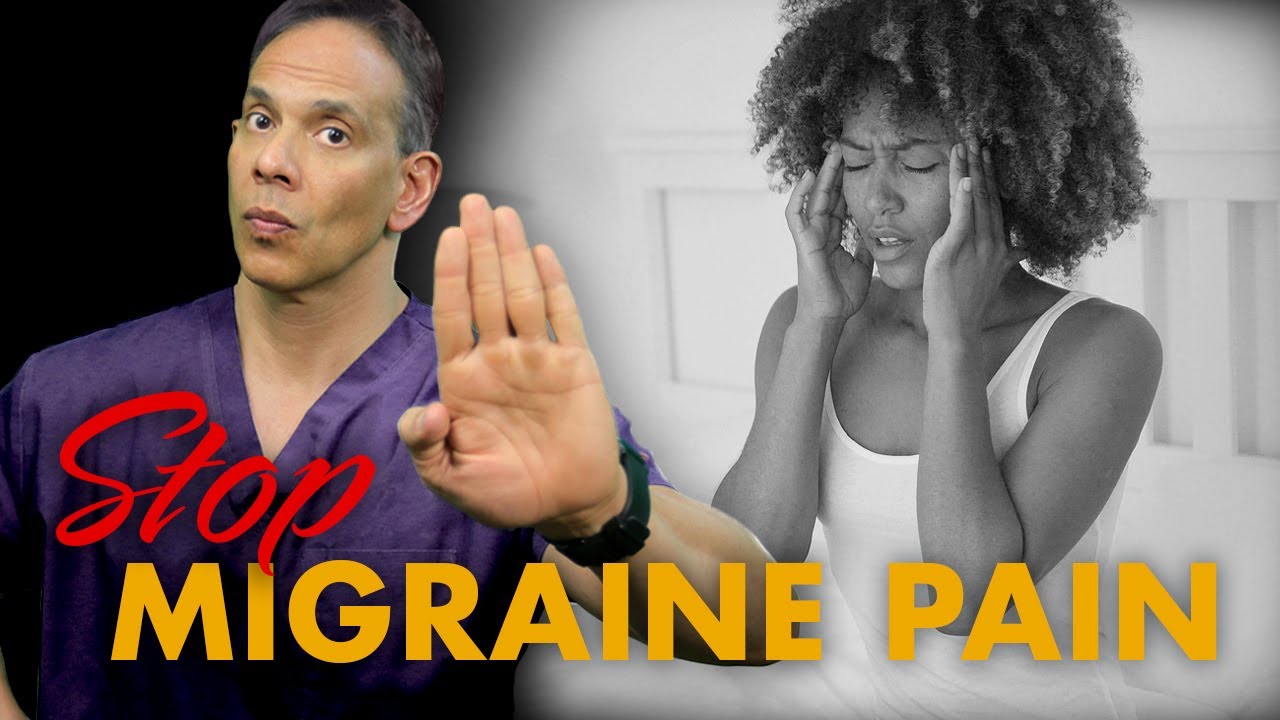
Migraine Pain Treatment El Paso, TX Chiropractor- Video
How Botox Helps with Migraines and Clinical Guidelines
OnabotulinumtoxinA (Botox) is FDA-approved for the prevention of chronic migraine in adults 18 years and older. It is not approved for episodic migraine (fewer than 15 headache days per month). Approval was based on the PREEMPT trials, which demonstrated approximately a 50 percent reduction in headache days after two treatment cycles for many patients (American Migraine Foundation, 2017).
Mechanism: Tiny doses of purified botulinum toxin are injected into 31 sites across seven muscle areas of the head and neck (forehead, glabella, temples, occipitalis, cervical paraspinals, and trapezius). The toxin inhibits the release of pain-related neurotransmitters and neuropeptides, including CGRP, from peripheral nerve endings. This reduces peripheral sensitization and, over repeated cycles, dampens central sensitization. Effects are not primarily from muscle paralysis; the analgesic action is neurochemical.
Clinical guidelines and practical points:
- The recommended dose is 155 units every 12 weeks.
- Patients usually must have tried and failed at least two other preventive medications before insurance coverage is granted.
- Maximum benefit often appears after the second or third cycle.
- A common side effect is temporary neck soreness, which can be managed with ice.
- A headache specialist or neurologist experienced with the PREEMPT protocol typically performs the treatment.
- Botox can be used alongside most other medications and does not interact with acute migraine therapies.
In our collaborative model, Dr. Cardenas provides medical oversight for patients who are candidates for Botox or other preventives, while chiropractic care continues to address coexisting dysfunction. Many patients receive both, with the combination supporting lower overall attack frequency.
How People Can Reduce Migraines at Home
Evidence-supported home strategies focus on consistency and raising the migraine threshold. The American Migraine Foundation and recent reviews emphasize the SEEDS framework: Sleep, Exercise, Eat, Diary, and Stress management (American Migraine Foundation, n.d.).
- Sleep: Keep a consistent bedtime and wake time, aiming for 7–9 hours. Both too little and too much sleep can trigger attacks.
- Exercise: Moderate aerobic activity (30–50 minutes, 3–5 days per week) reduces frequency for many people by elevating endorphins and improving cardiovascular fitness. Start gradually to avoid exercise-triggered attacks.
- Eat and hydrate: Eat regular meals; avoid prolonged fasting. Stay well hydrated. Common dietary triggers (aged cheeses, processed meats, alcohol, artificial sweeteners) vary by person—use a diary to identify your patterns.
- Diary: Record attack timing, intensity, possible triggers, menstrual cycle, and medication use. Patterns guide both self-management and clinical decisions.
- Stress: Mindfulness, progressive muscle relaxation, cognitive-behavioral strategies, and yoga have low-to-moderate evidence for reducing frequency.
Additional evidence-based options include magnesium (400–600 mg elemental daily, forms such as magnesium glycinate or citrate), riboflavin (400 mg), and coenzyme Q10 (100–300 mg). These are generally safe and can be started under clinician guidance. Ice or heat on the neck, dark quiet rooms, and early use of prescribed acute medication remain important during an attack.
Building an Integrated Health and Wellness Routine
An effective routine layers daily habits with professional care. Begin with consistent sleep and meal timing, daily movement, and a simple headache diary. Add chiropractic visits focused on cervical function and posture, typically weekly or biweekly initially, then tapering. Coordinate with your medical provider for preventive medications or Botox if headache days remain high. Functional-medicine evaluation can identify nutrient gaps, hormonal influences, or inflammatory contributors. Physical therapy or massage can complement spinal care.
In our El Paso practice, this coordinated approach—chiropractic biomechanics under medical direction from Dr. Cardenas, combined with lifestyle and, when indicated, targeted pharmacotherapy—has helped many patients move from chronic to episodic patterns and reclaim work, family, and recreational activities. Clinical observations consistently show that patients who engage with both the biomechanical and medical elements of care experience greater reductions in migraine days and improved quality of life than those using isolated strategies.
Migraine remains a neurological condition that requires individualized management. Integrative chiropractic care, when delivered within a medically supervised multidisciplinary framework, offers a practical, non-surgical component that addresses coexisting drivers, improves function, and supports long-term wellness.
References
- American Migraine Foundation. (2017). Botox for migraine.
- American Migraine Foundation. (n.d.). Lifestyle changes for migraine.
- Chaibi, A., et al. (2024). Spinal manipulations for migraine: An updated systematic review and meta-analysis of randomized clinical trials. Systematic Reviews.
- Headache Classification Committee of the International Headache Society. (2018). The International Classification of Headache Disorders, 3rd edition. Cephalalgia.
- Iyengar, S., et al. (2019). CGRP and the trigeminal system in migraine. Headache.
- Rist, P. M., et al. (2021). Multimodal chiropractic care for migraine. Journal of Manipulative and Physiological Therapeutics (related feasibility data).
- Trinh, K., et al. (2025). Is chiropractic spinal manipulation effective for the treatment of cervicogenic, tension-type, or migraine headaches? European Journal of Integrative Medicine.
- Zhang, X., et al. (2020). Cortical spreading depression as a site of origin for migraine: Role of CGRP. PMC.
SEO tags
migraine treatment, chiropractic care for migraines, Botox for chronic migraine, integrative migraine care, non-surgical migraine relief, Dr. Alexander Jimenez, Injury Medical Clinic PA El Paso, cervical adjustments migraine, CGRP migraine, home remedies for migraine, Dr. Maria Guadalupe Cardenas, functional medicine migraine, SEEDS lifestyle migraine, trigeminovascular system, chronic migraine prevention
Disclaimer: This post is educational and does not replace individualized medical advice. Patients should consult their healthcare providers before beginning new treatments.
Professional Scope of Practice *
The information herein on "Chiropractic Rehabilitation Insights for Migraines" is not intended to replace a one-on-one relationship with a qualified health care professional or licensed physician and is not medical advice. We encourage you to make healthcare decisions based on your research and partnership with a qualified healthcare professional.
Blog Information & Scope Discussions
Welcome to El Paso's Premier Wellness and Injury Care Clinic & Wellness Blog, where Dr. Alex Jimenez, DC, FNP-C, a Multi-State board-certified Family Practice Nurse Practitioner (FNP-BC) and Chiropractor (DC), presents insights on how our multidisciplinary team is dedicated to holistic healing and personalized care. Our practice aligns with evidence-based treatment protocols inspired by integrative medicine principles, similar to those found on this site and our family practice-based chiromed.com site, focusing on restoring health naturally for patients of all ages.
Our areas of multidisciplinary practice include Wellness & Nutrition, Chronic Pain, Personal Injury, Auto Accident Care, Work Injuries, Back Injury, Low Back Pain, Neck Pain, Migraine Headaches, Sports Injuries, Severe Sciatica, Scoliosis, Complex Herniated Discs, Fibromyalgia, Chronic Pain, Complex Injuries, Stress Management, Functional Medicine Treatments, and in-scope care protocols.
Our information scope is multidisciplinary, focusing on musculoskeletal and physical medicine, wellness, contributing etiological viscerosomatic disturbances within clinical presentations, associated somato-visceral reflex clinical dynamics, subluxation complexes, sensitive health issues, and functional medicine articles, topics, and discussions.
We provide and present clinical collaboration with specialists from various disciplines. Each specialist is governed by their professional scope of practice and their jurisdiction of licensure. We use functional health & wellness protocols to treat and support care for musculoskeletal injuries or disorders.
Our videos, posts, topics, and insights address clinical matters and issues that are directly or indirectly related to our clinical scope of practice.
Our office has made a reasonable effort to provide supportive citations and has identified relevant research studies that support our posts. We provide copies of supporting research studies upon request to regulatory boards and the public.
We understand that we cover matters that require an additional explanation of how they may assist in a particular care plan or treatment protocol; therefore, to discuss the subject matter above further, please feel free to ask Dr. Alex Jimenez, DC, APRN, FNP-BC, or contact us at 915-850-0900.
We are here to help you and your family.
Blessings
Dr. Alex Jimenez DC, MSACP, APRN, FNP-BC*, CCST, IFMCP, CFMP, ATN
Email: [email protected]
Multidisciplinary Licensing & Board Certifications:
Licensed as a Doctor of Chiropractic (DC) in Texas & New Mexico*
Chiropractic Licenses:
Texas DC License #: TX5807, Verified: TX5807
New Mexico DC License #: NM-DC2182, Verified: NM-DC2182
Nurse Practitioner Licenses:
Texas APRN License #: 1191402, Verified: 1191402 *
New Mexico CNP License #: 90560, Verified 90560
Florida APRN License #: 11043890, Verified: APRN11043890 *
Colorado License #: C-APN.0105610-C-NP, Verified: C-APN.0105610-C-NP
New York License #: N25929, Verified N25929
Georgia APRN License #: GAA-NP005701
Multi-State Advanced Practice Registered Nurse (APRN*) Texas & Multi-States
Multi-state Compact APRN License by Endorsement (43 States)
Compact Status: Multi-State License: Authorized to Practice in 43 States*
Nursing Licensure Compact: Updated Here
DEA Registration: (Drug Enforcement Agency Registered)
All medical (MDs) and family practice providers (FNP-APRN) are registered and licensed to offer various levels of medication.
Verify Providers Here
License Verification Link: Nursys License Verifier
* Prescriptive Authority Authorized (DEA Registered Providers). Call if Required
Board Certification:
ANCC FNP-BC: Board Certified Nurse Practitioner*
Education:
Graduate with Honors: ICHS: MSN-FNP (Family Nurse Practitioner Program)
Degree Granted. Master's in Family Practice, MSN Diploma (Cum Laude)
Dr. Alex Jimenez, DC, APRN, FNP-BC*, CFMP, IFMCP, ATN, CCST
(Board Certified: Family Practice Nurse Practitioner—Multistate)*
(Licensed Nurse Practitioner & Chiropractor - Multistate)*
Clinical Director
DC & FNP License (Review Above)
Digital Business Card
NPI: 1205907805
Dr. Maria Cardenas, MD
(Board Certified: Internal Medicine)
(Licensed Medical Doctor)
Medical Director, Clinical Director & Collaborative Physician
NPI # 1164426748
MD License #: J2933
Licenses and Board Certifications:
MD: Medical Doctor
DC: Doctor of Chiropractic
APRNP: Advanced Practice Registered Nurse
FNP-BC: Family Practice Specialization (Multi-State Board Certified)
FNP-BC: Family Practice Across Life Span (Neonatal to Geriatrics)
RN: Registered Nurse (Multi-State Compact License)
CFMP: Certified Functional Medicine Provider
MSN-FNP: Master of Science in Family Practice Medicine
MSACP: Master of Science in Advanced Clinical Practice
IFMCP: Institute of Functional Medicine
CCST: Certified Chiropractic Spinal Trauma
ATN: Advanced Translational Neutrogenomics
Family with Primary Care Focus (Family Nurse Practitioner or FNP)
- The Family Nurse Practitioner (FNP) promotes, maintains, and restores health for individuals and families across the lifespan. FNPs also identify health risks, promote wellness, and diagnose and manage acute and chronic illness.
- The FNP focuses on comprehensive primary care, promoting healthy lifestyles for patients across the lifespan in settings such as private practice, physician offices, and community health centers.
Memberships & Associations:
TCA: Texas Chiropractic Association: Member ID: 104311
TNA: Texas Nurse Association: Member ID: 06458222
TNP: Texas Nurse Practitioner Association ID: 2025091511
AANP: American Association of Nurse Practitioners: Member ID: 2198960
ANA: American Nurses Association: Member ID: 06458222 (District TX01)
| Primary Taxonomy | Selected Taxonomy | State | License Number |
|---|---|---|---|
| No | 111N00000X - Chiropractor | NM | DC2182 |
| Yes | 111N00000X - Chiropractor | TX | DC5807 |
| Yes | 363LF0000X - Nurse Practitioner - Family | TX | 1191402 |
| Yes | 363LF0000X - Nurse Practitioner - Family | FL | 11043890 |
| Yes | 363LF0000X - Nurse Practitioner - Family | CO | C-APN.0105610-C-NP |
| Yes | 363LF0000X - Nurse Practitioner - Family | NY | N25929 |
| Yes | 363LF0000X - Nurse Practitioner - Family | NM |
90560 |
| Yes | 363LF0000X - Nurse Practitioner - Family | GA | GAA-NP005701 |
Dr. Alex Jimenez, DC, APRN, FNP-BC*, CFMP, IFMCP, ATN, CCST
(Board Certified: Family Practice Nurse Practitioner—Multistate)*
(Primary Care Across Lifespan—Neonatal / Pediatric / Adult / Geriatrics)
(Licensed Nurse Practitioner & Chiropractor - Multistate)*
Clinical Director
Digital Business Card
NPI: 1205907805
Dr. Maria Cardenas, MD
(Board Certified: Internal Medicine)*
(Licensed Medical Doctor)*
Medical Director, Clinical Director & Collaborative Physician
NPI # 1164426748
MD License #: J2933
📆 Schedule Appointment: Schedule 24/7 (Click Here)