Home Blog Page 102

Most Common Form Of Pain The Headache

Man grabbing his aching head with left hand while resting with cup of tea on sofa in kitchen

The most common form of pain is the headache. Whether dealing with a mild, dull ache, severe throbbing, or painful tension along the scalp and neck, headaches can disrupt and get in the way of everyday life. Over-the-counter pain medications can offer temporary relief, but they don’t get to the root and solve the cause. Chiropractic is a safe and effective treatment option that will bring head pain relief and treat what is causing the headache/s.

Most Common Form Of Pain The Headache

Triggers

Individuals engage in more sedentary activities, and more hours spent in one fixed position combined with poor posture can increase joint irritation and muscle tension in the neck, upper back, and scalp. Headaches can have a variety of causes or triggers. These can include:

  • Stress is the most common trigger
  • Muscle tension
  • Insomnia
  • Environmental stimuli – noises, lights, smells
  • Dehydration
  • Weather changes
  • Foods
  • Blood sugar changes
  • Excessive exercise

Most Common Types

There are two main categories: primary and secondary headaches.

Primary headaches

Primary headaches are when the headache itself is the main problem and is not a symptom of underlying diseases or conditions. These include:

Secondary headaches

These are related to medical condition/s like:

  • Sinus congestion
  • Medication overuse
  • Infection
  • High blood pressure
  • Trauma
  • Head injury
  • Diseased blood vessels in the brain
  • Tumor

Frequency

Headache pain comes from interacting signals in the brain, blood vessels, and nerves. A mechanism activates specific nerves that affect the muscles and blood vessels, sending pain signals back to the brain. If any of the following is occurring it is recommended to contact a doctor, headache specialist, or chiropractor.

  • Three or more headaches a week.
  • Headaches that get worse or don’t go away.
  • Having to take a pain reliever every day or almost every day.
  • Need more than 2-3 doses of over-the-counter medications a week to relieve symptoms.
  • Headaches triggered by strenuous activity, hard work/exertion, bending, coughing.
  • Recent changes in headache symptoms.
  • Family history of headaches.

Clinical Description

To get to the root a doctor will ask:

  • What time of day/night the headache usually occurs?
  • How long does the headache last?
  • Where the pain is located?
  • Type of pain –  throbbing, comes and goes, dull aching, one-sided, etc.
  • Does the headache come on suddenly without warning or slowly progress?
  • Are there other symptoms like weakness, nausea, sensitivity to light or noise, decreased appetite, changes in attitude or behavior?

Chiropractic

A chiropractor will assess, diagnose, conduct a physical examination to determine the cause and develop a personalized treatment plan to alleviate the pain and help to manage and prevent headaches. Treatment approaches include:

  • A combination of chiropractic manipulative therapy.
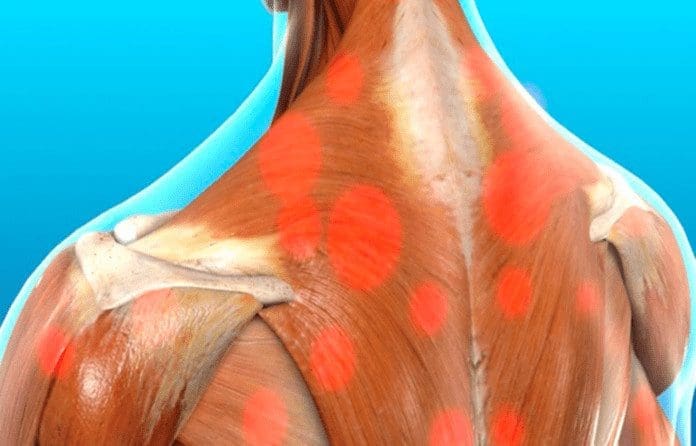
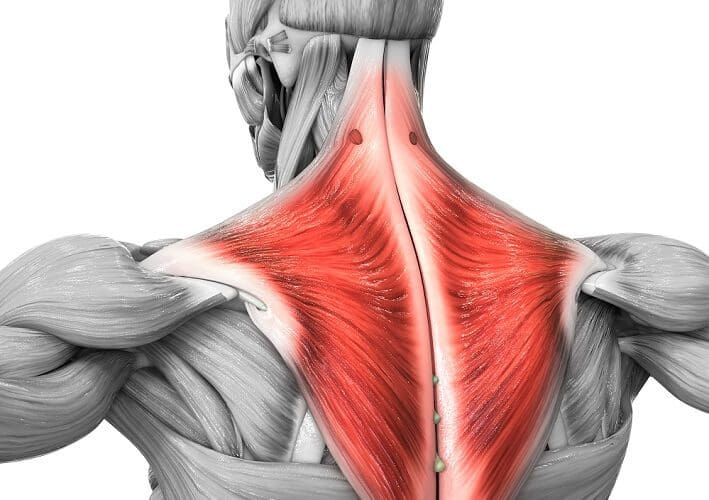
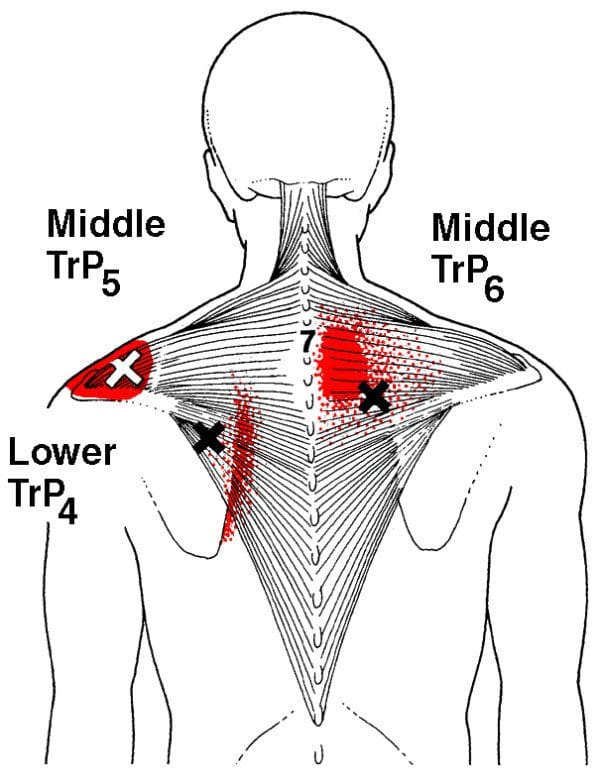
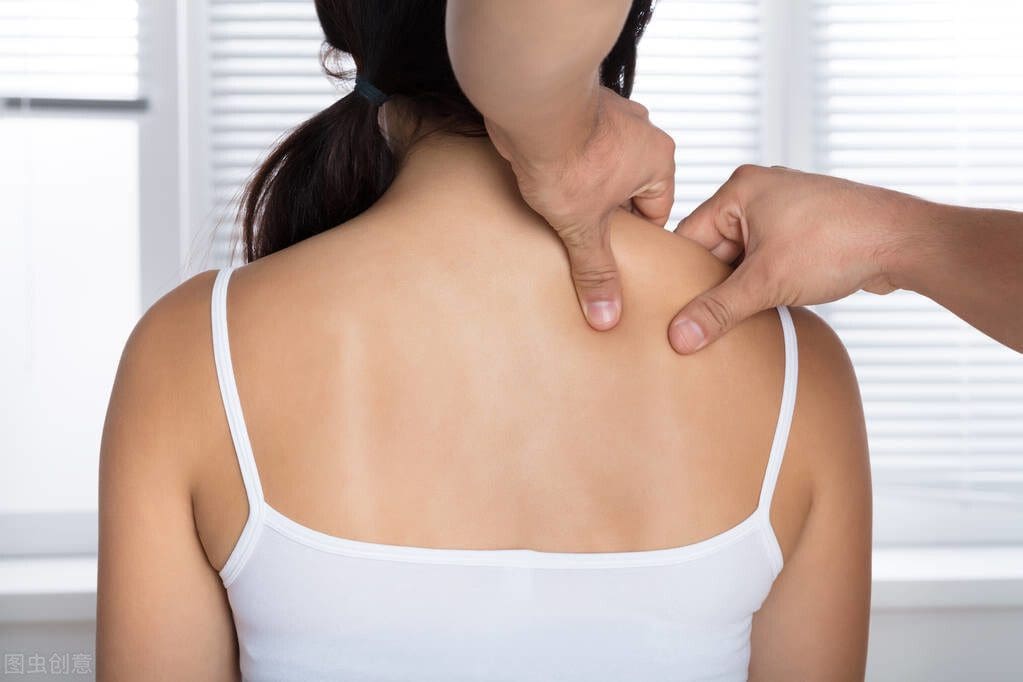
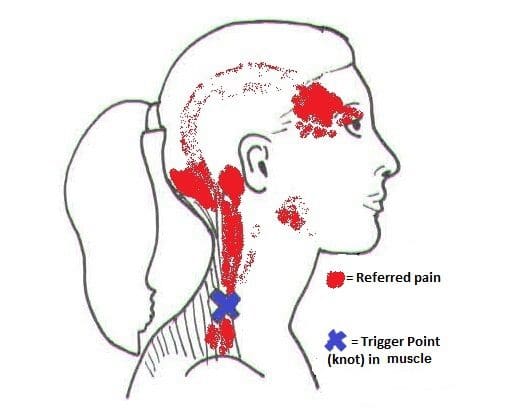
  • Activate trigger points to release tension and allow for optimal nerve and blood circulation.
  • Active and passive exercises.
  • Massage.
  • Health coaching.

Body Composition


Water

Most of the body is made up of water with the percentage of body composition that is water changing based on individual functional needs. Essential functions of water include:

  • Help to build/repair almost every cell in the body.
  • Regulating body temperature through sweating and respiration.
  • Energy from carbohydrates and proteins is transported by water through the blood.
  • Assists in the removal of metabolic waste through urination.
  • Acts as a shock absorber to protect the brain and spinal cord.
  • Creates saliva/fluids to lubricate the joints.

The amount of water in the body depends on various factors that include:

The most common water comes from lean body mass. This includes blood, organs, and muscle. Major body organs’ water content:

  • Lungs – 83%
  • Muscles and kidneys – 79%
  • Brain and heart – 73%
  • Skin – 64%
  • Bones – 31%
References

Bryans, Roland et al. “Evidence-based guidelines for the chiropractic treatment of adults with headache.” Journal of manipulative and physiological therapeutics vol. 34,5 (2011): 274-89. doi:10.1016/j.jmpt.2011.04.008

Tyagi, Alok. “New daily persistent headache.” Annals of Indian Academy of Neurology vol. 15,Suppl 1 (2012): S62-5. doi:10.4103/0972-2327.100011

An Insightful Guide Into HCTP Therapy | Part 2

Introduction

The human body makes sure that everything is working properly. From regulating hormones to making sure that each organ system is doing its job properly, the body will function normally without any problems. But when unwanted pathogens start to enter the body and cause the body to be dysfunctional, it can lead to the development of chronic symptoms to pop up over time. When this happens, there are many affiliated clinics and distribution organizations that can help alleviate the symptoms through therapeutic treatments and even bring the body back to its original functioning self, and one of those treatments is HCTP therapy. In this 2 part series, we will be discussing more what HCTP therapy is and the procedures for HCTP therapy. Part 1 discussed and looked at what is HCTP therapy and how it is different than other forms of therapy. By referring patients to qualified and skilled providers that specialized in regenerative cellular therapy, we work with affiliated clinics and distributor organizations, both internationally and nationally with the services that we offer. We find that education is the key to asking valuable questions to our providers. Dr. Alex Jimenez DC provides this information as an educational service only. Disclaimer


Can my insurance cover it? Yes, in case you are uncertain here is the link to all the insurance providers we cover. If you have any questions, please call Dr. Jimenez at 915-850-0900.


What Is HCTP Therapy?


Human cellular tissue products or HCTP are the body’s own raw cellular material that can help regenerate damaged, diseased cells that were inflicted when the body was severely injured. Research shows that HCTP therapy has the remarkable ability to differentiate into different cell types in the body while also retaining the ability to self-replicate and maintain the characteristics of the original cell. HCTP therapy is also another form of regenerative medicine that many providers who are specialized in regenerative treatment can also help alleviate chronic symptoms that the body has encountered over time. Other research shows that HCTP therapy has become one of the promising options that can help the body by replacing damaged and diseased cells.


How Is HCTP Therapy Different?

In part 1, it discussed how international and nationally affiliated clinics are different when it comes to HCTP therapy. For international affiliated clinics, they allowed the HCTP to be expanded and approved for IV application. This will allow HCTP to produce about 100 million HCTP per CC and they don’t have to be cryopreserved. With nationally affiliated clinics, however, it has to be approved by the FDA and it can only be minimally manipulated. Research has found that HCTP in the United States had limited federal funding and only certain states were allowed to use HCTP treatment for their patients. So there is a massive difference between the two but the usage for HCTP as regenerative treatment is still the same since it helps regenerate damaged cells in the body.


Presenting HCTP Therapy To Patients


By understanding how international affiliated clinics operate with the strictness and integrity of these standards as well as the difference between being treated with HCTP therapy in Colombia vs the United States, they can now educate patients on how these procedures can be beneficial to their lives. Distribution organizers set up patients with highly-trained case managers, they can help explain everything in detail on the procedures for HCTP therapy.


By providing more information to future patients with confidence but also making it easier for returning patients about HCTP therapy and their benefits, thus giving them more time and energy to focus on other matters that may be in their minds.


The Benefits Of HCTP Therapy

There are many research studies that show how HCTP therapy has the ability to build every tissue in the body and can help alleviate inflammatory symptoms as well as regenerate damaged tissues, cells, and organs back to their normal function. In one article, it talked about how HCTP therapy can be used to treat many chronic symptoms that the body has encountered. Some of the chronic symptoms that HCTP therapy can help alleviate include:

Since HCTP therapy has many beneficial properties, research shows the HCTP in the body are unspecialized cells that can differentiate into any cells of an organism and provide the ability to self-renewal. This allows the HCTP to repair any damage that was inflicted on the cellular structure of the tissue or organ back to its original state and speed up the body’s natural healing process.


Traveling To HCTP Therapies

With the information that is provided to patients on HCTP therapy, now it’s time for the traveling aspect as international affiliated clinics help them pick a travel package to get treatment. Since they help take all the guesswork out of all the details when the patient arrives to get their HCTP treatment, patients don’t have to worry about transportation, translators, or even where to stay. By having it all mapped out and providing the best customer/patient services, individuals won’t have to worry about the accommodations that the distributors will provide. And patients with limited mobility, are also being taken care of by staying at a luxury hotel that is adjacent to the lab for easy access, so that way it makes them at ease and doesn’t put further strain on traveling onto them. Even patients that come with doctors in big groups are being taken care of as well.


Conclusion

All in all, the usage of HCTP therapy can help regenerate and repair damaged, diseased tissue cells in the body have provided amazing results. Even though there is more and more upcoming research on regenerative therapy and its beneficial properties, the results speak for themselves as HCTP therapy can help speed the recovery process on the body. This will allow more therapeutic treatments to help the person feel better and live life to the fullest by receiving the treatment that they deserve.


References

Aly, Riham Mohamed. “Current State of Stem Cell-Based Therapies: An Overview.” Stem Cell Investigation, AME Publishing Company, 15 May 2020, https://www.ncbi.nlm.nih.gov/pmc/articles/PMC7367472/.

Biehl, Jesse K, and Brenda Russell. “Introduction to Stem Cell Therapy.” The Journal of Cardiovascular Nursing, U.S. National Library of Medicine, 2009, https://www.ncbi.nlm.nih.gov/pmc/articles/PMC4104807/.

Nawab, Khalid, et al. “Stem Cell Therapies: A Way to Promising Cures.” Cureus, Cureus, 20 Sept. 2019, https://www.ncbi.nlm.nih.gov/pmc/articles/PMC6823091/.

Reisman, Miriam, and Katherine T Adams. “Stem Cell Therapy: A Look at Current Research, Regulations, and Remaining Hurdles.” P & T: a Peer-Reviewed Journal for Formulary Management, MediMedia USA, Inc., Dec. 2014, https://www.ncbi.nlm.nih.gov/pmc/articles/PMC4264671/.

Zakrzewski, Wojciech, et al. “Stem Cells: Past, Present, and Future.” Stem Cell Research & Therapy, BioMed Central, 26 Feb. 2019, https://www.ncbi.nlm.nih.gov/pmc/articles/PMC6390367/.

Disclaimer

A Guided Look Into HCTP Therapy | Part 1

Introduction

When the body goes through different situations, it has the natural ability to repair itself. Sometimes the injuries can be so severe that functional and holistic therapies can help alleviate any kind of pain that a person is feeling. It can range from having inflammation throughout the body or certain areas to damaged tissues that can cause mobility issues for a person. When this happens, there are many therapy options that can help the body alleviate the cause of these chronic issues and one of them is human cellular tissue products therapy or HCTP therapy. In this 2 part series, we will be taking a look at what is HCTP therapy and how it is different than other forms of therapy. In Part 2, we will be discussing more on what HCTP therapy is as well as the procedures to HCTP therapy. By referring patients to qualified and skilled providers that specialized in regenerative cellular therapy, we work with affiliated clinics and distributor organizations, both internationally and nationally with the services that we offer. We find that education is the key to asking valuable questions to our providers. Dr. Alex Jimenez DC provides this information as an educational service only. Disclaimer


Can my insurance cover it? Yes, in case you are uncertain here is the link to all the insurance providers we cover. If you have any questions, please call Dr. Jimenez at 915-850-0900.


What Is HCTP Therapy?


HCTP or human cellular tissue products are a form of regenerative medicine that can help the body’s recovery process immensely. Research has found that HCTP are unspecialized cells in the human body that can differentiate into any tissue cells and have the ability to self-renewal. HCTP therapy can help the body’s own natural repairing process by repairing and regenerating damaged body cells, tissues, and organs to their original function. Research studies have shown that HCTP therapies have become one of the promising options since it helps replace diseased cells in the body. When individuals are going into HCTP therapy, there are pre- and post procedures that they must follow in order to have beneficial results from HCTP. However, only affiliated clinics and distribution organizations (both internationally and nationally) are allowed to do HCTP therapies for individuals that need them.


How Is It Different?

The mission and purpose that affiliated international clinics are to provide patients from all around the world access to healthcare services that will improve the quality of their life. With this step-by-step guide on how to help bring first-time and repeat patients on a comfortable international trip to Colombia for HCTP therapy. So how does affiliated international clinics stand apart from the nationally affiliated clinics here in the U.S.? The difference is that international clinics only received HCTP from donors that are screened by their top chosen gynecologist, who specializes in screening donors. They do this to ensure that they are consistently and accurately receiving the best cells from the best donors. In Colombia, the HCTP therapy procedures are different in the United States since Colombia is legally allowed to do more than manipulate HCTP and have the opportunity to:

  1. Remove any detrimental material that would cause negative effects, and then be able to safely do an IV application.
  2. Let the HCTP do what they do best: proliferate (increase and multiply).


How Is HCTP Therapy Different Internationally?


Since universal standards require 80% of cell viability to be alive, international affiliated clinics actually reject anything under 90% cell viability to ensure that patients receive the best results. There is also a huge difference between HCTP therapies in the United States and internationally in Colombia. With the United States using HCTP therapy:

  • Has to be FDA-approved
  • MSC’s from Wharton’s Jelly
  • MSC’s can not be expanded and only minimally manipulated
  • Not approved for IV use federally in the US
  • 2 million stem cells per CC
  • Cryopreserved
  • It costs $2,500 for every 1 million stem cells


Research shows that around 2001 the president put a ban on funding the research for HCTP therapy and some states have been permitted their limited use. HCTP therapies in nationally affiliated clinics were only allowed for bone marrow treatments using HCTP therapy. For international affiliated clinics in Colombia using HCTP therapy can:

  • Is funded by Invima (Colombia’s version of the FDA)
  • MSC’s from Wharton’s Jelly
  • MSC’s can be expanded
  • The stem cell is approved for IV application
  • 1 hundred million stem cells per CC
  • Not cryopreserved
  • It costs $114 for every 1 million stem cell


What this does is that international affiliated clinics and distribution organizations can continue with researching HCTP and widen the scope for them to be used in regenerative medicine. This will allow more scientific discoveries for HCTP therapies being used to reduce inflammation in the body or even repair damaged joint cartilages.


The First Part Of HCTP Therapy

The requirements that HCTP donors must meet when being screened in international affiliated clinics is that they must be young and healthy and have their HCTP be young and healthy as well. They must also pass what the FDA requires and under § 1271.50(b), a donor is eligible only if the screening shows that the donor is free from risk factors for, and clinical evidence of, infection due to relevant communicable
disease agents and diseases, and is free from communicable disease risks associated with xenotransplantation. Not only that but their test results for relevant communicable disease agents are
negative or nonreactive, except as provided in § 1271.80(d)(1) for non-treponemal screening tests for syphilis. These include:

  • Human T-lymphotropic virus (HTLV), types I and II
  • Chlamydia trachomatis
  • Neisseria gonorrhea

Also, many international affiliated clinics make sure to check their patients for any heredity diseases to ensure the safety of the individual.


The Second Part Of HCTP Therapy

Once the first set of screenings has been performed and passed, it is then explained to the donors that half of the umbilical cord HCTP cells will be preserved for them for future use, the other half thenceforth is used for the patients. A donation kit is given to the mother so that when she is giving birth, she has it readily available to give the doctor looking after her pregnancy. The doctor that will be responsible for the donated umbilical cord knows exactly what to do with the kit to meet the strict protocols. This is to make sure that the HCTP is isolated from the blood – and is the only thing that is gathered.


Since these umbilical HCTP cells are from a universal donor, anyone can receive treatment, with no negative side effects. Many distribution organizations work exclusively with one of two trusted labs for chromosome testing. Once the results have come back, only then do affiliated providers can move forward in the quality control process. For the last part, many affiliated clinics have their own genetics lab, where they actually do paternity tests and also make sure the DNA collected has 16 genes. Once it is cultivated, they make sure no mutation has occurred. Then and only then do they actually grow HCTP to be cultivated for 7 days to ensure that the HCTP doesn’t become contaminated. By constantly sending samples to be tested for guaranteed quality and effectiveness, the original HCTP is cultivated and has no discrepancies. It can be counted and verified so the affiliated clinics and international doctors have the minimum required HCTP count to be used for treatments and therapies.


Conclusion

All in all, HCTP therapy is beneficial to the body since it can help speed up the body’s healing process naturally and even help repair and regenerate damaged cellular structures back to their original state. When there are unwanted pathogens that affect the body by damaging the body’s cellular structure and causing chronic illnesses to rise over time, it can cause the individual pain and make them miserable.  Individuals who need HCTP therapy can begin their healing process and continue on with their wellness journey.


References

Aly, Riham Mohamed. “Current State of Stem Cell-Based Therapies: An Overview.” Stem Cell Investigation, AME Publishing Company, 15 May 2020, https://www.ncbi.nlm.nih.gov/pmc/articles/PMC7367472/.

Reisman, Miriam, and Katherine T Adams. “Stem Cell Therapy: A Look at Current Research, Regulations, and Remaining Hurdles.” P & T: a Peer-Reviewed Journal for Formulary Management, MediMedia USA, Inc., Dec. 2014, https://www.ncbi.nlm.nih.gov/pmc/articles/PMC4264671/.

Zakrzewski, Wojciech, et al. “Stem Cells: Past, Present, and Future.” Stem Cell Research & Therapy, BioMed Central, 26 Feb. 2019, https://www.ncbi.nlm.nih.gov/pmc/articles/PMC6390367/.

Disclaimer

Alexander Technique

Woman complaining of neck pain during consultation with rehabilitation specialist or physiotherapist before active treatment on suspension straps

Improving posture can be challenging. Poor posture is often the source of various musculoskeletal issues like chronic pain throughout the body. Poor posture can be so ingrained in the brain that it becomes an unconscious positioning reflex that feels right but could be worsening spinal, hip, and leg problems. The Alexander Technique could be a treatment option that could help long-term.

Alexander Technique

Alexander Technique

The approach focuses on learning mind-body awareness. It is an educational process to teach individuals to become aware of their body positioning and change unhealthy posture/movement habits into healthy ones. The objective is learning to utilize sufficient levels of muscle tension for everyday activities, like sitting, standing up, and walking in a healthy way to maintain optimal health of the musculoskeletal system.

  • The theory is that less tension minimizes wear and tear on the muscles and structures of the spine vulnerable to compression.
  • The fundamental goal of the Alexander Technique is to undo all the unhealthy tension habits to decompress the spine and retrain the mind and body to approach movement and body positioning in a new and healthy way.

Teachings

The technique can be done in a class setting or one-on-one teaching because everyone’s postural and movement habits are unique. A teacher helps identify the tension-inducing postures and educates the individual on how to correct them. Human touch is an integral part of the Alexander Technique. Using their hands gently to adjust the individual to a proper upright position, a teacher helps release pressure from the head, neck, shoulders, and upper back. The individual learns to release the tension throughout their body. The Alexander Technique is a type of hands-on therapy; it is not manipulation or massage. It uses a light touch with no risk of injury to the spine, allowing anyone to participate. However, individuals must be willing to participate/engage in the process to get the benefits. Most individuals can tell if it’s right for them during the first lesson. A typical program teaches:

  • Comfortably sitting up straight.
  • Reducing overuse of superficial musculature.
  • Increasing proprioceptive awareness.
  • Staying alert to the body’s warning of tension and compression.

Tension Build Up

Individuals usually don’t even realize they’re constantly placing pressure on their spine from unhealthy postural habits, building up muscular tension they never knew they created. For example, unhealthy neck position habits include:

  • Pushing the head forward
  • Slumping over
  • Pinning the shoulders back
  • These postures generate/build pressure and tension that radiates outward and down to the large muscles of the spine.
  • Habitual downward pressure can pull and change the spine’s shape, leading to degenerative forms of spinal deformity in severe cases.
  • When the tension is released, the neck and body begin to stand upright comfortably, without pulling down or pulling back.

Frederick Matthias Alexander

Developed the technique in the 1890s to help his muscle tension problems affecting his acting career. When performing, he would stiffen his neck and pull his head back and up, building tension that caused him to tighten his throat and lose his voice. He did not know he was doing this until he performed in front of a mirror and saw his awkward positioning. He realized this and retrained himself to pose naturally, stay relaxed, and be aware of any tension building in the muscles to release it immediately. Alexander Technique educators/practitioners practice all over the world. The American Society for the Alexander Technique or AmSAT website has a Find A Teacher Tool that connects individuals to AmSAT-approved teachers.


Body Composition


Practicing Mindfulness

Developing a mindfulness practice can help identify triggers of negative behavior or thoughts. Just like diet and exercise, practicing mindfulness is unique to everyone. It is recommended to try different things like:

  • Journaling is another way to tune into oneself. Grab a pen and paper, a computer, tablet, or phone, and take a few minutes to write every day.
  • Write one thing that makes you happy.
  • One thing you want to improve.
  • One goal you want to accomplish that day or that week.

Mindful music listening can help reduce stress by allowing the individual to focus their attention when their mind is going in all directions.

  • Instead of turning to the news or email when waking up, grab a cup of coffee or tea and listen to a favorite podcast or music.
  • Put the phone away and listen to your mind and self.

Try to meditate in the morning when waking up. This helps set the day’s goals/plans. Goal-setting mindfulness has been shown to reduce stress levels and anxiety. However, if the morning is not possible then at night before bed can be used to reflect on the day’s activities, what went well, what didn’t, how to improve something, whatever the case, the point is to make time for yourself to reflect, set goals, and develop a plan to achieve those goals.

References

Becker, Jordan J et al. “Preliminary evidence for feasibility, efficacy, and mechanisms of Alexander technique group classes for chronic neck pain.” Complementary therapies in medicine vol. 39 (2018): 80-86. doi:10.1016/j.ctim.2018.05.012

Cacciatore et al., Improvement in automatic postural coordination following Alexander technique lessons in a person with low back pain. Physical Therapy Journal, 2005; 85:565-578. Accessed January 5, 2011

Chin, Brian et al. “Psychological mechanisms driving stress resilience in mindfulness training: A randomized controlled trial.” Health psychology: official journal of the Division of Health Psychology, American Psychological Association vol. 38,8 (2019): 759-768. doi:10.1037/hea0000763

Little P, Lewith G, Webley F, et al. Randomised controlled trial of Alexander technique lessons, exercise, and massage (ATEAM) for chronic and recurrent back pain. The BMJ. 2008;337:a884. doi: https://doi.org/10.1136/bmj.a884.

Paolucci, Teresa et al. “Chronic low back pain and postural rehabilitation exercise: a literature review.” Journal of pain research vol. 12 95-107. December 20 2018, doi:10.2147/JPR.S171729

Musculoskeletal Nutrition

Musculoskeletal Nutrition: Musculoskeletal conditions are non-communicable conditions/disorders and are the most common conditions that chiropractors and physiotherapists treat. Unhealthy lifestyle practices like smoking, an unhealthy diet, and little to no exercise or physical activity impact musculoskeletal disorders and remain the most common causes of physical disability and pain. Musculoskeletal conditions include:

  • Back pain
  • Carpal Tunnel Syndrome
  • Tendonitis – inflammation of the fibrous tissues that connect the muscles to the bones.
  • Rheumatoid Arthritis
  • Osteoarthritis
  • Bone Fractures
  • Fibromyalgia

Musculoskeletal Nutrition

A lack of proper nutrients increases the risk for bone, muscle, and joint disease. A proper diet combined with strengthening and stretching will help with injury recovery and help prevent disorders, injury, and pain. For example, inadequate consumption of calcium and vitamin D intake can lead to osteoporosis. Both nutrients are necessary for musculoskeletal health. Calcium helps build bone tissue, and vitamin D promotes calcium absorption.

Musculoskeletal Nutrition

Even physically active and healthy individuals’ can go through inadequate nutrition intake, increasing the risk of injury from its effect/s on rehabilitation and recovery. There are mechanisms to insufficient nutrient intake that can lead to muscle injury.

  • Intense training causes skeletal muscle breakdown that can worsen from poor dietary protein intake.
  • Not hydrating the body can compromise blood flow to working muscles, increasing the risk for injury and other health issues.
  • Hydration influences the amount and composition of joint fluid and helps maintain articular cartilage.
  • Deficiencies in nutrients like:
  • Potassium
  • Iron
  • Zinc
  • Magnesium
  • Chromium
  • Copper
  • Vitamins
  • The lack of micronutrients and their role in bone and muscle metabolism increases the risk for injury and the development of musculoskeletal conditions.

Overall Health

Connective tissue holds the body’s bones and muscles together and is essential for joint integrity. Athletes and individuals with physically demanding jobs and lifestyles need to take care of their connective tissues to prevent degradation, injuries, and joint conditions, like arthritis and tendon injuries. It is recommended to have a diet that is:

Proper nutrition will help the body build, repair, and maintain healthy connective tissue. Things like:

Achieving optimal health requires all-around healthy lifestyle choices and musculoskeletal nutrition.


Body Composition


Superfoods

Many nutrient-rich foods can be incorporated into an individual’s diet to improve overall well-being. Superfoods are high in antioxidants and contain vast amounts of vitamins and minerals. A superfood is a food rich in compounds that are beneficial to an individual’s health. These compounds include:

  • Phytochemicals – include antioxidants like polyphenols that provide anti-inflammatory properties.
  • Fiber
  • Omega-3 fatty acids

Superfoods are recognized by national nutrition guidelines as Powerhouse Fruits and Vegetables or PFV. Antioxidants reduce free radicals and prevent and repair damage caused by oxidative stress. Oxidative stress occurs when free radicals accumulate in the body and can lead to chronic and degenerative illnesses like arthritis, cardiovascular disease, and cancer. A diet rich in antioxidants can expedite recovery time from injury, illness, and physical activity/exercise-induced stress.

Anthocyanins are a type of polyphenol that become antioxidants that help reduce the incidence of chronic disease. They are different types of pigments found in plants, giving fruits and vegetables their vibrant colors. These include:

  • Black beans
  • Berries
  • Cherries
  • Pomegranates
  • Peaches
  • Eggplant
  • Purple sweet potatoes

A diet rich in anthocyanins can reduce oxidative stress and inflammation, help prevent cardiovascular disease, and control and prevent diabetes.

References

Craddock, Joel C, et al. “Vegetarian and Omnivorous Nutrition – Comparing Physical Performance.” International journal of sports nutrition and exercise metabolism vol. 26,3 (2016): 212-20. doi:10.1123/ijsnem.2015-0231

Mendonça, Carolina Rodrigues et al. “Effects of Nutritional Interventions in the Control of Musculoskeletal Pain: An Integrative Review.” Nutrients vol. 12,10 3075. 9 Oct. 2020, doi:10.3390/nu12103075

Sale, Craig, and Kirsty Jayne Elliott-Sale. “Nutrition and Athlete Bone Health.” Sports medicine (Auckland, N.Z.) vol. 49,Suppl 2 (2019): 139-151. doi:10.1007/s40279-019-01161-2

Slavin, Joanne L, and Beate Lloyd. “Health benefits of fruits and vegetables.” Advances in nutrition (Bethesda, Md.) vol. 3,4 506-16. 1 Jul. 2012, doi:10.3945/an.112.002154

Tucker, K L et al. “Potassium, magnesium, and fruit and vegetable intakes are associated with greater bone mineral density in elderly men and women.” The American journal of clinical nutrition vol. 69,4 (1999): 727-36. doi:10.1093/ajcn/69.4.727

More Evidence On Medical Uses Of HCTP | Part 2

Introduction

When unwanted pathogens are attacking the body, it can cause many chronic illnesses and can damage the cells, organs, and tissues. However, through the usage of human cellular tissue products or HCTPs through affiliated clinics, they can help replenish the damaged cells through regeneration and can even help alleviate some of the symptoms that were causing the body pain. In this 2 part series, we will be taking a more in-depth look at HCTP and how its beneficial properties can help dampen the effects of chronic diseases. Part 1 took a look at what is HCTP and how it can help treat chronic illnesses. By referring patients to qualified and skilled providers that specialized in regenerative cellular therapy, we work with affiliated clinics and distributor organizations, both internationally and nationally with the services that we offer. We find that education is the key to asking valuable questions to our providers. Dr. Jimenez DC provides this information as an educational service only. Disclaimer


Can my insurance cover it? Yes, in case you are uncertain here is the link to all the insurance providers we cover. If you have any questions, please call Dr. Jimenez at 915-850-0900.


What Is HCTP?


Human cellular tissue products or HCTP is the proper term for regenerative medicine. Studies have shown that HCTP has become a promising form of medicine as it aims to help repair and replace damaged cells, tissues, and organs, while bringing them back to a normal function in the body. Not only that but research shows that HCTP are unspecialized cells of the human body that can differentiate into any cells in the body while having the ability to self-renewal.


More Medical Evidence Of HCTP

With more and more studies of HCTP and its beneficial properties, it shows that HCTP has the ability to build tissue in the body but also has amazing therapeutic uses in tissue regeneration and repair. Granted only affiliated clinics and distribution organizations (both nationally and internationally) uses HCTP in their practices, the results speak to themselves as HCTP has provided many benefits to some of the most common cases of chronic illnesses and symptoms that the body endures. And with HCTP, it can even help dampen the effects as well.


HCTP & IBD

It is accepted that IBD is caused by an attack on the gut microbiota itself, due to an alteration of the immune response in a person with a genetic predisposition; therefore, treatment has focused on the control of inflammation and normalization of the immune system. This is why HCTP has been used to treat this condition as studies have shown that the usage of HCTP, can help reset the immune system and attenuate the abnormal inflammatory response in IBD patients.  Other studies also show that HCTP therapy is well tolerated and establishes minimal side effects for patients dealing with IBD. In Crohn’s disease (CD), which is a classic inflammatory bowel disease, it has been found that the infusion of allogeneic HCTP is safe and more effective than conventional treatment. In fact, the infusion of HCTP is safe and effective in the treatment of CD, including the severe perianal form.


HCTP & Malignant Hematic Diseases

Since HCTP can be used to help regenerate cells and tissues in the body, it’s only fair that it can help restore the cellular structure inside bone marrow. Studies have found that HCTP has the ability to restore the cellular components of the blood for bone marrow transplants to dampen the effects of malignant hematic diseases. Among malignant blood diseases, in which it is known that allogeneic hematopoietic cell transplantation significantly reduces the risk of relapse and death, unfortunately, many patients who need an HCTP transplant do not find a compatible donor or do not get a good response, so it became necessary to explore other alternatives. Cells from the umbilical cord tissue are currently the source of HCTP richer, more accessible, less expensive, and with less risk of inducing rejection, which makes this a subtype of HCTP in the most promising and safe source for the cells.


On the other hand, the most common complication in patients undergoing some transplants is graft-versus-host disease, known as “graft rejection,” which can affect any organ and occur suddenly or slowly; some medications may reduce the risk, but the incidence of rejection remains high. Because HCTP regulates the immune response, the use of such cells in patients undergoing a solid organ transplants and blood cells for malignant blood diseases has been investigated. Current evidence shows a clear trend in favor of HCTP, with respect to the risk of relapse and survival of patients. Although the evidence is still not considered conclusive, a clear trend in favor of HCTP is established, with respect to the risk of relapse and survival of patients.


HCTP & Neurodegenerative Diseases

Neurodegenerative diseases actually occur when the brain’s nerve cells start to lose function over time. Research shows that there are treatments that can help relieve some of the mental symptoms that are associated with neurodegenerative diseases and in recent years there has been great interest in establishing the role of HCTP therapies in several neurodegenerative diseases and more than in the differentiation to neurons and the replacement of dead neurons. Research has found that HCTP therapy can help regenerate the neural tissues that have been damaged from neurodegenerative diseases. This means that HCTP injections can help replenish the cellular structure and dampen the effects of neurodegenerative diseases like Parkinson’s, Alzheimer’s, amyotrophic lateral sclerosis, and Huntington’s diseases.  The safety and effectiveness of stem cell-based regenerative medicine for the treatment of multiple sclerosis has reached such a level of evidence that recently the American Society for Bone Marrow and Blood. HCTP transplants have been recommended to include indications of autologous hematopoietic HCTP transplantation, which opens the doors of the clinic to explore the role of HCTP.


HCTP & Skin Disorders


Chronic skin wounds are often associated with diabetes, obesity, or even inflammatory skin problems. Studies have shown that HCTP possesses unique immunomodulatory properties that are used for treating atopic dermatitis. This is the reason why many people would consider cell therapy as a novel and effective alternative treatment, of course, accompanied by conventional medical and surgical professionals. Regenerative medicine has become a new strategy for facial rejuvenation and filling of unwanted furrows and lines, elimination of scars and signs of acne, vitiligo, among others. Given the regenerative mechanisms of HCTP that have been shown to release factors that promote hair growth and hair regeneration, alopecia has become a target of regenerative medicine, with variable beneficial results and minimal undesirable effects.

Conclusion

Therefore, with more and more research being done with HCTP, the results speak for themselves. Since the body goes through so many situations and can develop chronic illnesses over time, it is important to know that there are many therapeutic ways to help dampen those effects. By changing a lifestyle habit to eating healthy and taking vitamins that fuel the body, it can help dampen those effects and anyone can start feeling better and continuing to live life to the fullest.


References

Aly, Riham Mohamed. “Current State of Stem Cell-Based Therapies: An Overview.” Stem Cell Investigation, AME Publishing Company, 15 May 2020, https://www.ncbi.nlm.nih.gov/pmc/articles/PMC7367472/.

Biehl, Jesse K, and Brenda Russell. “Introduction to Stem Cell Therapy.” The Journal of Cardiovascular Nursing, U.S. National Library of Medicine, 2009, https://www.ncbi.nlm.nih.gov/pmc/articles/PMC4104807/.

Irhimeh, Mohammad R, and Julian Cooney. “Management of Inflammatory Bowel Disease Using Stem Cell Therapy.” Current Stem Cell Research & Therapy, U.S. National Library of Medicine, 2016, https://pubmed.ncbi.nlm.nih.gov/26216128/.

Patel, Shyam A, and Pranela Rameshwar. “Stem Cell Transplantation for Hematological Malignancies: Prospects for Personalized Medicine and Co-Therapy with Mesenchymal Stem Cells.” Current Pharmacogenomics and Personalized Medicine, U.S. National Library of Medicine, 1 Sept. 2011, https://www.ncbi.nlm.nih.gov/pmc/articles/PMC3164538/.

Professionals, NIEHS. “Neurodegenerative Diseases.” National Institute of Environmental Health Sciences, U.S. Department of Health and Human Services, 16 July 2021, https://www.niehs.nih.gov/research/supported/health/neurodegenerative/index.cfm.

Sakthiswary, Rajalingham, and Azman Ali Raymond. “Stem Cell Therapy in Neurodegenerative Diseases: From Principles to Practice.” Neural Regeneration Research, Medknow Publications & Media Pvt Ltd, 15 Aug. 2012, https://www.ncbi.nlm.nih.gov/pmc/articles/PMC4302533/.

Shimizu, Hiromichi, et al. “Stem Cell-Based Therapy for Inflammatory Bowel Disease.” Intestinal Research, Korean Association for the Study of Intestinal Diseases, July 2019, https://www.ncbi.nlm.nih.gov/pmc/articles/PMC6667367/.

Shin, Tae-Hoon, et al. “Mesenchymal Stem Cell Therapy for Inflammatory Skin Diseases: Clinical Potential and Mode of Action.” International Journal of Molecular Sciences, MDPI, 25 Jan. 2017, https://www.ncbi.nlm.nih.gov/pmc/articles/PMC5343781/.

Zakrzewski, Wojciech, et al. “Stem Cells: Past, Present, and Future.” Stem Cell Research & Therapy, BioMed Central, 26 Feb. 2019, https://www.ncbi.nlm.nih.gov/pmc/articles/PMC6390367/.

Disclaimer

Medical Evidence On HCTP Uses | Part 1

Introduction

The body has a way to make sure that each and every system inside are functioning normally and are doing their jobs perfectly. However, there are unwanted pathogens that can enter the body and cause disruption to each of the systems, turning into chronic illnesses over time. A person can feel great one day then feel horrible the next day. When this happens, the body will start to be dysfunctional and in great pain. There are ways to dampen the symptoms of chronic illnesses through the usage of HCTP. In this 2 part series, we will be discussing what HCTP is and how it can treat chronic illness. Part 2 will be continuing to discuss HCTP and its beneficial properties on dampening chronic illnesses effects on the body. By referring patients to qualified and skilled providers that specialized in regenerative cellular therapy, we work with affiliated clinics and distributor organizations, both internationally and nationally with the services that we offer. We find that education is the key to asking valuable questions to our providers. Dr. Jimenez DC provides this information as an educational service only. Disclaimer


Can my insurance cover it? Yes, in case you are uncertain here is the link to all the insurance providers we cover. If you have any questions, please call Dr. Jimenez at 915-850-0900.


What Is HCTP?

HCTP or human cellular treatment products are the body’s own natural raw materials that can help restore cellular integrity. Studies have shown that HCTP can differentiate into any cells in the body and have the ability for self-renewal. Not only that but many affiliated clinics and distribution organizations (both nationally and internationally) have the ability to help individuals that need HCTP treatments to aid some of the chronic symptoms and help boost the body’s natural healing process. This will ensure that the body is healing properly and the individual can continue to live a healthy life.


Medical Evidence Of HCTP

There is evidence that the usage of HCTP can help with many chronic illnesses that the body has encountered. Studies show that HCTP has the ability to rebuild every tissue in the body and has amazing potential for future therapeutic uses in tissue regeneration and repair. Many international therapeutic sessions use HCTP to help alleviate some of the ailments from chronic illnesses that a person is experiencing. Some of the treatments that HCTP can help with include:

  • Heart Diseases
  • Hepatic Diseases
  • Lung Diseases
  • Osteo Articular Disorders
  • Diabetes
  • Autoimmune Diseases


HCTP & Heart Disease


The cardiovascular system is responsible for delivering blood to different parts of the body and making sure that the heart is pumping. When a person has unwanted pathogens that attack the cardiovascular system, whether it is through a lifestyle or they were born with it, it can cause a variety of health problems to the heart. Some of the symptoms of heart disease do vary on what disease a person is experiencing. Affiliated clinics use HCTP as a therapeutic treatment to help repair damaged heart tissues and alleviate heart disease symptoms.


Refractory Angina

For patients with angina, in whom symptoms persist after conventional treatment and who are not candidates for surgery, HCTP therapy has emerged as an instrument with a positive impact on standard therapy. Studies show that refractory angina can cause symptoms of chest pains, shortness of breath, and fatigue in a person. With the usage of HCTP, it can help repair the damaged tissues of the arteries and can reduce mortality. Plus individuals that receive HCTP, have fewer serious adverse effects from refractory angina.


Cardiomyopathy

Many patients with heart failure are exposed to a long process of destruction of the heart muscle, which does not allow restoring heart function, despite optimal medical and surgical management. Research shows that cardiomyopathy is a heart muscle disease that makes it harder for the heart to pump blood into the rest of the body and it can lead to heart failure for an individual. Other studies show that using HCTP treatment can help slow the progression of cardiomyopathy and can help improve a person’s quality of life.


HCTP & Hepatic Disorders


Since the liver is the size of a football, its main purpose is to help the body digest food and get rid of toxic substances that can harm the body. Sadly though through various factors and lifestyles, liver problems can come up randomly and it can cause problems to the individual. Research shows that over time if the liver still has these harmful conditions, it can cause damage and lead to scarring and cause life-threatening conditions to the liver.


Cirrhosis

Research shows that cirrhosis is the late stage of liver disease where healthy liver tissue is replaced with scarred tissue, thus permanently damaging the liver itself. In many patients with cirrhosis and terminal states of liver failure, liver transplantation is not a realistic option. This is due to the shortage of donors, complications related to immunosuppression, complexity, and high costs of surgical intervention. With the application of HCTP, it is currently positioned as a safe option and the best candidate to reverse liver failure. It can help improve the quality and life expectancy of patients since it is the only therapeutic tool that has been shown to be capable of repair.


HCTP & Diabetes

Research shows that diabetes mellitus is a group of diseases that can affect the body’s own blood glucose. Since glucose is what helps the body gets its energy, it is important to have it regulated. However, when there is excess glucose in the body it can lead to diabetes and too much glucose can be in the blood leading to serious health problems. It is accepted that the cause of diabetes mellitus type 1 (DM1) is the self-destruction of pancreatic beta cells, while in type 2 diabetes (DM2) occurs a chronic inflammation of low grade, which causes dysfunction of beta cells and insulin resistance. The remarkable immunomodulatory and anti-inflammatory properties of HCTP have attracted the attention of researchers and clinicians, which explains the numerous clinical trials completed or underway, whose purpose has been to evaluate the safety and effectiveness of HCTP in the treatment of DM1 and DM2.


Conclusion

All in all, HCTP therapies have beneficial properties that can help alleviate chronic symptoms that can cause the body harm. HCTP helps the body regenerate the cellular structure, repair tissue muscles, and organs back to their normal state. By incorporating these treatments along with a healthier lifestyle, the body can have a chance to repair and heal itself much faster and the person can live their life to the fullness and continue on their wellness journey.


References

Biehl, Jesse K, and Brenda Russell. “Introduction to Stem Cell Therapy.” The Journal of Cardiovascular Nursing, U.S. National Library of Medicine, 2009, https://www.ncbi.nlm.nih.gov/pmc/articles/PMC4104807/.

Grise, Mark A, and Anil Verma. “Treatment of Refractory Angina.” The Ochsner Journal, The Academic Division of Ochsner Clinic Foundation, 2009, https://www.ncbi.nlm.nih.gov/pmc/articles/PMC3096292/.

Medical Professionals, Cleveland Clinic. “Cirrhosis of the Liver: What Is It, Symptoms, Causes & Stages.” Cleveland Clinic, 1 Nov. 2020, https://my.clevelandclinic.org/health/diseases/15572-cirrhosis-of-the-liver.

Professionals, Mayo Clinic. “Cardiomyopathy.” Mayo Clinic, Mayo Foundation for Medical Education and Research, 9 Apr. 2021, https://www.mayoclinic.org/diseases-conditions/cardiomyopathy/symptoms-causes/syc-20370709.

Professionals, Mayo Clinic. “Diabetes.” Mayo Clinic, Mayo Foundation for Medical Education and Research, 30 Oct. 2020, https://www.mayoclinic.org/diseases-conditions/diabetes/symptoms-causes/syc-20371444.

Professionals, Mayo Clinic. “Liver Disease.” Mayo Clinic, Mayo Foundation for Medical Education and Research, 21 Feb. 2020, https://www.mayoclinic.org/diseases-conditions/liver-problems/symptoms-causes/syc-20374502.

Zakrzewski, Wojciech, et al. “Stem Cells: Past, Present, and Future.” Stem Cell Research & Therapy, BioMed Central, 26 Feb. 2019, https://www.ncbi.nlm.nih.gov/pmc/articles/PMC6390367/.

Disclaimer

Sports Chiropractic Athletes

cropped view of doctor in glasses standing near man exercising with suspension straps during

Sports chiropractic athletes: A sports chiropractor is a specialist that works with athletes to improve their performance. These doctors specialize in assessing and treating sports injuries. Treatment also prevents future damage/injury by providing a customized rehabilitation, strengthening, flexibility, and mobility program, that includes:

  • Exercise prescription
  • Ergonomic recommendations
  • Health coaching/counseling
  • Therapeutic sports massage

Sports chiropractic deals with preventing, diagnosing, and treating sports-athletic-based injuries to muscles, tendons, ligaments, and joints. Sports chiropractors have extensive training in evaluating muscular-skeletal problems related to sports participation overuse. Diagnosis is acquired through:

Sports Chiropractic Athletes

Sports Chiropractic Athletes

Chiropractors are masters of the human body and trained to use advanced diagnostics tools. A sports chiropractor evaluates individuals from all levels of sports and fitness, including:

  • Athletes – professional or recreational
  • Weekend warriors
  • Military personnel

The objective is to identify musculoskeletal problems related to sporting activity or overuse, alleviate pain, rehabilitate, and strengthen to prevent future injury. They can diagnose and treat sports-related injuries from common overuse injuries like:

  • Hip pain from frequently running on pavement.
  • Shoulder pain from damage caused by continued overhead throwing or hitting.
  • Low back and leg issues from twisting, bending, jumping, and reaching.

Balance

Athletes need a healthy balance of endurance, strength, and structure. Through biomechanics training, sports chiropractic restores the body’s natural balance and proper function. The goal is to get the athlete re-engaged and protected against further injury and play without any problems or limitations. Sports chiropractic athletes can return in a short amount of time from injuries that include:

  • Torn ACLs
  • MCL Sprain
  • Ankle Sprain
  • Achilles Tendonitis
  • Rotator cuff tears
  • Quadriceps Strains
  • Hamstrings Strains
  • Shin Splints
  • Sports Hernia
  • Neck Pain
  • Back Pain
  • Spondylolisthesis

Prevention Regimen

They can recommend prevention programs to prevent potential problems before an athlete gets hurt. A chiropractor will detect developing muscle imbalances before they turn into a chronic condition that can lead to damage to the rest of the body. Additional therapies include:

  • Massage
  • Hot/cold treatments
  • Ultrasound therapy
  • Low-level laser therapy

Adjustments, stretching, core training, therapeutic sports massage, health coaching, and nutritional counseling will strengthen the body, allowing for performing physical activities and sports at optimum levels.


Body Composition


Sports Performance

Working with sports chiropractic athletes means achieving a balance of lean mass to maintain sports performance and reduce the risk of injury. Athletes, doctors, and trainers monitor gains over time to maximize performance and watch for signs of potential injury. A method of monitoring for potential injury is the ECW/TBW Analysis. When training and engaging in sports, the body is under physical stress. The proper amount of rest and recovery are needed to allow muscles to recover and regrow. Inflammation is reflected in the ECW/TBW by monitoring changes over time. A steady increase can indicate a sign of overtraining or improper recovery. Monitoring this progression can alert doctors and trainers that an athlete needs a less intense workout or longer recovery to reduce the potential for overtraining injury.

References

Corcoran, Kelsey L et al. “Association Between Chiropractic Use and Opioid Receipt Among Patients with Spinal Pain: A Systematic Review and Meta-analysis.” Pain medicine (Malden, Mass.) vol. 21,2 (2020): e139-e145. doi:10.1093/pm/pnz219

Naqvi U, Sherman Al. Muscle Strength Grading. [Updated 2021 Sep 2]. In: StatPearls [Internet]. Treasure Island (F.L.): StatPearls Publishing; 2022 Jan-. Available from: https://www.ncbi.nlm.nih.gov/books/NBK436008/

Nelson, Luke et al. “A descriptive study of sports chiropractors with an International Chiropractic Sports Science Practitioner qualification: a cross-sectional survey.” Chiropractic & manual therapies vol. 29,1 51. 13 Dec. 2021, doi:10.1186/s12998-021-00405-1

Williams, Sean et al. “Kinesio taping in treatment and prevention of sports injuries: a meta-analysis of the evidence for its effectiveness.” Sports medicine (Auckland, N.Z.) vol. 42,2 (2012): 153-64. doi:10.2165/11594960-000000000-00000

Lowering Inflammation After Regenerative Post-Procedure | Part 2

Introduction

When the body sustains an injury, the immune system springs into action by going to the injured area and healing it through inflammation. Inflammation in the body is necessary when a person is injured and the affected area swells and becomes inflamed and begins to heal shortly. When someone is doing a treatment for their own wellbeing, their bodies can induce inflammation in order to start the healing process and begin to recover afterward. In this 2 part series, we will be taking a look at how inflammation can affect the body after a regenerative procedure and what anti-inflammatory foods are perfect for the body. Part 1 discussed what are the post-procedure protocols that a person should follow after their regenerative treatment. By referring patients to qualified and skilled providers that specialized in regenerative cellular therapy, we work with affiliated clinics and distributor organizations, both internationally and nationally with the services that we offer. We find that education is the key to asking valuable questions to our providers. Dr. Alex Jimenez DC provides this information as an educational service only. Disclaimer


Can my insurance cover it? Yes, in case you are uncertain here is the link to all the insurance providers we cover. If you have any questions, please call Dr. Jimenez at 915-850-0900.


What Is Regenerative Medicine?

When the body sustains a severe injury, it can damage the body’s cells, tissues, and organs causing the healing process to slow down than usual. Research shows that regenerative medicine helps restore, replace and regenerate the body’s cells to their original state. Regenerative medicine can even help with the body’s natural healing process by boosting it up. There are many affiliated clinics and distributors that do regenerative medicine internationally to make sure that the body is functioning normally and that the body’s cellular structure is intact.


What To Do After Regenerative Medicine Treatment?

In part 1, it showed the post-procedure protocols that a person should do. It is very important that the individual should take it easy after any procedure that they went through. By resting and relaxing the body as much as possible, the treatment can begin to heal the body and inflammation can help the healing process as well. However, if the person starts to disrupt the healing process by increasing the inflammatory cells in the body through a change of eating habits and lifestyle, it can kill the HTCP (human cellular tissue products) that are injected into the body and that can develop into chronic illnesses over time.


Lowering Inflammation In The Body


Studies show that inflammation is part of the body’s natural defense that the immune system sends out when there are harmful pathogens in the body. Inflammation can come in two forms which are acute inflammation and chronic inflammation. Acute inflammation is short-term inflammation on the area that has a bit of swelling and is gone after a few hours. Chronic inflammation is long-term inflammation where inflammation can last for weeks and can develop into chronic illnesses over time. It is very important that the body should rest and relax to keep the inflammatory cells from processing to be chronic. Some of the ways that people can lower inflammation in the body are by eating anti-inflammatory food that is both nutritious and delicious.


Anti-Inflammatory Foods

One of the previous articles showed what types of foods are beneficial for the body and that can help with inflammation. Anti-inflammatory foods are part of a very important diet that can help dampen the effects of prolonged inflammation in the body known as the anti-inflammatory diet. The anti-inflammatory diet is widely regarded as a healthy diet and even if it doesn’t help the person’s inflammatory conditions, it can actually help lower the chances of other conditions that the individual may have. Some of the anti-inflammatory food include:

  • Fruits
  • Vegetables
  • Fish
  • Herbs & Spices

Research shows that the beneficial properties that come from anti-inflammatory foods can help lower chronic inflammation through natural antioxidants and polyphenols that are in certain fruits and vegetables.


Fruits


Even though fruits are chaulked filled with the necessary vitamins and minerals that the body needs, it is also filled with antioxidants and can help lower the inflammatory cells from attacking the body when there are no harmful pathogens around. Research shows that berries are filled with antioxidants and the phytochemicals pigment can not only lower inflammation but can lower the risk of cardiovascular diseases and diabetes.


Vegetables

Just like fruits, many cruciferous vegetables like spinach, kale, and broccoli are filled with vitamin K and can help the body. All vegetables have the necessary nutrients and vitamins that the body needs and can be used in a variety of delicious dishes. Studies have shown that increasing the consumption amount of cruciferous vegetables not only helps lower inflammation but can also help reduce the risk of chronic diseases like cancer and cardiovascular diseases. The study also mentioned that eating cruciferous vegetables can also activate the body’s Nrf2 factors in the body.


Fish


Fish are filled with omega-3 fatty acids that can be taken in vitamin form or through cooked fish can help lower the effects of inflammation in the body. Studies have found that omega-3 EFAs found in fish oil can reduce the effects of inflammatory responses to the body and reduce pain. Other studies have also proven that omega-3 fatty acids in fish can lower inflammatory chronic illnesses like IBD and rheumatoid arthritis and even neurodegenerative illness that the body has encountered.


Herbs & Spices


Surprisingly there are many herbs and spices that can not only enhance the flavor of any delicious dish that someone creates but can help dampen the effects of inflammatory responses from hurting the body. Research shows that these herbs and spices have many potential health benefits that can boost cognitive function, reduce inflammation with their anti-inflammatory properties and even aid in the fight against cancer. One of the main spices that seem to be the most effective is turmeric. Turmeric can help lower inflammatory signals and even improve oxidative stress in the body. This spice has a high antioxidant content that can scavage toxic free radicals from the body with its antiviral and anti-inflammatory properties.


Conclusion

All in all, lowering inflammation is key when recovering from any kind of procedure. By following the protocols after the treatment and resting as much as the body can is key for the HCTP to do its job and make the body heal a bit faster. By incorporating healthy, nutritious food that can help lower inflammation is part of the recovery process. Without it and eating foods that can cause inflammation, will kill the HTCP treatment, and the body will suffer from prolonged inflammation over time. However, if a person follows the procedure correctly, changing their lifestyle habits, eating whole nutritious foods, and exercising regularly, then the body will heal faster and the individual can live life to the fullest.


References

Chen, Linlin, et al. “Inflammatory Responses and Inflammation-Associated Diseases in Organs.” Oncotarget, Impact Journals LLC, 14 Dec. 2017, https://www.ncbi.nlm.nih.gov/pmc/articles/PMC5805548.

Jessop, Zita M, et al. “Transforming Healthcare through Regenerative Medicine.” BMC Medicine, BioMed Central, 10 Aug. 2016, https://www.ncbi.nlm.nih.gov/pmc/articles/PMC4980802/.

Jiang, Yu, et al. “Cruciferous Vegetable Intake Is Inversely Correlated with Circulating Levels of Proinflammatory Markers in Women.” Journal of the Academy of Nutrition and Dietetics, U.S. National Library of Medicine, May 2014, https://www.ncbi.nlm.nih.gov/pmc/articles/PMC4063312/.

Maroon, Joseph Charles, and Jeffery W Bost. “Omega-3 Fatty Acids (Fish Oil) as an Anti-Inflammatory: An Alternative to Nonsteroidal Anti-Inflammatory Drugs for Discogenic Pain.” Surgical Neurology, U.S. National Library of Medicine, Apr. 2006, https://pubmed.ncbi.nlm.nih.gov/16531187/.

Martinez, Kevin. “Inflammation: Types, Symptoms, Causes, and Treatment.” Medical News Today, MediLexicon International, 13 Apr. 2020, https://www.medicalnewstoday.com/articles/248423.

Professionals, Harvard Health. “Foods That Fight Inflammation.” Harvard Health, 16 Nov. 2021, https://www.health.harvard.edu/staying-healthy/foods-that-fight-inflammation.

Professionals, Havard Health. “Eat These Fruits for Their Anti-Inflammatory Benefits.” Harvard Health, 13 Oct. 2021, https://www.health.harvard.edu/nutrition/eat-these-fruits-for-their-anti-inflammatory-benefits.

Todd, Lindsey, and Sade Meeks. “10 Healthy Herbs and Spices: Anti-Inflammatory, Nutritious, and More.” Medical News Today, MediLexicon International, 29 June 2021, https://www.medicalnewstoday.com/articles/healthy-herbs-and-spices.

Wall, Rebecca, et al. “Fatty Acids from Fish: The Anti-Inflammatory Potential of Long-Chain Omega-3 Fatty Acids.” Nutrition Reviews, U.S. National Library of Medicine, May 2010, https://pubmed.ncbi.nlm.nih.gov/20500789/.

Disclaimer

Post-Procedure Protocols For Regenerative Medicine | Part 1

Introduction

The body goes through many scenarios that can impact its entire system. From stressful situations to making sure that each organ system is working properly, the body can handle anything that life throws at it. But when there are unwanted pathogens or severe injuries that the body is going through, it can cause damage to the tissues and cells inside the body. The body has the natural ability to heal itself but when the injury is severe, it can take a bit longer on the healing process. That is where regenerative medicine comes in and helps the body recover faster. In this 2 part series, we will be taking a look at the post-procedure protocols that a person should follow after their regenerative treatment. Part 2 will discuss how inflammation can affect the body after the procedure and what anti-inflammatory food is perfect for the body. By referring patients to qualified and skilled providers that specialized in regenerative cellular therapy, we work with affiliated clinics and distributor organizations, both internationally and nationally with the services that we offer. We find that education is the key to asking valuable questions to our providers. Dr. Alex Jimenez DC provides this information as an educational service only. Disclaimer


Can my insurance cover it? Yes, in case you are uncertain here is the link to all the insurance providers we cover. If you have any questions, please call Dr. Jimenez at 915-850-0900.


What Is Regenerative Medicine?

Since the body has many ways to naturally heal itself from injury, it sometimes needs some help regenerating the damaged cells that have been sustained from severe injuries. This is where regenerative medicine comes in and helps the body out a bit more. There is some misinformation about regenerative medicine since everyone has heard the word “stem cells.” However, the proper term for it is human cellular tissue products or HCTP and this plays a huge role in regenerative medicine. Research shows that regenerative medicine is an interdisciplinary field that promotes regeneration and restoration of diseased and injured tissues and whole organs. Regenerative medicine can also help regenerate the body’s cellular structure back to its original form and help speed up the body’s healing process.


The Post-Procedure Protocol For Regenerative Medicine Treatment


In the last article, it discussed what to do prior before a regenerative treatment and the steps that should be taken before anyone is going into the procedure. But what should a person do after the procedure is done? Many specialist providers that work with HCTP, want the individual to get the most out of the treatment. Surprisingly the treatment works best when a person is eating the right foods, engaging in healthy activities, and following the instructions exactly as indicated by the medical provider. Studies show that the healing can continue to work for up to 8 months. There are 3 rules that everyone should follow to help the human cellular tissue products (HCTP) have an optimal environment for growth. By following these steps, it can help get the results that a person is hoping for.


If It Hurts, Stop

It is common to feel some pain and discomfort for 24-48 hours after the injection. A person may be numb in the areas that were treated for 4-6 hours after the procedure. But after the first 2-3 days, the soreness will start to subside and it is important to listen to the body. Since the areas are numb, many healthcare providers ask their patients to refrain from any strenuous activities like a hard workout, however, to stay as mobile as possible with light exercises like walking around frequently.


Another thing to take note of is that if there is swelling in the area that was injected is do not apply ice to the affected area and don’t take anti-inflammatory medications for at least 7 days since it can damage the injected cells or even kill them. As a substitute, a person can take Tylenol (acetaminophen) up to 4g daily or use a topical pain cream to ease the pain. As part of the normal healing process, a person may experience “Roller Coaster” syndrome, where they feel great one day and for no apparent reason the area that was treated starts to hurt again.


Don’t Cause Inflammation In Your Body

When a person injures themselves and the affected area is red and swollen, it is due to inflammation. Studies show that inflammation is a defense mechanism that is responsive to the immune system. Inflammation help removes harmful pathogens and damaged cells of the body and initiates the healing process. Remember the previous article talked about inflammation and how it is one of the biggest
causes of unwanted health conditions. The way a person eats is one of the biggest ways that can cause unwanted inflammation in the body without even a person knowing it. If a person just received the treatment, it goes to the area of the body where there is inflammation. And if they eat foods that can trigger inflammation to rise more than it should then there will be consequences as some of the healing properties from the treatment will work on fixing the problem. Following a nutritional guide that doctors recommended the anti-inflammatory diet, which is beneficial to the body as well as staying hydrated by drinking plenty of water. The closer a person is to following these guidelines the better chance of the body to recover.


Rest, Don’t Add Stress


Getting enough rest and good sleep is vital. When people are getting enough sleep, the body and the mind are recovering. When having good quality sleep, studies show that getting an adequate amount of sleep can increase the quality of life and improve mental health, plus the treatment will be doing its job and make the body feel better. However, when there is stress in the body it can be hard for the body to relax and stress is another thing that is not healthy for the body and the mind. Studies have found that sleep reactivity can cause stress exposure to disrupt sleep and cause unwanted issues that can make a person not feel 100 percent. There are four types of stress everybody commonly deals with. They are physical, emotional, nutritional, and chemical.


Physical

Many physicians want their patients to keep moving but patients need to pay attention to their body’s reactions and do not do anything that causes pain. Also, make sure to listen to their doctor’s advice on what to do and what not to do. Pain relief may be the first thing that anyone can notice in their recovery process. It is not an indication that a person is fully ready to get back to normal activities, however, if they overdo it, they may set back or ruin their chances of recovering.


Emotional

Since the body and mind are connected if a person has a lot of emotional stress and it can affect their health and vice versa. By trying to avoid anything that may bring the mood down emotionally, having a  positive mental outlook will go a long way in the recovery process.


Nutritional

People eat a lot of empty calories. which is a food or drink that does not have a lot of nutritional value. Remember the food that a person eats is fuel for the body. By putting good fuel in, the body will run well; but if a person consumes bad food, the body will not run properly. Please eat only nutrient-dense or nutrient-rich food. There are many resources online to help give people a better understanding of what foods to choose. The body and the treatment need good fuel to get the best result possible.


Chemical

Everyone is exposed to literally tens of thousands of chemicals, toxins, and pollutants on a weekly basis. They are in the air that people breathe, the food that is eaten, and even the things people use to wash their clothes and bodies. Everything around the world is heavy in these chemicals, toxins, and pollutants. Try and lower endocrine disruptor exposure as much as possible, especially with the foods that are being eaten. By trying to eat freshly prepared organic foods whenever possible, can increase the chances of recovery.


Conclusion

All in all, these step-by-step guidelines are essential for the recovery process of regenerative treatment. By following these guidelines can help the body recover faster and provide optimal results for the body. Regenerative medicine has many beneficial properties when it comes to body health and wellness since it helps repair the cellular structure of the body. When the body is functioning properly and is healthy, a person can continue on their wellness journey and is much happier.


References

Chen, Linlin, et al. “Inflammatory Responses and Inflammation-Associated Diseases in Organs.” Oncotarget, Impact Journals LLC, 14 Dec. 2017, https://www.ncbi.nlm.nih.gov/pmc/articles/PMC5805548.

Choi, Dong-Woo, et al. “Association between Sleep Duration and Perceived Stress: Salaried Worker in Circumstances of High Workload.” International Journal of Environmental Research and Public Health, MDPI, 19 Apr. 2018, https://www.ncbi.nlm.nih.gov/pmc/articles/PMC5923838/.
Kalmbach, David A, et al. “The Impact of Stress on Sleep: Pathogenic Sleep Reactivity as a Vulnerability to Insomnia and Circadian Disorders.” Journal of Sleep Research, U.S. National Library of Medicine, Dec. 2018, https://www.ncbi.nlm.nih.gov/pmc/articles/PMC7045300/.

Mao, Angelo S, and David J Mooney. “Regenerative Medicine: Current Therapies and Future Directions.” Proceedings of the National Academy of Sciences of the United States of America, National Academy of Sciences, 24 Nov. 2015, https://www.ncbi.nlm.nih.gov/pmc/articles/PMC4664309/.

Disclaimer

Sciatica Motor Vehicle Crash

A young woman helping a mature man to get out of the car after a car accident.

Sciatica motor vehicle crash. After an automobile crash/accident, symptoms of pain and discomfort can immediately follow the force of impact, indicating an injury. Many injuries and symptoms appear right away, like:

  • Pain from high-impact trauma and cuts.
  • Bone fractures.
  • Dislocations.
  • Neck whiplash.
  • Back pain.

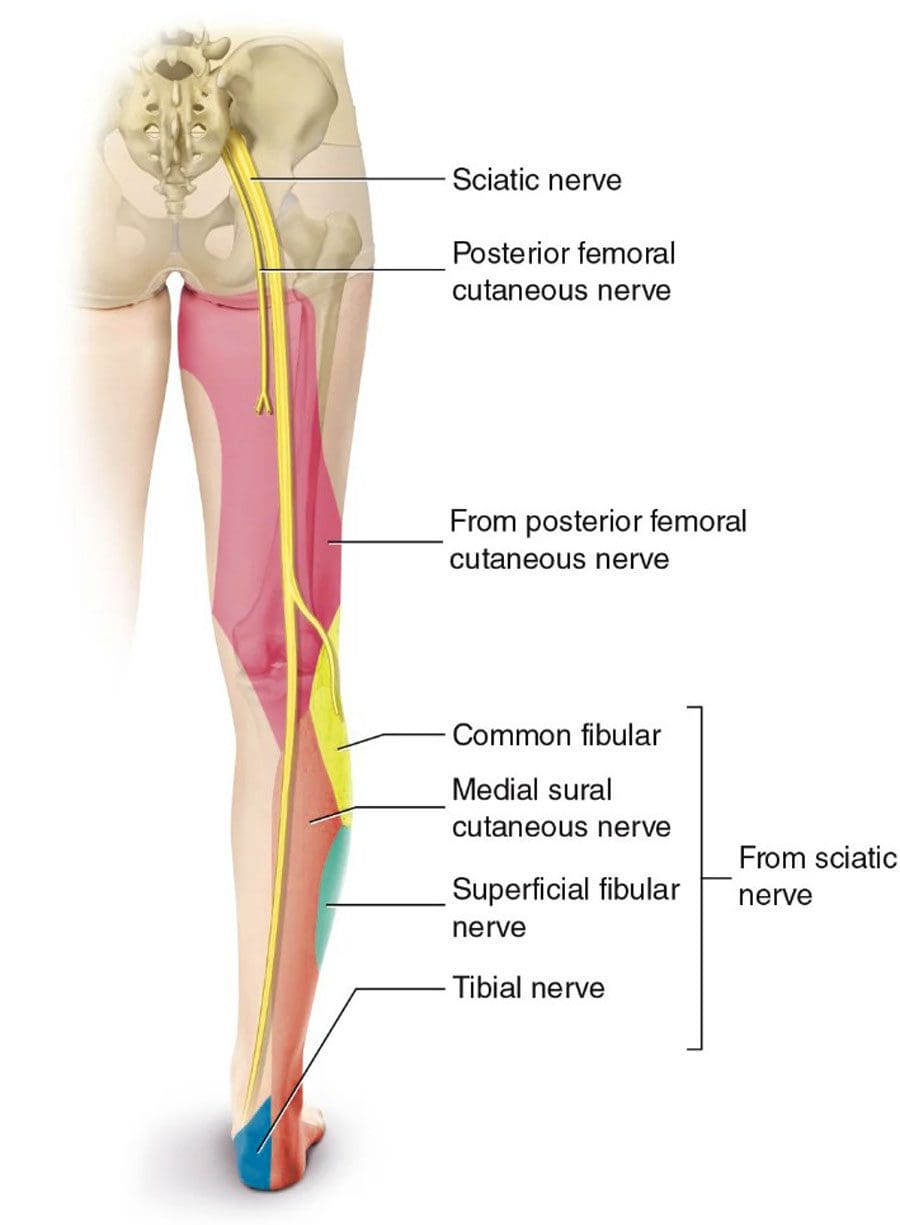
The sciatic nerve is the largest in the body, and any damage can cause pain in one or both sides of the body. Pressure and compression on the nerves, ligaments, and muscles accompanied by weakness or numbness in the lower back, legs, or feet could cause delayed sciatica symptoms hours, days, even weeks later. It is critical to meet with a doctor and auto accident chiropractor after any type of accident, large or small, to develop a thorough personalized treatment plan.

Sciatica Motor Vehicle Crash

Sciatica Motor Vehicle Crash

Sciatica can be brought on by a pinched nerve, which is often the result of the spine shifting out of place, causing herniation and compression on the sciatic nerve. The trauma from a motor vehicle accident can cause the spinal discs to be knocked out of place, rupture, and leak out, irritating the surrounding tissue and nerve endings. Back injuries are among the most common forms of damage/injury resulting from a motor vehicle accident/crash that can lead to sciatica. Broken and/or fractured vertebral, hip, or pelvis bone fragments can compress the sciatic nerve. Even when the initial result of the impact does not result in sciatica, over time, an untreated back injury could lead to sciatica symptoms.

Symptoms

Motor vehicle crashes often activate or aggravate pre-existing conditions like asymptomatic degenerative disc disease, affecting the sciatic nerve causing discomfort and pain. Common symptoms include:

  • Mild discomfort or achiness.
  • Tingling sensations from the lower back and down the back of the leg.
  • Weakness, numbness, or difficulty moving the leg and foot.
  • Inability to bend the foot upward at the ankle- known as foot drop.
  • Constant pain in one side of the buttocks or leg.
  • Sharp pain that makes it difficult to stand up and walk
  • Difficulty sitting.
  • Burning or tingling in one leg can worsen when sitting.
  • Intense pain.
  • Sharp burning and/or what feels like shooting electricity pain.

Diagnosis

A spine doctor and chiropractor will use diagnostic imaging tools like X-rays, and CT scans to see the scope of the injured area.

  • An X-ray will show a detailed image of the spine and affected bones in the area.
  • A CT scan will include a 3D image that shows the surrounding musculature, tissues, and nerves that could be damaged/injured.

Treatment

The doctor and chiropractor will then develop an appropriate and personalized treatment plan that could utilize various methods and techniques.

  • Chiropractic is commonly the first treatment to realign the spine and relieve pressure on the nerve.
  • A pain management specialist or physical therapist will be brought in for rehabilitation/recovery as adjustments progress.
  • Orthopedists and neurologists may be brought in for less conservative treatment in more severe cases, including surgical options.
  • Other treatments can include steroid injections or anti-inflammatory medicines to relieve nerve pressure.

Body Composition


Injury Rehabilitation Phase

Current in-clinic methods of measuring the composition of an injured body are indirect, while medically advanced techniques limit the frequency of testing. InBody provides cost-effective, comprehensive, and timely measurements that identify areas of weakness from damage, injury, or recent surgery and develop a customized rehabilitation program to improve functional status.

During the rehabilitation phase, increased sedentary behavior and/or immobilization causes muscle loss in the injured or operated region. By independently evaluating lean mass in each segment of the arms, legs, and torso, a chiropractor or physical therapist gathers baseline information on the body segments with restricted mobility.

InBody can help provide further insight into an individual’s body composition to analyze long-term health risks and develop a personalized exercise intervention to improve overall health and reduce health risks. This provides beneficial information for identifying potential imbalances related to muscle loss post-injury/surgery that can be targeted and improved. Identifying these imbalances allows the therapists to increase functional fitness and mobility, helping the individual reduce the risk of re-injury or new injuries.

References

Defouilloux, B et al. “A propos de trois observations chez des polytraumatisées de la route présentag une fracture du bassin associée à des signes neurologiques” [Apropos of 3 cases of multiple traffic injuries presenting pelvic fractures associated with neurologic signs]. Journal de radiologie, d’electrologie, et de medecine nucleaire vol. 48,8 (1967): 505-6.

Noble, J et al. “Analysis of upper and lower extremity peripheral nerve injuries in a population of patients with multiple injuries.” The Journal of trauma vol. 45,1 (1998): 116-22. doi:10.1097/00005373-199807000-00025

Walsh, K et al. “Risk of low back pain in people admitted to hospital for traffic accidents and falls.” Journal of epidemiology and community health vol. 46,3 (1992): 231-3. doi:10.1136/jech.46.3.231

Beneficial Foods Used In Regenerative Perioperative Protocols | Part 2

Introduction

When the body sustains injuries, it goes through a process called inflammation. Studies show that when the body starts activating the immune system and sending out inflammatory cells to the targeted area and healing the body quickly. Through the usage of human cellular tissue products, it can help the body where the area has been inflamed, however, it is important for individuals that are going to have regenerative medicine treatment, that their body has low inflammation in order for the treatment to work. In this 2 part series, we will be discussing what is inflammation, how food can alleviate or create inflammation, and how can it affect the pre-procedure protocols for regenerative medicine. Part 1 took a look at pre-procedure protocols that a person must take before going into their regenerative medicine treatment. By referring patients to qualified and skilled providers that specialized in regenerative cellular therapy, we work with affiliated clinics and distributor organizations, both internationally and nationally with the services that we offer. We find that education is the key to asking valuable questions to our providers. Dr. Alex Jimenez DC provides this information as an educational service only. Disclaimer


Can my insurance cover it? Yes, in case you are uncertain here is the link to all the insurance providers we cover. If you have any questions, please call Dr. Jimenez at 915-850-0900.


What Is Inflammation?

Inflammation is one of the main causes of many of the most debilitating diseases of the human body. Research shows that inflammation is actually part of the body’s natural defense mechanism that plays a huge role in the healing process. When an unwanted pathogen enters the body, it will launch the immune system to go and get rid of the problem. Inflammation has two categories when it is in the body and they are acute inflammation and chronic inflammation. Acute inflammation is where the body will send out inflammatory cells to heal the body when there is sudden damage. Chronic inflammation is when the body sends out continuous inflammatory cells to non-threatened areas repeatedly. Chronic inflammation has been linked to pain, Parkinson’s, cancer, depression, and many other types of conditions.


For individuals that are getting ready for regenerative treatment, it is important to make sure that the specialist does whatever possible to lower inflammation for the body and it is equally important for the individual to try and prevent it as well. Surprisingly though, through regenerative cellular treatment, using MSC can help reduce inflammation in the body. However, if a person is doing things that can cause inflammation to the body, then the treatment will be less effective and the inflammation can progress further into a chronic state.


Foods That Can Create Or Alleviate Inflammation

A person can activate or deactivate human cellular tissue products (HCTP) growth based on what foods they have ingested. The goal is to reduce inflammatory foods for the HCTP to thrive and add in nutrient-dense / nutrient-rich foods that will help fuel cell regeneration. By avoiding all or any inflammatory habits such as sweets /sugar or alcohol consumption, they can cause pain to be persistent even though they don’t interfere with human cellular tissue products in the body. Surprisingly, inflammation will also call the HCTP to the area of inflammation and that usually means they will be used to lower the inflammation in the gut instead of where the body actually needs them. By avoiding unhealthy foods such as fast food, junk food, and foods that can cause an allergic reaction to a person is best to be avoided at all costs. Avoid these as much as possible and try to eliminate them completely before and for 12-36 weeks following the procedure will provide beneficial results in the long haul and the foods you eat during this time will be the fuel to help the body heal.


The Anti-Inflammatory Diet

An anti-inflammatory diet is widely regarded as healthy, so even if it doesn’t help with a person’s
condition, it can help lower their chances of having other problems. Research shows that when there is a change in dietary patterns from a person it can light up the inflammatory markers in the body. Some anti-inflammatory diets can work together and studies show that there using the anti-inflammatory diet can help reduce cholesterol, weight, blood pressure, and blood sugar. Some of the anti-inflammatory diets are:


There are tons of information and books that anybody can read on this type of diet. By investing some time and researching which one will work best for anybody, the anti-inflammatory diet will help anyone find the types of foods that they like and what food they don’t like. Also by calculating and prepping time for the food is crucial in how they will fit in a person’s lifestyle. Also by having healthy snacks nearby is crucial because if a person gets too hungry, they might end up eating anything that can be counterproductive from their treatment.

Anti-Inflammatory Foods


Anti-inflammatory food is filled to the brim with natural antioxidants and polyphenols that can help dampen inflammatory responses in the body. Studies have shown that anti-inflammatory food has reduced the risk of cardiovascular diseases and diabetes. Some of the anti-inflammatory foods include:

  • Fruits and vegetables: Go for variety and lots of colors. Research has shown that vitamin K-rich leafy greens like spinach and kale curb inflammation, as does broccoli and cabbage. And the substance that gives fruits like cherries, raspberries, and blackberries their color is a type of pigment that also helps fight inflammation.
  • Whole grains: Oatmeal, brown rice, wholewheat bread, and other unrefined grains tend to be high in fiber, and fiber also may help with inflammation.
  • Beans: They’re high in fiber, plus they’re loaded with antioxidants and other anti-inflammatories substances.
  • Nuts: They have a healthy kind of fat that helps stop inflammation. (Olive oil and avocados are also good sources.) Stick to just a handful of nuts a day; otherwise, the fat and calories will add up.
  • Fish: Put it on your plate at least twice a week. Salmon, tuna, and sardines all have plenty of omega-3 fatty acids, which fight inflammation.
  • Herbs & spices: They add antioxidants (along with favor) to your food. Turmeric, found in curry powder, has a strong substance called curcumin. Garlic curbs the body’s ability to make things that boost inflammation.


Conclusion

All in all, eating anti-inflammatory foods that can help dampen the effects of inflammation in the body is beneficial to one’s health and wellness. Even incorporating regenerative medicine treatments into the lifestyle and following the protocols of it, can be beneficial due to the repair and regenerative properties of HCTP that can help heal the body faster while also lowering inflammation. When this happens, a person can continue on their health and wellness journey without any prolonged chronic pain that is inflicting their bodies.


References

Cologne, Germany, Institute for Quality and Efficiency in Health Care (IQWiG). “What Is an Inflammation?” InformedHealth.org [Internet]., U.S. National Library of Medicine, 22 Feb. 2018, https://www.ncbi.nlm.nih.gov/books/NBK279298/.

Galland, Leo. “Diet and Inflammation.” Nutrition in Clinical Practice: Official Publication of the American Society for Parenteral and Enteral Nutrition, U.S. National Library of Medicine, Dec. 2010, https://pubmed.ncbi.nlm.nih.gov/21139128/.

Medical Professionals, Cleveland Clinic. “Anti-Inflammatory Diet: What to Eat (and Avoid).” Cleveland Clinic, 2 Feb. 2022, https://health.clevelandclinic.org/anti-inflammatory-diet/.

Medical Professionals, Cleveland Clinic. “Inflammation: What Is It, Causes, Symptoms & Treatment.” Cleveland Clinic, 20 July 2021, https://my.clevelandclinic.org/health/symptoms/21660-inflammation.

Professionals, Harvard Health. “Foods That Fight Inflammation.” Harvard Health, 16 Nov. 2021, https://www.health.harvard.edu/staying-healthy/foods-that-fight-inflammation.

Disclaimer

Pre-Procedure Protocols For Regenerative Medicine | Part 1

Introduction

The human body is truly amazing. It can handle stressful situations, it has the ability to heal itself after injury, and makes sure that each system can work properly. When there are unwanted pathogens or severe injuries that damage the body and the tissues, that is where regenerative medicine can help the body. Regenerative medicine can help the body’s cells regenerate and repair the damaged cells and tissues in the body, thus speeding up the healing process. In this 2 part series, we will be taking a look at the pre-procedures of what a person should do before going into their regenerative medicine treatment. Part 2 will be discussing what inflammation is, how foods can alleviate or even create inflammation, and how it can affect the pre-procedure protocols for regenerative medicine treatments. By referring patients to qualified and skilled providers that specialized in regenerative cellular therapy, we work with affiliated clinics and distributor organizations, both internationally and nationally with the services that we offer. We find that education is the key to asking valuable questions to our providers. Dr.  Alex Jimenez DC provides this information as an educational service only. Disclaimer


Can my insurance cover it? Yes, in case you are uncertain here is the link to all the insurance providers we cover. If you have any questions, please call Dr. Jimenez at 915-850-0900.


What Is Regenerative Medicine?

The body has many ways to naturally heal itself from injury and sometimes it needs a little help with regenerating its cells. That is where regenerative medicine comes in. Research shows that regenerative medicine can actually go beyond and discover many therapies that can help support the body by repairing and restoring itself into a state of well-being. Some regenerative medicines like stem cells can actually help speed up the recovery process of damaged cells and tissue organs in the body. Other research studies show that regenerative medicine can help limit the effects of organ dysfunction and tissue degeneration. This means that regenerative medicine is beneficial for stimulating the body’s own repair mechanisms and restoring the function of damaged body tissues or organs.


The  Pre-Procedure Protocol For Regenerative Medicine Treatment

Many individuals that are going through any treatment have to follow protocols before and after the treatment. For individuals that are going into a regenerative medicine treatment, there are pre-procedure protocols that can benefit the individual to have the best results during the procedure. By following the patient’s guide below for regenerative medicine treatments, these are the several steps to the program that affiliated clinics and distribution organizations, both nationally and internationally) recommend patients to do before treatment that can help improve the chances at the best results possible. For example, eating the right foods, drinking more water, exercising, and avoiding medications that may reduce the chances of a great outcome.


Stop Taking Medication

One of the first things that many individuals should do before going to their regenerative medicine treatment is to stop taking medication that can disrupt the regenerative cell process after the procedure is done. Since the body will be in an inflammatory state during the procedure, stopping medication intake a week before can help the stem cells to regenerate the damaged cells. There are several things that professional providers asked patients in order to prepare them for the upcoming regenerative treatment:

  • Stop taking steroids 3 weeks prior to injection. Steroids can stop the body’s ability to heal and can make the treatment less effective.
  • AVOID corticosteroids (prednisone, Medrol dose pack, Cortisone).
  • Stop taking non-steroidal anti-inflammatory drugs (NSAIDs) such as aspirin, Aleve, naproxen, Motrin or ibuprofen, or arthritis medications such as Celebrex, a week prior to the procedure.
  • If a person is on any blood thinner, be sure to notify the provider.


Drink Plenty Of Water


It is important to be drinking plenty of fluids prior to the procedure. Water has so many beneficial properties as studies show that water can help carry the nutrients and oxygen to the body’s cells, protect the organs and tissues, and maintain the electrolyte balance. By drinking plenty of water before any procedure can help the body from being dehydrated and research shows that water is essential for cellular homeostasis and life itself. Plus a person can get their bodies hydrated not by just drinking water daily but through nutritional whole food that has a high water intake.


Eat Something Nutritious

Before going into the treatment procedure, it is best to start eating nutritious whole foods that are beneficial for the stem cells in the body to thrive. Surprisingly food is one of the biggest causes that can cause the individual to have self-inflicted inflammation and it can actually activate or deactivate the stem cell growth based on what foods are being digested. By incorporating anti-inflammatory foods into a diet, studies show that an anti-inflammatory diet can help innate the immune system and dampen the effects of prolonged inflammation in the body. By making sure that an individual is eating something nutritious and not fast food, especially if an individual has any issues with low blood sugar, can help with the process of the treatment procedure. Part 2 will be discussing more on how food can actually create or alleviate inflammation in a regenerative medicine treatment.


Taking It Easy


Stress is a two-way street where it is beneficial for the body to get moving and it can also be dangerous if the body is under a constant state of worry. Studies show that stress is actually a key process for ensuring survival and managing it is a must. When going through the pre-protocols before a regenerative medicine treatment, it’s better to plan out on the day of and the day after the procedure. By doing this, it gives the body a chance to recover and for the individual to be relaxed. Research shows that when individuals are incorporating mindful practice strategies into their lives it can help improve both cognitive and emotional functioning. And if it’s the individual’s first procedure, it is best to have a designated driver to take them to and from the procedure to eliminate any stressful situation that comes to the person.


Conclusion

All in all, by following these procedures before a regenerative medicine treatment, the body will be able to produce more stem cells naturally and the body will have a better chance to repair the damaged cells and tissues that have harmed the body and the healing process can repair the body quickly. If a person doesn’t follow these procedures, it can affect the healing process and cause more problems than before.  It is important that the body needs time to prep itself before any treatment and the individual must follow these procedures to ensure that the results are doing their job properly and the individual is on the road to recovery.


References

Can, Yekta Said, et al. “How to Relax in Stressful Situations: A Smart Stress Reduction System.” Healthcare (Basel, Switzerland), MDPI, 16 Apr. 2020, https://www.ncbi.nlm.nih.gov/pmc/articles/PMC7349817/.

Clinic, Mayo. “Center for Regenerative Medicine – about Regenerative Medicine.” Mayo Clinic, 26 Feb. 2019, https://www.mayo.edu/research/centers-programs/center-regenerative-medicine/about/about-regenerative-medicine.

Jessop, Zita M, et al. “Transforming Healthcare through Regenerative Medicine.” BMC Medicine, BioMed Central, 10 Aug. 2016, https://www.ncbi.nlm.nih.gov/pmc/articles/PMC4980802/.

Ntege, Edward H, et al. “Advances in Regenerative Therapy: A Review of the Literature and Future Directions.” Regenerative Therapy, Japanese Society for Regenerative Medicine, 20 Feb. 2020, https://www.ncbi.nlm.nih.gov/pmc/articles/PMC7033303/.

Popkin, Barry M, et al. “Water, Hydration, and Health.” Nutrition Reviews, U.S. National Library of Medicine, Aug. 2010, https://www.ncbi.nlm.nih.gov/pmc/articles/PMC2908954/.

Professionals, Harvard Health. “How Much Water Should You Drink?” Harvard Health, 25 Mar. 2020, https://www.health.harvard.edu/staying-healthy/how-much-water-should-you-drink.

Sears, Barry, and Camillo Ricordi. “Anti-Inflammatory Nutrition as a Pharmacological Approach to Treat Obesity.” Journal of Obesity, Hindawi Publishing Corporation, 2011, https://www.ncbi.nlm.nih.gov/pmc/articles/PMC2952901/.

Worthen, Mary, and Elizabeth Cash. “Stress Management.” StatPearls [Internet]., U.S. National Library of Medicine, 27 Aug. 2021, https://www.ncbi.nlm.nih.gov/books/NBK513300/.

Disclaimer

Sleeping With A Bulging Disc

Doctor holding MRI scan of spinal disc

Sleeping with a bulging disc can be challenging for the body to achieve the proper rest. And sleeping in an awkward position can add stress to the spine, making the bulge worse, which can cause tingling, numbness, pain, and digestive problems. This can disrupt the sleep cycle and prevent proper healing of the spinal injury.

Sleeping With A Bulging Disc

Sleeping With a Bulging Disc

When sleeping, most back pain occurs in the lumbar or lower back, in one of two places where the spine meets the pelvis. Around 95% of lower back herniations happen in the L4-L5 spinal segment or the L5-S1 Lumbosacral joint. Any back pain can turn into a vicious cycle of:

  • Inconsistent sleep
  • Chronic pain
  • Chronic fatigue
  • Irritability
  • Work/School performance
  • Obesity
  • Diabetes
  • High blood pressure
  • Immune system compromisation
  • Mental health problems
  • Depression

Sleeping with a bulging disc requires maintaining the ears, shoulders, and hips aligned to keep the spine aligned.

Sleeping on The Back

Back sleeping done correctly is the best way to sleep for the spine’s health. The important thing is to ensure the entire back is supported when sleeping. If there is a gap or space between the mattress and the back, the weight and gravity force the spine to lower in an unnatural way to fill the space. This can cause back muscle soreness, injury, and sciatica. A thin pillow, blanket, or towel can be used to fill the space, giving the spine the support it needs. Back sleepers can also benefit from a pillow or two under the knees to elevate the legs and help maintain the natural curve of the pine.

Sleeping on The Side

Side sleepers can try pulling the legs up toward the chest, and placing a pillow between the knees can provide relief when sleeping with a bulging disc. Pulling the legs up in the fetal position can relieve pressure on the discs. It is recommended to switch sides to keep the spine balanced. This helps maintain hip alignment, which helps keep the spine in a neutral position.

Sleeping On The Stomach

It is recommended to avoid sleeping on the stomach. This pulls the spine down into an unnatural curve that can cause and exacerbate back pain. For individuals that naturally stomach sleep, it is recommended to place a pillow under the hips and lower abdomen to prevent unnatural spinal positioning.

Chiropractic Relief

Utilizing the right sleeping position can provide pain relief and thorough rest. However, sleeping with a herniated disc is far from what is needed to get back to a normal healthy sleeping pattern. This depends on the location of the bulging disc, severity, and cause. A chiropractor can:

  • Determine the cause.
  • Relieve the pain.
  • Help heal the bulging disc.
  • Realign the spine.
  • Maintain long-term relief without recurrence.
  • Help the individual develop an optimal sleeping routine and positioning.

Body Composition


Sleep and Growth Hormone In Children

Growth, in all ages, is primarily controlled by growth hormone. The hormone is regulated by the hypothalamus and pituitary gland which plays an important role in sleep. Growth hormone has been found:

  • It peaks during the beginning of deep sleep.
  • There are multiple smaller peaks during the other stages of sleep.
  • Those who have a delay at the beginning of deep sleep have delayed rises in growth hormone levels.

For children to grow they need to have proper levels of growth hormone. This means they need to have the proper amount of sleep for proper body composition. Research has found that increased levels of sleep resulted in less overall fat mass and a reduced percentage of body fat allowing their bodies to grow.

References

Al Qaraghli MI, De Jesus O. Lumbar Disc Herniation. [Updated 2021 Aug 30]. In: StatPearls [Internet]. Treasure Island (FL): StatPearls Publishing; 2022 Jan-. Available from: https://www.ncbi.nlm.nih.gov/books/NBK560878/

Desouzart, Gustavo et al. ‘Effects of Sleeping Position on Back Pain in Physically Active Seniors: A Controlled Pilot Study. 1 Jan. 2016: 235 – 240.

Kose, Gulsah et al. “The Effect of Low Back Pain on Daily Activities and Sleep Quality in Patients With Lumbar Disc Herniation: A Pilot Study.” The Journal of neuroscience nursing: Journal of the American Association of Neuroscience Nurses vol. 51,4 (2019): 184-189. doi:10.1097/JNN.0000000000000446

Sener, Sevgi, and Ozkan Guler. “Self-reported data on sleep quality and psychologic characteristics in patients with myofascial pain and disc displacement versus asymptomatic controls.” The International Journal of prosthodontics vol. 25,4 (2012): 348-52.

An Insightful Look Into Regenerative Cellular Treatment | Part 2

Introduction

The body has trillions of cells that help maintain order for the body and make sure that it is functioning properly. The cells in the body help regulate growth development, making sure that the tissues of the muscles and organs are working and pumping blood to be circulated to each system. But when unwanted pathogens or fatal injuries damage the body and scar the tissue cells, then that is where stem cell therapy comes to the rescue. In this 2 part series, we will be giving an in-depth look at what are stem cells, where do they come from, and the type of stem cells that are associated with the body. Part 1 was taking a look at what is regenerative cellular treatment, what is regenerative medicine, a brief introduction of what are stem cells. By referring patients to qualified and skilled providers that specialized in regenerative cellular therapy, we work with affiliated clinics and distributor organizations, both internationally and nationally with the services that we offer. We find that education is the key to asking valuable questions to our providers. Dr. Jimenez DC provides this information as an educational service only. Disclaimer


Can my insurance cover it? Yes, in case you are uncertain here is the link to all the insurance providers we cover. If you have any questions, please call Dr. Jimenez at 915-850-0900.


What Are Stem Cells?


In part 1, it discussed what are stem cells in general terms. Stem cell research has been throughout the news and research shows that stem cell therapy is a form of regenerative medicine that can help repair damaged tissues, specifically, the heart, nerve cells, and even blood cells. Other research studies show that stem cells can provide a better understanding to professionals that specialized in stem cell therapy to develop cell-based therapies for many chronic illnesses like diabetes, heart failure, and many other chronic conditions that harm the body. Stem cells are the body’s raw material that can help generate new cells to replace the damaged ones in the body.


Where Do They Come From?

So the body has trillions of cells that make sure that the body is working properly. From infancy to seniority the body is always creating new cells and it is their job to maintain a properly functioning body. Studies show that stem cells are defined as the precursor cells that have the ability to self-renew and generate mature cell types in the body. Not only that, stem cells are derived from the prenatal tissue of expecting mothers. They are obtained from healthy, carefully screened mothers at the time of scheduled cesarean section. The consent is obtained at approximately the eighth month of pregnancy and the criteria for donation are established by the Food and Drug Administration, the Center for Disease Control, and the American Association of Tissue Banks. The criteria include a thorough medical and social screening and a complete panel of serological testing to ensure the donor is free from transmissible diseases. At the time of birth, a trained technician will be present and will collect the amniotic fluid, placenta, and umbilical cord which are then sent to the processing facility; where they will be cultured, processed and retested prior to release for clinical use.


Are Our Bodies Are A Stem Cell?

In short yes as research shows that stem cells have the ability to not only build every tissue in the human body, but they can differentiate into specific cell types that can have amazing potential for future therapeutic uses for tissue regeneration and repair to the body. The body needs those cells to heal, repair, and regenerate things when a person gets injured. However, the body also needs those cells to just maintain itself. As people continue to age and use up these resources, it becomes harder and harder for the body to fix injuries, repair itself, and even maintain itself.


Types Of Stem Cells


Since stem cells have the ability for regeneration, they actually have to display at least 2 essential characteristics in order to fall into the definition of stem cells. One is that they have to have the ability to have an unlimited amount of self-renewal to produce progeny exactly as the original cell and two is that they have to rise to a special cell type to become part of a healthy body. There are 3 types of stem cells that help the body to regenerate damaged tissue and renew the integrity of the cells. They are:

  • Embryonic stem cells
  • Adult stem cells 
  • Mesenchymal stem cells


Embryonic Stem Cells

Embryonic stem cells are pluripotent cells in the inner cell mass of a developing embryo. Studies have found that embryonic stem cells are a valuable tool for physicians that specialized in stem cell therapy treatments since it involves specialized cells and the establishment of organ structures. The beneficial properties of embryonic stem cells are that they can not only be divided into more stem cells but can be used to regenerate diseased tissues and organs that have been affected in the body.


Adult Stem Cells

Also known as somatic stem cells, adult stem cells have resided in specific tissues and possess many fundamental properties of stem cells that provide self-renewal capacity and multipotency. Studies found that even though adult cells are primitive cells, they are connected to supporting cells that help protect the body from external harmful stimuli and are kept quiescent until an appropriate activating signal arrives. Some of the beneficial properties that adult stem cells provide are that they are the safest for therapeutic utilization and can help repair damaged cartilage in the body.


Mesenchymal Stem Cells

Mesenchymal stem cells or MSC are multipotent stromal cells that are in the body that can transform into a variety of cells that can help with any procedures that are dealing with injuries to the body. MSC is found in perinatal tissues that don’t elicit a T cell response and research shows that MSC can be isolated from various tissues like adipose tissue, bone marrow, and menstrual blood that has the ability to renew and exhibit multilineage differentiation to the body. Another study showed that MSC can produce an abundance of useful growth factors and cytokines, while also having the ability to repair endogenous tissue in the body since it can clearly diminish with age. Not only that but MSC does not trigger an immune response and is tolerated by the body’s immune system. Studies show that MSC is the ideal cell source for tissue regeneration in the body since its immunological properties are anti-inflammatory and can contribute to their role as immune tolerant agents. Since there are many functions that MSC can provide for the body, the four most important functions that they can control are:


Conclusion

All in all, stem cells have many beneficial properties that can help the body repair and regenerate damaged cells, tissues, and organs. Through the usage of stem cell therapy by high professional specialists, stem cells can recover the body naturally and heal it over time from chronic illness or injuries. When the body goes through trauma from an injury or unwanted pathogens develop into chronic illnesses over time, stem cells can help by replacing the damaged cells. It is equally
important in regenerative medicine therapies that growth factors, cytokines, structural proteins, chemokines, and other components are needed to regenerate the body and support this entire process. Without stem cell therapy, there will be no fixing the problem, and surgery is the only option, thus inflicting more damage that further depletes the body’s own regenerative resources.


References

Biehl, Jesse K, and Brenda Russell. “Introduction to Stem Cell Therapy.” The Journal of Cardiovascular Nursing, U.S. National Library of Medicine, 2009, https://www.ncbi.nlm.nih.gov/pmc/articles/PMC4104807/.

Chagastelles, Pedro C, and Nance B Nardi. “Biology of Stem Cells: An Overview.” Kidney International Supplements, Nature Publishing Group, Sept. 2011, https://www.ncbi.nlm.nih.gov/pmc/articles/PMC4089750/.

Ding, Dah-Ching, et al. “Mesenchymal Stem Cells.” Cell Transplantation, U.S. National Library of Medicine, 2011, https://pubmed.ncbi.nlm.nih.gov/21396235/.

Han, Yu, et al. “Mesenchymal Stem Cells for Regenerative Medicine.” Cells, MDPI, 13 Aug. 2019, https://www.ncbi.nlm.nih.gov/pmc/articles/PMC6721852/.

Institute of Medicine (US) Committee on the Biological and Biomedical Applications of Stem Cell Research, National Research Council (US). “Embryonic Stem Cells.” Stem Cells and the Future of Regenerative Medicine., U.S. National Library of Medicine, 1 Jan. 1970, https://www.ncbi.nlm.nih.gov/books/NBK223690/.

Montagnani, Stefania, et al. “Adult Stem Cells in Tissue Maintenance and Regeneration.” Stem Cells International, Hindawi Publishing Corporation, 2016, https://www.ncbi.nlm.nih.gov/pmc/articles/PMC4754501/.

Pittenger, Mark F, et al. “Mesenchymal Stem Cell Perspective: Cell Biology to Clinical Progress.” NPJ Regenerative Medicine, Nature Publishing Group UK, 2 Dec. 2019, https://www.ncbi.nlm.nih.gov/pmc/articles/PMC6889290/.

Professionals, NIH. “Stem Cells.” National Institutes of Health, U.S. Department of Health and Human Services, 27 Jan. 2016, https://www.nih.gov/about-nih/what-we-do/nih-turning-discovery-into-health/stem-cells.

Ray, Pritha, et al. “Application of Adult Stem Cells in Medicine.” Stem Cells International, Hindawi Publishing Corporation, 2015, https://www.ncbi.nlm.nih.gov/pmc/articles/PMC4539501/.

Staff, Mayo Clinic. “Frequently Asked Questions about Stem Cell Research.” Mayo Clinic, Mayo Foundation for Medical Education and Research, 8 June 2019, https://www.mayoclinic.org/tests-procedures/bone-marrow-transplant/in-depth/stem-cells/art-20048117.

Vazin, Tandis, and William J Freed. “Human Embryonic Stem Cells: Derivation, Culture, and Differentiation: A Review.” Restorative Neurology and Neuroscience, U.S. National Library of Medicine, 2010, https://www.ncbi.nlm.nih.gov/pmc/articles/PMC2973558/.

Disclaimer