Table of Contents
Natural Stiffness and Flexibility: Genetics, Aging, and Integrative Care
Introduction: Why Some People Stay Stiff
Some individuals seem naturally bendy, able to stretch into yoga poses with ease, while others struggle to touch their toes despite years of practice. This difference is not about determination—it often begins in the body’s genetic blueprint.
Flexibility is influenced by connective tissue, muscle fiber type, lifestyle, and the aging process. Some stiffness is normal and healthy, but when paired with injury or medical conditions, it can affect mobility and quality of life. Clinicians like Dr. Alexander Jimenez, DC, APRN, FNP-BC, use chiropractic, functional medicine, and advanced diagnostics to help patients address stiffness while supporting long-term spinal and musculoskeletal health.
Genetic Roots of Stiffness
Connective Tissue Biology
Ligaments, tendons, and fascia depend on collagen. People born with tighter collagen fibers often experience stiffer bodies, while looser fibers allow hypermobility (Xcode Life, n.d.).
Muscle Fiber Distribution
Muscles contain both fast-twitch fibers (powerful but less elastic) and slow-twitch fibers (endurance and more pliable). Genetics largely determines this ratio, influencing baseline flexibility (PMC, 2020).
Rare Genetic Syndromes
- Ehlers-Danlos Syndrome (EDS): Causes extreme joint laxity and flexibility.
- Congenital Stiffness Disorders: Passed down through families, resulting in lifelong inflexibility (JAMA Pediatrics, 2000).
Stiffness as a Normal Variation
It’s essential to recognize that stiffness does not always indicate dysfunction. Some people simply have less range of motion due to their natural tissue structure (Quora, n.d.).
Other influences, such as joint design, gender, and hormones, also affect mobility. For example, women are often more flexible than men in certain joints due to hormonal factors, though individual variation remains significant (Alexander Orthopaedics, 2023).
The Role of Aging
Biological Changes with Age
Over time, collagen fibers stiffen, cartilage loses elasticity, and joint capsules become less pliable (PMC, 2020). These changes make even naturally flexible people less mobile with age.
Lifestyle Amplification
- Sedentary behavior accelerates stiffness.
- Repetitive motions create imbalances.
- Poor hydration reduces tissue flexibility.
Dr. Jimenez emphasizes that aging-related stiffness can often be slowed through mobility training, chiropractic adjustments, and functional medicine strategies.
When Stiffness Signals a Medical Condition
Stiff Person Syndrome (SPS)
SPS is a rare autoimmune neurological condition that causes extreme rigidity and muscle spasms. Patients may appear “statue-like” and require medical treatment (Hopkins Medicine, n.d.; MSU Healthcare, 2024).
Genetic Disorders of Rigidity
Some families inherit disorders where stiffness is passed across generations (JAMA Pediatrics, 2000).
These conditions highlight the need for accurate diagnosis to separate normal genetic stiffness from disease-related rigidity.
Case Studies in Stiffness and Care
Case 1: Stiffness After Whiplash
A patient with whiplash after a car accident experienced compounded stiffness from genetically tight connective tissue. Chiropractic adjustments, massage, and guided rehab improved mobility while respecting natural limits.
Case 2: Athlete with Restricted Motion
A soccer player with lifelong hip stiffness was evaluated. Instead of forcing extreme flexibility, the focus shifted to stability and functional range—improving performance and reducing injury risk.
Case 3: Aging and Lifelong Stiffness
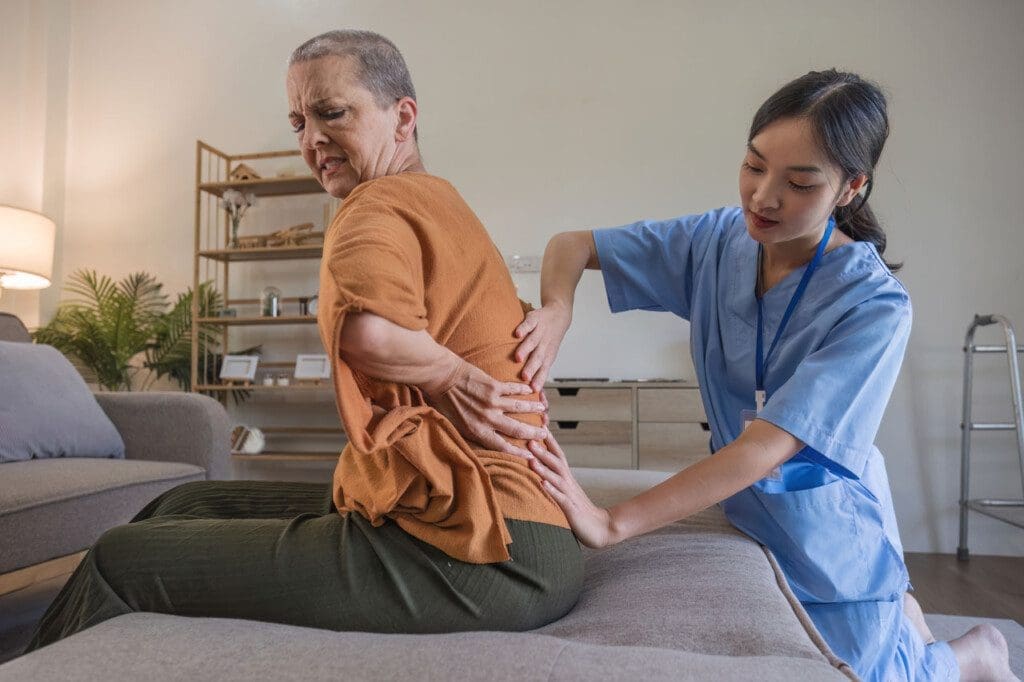
An older adult with chronic stiffness reported difficulty in daily movements. With integrative care, including acupuncture and mobility training, the patient regained comfort and improved independence.
Chiropractic and Integrative Solutions
Stiffness management is most effective when multiple therapies are combined:
- Chiropractic Adjustments: Correct misalignments and restore joint motion.
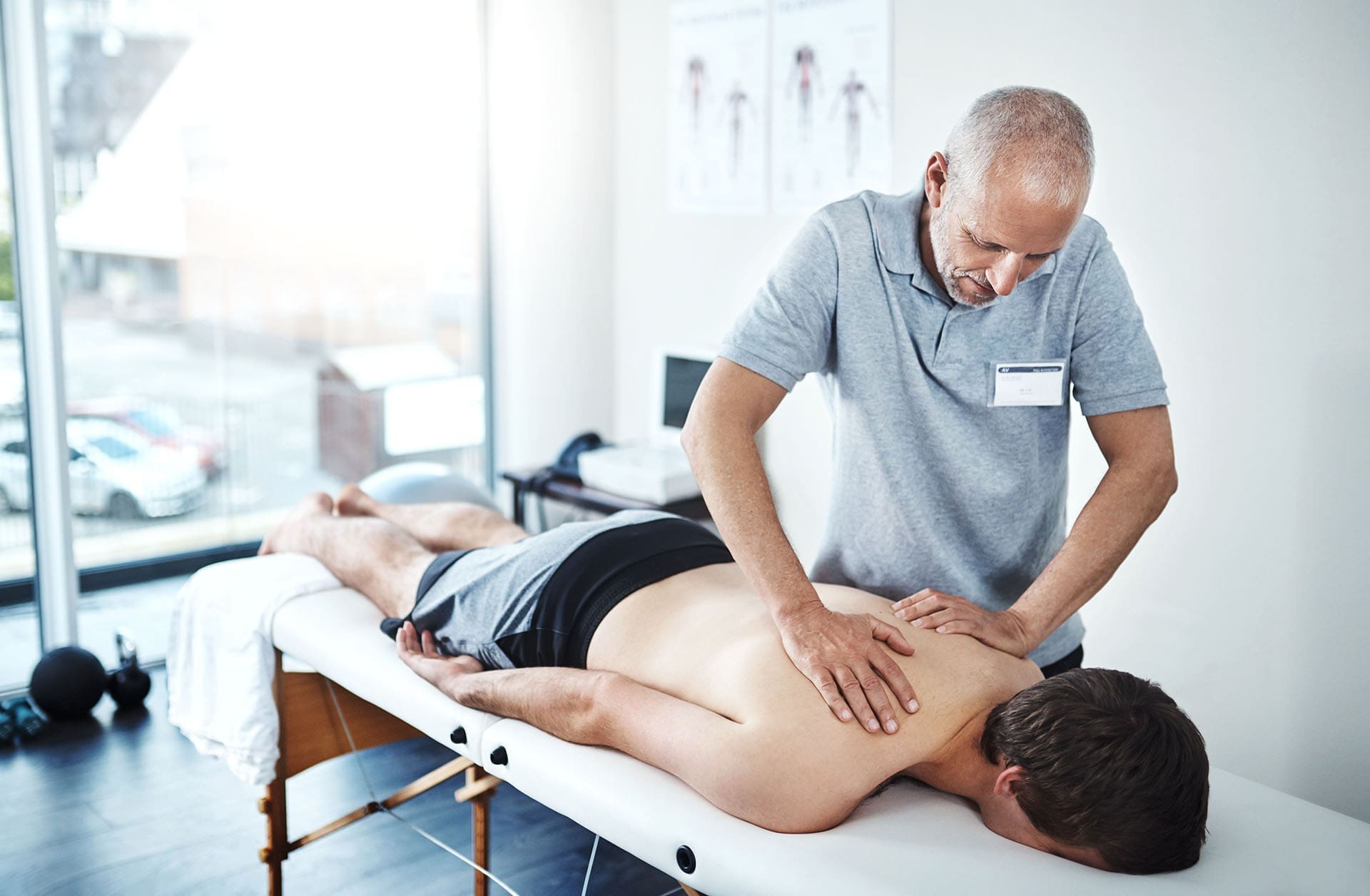
- Massage Therapy: Reduce fascial tension and enhance circulation.
- Acupuncture: Ease spasms and regulate nervous system responses.
- Targeted Exercise: Build functional mobility tailored to each patient.
- Functional Medicine: Address systemic inflammation and nutritional support.
This multimodal approach ensures patients improve mobility while reducing long-term complications.
Flexibility in Sports and Performance
Flexibility is essential in sports, but both extremes present risks:
- Too stiff: Higher risk of muscle strains.
- Too flexible: Greater risk of joint instability.
Athletes benefit most from identifying their optimal range of motion. Dr. Jimenez helps patients balance flexibility and stability for both injury prevention and peak performance.
Legal and Diagnostic Role in Injury Recovery
When stiffness follows injuries like workplace accidents or MVAs, legal documentation becomes critical. Dr. Jimenez provides:
- Advanced imaging (MRI, CT, X-rays).
- Dual chiropractic and medical assessments.
- Reports tailored for attorneys and insurance cases.
This ensures patients receive both proper treatment and legal support.
Lifestyle Approaches for Stiffness Management
While genetics set natural limits, lifestyle choices still matter:
- Daily stretching and yoga maintain mobility.
- Strength training prevents imbalances.
- Adequate hydration keeps connective tissues healthy.
- A balanced anti-inflammatory diet supports joint function.
- Mind-body practices like tai chi reduce stiffness and stress.
These strategies help individuals work with their genetic baseline to maintain optimal mobility and function.
Conclusion: Embracing Mobility Within Limits
Flexibility is shaped by genetics, age, and lifestyle. Some individuals will always be naturally stiff, while others bend with ease. Both represent normal human variation.
Through chiropractic, functional medicine, advanced imaging, and integrative therapies, Dr. Alexander Jimenez helps patients reduce stiffness, recover from injuries, and live healthier, more mobile lives—even when natural stiffness sets boundaries.
References
- Alexander Orthopaedics. (2023). Why are some individuals more flexible than others?
- Hopkins Medicine. (n.d.). Stiff person syndrome (SPS)
- Michigan State University Healthcare. (2024). Understanding stiff-person syndrome
- JAMA Pediatrics. (2000). An inherited congenital disorder resembling stiffness
- Quora. (n.d.). Why is my body naturally inflexible?
- PMC. (2020). Genetic influence on flexibility.
- Xcode Life. (n.d.). Is flexibility genetic?
- Jimenez, A. (n.d.). Dr. Alexander Jimenez – Clinical Insights
Professional Scope of Practice *
The information herein on "Natural Stiffness Chiropractic Approach to Flexibility" is not intended to replace a one-on-one relationship with a qualified health care professional or licensed physician and is not medical advice. We encourage you to make healthcare decisions based on your research and partnership with a qualified healthcare professional.
Blog Information & Scope Discussions
Welcome to El Paso's Premier Wellness and Injury Care Clinic & Wellness Blog, where Dr. Alex Jimenez, DC, FNP-C, a Multi-State board-certified Family Practice Nurse Practitioner (FNP-BC) and Chiropractor (DC), presents insights on how our multidisciplinary team is dedicated to holistic healing and personalized care. Our practice aligns with evidence-based treatment protocols inspired by integrative medicine principles, similar to those found on this site and our family practice-based chiromed.com site, focusing on restoring health naturally for patients of all ages.
Our areas of multidisciplinary practice include Wellness & Nutrition, Chronic Pain, Personal Injury, Auto Accident Care, Work Injuries, Back Injury, Low Back Pain, Neck Pain, Migraine Headaches, Sports Injuries, Severe Sciatica, Scoliosis, Complex Herniated Discs, Fibromyalgia, Chronic Pain, Complex Injuries, Stress Management, Functional Medicine Treatments, and in-scope care protocols.
Our information scope is multidisciplinary, focusing on musculoskeletal and physical medicine, wellness, contributing etiological viscerosomatic disturbances within clinical presentations, associated somato-visceral reflex clinical dynamics, subluxation complexes, sensitive health issues, and functional medicine articles, topics, and discussions.
We provide and present clinical collaboration with specialists from various disciplines. Each specialist is governed by their professional scope of practice and their jurisdiction of licensure. We use functional health & wellness protocols to treat and support care for musculoskeletal injuries or disorders.
Our videos, posts, topics, and insights address clinical matters and issues that are directly or indirectly related to our clinical scope of practice.
Our office has made a reasonable effort to provide supportive citations and has identified relevant research studies that support our posts. We provide copies of supporting research studies upon request to regulatory boards and the public.
We understand that we cover matters that require an additional explanation of how they may assist in a particular care plan or treatment protocol; therefore, to discuss the subject matter above further, please feel free to ask Dr. Alex Jimenez, DC, APRN, FNP-BC, or contact us at 915-850-0900.
We are here to help you and your family.
Blessings
Dr. Alex Jimenez DC, MSACP, APRN, FNP-BC*, CCST, IFMCP, CFMP, ATN
email: [email protected]
Multidisciplinary Licensing & Board Certifications:
Licensed as a Doctor of Chiropractic (DC) in Texas & New Mexico*
Texas DC License #: TX5807, Verified: TX5807
New Mexico DC License #: NM-DC2182, Verified: NM-DC2182
Multi-State Advanced Practice Registered Nurse (APRN*) in Texas & Multi-States
Multi-state Compact APRN License by Endorsement (42 States)
Texas APRN License #: 1191402, Verified: 1191402 *
Florida APRN License #: 11043890, Verified: APRN11043890 *
Colorado License #: C-APN.0105610-C-NP, Verified: C-APN.0105610-C-NP
New York License #: N25929, Verified N25929
License Verification Link: Nursys License Verifier
* Prescriptive Authority Authorized
ANCC FNP-BC: Board Certified Nurse Practitioner*
Compact Status: Multi-State License: Authorized to Practice in 40 States*
Graduate with Honors: ICHS: MSN-FNP (Family Nurse Practitioner Program)
Degree Granted. Master's in Family Practice MSN Diploma (Cum Laude)
Dr. Alex Jimenez, DC, APRN, FNP-BC*, CFMP, IFMCP, ATN, CCST
My Digital Business Card
Licenses and Board Certifications:
DC: Doctor of Chiropractic
APRNP: Advanced Practice Registered Nurse
FNP-BC: Family Practice Specialization (Multi-State Board Certified)
RN: Registered Nurse (Multi-State Compact License)
CFMP: Certified Functional Medicine Provider
MSN-FNP: Master of Science in Family Practice Medicine
MSACP: Master of Science in Advanced Clinical Practice
IFMCP: Institute of Functional Medicine
CCST: Certified Chiropractic Spinal Trauma
ATN: Advanced Translational Neutrogenomics
Memberships & Associations:
TCA: Texas Chiropractic Association: Member ID: 104311
AANP: American Association of Nurse Practitioners: Member ID: 2198960
ANA: American Nurse Association: Member ID: 06458222 (District TX01)
TNA: Texas Nurse Association: Member ID: 06458222
NPI: 1205907805
| Primary Taxonomy | Selected Taxonomy | State | License Number |
|---|---|---|---|
| No | 111N00000X - Chiropractor | NM | DC2182 |
| Yes | 111N00000X - Chiropractor | TX | DC5807 |
| Yes | 363LF0000X - Nurse Practitioner - Family | TX | 1191402 |
| Yes | 363LF0000X - Nurse Practitioner - Family | FL | 11043890 |
| Yes | 363LF0000X - Nurse Practitioner - Family | CO | C-APN.0105610-C-NP |
| Yes | 363LF0000X - Nurse Practitioner - Family | NY | N25929 |
Dr. Alex Jimenez, DC, APRN, FNP-BC*, CFMP, IFMCP, ATN, CCST
My Digital Business Card