Table of Contents
Breaking the “Wait-and-See” Cycle After an Accident: An Integrative Personal Injury Recovery Model
Abstract
After a car accident, many people leave the emergency room with reassuring imaging, instructions to rest, and medications such as nonsteroidal anti-inflammatory drugs (NSAIDs) or muscle relaxants. These treatments may be appropriate for short-term symptom control, but emergency care is mainly designed to identify serious injuries and stabilize the patient. It is not always designed to provide months of musculoskeletal rehabilitation.
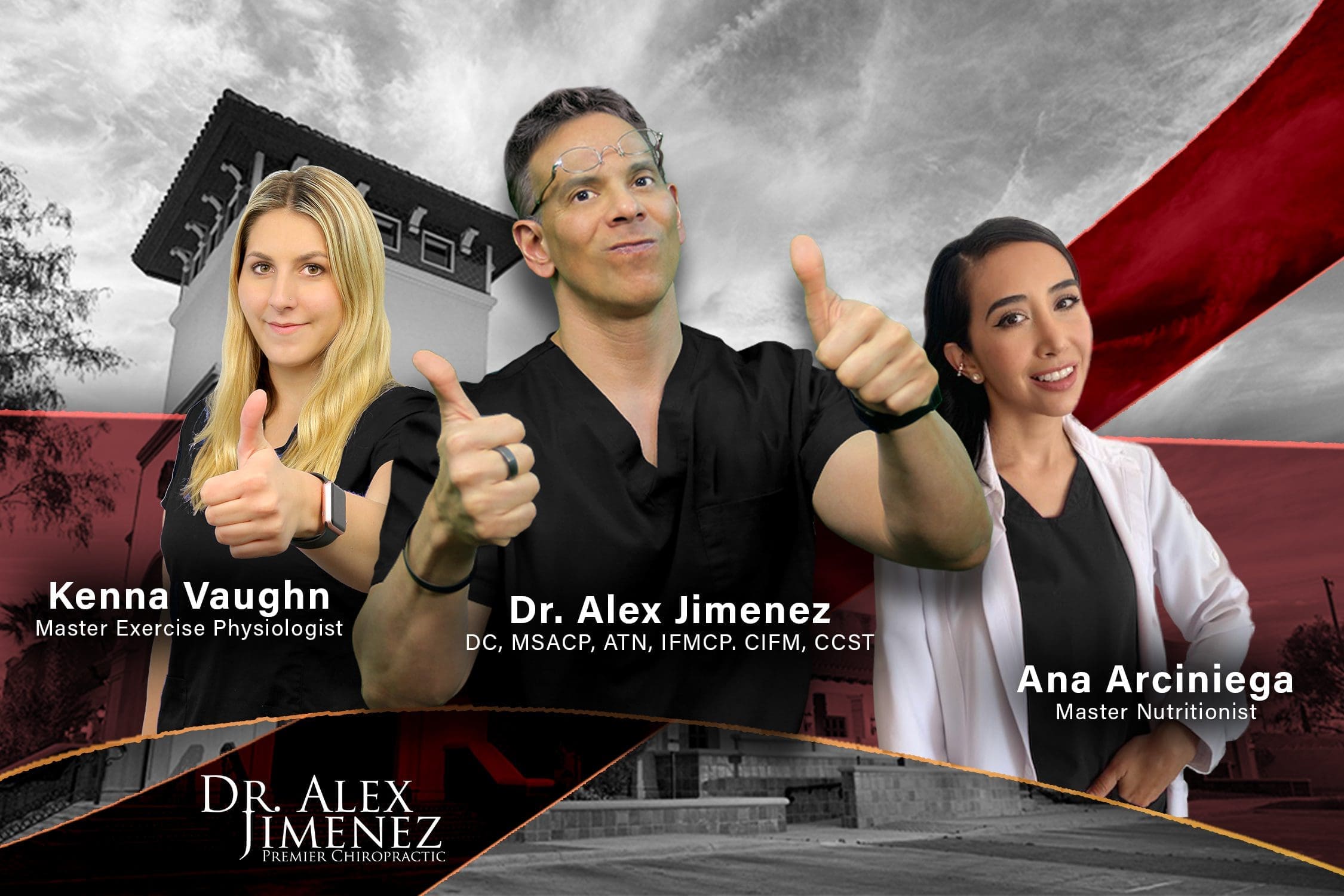
If patients continue to have neck pain, back pain, headaches, muscle spasms, numbness, weakness, or limited movement, they may need a more complete evaluation. An integrative personal injury model combines chiropractic care, medical assessment, functional rehabilitation, diagnostic testing, and careful documentation. At Injury Medical Clinic PA in El Paso, Texas, Dr. Alexander Jimenez, DC, APRN, FNP-BC, CCST, CFMP, IFMCP, ATN, works within this multidisciplinary framework with internal medicine physician Dr. Maria Guadalupe Cardenas, MD.
The goal is to move the patient from acute symptom control toward restored movement, measurable function, rehabilitation, and, when possible, maximum medical improvement.

Why “Wait and See” May Not Be Enough After an Accident
Emergency departments play a critical role after serious accidents. Their first job is to rule out problems such as fractures, internal bleeding, brain injury, spinal instability, or other medical emergencies.
Once the medical team has ruled out immediate danger, they may discharge the patient with medications, rest instructions, and follow-up recommendations.
That does not mean the person has no injury.
Muscles, ligaments, tendons, spinal joints, discs, and nerves can be injured even when there is no fracture. Some accident-related symptoms can also become more noticeable hours or days after the collision.
This is where the “wait-and-see” problem can begin.
A patient may take an NSAID or muscle relaxant, feel somewhat better, and assume that recovery is complete. These medicines can be useful when properly prescribed, but symptom reduction does not automatically mean that normal joint motion, strength, coordination, or soft-tissue function has returned.
Delayed evaluation can also create problems with medical documentation. Personal injury resources consistently note that long gaps between the accident and treatment can make it harder to establish a clear timeline showing when symptoms began and how the condition changed (Farahi Law Firm, 2025; Integrated Health & Injury Center, n.d.).
The better question is not simply:
“Does it still hurt?”
It is:
“Has the injured area returned to normal function?”
A Rapid Multimodal Personal Injury Examination
A more complete post-accident evaluation looks beyond a single pain score.
Dr. Jimenez describes an integrative examination as looking at several parts of the injury at the same time, including:
- Range of motion
- Spinal and extremity joint movement
- Muscle guarding and spasm
- Soft-tissue tenderness
- Neurological findings
- Strength
- Balance
- Posture
- Numbness or tingling
- Functional movement
- Ability to sit, stand, walk, lift, drive, sleep, or work
- Need for imaging or specialist referral
In his published clinical observations, Dr. Jimenez notes that accident injuries often involve several connected problems rather than one isolated painful structure. Joint restriction, muscle guarding, nerve irritation, inflammation, altered movement, stress, and poor sleep may occur together (Jimenez, 2026a).
These clinical observations should not be confused with controlled research studies. However, they help explain the reasoning behind a multimodal examination: treatment should be based on what is actually limiting the patient rather than simply treating the location where pain is felt.
Where Integrative Chiropractic Care Fits
Chiropractic care can provide an important mechanical part of the recovery plan.
Following trauma, the neck, lower back, pelvis, shoulders, and other joints may not move normally. Muscles may tighten to protect the injured area. Patients may also change the way they walk, sit, turn, or bend because movement hurts.
Integrative chiropractic care may include:
- Chiropractic adjustments or joint mobilization
- Soft-tissue treatment
- Flexibility work
- Corrective exercise
- Neuromuscular retraining
- Spinal decompression or traction when appropriate
- Postural retraining
- Progressive strengthening
- Functional rehabilitation
Research supports active rehabilitation as an important part of whiplash recovery. A 2024 systematic review found that guided neck-specific exercise produced greater improvements in neck pain and disability than comparison programs, particularly when treatment continued for more than six weeks (Muñoz Lazcano et al., 2024).
A 2025 randomized clinical trial also reported that appropriately selected cervical manipulation produced outcomes comparable in several areas to a conventional rehabilitation program in patients with acute grade II whiplash (Parera-Turull et al., 2025).
The key is appropriate patient selection. Chiropractic treatment should follow examination and screening for fractures, instability, neurological emergencies, vascular concerns, or other red flags.
The Advantage of Dr. Jimenez’s DC and FNP-BC Background
Dr. Alexander Jimenez practices with credentials that include Doctor of Chiropractic and board-certified Family Nurse Practitioner qualifications.
Clinic information lists his NPI as 1205907805 and identifies active chiropractor and family nurse practitioner taxonomies.
This dual background allows an injury to be considered through two related viewpoints.
The chiropractic viewpoint asks:
- How are the joints moving?
- Is spinal motion restricted?
- Are muscles guarding?
- Is posture altered?
- Is nerve irritation affecting function?
- What movements need to be restored?
The advanced-practice medical viewpoint can consider:
- General medical status
- Medication use
- Neurological symptoms
- Metabolic conditions
- Need for laboratory testing
- Imaging
- Medical referrals
- Contraindications
- Broader health problems that may affect recovery
Nurse practitioners also commonly perform physical examinations, develop treatment plans, coordinate care, order appropriate diagnostic testing within their scope, and refer patients to other medical specialists when needed (Jimenez, 2025).
Instead of one office managing musculoskeletal mechanics and another managing medical concerns, an integrated model can make communication easier.
Medical Direction From Dr. Maria Guadalupe Cardenas
Dr. Jimenez also works with Dr. Maria Guadalupe Cardenas, MD, at Injury Medical Clinic PA in El Paso.
Clinic materials identify Dr. Cardenas as a board-certified internal medicine physician with more than 40 years of medical experience who serves as medical director and collaborative physician. Her NPI number is 1164426749, and her Texas medical license number is J2933.
Within the clinic model, Dr. Cardenas provides internal medicine oversight alongside Dr. Jimenez’s chiropractic, rehabilitation, functional medicine, and injury-care work.
This multidisciplinary structure can help when a patient also has:
- Diabetes
- Hypertension
- Cardiovascular concerns
- Medication interactions
- Chronic medical illnesses
- Inflammatory disorders
- Age-related risks
- Abnormal laboratory findings
- Symptoms requiring additional medical investigation
The goal is not for one discipline to replace another. Each professional should work within the appropriate scope while sharing information.
Looking Beyond Pain: Functional Impairment Mapping
One of the most valuable parts of personal injury treatment is measuring function.
Pain is important, but pain scores alone do not tell the whole story.
A patient may report that pain fell from an 8/10 to a 4/10 but still be unable to:
- Turn the head safely while driving
- Sit through a workday
- Lift normal household objects
- Sleep through the night
- Bend forward
- Walk normally
- Exercise
- Carry a child
- Return to work
These limitations matter clinically.
They also create measurable treatment goals.
Thorough personal injury documentation commonly includes the initial examination, imaging when necessary, diagnosis, treatment plan, progress notes, objective measurements, and descriptions of how injuries affect work and everyday activities (Integrated Health & Injury Center, n.d.; Jimenez, 2026b).
Why SOAP Notes Matter After an Accident
Detailed SOAP notes can help organize the patient’s progress.
S — Subjective
What is the patient reporting?
Pain, headaches, stiffness, numbness, sleep problems, driving difficulty, work limitations, or other symptoms.
O — Objective
What can be measured?
Range of motion, orthopedic tests, neurological findings, strength, tenderness, posture, gait, imaging findings, and functional testing.
A — Assessment
What does the clinician believe is happening?
This includes diagnoses, clinical changes, response to care, new findings, and barriers to recovery.
P — Plan
What happens next?
Treatment, rehabilitation, imaging, referrals, exercise progression, additional testing, and changes in care may be needed.
Over time, these records create a medical timeline showing how the patient moved from the original injury toward recovery.
Thorough documentation should never exaggerate an injury simply because a legal claim exists. Treatment should be based on examination findings, diagnosis, medical necessity, patient response, and measurable progress (Jimenez, 2026a).
A Three-Phase Personal Injury Recovery Framework
A simple phase system can make complicated treatment easier to understand.
These time periods are guidelines, not guarantees. A mild strain and a major disc or neurological injury will not recover at the same speed.
Phase 1: Days 1–14 — Acute Pain and Protection
The early goals are to:
- Identify serious injuries
- Establish a baseline examination
- Control pain and muscle guarding
- Protect injured tissues
- Maintain safe movement
- Document functional losses
- Decide whether imaging is needed
- Begin gentle rehabilitation when appropriate
Treatment intensity depends on the diagnosis.
The goal is not aggressive treatment. It is safe evaluation, symptom control, and preservation of function.
Phase 2: Weeks 3–8 — Stabilization and Tissue Recovery
Once acute symptoms begin to settle, treatment can shift toward rebuilding function.
This stage may include:
- Chiropractic mechanical care
- Progressive mobility
- Strengthening
- Stability exercises
- Soft-tissue rehabilitation
- Laser or photobiomodulation therapy when appropriate
- Functional medicine support
- Nutrition and recovery strategies
Laser therapy has been studied for musculoskeletal neck pain. Reviews suggest that photobiomodulation and high-intensity laser treatment may reduce pain or disability in selected patients, although results depend on diagnosis, dosage, and treatment protocol (Cidral-Filho et al., 2024; de la Barra Ortiz et al., 2024).
What About Regenerative Therapies?
Selected patients may also be evaluated for therapies such as platelet-rich plasma or other orthobiologic procedures.
These treatments are not automatically appropriate for every accident injury. Their evidence varies greatly depending on the joint, tendon, ligament, diagnosis, severity, and technique used.
Consider them only after proper diagnosis and medical evaluation.
Peptide Therapy Requires Extra Caution
Peptides are sometimes promoted as “tissue-rebuilding” treatments.
This area needs careful medical language.
Some peptide products being marketed for musculoskeletal recovery remain experimental and do not have established FDA approval for treating accident-related soft-tissue injuries.
For example, the FDA currently identifies substances such as BPC-157 and CJC-1295 as having limited human safety information and potential safety concerns. The agency has also raised safety concerns about compounded injectable ipamorelin.
Therefore, peptide use should not be described as proven tissue regeneration.
When considered at all, it requires appropriate medical supervision, informed consent, careful sourcing, regulatory review, and discussion of the limits of current evidence.
Phase 3: Week 8 and Beyond — Functional Rehabilitation
Later-stage recovery focuses less on passive pain relief and more on performance.
Patients may work toward:
- Full or improved range of motion
- Better strength
- Improved spinal stability
- Normal walking patterns
- Safer lifting
- Better balance
- Work conditioning
- Return to exercise
- Reduced dependence on passive treatments
- Independence with home rehabilitation
Research on whiplash supports exercise-based rehabilitation as part of improving pain and disability, although the strength of evidence varies among programs (Teasell et al., 2021; Muñoz Lazcano et al., 2024).
Moving Toward Maximum Medical Improvement
Maximum medical improvement, or MMI, does not simply mean that eight weeks have passed.
MMI generally means the condition has recovered or stabilized to the point where major additional improvement is not expected with further treatment.
For some patients, this may happen relatively quickly.
For others, it may take months.
Patients with disc injury, neurological involvement, significant joint trauma, surgery, chronic pain, or multiple injuries may require much longer rehabilitation.
Functional restoration and objective measurement are important when deciding whether a patient has reached a stable endpoint (Gelfman & Hill, 2019).
That is why MMI should be based on the patient’s actual recovery, not an arbitrary calendar date.
The Goal: From Pain Relief to Measurable Recovery
The strongest personal injury healthcare model is not built around producing more treatment.
It is built around producing the right treatment.
A coordinated El Paso injury-care model can bring together:
- Chiropractic care
- Internal medicine oversight
- Advanced practice nursing
- Personal injury evaluation
- Functional medicine
- Rehabilitation
- Diagnostic imaging
- Objective functional testing
- Carefully selected advanced therapies
- Medical-legal documentation
- Specialist referrals when needed
Dr. Jimenez’s clinical philosophy emphasizes looking at structure, movement, nervous-system function, rehabilitation, lifestyle, and systemic health together rather than treating them as unrelated problems (Jimenez, 2026a).
Working alongside Dr. Cardenas provides an additional internal medicine layer for medical oversight and complex health concerns.
For an injured patient, the central goal remains simple:
Find the injury, document it accurately, restore as much function as possible, and follow measurable progress until the patient reaches a stable recovery point.
That approach replaces passive “wait and see” care with a structured path from injury → assessment → stabilization → rehabilitation → functional recovery → MMI.

References
Cidral-Filho, F., et al. (2024). Photobiomodulation on shoulder and neck pain and disability: A comprehensive review. Lasers in Medical Science. Photobiomodulation on Shoulder and Neck Pain and Disability
de la Barra Ortiz, H. A., Arias, M., & Liebano, R. E. (2024). A systematic review and meta-analysis of randomized controlled trials on the effectiveness of high-intensity laser therapy in the management of neck pain. Lasers in Medical Science, 39, 124. High-Intensity Laser Therapy in the Management of Neck Pain
Farahi Law Firm. (2025, February 18). 5 ways a delay in treatment can devalue your injury case. 5 Ways a Delay in Treatment Can Devalue Your Injury Case
Gelfman, R., & Hill, J. J., III. (2019). Rehabilitating the injured/ill worker to maximum medical improvement (MMI). Physical Medicine and Rehabilitation Clinics of North America, 30(3), 657–669. Rehabilitating the Injured/Ill Worker to Maximum Medical Improvement
Integrated Health & Injury Center. (n.d.). How chiropractic documentation strengthens your personal injury case. How Chiropractic Documentation Strengthens Your Personal Injury Case
Jimenez, A. (2026a, May 5). Integrative chiropractic care for personal injury and work injury recovery in El Paso. LinkedIn. Integrative Chiropractic Care for Personal Injury and Work Injury Recovery in El Paso
Jimenez, A. (2026b, June 3). Why personal injury attorneys look for integrative chiropractic clinics after motor vehicle accidents. LinkedIn. Why Personal Injury Attorneys Look for Integrative Chiropractic Clinics After Motor Vehicle Accidents
Jimenez, A. (2026). Integrative chiropractic for personal injury recovery success. Personal Injury Doctor Group. Integrative Chiropractic for Personal Injury Recovery Success
Jimenez, A. (2026). Integrative chiropractic and regenerative therapies benefits. Personal Injury Doctor Group. Integrative Chiropractic and Regenerative Therapies Benefits
Jimenez, A. (n.d.). Chiropractic and nurse practitioner care after accidents. El Paso Back Clinic. Chiropractic and Nurse Practitioner Care After Accidents
Jimenez, A. (n.d.). Integrative chiropractic clinics help personal injury claims. El Paso Back Clinic. Integrative Chiropractic Clinics Help Personal Injury Claims
Muñoz Lazcano, P., Rojano Ortega, D., & Fernández López, I. (2024). Effects of a guided neck-specific exercise therapy on recovery after a whiplash: A systematic review and meta-analysis. American Journal of Physical Medicine & Rehabilitation. Effects of Guided Neck-Specific Exercise Therapy After Whiplash
Parera-Turull, J., et al. (2025). The effects of cervical manipulation compared with a conventional physiotherapy program for patients with acute whiplash injury: A randomized controlled trial. Healthcare, 13(7), 710. Cervical Manipulation Compared With Physiotherapy for Acute Whiplash
U.S. Food and Drug Administration. (2026). Certain bulk drug substances for use in compounding that may present significant safety risks. FDA: Certain Bulk Drug Substances That May Present Safety Risks
Professional Scope of Practice *
The information herein on "Integrative Personal Injury Recovery Model and You" is not intended to replace a one-on-one relationship with a qualified health care professional or licensed physician and is not medical advice. We encourage you to make healthcare decisions based on your research and partnership with a qualified healthcare professional.
Blog Information & Scope Discussions
Welcome to El Paso's Premier Wellness and Injury Care Clinic & Wellness Blog, where Dr. Alex Jimenez, DC, FNP-C, a Multi-State board-certified Family Practice Nurse Practitioner (FNP-BC) and Chiropractor (DC), presents insights on how our multidisciplinary team is dedicated to holistic healing and personalized care. Our practice aligns with evidence-based treatment protocols inspired by integrative medicine principles, similar to those found on this site and our family practice-based chiromed.com site, focusing on restoring health naturally for patients of all ages.
Our areas of multidisciplinary practice include Wellness & Nutrition, Chronic Pain, Personal Injury, Auto Accident Care, Work Injuries, Back Injury, Low Back Pain, Neck Pain, Migraine Headaches, Sports Injuries, Severe Sciatica, Scoliosis, Complex Herniated Discs, Fibromyalgia, Chronic Pain, Complex Injuries, Stress Management, Functional Medicine Treatments, and in-scope care protocols.
Our information scope is multidisciplinary, focusing on musculoskeletal and physical medicine, wellness, contributing etiological viscerosomatic disturbances within clinical presentations, associated somato-visceral reflex clinical dynamics, subluxation complexes, sensitive health issues, and functional medicine articles, topics, and discussions.
We provide and present clinical collaboration with specialists from various disciplines. Each specialist is governed by their professional scope of practice and their jurisdiction of licensure. We use functional health & wellness protocols to treat and support care for musculoskeletal injuries or disorders.
Our videos, posts, topics, and insights address clinical matters and issues that are directly or indirectly related to our clinical scope of practice.
Our office has made a reasonable effort to provide supportive citations and has identified relevant research studies that support our posts. We provide copies of supporting research studies upon request to regulatory boards and the public.
We understand that we cover matters that require an additional explanation of how they may assist in a particular care plan or treatment protocol; therefore, to discuss the subject matter above further, please feel free to ask Dr. Alex Jimenez, DC, APRN, FNP-BC, or contact us at 915-850-0900.
We are here to help you and your family.
Blessings
Dr. Alex Jimenez DC, MSACP, APRN, FNP-BC*, CCST, IFMCP, CFMP, ATN
Email: [email protected]
Multidisciplinary Licensing & Board Certifications:
Licensed as a Doctor of Chiropractic (DC) in Texas & New Mexico*
Chiropractic Licenses:
Texas DC License #: TX5807, Verified: TX5807
New Mexico DC License #: NM-DC2182, Verified: NM-DC2182
Nurse Practitioner Licenses:
Texas APRN License #: 1191402, Verified: 1191402 *
New Mexico CNP License #: 90560, Verified 90560
Florida APRN License #: 11043890, Verified: APRN11043890 *
Colorado License #: C-APN.0105610-C-NP, Verified: C-APN.0105610-C-NP
New York License #: N25929, Verified N25929
Georgia APRN License #: GAA-NP005701
Multi-State Advanced Practice Registered Nurse (APRN*) Texas & Multi-States
Multi-state Compact APRN License by Endorsement (43 States)
Compact Status: Multi-State License: Authorized to Practice in 43 States*
Nursing Licensure Compact: Updated Here
DEA Registration: (Drug Enforcement Agency Registered)
All medical (MDs) and family practice providers (FNP-APRN) are registered and licensed to offer various levels of medication.
Verify Providers Here
License Verification Link: Nursys License Verifier
* Prescriptive Authority Authorized (DEA Registered Providers). Call if Required
Board Certification:
ANCC FNP-BC: Board Certified Nurse Practitioner*
Education:
Graduate with Honors: ICHS: MSN-FNP (Family Nurse Practitioner Program)
Degree Granted. Master's in Family Practice, MSN Diploma (Cum Laude)
Dr. Alex Jimenez, DC, APRN, FNP-BC*, CFMP, IFMCP, ATN, CCST
(Board Certified: Family Practice Nurse Practitioner—Multistate)*
(Licensed Nurse Practitioner & Chiropractor - Multistate)*
Clinical Director
DC & FNP License (Review Above)
Digital Business Card
NPI: 1205907805
Dr. Maria Cardenas, MD
(Board Certified: Internal Medicine)
(Licensed Medical Doctor)
Medical Director, Clinical Director & Collaborative Physician
NPI # 1164426748
MD License #: J2933
Licenses and Board Certifications:
MD: Medical Doctor
DC: Doctor of Chiropractic
APRNP: Advanced Practice Registered Nurse
FNP-BC: Family Practice Specialization (Multi-State Board Certified)
FNP-BC: Family Practice Across Life Span (Neonatal to Geriatrics)
RN: Registered Nurse (Multi-State Compact License)
CFMP: Certified Functional Medicine Provider
MSN-FNP: Master of Science in Family Practice Medicine
MSACP: Master of Science in Advanced Clinical Practice
IFMCP: Institute of Functional Medicine
CCST: Certified Chiropractic Spinal Trauma
ATN: Advanced Translational Neutrogenomics
Family with Primary Care Focus (Family Nurse Practitioner or FNP)
- The Family Nurse Practitioner (FNP) promotes, maintains, and restores health for individuals and families across the lifespan. FNPs also identify health risks, promote wellness, and diagnose and manage acute and chronic illness.
- The FNP focuses on comprehensive primary care, promoting healthy lifestyles for patients across the lifespan in settings such as private practice, physician offices, and community health centers.
Memberships & Associations:
TCA: Texas Chiropractic Association: Member ID: 104311
TNA: Texas Nurse Association: Member ID: 06458222
TNP: Texas Nurse Practitioner Association ID: 2025091511
AANP: American Association of Nurse Practitioners: Member ID: 2198960
ANA: American Nurses Association: Member ID: 06458222 (District TX01)
| Primary Taxonomy | Selected Taxonomy | State | License Number |
|---|---|---|---|
| No | 111N00000X - Chiropractor | NM | DC2182 |
| Yes | 111N00000X - Chiropractor | TX | DC5807 |
| Yes | 363LF0000X - Nurse Practitioner - Family | TX | 1191402 |
| Yes | 363LF0000X - Nurse Practitioner - Family | FL | 11043890 |
| Yes | 363LF0000X - Nurse Practitioner - Family | CO | C-APN.0105610-C-NP |
| Yes | 363LF0000X - Nurse Practitioner - Family | NY | N25929 |
| Yes | 363LF0000X - Nurse Practitioner - Family | NM |
90560 |
| Yes | 363LF0000X - Nurse Practitioner - Family | GA | GAA-NP005701 |
Dr. Alex Jimenez, DC, APRN, FNP-BC*, CFMP, IFMCP, ATN, CCST
(Board Certified: Family Practice Nurse Practitioner—Multistate)*
(Primary Care Across Lifespan—Neonatal / Pediatric / Adult / Geriatrics)
(Licensed Nurse Practitioner & Chiropractor - Multistate)*
Clinical Director
Digital Business Card
NPI: 1205907805
Dr. Maria Cardenas, MD
(Board Certified: Internal Medicine)*
(Licensed Medical Doctor)*
Medical Director, Clinical Director & Collaborative Physician
NPI # 1164426748
MD License #: J2933
📆 Schedule Appointment: Schedule 24/7 (Click Here)