
Table of Contents
Food as Medicine in Functional Medicine: How Personalized Nutrition and Integrative Chiropractic Care Support Whole-Body Healing

Functional medicine uses food as a real clinical tool, not just something to count for calories. The goal is to identify and address the underlying reasons a person feels unwell, especially when symptoms recur. Instead of asking only, “What diagnosis is this?”, functional medicine asks, “Why is this happening in the first place?” (Institute for Functional Medicine [IFM], n.d.).
A big part of that root-cause approach is personalized nutrition, sometimes called functional nutrition. In this model, food is used to help calm inflammation, stabilize blood sugar, support hormone balance, and repair gut function. It also helps people feel more energized and resilient over time, because the body finally gets the building blocks it needs to recover and function well (IFM Medical and Editorial Content Team, 2026).
In an integrative chiropractic clinic, this approach often gets even stronger. Chiropractic care focuses on restoring movement, easing musculoskeletal stress, and improving function. Functional medicine nutrition focuses on internal systems like digestion, immune balance, metabolism, and inflammation. When these are combined, many patients report more complete and longer-lasting improvements than when they only focus on one area (TeamChiro, 2025; Perform Health & Wellness, 2026).
Below is a clear, practical explanation of how this works and why it can lead to more sustainable changes in health and vitality.
What “food as medicine” means in functional medicine
In functional medicine, food is viewed as information that affects the body. The nutrients you eat (and the foods you react to) can shift inflammation, gut bacteria, energy production, and hormone signals. This is one reason functional medicine often starts with nutrition first, because it impacts many systems at once (DocereIM, 2025; IFM Medical and Editorial Content Team, 2026).
Functional nutrition is described as:
-
Systems-based (it looks at how body systems connect)
-
Personalized (it matches the plan to the person, not a generic menu)
-
Therapeutic (it uses food patterns to help restore function, not just maintain weight) (IFM Medical and Editorial Content Team, 2026).
This is different from many standard diet plans, which might focus mainly on calories or macros without asking what is driving symptoms such as fatigue, bloating, pain, brain fog, headaches, or recurrent inflammation.
The root-cause mindset: symptoms are clues, not the whole story
A useful way to picture functional medicine is as a tree:
-
Leaves = symptoms (pain, reflux, weight gain, fatigue, headaches)
-
Trunk = clinical imbalances (inflammation, insulin resistance, poor digestion, hormone rhythm disruption)
-
Roots = underlying drivers (nutrition gaps, stress load, sleep problems, toxic exposures, past injury, lifestyle patterns, and individual tendencies) (Jimenez, n.d.).
Dr. Alexander Jimenez, DC, APRN, FNP-BC, often explains that a clinician should act like a “detective” and look for what is feeding the problem, rather than just covering up the symptoms (Jimenez, n.d.).
This matters because many chronic conditions are not caused by just one issue. They are often a mix of:
-
inflammation + stress physiology
-
gut dysfunction + immune irritation
-
blood sugar swings + sleep disruption
-
movement limitations + recurring pain patterns (IFM, n.d.; IFM Medical and Editorial Content Team, 2026).
Why the gut is a major focus (and why diet is often step one)
Functional medicine often prioritizes gut health because digestion affects nutrient absorption, immune signaling, inflammation levels, and even metabolism. IFM notes that the gut microbiome influences multiple organs and systems, including immunity and energy balance (IFM, n.d.).
Many people notice that when digestion improves, other areas may improve too, such as:
-
energy and stamina
-
skin issues
-
mood stability
-
cravings and appetite control
-
joint stiffness and inflammatory flares (IFM, n.d.; The Good Trade, 2025).
The Good Trade also highlights how fiber-rich plant foods support beneficial gut microbes, while ultra-processed foods can push the microbiome in a more inflammatory direction (The Good Trade, 2025), which can lead to issues such as joint stiffness and inflammatory flares in individuals with certain health conditions.
What personalized nutrition looks like (not a one-size-fits-all “diet”)
Personalized nutrition is one of the main reasons people seek functional medicine. IFM describes functional nutrition as personalized and designed to reveal nutritional imbalances and possible triggers that contribute to chronic disease (IFM Medical and Editorial Content Team, 2026).
Instead of “Everyone should eat the same plan,” it becomes:
-
“What foods help your body function best?”
-
“What foods may be inflaming your system right now?”
-
“What nutrients are you likely missing based on your patterns and symptoms?”
-
“What plan is realistic for your lifestyle so it can actually stick?” (RPM PM&R, 2024; IFM Medical and Editorial Content Team, 2026).
Common traits of a functional medicine food plan
Most functional medicine nutrition plans emphasize:
-
whole, minimally processed foods
-
high nutrient density (vitamins, minerals, phytonutrients, fiber)
-
protein and healthy fats to support stable blood sugar
-
anti-inflammatory choices (often more plants, omega-3 sources, spices, and less refined sugar)
-
hydration and timing that support energy and digestion (Big Life Integrative Health, 2024; IFM Medical and Editorial Content Team, 2026).
Therapeutic and elimination-based diets: why they are used (and how to do them safely)
Functional medicine often uses therapeutic diets as short-term tools, not lifelong punishment. These plans aim to reduce irritation, calm symptoms, and help identify triggers.
Examples commonly discussed in functional medicine nutrition include:
-
Paleo-style or whole-food elimination approaches
-
Low FODMAP for certain digestive symptoms
-
targeted gluten/dairy elimination (when appropriate)
-
anti-inflammatory food plans
-
structured reintroduction phases (Nourish Medicine, 2025; ThinkVIDA, n.d.).
Low FODMAP as an example (for gut symptoms)
Low FODMAP is often used as a structured elimination approach to identify carbohydrate triggers in people with IBS-like symptoms. Cleveland Clinic describes it as an elimination diet commonly used to identify triggers of functional GI disorders such as IBS (Cleveland Clinic, 2022).
A key point: many functional medicine clinicians treat Low FODMAP as temporary, with a guided reintroduction to avoid making the diet overly restrictive (Cleveland Clinic, 2022; ThinkVIDA, n.d.).
Why elimination diets can help
When used correctly, elimination diets may help:
-
reduce symptom “noise” so patterns become clearer
-
calm inflammation and gut irritation
-
highlight food sensitivities or intolerances
-
build a cleaner baseline before reintroducing foods (Nourish Medicine, 2025; IFM Medical and Editorial Content Team, 2026).
A simple way to explain the process
A common therapeutic flow looks like this:
-
Step 1: Remove likely irritants for a short window (often 2-6 weeks)
-
Step 2: Repair with nutrient-dense foods and supportive habits
-
Step 3: Reintroduce foods one at a time
-
Step 4: Personalize a long-term plan you can live with (IFM Medical and Editorial Content Team, 2026; RPM PM&R, 2024).
How functional medicine nutrition targets inflammation, hormones, and metabolism
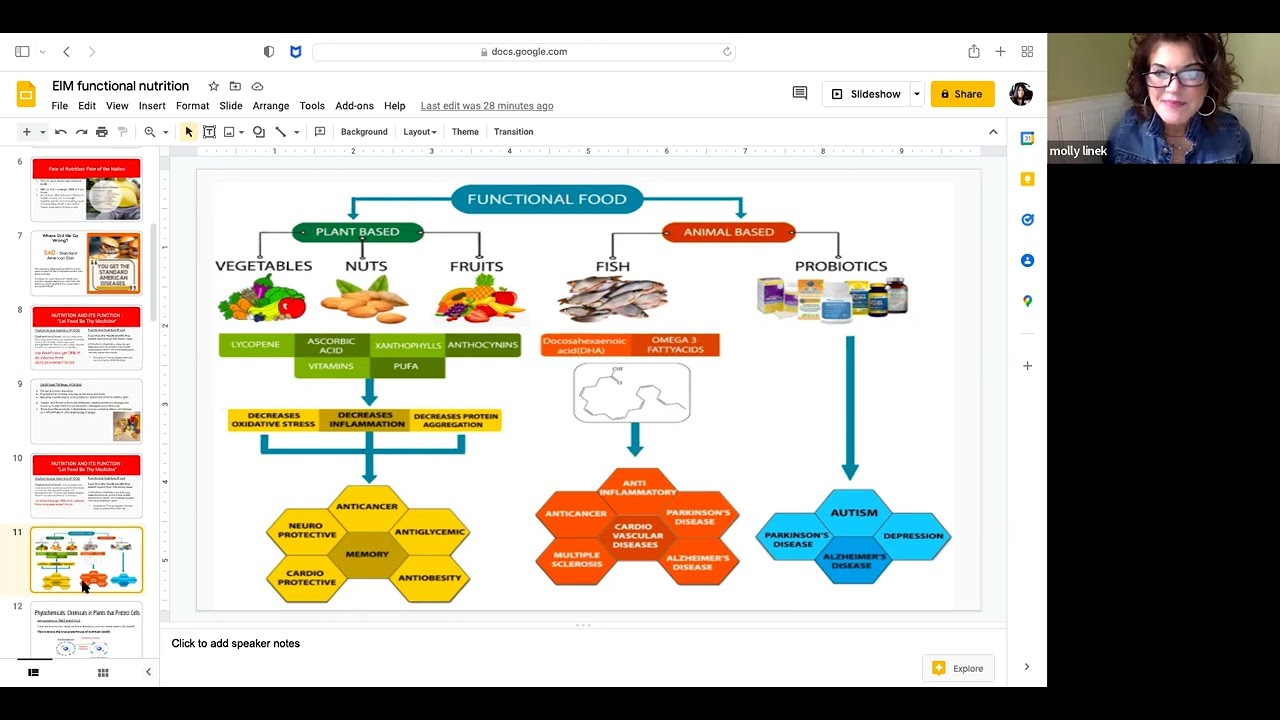
Many chronic problems have inflammation somewhere in the background. Functional medicine uses nutrition to reduce inflammatory load and support healthier signaling across the body (IFM Medical and Editorial Content Team, 2026; Big Life Integrative Health, 2024).
Nutrition strategies that often support lower inflammation
Common food-focused strategies include:
-
more colorful plants (phytonutrient diversity)
-
omega-3-rich foods (like fatty fish) when appropriate
-
less ultra-processed foods and added sugars
-
better meal balance (protein + fiber + healthy fat)
-
micronutrient support when there are known gaps (IFM Medical and Editorial Content Team, 2026; Big Life Integrative Health, 2024).
IFM specifically highlights anti-inflammatory diets and elimination of inflammatory foods as part of a holistic plan used in functional nutrition strategies (IFM Medical and Editorial Content Team, 2026).
Where integrative chiropractic care fits into the functional medicine model
Chiropractic care is often used to address pain, posture, joint function, and movement limitations. In an integrative setting, the idea is not “chiropractic OR nutrition.” It is “structure + systems.”
Several integrative clinic resources describe the combined model like this:
-
chiropractic supports mobility, movement quality, and physical function
-
functional medicine supports internal balance through nutrition and lifestyle
-
together they can help people progress faster because fewer barriers are in the way (TeamChiro, 2025; Cary Pain & Injury, 2025; Perform Health & Wellness, 2026).
Why this combination can feel more complete for patients
Patients often get stuck when they only treat one side of the problem.
For example:
-
If you improve your diet but still move poorly and stay in pain, stress stays high, and sleep may stay poor.
-
If you adjust the spine but keep eating in ways that fuel inflammation and blood sugar swings, the body may remain irritated.
Integrative care aims to reduce both physical and internal stressors simultaneously (Perform Health & Wellness, 2026; Parkview Health, 2020).
Dr. Alexander Jimenez’s clinical observations: why nutrition belongs in functional care
In Dr. Jimenez’s clinical writing, he emphasizes a systems-based view of health and explains that functional nutrition examines how food functions within the body, not just as fuel (Jimenez, n.d.).
He also explains the “functional medicine tree” concept, in which clinicians explore deeper imbalances and root drivers rather than focusing solely on symptom control (Jimenez, n.d.).
In practical clinic terms, this kind of approach often means:
-
using nutrition to help the body heal and recover
-
matching food plans to the individual (not a copy-and-paste handout)
-
combining lifestyle strategies with musculoskeletal care so the patient can function better day-to-day (Jimenez, n.d.; IFM Medical and Editorial Content Team, 2026).
What patients often notice when nutrition + chiropractic care are integrated
Not every person responds the same way, but people commonly report improvements in areas like:
-
better digestion and less bloating
-
steadier energy and fewer crashes
-
less inflammatory stiffness in the morning
-
improved recovery from training or daily work strain
-
better sleep quality when pain and stress load drop (IFM Medical and Editorial Content Team, 2026; TeamChiro, 2025).
This aligns with the general integrative medicine view that long-term healing depends on core pillars such as nutrition, sleep, stress management, and movement (Parkview Health, 2020).
A realistic “starter” framework: how patients can begin without getting overwhelmed
Functional medicine nutrition should feel structured and achievable. A simple starting framework often looks like this:
Step 1: Build a strong base (2-3 weeks)
Focus on:
-
whole foods most of the time
-
protein at each meal
-
2-5 different plant colors daily
-
hydration consistency
-
reducing ultra-processed foods (IFM Medical and Editorial Content Team, 2026; Big Life Integrative Health, 2024).
Step 2: Track patterns (not perfection)
Write down:
-
what you ate
-
energy level
-
digestion
-
pain or stiffness
-
sleep quality
This helps personalize the plan rather than relying on guesswork (RPM PM&R, 2024).
Step 3: Use targeted elimination only if needed
If symptoms suggest it, a clinician might trial a therapeutic plan (such as a Low FODMAP diet, which restricts certain carbohydrates) and then reintroduce foods in a structured way (Cleveland Clinic, 2022).
Step 4: Make it sustainable
The long-term win is a pattern you can live with, not a short-term detox you quit after two weeks (IFM Medical and Editorial Content Team, 2026).
Safety note: food plans should match the person
Even though nutrition is powerful, it still needs to be personalized and safe. If someone has medical conditions, a history of eating disorders, is pregnant, is on medications that affect blood sugar levels, or has complex gastrointestinal (GI) disease, restrictive diets should be supervised by qualified clinicians.
Conclusion: why this approach can lead to more sustainable, whole-body results
Functional medicine uses food as a therapeutic tool to address root causes like inflammation, gut dysfunction, and metabolic imbalance, rather than chasing symptoms alone (IFM Medical and Editorial Content Team, 2026; IFM, n.d.).
When an integrative chiropractic clinic combines:
-
chiropractic care for movement, pain reduction, and function
-
personalized nutrition and lifestyle strategies for internal systems
Patients often experience more complete and durable improvements because both the “structure” and the “systems” are supported together, leading to enhanced overall health and well-being (TeamChiro, 2025; Perform Health & Wellness, 2026).
From Dr. Alexander Jimenez’s clinical perspective, functional nutrition naturally fits into the functional medicine model because it examines how food influences the body’s function and healing capacity over time (Jimenez, n.d.).
References
-
Chiropractic Care and Functional Medicine: A Powerful Partnership for Wellness (Cary Pain & Injury, 2025).
-
Food as Medicine: Functional Medicine Guide to Healing (Nourish Medicine, 2025).
-
Functional vs. Integrative Medicine: How to Choose (Healthline, 2025).
-
Gut & Microbiome Health (Institute for Functional Medicine, n.d.).
-
Nutrition in Functional Medicine Explained (Jimenez, n.d.).
-
The Functional Medicine Tree & its Principles (Jimenez, n.d.).
-
The Power of Food: What Is Functional Nutrition? (IFM Medical and Editorial Content Team, 2026).
-
The Role of Diet in Functional Medicine: Foods to Heal Your Body (Big Life Integrative Health, 2024).
-
The Role of Nutrition in Functional Medicine (Trivida Functional Medicine, 2023).
-
The Role of Nutrition in Functional Medicine: Healing Through Food (Boost Integrated Medical Center, n.d.).
-
The Role of Nutrition in Functional Medicine (417 Integrative Medicine, 2024).
-
The Benefits of Functional Medicine and Chiropractic Together (TeamChiro, 2025).
-
How Functional Medicine and Chiropractic Care Work Together for Optimal Wellness (Perform Health & Wellness, 2026).
-
What is Integrative Medicine? (Parkview Health, 2020).
-
Low FODMAP Diet: What it Is, Uses & How to Follow (Cleveland Clinic, 2022).
-
The Facts About Integrative, Holistic and Functional Medicine (YouTube, n.d.).
Professional Scope of Practice *
The information herein on "Food as Medicine in Functional Medicine Strategies" is not intended to replace a one-on-one relationship with a qualified health care professional or licensed physician and is not medical advice. We encourage you to make healthcare decisions based on your research and partnership with a qualified healthcare professional.
Blog Information & Scope Discussions
Welcome to El Paso's Premier Wellness and Injury Care Clinic & Wellness Blog, where Dr. Alex Jimenez, DC, FNP-C, a Multi-State board-certified Family Practice Nurse Practitioner (FNP-BC) and Chiropractor (DC), presents insights on how our multidisciplinary team is dedicated to holistic healing and personalized care. Our practice aligns with evidence-based treatment protocols inspired by integrative medicine principles, similar to those found on this site and our family practice-based chiromed.com site, focusing on restoring health naturally for patients of all ages.
Our areas of multidisciplinary practice include Wellness & Nutrition, Chronic Pain, Personal Injury, Auto Accident Care, Work Injuries, Back Injury, Low Back Pain, Neck Pain, Migraine Headaches, Sports Injuries, Severe Sciatica, Scoliosis, Complex Herniated Discs, Fibromyalgia, Chronic Pain, Complex Injuries, Stress Management, Functional Medicine Treatments, and in-scope care protocols.
Our information scope is multidisciplinary, focusing on musculoskeletal and physical medicine, wellness, contributing etiological viscerosomatic disturbances within clinical presentations, associated somato-visceral reflex clinical dynamics, subluxation complexes, sensitive health issues, and functional medicine articles, topics, and discussions.
We provide and present clinical collaboration with specialists from various disciplines. Each specialist is governed by their professional scope of practice and their jurisdiction of licensure. We use functional health & wellness protocols to treat and support care for musculoskeletal injuries or disorders.
Our videos, posts, topics, and insights address clinical matters and issues that are directly or indirectly related to our clinical scope of practice.
Our office has made a reasonable effort to provide supportive citations and has identified relevant research studies that support our posts. We provide copies of supporting research studies upon request to regulatory boards and the public.
We understand that we cover matters that require an additional explanation of how they may assist in a particular care plan or treatment protocol; therefore, to discuss the subject matter above further, please feel free to ask Dr. Alex Jimenez, DC, APRN, FNP-BC, or contact us at 915-850-0900.
We are here to help you and your family.
Blessings
Dr. Alex Jimenez DC, MSACP, APRN, FNP-BC*, CCST, IFMCP, CFMP, ATN
email: [email protected]
Multidisciplinary Licensing & Board Certifications:
Licensed as a Doctor of Chiropractic (DC) in Texas & New Mexico*
Texas DC License #: TX5807, Verified: TX5807
New Mexico DC License #: NM-DC2182, Verified: NM-DC2182
Multi-State Advanced Practice Registered Nurse (APRN*) in Texas & Multi-States
Multi-state Compact APRN License by Endorsement (42 States)
Texas APRN License #: 1191402, Verified: 1191402 *
Florida APRN License #: 11043890, Verified: APRN11043890 *
Colorado License #: C-APN.0105610-C-NP, Verified: C-APN.0105610-C-NP
New York License #: N25929, Verified N25929
License Verification Link: Nursys License Verifier
* Prescriptive Authority Authorized
ANCC FNP-BC: Board Certified Nurse Practitioner*
Compact Status: Multi-State License: Authorized to Practice in 40 States*
Graduate with Honors: ICHS: MSN-FNP (Family Nurse Practitioner Program)
Degree Granted. Master's in Family Practice MSN Diploma (Cum Laude)
Dr. Alex Jimenez, DC, APRN, FNP-BC*, CFMP, IFMCP, ATN, CCST
My Digital Business Card
Licenses and Board Certifications:
DC: Doctor of Chiropractic
APRNP: Advanced Practice Registered Nurse
FNP-BC: Family Practice Specialization (Multi-State Board Certified)
RN: Registered Nurse (Multi-State Compact License)
CFMP: Certified Functional Medicine Provider
MSN-FNP: Master of Science in Family Practice Medicine
MSACP: Master of Science in Advanced Clinical Practice
IFMCP: Institute of Functional Medicine
CCST: Certified Chiropractic Spinal Trauma
ATN: Advanced Translational Neutrogenomics
Memberships & Associations:
TCA: Texas Chiropractic Association: Member ID: 104311
AANP: American Association of Nurse Practitioners: Member ID: 2198960
ANA: American Nurse Association: Member ID: 06458222 (District TX01)
TNA: Texas Nurse Association: Member ID: 06458222
NPI: 1205907805
| Primary Taxonomy | Selected Taxonomy | State | License Number |
|---|---|---|---|
| No | 111N00000X - Chiropractor | NM | DC2182 |
| Yes | 111N00000X - Chiropractor | TX | DC5807 |
| Yes | 363LF0000X - Nurse Practitioner - Family | TX | 1191402 |
| Yes | 363LF0000X - Nurse Practitioner - Family | FL | 11043890 |
| Yes | 363LF0000X - Nurse Practitioner - Family | CO | C-APN.0105610-C-NP |
| Yes | 363LF0000X - Nurse Practitioner - Family | NY | N25929 |
Dr. Alex Jimenez, DC, APRN, FNP-BC*, CFMP, IFMCP, ATN, CCST
My Digital Business Card