Table of Contents
Effective Exercises for Recovering from Traumatic Brain Injury and Head Injuries
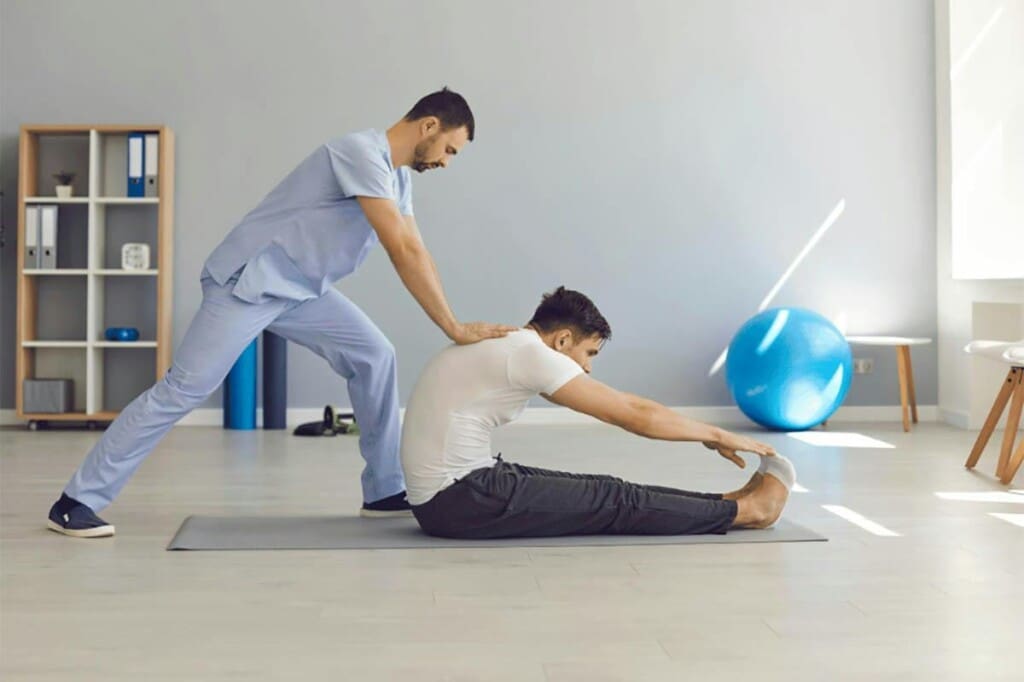
Traumatic brain injury, or TBI, happens when a strong hit to the head causes damage to the brain. This can come from falls, car crashes, sports, or other accidents. Head injuries are similar and can range from mild concussions to more serious problems. Both can affect how a person moves, thinks, and balances. Recovery takes time, but exercises play a significant role in returning to a normal life. These exercises combine aerobic work for heart health, strength training for muscle development, balance tasks for stability, and cognitive activities to enhance brain power. They help rebuild physical strength, mental sharpness, and overall well-being. Experts say starting with low-impact activities and building up slowly is key to safe progress.
Many people with TBI or head injuries face issues like headaches, dizziness, poor balance, memory problems, and weak muscles. Rehab exercises target these areas to stimulate neuroplasticity, which is the brain’s ability to form new connections and heal itself. Neuroplasticity refers to the brain’s ability to adapt and improve through repeated practice. Physical exercises build strength and coordination, while cognitive ones sharpen thinking skills. Adding chiropractic care can help alleviate symptoms such as pain and improve nervous system function. This article covers a range of exercises and tips for recovery, based on expert advice.
Aerobic Exercises for Heart and Body Recovery
Aerobic exercises stimulate the heart and enhance blood circulation to the brain. They are great for people recovering from TBI or head injuries because they boost energy, reduce fatigue, and help with overall fitness. Start with low-impact options to avoid strain. Guidelines recommend engaging in aerobic activities three to five times a week, lasting 20 to 60 minutes each session. Aim for a moderate intensity, such as 40% to 70% of your maximum effort, or just enough to feel a bit out of breath but still able to talk.
Walking is one of the simplest forms of aerobic exercise. It can be done on a treadmill or outside, starting slow and building up speed or distance. Walking helps with circulation, lung health, and muscle tone. For those with balance issues, consider using a walker or holding onto something steady. Cycling on a stationary bike is another good choice. It works the legs without putting too much weight on joints. Pedal at a comfortable pace and try to maintain it for 20 minutes. This exercise strengthens the heart and improves endurance, which is often low after a head injury.
Swimming or aqua aerobics offer support from the water, making movements easier. Swim laps or do water walking to build cardio fitness. These activities help reduce the risk of falls and promote relaxation. Dancing is fun and rhythmic, combining aerobics with coordination. Join a class or follow online videos from the comfort of your own home. It boosts mood and helps the brain process movement patterns. Using an elliptical machine is a low-impact exercise that works the entire body. Start with short sessions and gradually increase them as you become stronger.
Recovery from aerobic exercises involves taking rest days to allow the body to heal. Drink water and eat healthy foods to fuel your efforts. If you experience dizziness, stop and sit down. Over time, these exercises can help alleviate symptoms such as fatigue and enhance daily activities. Always check with a doctor before starting, especially if the injury is recent.
Strength Training to Build Muscle Power
Strength training helps regain muscle lost during recovery from TBI or head injuries. It focuses on exercises such as squats and rows to target the major muscle groups. These build power, improve posture, and support better movement. Use body weight, light weights, or bands, and do them two to three times a week.
Squats are a basic strength move. Stand with your feet hip-width apart, bend your knees, and lower yourself, as if sitting in a chair. Push through your heels to stand up. Do 10 reps. This strengthens legs, glutes, and core, helping with walking and standing. Modified squats, such as sit-to-stands from a chair, are suitable for beginners.
Rows target the back. Sit or stand, and pull your elbows back, as if squeezing a pencil between your shoulder blades. Use bands or weights for resistance. Repeat 10 times. This improves posture, which often suffers after head injuries. Deadlifts involve hinging at the hips with a straight back to stretch hamstrings. Keep knees soft and use light weights.
Arm exercises are important too. Bicep curls: Hold weights, curl them to your shoulders, then lower slowly. Do 10 on each side. Shoulder presses: Push weights overhead from shoulder height. These exercises build upper-body strength for daily tasks, such as lifting.
For the lower body, try seated marching: Sit and lift one knee at a time. Or do alternating heel-to-toe raises: Rise onto your toes, then rock back onto your heels. Seated hip rotations: Move legs in and out while sitting.
Recovery tips: Start with gentle movement, such as arm circles. Cool down with stretches. If pain starts, stop and rest. Strength gains come with consistency, which helps reduce fall risks and boosts confidence. Combine with protein-rich foods for muscle repair.
Balance Exercises to Improve Stability
Balance problems are common after TBI or head injuries, causing dizziness or falls. Balance exercises train the body to stay steady, using the inner ear, eyes, and muscles. They help rebuild coordination and prevent injuries.
Tandem stance: Stand with one foot in front of the other, heel to toe. Hold for 30 seconds, then switch to the other side. If hard, widen the stance. Try this with your eyes closed for an added challenge. Weight shifts: Stand with feet apart, shift your weight to one side, and lift the other foot slightly. Hold 30 seconds per side.
Single-leg stands: Balance on one leg, using a chair for support if needed. Build up to longer holds. Use a gym ball or balance board for advanced work. Sit on the ball and shift weight, or stand on a board and rock gently.
Walking on different surfaces, like grass or sand, challenges balance. Alternatively, consider trying aqua exercises in a pool for added support. Vestibular rehab includes exercises such as head turns or gaze stabilization, where you focus on a point while moving your head.
Recovery: Practice daily, but stop if dizzy. Use support at first. Over time, achieving a better balance means safer movement and a reduced fear of falling. Track progress by timing holds.
Cognitive Tasks to Sharpen the Mind
Cognitive exercises help with thinking, memory, and focus after TBI or head injuries. They stimulate the brain to form new paths. Start simple and increase difficulty.
Brain-training apps, such as Lumosity, offer games that focus on memory and problem-solving. Use your non-dominant hand for tasks like brushing teeth to activate new brain areas.
Memory practice: Recall grocery lists or draw maps from memory. Puzzles like Sudoku or chess develop strategy. Read aloud to engage speaking and listening.
Fine motor activities: Knitting, painting, or doing jigsaw puzzles. Mental math: Add or subtract numbers in your head.
Recovery: Do these 15-20 minutes daily. Rest if frustrated. Progress helps with daily life, like remembering names.
Integrative Chiropractic Treatment for Symptom Relief
Chiropractic care helps with headaches and dizziness from TBI or head injuries. It focuses on the spine and nervous system. Adjustments align the spine, improving brain-body communication.
Craniosacral therapy utilizes gentle touch to enhance fluid flow around the brain, thereby reducing pain. Chiropractors suggest exercises and lifestyle modifications, such as diet, to aid in healing.
Dr. Alexander Jimenez, a chiropractor with over 30 years of experience, notes that integrative care can aid in the recovery from head injuries. He uses adjustments and functional medicine for neck pain and migraines linked to injuries. His approach includes rehab for whiplash and neuropathy, which promotes natural healing.
Combining chiropractic care with physical therapy accelerates recovery by reducing inflammation and enhancing strength.
Tips for Workout and Recovery Success
Start slow to avoid setbacks. Begin with simple tasks and add challenge as you improve. Consistency matters—aim for regular sessions.
Rest is part of recovery. Listen to your body and take breaks. Eat well, get enough sleep, and stay hydrated.
Work with pros like therapists or chiropractors for safe plans. Track improvements to stay motivated.
In summary, mixing exercises helps rebuild life after TBI or head injuries. With patience, recovery is possible.

References
Addison Sports Clinic. (n.d.). Chiropractic care for concussion recovery after car accidents. <https://addisonsportsclinic.com/concussion-care/>
CMS Illinois. (n.d.). Traumatic brain injury recovery. <https://cms.illinois.gov/benefits/stateemployee/bewell/getmoving/traumatic-brain-injury-recovery.html>
Concussion Care NZ. (n.d.). Cognitive exercises for concussion recovery. <https://www.concussioncare.co.nz/resources/cognitive-exercises-for-concussion-recovery>
Dr. Kal. (n.d.). Chiropractic relief for accident head injuries. <https://drkal.com/chiropractic-relief-for-accident-head-injuries/>
Flint Rehab. (n.d.a). 15 helpful cognitive rehabilitation exercises to sharpen your mind. <https://www.flintrehab.com/cognitive-exercises-tbi/>
Flint Rehab. (n.d.b). Exercises for brain injury recovery. <https://www.flintrehab.com/exercises-for-brain-injury-recovery/>
Flint Rehab. (n.d.c). Home exercise program for traumatic brain injury survivors. <https://www.flintrehab.com/home-exercise-program-for-traumatic-brain-injury/>
Flint Rehab. (n.d.d). Neuroplasticity exercises for brain injury. <https://www.flintrehab.com/neuroplasticity-exercises-for-brain-injury/>
GASpineOrtho. (n.d.). Combining chiropractic and physical therapy. <https://www.gaspineortho.com/combining-chiropractic-and-physical-therapy/>
Great Speech. (n.d.). Exercises to help with traumatic brain injury | Cognitive exercises. <https://www.greatspeech.com/10-cognitive-exercises-to-help-recover-from-traumatic-brain-injury/>
Headway. (n.d.). Struggling with balance problems after brain injury? Try these 12 exercises to help. <https://www.headway.org.uk/news-and-campaigns/news/struggling-with-balance-problems-after-brain-injury-try-these-12-exercises-to-help/>
HML Functional Care. (n.d.). How chiropractic neurology supports brain healing. <https://hmlfunctionalcare.com/how-chiropractic-neurology-supports-brain-healing/>
Injury Medical Clinic PA. (n.d.). Injury specialists. <https://dralexjimenez.com/>
Jimenez, A. (n.d.). LinkedIn profile. <https://www.linkedin.com/in/dralexjimenez/>
Krysalis Consultancy. (n.d.). 200 activities for brain injury survivors and their families!. <https://www.krysalisconsultancy.co.uk/resources/item/over-200-home-activities-for-brain-injury-survivors>
NeuroPT. (n.d.). Exercise after TBI. <https://www.neuropt.org/docs/default-source/brain-injury-sig/bi-sig/exercise_after_tbi.pdf?sfvrsn=171a4843_2>
New Medical Choices. (n.d.). Traumatic brain injury recovery exercises. <https://newmedicalchoices.com/traumatic-brain-injury-recovery-exercises/>
Physio-pedia. (n.d.a). Physical activity guidelines for traumatic brain injury. <https://www.physio-pedia.com/Physical_Activity_Guidelines_for_Traumatic_Brain_Injury>
Physio-pedia. (n.d.b). Therapeutic interventions for traumatic brain injury. <https://www.physio-pedia.com/Therapeutic_Interventions_for_Traumatic_Brain_Injury>
YouTube Video 1. (n.d.). TBI rehabilitation exercises. <https://www.youtube.com/watch?v=WnOlmj-m4gM>
YouTube Video 2. (n.d.). Head injury recovery exercises. <https://www.youtube.com/watch?v=GfNCxTp2bYQ>
YouTube Video 3. (n.d.). Balance exercises for recovery. <https://www.youtube.com/watch?v=r4_OQnIXVZk>
Zaker Chiropractic. (n.d.). Chiropractic care for head injury rehabilitation. <https://zakerchiropractic.com/chiropractic-care-head-injury-rehabilitation/>
Professional Scope of Practice *
The information herein on "Exercises for Recovering from Head Injuries Safely" is not intended to replace a one-on-one relationship with a qualified health care professional or licensed physician and is not medical advice. We encourage you to make healthcare decisions based on your research and partnership with a qualified healthcare professional.
Blog Information & Scope Discussions
Welcome to El Paso's Premier Wellness and Injury Care Clinic & Wellness Blog, where Dr. Alex Jimenez, DC, FNP-C, a Multi-State board-certified Family Practice Nurse Practitioner (FNP-BC) and Chiropractor (DC), presents insights on how our multidisciplinary team is dedicated to holistic healing and personalized care. Our practice aligns with evidence-based treatment protocols inspired by integrative medicine principles, similar to those found on this site and our family practice-based chiromed.com site, focusing on restoring health naturally for patients of all ages.
Our areas of multidisciplinary practice include Wellness & Nutrition, Chronic Pain, Personal Injury, Auto Accident Care, Work Injuries, Back Injury, Low Back Pain, Neck Pain, Migraine Headaches, Sports Injuries, Severe Sciatica, Scoliosis, Complex Herniated Discs, Fibromyalgia, Chronic Pain, Complex Injuries, Stress Management, Functional Medicine Treatments, and in-scope care protocols.
Our information scope is multidisciplinary, focusing on musculoskeletal and physical medicine, wellness, contributing etiological viscerosomatic disturbances within clinical presentations, associated somato-visceral reflex clinical dynamics, subluxation complexes, sensitive health issues, and functional medicine articles, topics, and discussions.
We provide and present clinical collaboration with specialists from various disciplines. Each specialist is governed by their professional scope of practice and their jurisdiction of licensure. We use functional health & wellness protocols to treat and support care for musculoskeletal injuries or disorders.
Our videos, posts, topics, and insights address clinical matters and issues that are directly or indirectly related to our clinical scope of practice.
Our office has made a reasonable effort to provide supportive citations and has identified relevant research studies that support our posts. We provide copies of supporting research studies upon request to regulatory boards and the public.
We understand that we cover matters that require an additional explanation of how they may assist in a particular care plan or treatment protocol; therefore, to discuss the subject matter above further, please feel free to ask Dr. Alex Jimenez, DC, APRN, FNP-BC, or contact us at 915-850-0900.
We are here to help you and your family.
Blessings
Dr. Alex Jimenez DC, MSACP, APRN, FNP-BC*, CCST, IFMCP, CFMP, ATN
email: [email protected]
Multidisciplinary Licensing & Board Certifications:
Licensed as a Doctor of Chiropractic (DC) in Texas & New Mexico*
Texas DC License #: TX5807, Verified: TX5807
New Mexico DC License #: NM-DC2182, Verified: NM-DC2182
Multi-State Advanced Practice Registered Nurse (APRN*) in Texas & Multi-States
Multi-state Compact APRN License by Endorsement (42 States)
Texas APRN License #: 1191402, Verified: 1191402 *
Florida APRN License #: 11043890, Verified: APRN11043890 *
Colorado License #: C-APN.0105610-C-NP, Verified: C-APN.0105610-C-NP
New York License #: N25929, Verified N25929
License Verification Link: Nursys License Verifier
* Prescriptive Authority Authorized
ANCC FNP-BC: Board Certified Nurse Practitioner*
Compact Status: Multi-State License: Authorized to Practice in 40 States*
Graduate with Honors: ICHS: MSN-FNP (Family Nurse Practitioner Program)
Degree Granted. Master's in Family Practice MSN Diploma (Cum Laude)
Dr. Alex Jimenez, DC, APRN, FNP-BC*, CFMP, IFMCP, ATN, CCST
My Digital Business Card
Licenses and Board Certifications:
DC: Doctor of Chiropractic
APRNP: Advanced Practice Registered Nurse
FNP-BC: Family Practice Specialization (Multi-State Board Certified)
RN: Registered Nurse (Multi-State Compact License)
CFMP: Certified Functional Medicine Provider
MSN-FNP: Master of Science in Family Practice Medicine
MSACP: Master of Science in Advanced Clinical Practice
IFMCP: Institute of Functional Medicine
CCST: Certified Chiropractic Spinal Trauma
ATN: Advanced Translational Neutrogenomics
Memberships & Associations:
TCA: Texas Chiropractic Association: Member ID: 104311
AANP: American Association of Nurse Practitioners: Member ID: 2198960
ANA: American Nurse Association: Member ID: 06458222 (District TX01)
TNA: Texas Nurse Association: Member ID: 06458222
NPI: 1205907805
| Primary Taxonomy | Selected Taxonomy | State | License Number |
|---|---|---|---|
| No | 111N00000X - Chiropractor | NM | DC2182 |
| Yes | 111N00000X - Chiropractor | TX | DC5807 |
| Yes | 363LF0000X - Nurse Practitioner - Family | TX | 1191402 |
| Yes | 363LF0000X - Nurse Practitioner - Family | FL | 11043890 |
| Yes | 363LF0000X - Nurse Practitioner - Family | CO | C-APN.0105610-C-NP |
| Yes | 363LF0000X - Nurse Practitioner - Family | NY | N25929 |
Dr. Alex Jimenez, DC, APRN, FNP-BC*, CFMP, IFMCP, ATN, CCST
My Digital Business Card