Table of Contents
How Anti-Inflammatory Nutrition Supports Chiropractic and Regenerative Healing
Healing from a joint, muscle, ligament, disc, or nerve injury requires more than one treatment. The body needs proper movement, healthy circulation, controlled inflammation, enough rest, and the nutrients required to rebuild damaged tissue.
This is why chiropractic care and regenerative therapies are often combined with a whole-food, anti-inflammatory nutrition plan. The two main goals are simple:
- Reduce excessive inflammation throughout the body.
- Supply the protein, vitamins, minerals, antioxidants, and healthy fats needed for tissue repair.
Treatments such as chiropractic adjustments, rehabilitation, shockwave therapy, MLS laser therapy, platelet-rich plasma, platelet-free plasma, microfragmented adipose tissue, and epidural injections may address different parts of an injury. Nutrition helps create a healthier internal environment in which these treatments can work.
However, food is not a replacement for medical care. Nutrition supports recovery, but it cannot guarantee that a procedure will work or that an injury will completely heal.

Why Inflammation Matters During Injury Recovery
Inflammation is part of the body’s natural healing process. After an injury or procedure, the immune system sends blood, fluid, and repair cells to the damaged area. This short-term response helps remove damaged material and begins tissue rebuilding.
Problems can develop when a person also has high levels of ongoing, whole-body inflammation. Poor blood sugar control, smoking, excess alcohol, limited sleep, obesity, chronic stress, and a diet high in processed food may add to this inflammatory load.
A Mediterranean-style eating pattern that includes vegetables, fruits, fish, beans, nuts, seeds, and olive oil has been linked with lower markers of systemic inflammation. This does not mean one meal can stop inflammation. The benefit comes from a steady eating pattern followed over time (Koelman et al., 2022).
An anti-inflammatory eating plan may also support chiropractic and rehabilitation care by improving energy, blood sugar control, and the availability of nutrients carried to working muscles. Nutrition is especially important when physical therapy or corrective exercise places new demands on muscles that have been weak or inactive after an injury (Herald Square Chiropractic and Sport, n.d.).
The Building Blocks Your Body Needs to Heal
The body cannot repair tissue without raw materials. Muscles, tendons, ligaments, cartilage, skin, and other connective tissues all depend on a steady supply of nutrients.
High-Quality Protein
Protein provides amino acids used to build collagen, muscle tissue, enzymes, and many parts of the immune system. Protein should usually be spread throughout the day rather than saved for one large evening meal.
Helpful protein choices include:
- Chicken or turkey
- Fish and seafood
- Eggs
- Greek yogurt or cottage cheese
- Beans, lentils, and chickpeas
- Tofu or tempeh
- Lean cuts of beef
- Protein-rich soups or smoothies when appetite is low
The correct amount depends on body size, kidney health, activity level, age, and the type of injury. Patients should not begin a very high-protein diet without medical guidance, especially when kidney disease or another chronic condition is present.
Vitamin C and Antioxidants
Vitamin C is needed for normal collagen formation. It is found in berries, oranges, kiwi, tomatoes, broccoli, and bell peppers.
Colorful fruits and vegetables also provide antioxidants. These compounds help protect cells from excessive oxidative stress. A useful goal is to eat several colors of produce each day rather than relying on a single fruit or vegetable.
Zinc, Iron, and Other Minerals
Zinc supports normal immune function, cell growth, and wound healing. Sources include pumpkin seeds, beans, beef, poultry, and seafood.
Iron helps transport oxygen through the blood. Low iron or anemia can reduce energy and may interfere with recovery. Iron-rich foods include meat, lentils, beans, spinach, and fortified grains. A clinician may order laboratory testing when anemia or a nutrient shortage is suspected.
Research on wound healing supports correcting true nutritional deficiencies. However, taking large amounts of individual vitamins without a documented need has not consistently yielded better healing outcomes (Ellinger & Stehle, 2009).
Healthy Fats
Healthy fats support cell membranes and provide energy. Good sources include:
- Salmon, sardines, and other fatty fish
- Extra virgin olive oil
- Avocados
- Walnuts
- Chia seeds
- Ground flaxseed
These foods can be included as part of a balanced anti-inflammatory diet. Supplements differ from food and may interact with medications, increase bleeding risk, or affect procedure preparation. Patients should review fish oil, turmeric, curcumin, herbs, and other supplements with the treating medical team.
Nutrition Timing Around Regenerative Therapies
There is no single meal plan proven to guarantee better results from every regenerative procedure. Still, thoughtful nutrition timing can help patients arrive well nourished, hydrated, and ready to recover.
Two to Four Weeks Before Treatment
When possible, begin preparing before the procedure instead of waiting until the night before.
Focus on:
- Eating protein at each main meal.
- Increasing vegetables and colorful fruits.
- Drinking enough water throughout the day.
- Reducing sugary drinks and heavily processed foods.
- Limiting alcohol.
- Improving sleep.
- Keeping blood sugar within the range recommended by the medical provider.
This period also gives the team time to evaluate anemia, uncontrolled diabetes, low vitamin D, poor kidney function, infection, or other conditions that may affect healing.
Forty-Eight to Seventy-Two Hours Before PRP or Similar Procedures
Platelet-rich plasma uses a patient’s own blood. The blood is processed to produce a preparation with a higher platelet concentration. These platelets release signals involved in the repair response.
In the days before PRP, a patient may be advised to eat lean protein, vitamin C-rich foods, vegetables, fruit, and other nutrient-dense foods while staying well hydrated. Alcohol and highly processed foods are commonly limited during this period (Ubie Health, 2026a).
Some anti-inflammatory medicines can affect platelet function. Studies have found that certain nonsteroidal anti-inflammatory drugs may reduce platelet activity or alter features of a PRP preparation (Kao et al., 2022; Schippinger et al., 2015).
This does not mean patients should stop aspirin, ibuprofen, naproxen, blood thinners, or any prescribed medicine on their own. Stopping a medication may be dangerous. The prescribing clinician and procedure provider must provide those instructions.
The Day of the Procedure
Patients should follow the instructions given by their treatment team. Some procedures allow a normal light meal. Other procedures may require fasting because sedation or another medication will be used.
Unless the clinic provides different instructions, a pre-procedure meal may include:
- Eggs with vegetables and whole-grain toast
- Greek yogurt with berries and nuts
- Chicken, vegetables, and brown rice
- Oatmeal with fruit and a side of protein
Avoid arriving after a heavy fried meal. Patients should also ask how much water they may drink, especially when an epidural injection, sedation, diabetes medication, or blood pressure medication is involved.
The First Several Days After Treatment
After PRP, PFP, MFAT, or another injection-based procedure, the body may begin a controlled repair response. Mild soreness or swelling can occur. PRP recovery may continue through inflammatory, rebuilding, and tissue-remodeling stages rather than producing an instant result (Ospina Medical, n.d.).
During this period:
- Continue eating protein throughout the day.
- Include vegetables and fruit at most meals.
- Drink water regularly.
- Avoid excess alcohol.
- Limit fried foods, refined sugar, and heavily processed snacks.
- Follow the activity and rehabilitation plan.
- Take only the medicines approved by the treating provider.
Adequate nutrition supports the repair process, but more is not always better. Large supplement doses should not replace balanced meals or medical follow-up.
Matching Nutrition to Different Treatment Modalities
Each therapy has a different purpose. Nutrition should be adjusted to the patient, not copied from a standard internet plan.
Chiropractic Care and Rehabilitation
Chiropractic care may be used to improve joint motion, address mechanical stress, and help patients move more comfortably. Rehabilitation then works on mobility, balance, strength, posture, and movement control.
Patients need enough energy and protein to complete their exercises and recover afterward. A meal or snack containing protein and a healthy carbohydrate may be useful after a demanding rehabilitation session.
Examples include:
- Greek yogurt and berries
- A turkey sandwich with vegetables
- Eggs and fruit
- A protein smoothie
- Hummus with vegetables and whole-grain crackers
Nutrition, movement, rest, and chiropractic care can work together as parts of a broader wellness plan (Ascend Chiropractic Integrative Health Center, n.d.; Grove Chiropractic, n.d.).
Shockwave Therapy
Shockwave therapy applies mechanical energy to a targeted tissue. It may be used as part of the care for selected tendon, muscle, or connective tissue problems.
There is no proven “shockwave diet.” The practical goal is to avoid being underfed or dehydrated. Patients should eat regular, balanced meals and get enough protein to support the rehabilitation that often follows treatment.
MLS Laser Therapy
MLS laser therapy is a form of light-based treatment used by some clinics to support pain management and tissue recovery. Nutrition does not make the laser stronger. Instead, a healthy diet supports the cells and tissues that are already responding to treatment.
A patient receiving laser therapy several times each week may benefit more from a steady daily eating plan than from a special meal eaten only on treatment days.
PRP, PFP, and MFAT
PRP, platelet-free plasma, and microfragmented adipose tissue are not the same treatment. The preparation, purpose, evidence, risks, and post-procedure instructions may differ.
For these therapies, the nutrition plan may focus on:
- Correcting known deficiencies
- Supporting healthy blood counts
- Maintaining stable blood sugar
- Providing enough protein
- Avoiding excess alcohol
- Reviewing medicines and supplements
- Planning meals during periods of limited activity
Food can support general recovery, but it cannot turn a person into a candidate for a procedure or guarantee tissue regeneration.
Epidural Injections
Epidural injections are medical procedures that require their own medication, fasting, transportation, and aftercare instructions. Nutrition planning may be especially important for patients with diabetes because fasting, stress, or medications used during the procedure may affect blood sugar.
The medical team should provide specific instructions. General nutrition advice should never replace those directions.
A Multidisciplinary Approach in El Paso
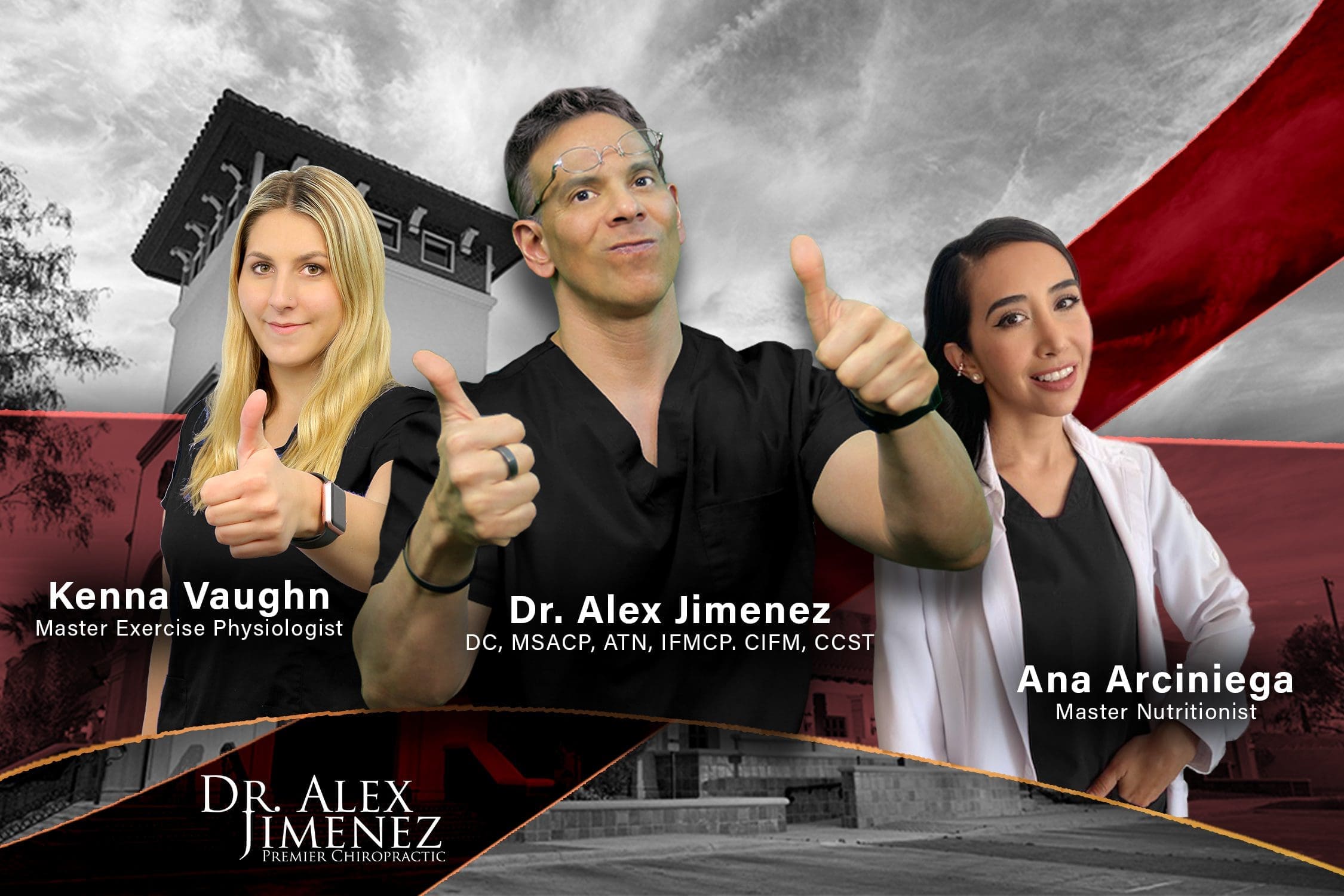
At Injury Medical Clinic PA in El Paso, Texas, Dr. Alexander Jimenez, DC, APRN, FNP-BC, CCST, CFMP, IFMCP, ATN, combines chiropractic care with functional medicine, personal injury care, rehabilitation, wellness services, and medically integrated care.
Dr. Maria Guadalupe Cardenas, MD, is identified by the practice as a board-certified internal medicine physician, medical director, and collaborative physician. She has more than 40 years of medical experience. Public provider information identifies her as an El Paso internist and lists NPI #1164426748. The practice reports Texas medical license #J2933.
This multidisciplinary structure allows chiropractic care to remain focused on joints, spinal mechanics, movement, and rehabilitation, while medical oversight addresses conditions such as diabetes, high blood pressure, anemia, medication use, kidney disease, and other concerns that may affect procedural safety and healing.
The practice describes its model as an integration of chiropractic care, medical services, functional medicine, physical rehabilitation, nutrition, and personal injury care.
Based on Dr. Jimenez’s published clinical observations, patients often need more than symptom relief. They may also need movement correction, strength training, nutritional support, functional health evaluation, and medical coordination. These observations are clinical perspectives and should not be treated as a substitute for controlled research or individual medical advice.
A Simple Day of Healing-Focused Meals
A basic day may look like this:
Breakfast: Eggs with spinach, tomatoes, avocado, and berries.
Lunch: Grilled salmon or chicken with mixed vegetables, beans, and olive oil.
Snack: Greek yogurt with walnuts or an apple with peanut butter.
Dinner: Turkey, fish, tofu, or lentils with a sweet potato and green vegetables.
Fluids: Water throughout the day, adjusted for body size, activity, weather, heart health, and kidney health.
The best plan is one the patient can follow safely and consistently.
The Main Takeaway
Chiropractic care and regenerative therapies address different parts of the healing process. Nutrition helps support the entire system.
A whole-food, anti-inflammatory diet can provide protein for tissue rebuilding, healthy fats for cell health, antioxidants for protection, and vitamins and minerals for normal repair. Timing may become more important around PRP, PFP, MFAT, epidural injections, and other procedures, but the exact plan should always match the patient’s health, medicines, laboratory results, and treatment schedule.
The strongest approach is not a miracle food or supplement. It is a coordinated plan that combines sound nutrition, appropriate medical oversight, chiropractic care, progressive rehabilitation, healthy sleep, and realistic recovery goals.
References
Ascend Chiropractic Integrative Health Center. (n.d.). Eat to heal: How nutrition supports your chiropractic care.
Ellinger, S., & Stehle, P. (2009). Efficacy of vitamin supplementation in situations with wound healing disorders: Results from clinical intervention studies. Current Opinion in Clinical Nutrition and Metabolic Care, 12(6), 588–595.
Grove Chiropractic. (n.d.). Integrating chiropractic care with nutrition for optimal wellness.
Healthgrades. (2026). Dr. Maria Cardenas, MD: Internal medicine.
Herald Square Chiropractic and Sport. (n.d.). How smart diet choices can aid your physical therapy sessions.
Jimenez, A. (2026). Why choose our clinical team?.
Kao, D. S., et al. (2022). A systematic review on the effect of common medications on platelet count and function: Which medications should be stopped before getting a platelet-rich plasma injection?.
Koelman, L., et al. (2022). Effects of dietary patterns on biomarkers of inflammation and immune responses: A systematic review and meta-analysis of randomized controlled trials.
New Regeneration Orthopedics. (2025, April 4). Optimizing recovery: Why nutrition and supplements matter after PRP and bone marrow concentrate procedures.
Ospina Medical. (n.d.). Anti-inflammatory medication and PRP recovery: Why patience pays off.
Schippinger, G., et al. (2015). Autologous platelet-rich plasma preparations: Influence of nonsteroidal anti-inflammatory drugs on platelet function. Orthopaedic Journal of Sports Medicine, 3(6).
Ubie Health. (2026a, May 6). What to eat before PRP to maximize your growth factors.
Ubie Health. (2026b, May 6). How to fix slow healing: PRP and diet for best results.
Professional Scope of Practice *
The information herein on "Anti-Inflammatory Nutrition Supports Regenerative Healing" is not intended to replace a one-on-one relationship with a qualified health care professional or licensed physician and is not medical advice. We encourage you to make healthcare decisions based on your research and partnership with a qualified healthcare professional.
Blog Information & Scope Discussions
Welcome to El Paso's Premier Wellness and Injury Care Clinic & Wellness Blog, where Dr. Alex Jimenez, DC, FNP-C, a Multi-State board-certified Family Practice Nurse Practitioner (FNP-BC) and Chiropractor (DC), presents insights on how our multidisciplinary team is dedicated to holistic healing and personalized care. Our practice aligns with evidence-based treatment protocols inspired by integrative medicine principles, similar to those found on this site and our family practice-based chiromed.com site, focusing on restoring health naturally for patients of all ages.
Our areas of multidisciplinary practice include Wellness & Nutrition, Chronic Pain, Personal Injury, Auto Accident Care, Work Injuries, Back Injury, Low Back Pain, Neck Pain, Migraine Headaches, Sports Injuries, Severe Sciatica, Scoliosis, Complex Herniated Discs, Fibromyalgia, Chronic Pain, Complex Injuries, Stress Management, Functional Medicine Treatments, and in-scope care protocols.
Our information scope is multidisciplinary, focusing on musculoskeletal and physical medicine, wellness, contributing etiological viscerosomatic disturbances within clinical presentations, associated somato-visceral reflex clinical dynamics, subluxation complexes, sensitive health issues, and functional medicine articles, topics, and discussions.
We provide and present clinical collaboration with specialists from various disciplines. Each specialist is governed by their professional scope of practice and their jurisdiction of licensure. We use functional health & wellness protocols to treat and support care for musculoskeletal injuries or disorders.
Our videos, posts, topics, and insights address clinical matters and issues that are directly or indirectly related to our clinical scope of practice.
Our office has made a reasonable effort to provide supportive citations and has identified relevant research studies that support our posts. We provide copies of supporting research studies upon request to regulatory boards and the public.
We understand that we cover matters that require an additional explanation of how they may assist in a particular care plan or treatment protocol; therefore, to discuss the subject matter above further, please feel free to ask Dr. Alex Jimenez, DC, APRN, FNP-BC, or contact us at 915-850-0900.
We are here to help you and your family.
Blessings
Dr. Alex Jimenez DC, MSACP, APRN, FNP-BC*, CCST, IFMCP, CFMP, ATN
email: [email protected]
Multidisciplinary Licensing & Board Certifications:
Licensed as a Doctor of Chiropractic (DC) in Texas & New Mexico*
Texas DC License #: TX5807, Verified: TX5807
New Mexico DC License #: NM-DC2182, Verified: NM-DC2182
Multi-State Advanced Practice Registered Nurse (APRN*) in Texas & Multi-States
Multi-state Compact APRN License by Endorsement (42 States)
Texas APRN License #: 1191402, Verified: 1191402 *
Florida APRN License #: 11043890, Verified: APRN11043890 *
Colorado License #: C-APN.0105610-C-NP, Verified: C-APN.0105610-C-NP
New York License #: N25929, Verified N25929
License Verification Link: Nursys License Verifier
* Prescriptive Authority Authorized
ANCC FNP-BC: Board Certified Nurse Practitioner*
Compact Status: Multi-State License: Authorized to Practice in 40 States*
Graduate with Honors: ICHS: MSN-FNP (Family Nurse Practitioner Program)
Degree Granted. Master's in Family Practice MSN Diploma (Cum Laude)
Dr. Alex Jimenez, DC, APRN, FNP-BC*, CFMP, IFMCP, ATN, CCST
(Board Certified: Family Practice Nurse Practitioner—Multistate)*
(Licensed Nurse Practitioner & Chiropractor - Multistate)*
Clinical Director
Digital Business Card
Dr. Maria Cardenas, MD
(Board Certified: Internal Medicine)
(Licensed Medical Doctor)
Medical Director, Clinical Director & Collaborative Physician
NPI # 1164426748
MD License #: J2933
Licenses and Board Certifications:
MD: Medical Doctor
DC: Doctor of Chiropractic
APRNP: Advanced Practice Registered Nurse
FNP-BC: Family Practice Specialization (Multi-State Board Certified)
RN: Registered Nurse (Multi-State Compact License)
CFMP: Certified Functional Medicine Provider
MSN-FNP: Master of Science in Family Practice Medicine
MSACP: Master of Science in Advanced Clinical Practice
IFMCP: Institute of Functional Medicine
CCST: Certified Chiropractic Spinal Trauma
ATN: Advanced Translational Neutrogenomics
Memberships & Associations:
TCA: Texas Chiropractic Association: Member ID: 104311
AANP: American Association of Nurse Practitioners: Member ID: 2198960
ANA: American Nurse Association: Member ID: 06458222 (District TX01)
TNA: Texas Nurse Association: Member ID: 06458222
NPI: 1205907805
| Primary Taxonomy | Selected Taxonomy | State | License Number |
|---|---|---|---|
| No | 111N00000X - Chiropractor | NM | DC2182 |
| Yes | 111N00000X - Chiropractor | TX | DC5807 |
| Yes | 363LF0000X - Nurse Practitioner - Family | TX | 1191402 |
| Yes | 363LF0000X - Nurse Practitioner - Family | FL | 11043890 |
| Yes | 363LF0000X - Nurse Practitioner - Family | CO | C-APN.0105610-C-NP |
| Yes | 363LF0000X - Nurse Practitioner - Family | NY | N25929 |
Dr. Alex Jimenez, DC, APRN, FNP-BC*, CFMP, IFMCP, ATN, CCST
(Board Certified: Family Practice Nurse Practitioner—Multistate)*
(Licensed Nurse Practitioner & Chiropractor - Multistate)*
Clinical Director
Digital Business Card
Dr. Maria Cardenas, MD
(Board Certified: Internal Medicine)*
(Licensed Medical Doctor)*
Medical Director, Clinical Director & Collaborative Physician
NPI # 1164426748
MD License #: J2933