“Individuals with neck and shoulder pain may experience tightened lumps or knots in and around the muscles where the neck and shoulder meet. Can using kinesiology tape for neck and shoulder trigger points help to loosen and release them, restore function, and relieve pain?”
Kinesiology Tape For Neck and Shoulder Trigger Points
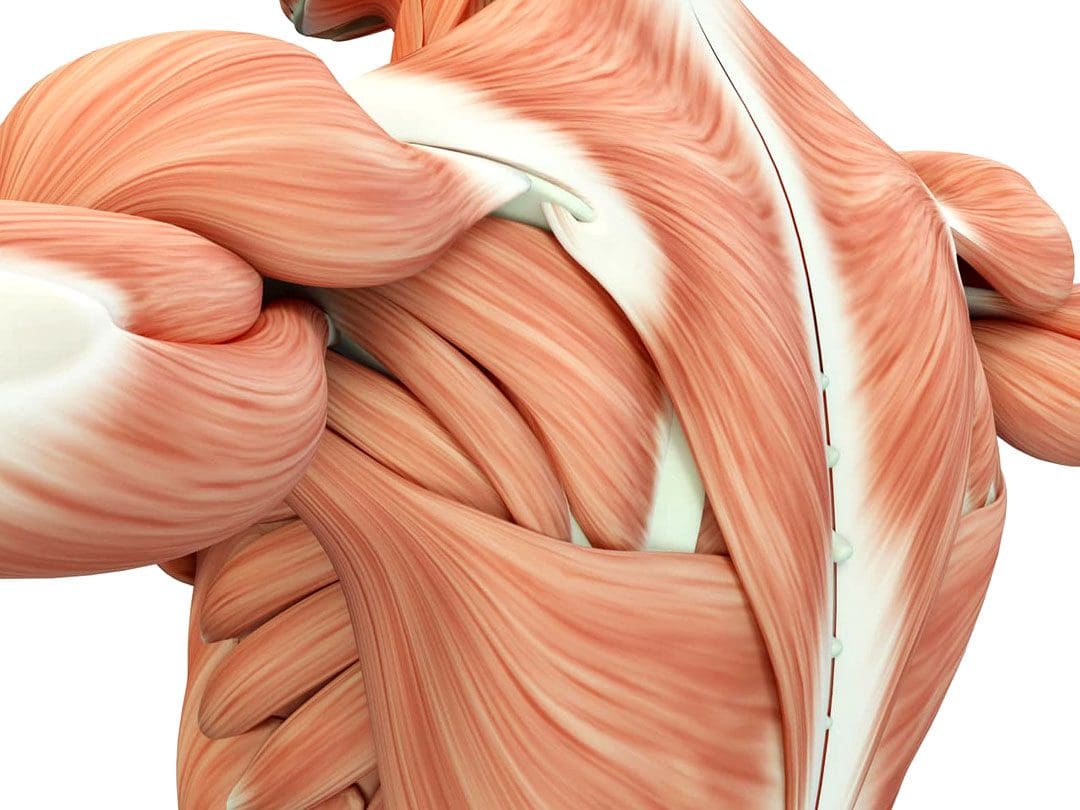
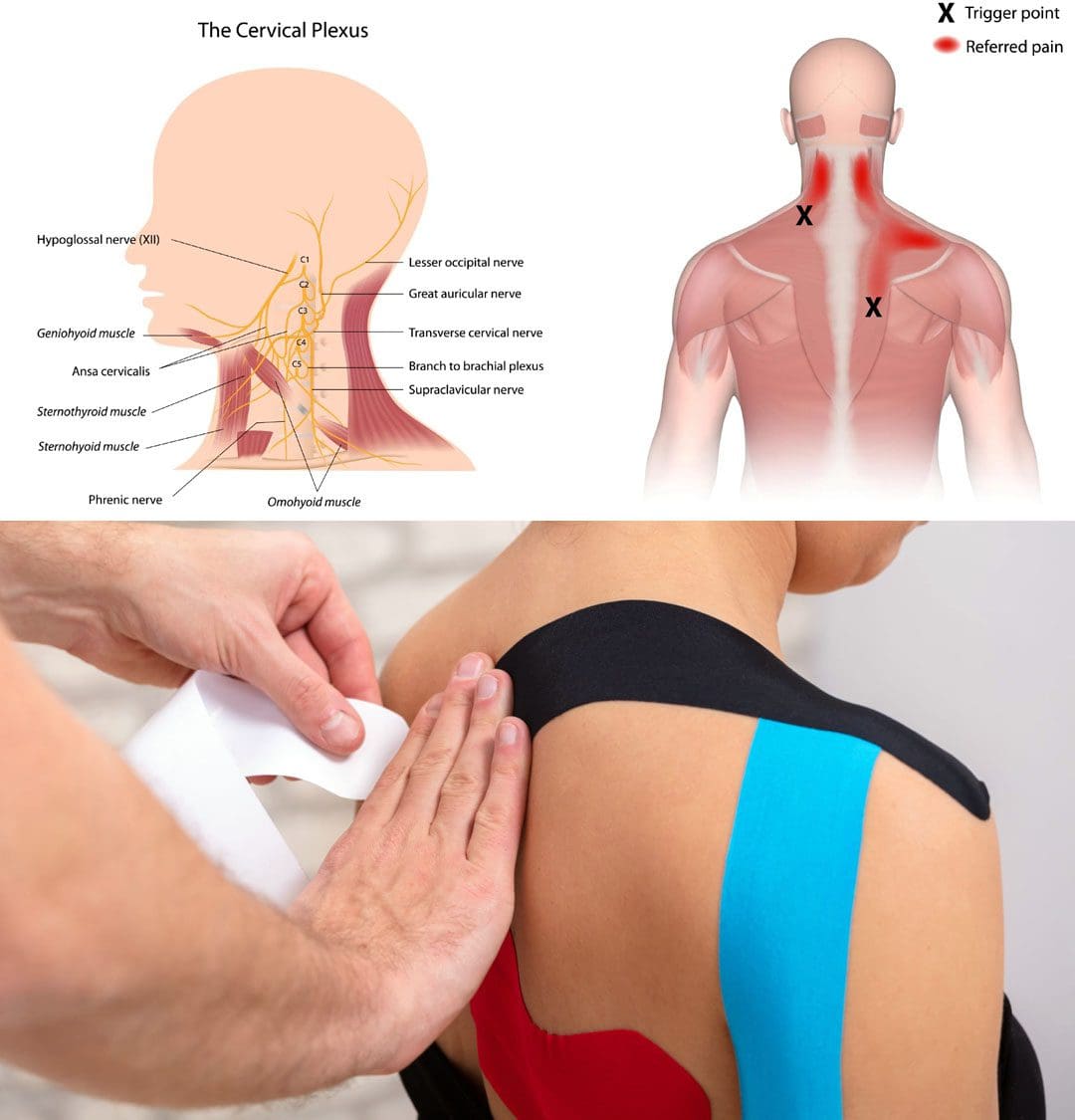
The upper trapezius and levator scapula muscles are where the shoulder and neck come together and are often the location of trigger point formations. These trigger points can cause tension, pain, and muscular spasms in the neck and shoulders. Various treatments for releasing trigger points and alleviating the pain symptoms include therapeutic massage, trigger point release, and chiropractic adjustments in a multidisciplinary treatment approach.
- Electrical stimulation and ultrasound have often been used to break up the knots, but scientific evidence has shown that these treatments alone are not the most effective. (David O. Draper et al., 2010)
- Stretching the neck muscles can bring tension relief and help release the knots.
- Practicing healthy postures helps avoid and prevent symptoms. (Cleveland Clinic. 2019)
- Kinesiology tape can decrease the pain and spasms and help to release the trigger points.
Therapy
Using kinesiology tape is a form of physical therapy that can be used in various ways.
- The tape helps lift the upper tissues from underlying tissues to increase circulation and release muscular spasms.
- It can help improve muscular contractions, decrease swelling, and inhibit pain in injured tissues.
- Helps stop the trigger points and knots from worsening.
- The tape can also be used for managing lymphedema.
Usage
To decrease trigger points, individuals can use a specific kinesiology tape strip called a lift strip. Individuals can consult their healthcare provider or physical therapist to show them the various types of strips to learn how to cut them properly.
- Before using kinesiology tape, consult a healthcare provider or physical therapist to assess the injury and situation.
- Kinesiology tape is not for everyone, and some people have conditions where the use of kinesiology tape should be avoided altogether.
- A therapist can evaluate the neck pain and trigger points to determine if the individual should use kinesiology tape.
To use kinesiology tape for neck and shoulder trigger points:
- Get comfortable with the neck and shoulders exposed.
- Cut one lift strip for each side of the neck, if necessary.
- The lift strip should be around 3 to 4 inches long.
- Remove the paper backing in the center with the exposed tape in the center, which should look like a band-aid.
- Both ends of the lift strip should still have the paper backing on.
- Stretch out the kinesiology tape.
- Place the stretched tape directly over the trigger points in the upper shoulder area.
- Remove the backing on either side of the lift strip and place the ends on without stretching.
- Gently rub the tape to help the adhesive adhere.
- Once the tape has been applied, it can be left there for 2 to 5 days.
- It’s ok if it gets wet with a bath or shower.
- Monitor the skin around the tape to watch for redness or other signs of a negative reaction to the tape.
- Kinesiology taping can be a useful tool to decrease pain and spasms but does not replace professional treatment, prescribed exercises and stretches, and posture retraining.
- The physical therapy team will teach proper self-care strategies for the individual’s condition.
- For individuals with neck and shoulder pain and muscle spasms, a trial of kinesiology taping may help alleviate symptoms and improve the overall injury.
The Non-Surgical Approach to Wellness with Chiropractic Care
References
Draper, D. O., Mahaffey, C., Kaiser, D., Eggett, D., & Jarmin, J. (2010). Thermal ultrasound decreases tissue stiffness of trigger points in upper trapezius muscles. Physiotherapy theory and practice, 26(3), 167–172. https://doi.org/10.3109/09593980903423079
Cleveland Clinic. (2019). Knots in Your Neck? How to Try a Trigger Point Massage to Release Them.