For individuals dealing with fibromyalgia, can incorporating acupuncture as part of integrative treatment help with pain relief?
Table of Contents
Introduction
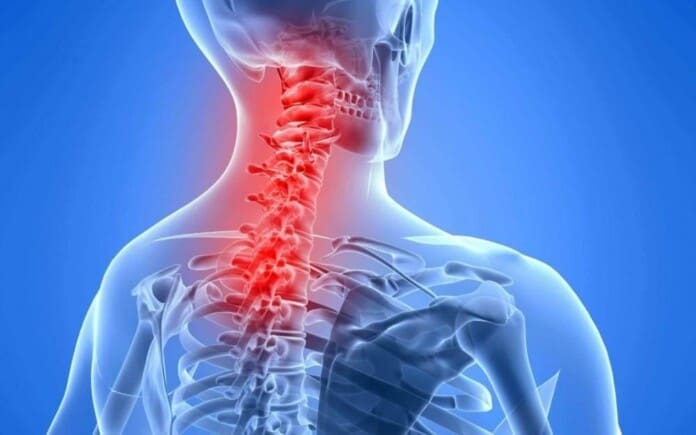
The musculoskeletal system helps the various muscles, tendons, and ligaments be mobile while stabilizing the vertical pressure. The upper and lower extremities work together, enabling the host to be mobile without feeling pain and discomfort. However, many individuals have dealt with pain, whether it is acute or chronic, at one point in their lives. When the body is dealing with pain, the response signal from the brain will show where the pain is located, which causes muscle soreness. To that point, the immune system will start to heal the affected area naturally. However, when a person has an autoimmune disease, the body will be impacted for no reason, which then causes the immune system to release inflammatory cytokines to healthy cells and muscular structures. When this happens, it can affect their quality of life and cause painful sensations to the musculoskeletal system, forcing individuals to seek treatment. Today’s article focuses on the correlation between the musculoskeletal system and fibromyalgia and how treatments like acupuncture can help reduce the pain-like symptoms that are caused by fibromyalgia. We talk with certified medical providers who utilize our patients’ information to provide acupuncture treatments to lessen the overlapping risk profiles associated with fibromyalgia. We also inform and guide patients on how various treatments can help reduce the pain-like symptoms related to fibromyalgia. We encourage our patients to ask their associated medical providers intricated and important questions about the pain-like symptoms they are experiencing from fibromyalgia. Dr. Jimenez, D.C., incorporates this information as an academic service. Disclaimer.
The Musculoskeletal System & Fibromyalgia
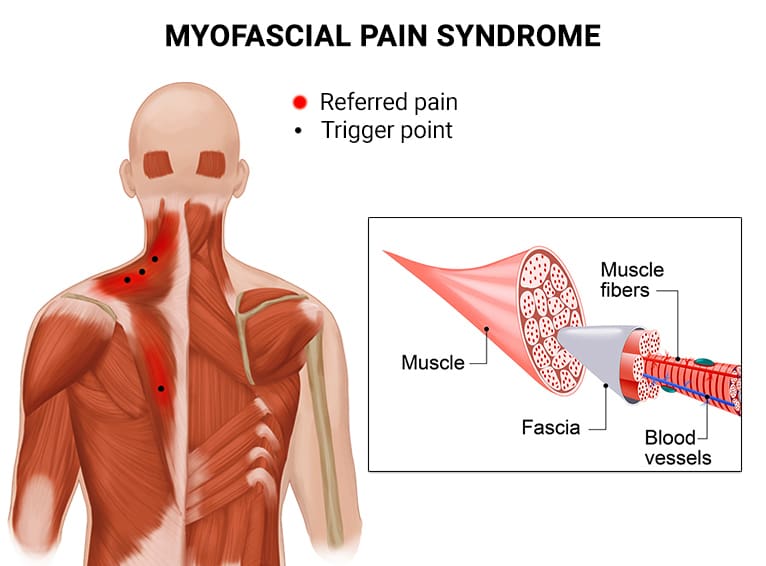
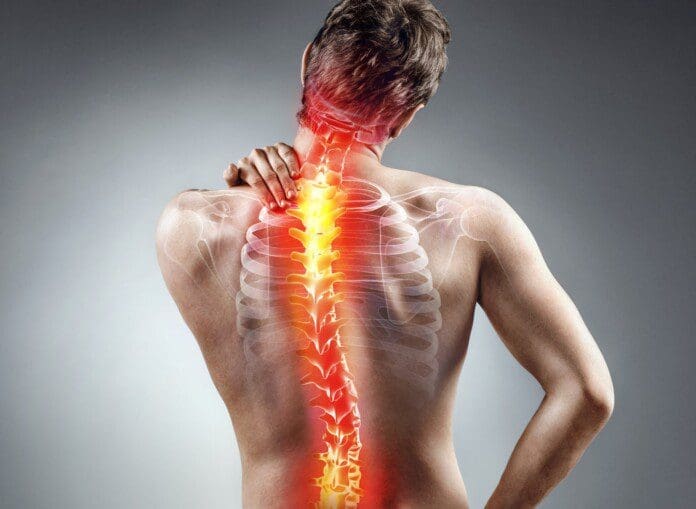
Have you been experiencing tingling sensations in your arms, legs, feet, and hands? Do you feel your muscles and joints lock up and feel stiff constantly in the morning? Or have you been dealing with unquestionable pain in your body that is affecting your daily routine? Many of these pain-like symptoms are associated with an autoimmune disease known as fibromyalgia. Fibromyalgia is often characterized by widespread chronic musculoskeletal pain that is associated with neurosensory disorders. People with fibromyalgia will have musculoskeletal pain symptoms from muscle and joint stiffness to fatigue and myofascial pain. (Siracusa et al., 2021) This is because the vagus nerve in the parasympathetic autonomic nervous system is in constant “fight or flight” mode, which causes many individuals to become hypersensitive and experience amplified painful sensations. This forces the muscle fibers in the musculoskeletal system to develop tiny nodules known as trigger points in the soft tissues. This causes muscle pathophysiology as a primary mechanism that mediates the onset of symptoms that pertain to fibromyalgia. (Geel, 1994) Unfortunately, fibromyalgia is a challenge to diagnose when comorbidities factors start to overlap and can play a role in this autoimmune disease.
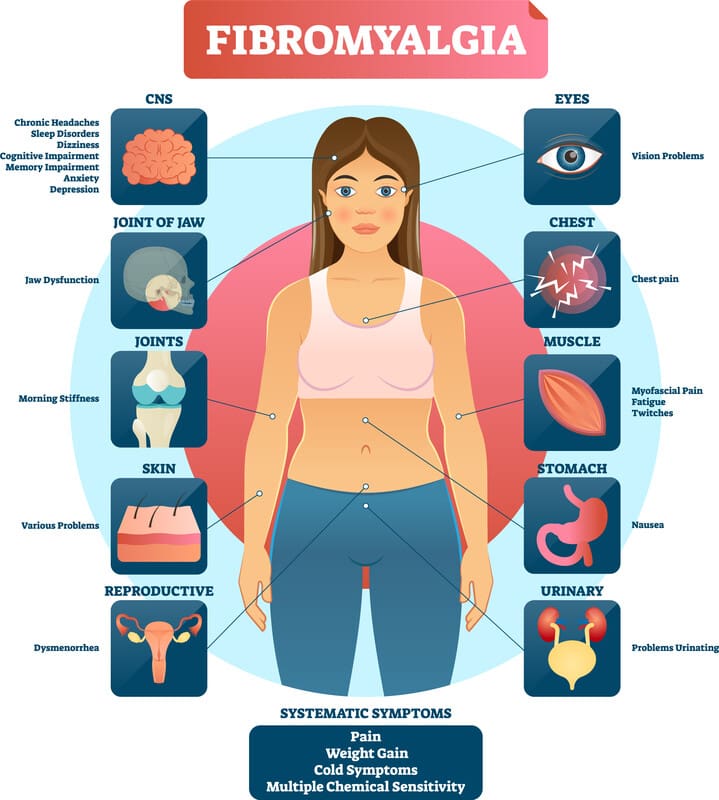
Fibromyalgia is an autoimmune condition that increases a person’s sensitivity to pain while including multiple tender points at specific areas of the body, causing widespread chronic musculoskeletal pain. Many individuals dealing with chronic musculoskeletal pain are unaware of the proper pathway to care as it generates a negative impact on pain, disability, and quality of life. (Lepri et al., 2023) Since fibromyalgia is associated with musculoskeletal pain, it can be combined with myofascial pain syndrome since both are characterized by muscle tenderness. (Gerwin, 1998) However, there are numerous treatments available to reduce the painful effects of fibromyalgia and help restore a person’s quality of life.
From Inflammation to Healing- Video

Do you feel muscle pain and tenderness in various areas of your body? Do you feel muscle and joint stiffness in your upper and lower extremities? Or do you feel numbing or tingling sensations in your arms, hands, legs, and feet? Many people dealing with these pain-like issues are experiencing an autoimmune disorder known as fibromyalgia. Fibromyalgia is a challenging autoimmune disorder to diagnose. However, the symptoms are often correlated with muscular pain. This can cause many individuals to reduce their quality of life. Fibromyalgia can cause the body to be hypersensitive to pain and can cause chronic inflammation of the joints. However, some treatments are non-surgical, cost-effective, and can help provide the pain relief many people deserve. The video above explains how various non-surgical treatments can help reduce inflammatory and pain effects on the body through various treatments that can be combined to minimize the pain-like symptoms of fibromyalgia.
Acupuncture Reducing Fibromyalgia Pain
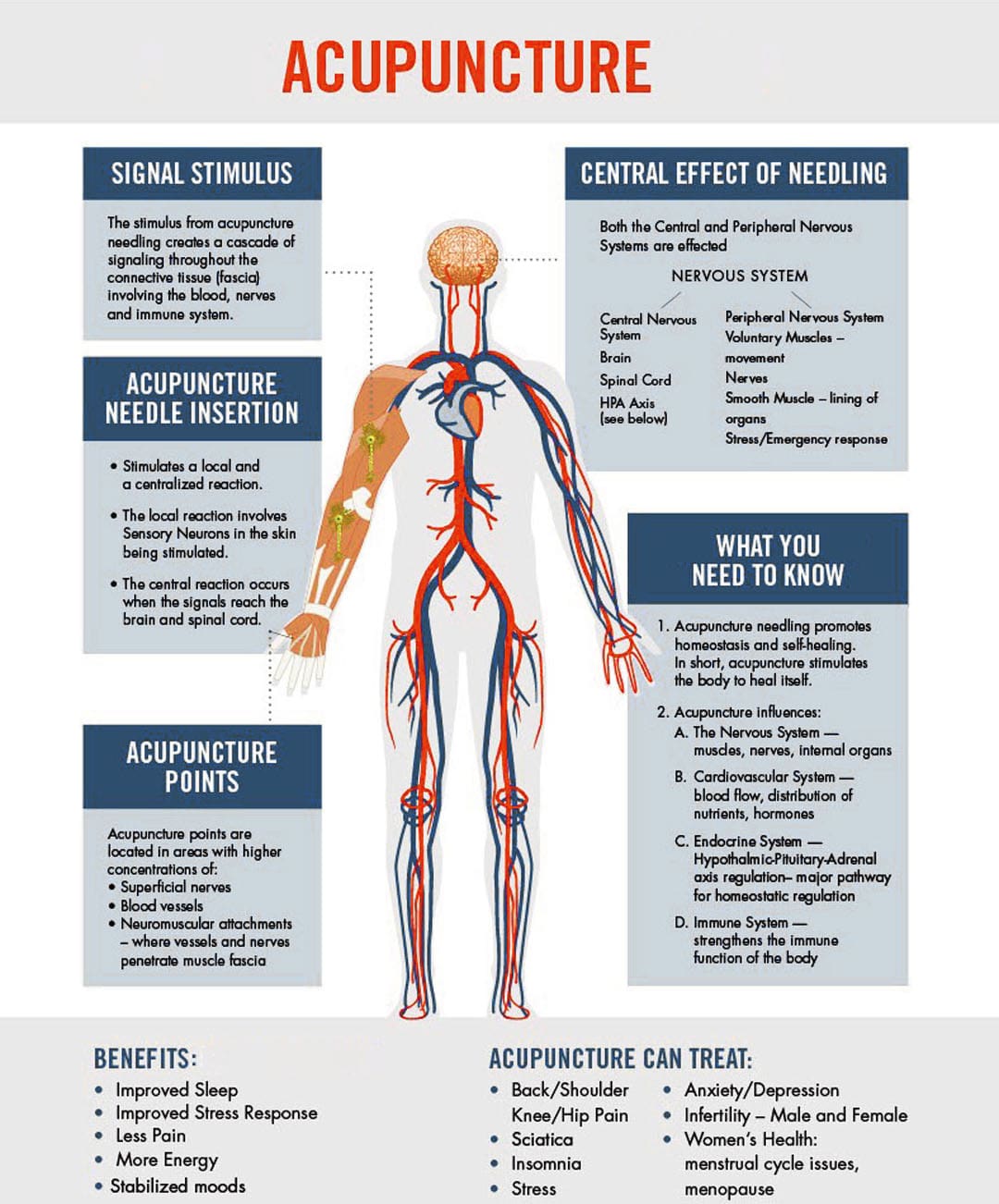
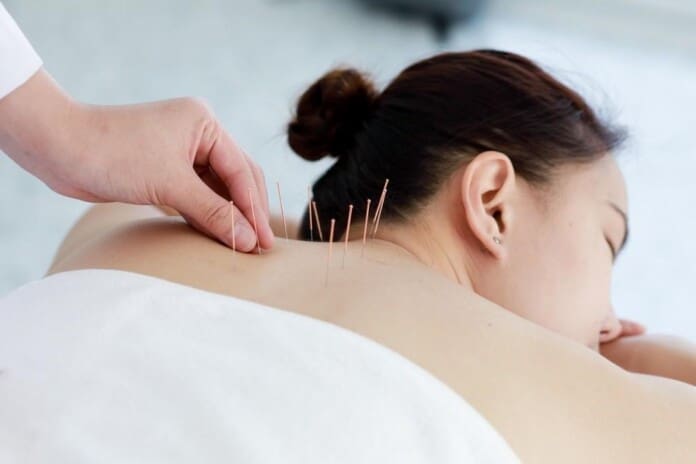
When it comes to treating fibromyalgia and reducing pain-like symptoms, many people will seek out non-surgical treatments to manage and improve the symptoms correlating with fibromyalgia. Acupuncture can help ease the pain-like symptoms that are affecting the body and reduce the myofascial trigger points correlating with fibromyalgia. Since acupuncture originated in China, it is one of the most popular sensory stimulation therapies that are non-surgical; acupuncturists who are highly trained use various techniques to insert and manipulate fine needles to stimulate specific anatomic trigger points in the body to restore balance to the body. (Zhang & Wang, 2020) For individuals dealing with fibromyalgia pain, acupuncture can be combined with other therapies as part of the individual’s personalized treatment plan. Acupuncture helps improve muscle pain caused by fibromyalgia.
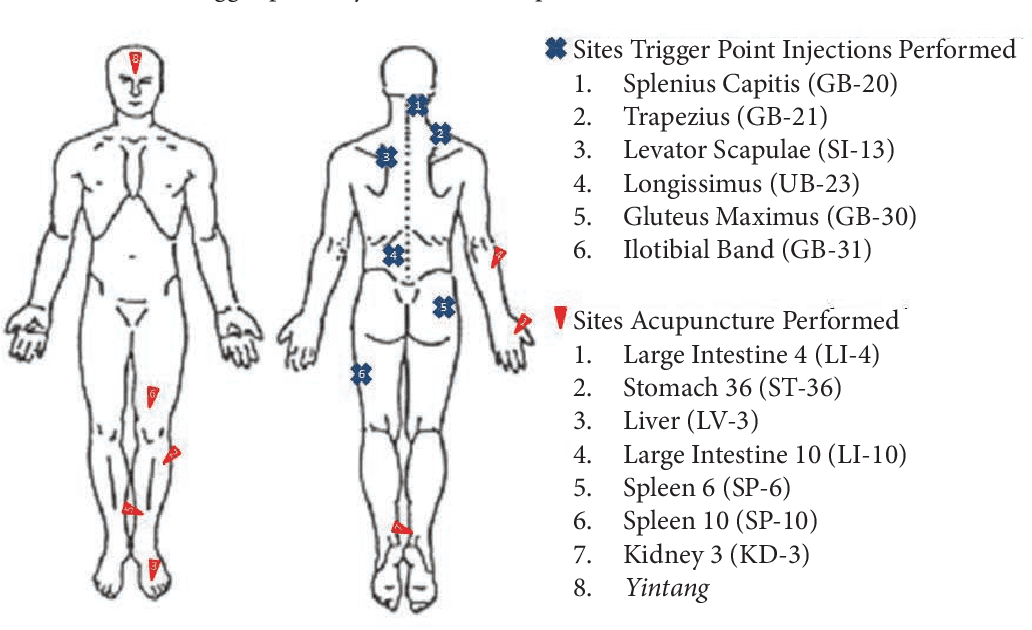
Additionally, acupuncture can assist in regulating the somatosensory function of the body and reduce symptoms of muscle stiffness while enhancing a person’s quality of life. (Zheng & Zhou, 2022) Fibromyalgia is a chronic autoimmune disorder that can affect the musculoskeletal system and can cause unbearable pain to many people by disrupting a person’s quality of life. When combined with other therapies, acupuncture can provide a significant positive effect on managing fibromyalgia and enhancing a person’s quality of life. (Almutairi et al., 2022)
References
Almutairi, N. M., Hilal, F. M., Bashawyah, A., Dammas, F. A., Yamak Altinpulluk, E., Hou, J. D., Lin, J. A., Varrassi, G., Chang, K. V., & Allam, A. E. (2022). Efficacy of Acupuncture, Intravenous Lidocaine, and Diet in the Management of Patients with Fibromyalgia: A Systematic Review and Network Meta-Analysis. Healthcare (Basel), 10(7). https://doi.org/10.3390/healthcare10071176
Geel, S. E. (1994). The fibromyalgia syndrome: musculoskeletal pathophysiology. Semin Arthritis Rheum, 23(5), 347-353. https://doi.org/10.1016/0049-0172(94)90030-2
Gerwin, R. D. (1998). Myofascial pain and fibromyalgia: Diagnosis and treatment. J Back Musculoskelet Rehabil, 11(3), 175-181. https://doi.org/10.3233/BMR-1998-11304
Lepri, B., Romani, D., Storari, L., & Barbari, V. (2023). Effectiveness of Pain Neuroscience Education in Patients with Chronic Musculoskeletal Pain and Central Sensitization: A Systematic Review. Int J Environ Res Public Health, 20(5). https://doi.org/10.3390/ijerph20054098
Siracusa, R., Paola, R. D., Cuzzocrea, S., & Impellizzeri, D. (2021). Fibromyalgia: Pathogenesis, Mechanisms, Diagnosis and Treatment Options Update. Int J Mol Sci, 22(8). https://doi.org/10.3390/ijms22083891
Zhang, Y., & Wang, C. (2020). Acupuncture and Chronic Musculoskeletal Pain. Curr Rheumatol Rep, 22(11), 80. https://doi.org/10.1007/s11926-020-00954-z
Zheng, C., & Zhou, T. (2022). Effect of Acupuncture on Pain, Fatigue, Sleep, Physical Function, Stiffness, Well-Being, and Safety in Fibromyalgia: A Systematic Review and Meta-Analysis. J Pain Res, 15, 315-329. https://doi.org/10.2147/JPR.S351320