Can individuals reduce stress affecting their daily routine through treatments to restore their gut health?
Introduction
Everybody in the entire world has dealt with stress at some point in their lives and has experienced general aches and pains in their bodies. This is due to the hormone cortisol, which helps regulate the entire body’s response. Stress has two forms, acute and chronic, and depending on the scenario a person is under, it correlates with stress and can even impact the major body systems. When dealing with acute stress, the muscles start to tense up at the stressor and go into a fight-or-flight mode until the stressor is gone and the individual can begin to relax. However, if the individual is dealing with chronic stress, it can cause numerous overlapping issues that can lead to digestive issues affecting the gut system. When the gut system is acting up from the cortisol hormone in its chronic form, many people will begin to notice small changes that are affecting their health and well-being. Today’s article examines why gut issues induce stress, how individuals can reduce stress naturally, and how people can restore their gut health. We talk with certified associated medical providers who provide our patients’ information to assess gut issues associated with stress that is affecting their health and wellness. We also inform patients while asking their associated medical provider intricate questions to formulate customized treatment plans to reduce the effects of stress correlating to gut health. Dr. Alex Jimenez, D.C., includes this information as an academic service. Disclaimer.
Why Gut Issues Induced Oxidative Stress?
How often does your body tense up and slowly relax after a stressful situation? Do you experience general aches or pains in your muscles and joints? Or do you feel tenderness and discomfort in your gut? When people are experiencing chronic oxidative stress in their bodies, they sometimes don’t realize that their gut also plays a part. This is because the gut is known as “the second brain” and helps regulate the immune response while protecting the body from unwanted pathogens. However, dealing with a large amount of stress from environmental factors can cause alterations in the immune system’s response and disrupt the delicate balance between the individual and the gut microbiota. (Sharifa et al., 2023) Since gut issues can vary from person to person, it is important to note that when environmental factors cause overlapping risk profiles, it can modify or change the gut microbiota composition of the host.
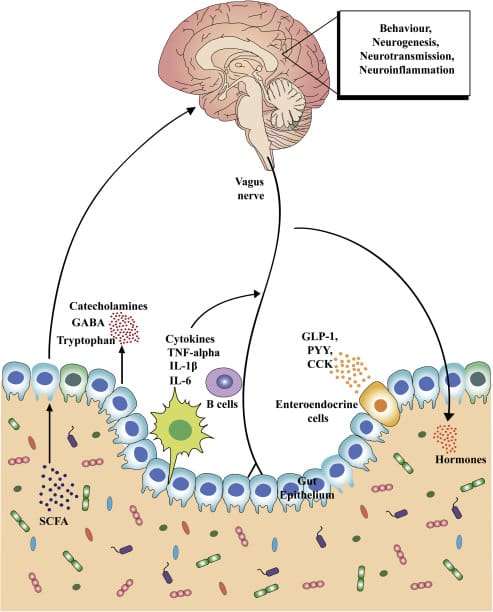
The gut system, which harbors a large number of beneficial microbial cells, plays a crucial role in the human body. These cells help stimulate the immune system’s maturity and play a role in cognitive performance and stress tolerance. (Marttinen et al., 2020) However, when a person has a poor diet, not physically active, or leads a stressful lifestyle due to their jobs, these environmental factors can cause the development of gut issues over time and contribute to the increase of oxidative stress in the body. (Vasquez et al., 2019) Additionally, many people dealing with chronic stress will often notice their skin feeling a bit warmer, they feel bloated, they will often experience fatigue throughout the day, and experience weight changes. So when the gut system is experiencing high levels of stress from environmental factors, the intestinal epithelial permeability will begin to activate the T-cells that will destroy the immunosuppressive cytokines which leads to systemic inflammation to the body. (Ni et al., 2022) However, there are numerous ways to reduce stress and to help restore gut health naturally.
Fighting Inflammation Naturally- Video

How To Reduce Stress Naturally
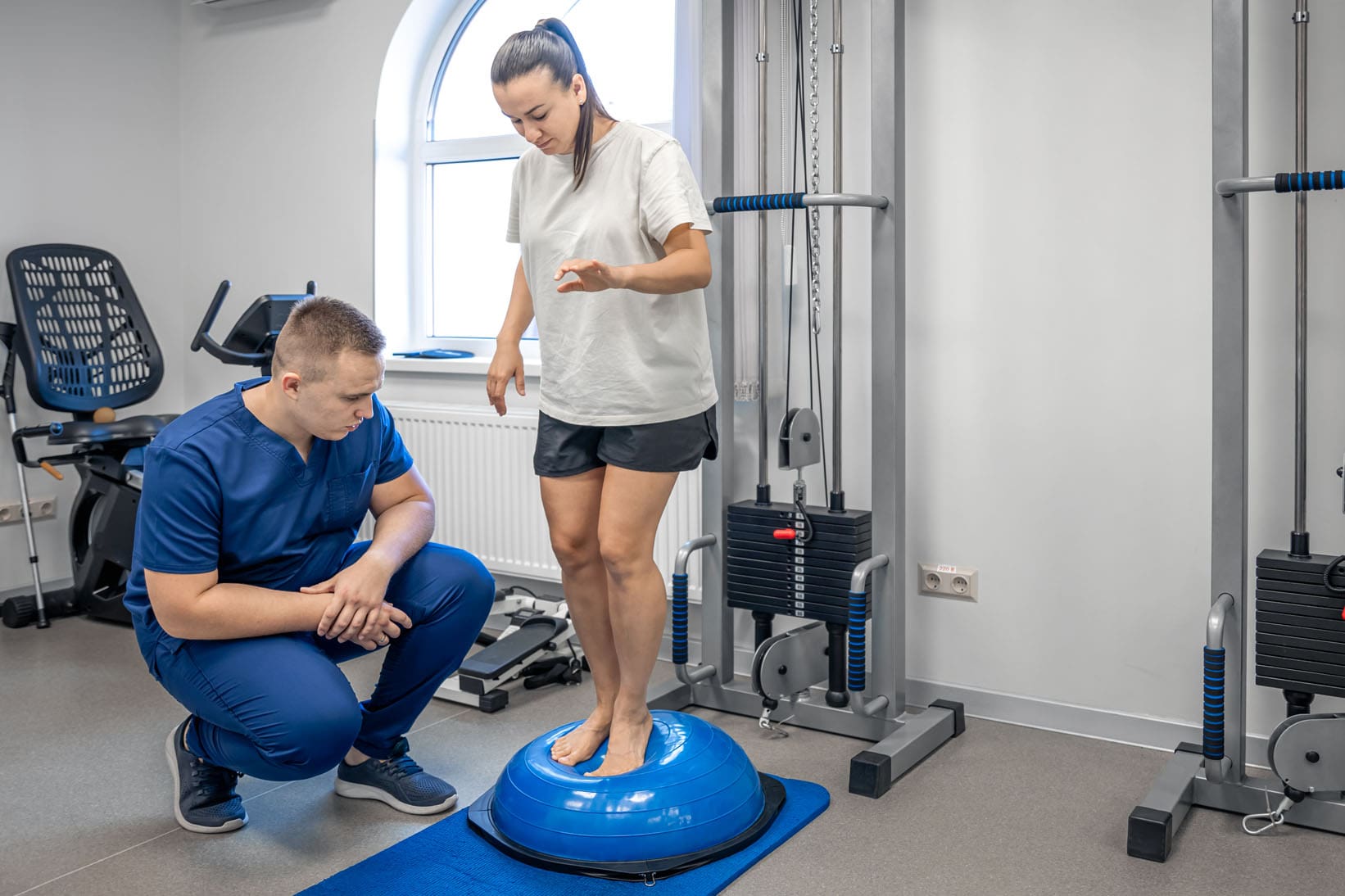
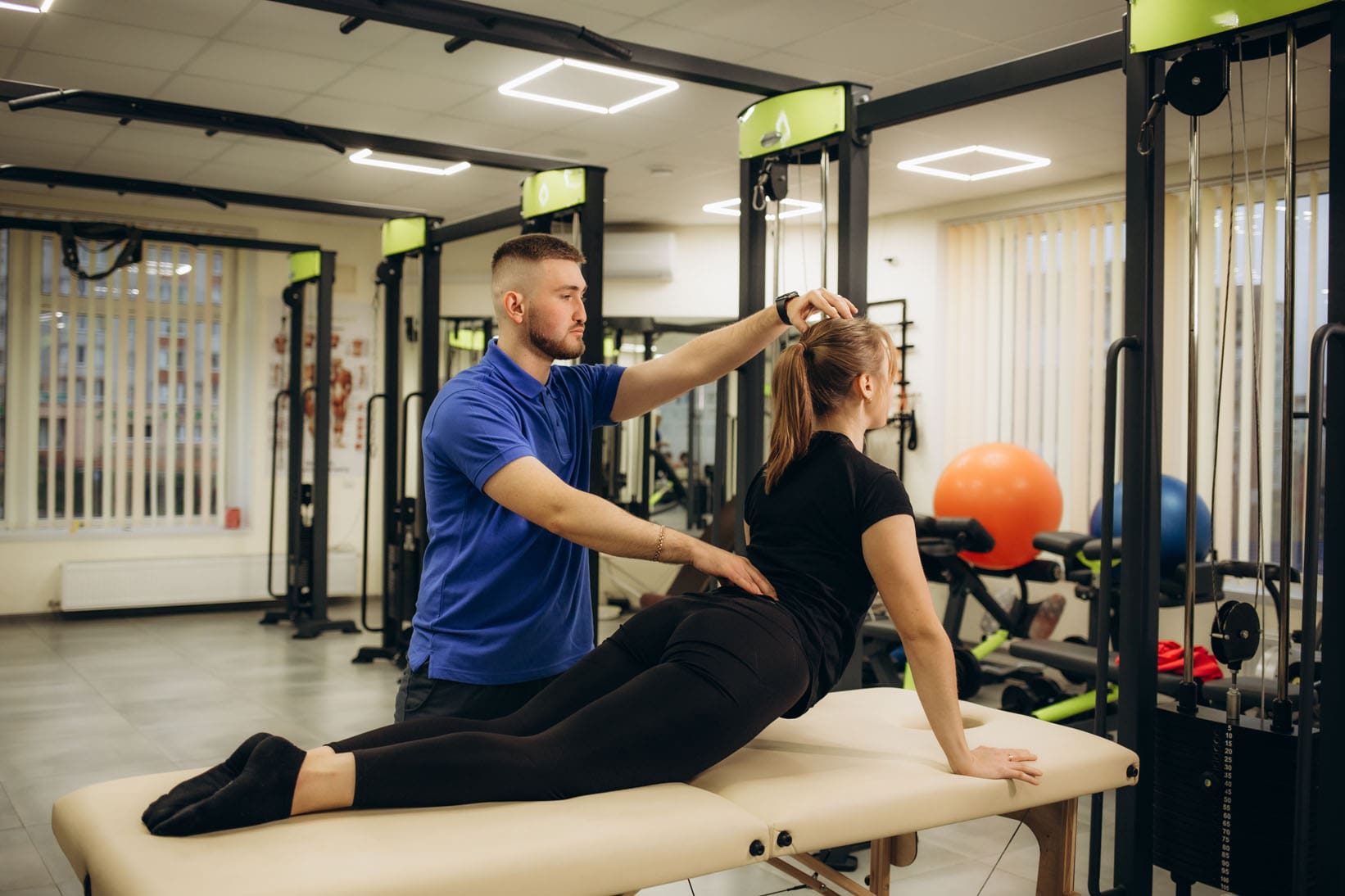
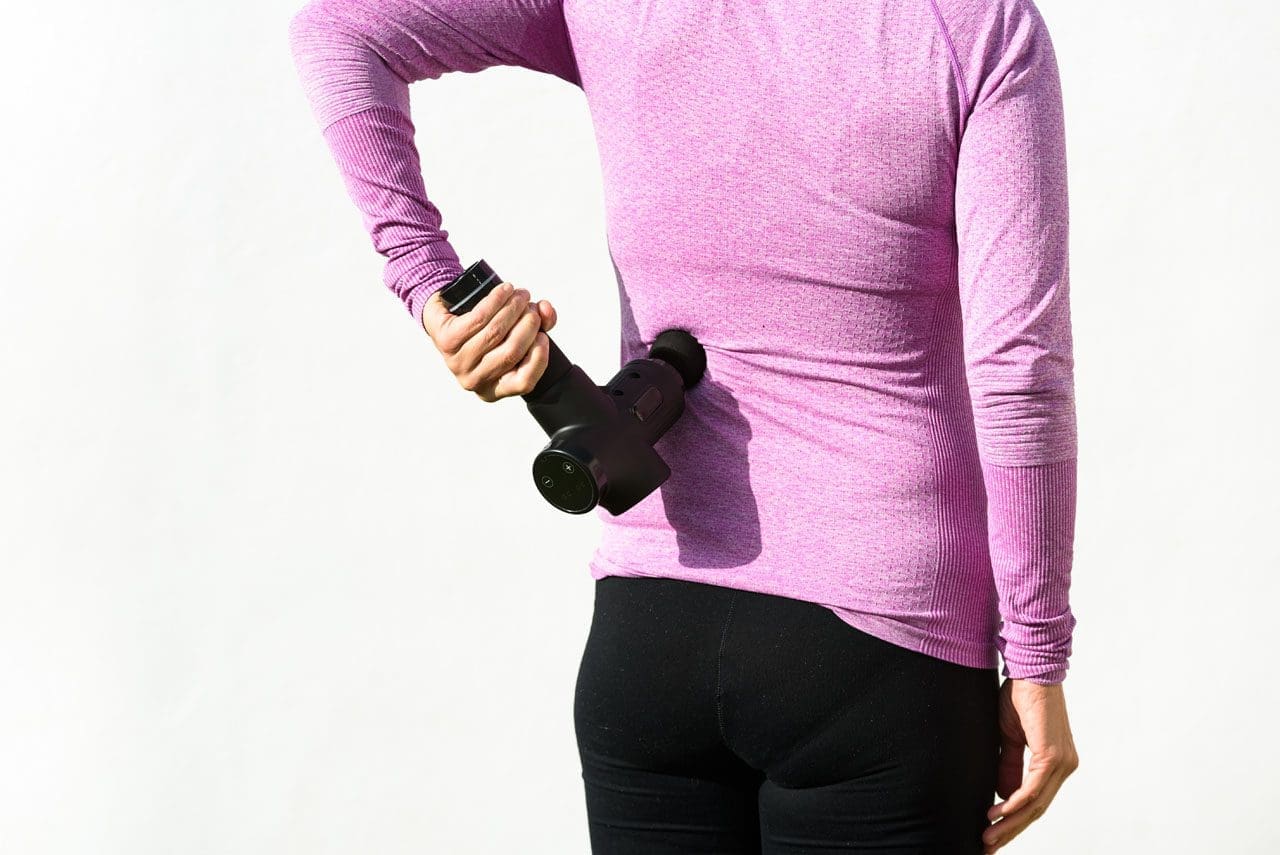
When it comes to reducing stress naturally, the first step is to recognize the stressors. Many individuals can start off small by making small changes to their health and wellness. Incorporating meditation, journalling, chiropractic care, acupuncture, massage therapy, and exercise can help relax the mind, reduce stress from the body, and alleviate musculoskeletal issues that are correlated with the gut and stress. These treatments can help reduce the tension from the muscles being affected by stress, while stretching and relaxing them. Additionally, these therapies are non-surgical, customized to the patient, and help realign the spine to promote healing. By recognizing the stressor, many individuals can make the small changes they need to reduce their stress and prevent them from returning.
How To Restore Gut Health
Restoring gut health is crucial to prevent inflammatory issues from reoccurring in the body. The gut microbiota, which contains trillions of bacteria aiding in digestion and nutrient transport, needs to be replenished with good bacteria and reduced bad bacteria to dampen the inflammatory effects caused by stress. One effective way to restore gut health in the body is by incorporating probiotic-rich foods into your diet. These include yogurt, kefir, sauerkraut, and kimchi. These dietary modifications can influence the gut bacteria and restore the gut structure. (Madison & Kiecolt-Glaser, 2019)

At the same time, probiotics can help stabilize stress cortisol levels and boost the good bacterial microbiota to improve body function by lowering the inflammatory cytokines. (Madabushi et al., 2023) This, in turn, helps restore the gut flora to the gut system. At the same time, when individuals incorporating a healthy diet filled with anti-inflammatory foods and pro/prebiotics can help not only reduce oxidative stress correlated with gut issues but also implement management techniques for stress and exercises that can help improve a person’s quality of life, reduce inflammation from the gut and body, and help enhance the immune response. (Jawhara, 2024) When individuals start to think about their health and well-being, making small changes can lead to positive results and help make sure that no gut issues associated with stress can reoccur. Figuring out what stressors are impacting the gut and making these changes can help prevent them from returning in the future and help that individual live a healthier lifestyle.
References
Jawhara, S. (2024). How Do Polyphenol-Rich Foods Prevent Oxidative Stress and Maintain Gut Health? Microorganisms, 12(8). https://doi.org/10.3390/microorganisms12081570
Madabushi, J. S., Khurana, P., Gupta, N., & Gupta, M. (2023). Gut Biome and Mental Health: Do Probiotics Work? Cureus, 15(6), e40293. https://doi.org/10.7759/cureus.40293
Madison, A., & Kiecolt-Glaser, J. K. (2019). Stress, depression, diet, and the gut microbiota: human-bacteria interactions at the core of psychoneuroimmunology and nutrition. Curr Opin Behav Sci, 28, 105-110. https://doi.org/10.1016/j.cobeha.2019.01.011
Marttinen, M., Ala-Jaakkola, R., Laitila, A., & Lehtinen, M. J. (2020). Gut Microbiota, Probiotics and Physical Performance in Athletes and Physically Active Individuals. Nutrients, 12(10). https://doi.org/10.3390/nu12102936
Ni, Q., Zhang, P., Li, Q., & Han, Z. (2022). Oxidative Stress and Gut Microbiome in Inflammatory Skin Diseases. Front Cell Dev Biol, 10, 849985. https://doi.org/10.3389/fcell.2022.849985
Sharifa, M., Ghosh, T., Daher, O. A., Bhusal, P., Alaameri, Y. A., Naz, J., Ekhator, C., Bellegarde, S. B., Bisharat, P., Vaghani, V., & Hussain, A. (2023). Unraveling the Gut-Brain Axis in Multiple Sclerosis: Exploring Dysbiosis, Oxidative Stress, and Therapeutic Insights. Cureus, 15(10), e47058. https://doi.org/10.7759/cureus.47058
Vasquez, E. C., Pereira, T. M. C., Campos-Toimil, M., Baldo, M. P., & Peotta, V. A. (2019). Gut Microbiota, Diet, and Chronic Diseases: The Role Played by Oxidative Stress. Oxid Med Cell Longev, 2019, 7092032. https://doi.org/10.1155/2019/7092032