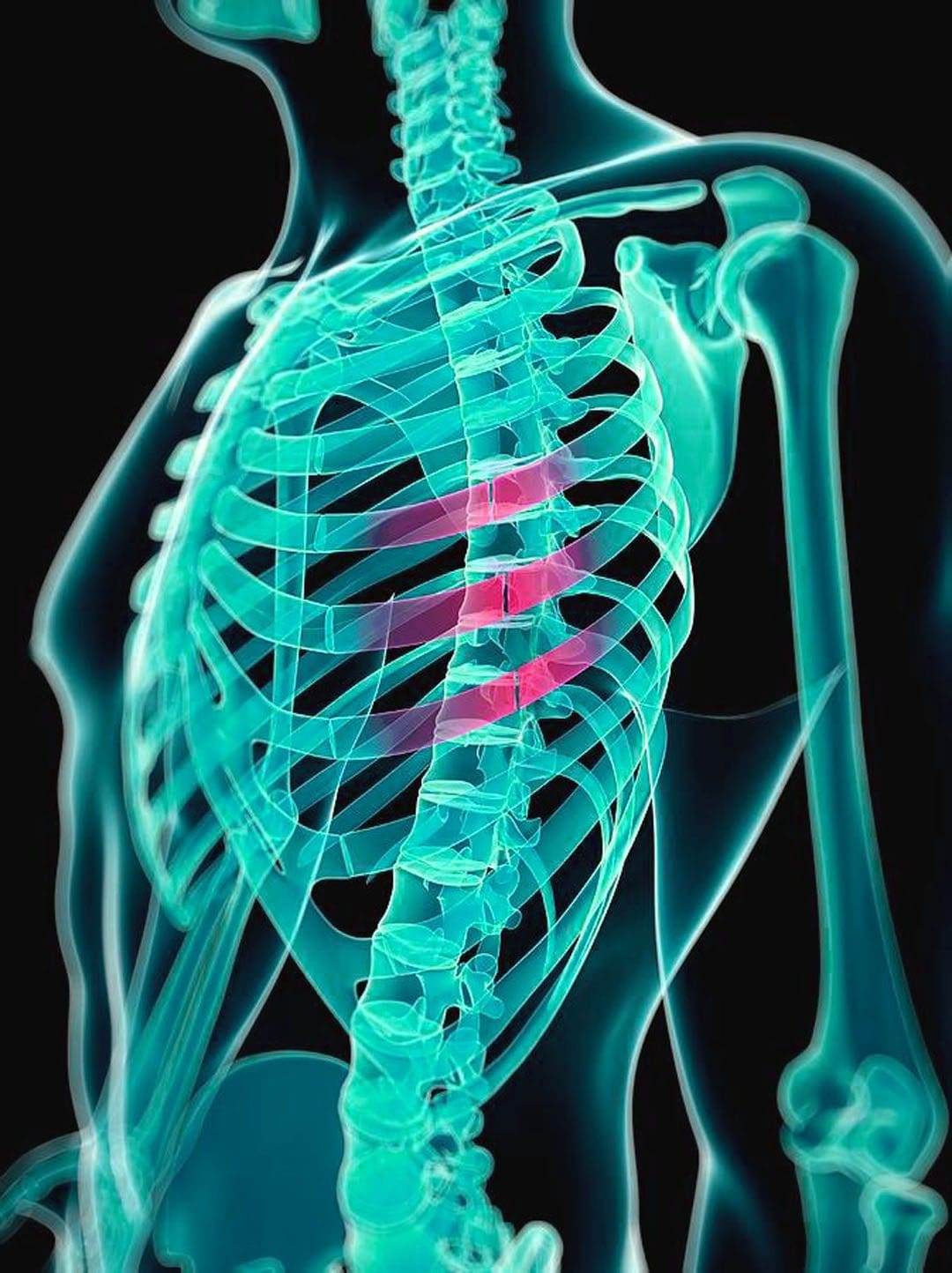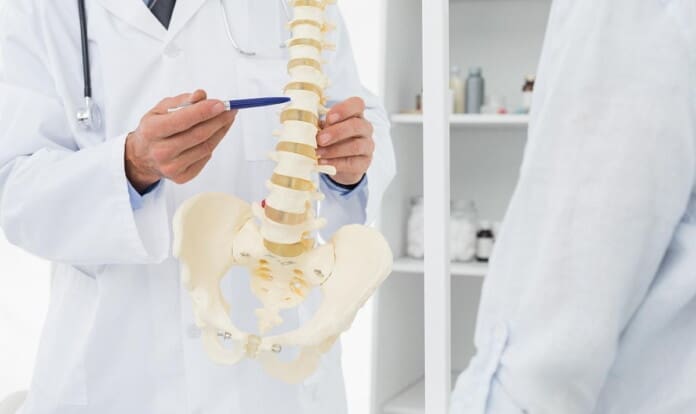
Can individuals with osteoarthritis incorporate spinal decompression therapy to restore spinal mobility and quality of life?
Introduction
As the body ages, so does the spine, as the spinal disc between the joints and the bones starts dehydrating from constant compression through repetitive motions. The many environmental factors contributing to this degenerative disorder can vary within the person and lead to arthritic conditions within the upper and lower extremities. One of the most common types of arthritis is osteoarthritis, and it can affect many people worldwide. Dealing with osteoarthritis in their joints can cause numerous pain-like symptoms that correlate with other body conditions, causing referred pain. However, many treatments can help slow the process of osteoarthritis and relieve the body from the pain-like symptoms of the joints. Today’s article looks at how osteoarthritis affects spinal mobility and how treatments can restore spinal mobility from the effects of osteoarthritis. We talk with certified medical providers who utilize our patients’ information to provide various treatments to reduce the impact of osteoarthritis on the joints. We also inform patients how multiple treatments can help slow down the degenerative process of osteoarthritis. We encourage our patients to ask their associated medical providers intricated and important questions about the pain-like symptoms they are experiencing from osteoarthritis. Dr. Jimenez, D.C., incorporates this information as an academic service. Disclaimer.
How Does Osteoarthritis Affect Spinal Mobility?
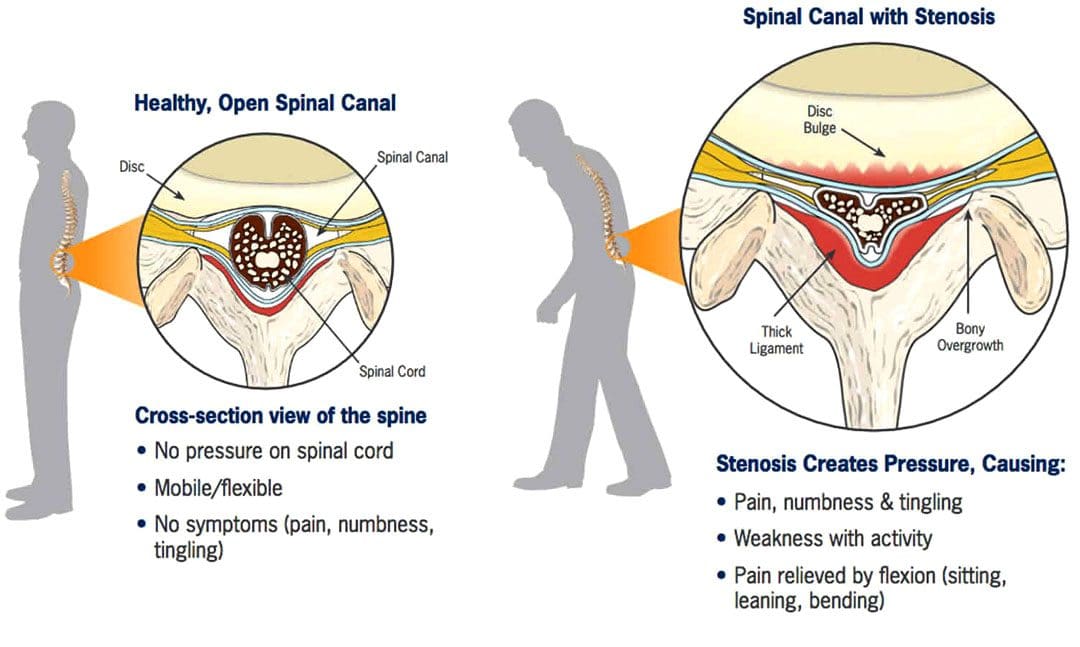
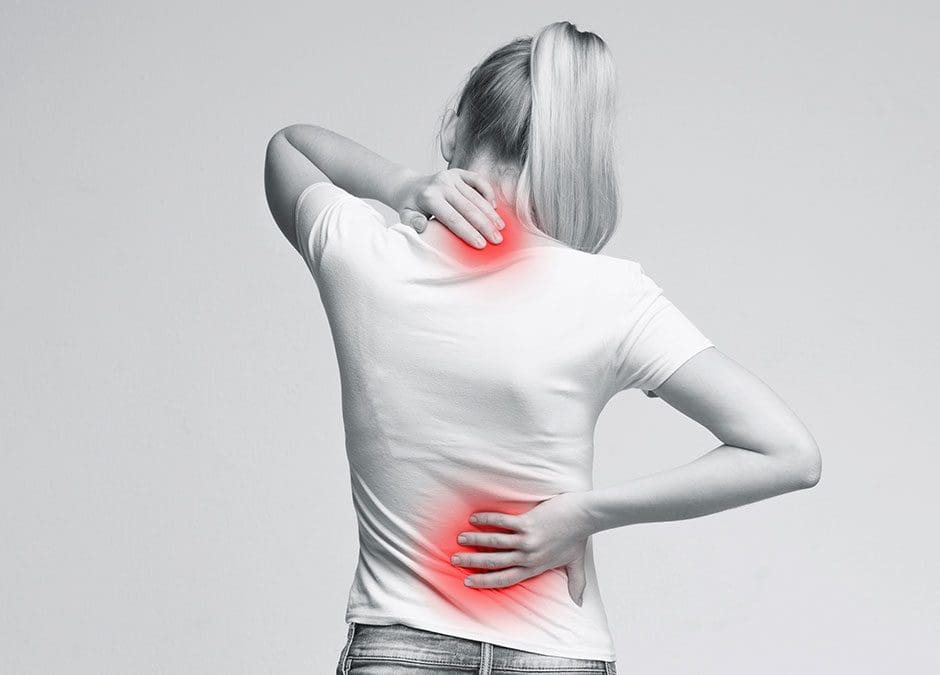
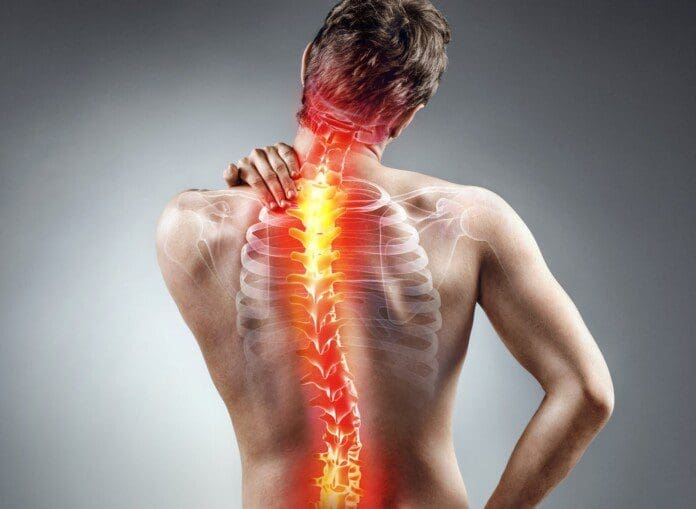
Have you noticed morning stiffness after a good night’s rest? Do you feel tenderness in your joints after some light pressure? Or do you feel limited mobility in your joints, causing a restricted range of motion? Many of these pain-like scenarios are correlated with osteoarthritis, a degenerative joint disorder that has affected many individuals, including older adults. As stated earlier, when the body ages, so do the joints, bones, and spine. Regarding osteoarthritis, the joints will degenerate through natural wear and tear around the cartilage. Osteoarthritis affects multiple joints like the hips and knees, which are the most common, and the spine, and causes numerous sensory-motor dysfunctions. (Yao et al., 2023) When the cartilage around the affected joints starts to deteriorate, the pathogenesis of osteoarthritis causes a disturbed cytokine balance of the proinflammatory cytokines to initiate a vicious cycle that causes cartilage and other intra-articular structure damage around the joint. (Molnar et al., 2021) What this does is that when osteoarthritis starts to affect the joints, it can lead to numerous referred pain-like symptoms.
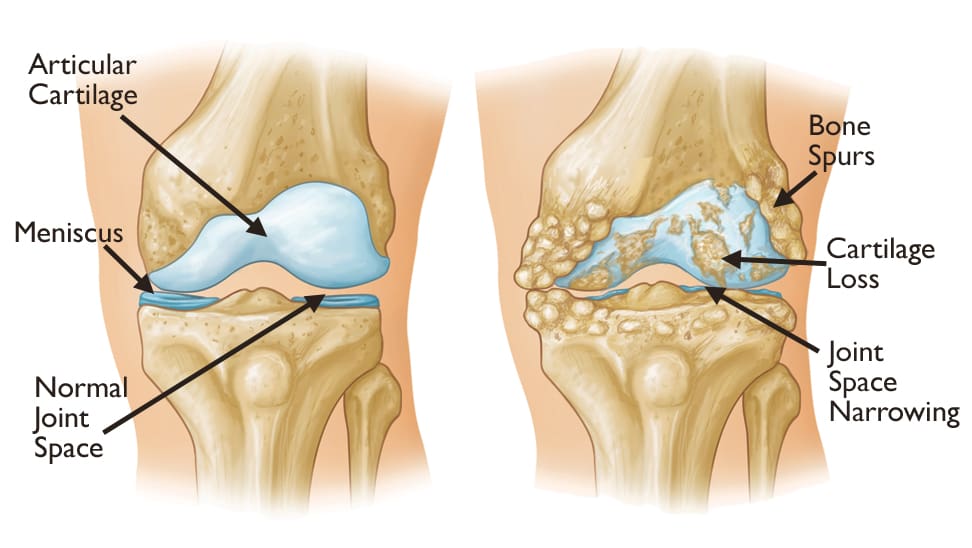
However, although osteoarthritis can affect the joints, naturally, numerous environmental factors do play a part in the development of osteoarthritis. Physical inactivity, obesity, bone deformities, and joint injuries are some of the causes that can progress the degenerative process. The symptoms that are associated with these environmental factors include:
- Pain
- Joint stiffness
- Tenderness
- Inflammation
- Swelling
- Grating sensation
- Bone spurs
Many individuals dealing with pain-like symptoms caused by osteoarthritis will explain to their primary doctors that the pain varies in duration, depth, type of occurrence, impact, and rhythm. This is because the pain from osteoarthritis is complex and multifactorial. (Wood et al., 2022) However, many individuals can look for the help they need to reduce the pain-like issues caused by osteoarthritis through treatments that can slow down the degenerative progress.
An In-depth Look At Spinal Decompression-Video
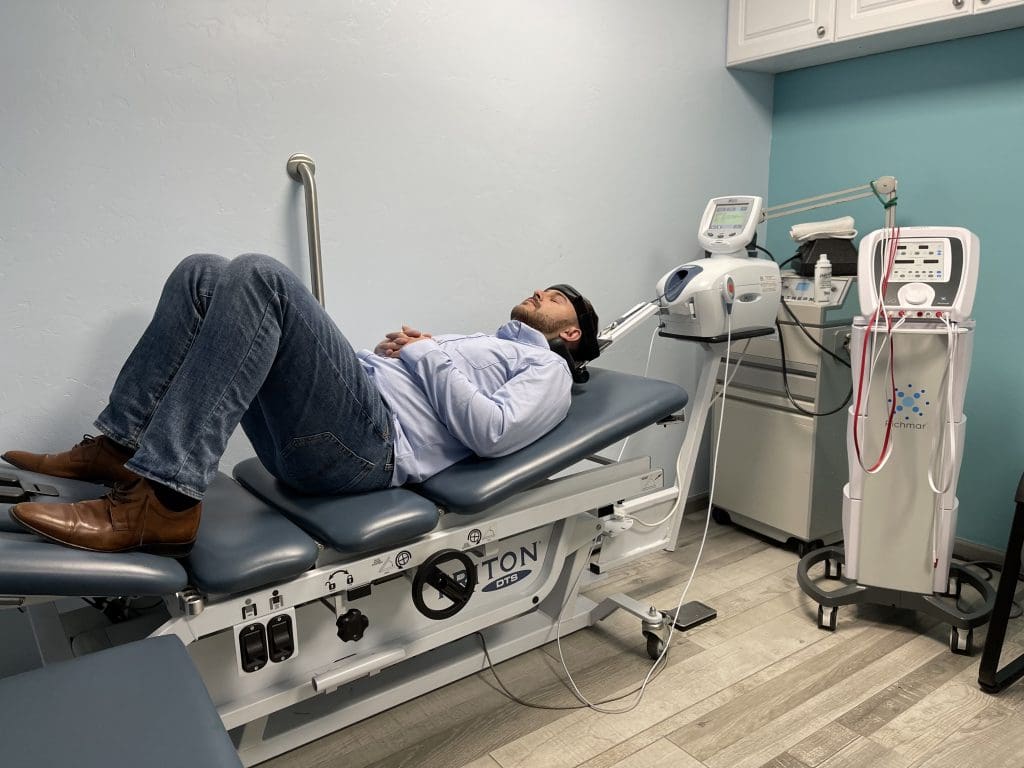
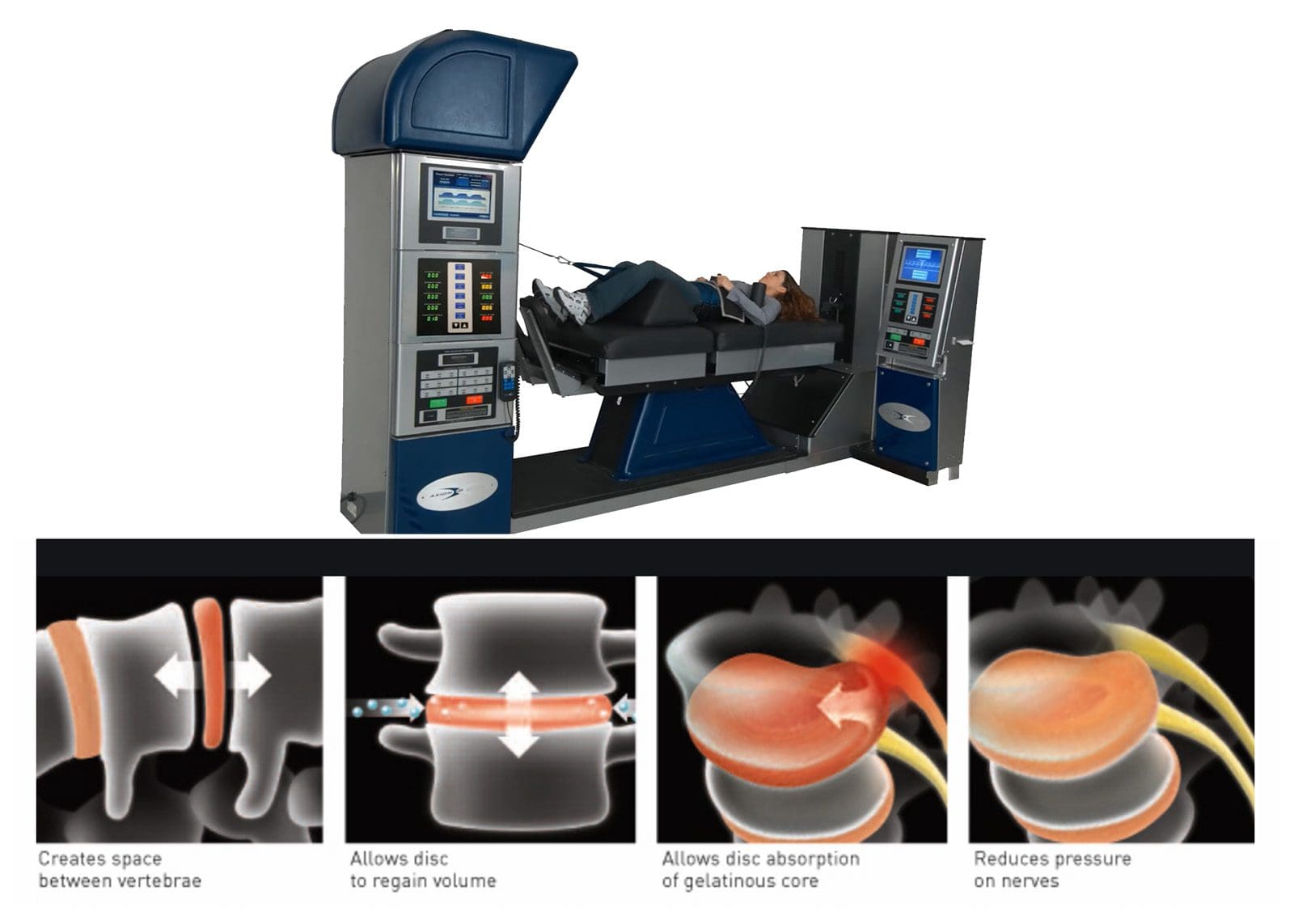
When it comes to seeking treatment to reduce the effects of osteoarthritis, many individuals seek out treatments that are cost-effective and safe for older individuals. Non-surgical treatments could be the solution many individuals seek to reduce the progress of osteoarthritis. When people experiencing osteoarthritis go to non-surgical treatments, they find out that the pain is decreased, their range of motion is increased, and their physical function has improved. (Alkhawajah & Alshami, 2019) At the same time, non-surgical treatments can be combined with other therapies to the individual’s personalized treatment plan. No-surgical treatments can range from chiropractic care to spinal decompression as they work on gently realigning the spine through traction and help reduce joint and muscle pain. The video above gives an in-depth look at spinal decompression and how it can benefit individuals who are in pain.
Spinal Decompression Restoring Spinal Mobility From Osteoarthritis
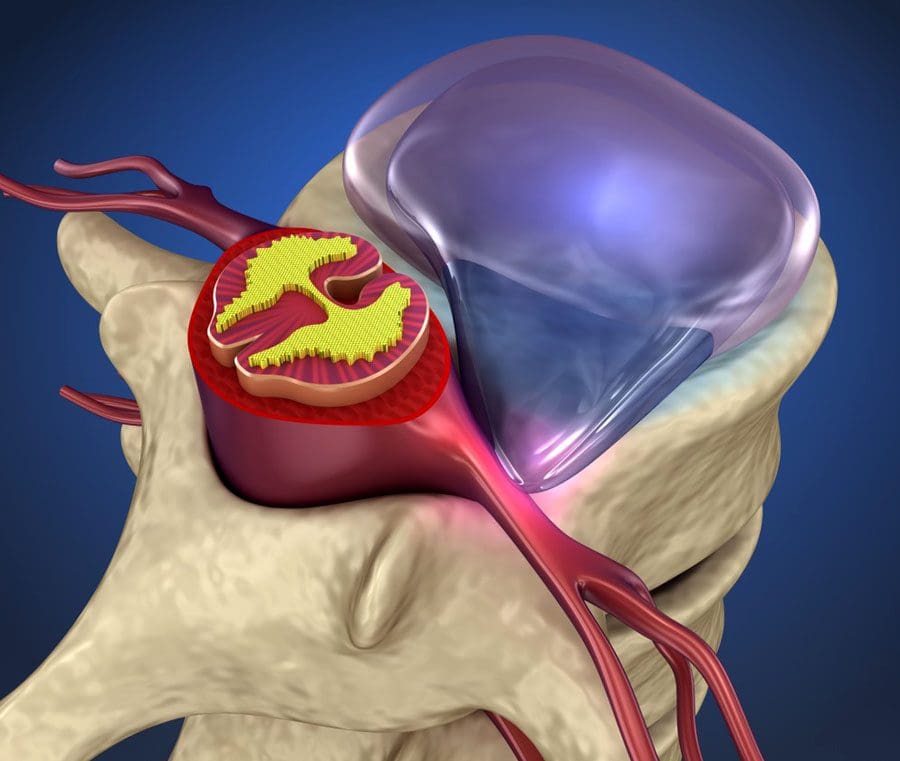
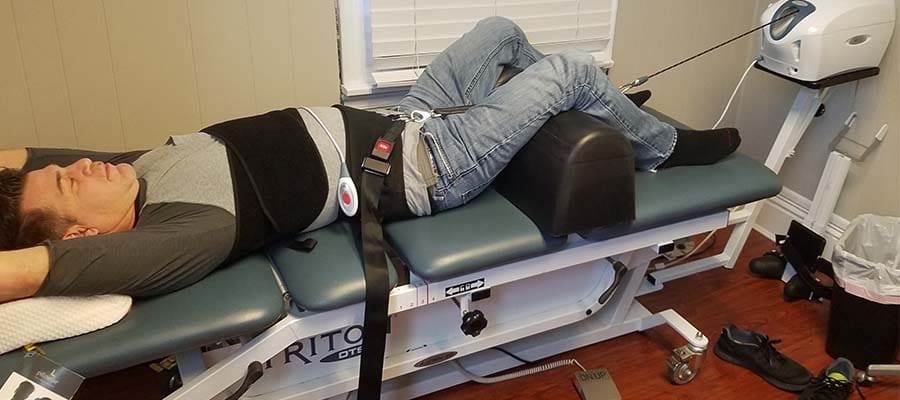
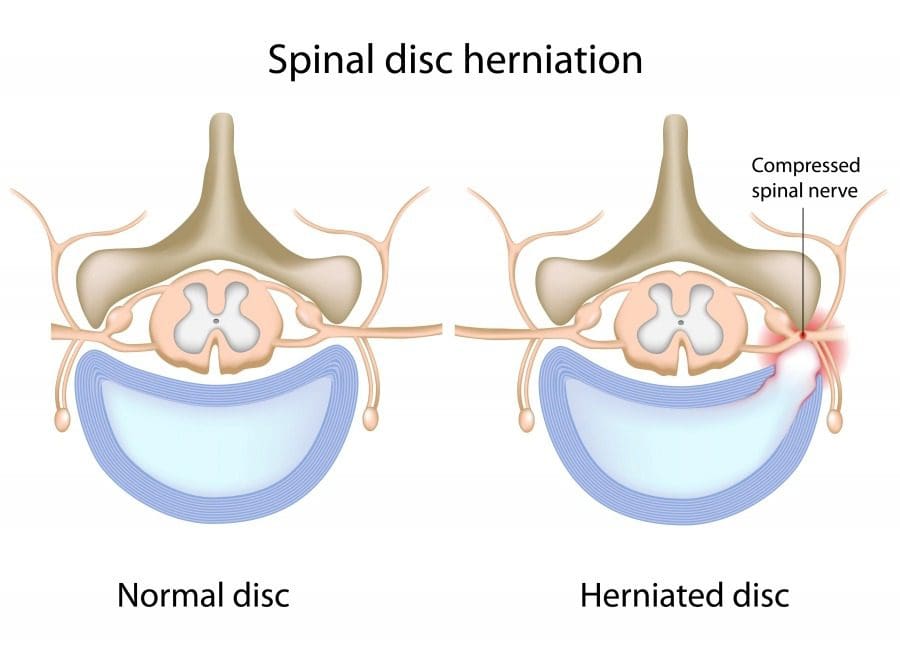
Since spinal decompression is a form of non-surgical treatment, it can help slow down the process of osteoarthritis. Spinal decompression incorporates traction to gently pull on the spine, allowing the discs and joints to be lubricated and permitting the natural healing process to occur. This is because the surrounding muscles that protect the joints are being stretched gently and the vertebral disc space is being increased to allow the disc to be rehydrated and the protrusion to recede back to its original position. (Cyriax, 1950) Spinal decompression can help slow down the degenerative process of osteoarthritis, and when combined with physical therapy, the surrounding muscles, tissues, and ligaments are strengthened.
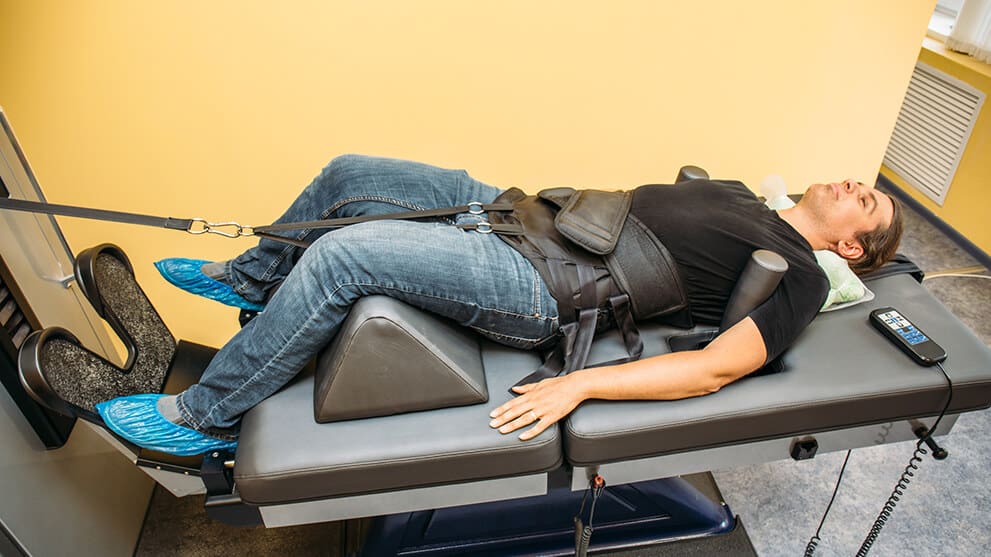
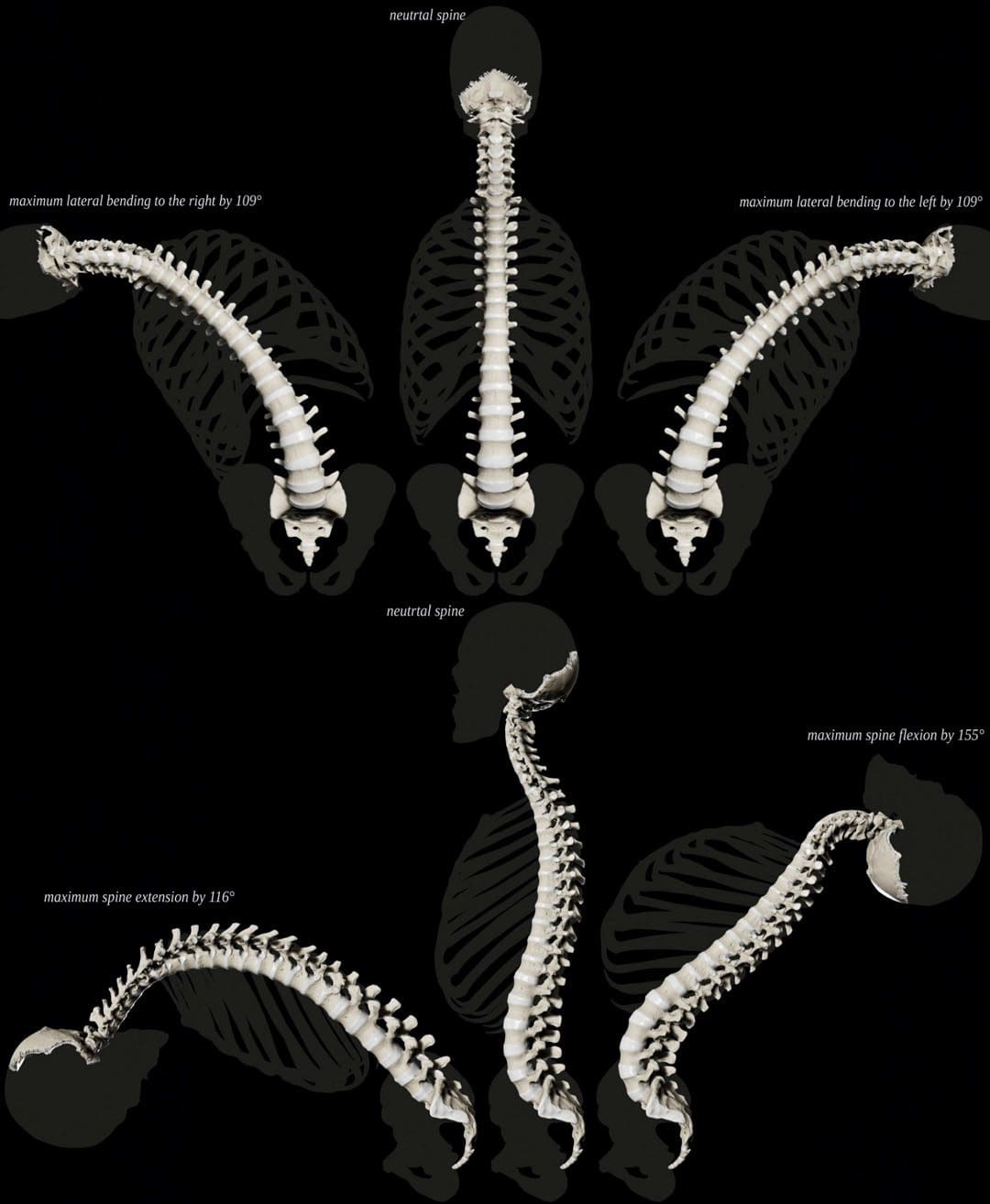
In contrast, joint and spinal mobility and flexibility are increased. Spinal decompression can also help many individuals reduce their chances of surgery, as consecutive sessions can help provide pain relief and functional improvement to the spine. (Choi et al., 2022) When people regain their spinal mobility back to their bodies from spinal decompression, they can make small changes in their daily routine to slow down the degenerative process of osteoarthritis.
References
Alkhawajah, H. A., & Alshami, A. M. (2019). The effect of mobilization with movement on pain and function in patients with knee osteoarthritis: a randomized double-blind controlled trial. BMC Musculoskelet Disord, 20(1), 452. https://doi.org/10.1186/s12891-019-2841-4
Choi, E., Gil, H. Y., Ju, J., Han, W. K., Nahm, F. S., & Lee, P. B. (2022). Effect of Nonsurgical Spinal Decompression on Intensity of Pain and Herniated Disc Volume in Subacute Lumbar Herniated Disc. International Journal of Clinical Practice, 2022, 6343837. https://doi.org/10.1155/2022/6343837
Cyriax, J. (1950). The treatment of lumbar disk lesions. Br Med J, 2(4694), 1434-1438. https://doi.org/10.1136/bmj.2.4694.1434
Molnar, V., Matisic, V., Kodvanj, I., Bjelica, R., Jelec, Z., Hudetz, D., Rod, E., Cukelj, F., Vrdoljak, T., Vidovic, D., Staresinic, M., Sabalic, S., Dobricic, B., Petrovic, T., Anticevic, D., Boric, I., Kosir, R., Zmrzljak, U. P., & Primorac, D. (2021). Cytokines and Chemokines Involved in Osteoarthritis Pathogenesis. Int J Mol Sci, 22(17). https://doi.org/10.3390/ijms22179208
Wood, M. J., Miller, R. E., & Malfait, A. M. (2022). The Genesis of Pain in Osteoarthritis: Inflammation as a Mediator of Osteoarthritis Pain. Clin Geriatr Med, 38(2), 221-238. https://doi.org/10.1016/j.cger.2021.11.013
Yao, Q., Wu, X., Tao, C., Gong, W., Chen, M., Qu, M., Zhong, Y., He, T., Chen, S., & Xiao, G. (2023). Osteoarthritis: pathogenic signaling pathways and therapeutic targets. Signal Transduct Target Ther, 8(1), 56. https://doi.org/10.1038/s41392-023-01330-w