Explore the connection between back problems and fender bender incidents that can be caused. Find solutions and recovery tips inside.
Introduction
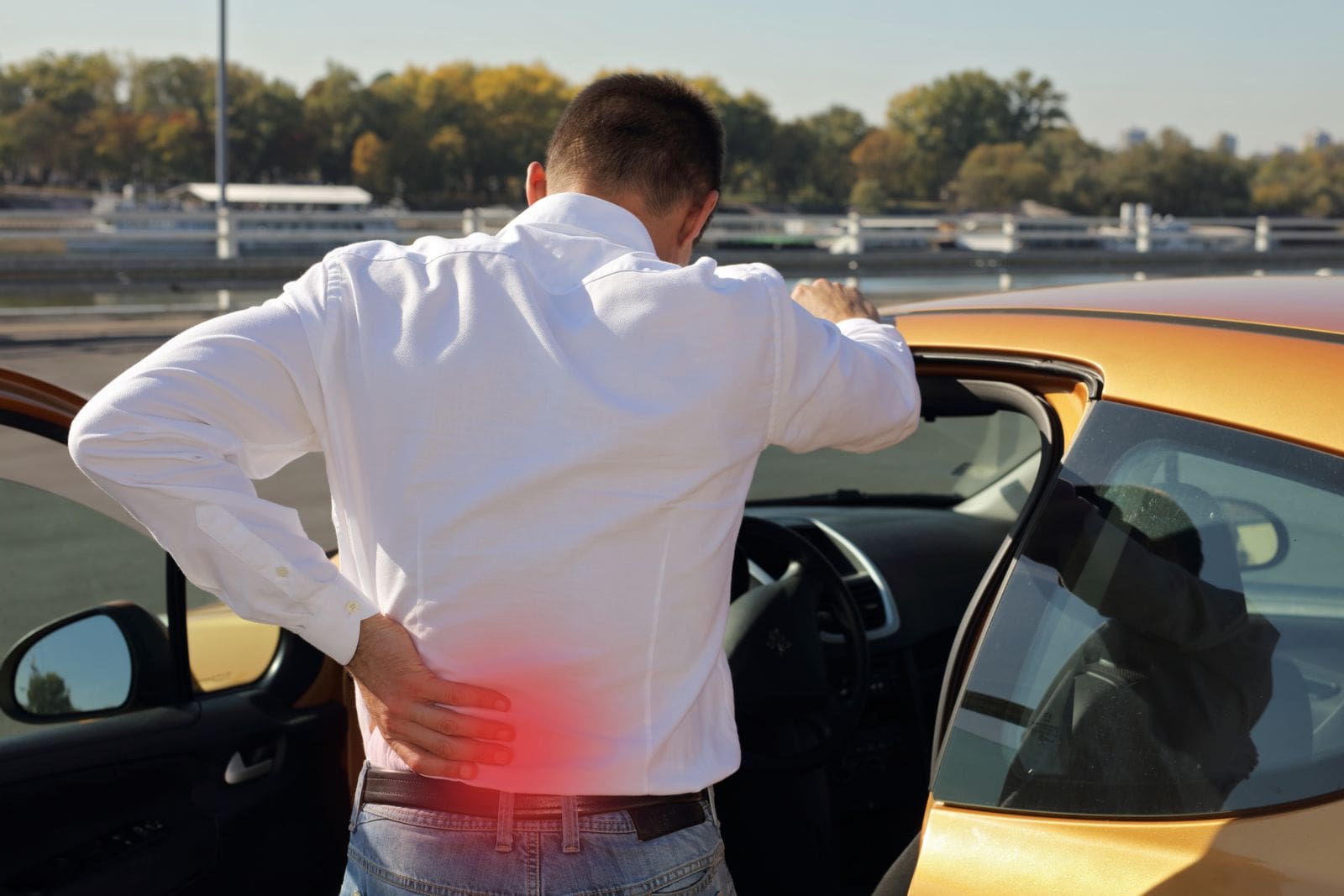
A slight fender bender may cause severe damage to the top, middle, and lower parts of the back due to the abrupt shock. Even minor crashes might result in injuries that cause ongoing agony and anguish. Do you experience back discomfort due to stiffness that makes it difficult to bend and turn? Do you have numbness or tingling in your limbs that you can get rid of simply by shaking them? Or are you unable to get out of bed because of your frequent headaches? After being involved in a fender-bender collision, many of these pain-like sensations are often associated with such situations. This article will cover the five typical back issues that may occur after a vehicle accident, their symptoms, and practical non-surgical treatments, with a particular emphasis on the role that chiropractic therapy plays in many people’s recovery.
Whiplash-Associated Disorders
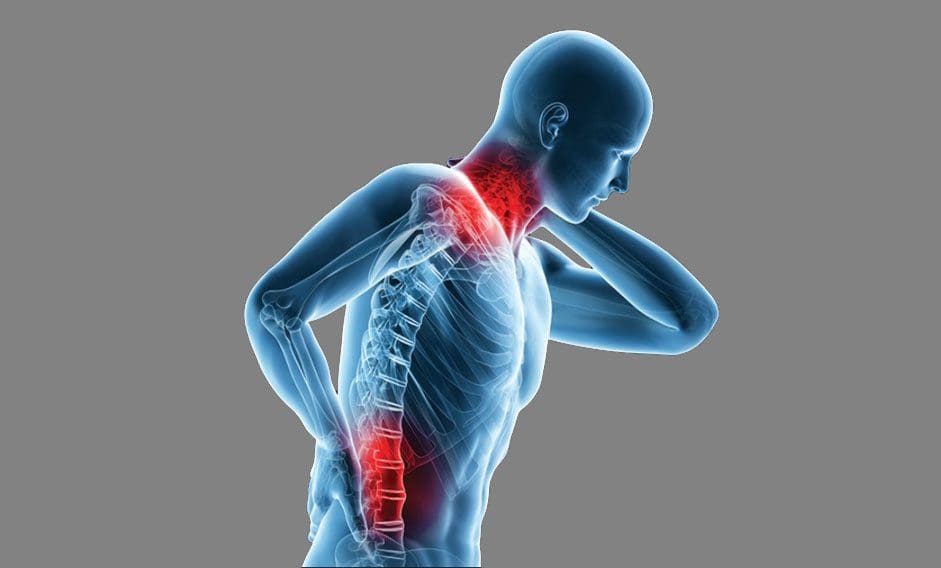
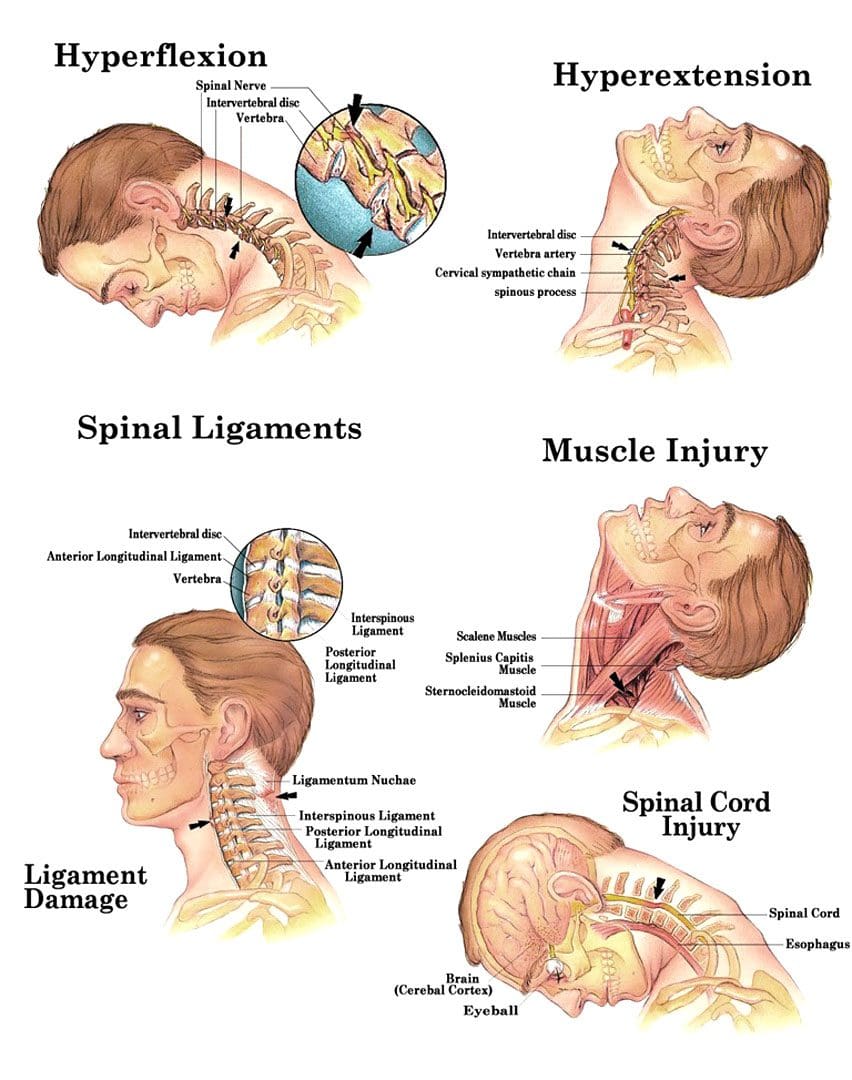
One of the most common injuries in rear-end or front-end collisions is whiplash, where the neck and upper back are forcefully jerked back and forth rapidly like a whip. (Stroke, 2023) This causes the muscles, ligaments, and soft tissues to strain, resulting in pain and discomfort for individuals.
Symptoms
- Neck and upper back pain or stiffness
- Reduced range of motion
- Headaches
- Shoulder pain or tingling in the arms
- Fatigue or dizziness
Non-Surgical Treatments
- Chiropractic Care: Chiropractors use gentle spinal adjustments to restore alignment in the cervical and thoracic spine, reducing tension and improving mobility. Chiropractors incorporate various techniques, such as spinal manipulation and soft tissue therapy, that can help alleviate pain-like symptoms and promote healing of the back.
- Physical Therapy: Individuals can incorporate various stretching and strengthening exercises to help restore flexibility and prevent stiffness.
- Ice and Heat Therapy: Applying a cold pack initially reduces inflammation, while heat later relaxes tight muscles.
- Pain Management: Over-the-counter anti-inflammatory medications (e.g., ibuprofen) can help manage discomfort.
Chiropractic care is particularly effective for whiplash because it addresses misalignments that may contribute to pain and restricted movement, offering a drug-free path to recovery.
Lumbar Sprains & Strains
The lower back (lumbar spine) is vulnerable to sprains (ligament injuries) and strains (muscle or tendon injuries) during a collision. The sudden impact can overstretch or tear these tissues, leading to acute pain.
Symptoms
- Lower back pain that worsens with movement
- Muscle spasms or cramping
- Stiffness or difficulty standing upright
- Pain radiating to the buttocks or thighs
Non-Surgical Treatments
- Chiropractic Care: Chiropractors perform lumbar adjustments to correct spinal misalignments and relieve pressure on affected tissues. They may also employ techniques such as myofascial release to reduce muscle tension.
- Rest and Activity Modification: Short-term rest followed by gradual reintroduction of movement prevents stiffness.
- Therapeutic Exercises: Core-strengthening exercises, guided by a professional, stabilize the lower back. (Quentin et al., 2021)
- Massage Therapy: This complements chiropractic care by relaxing tight muscles and improving circulation.
Chiropractic adjustments help restore proper spinal function, reducing pain and preventing chronic issues from developing in the lumbar region.
Herniated Discs
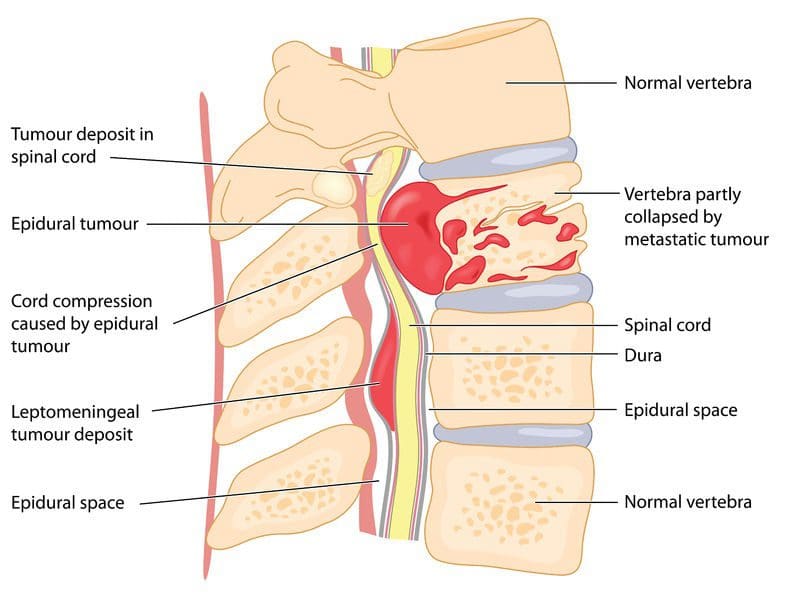
Herniated discs can happen when the soft inner portion of the spinal disc bulges through its outer portion within the spine. (Jin et al., 2023) Individuals involved in an auto collision may experience herniated discs due to the compressive forces, which can cause irritation to nearby nerves and lead to significant discomfort.
Symptoms
- Sharp or burning pain in the back
- Numbing or tingling sensations in the upper and lower extremities
- Weakness in the affected area
- Pain that worsens with sitting, bending, or coughing
Non-Surgical Treatments
- Chiropractic Care: Chiropractors use non-invasive techniques, such as spinal decompression and gentle adjustments, to reduce pressure on the affected disc and nerves. These methods aim to reposition the disc and improve spinal alignment.
- Epidural Steroid Injections: These can reduce inflammation around the nerve roots.
- Physical Therapy: Exercises improve spinal stability and reduce strain on the disc.
- Lifestyle Modifications: Avoiding activities that aggravate the injury, such as heavy lifting, supports healing.
Chiropractic care is a cornerstone of herniated disc treatment, as it focuses on restoring spinal mechanics without surgery, often providing significant relief from symptoms.
Facet Joint Injuries
Facet joints, which connect the vertebrae, can become irritated or injured during a fender bender, especially in side-impact crashes. (Du et al., 2022) This can lead to localized pain and restricted movement.
Symptoms
- Localized back pain, often on one side
- Pain that worsens with twisting or bending
- Tenderness when pressing on the affected area
- Stiffness in the spine
Non-Surgical Treatments
- Chiropractic Care: Chiropractic adjustments target the facet joints to restore proper motion and reduce inflammation. Mobilization techniques can also alleviate stiffness.
- Anti-inflammatory medications help manage pain and swelling.
- Heat Therapy: Applying heat improves blood flow and relaxes surrounding muscles.
- Posture Training: Correcting posture reduces stress on the facet joints. (Torres-Pareja et al., 2019)
Chiropractors excel at treating facet joint injuries by realigning the spine back to its neutral position and improving joint function, which can significantly reduce pain and restore mobility.
Thoracic Spine Injuries
The mid-back (thoracic spine) is less commonly injured due to its stability. However, a fender bender can still cause sprains, strains, or misalignments in this region, especially if the torso twists during impact.
Symptoms
- Mid-back pain or aching
- Stiffness when rotating the torso
- Radiating chest pain in the ribs
- Difficulty taking deep breaths
Non-Surgical Treatments
- Chiropractic Care: Adjustments to the thoracic spine correct misalignments and improve joint mobility. Chiropractors can also incorporate soft tissue techniques, such as MET (muscle energy technique therapy), to address muscle tension.
- Breathing Exercises: These help maintain rib cage mobility and reduce discomfort.
- Postural Exercises: Strengthening the upper back prevents further strain. (Dareh-Deh et al., 2022)
- TENS Therapy: Electrical stimulation therapy can reduce pain by interrupting nerve signals. (Teoli et al., 2025)
Chiropractic care is highly effective for thoracic injuries, as chiropractors can assess the root cause of pain and spinal misalignments while promoting natural healing and recovery.
Why Choose Chiropractic?- Video

The Power of Chiropractic Care
Chiropractic care stands out as a safe, non-invasive, and effective treatment for back problems after a fender bender. By focusing on spinal alignment, joint function, and soft tissue health, chiropractors address the underlying causes of pain rather than just masking symptoms. (Stephen Dies, 1992) Regular chiropractic visits can:
- Reduce pain and inflammation
- Restore range of motion
- Prevent chronic pain by addressing injuries early
- Support overall spinal health
Unlike surgical options, chiropractic care requires no downtime and avoids the overlapping risk profiles associated with invasive procedures. It’s also customizable, with chiropractors tailoring treatments to each patient’s specific injuries and needs.
When to Seek Care
If you experience back pain, stiffness, or other symptoms after a fender bender, don’t wait to seek treatment. Early intervention from auto collisions can help prevent minor injuries from developing into chronic conditions. Consult a chiropractor or healthcare provider for a thorough evaluation, which may include various imaging tests (such as X-rays or MRIs) to assess the extent of the injury that the body has sustained.
Conclusion
Back issues from whiplash to ruptured discs may result after a fender crash, but there is a way to heal with non-surgical therapies, especially chiropractic adjustments. Spinal adjustments, therapeutic exercises, and complementary treatments can help individuals restore their mobility and improve their quality of life by addressing symptoms such as pain, stiffness, and numbness. After a vehicle accident, it’s critical to put your spinal health first and consider chiropractic adjustments as a vital component of your recovery.
Injury Medical Chiropractic & Personal Injury Clinic
We associate certified medical providers who understand the importance of assessing individuals with back pain associated with a fender bender collision. When asking important questions to our associated medical providers, we advise patients to incorporate customized treatment plans for their back pain correlated with being involved in an auto accident to promote speedy recovery. Dr. Alex Jimenez, D.C., utilizes this information as a professional academic service. Disclaimer
References
Dareh-Deh, H. R., Hadadnezhad, M., Letafatkar, A., & Peolsson, A. (2022). Therapeutic routine with respiratory exercises improves posture, muscle activity, and respiratory pattern of patients with neck pain: a randomized controlled trial. Sci Rep, 12(1), 4149. https://doi.org/10.1038/s41598-022-08128-w
Du, R., Xu, G., Bai, X., & Li, Z. (2022). Facet Joint Syndrome: Pathophysiology, Diagnosis, and Treatment. J Pain Res, 15, 3689-3710. https://doi.org/10.2147/JPR.S389602
Jin, Y. Z., Zhao, B., Zhao, X. F., Lu, X. D., Fan, Z. F., Wang, C. J., Qi, D. T., Wang, X. N., Zhou, R. T., & Zhao, Y. B. (2023). Lumbar Intradural Disc Herniation Caused by Injury: A Case Report and Literature Review. Orthop Surg, 15(6), 1694-1701. https://doi.org/10.1111/os.13723
Quentin, C., Bagheri, R., Ugbolue, U. C., Coudeyre, E., Pelissier, C., Descatha, A., Menini, T., Bouillon-Minois, J. B., & Dutheil, F. (2021). Effect of Home Exercise Training in Patients with Nonspecific Low-Back Pain: A Systematic Review and Meta-Analysis. Int J Environ Res Public Health, 18(16). https://doi.org/10.3390/ijerph18168430
Stephen Dies, J. W. S. (1992). Chiropractic treatment of patients in motor vehicle accidents: a statistical analysis †. J Can Chiropr Assoc., 36(3), 139-145. https://pmc.ncbi.nlm.nih.gov/articles/PMC2484939/
Stroke., N. I. o. N. D. a. (2023). Whiplash Information Page. Retrieved from https://www.ninds.nih.gov/health-information/disorders/whiplash
Teoli, D., Dua, A., & An, J. (2025). Transcutaneous Electrical Nerve Stimulation. In StatPearls. https://www.ncbi.nlm.nih.gov/pubmed/30725873
Torres-Pareja, M., Sanchez-Lastra, M. A., Iglesias, L., Suarez-Iglesias, D., Mendoza, N., & Ayan, C. (2019). Exercise Interventions for Improving Flexibility in People with Multiple Sclerosis: A Systematic Review and Meta-Analysis. Medicina (Kaunas, Lithuania), 55(11). https://doi.org/10.3390/medicina55110726















 Common Causes Of Whiplash