Introduction
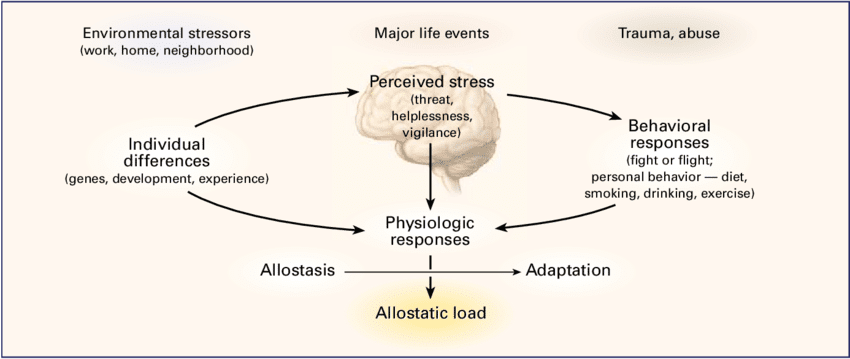
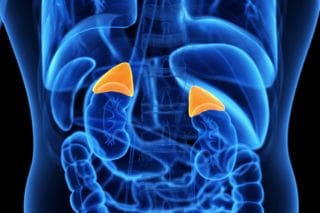
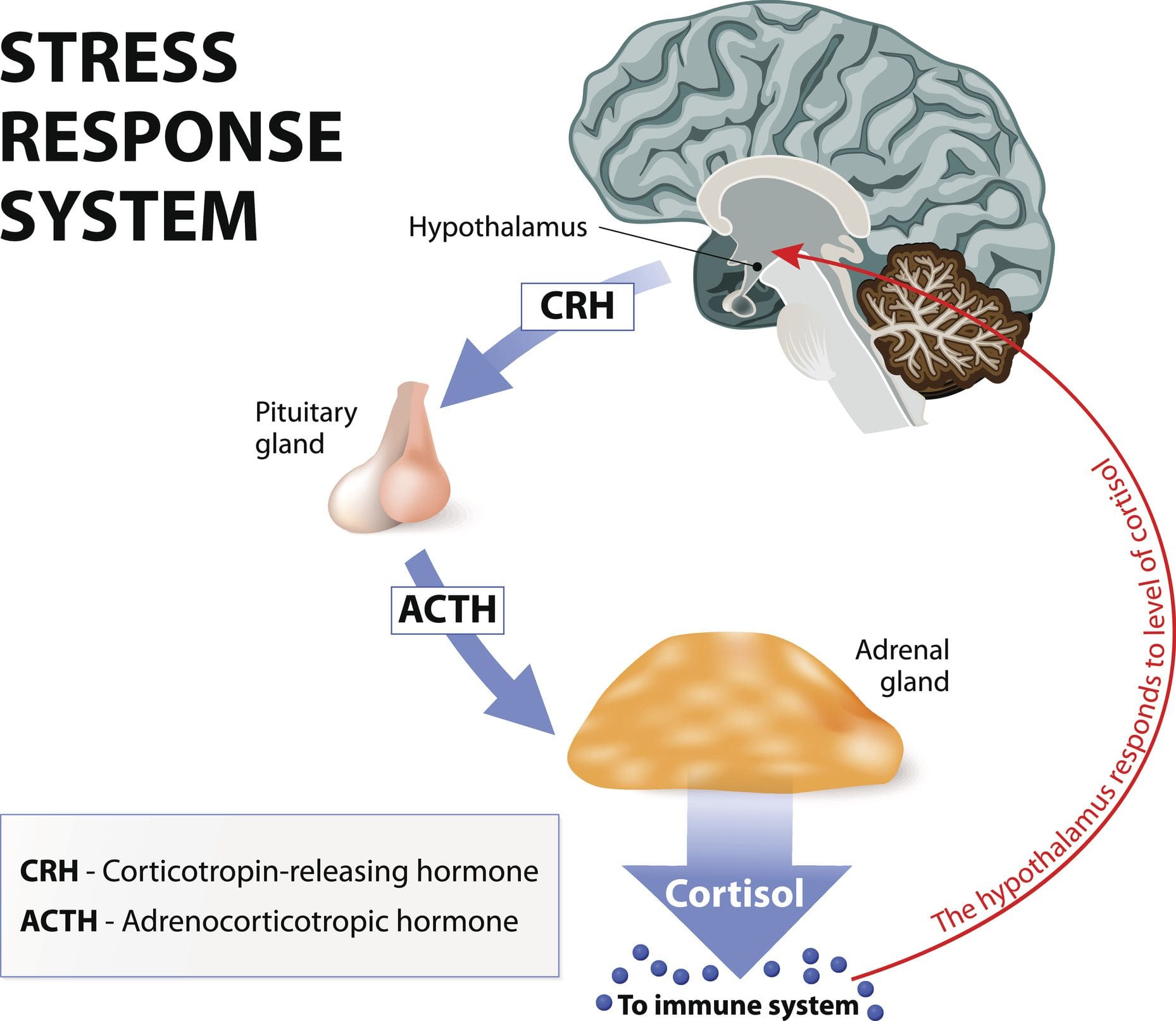
Every day the body deals in stressful situations constantly. Sometimes stress can be beneficial to the body by giving it a mini boost of energy to get things done, but it can also cause the body harm if it is prolonged and can cause damage to the affected areas. When it comes to the immune system, the cells make sure that viruses and unwanted pathogens are being taken care of by sending messages to the brain so that way the body can repair itself naturally. Everybody has ways to deal with stress and make sure that the body is healthy to tackle whatever is coming at them. Stress is a hormone that is secreted out from the adrenal glands travels through the bloodstream and deposits to the necessary organs and cells that need the stress hormone. When the adrenal glands start to underproduce or overproduce hormones into the bloodstream, it can cause mixed signals to the brain and over time can cause the body to develop chronic illnesses. In this 3 part series, we will be discussing how the immune-brain connection work, how stress affects them, and natural ways to lower the body’s stress level. Part 1 took a look at stress and the immune-brain connection worked abd how the adrenal glands play their role. Part 2 discussed what hypocortisolism is and its symptoms.
By referring patients to qualified and skilled providers who specialized in hormone wellness services, we advise our patients to appropriately refer to our associated medical providers based on their examination. We find that education is the key when asking valuable questions to our providers. Dr. Jimenez DC provides this information as an educational service only. Disclaimer
Can my insurance cover it? Yes, in case you are uncertain here is the link to all the insurance providers we cover. If you have any questions, please call Dr. Jimenez at 915-850-0900.
The Immune-Brain System
The immune system is where there are protective cells that fight off viral infections that enter the body. The signals that the immune system sends to the brain that they are fighting off viral infections and the brain sends the signal back to regulate the immune system. Just like the gut-brain connection, research shows that the communication pathways that the brain and the immune system are linked. When there are normal signals that are activated from the immune system, they serve to regulate the immune response and are being represented primarily by proinflammatory cytokines from the brain. The immune-brain connection is important because the immune system can’t self-regulate but function closely with the nervous system in the brain. Studies also showed that when there are long-range interactions between the immune cells and the central nervous system, this will allow the immune system’s engagement to the body to fight off infections from pathogenic microorganisms and permit the brain to regulate immune function.
How Can Stress Affect My Immune System?
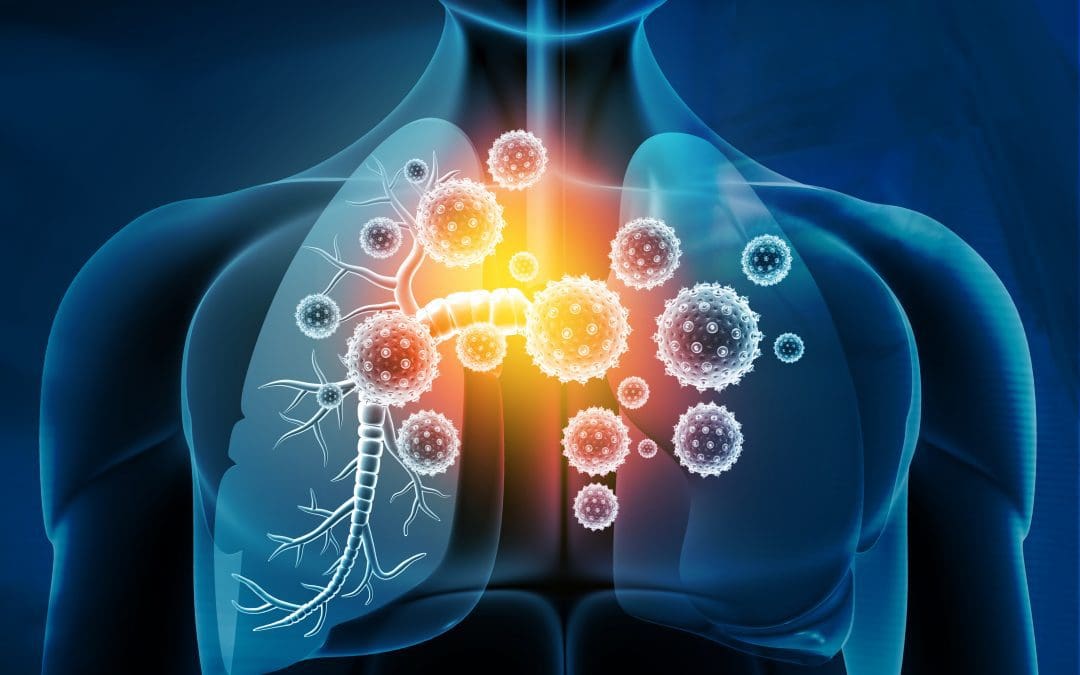
When there are unwanted pathogens and viruses entering the body, the immune system comes in and attacks those viruses. When there are stress-inducing changes that are affecting the immune system, it can release the ‘fight or flight’ natural response that the body is enduring. Studies have also shown that prolonged chronic stress can suppress the protective immune responses and damaged the immune system. Some of the factors that stress can affect the immune system can include:
- IBS
- Stress increases the HPA axis and both branches of the ANS
- Cortisol, NE, Ach inhibit the mucosal immune system, especially Th1-type responses.
- The shift toward Th2 cytokine responses (IL-4 ) can further inhibit Th1 responses.
- IBD
- CRF response blunted, leading to diminished Cortisol and NE release.
- Favor production of Th1 cytokines and proliferation of macrophages, natural killer (NK) cells, and cytotoxic T cells (Tc).
- TNF stimulates IL-1 (Th1 pathway) and IL-6 (by lymphoid and nonlymphoid tissues).
- Chronic stress
- Both types shift to Th1 response.
- TNF-, IL-1, and IL-6 increase to concentrations that stimulate CRF production
- Both IFN (Th1 cytokine), produced by NK cells in response to TNF, and IL-4 (a Th2 cytokine)
How Can Stress Affect My Brain?
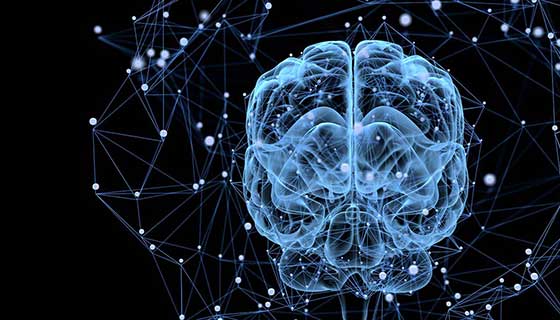
Stress can play a huge role in affecting the brain. As studies have shown the brain is the primary organ to stress reactivity, coping, and the recovery process that the body went through. The brain is part of the central nervous system and it distributes a neural circuitry signal to determine what is threatening the body and how stressful is it to the individual. When this is happening constantly, repeated stress will affect brain function, especially on the hippocampus. With high concentrations of cortisol and NMDA receptors participating it can cause a problem to verbal memory and memory context, while also causing an impairment. This will decrease the reliability and accuracy of contextual memories. Other factors of how stress can affect the brain include:
- Damages may exacerbate stress by preventing access to the information that is needed to decide that a situation is not a threat
- Regulating the stress response and acts to inhibit the response of the HPA axis to stress
- The hippocampus alterations in both structure and function have been identified in long term stress
- Volume loss demonstrated in PTSD, depression, Cushing’s syndrome
- Functional changes include reduction in hippocampal excitability, long-term potentiation, and memory.
Natural Remedies For Lowering Stress

There are many ways to lower stress levels that are affecting the body naturally. Some individuals find hobbies that they want to partake in. Others would go exercise to relieve the stress by going hard and feeling relief after a good session. Or for those that are suffering from mental stress, mediation is great to make the mind clear and relax the body. Some of the natural remedies that can help lower stress are certain vitamins and minerals that can not only dampen the effects of stress but also boost the body’s own immunity so that way the body can feel good. These include some of the following:
- Vitamin C
- B Vitamins
- Calcium
- Magnesium
- L-theanine
- Sterolins
- Ginseng
- Rhodiola
- Ashwagandha
Magnesium
Magnesium is an important mineral when dealing with stress. Studies have shown that magnesium is critical when the body is dealing with stress and that it has positive effects on the brain. Some of the stressful situations in that magnesium can help dampen its effects are:
Magnesium Benefits
Some benefits that magnesium offers the body include:
- Muscle relaxant-Ca channel blocker and lowering platelet aggregation
- Thins the blood
- Blocks Ca uptake
- Relaxes blood vessels
- Improves cardiac contractibility which alleviates oxygenation of the heart
L-theanine
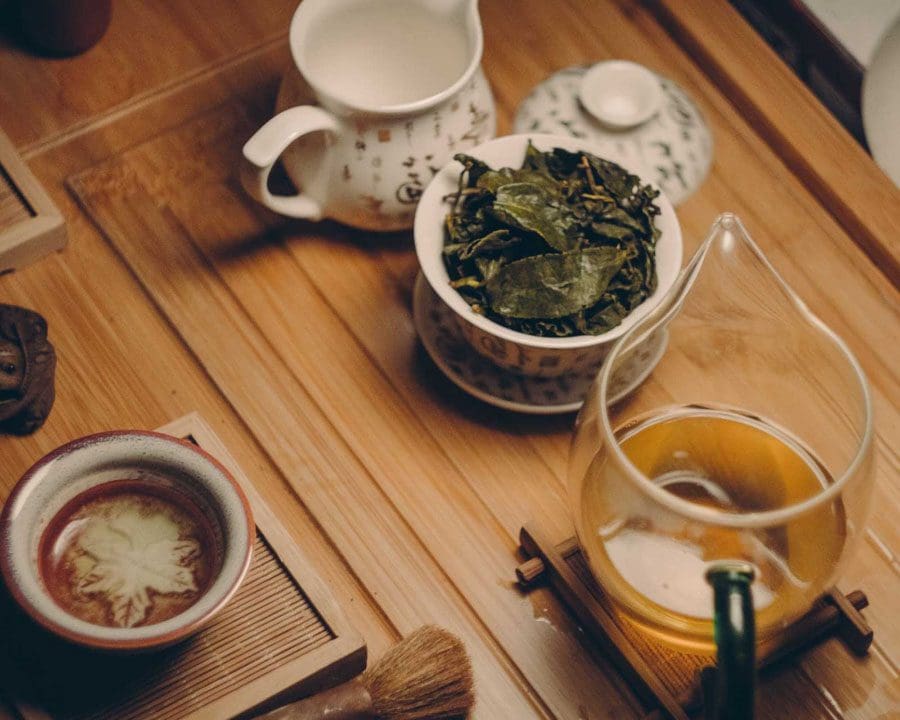
Green tea contains 1% to 3% theanine and L-theanine has historically been used for its relaxing and anti-anxiety effects. Studies have shown that L-theanine is an analog of glutamate and even demonstrates a protective effect on neuroexcitotoxicity by decreasing ischemic neuronal death in the forebrains of animal models. Research also shows that L-theanine is a unique amino acid in green tea and can mediate through glutamate receptors that the body is producing.
L-theanine Benefits
The amino acid found in green tea can act antagonistically against the stimulatory effects of caffeine in the tea on the nervous system. Some of the beneficial properties that l-theanine is that it can increase GABA (gamma-amino-butyric acid), and reduce restlessness, insomnia, and other disruptive conditions. Even taking l-theanine in supplemental form or sipping it in tea form can increase the levels of dopamine, increase alpha waves (meditative state), and improve mental awareness. Some more beneficial properties that L-theanine can provide include:
- Antagonistic effects on glutamate and N-methyl-D-aspartate (NMDA) receptors
- Reduces norepinephrine levels and decreases systolic and diastolic blood pressure
- Suppresses the stimulatory effects of caffeine
Plant Sterolins
Plant Sterolins has been used in Germany for over 30 years and is a patented blend of plant sterols and sterolins while also being a natural pine source. Studies have shown that sterols are an integral component that is in plants can range from regulating the growth and development to stress resistance and the diversity of sterols and their conjugated forms can allow plants to adapt in any environmental stress conditions.
Plant Sterolin Benefits
Some of the beneficial properties that plant sterolin can provide the body is that it can modulate targets the regulatory CD4 helper cells which tell the immune system when to be more active or when to switch off to prevent damage to healthy tissues. Other beneficial properties include:
- Immune modulating activity
- Modulate enhances Natural Killer (NK) cell activity
- Modulate balances TH1 and TH2 cells
Siberian Ginseng

Sold in the United States as ‘Siberian Ginseng’, the plant is a spiny-stemmed shrub found in northeast Asia and Japan and has been prescribed for medicinal use in France, Germany, Russia, and China. The parts that are used are the dried roots and root bark. Studies have found that ginseng can effectively help regulate immune response and hormonal changes that are caused by stress. By lowering the pro-inflammatory responses in the body, it can make a person feel relaxed and stress-free.
Siberian Ginseng Benefits
There are many beneficial properties that ginseng can provide the body. Ginseng contains antioxidants that the body needs in order to dampen inflammatory responses from acute or chronic inflammation that is affecting the body. Other beneficial properties that ginseng provides include:
Rhodiola Rosea
Rhodiola Rosea is a plant in the Crassulaceae family that grows in cold regions of the world. Also known as goldenor ‘arctic’ root, it has been used for centuries to cope with the cold Siberian climate. Studies have found that Rhodiola Rosea can help improve the body’s natural pathogens that indicate where stress hormones are being released and boost the energy metabolism in the body.
Rhodiola Rosea Benefits
Initial studies also revealed cardioprotective benefits due to the antiarrhythmic effect of Rhodiola Rosea and protection against reperfusion injury while limiting adrenergic effects on the heart during stress. It also helps reduce catecholamines during the alarm phase of stress and after intense exercise and may influence levels of monoamines and beta-endorphins. Some of the beneficial properties that Rhodiola Rosea can offer an individual include:
Ashwagandha

Ashwagandha is described as “Indian ginseng” in Ayurvedic, Indian, and Unani medicine and is used in traditional African medicine. When there are high levels of cortisol in the body, ashwagandha can help lower the cortisol levels and bring them back to normal. Adding this herb into a person’s diet can help promote a healthier lifestyle and be stress-free.
Ashwagandha Benefits
Ashwagandha has many beneficial properties that not only help with lowering stress that a person is suffering from but it can also help aid the following:
Conclusion
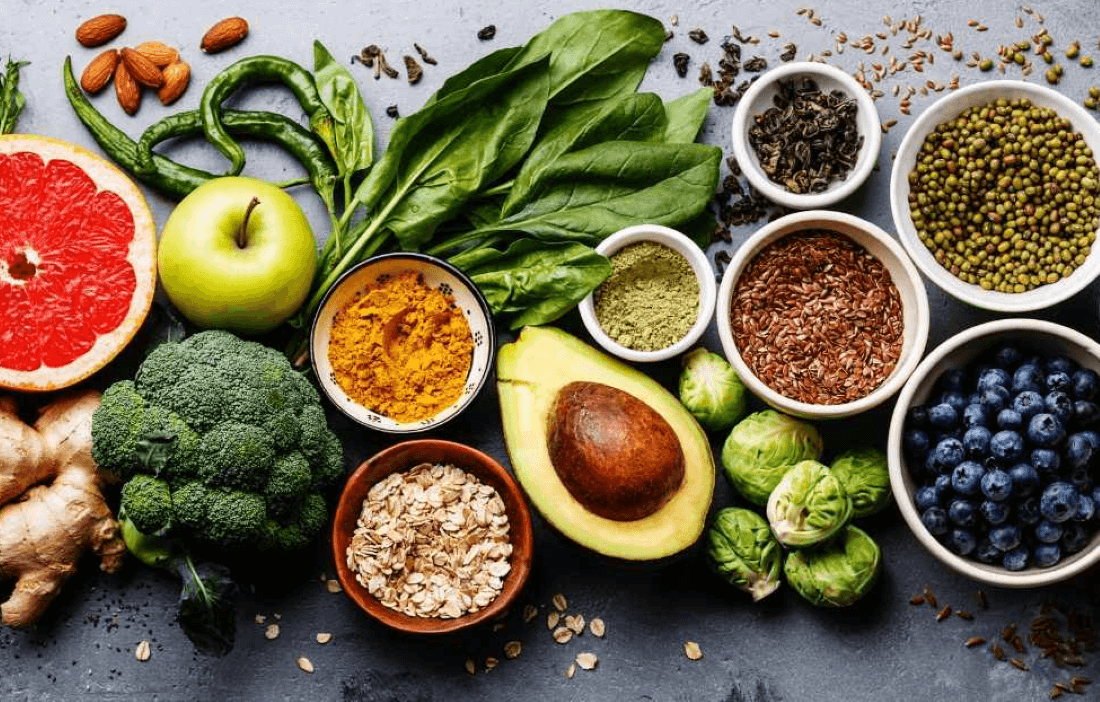
All in all the body needs stress in order to function in small amounts. Without it, the body can get damaged and over time developed chronic illnesses that can do more harm than good. By finding natural ways to regulate the stress hormone through proper exercise and healthy food, the body can recover and repair not only the immune system but all the organs, cells, and nerves where stress and inflammation reside.
References
Anghelescu, Ion-George, et al. “Stress Management and the Role of Rhodiola Rosea: A Review.” Taylor & Francis, 11 Jan. 2018, https://www.tandfonline.com/doi/full/10.1080/13651501.2017.1417442.
Cuciureanu, Magdalena D. “Magnesium and Stress.” Magnesium in the Central Nervous System [Internet]., U.S. National Library of Medicine, 1 Jan. 1970, https://www.ncbi.nlm.nih.gov/books/NBK507250/.
Dantzer, Robert, and Emmanuelle E Wollman. “[Relationships between the Brain and the Immune System].” Journal De La Societe De Biologie, U.S. National Library of Medicine, 2003, https://pubmed.ncbi.nlm.nih.gov/12910622.
Dantzer, Robert. “Neuroimmune Interactions: From the Brain to the Immune System and Vice Versa.” Physiological Reviews, American Physiological Society, 1 Jan. 2018, https://www.ncbi.nlm.nih.gov/pmc/articles/PMC5866360/.
Dhabhar, Firdaus S. “Effects of Stress on Immune Function: The Good, the Bad, and the Beautiful.” Immunologic Research, U.S. National Library of Medicine, May 2014, https://pubmed.ncbi.nlm.nih.gov/24798553/.
Hidese, Shinsuke, et al. “Effects of L-Theanine Administration on Stress-Related Symptoms and Cognitive Functions in Healthy Adults: A Randomized Controlled Trial.” Nutrients, MDPI, 3 Oct. 2019, https://www.ncbi.nlm.nih.gov/pmc/articles/PMC6836118/.
Lee, Seungyeop, and Dong-Kwon Rhee. “Effects of Ginseng on Stress-Related Depression, Anxiety, and the Hypothalamic-Pituitary-Adrenal Axis.” Journal of Ginseng Research, Elsevier, Oct. 2017, https://www.ncbi.nlm.nih.gov/pmc/articles/PMC5628357/.
McEwen, Bruce S, and Peter J Gianaros. “Central Role of the Brain in Stress and Adaptation: Links to Socioeconomic Status, Health, and Disease.” Annals of the New York Academy of Sciences, U.S. National Library of Medicine, Feb. 2010, https://www.ncbi.nlm.nih.gov/pmc/articles/PMC2864527/.
Medical Professionals, Cleveland Clinic. “What Is Ashwagandha?” Cleveland Clinic, Cleveland Clinic, 4 May 2021, https://health.clevelandclinic.org/what-is-ashwagandha/.
Rogowska, Agata, and Anna Szakiel. “The Role of Sterols in Plant Response to Abiotic Stress – Phytochemistry Reviews.” SpringerLink, Springer Netherlands, 10 July 2020, https://link.springer.com/article/10.1007/s11101-020-09708-2.
Segerstrom, Suzanne C, and Gregory E Miller. “Psychological Stress and the Human Immune System: A Meta-Analytic Study of 30 Years of Inquiry.” Psychological Bulletin, U.S. National Library of Medicine, July 2004, https://www.ncbi.nlm.nih.gov/pmc/articles/PMC1361287/.
Disclaimer