Introduction
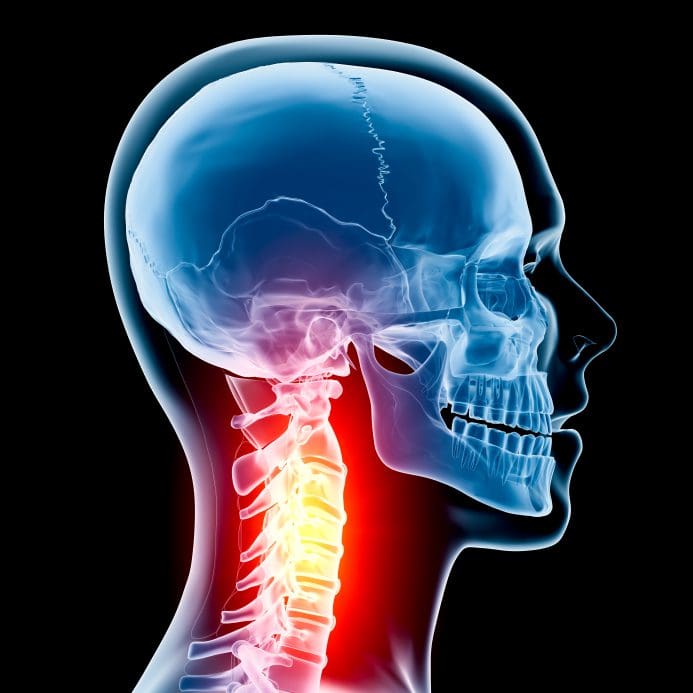
The spine provides many functions that the body requires when it is on the move. Without it, the body will not be able to stay upright and give the everyday movement that the body needs. The spine has three sections that provide an S-shaped curvature in the back: cervical, thoracic, and lumbar. These three sections of the spine have ligaments, soft muscle tissues, and spinal nerves enveloped around the spine to protect the spinal cord. The spinal cord consists of spinal discs and a spinal column part of the central nervous system. When acute injuries or traumas start to affect the spine, it can develop a bulging disc in the spine. Today’s article will focus on the signs of a bulging disc, how a person can distinguish between disc herniation and a bulging disc, and how decompression traction can help prevent bulging discs from developing further into herniation. Referring patients to qualified and skilled providers who specialize in spinal decompression therapy. We guide our patients by referring to our associated medical providers based on their examination when it’s appropriate. We find that education is essential for asking insightful questions to our providers. Dr. Alex Jimenez DC provides this information as an educational service only. Disclaimer
Can my insurance cover it? Yes, it may. If you are uncertain, here is the link to all the insurance providers we cover. If you have any questions or concerns, please call Dr. Jimenez at 915-850-0900.
Signs You Have Bulging Discs
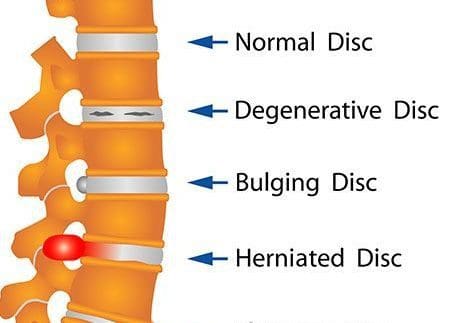
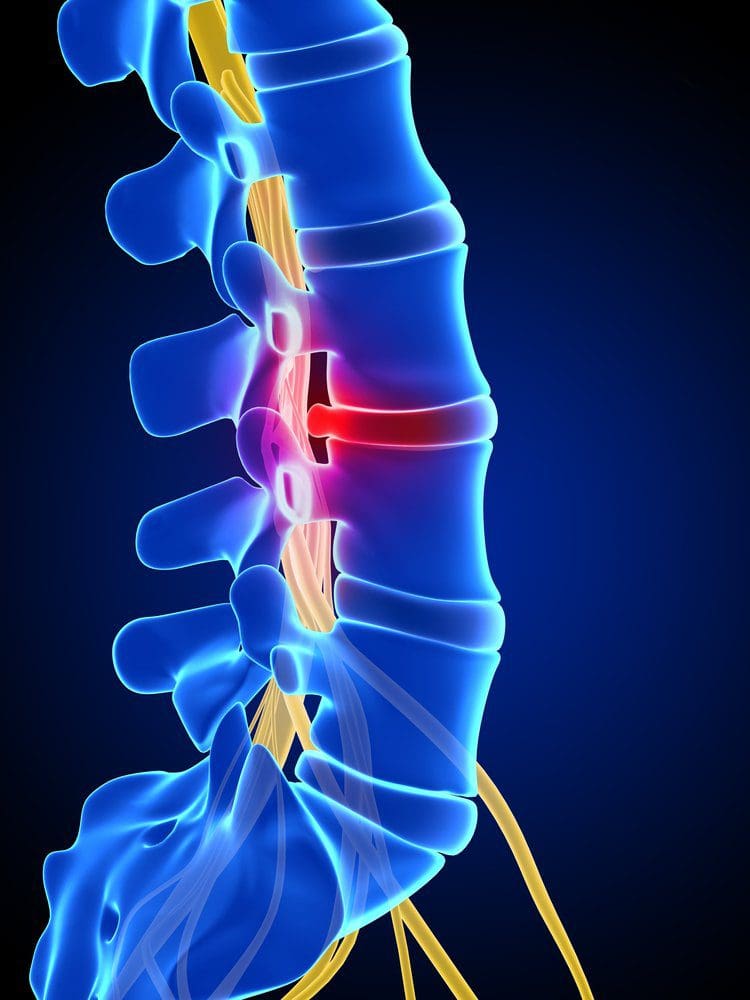
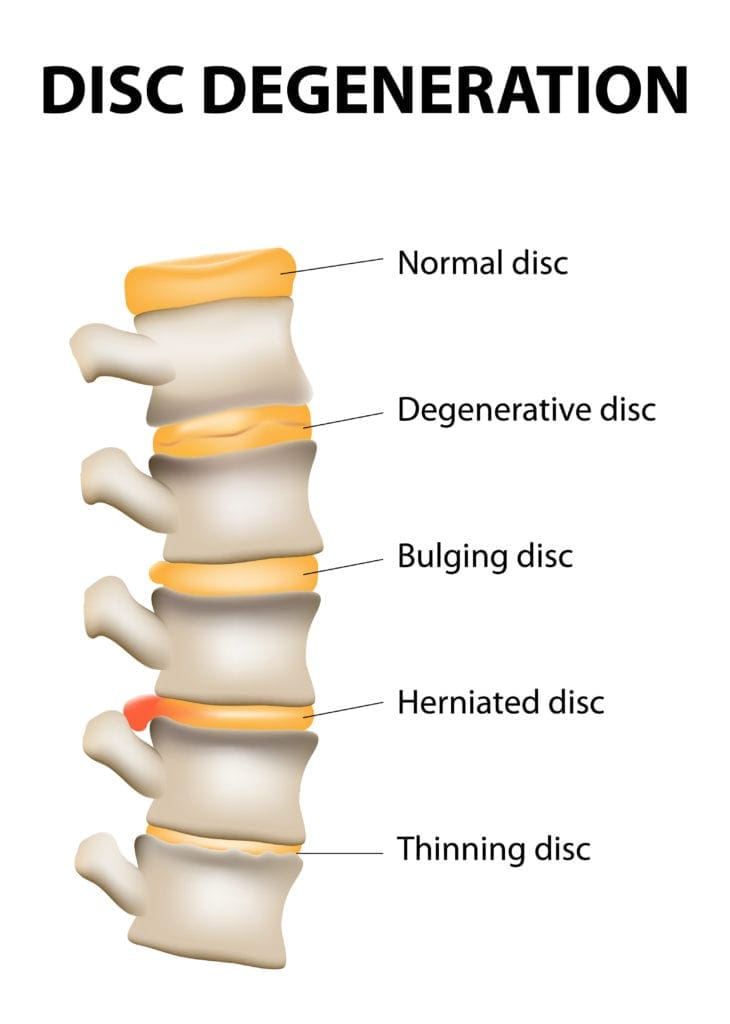
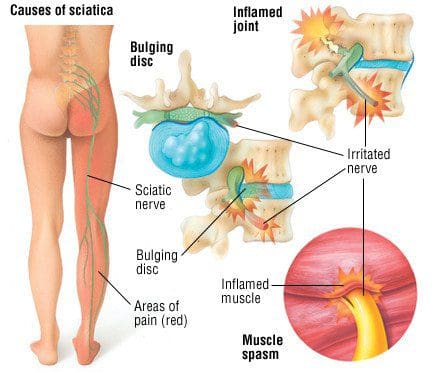
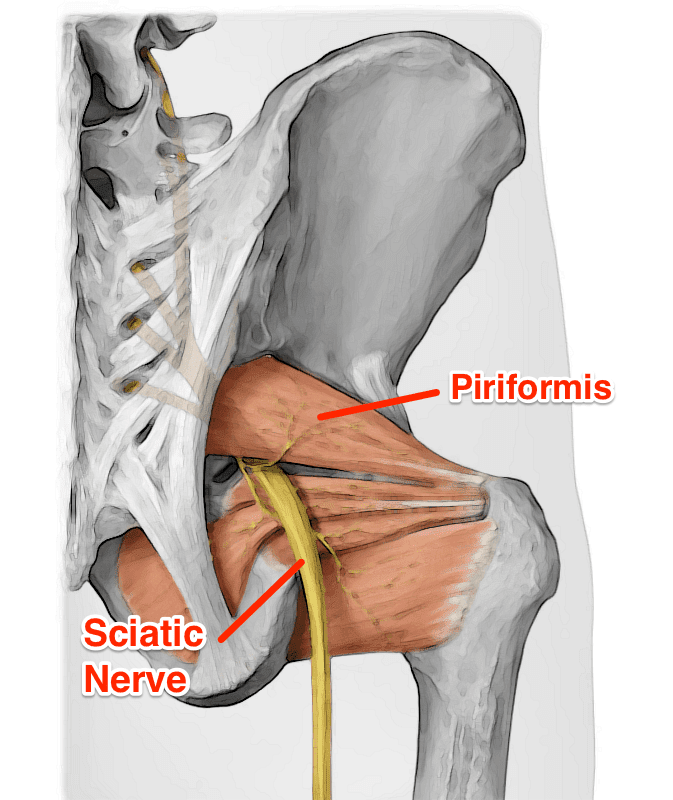
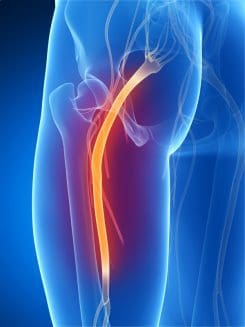
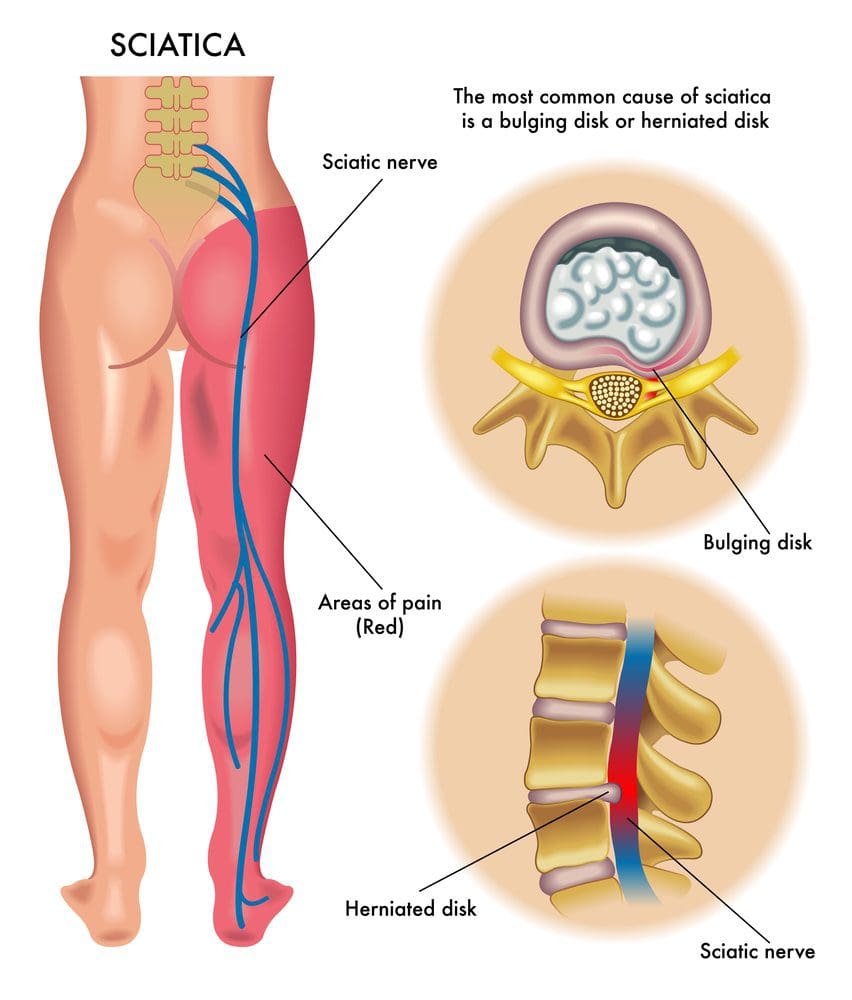
Have you been feeling a dull ache located in your lower back? Does it hurt when you are sitting down and trying to relax? Or have ordinary activities been challenging to manage due to the excruciating pain you are experiencing? Some of these symptoms could be signs that a bulging disc is starting to develop as research has defined a bulging disc as a dull ache on the spine that is barely protruding out and is considered the first stage for a herniated disc. When the body starts to age naturally, so do the spinal discs, as these cushion-like discs between the spinal joints help absorb the shock that the spine goes through. When spinal discs lose their water retention and begin to stiffen up, it causes the outer layer to crack and release the inner layer to bulge out a bit. Other research studies have found that the inner layer or the nucleus pulposus can develop the process of disc herniation. When the nucleus pulposus starts to protrude out of the outer layer of the spinal discs can develop into other spinal issues like sciatica, herniation, radicular pain, and myelopathy.
Is It A Herniated Disc Or Bulging Discs?
A person can tell if they are suffering from a herniated disc or a bulging disc. As stated earlier, a bulging disc is where it is barely protruding out of the spinal column and is considered the first stage of disc herniation. For herniated discs, however, research studies have defined that herniated discs are commonly diagnosed due to degenerative spinal abnormalities that extend out and compress the surrounding nerves all over the body. Herniated discs can cause various symptoms ranging from a dull minor ache to radiating pain that travels down to the affected areas like the neck and lower back. Sometimes injuries can cause herniated discs or bulging discs due to the severity, as additional information has shown that nerve compression in the spinal canal is from disc bulging/herniation or can even degenerate muscle tissue expansion from overusing the back muscles. These causes start the development of a bulging disc or herniated disc and can cause immense painful symptoms to the body’s affected neck and back areas. Fortunately, there are accessible treatments that help prevent bulging discs from progressing further into herniation and reduce the pain from nerve compression.
Lumbar Spine Traction For Bulging Discs-Video

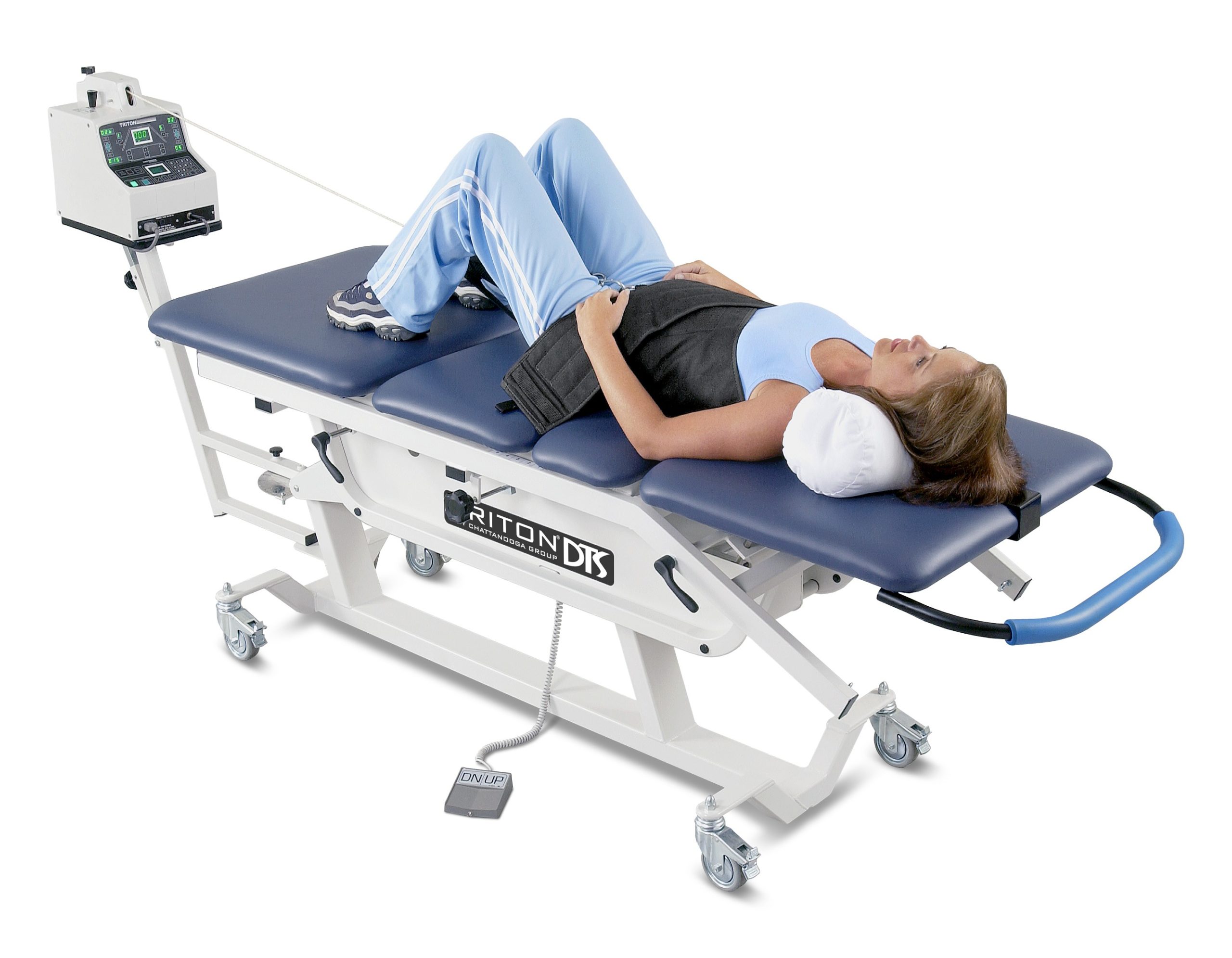
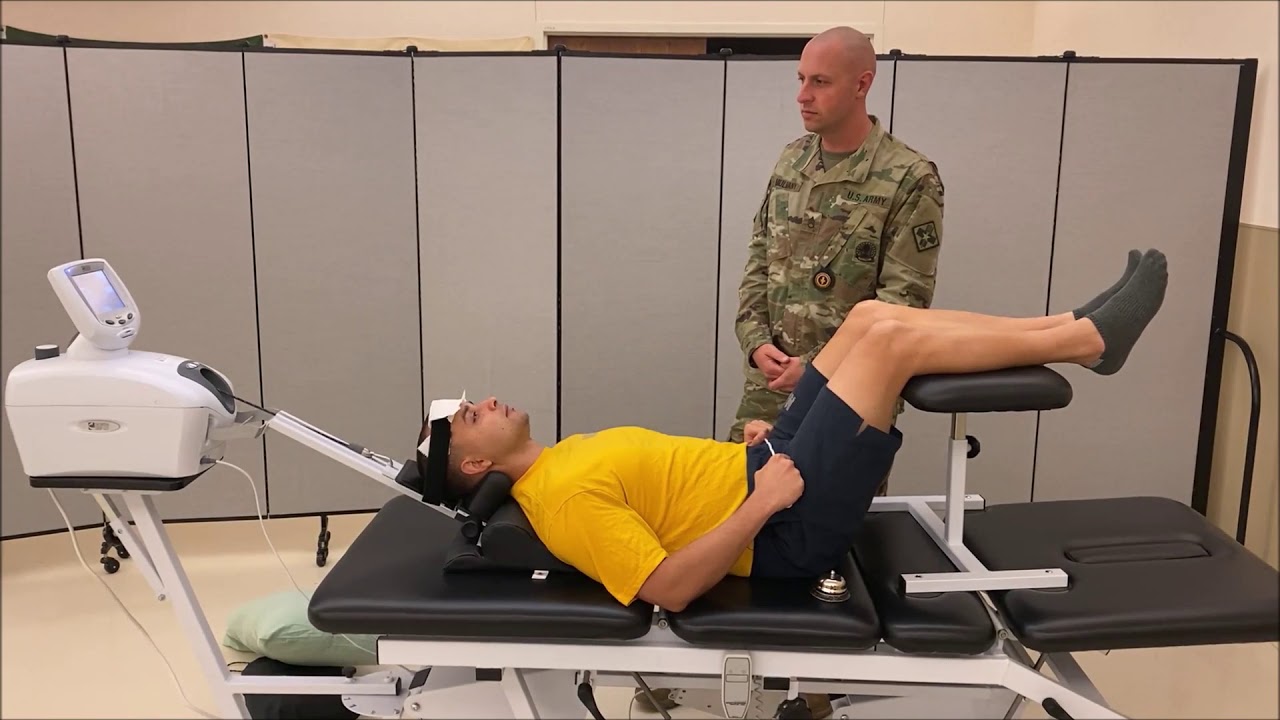
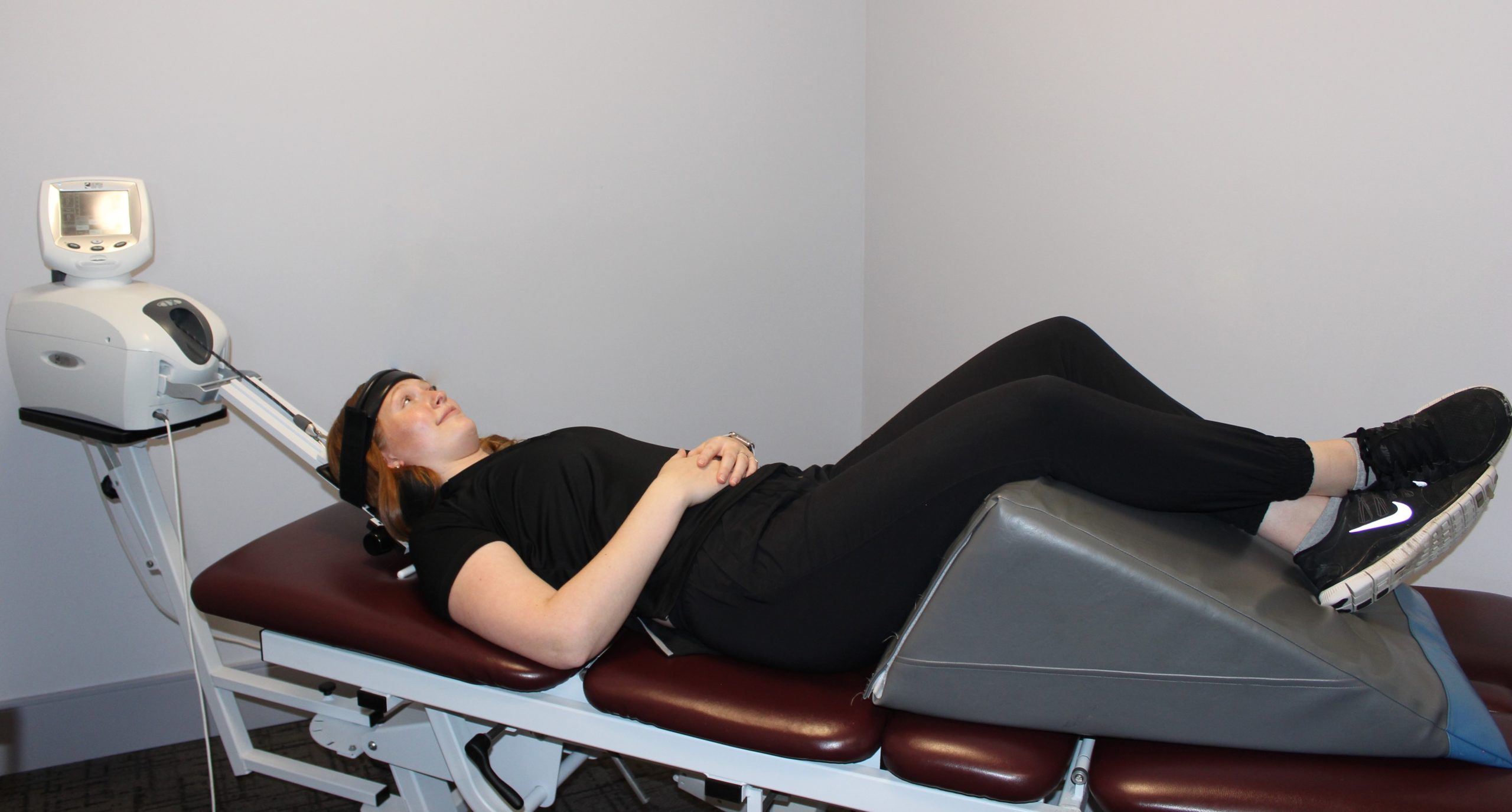
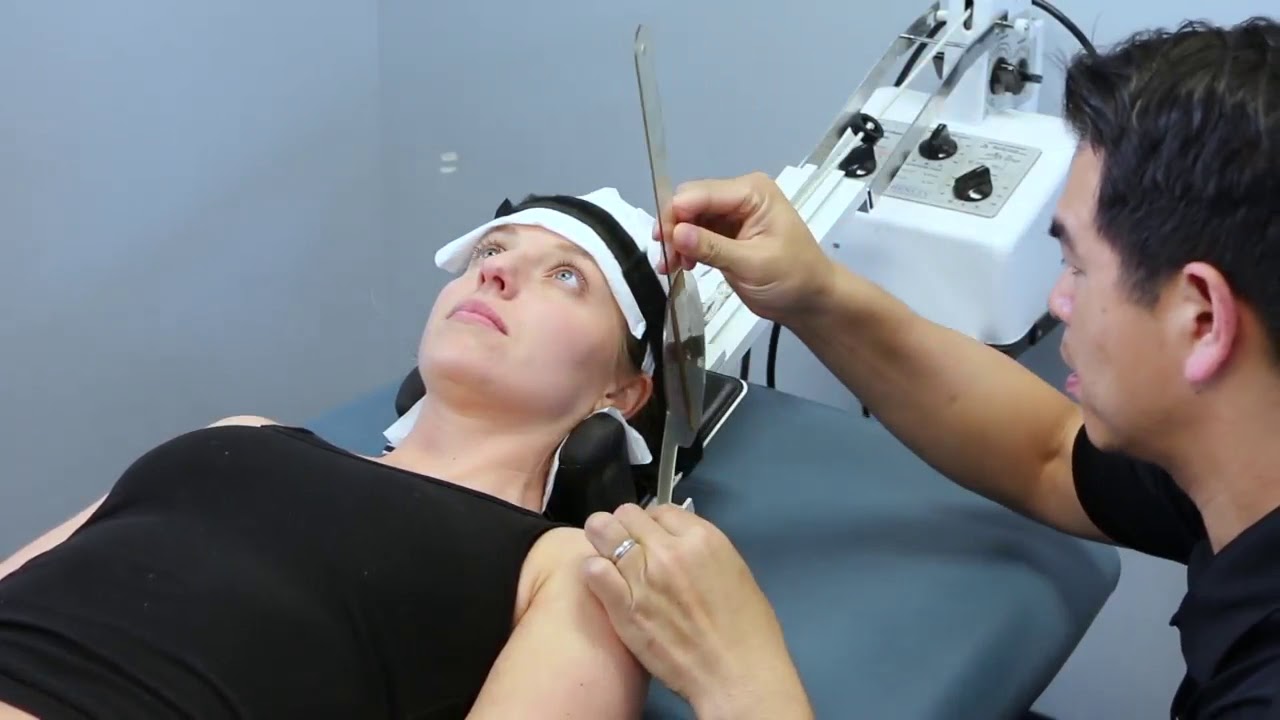
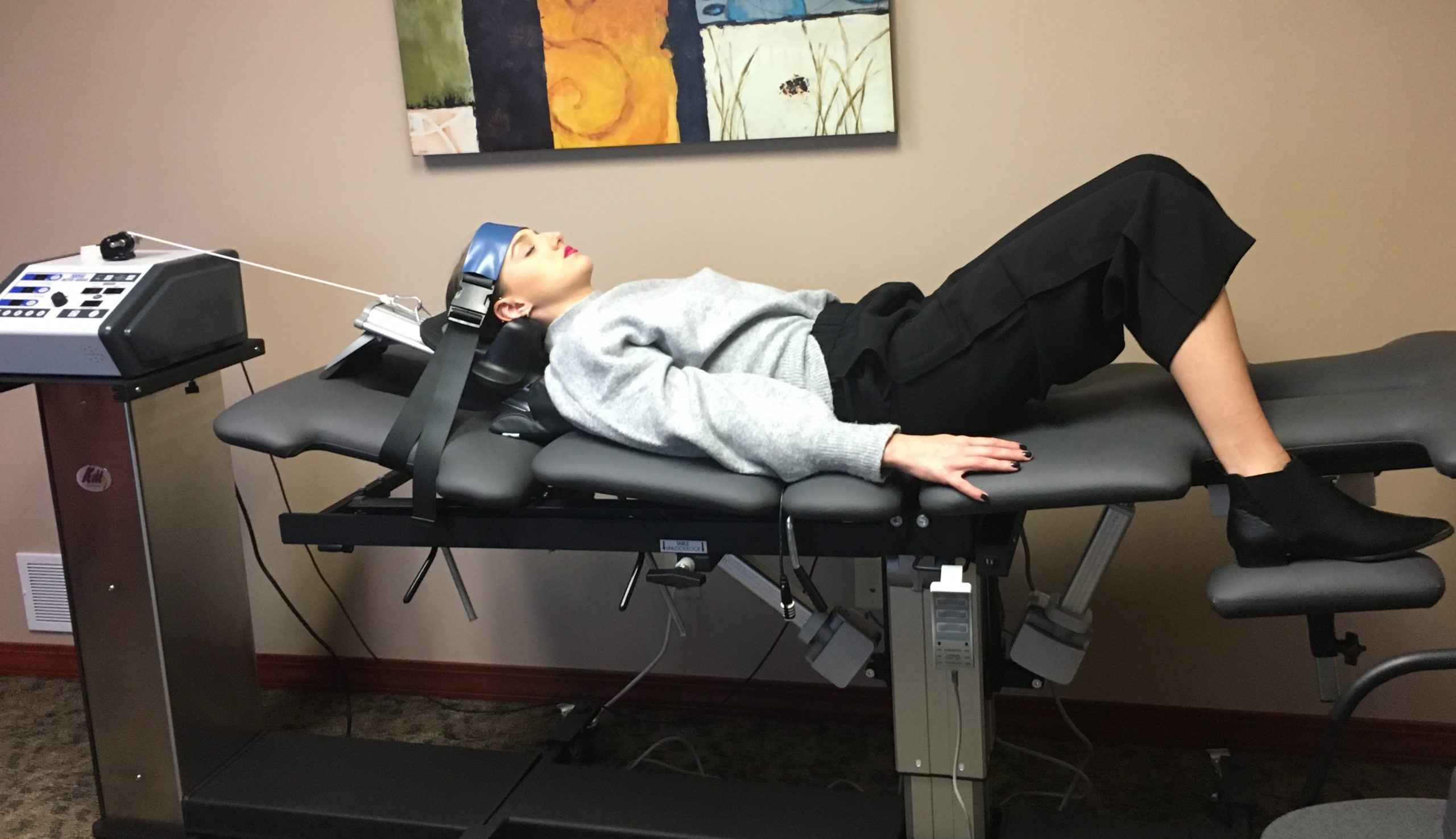
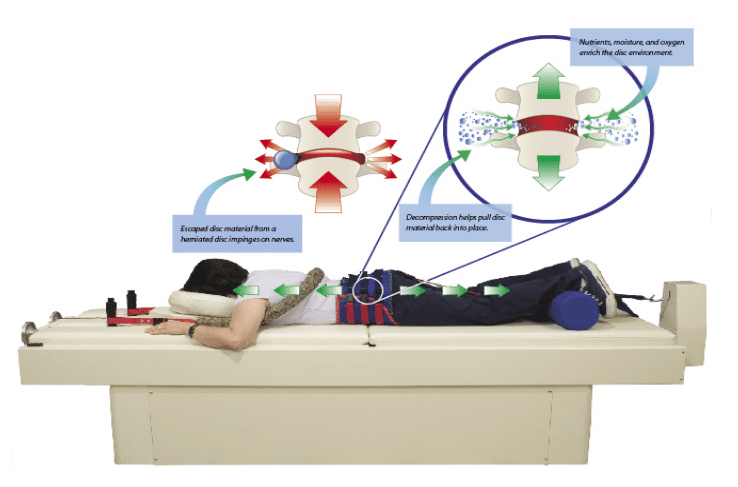
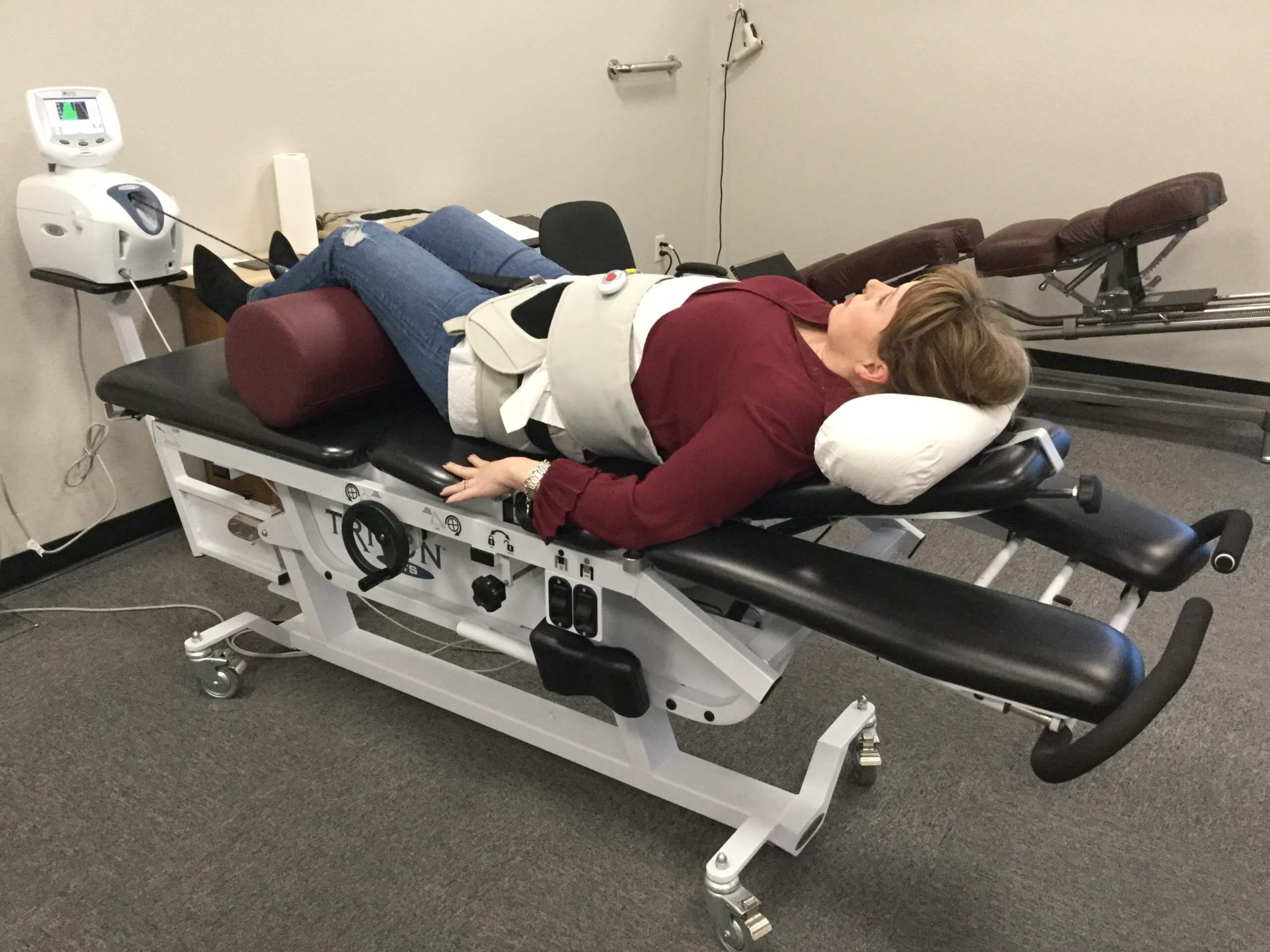
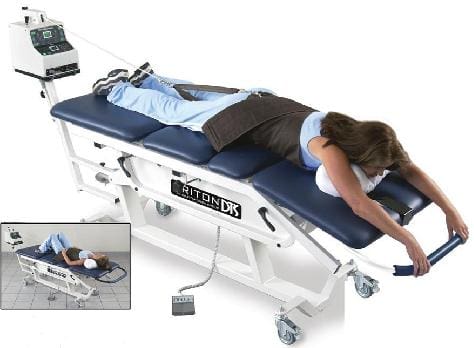
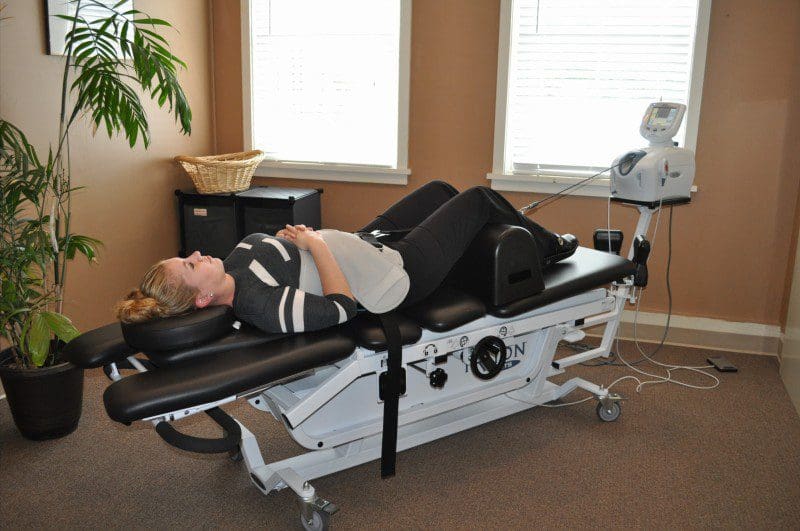
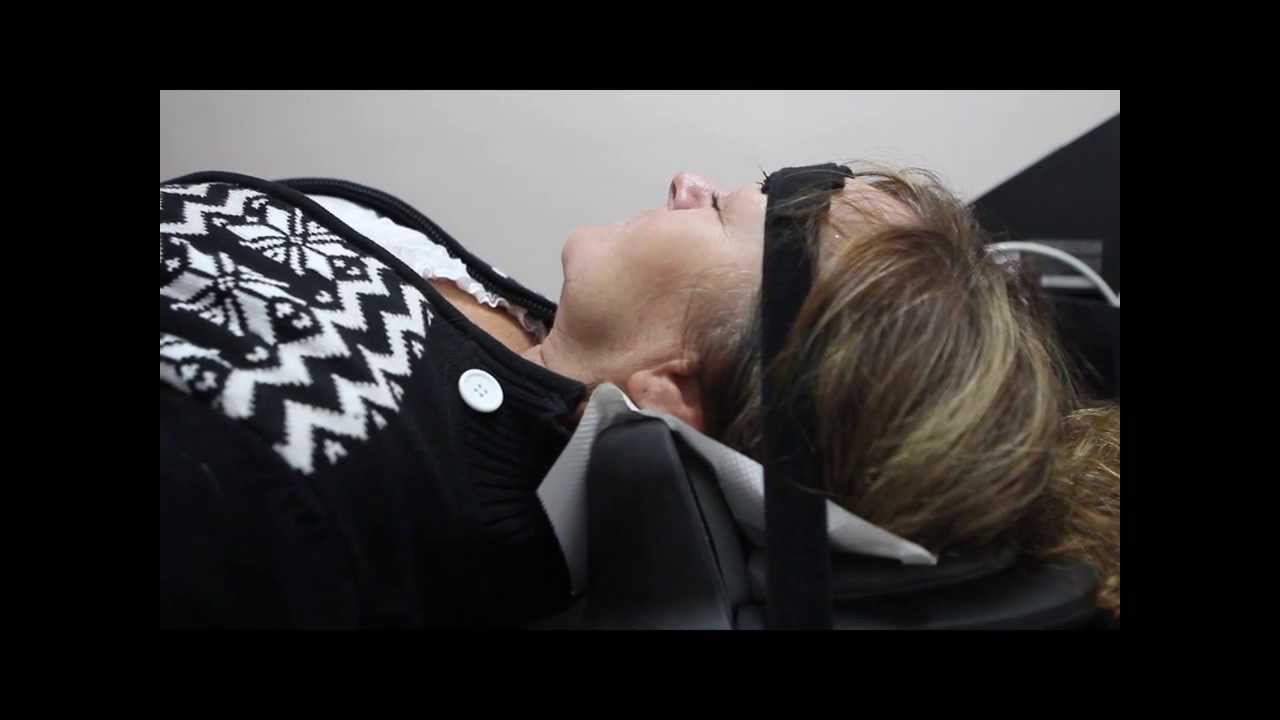
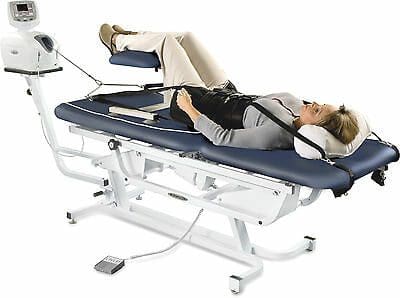
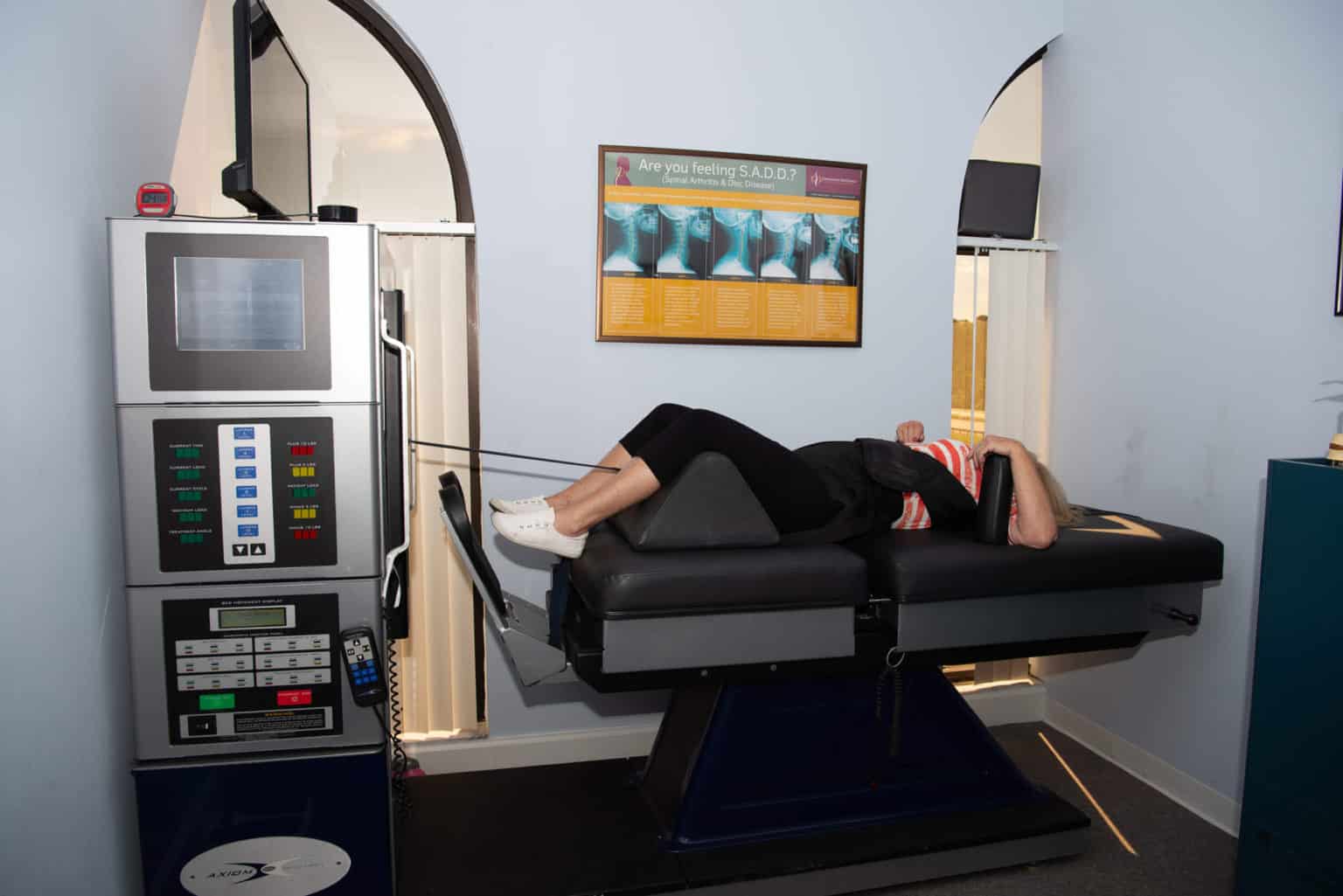
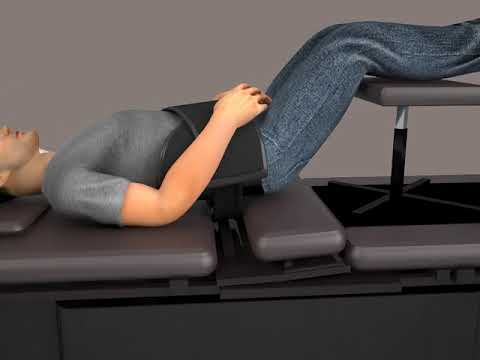
Have you been experiencing radiating nerve pain down your legs? How about a dull ache that seems to worsen throughout the day? Do you feel tenderness in your lower back or certain areas around your neck? You might be experiencing disc herniation or bulging issues affecting the cervical or lumbar sections of your spine. Why not try decompression or traction therapy to help prevent it from causing more problems? The video above explains what spinal traction does for the spine and how many individuals can utilize it. Spinal traction and decompression therapy allow the spine to be gently stretched out for the spinal discs that are herniated or bulging out to return to their original forms before the injuries that caused them to be herniated. This type of treatment allows the aggravated nerves surrounding the spine to finally relax and stop sending pain signals to the affected areas. Decompression/traction therapy for either the lumbar or cervical regions of the spine has many beneficial factors in preventing disc herniation and bulging. This link will explain how decompression offers impressive relief for many people who suffer from neck and low back pain in the affected regions due to disc herniation.
How Decompression Traction Helps Prevents Bulging Discs
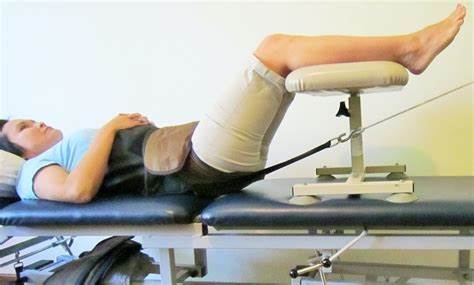
Decompression traction therapy is the best way many individuals can prevent disc bulging from progressing into herniation by utilizing treatment to help rehydrate the spinal discs back to their original function. Research studies have found that decompression/traction is adequate for many individuals suffering from herniated discs by improving the symptoms. With decompression traction, it allows the spinal column to be gently pulled, causing the herniated disc’s size to decrease and promoting relief to the body. Other research studies have found that decompression traction is beneficial for individuals suffering from acute low back pain and even helps improve lumbar range of motion flexion for the back. Decompression traction can help many people bring back their quality of life, knowing that there is a way to alleviate low back or neck pain.
Conclusion
Overall the spine can succumb to many unwanted factors or injuries that can cause the spinal disc to bulge or herniate, depending on how severe the injury has affected the body. With decompression traction, it can relieve the affected spinal nerves by pulling the spinal disc back to its original position. This gentle pull on the spine can help rehydrate the discs and repair the outer layers from cracking under pressure. Incorporating decompression traction as part of an individual’s wellness treatment will provide beneficial results that rejuvenate the spine to its original functioning state.
References
De Cicco, Franco L, and Gaston O Camino Willhuber. “Nucleus Pulposus Herniation – Statpearls – NCBI Bookshelf.” In: StatPearls [Internet]. Treasure Island (FL), StatPearls Publishing, 1 May 2022, https://www.ncbi.nlm.nih.gov/books/NBK542307/.
Donnally, Chester J, et al. “Lumbosacral Disc Injuries.” In: StatPearls [Internet]. Treasure Island (FL), StatPearls Publishing, 12 Feb. 2022, https://www.ncbi.nlm.nih.gov/books/NBK448072/.
Karimi, Noureddin, et al. “Effects of Segmental Traction Therapy on Lumbar Disc Herniation in Patients with Acute Low Back Pain Measured by Magnetic Resonance Imaging: A Single Arm Clinical Trial.” Journal of Back and Musculoskeletal Rehabilitation, U.S. National Library of Medicine, 2017, https://pubmed.ncbi.nlm.nih.gov/27636836/.
Ozturk, Bulent, et al. “Effect of Continuous Lumbar Traction on the Size of Herniated Disc Material in Lumbar Disc Herniation.” Rheumatology International, U.S. National Library of Medicine, May 2006, https://pubmed.ncbi.nlm.nih.gov/16249899/.
Shelerud, Randy A. “Bulging Disk vs. Herniated Disk: What’s the Difference?” Mayo Clinic, Mayo Foundation for Medical Education and Research, 5 May 2022, https://www.mayoclinic.org/diseases-conditions/herniated-disk/expert-answers/bulging-disk/faq-20058428.
Vialle, Luis Roberto, et al. “Lumbar Disc Herniation.” Revista Brasileira De Ortopedia, Elsevier, 16 Nov. 2015, https://www.ncbi.nlm.nih.gov/pmc/articles/PMC4799068/.