Chiropractic and Regenerative Care After Auto Crashes
Abstract
Motor vehicle accidents can injure muscles, ligaments, joints, tendons, nerves, and the spine. Some injuries are obvious right away, while others may appear days or weeks later. When soft tissue damage is not treated early, it may lead to chronic pain, stiffness, scar tissue, poor movement, and long-term disability. Regenerative therapies such as Platelet-Rich Plasma (PRP), plasma-based products, Micro-Fragmented Adipose Tissue (MFAT), shockwave therapy, and integrative chiropractic care may support healing when used as part of a complete recovery plan. These treatments are often used to reduce pain, improve mobility, support tissue repair, and, when appropriate, help some patients avoid unnecessary surgery (American Academy of Orthopedic Surgeons [AAOS], n.d.; Hospital for Special Surgery [HSS], 2024).

Why Motor Vehicle Accidents Injure More Than Bones
A motor vehicle accident, also called an MVA, can place sudden force on the body. Even a low-speed crash can strain the neck, lower back, shoulders, hips, knees, and spine. These forces may cause:
- Whiplash
- Muscle strains
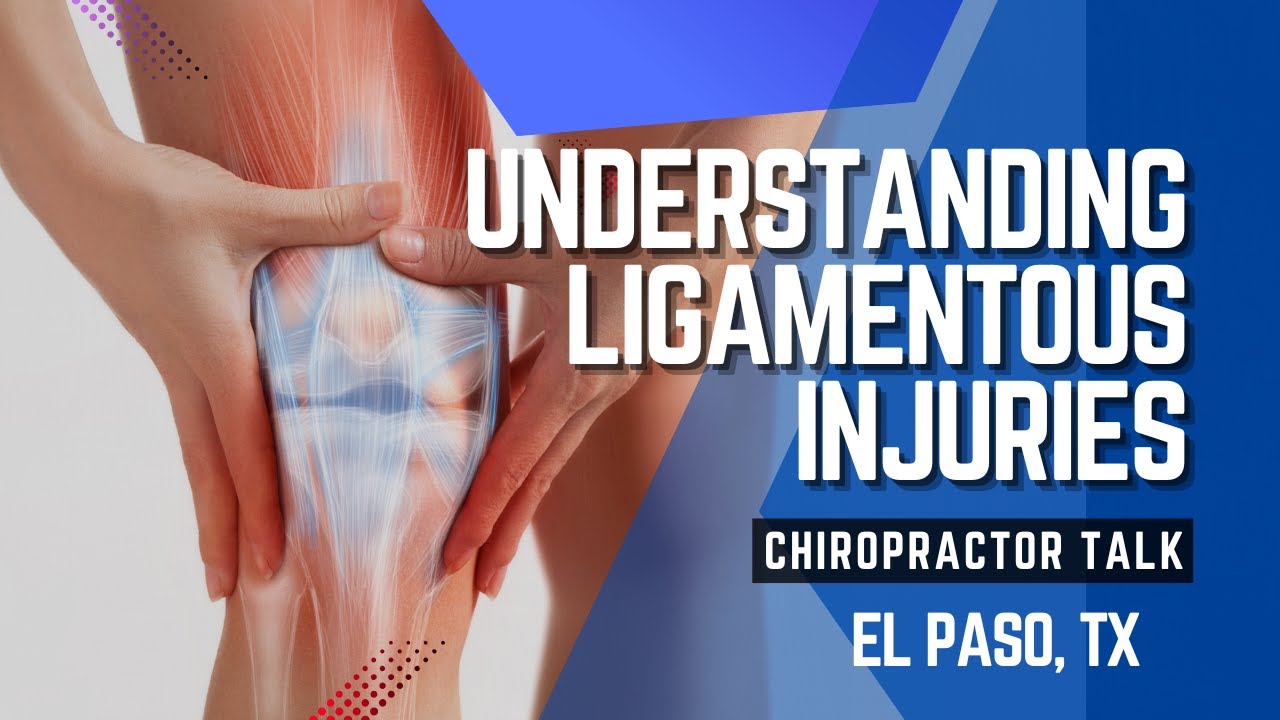
- Ligament sprains or tears
- Joint inflammation
- Disc injuries
- Nerve irritation
- Scar tissue
- Chronic neck or back pain
Many crash injuries affect soft tissues, which include muscles, tendons, ligaments, fascia, and joint-supporting structures. These injuries may not always show on standard X-rays, but they can still cause pain, swelling, stiffness, and limited movement. Chiropractic and injury-care sources explain that whiplash, disc problems, soft-tissue injuries, spinal misalignments, and ligament damage may appear after an accident and may worsen if not evaluated early (Fletcher Family Chiropractic, 2026; Health Coach Clinic, 2026).
Why Early Treatment Matters After an MVA
After a crash, adrenaline can hide pain. A person may feel “fine” at first, then develop headaches, neck pain, back pain, numbness, stiffness, or joint pain later. Early care helps find hidden injuries before they become harder to treat. It also creates a clear medical record linking the injury to the accident, which may be important for insurance or legal documentation (Fletcher Family Chiropractic, 2026).
Early treatment may help reduce:
- Long-term inflammation
- Scar tissue buildup
- Loss of range of motion
- Chronic pain patterns
- Muscle weakness
- Poor posture
- Joint instability
Physical therapy and rehabilitation after an accident can help reduce pain, restore movement, improve strength, and lower the risk of long-term complications (RES Physical Medicine & Rehab, n.d.; Fairview Rehab, 2024).
What Regenerative Medicine Means
Regenerative medicine focuses on helping the body repair damaged tissue. In orthopedics, these treatments are often called orthobiologics. AAOS explains that orthobiologics are natural biological substances used by orthopedic specialists to relieve symptoms, support healing from ligament or tendon strain, support care for cartilage injuries, and sometimes improve healing after surgery (AAOS, n.d.).
For MVA patients, regenerative care may be considered when pain results from soft-tissue damage, ligament or tendon injury, joint trauma, or chronic inflammation. It is not a “magic cure,” and not every injury qualifies. Severe fractures, full-thickness tears, spinal cord injuries, or unstable trauma may still need emergency care or surgery. A careful exam, imaging, and medical decision-making are important before choosing any regenerative treatment.
Platelet-Rich Plasma (PRP) for Soft Tissue Recovery
Platelet-Rich Plasma, or PRP, is made from a patient’s own blood. A small blood sample is drawn, centrifuged, and processed to concentrate platelets. These platelets contain growth factors that may help stimulate tissue repair. HSS explains that PRP may be injected into damaged tendons, ligaments, muscles, bones, and joints to support healing (HSS, 2024).
After an MVA, PRP may be considered for:
- Ligament sprains
- Tendon injuries
- Muscle tears
- Joint tissue irritation
- Whiplash-related soft tissue injury
- Chronic pain after trauma
PRP is often discussed as a minimally invasive option because it uses the patient’s own blood. However, results may vary. Johns Hopkins Medicine notes that PRP research is promising and growing, but PRP remains investigational and is not officially FDA-approved for most uses (Johns Hopkins Medicine, 2026).
A Note About PFP and Plasma-Based Products
The term “platelet-poor plasma” is often shortened as PPP, while some clinics use “PFP” to describe platelet-fibrin or plasma-fibrin products. Because naming can vary, patients should ask their provider exactly what product is being used, how it is prepared, and why it is appropriate for their injury.
Plasma-based products may be used to support healing signals in damaged tissue, but the protocol should be matched to the patient’s diagnosis, imaging findings, medical history, and recovery goals. Dr. Alexander Jimenez’s clinical model emphasizes that regenerative care should not stand alone. It works best when paired with structural assessment, movement evaluation, chiropractic care, rehabilitation, nutrition, and follow-up tracking (Health Coach Clinic, 2026).
MFAT: Micro-Fragmented Adipose Tissue
Micro-Fragmented Adipose Tissue, or MFAT, uses a patient’s own fat tissue. The tissue is usually taken from the abdomen or thigh through a minimally invasive process, then processed into smaller fragments and injected into the injured area. MFAT contains adipose tissue components, growth factors, the extracellular matrix, and other biological signals that may support tissue repair (Engelen Regenerative, n.d.; FoRM Health, n.d.).
Micro-Fragmented Adipose Tissue is often discussed for:
- Joint pain
- Osteoarthritis
- Meniscus or labral injury
- Partial tendon injury
- Partial ligament injury
- Chronic joint inflammation
- Past injuries that did not heal well
Micro-Fragmented Adipose Tissue may appeal to patients seeking non-surgical options. Still, it is not right for every condition. Some injuries need surgery, and some regenerative products are not FDA-approved for orthopedic claims. The FDA warns patients to be cautious with regenerative products marketed without proof of safety or effectiveness, especially stem cell, exosome, amniotic, umbilical cord, and certain fat-derived products (U.S. Food & Drug Administration [FDA], 2024).
Shockwave Therapy After Car Accidents
Shockwave therapy, also called extracorporeal shockwave therapy (ESWT), uses acoustic waves to stimulate injured tissue. It is non-invasive and does not require injections. Some clinics use it after motor vehicle accidents to support blood flow, reduce stiffness, improve soft tissue response, and help with chronic pain patterns.
Post-accident care sources describe shockwave therapy as a tool that may help with whiplash-related neck tension, tendon injury, muscle healing, lower back support, scar tissue, circulation, and tissue repair (Advanced Back and Neck Care, 2025; Nadler, 2021).
Shockwave therapy may be used with:
- Chiropractic care
- Physical therapy
- Massage therapy
- PRP
- MFAT
- Corrective exercise
- Mobility training
The goal is not only to reduce pain but also to improve the tissue environment so the patient can move better and progress through rehabilitation.
How Integrative Chiropractic Care Fits In
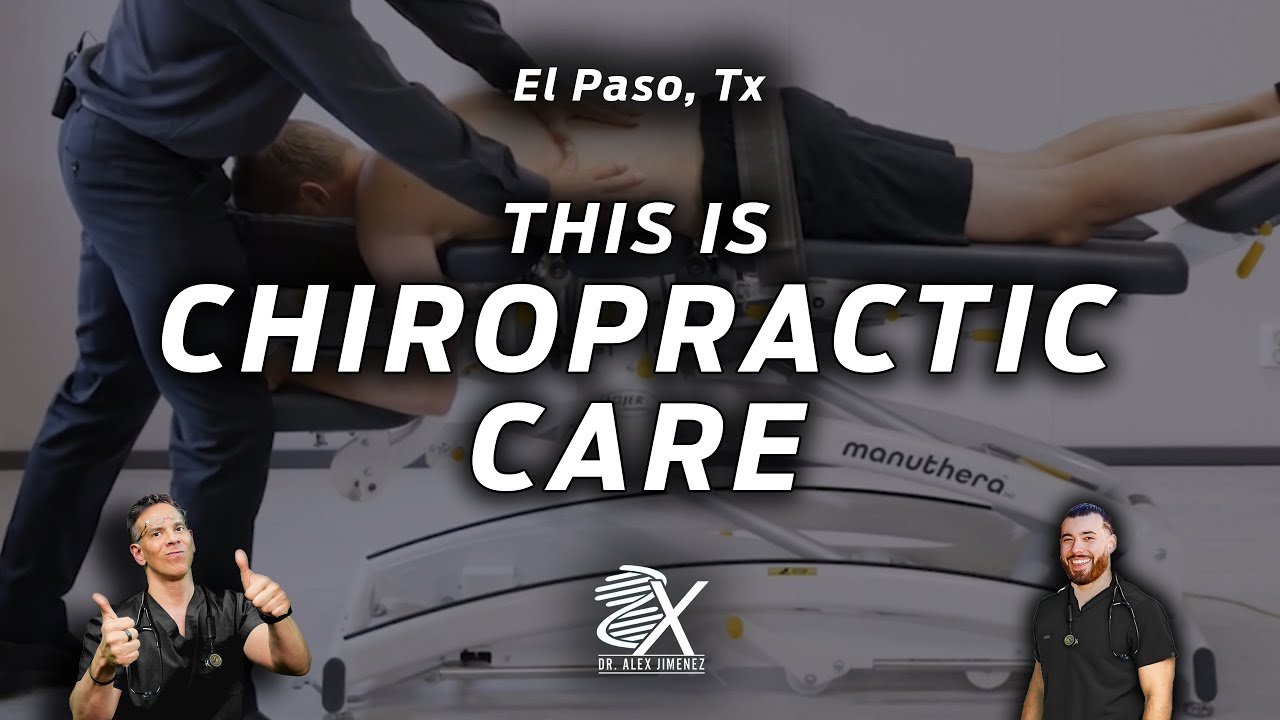
Regenerative therapies may help injured tissue, but the body still needs proper movement. If the spine, pelvis, shoulder, hip, or knee is not moving well after a crash, the injured tissue may continue to be stressed. This is where integrative chiropractic care can help.
Chiropractic care after an accident may include:
- Spinal and joint assessment
- Range-of-motion testing
- Orthopedic and neurological exams
- Posture evaluation
- Gentle adjustments
- Soft tissue therapy
- Corrective exercise
- Rehabilitation guidance
- Imaging referrals when needed
Pure Wellness describes chiropractic adjustments as a way to improve spinal mobility and alignment after auto injuries, while regenerative medicine may support tissue healing in more severe injuries or in cases of chronic pain (Pure Wellness, n.d.).
Dr. Alexander Jimenez’s Clinical Observations
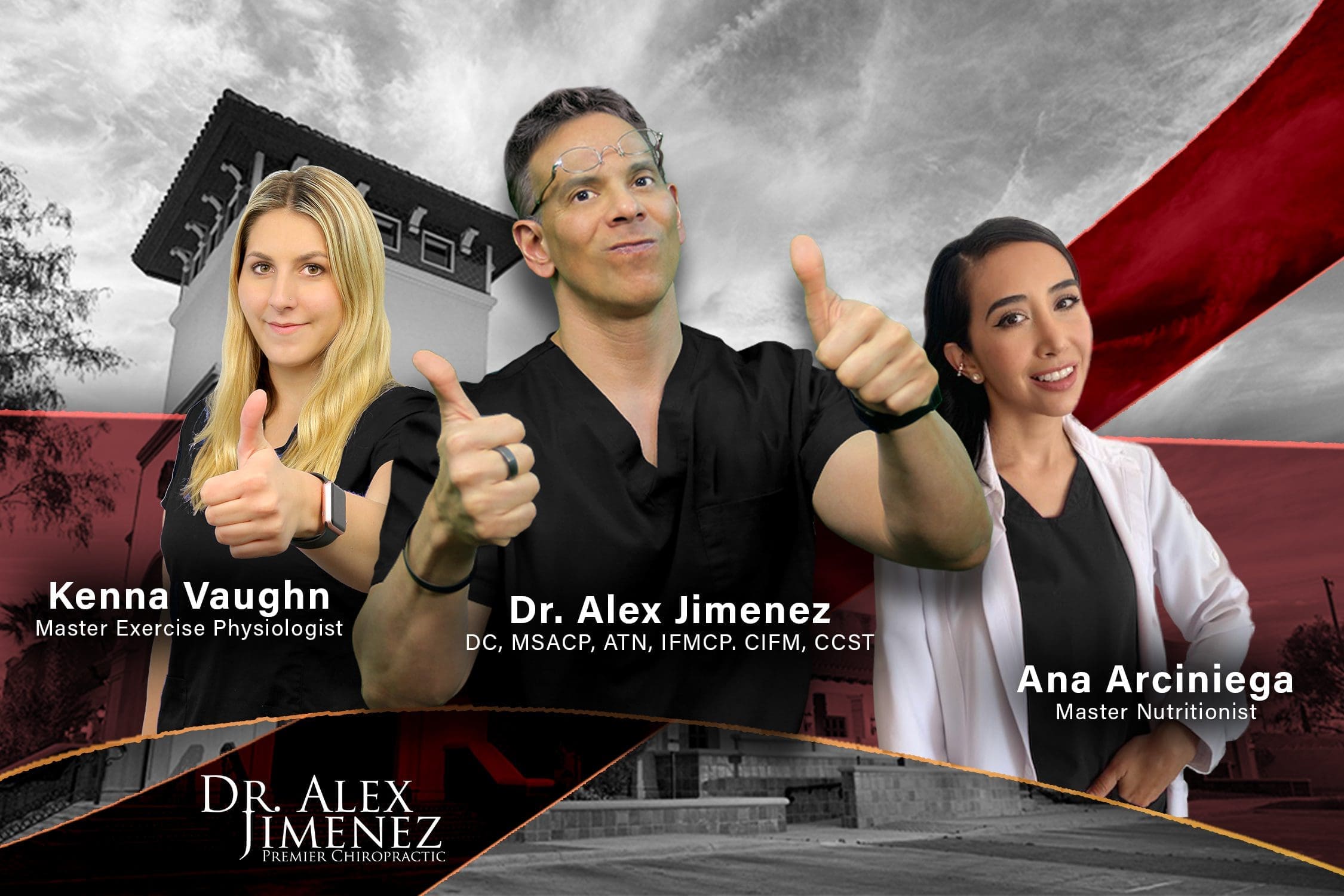
Dr. Alexander Jimenez, DC, APRN, FNP-BC, is described on his clinical website as a chiropractor and family practice nurse practitioner who works with personal injury, auto accident care, functional medicine, diagnostics, rehabilitation, and integrative care. His website also describes the use of nerve tests, digital motion X-rays, metabolic tests, chiropractic treatment, decompression, and regenerative therapies as part of a broader injury-recovery model (Jimenez, n.d.).
From this dual-scope clinical viewpoint, MVA recovery is not just about “where it hurts.” It is about finding how the crash changed the body’s movement, nerve function, joint loading, posture, inflammation, and healing ability. His LinkedIn profile also lists chiropractic, nurse practitioner, functional medicine, and integrative medicine credentials, supporting his multidisciplinary clinical focus (Jimenez, n.d.).
A Complete Recovery Plan
A strong post-MVA plan may combine regenerative medicine, chiropractic care, rehabilitation, and lifestyle support. The best plan depends on the patient’s injury, medical history, imaging, symptoms, and goals.
A complete plan may include:
- Medical exam after the accident
- Chiropractic and orthopedic evaluation
- Imaging when needed
- PRP, plasma-based products, or MFAT when appropriate
- Shockwave therapy for tissue stimulation
- Physical therapy for strength and mobility
- Nutrition support for tissue healing
- Home exercises
- Follow-up testing
- Documentation for insurance or legal needs
This team-based approach can help the patient move from pain control to real functional recovery. Physical therapy can rebuild strength and flexibility, chiropractic care can support movement and alignment, and regenerative therapies may support tissue repair when the diagnosis fits (RES Physical Medicine & Rehab, n.d.; Delaware Back Pain & Sports Rehabilitation Centers, 2025).
Safety, Realistic Expectations, and Patient Education
Patients should understand the benefits, limits, costs, and risks of regenerative care. PRP is made from the patient’s own blood, so the risk of allergic reactions may be lower, but risks can still include soreness, bleeding, infection, tissue damage, and nerve injury (Johns Hopkins Medicine, 2026).
Patients should ask:
- What is my exact diagnosis?
- Do I need imaging first?
- Is this treatment FDA-approved, FDA-cleared, investigational, or off-label?
- What are the risks?
- What are the alternatives?
- How many visits may be needed?
- Will insurance cover it?
- What rehab is needed after the procedure?
AAOS advises patients to weigh cost, risks, benefits, and available evidence before starting orthobiologic care (AAOS, n.d.).
Conclusion
Motor vehicle accidents can cause complex injuries affecting muscles, ligaments, joints, nerves, and the spine. When these injuries are ignored, they may become chronic and harder to treat. Regenerative therapies such as PRP, plasma-based products, MFAT, and shockwave therapy may support healing when used with an appropriate diagnosis and a comprehensive care plan. Integrative chiropractic care adds another important layer by helping restore movement, alignment, posture, and function.
The best results often come from early evaluation, careful documentation, patient education, and a team-based plan that focuses on both tissue healing and whole-body recovery.

References
Advanced Back and Neck Care. (2025). Shockwave therapy | Lumberton, NJ
American Academy of Orthopaedic Surgeons. (n.d.). Orthobiologics (regenerative medicine) FAQ
Delaware Back Pain & Sports Rehabilitation Centers. (2025). Best car accident pain solutions that work
Engelen Regenerative. (n.d.). Microfragmented adipose tissue (MFAT) therapy
Fairview Rehab. (2024). What type of post-accident therapy you may need
Fletcher Family Chiropractic. (2026). Why seeing a chiropractor after a car accident matters
FoRM Health. (n.d.). MFAT injection | Regenerative stem cells
Health Coach Clinic. (2026). Chiropractic integrative care for motor vehicle accidents
Health Coach Clinic. (2026). Regenerative medicine and integrative chiropractic approaches
Hospital for Special Surgery. (2024). Platelet-rich plasma (PRP) injections
Integrative Spine & Sports. (2025). PRP for whiplash: Accelerating recovery and restoring mobility
Jimenez, A. (n.d.). El Paso, TX chiropractor Dr. Alex Jimenez DC | Personal injury specialist
Jimenez, A. (n.d.). Dr. Alexander Jimenez DC, APRN, FNP-BC, IFMCP, CFMP
Johns Hopkins Medicine. (2026). Platelet-rich plasma (PRP) injections
Nadler, D. W. (2021). How shockwave therapy can help with motor vehicle accident injuries
Pure Wellness. (n.d.). Treating auto injuries with chiropractic care and regenerative medicine
RES Physical Medicine & Rehab. (n.d.). Road to recovery: The role of physical therapy after a car accident
U.S. Food and Drug Administration. (2024). Consumer alert on regenerative medicine products including stem cells and exosomes