Table of Contents
The 100 Deadliest Days in El Paso: Teen Driver Safety and Whole-Body Recovery After a Crash
The summer months should be a time for family, travel, work, rest, and outdoor plans. But for teen drivers in El Paso, Texas, the stretch between Memorial Day and Labor Day carries a serious warning. Traffic safety experts call this season the “100 Deadliest Days” because fatal crashes involving teen drivers rise during this period (AAA Newsroom, 2025; National Road Safety Foundation, n.d.).
This does not mean every teen driver is unsafe. It means summer creates a higher-risk driving environment. More young drivers are on the road. Many drive later at night. Some drive with friends in the car. Others travel longer distances across El Paso, West Texas, and Southern New Mexico. When inexperience, distraction, speed, heat, and fatigue meet, one small mistake can become a life-changing crash.
For families, the goal is simple: prevent the crash before it happens and know what to do if one occurs.

What Are the 100 Deadliest Days?
The “100 Deadliest Days” are the days between Memorial Day and Labor Day. AAA reports that from 2019 to 2023, 13,135 people were killed in crashes involving teen drivers across the United States. More than 30% of those deaths happened during this summer window (AAA Newsroom, 2025).
AAA also reported that in 2023, 2,897 people were killed in crashes involving a teen driver, and 860 of those deaths happened during the 100 Deadliest Days (AAA Newsroom, 2025). That is why summer driving safety must be taken seriously.
In El Paso, this issue matters because local summer driving can include:
- Busy roads like I-10, Loop 375, Montana Avenue, Mesa Street, and US-54
- Long drives to Las Cruces, Ruidoso, White Sands, and other regional spots
- Late-night food runs, work shifts, and social plans
- Extreme heat that can stress tires, engines, and drivers
- Holiday traffic around Memorial Day, Fourth of July, and Labor Day
El Paso families may also face cross-border and regional travel patterns that make planning even more important.
Why Teen Crash Risk Rises in Summer
Summer increases crash risk because several problems occur simultaneously. A teen may be a careful person but still be a new driver. Driving takes judgment, timing, scanning, and quick reactions. Those skills grow with experience.
The National Road Safety Foundation explains that the 100 days between Memorial Day and Labor Day are known as the most dangerous time for teen drivers. It points to school being out, more time behind the wheel, inexperience, distraction, speeding, and passengers as major risks (National Road Safety Foundation, n.d.).
Common summer risk factors include:
- More unsupervised driving
- More teen passengers
- More phone use and texting
- More late-night driving
- More speeding on open roads
- More fatigue from long drives
- More impaired drivers on the road
- More vehicle problems from heat
Local El Paso sources also warn that summer brings more traffic, more regional travel, and more teen driving exposure (Lovett & Murray Law Firm, 2026; Reyna Law Firm, 2025).
The Passenger Problem
Passengers can be one of the biggest distractions for teen drivers. Friends may talk loudly, play music, show videos, or pressure the driver to speed up. Even when passengers mean no harm, they can pull attention away from the road.
The National Highway Traffic Safety Administration advises parents to limit the number of extra passengers because they can distract inexperienced drivers (NHTSA, n.d.). Some state graduated driver license programs also limit passengers because new drivers need fewer distractions while they build skills.
For El Paso parents, a strict rule may be:
- No extra teen passengers for the first months of solo driving
- One approved passenger only after safe driving habits are shown
- No crowded cars
- No late-night group rides
- No passenger pressure to speed, race, or take risks
This rule may feel strict, but it can save lives.
Phones, Texting, and Distraction
A phone can turn a safe drive into a crash in seconds. Texting, changing music, looking at maps, checking notifications, and recording videos all take attention away from driving.
NHTSA describes the top dangers for teen drivers as alcohol, inconsistent seat belt use, speeding, and distracted driving (NHTSA, n.d.). The Florida Department of Highway Safety and Motor Vehicles also explains that distraction can be visual, manual, or mental. Texting is especially dangerous because it can involve all three at once (FLHSMV, n.d.).
A family phone rule should be simple:
- Phone on “Do Not Disturb” before the car moves
- Phone placed away from the driver
- No texting at red lights
- No recording while driving
- Pull over safely if a message or route change is needed
Parents should follow the same rule. Teens notice what adults do.
Alcohol, Heat, and Summer Events
Summer events can also increase the risk of impaired driving. KVIA reported that June, July, and August are the deadliest months for drunk driving crashes involving underage drunk drivers, based on recent data discussed in its El Paso coverage (KVIA, 2024).
Families should talk about this before parties, cookouts, and holiday weekends. The rule should be clear: no drinking and driving, no riding with anyone who has been drinking, and no fear of calling home for help.
Heat also matters in El Paso. High temperatures can increase fatigue and place stress on vehicles. Tires, brakes, cooling systems, and engines should be checked before long drives. A teen should know what to do if the car overheats or a tire feels wrong.
A Parent Safety Plan for Summer Driving
AAA Texas and the National Road Safety Foundation encourage families to set clear driving rules before summer starts. These rules work best when they are written down and repeated often.
Parents can build a summer driving agreement that includes:
- Buckle up every ride, every seat
- No phone use while driving
- No speeding
- No alcohol or drugs
- No riding with impaired drivers
- Limit teen passengers
- Avoid late-night driving when possible
- Share the route before leaving
- Check in when arriving
- Keep gas, insurance, and emergency items in the car
- Call for help after any crash, even a minor one
Route planning is especially helpful. Before a teen leaves, review the route together. Talk about freeway entrances, construction zones, busy intersections, and safe places to stop.
What To Do After a Crash
Even with careful planning, crashes can happen. Families should talk through the steps before an emergency occurs.
After a crash:
- Move to safety if possible
- Call 911 if anyone is hurt or the crash blocks traffic
- Do not admit fault at the scene
- Take photos of vehicles, road conditions, traffic signs, and injuries
- Exchange insurance and contact information
- Get witness information
- Seek medical evaluation
- Keep all records, reports, and bills
- Track symptoms over the next several days
This is important because crash symptoms may not appear right away.
Delayed Pain After a Car Accident
Many people feel “fine” right after a collision. This can happen because adrenaline and endorphins may hide pain. Hours or days later, swelling and muscle guarding can make symptoms more noticeable (El Paso Back Clinic, n.d.).
Delayed symptoms may include:
- Headaches
- Neck pain
- Back pain
- Shoulder pain
- Hip pain
- Dizziness
- Numbness or tingling
- Brain fog
- Fatigue
- Sleep problems
- Trouble turning the head
- Pain with sitting, walking, or lifting
A teen, parent, sibling, or any family member involved in a crash should be checked if symptoms appear. Early care helps connect the injury to the crash and may prevent small problems from becoming long-term issues.
Why Integrative Chiropractic and Functional Medicine Can Help
A car accident affects more than one body part. The impact can strain muscles, ligaments, joints, discs, nerves, and fascia. It can also stress the whole body. Pain can affect sleep. Poor sleep can slow healing. Stress can increase muscle tension. Inflammation can make movement harder.
That is where an integrative chiropractic and functional medicine clinic can provide a broader recovery plan.
This type of care may include:
- Chiropractic evaluation
- Spinal and joint care
- Soft tissue therapy
- Rehabilitation exercises
- Posture and movement training
- Functional medicine support
- Nutrition guidance
- Imaging or referral when needed
- Medical oversight for complex cases
- Detailed injury documentation
The goal is not only to reduce pain. The goal is to restore safe movement, support healing, and help the patient return to normal life.
The Role of Documentation in Personal Injury Care
After a crash, documentation matters. Insurance companies and attorneys often need clear records that show:
- What happened
- What body areas were injured
- When symptoms started
- How pain affects daily activities
- What tests were performed
- What treatment was recommended
- How the patient responded to care
- Whether referrals or imaging were needed
Integrative clinics that treat personal injury patients often focus on both recovery and clear records. El Paso Back Clinic notes that personal injury attorneys look for clinics that provide timely treatment, strong documentation, credible care, and a clear link between the crash and the injury (El Paso Back Clinic, n.d.).
Accurate records protect the patient’s health story. They also help reduce confusion during insurance or legal review.
Dr. Maria Cardenas, MD, and Dr. Alex Jimenez, DC: A Multidisciplinary Model in El Paso
In El Paso, Injury Medical Clinic PA, also known as Mission Plaza Injury Medical Clinic, is described in clinic materials as a multidisciplinary injury care setting. Dr. Maria Guadalupe Cardenas, MD, Board Certified in Internal Medicine, is listed in those clinic materials as Medical Director and Collaborative Physician, with NPI #1164426749 and Texas MD License #J2933 (Jimenez, n.d.-a; Jimenez, n.d.-b).
Clinic materials describe Dr. Cardenas as having more than 40 years of experience as an internist. Her role adds medical oversight to a setting where chiropractic care, functional medicine, personal injury care, rehabilitation, and related services can work together.
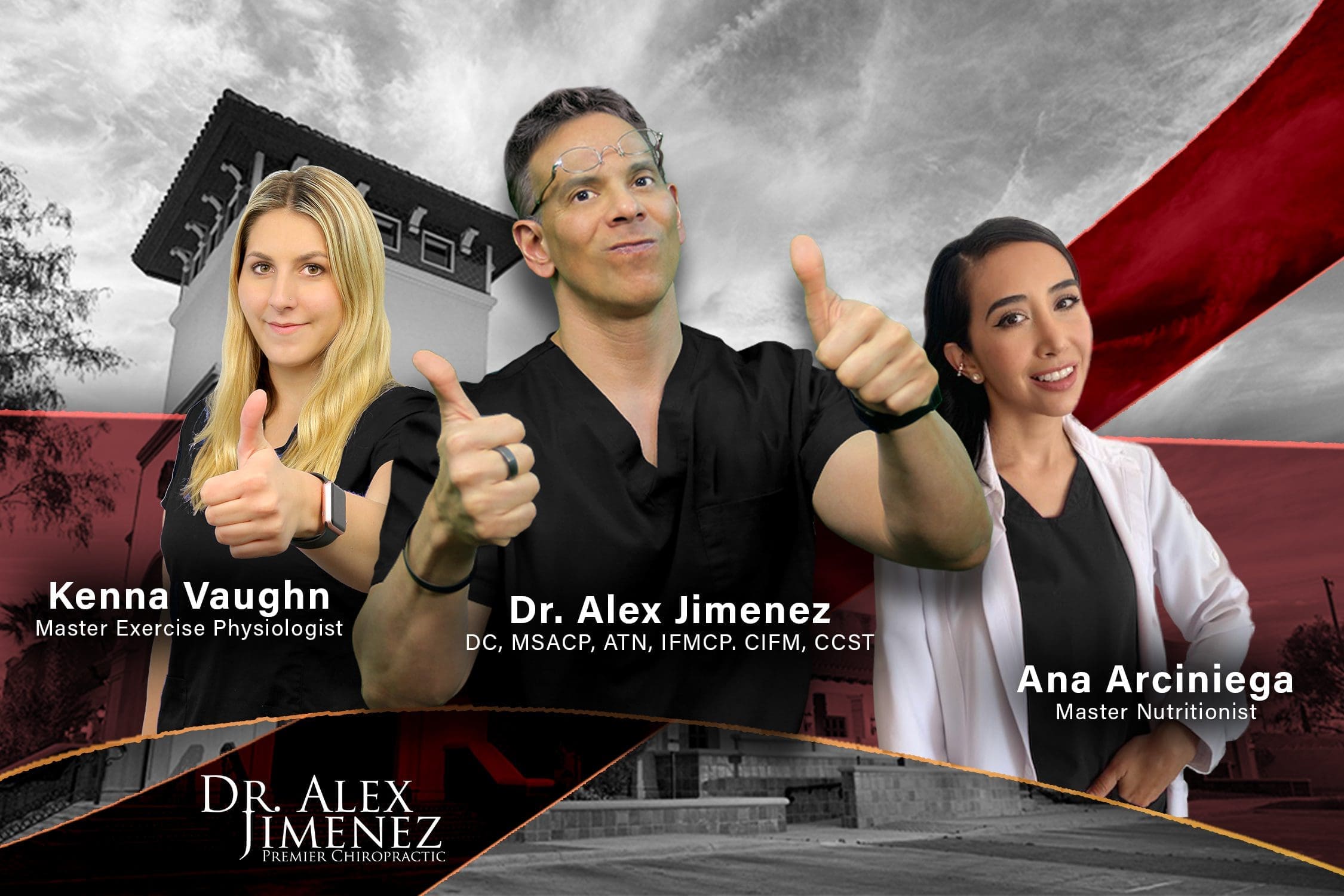
Dr. Alexander Jimenez, DC, APRN, FNP-BC, leads with a dual-scope clinical viewpoint. His public materials describe his work in chiropractic, family nurse practitioner care, functional medicine, injury rehabilitation, auto accident care, back pain, neck pain, sciatica, and complex injury support (Jimenez, n.d.-a).
Together, this model may support patients by combining:
- Chiropractic care for spinal and musculoskeletal function
- Internal medicine oversight for broader health concerns
- Functional medicine for inflammation, nutrition, sleep, and recovery support
- Rehabilitation to rebuild strength, balance, and mobility
- Personal injury documentation for insurance and legal needs
ChiroMed also describes an integrated medicine model in El Paso that includes chiropractic care, nurse practitioner services, rehabilitation, nutrition, and other patient-centered services (ChiroMed, n.d.).
How This Helps Families After a Summer Crash
A teen crash affects the whole family. Parents may worry about pain, school, work, insurance, transportation, and future driving confidence. A clear care plan can lower that stress.
An integrative injury clinic can help by answering practical questions:
- Is this pain coming from the crash?
- Is imaging needed?
- Is this a muscle, joint, nerve, or disc problem?
- Can the patient safely return to driving, work, sports, or exercise?
- What can be done at home?
- What symptoms are red flags?
- What records are needed for insurance or legal review?
This type of team-based care can be useful for teens, parents, grandparents, and any family member injured in a crash.
Turning the 100 Deadliest Days Into Safer Days
The 100 Deadliest Days are a warning, not a prediction. Families can lower risk with strong rules, calm conversations, and steady follow-through.
Before the next summer drive, take five minutes to ask:
- Is the driver rested?
- Is the phone away?
- Is the route clear?
- Are passengers limited?
- Is everyone buckled?
- Is the car road-ready?
- Is there a plan if something goes wrong?
These small steps can prevent serious harm.
And if a crash does happen, do not ignore pain that appears later. Early evaluation, whole-body care, and strong documentation can make recovery clearer and safer.

References
AAA Newsroom. (2025). The 100 Deadliest Days: Teen driver deaths jump in summer months.
ChiroMed. (n.d.). ChiroMed: Integrated medicine holistic healthcare in El Paso, TX.
El Paso Back Clinic. (n.d.). Delayed car accident pain and integrative recovery guide.
El Paso Back Clinic. (n.d.). Integrative chiropractic clinics help personal injury claims.
Florida Department of Highway Safety and Motor Vehicles. (n.d.). 100 Deadly Days of Summer.
Jimenez, A. (n.d.-a). Why choose our clinical team?.
Jimenez, A. (n.d.-b). Dr. Maria Cardenas, MD: Board certified internal medicine specialist.
KVIA. (2024). 100 Deadliest Days: Staying safe while drinking this summer.
Lovett & Murray Law Firm. (2026). Teen driver accidents in El Paso: A parents’ guide to the 100 Deadliest Days.
National Highway Traffic Safety Administration. (n.d.). Teen safe driving: How teens can be safer drivers.
National Road Safety Foundation. (n.d.). 100 Safest Days of Summer.
Personal Injury Doctor Group. (2026). How integrative chiropractic clinics help personal injury attorneys.
Reyna Law Firm. (2025). Why car accidents spike during summer in Texas and New Mexico.
Professional Scope of Practice *
The information herein on "El Paso Teen Driver Safety During the 100 Deadliest Days" is not intended to replace a one-on-one relationship with a qualified health care professional or licensed physician and is not medical advice. We encourage you to make healthcare decisions based on your research and partnership with a qualified healthcare professional.
Blog Information & Scope Discussions
Welcome to El Paso's Premier Wellness and Injury Care Clinic & Wellness Blog, where Dr. Alex Jimenez, DC, FNP-C, a Multi-State board-certified Family Practice Nurse Practitioner (FNP-BC) and Chiropractor (DC), presents insights on how our multidisciplinary team is dedicated to holistic healing and personalized care. Our practice aligns with evidence-based treatment protocols inspired by integrative medicine principles, similar to those found on this site and our family practice-based chiromed.com site, focusing on restoring health naturally for patients of all ages.
Our areas of multidisciplinary practice include Wellness & Nutrition, Chronic Pain, Personal Injury, Auto Accident Care, Work Injuries, Back Injury, Low Back Pain, Neck Pain, Migraine Headaches, Sports Injuries, Severe Sciatica, Scoliosis, Complex Herniated Discs, Fibromyalgia, Chronic Pain, Complex Injuries, Stress Management, Functional Medicine Treatments, and in-scope care protocols.
Our information scope is multidisciplinary, focusing on musculoskeletal and physical medicine, wellness, contributing etiological viscerosomatic disturbances within clinical presentations, associated somato-visceral reflex clinical dynamics, subluxation complexes, sensitive health issues, and functional medicine articles, topics, and discussions.
We provide and present clinical collaboration with specialists from various disciplines. Each specialist is governed by their professional scope of practice and their jurisdiction of licensure. We use functional health & wellness protocols to treat and support care for musculoskeletal injuries or disorders.
Our videos, posts, topics, and insights address clinical matters and issues that are directly or indirectly related to our clinical scope of practice.
Our office has made a reasonable effort to provide supportive citations and has identified relevant research studies that support our posts. We provide copies of supporting research studies upon request to regulatory boards and the public.
We understand that we cover matters that require an additional explanation of how they may assist in a particular care plan or treatment protocol; therefore, to discuss the subject matter above further, please feel free to ask Dr. Alex Jimenez, DC, APRN, FNP-BC, or contact us at 915-850-0900.
We are here to help you and your family.
Blessings
Dr. Alex Jimenez DC, MSACP, APRN, FNP-BC*, CCST, IFMCP, CFMP, ATN
Email: [email protected]
Multidisciplinary Licensing & Board Certifications:
Licensed as a Doctor of Chiropractic (DC) in Texas & New Mexico*
Chiropractic Licenses:
Texas DC License #: TX5807, Verified: TX5807
New Mexico DC License #: NM-DC2182, Verified: NM-DC2182
Nurse Practitioner Licenses:
Texas APRN License #: 1191402, Verified: 1191402 *
New Mexico CNP License #: 90560, Verified 90560
Florida APRN License #: 11043890, Verified: APRN11043890 *
Colorado License #: C-APN.0105610-C-NP, Verified: C-APN.0105610-C-NP
New York License #: N25929, Verified N25929
Georgia APRN License #: GAA-NP005701
Multi-State Advanced Practice Registered Nurse (APRN*) Texas & Multi-States
Multi-state Compact APRN License by Endorsement (43 States)
Compact Status: Multi-State License: Authorized to Practice in 43 States*
Nursing Licensure Compact: Updated Here
DEA Registration: (Drug Enforcement Agency Registered)
All medical (MDs) and family practice providers (FNP-APRN) are registered and licensed to offer various levels of medication.
Verify Providers Here
License Verification Link: Nursys License Verifier
* Prescriptive Authority Authorized (DEA Registered Providers). Call if Required
Board Certification:
ANCC FNP-BC: Board Certified Nurse Practitioner*
Education:
Graduate with Honors: ICHS: MSN-FNP (Family Nurse Practitioner Program)
Degree Granted. Master's in Family Practice, MSN Diploma (Cum Laude)
Dr. Alex Jimenez, DC, APRN, FNP-BC*, CFMP, IFMCP, ATN, CCST
(Board Certified: Family Practice Nurse Practitioner—Multistate)*
(Licensed Nurse Practitioner & Chiropractor - Multistate)*
Clinical Director
DC & FNP License (Review Above)
Digital Business Card
NPI: 1205907805
Dr. Maria Cardenas, MD
(Board Certified: Internal Medicine)
(Licensed Medical Doctor)
Medical Director, Clinical Director & Collaborative Physician
NPI # 1164426748
MD License #: J2933
Licenses and Board Certifications:
MD: Medical Doctor
DC: Doctor of Chiropractic
APRNP: Advanced Practice Registered Nurse
FNP-BC: Family Practice Specialization (Multi-State Board Certified)
FNP-BC: Family Practice Across Life Span (Neonatal to Geriatrics)
RN: Registered Nurse (Multi-State Compact License)
CFMP: Certified Functional Medicine Provider
MSN-FNP: Master of Science in Family Practice Medicine
MSACP: Master of Science in Advanced Clinical Practice
IFMCP: Institute of Functional Medicine
CCST: Certified Chiropractic Spinal Trauma
ATN: Advanced Translational Neutrogenomics
Family with Primary Care Focus (Family Nurse Practitioner or FNP)
- The Family Nurse Practitioner (FNP) promotes, maintains, and restores health for individuals and families across the lifespan. FNPs also identify health risks, promote wellness, and diagnose and manage acute and chronic illness.
- The FNP focuses on comprehensive primary care, promoting healthy lifestyles for patients across the lifespan in settings such as private practice, physician offices, and community health centers.
Memberships & Associations:
TCA: Texas Chiropractic Association: Member ID: 104311
TNA: Texas Nurse Association: Member ID: 06458222
TNP: Texas Nurse Practitioner Association ID: 2025091511
AANP: American Association of Nurse Practitioners: Member ID: 2198960
ANA: American Nurses Association: Member ID: 06458222 (District TX01)
| Primary Taxonomy | Selected Taxonomy | State | License Number |
|---|---|---|---|
| No | 111N00000X - Chiropractor | NM | DC2182 |
| Yes | 111N00000X - Chiropractor | TX | DC5807 |
| Yes | 363LF0000X - Nurse Practitioner - Family | TX | 1191402 |
| Yes | 363LF0000X - Nurse Practitioner - Family | FL | 11043890 |
| Yes | 363LF0000X - Nurse Practitioner - Family | CO | C-APN.0105610-C-NP |
| Yes | 363LF0000X - Nurse Practitioner - Family | NY | N25929 |
| Yes | 363LF0000X - Nurse Practitioner - Family | NM |
90560 |
| Yes | 363LF0000X - Nurse Practitioner - Family | GA | GAA-NP005701 |
Dr. Alex Jimenez, DC, APRN, FNP-BC*, CFMP, IFMCP, ATN, CCST
(Board Certified: Family Practice Nurse Practitioner—Multistate)*
(Primary Care Across Lifespan—Neonatal / Pediatric / Adult / Geriatrics)
(Licensed Nurse Practitioner & Chiropractor - Multistate)*
Clinical Director
Digital Business Card
NPI: 1205907805
Dr. Maria Cardenas, MD
(Board Certified: Internal Medicine)*
(Licensed Medical Doctor)*
Medical Director, Clinical Director & Collaborative Physician
NPI # 1164426748
MD License #: J2933
📆 Schedule Appointment: Schedule 24/7 (Click Here)