Table of Contents
Chiropractic and Functional Injury Care El Paso
Abstract
Personal injuries and work injuries can affect much more than one painful body part. A car crash, slip-and-fall, lifting injury, or repetitive work strain can irritate the spine, muscles, ligaments, joints, nerves, and even the body’s stress response. In an integrative chiropractic and functional medicine clinic in El Paso, care should not stop at pain relief. The goal is to find the root cause, restore mobility, improve functional movement, support soft-tissue healing, and help the patient return to normal life with better strength and confidence. This article explains how chiropractic adjustments, functional medicine, rehabilitation, nutritional counseling, therapeutic ultrasound, and proper medical documentation work together in personal injury and occupational injury care. It also explains why personal injury lawyers often seek chiropractors who provide ethical, evidence-based care and maintain detailed records, while avoiding “settlement mill” practices that may harm patients.

Integrative Chiropractic Care in El Paso for Personal Injury and Work Injury Recovery
When a person is hurt in a motor vehicle accident, workplace injury, sports injury, or slip and fall, the pain may begin in one area but spread into several systems. A rear-end crash may cause whiplash, but that injury can also lead to headaches, shoulder tightness, dizziness, jaw tension, low back pain, sleep problems, and stress. A work injury from lifting may start as back pain, but it can also cause nerve irritation, hip guarding, weak core control, and poor movement habits.
This is why I use an integrative approach combining chiropractic and functional medicine. The goal is not simply to “crack the back.” The goal is to understand how the injury changed the way the person moves, heals, sleeps, eats, and responds to stress. El Paso Back Clinic describes integrative chiropractic care as a whole-person model that combines spinal care with therapies such as massage, acupuncture, exercise, lifestyle guidance, and functional medicine support to address the underlying cause of symptoms rather than only the surface complaint.
In my clinical model, care often includes:
- Chiropractic adjustments to restore joint motion
- Soft-tissue therapy to reduce muscle guarding
- Rehabilitation exercises to rebuild strength and control
- Functional medicine evaluation to support inflammation, nutrition, and recovery
- Therapeutic ultrasound or other modalities, when clinically appropriate
- Imaging and diagnostics when red flags or injury patterns require deeper review
- Detailed documentation for medical, insurance, and legal clarity
Personal Injury Doctor Group describes this recovery model as one that supports pain reduction, inflammation control, spinal and joint mobility, posture, balance, soft-tissue healing, and long-term resilience.
Why Whiplash, Strains, Slips, and Falls Affect the Whole Body
A personal injury is not only a “pain problem.” It is often a neuromusculoskeletal problem. That means the injury affects the connection between the nerves, muscles, joints, and spine.
For example, during whiplash, the neck can move quickly forward and backward. This may strain the muscles, ligaments, discs, and small joints of the cervical spine. The nervous system may respond by tightening the muscles to protect the injured area. This is called muscle guarding. While guarding is protective at first, it can become a problem when it lasts too long. It may limit the range of motion, increase stiffness, and make normal movement feel unsafe.
Clinical guidance for neck pain and whiplash supports a multimodal approach, including education, range-of-motion exercises, manual therapy, soft-tissue techniques, and strengthening when appropriate. Clinical Compass summarizes evidence that multimodal care can help with both acute and chronic neck pain and whiplash-associated disorders, especially when care combines manual therapy, education, and exercise.
Newer whiplash recommendations also highlight the importance of:
- Pain and disability tracking
- Neck-specific exercises
- Neurological and range-of-motion exams
- Screening for poor recovery risk
- Psychological support when stress or trauma symptoms affect recovery
- Referral for multidisciplinary care when recovery is not progressing
The Australian Physiotherapy Association’s 2024 whiplash recommendations note that acute whiplash care should include accurate advice, neck-specific exercises, simple medication when needed, and regular reassessment using pain and disability tools. For chronic whiplash, the focus shifts toward active physical therapy, self-management, and psychological support when needed.
This matches what I often observe clinically: patients recover best when we treat the injured tissue, the movement pattern, and the stress response together.
Chiropractic Adjustments for Mobility, Nerve Function, and Pain Control
Chiropractic adjustments are used to improve spinal and joint motion. After trauma, joints may become stiff, irritated, or restricted. When a spinal joint does not move well, nearby muscles often tighten, and the nervous system may become more sensitive. This can create a cycle of pain:
Injury → stiffness → muscle guarding → nerve irritation → more pain → less movement
The purpose of an adjustment is to help restore normal movement. When movement improves, the brain receives better joint-position information, also called proprioception. This helps the body move with less guarding and more coordination.
Adjustments may be useful for:
- Neck pain
- Back pain
- Whiplash-related stiffness
- Headaches linked to neck tension
- Sciatica-like symptoms from spinal irritation
- Joint restrictions after slips, falls, or lifting injuries
Sciatica Clinic explains that sciatic pain can start in the lower back and buttocks and travel down the leg when the sciatic nerve or its nerve roots are irritated or compressed. The site also describes chiropractic care as a method for assessing the source of sciatic symptoms and restoring more natural spinal alignment when clinically appropriate.
However, chiropractic adjustments should be used with clinical judgment. Not every patient needs the same force, technique, or frequency. In patients with osteoporosis, severe neurological signs, fracture suspicion, progressive weakness, or serious trauma, imaging or medical referral may be needed before manual care.
Functional Medicine for Inflammation, Healing, and Whole-Body Recovery
Functional medicine asks a deeper question: “What is slowing down this person’s recovery?” In injury care, this may include inflammation, blood sugar imbalances, poor sleep, elevated stress hormones, low protein intake, nutrient deficiencies, dehydration, or chronic metabolic problems.
The body heals through several overlapping phases:
- Inflammation phase: The body sends immune cells and fluid to the injured area
- Repair phase: Collagen and new tissue begin to form
- Remodeling phase: Tissue becomes stronger and more organized with proper movement
Inflammation is not always bad. Early inflammation helps clean up damaged tissue. But when inflammation remains too high for too long, pain can persist, muscles may stay tight, and tissue repair can slow.
Nutritional counseling supports this process by helping the patient get enough:
- Protein for collagen, muscle repair, and immune function
- Vitamin C for collagen formation
- Zinc for tissue repair and immune support
- Omega-3 fatty acids from food sources for balanced inflammatory signaling
- Magnesium for muscle and nerve function
- Hydration and electrolytes for circulation and tissue function
A4M’s professional profile for Dr. Jimenez lists clinical areas that include functional medicine, diet and nutrition counseling, exercise protocols, pain rehabilitation, sports medicine, occupational medicine, nutritional consultations, and teleconsulting, which align with an integrated injury-recovery model. Personal Injury Doctor Group also describes functional medicine care as part of a broader, multidisciplinary model focused on musculoskeletal injuries, wellness, nutrition, chronic pain, auto accident care, work injuries, and functional health protocols.
Rehabilitation Exercises for Strength, Balance, and Functional Movement
After an injury, pain often changes how a person moves. A patient may limp, avoid turning the neck, brace the lower back, or shift weight away from a painful hip. These protective habits can help in the short term, but over time, they may create new problems.
Rehabilitation helps restore:
- Range of motion
- Strength
- Balance
- Core control
- Posture
- Gait
- Work-specific movement
- Return-to-activity confidence
For example, after whiplash, gentle neck range-of-motion exercises may help reduce fear and stiffness. Later, the patient may need scapular strengthening, deep neck flexor control, breathing drills, and posture retraining. After a low back work-related injury, the patient may need hip mobility, core endurance, gluteal strength, lifting mechanics, and a gradual return-to-work conditioning program.
The Clinical Compass review notes that evidence-based care for neck pain and whiplash often includes home range-of-motion exercises, strengthening, manual therapy, massage, acupuncture, heat, TENS, ultrasound, stress management, and multimodal care tailored to the patient’s needs and response to treatment.
In practical terms, rehabilitation helps the body answer three questions:
- Can I move safely
- Can I load the injured area safely
- Can I return to work, driving, exercise, and daily life safely
That is why rehab is not an “extra.” It is often the bridge between pain relief and real recovery.
Therapeutic Ultrasound for Soft-Tissue Injury Support
Therapeutic ultrasound is a non-invasive treatment that uses sound-wave energy to influence soft tissues. It is different from diagnostic ultrasound, which creates images. Therapeutic ultrasound is used in some rehabilitation settings to support pain control, soft-tissue mobility, circulation, and tissue healing.
Physiologically, ultrasound may create thermal effects and non-thermal effects. Thermal effects may help relax tight tissues and improve local blood flow. Non-thermal pulsed ultrasound may affect cell membrane activity, microcirculation, tissue metabolism, and repair signaling. A 2024 systematic review and meta-analysis reported that ultrasound therapy is non-invasive and that most included studies showed pain reduction, with stronger support for knee conditions and mixed results for shoulder disorders. The authors also noted that pulsed ultrasound is often preferred for acute and subacute soft-tissue injuries because it may limit heat buildup while still supporting soft-tissue effects.
For personal injury care, ultrasound may be considered for:
- Whiplash-related muscle tightness
- Soft-tissue strains
- Ligament irritation
- Myofascial pain
- Localized tenderness
- Joint stiffness when paired with movement care
However, ultrasound should not be used just to create a bill. It should be used when it matches the patient’s diagnosis, tissue stage, pain level, and treatment goals. It should also be documented clearly.
Why Personal Injury Lawyers Look for Evidence-Based Chiropractors
Personal injury lawyers often need medical providers who can clearly explain injuries and properly document care. A lawyer is not looking only for a provider who treats pain. A good lawyer wants a provider who can explain:
- What injury occurred
- How the injury relates to the accident
- What objective findings support the diagnosis
- What treatment was medically necessary
- How the patient responded to care
- Whether the patient has lasting limitations
- Whether future care may be needed
In Texas personal injury claims, chiropractic care may be part of recovery after car accidents involving whiplash, back pain, neck pain, and soft-tissue injury. CPM Injury Law notes that proving medical necessity often requires detailed records, expert opinions, and a clear narrative linking the care to the accident-related injuries.
This is where objective documentation matters. Good chiropractic records may include:
- Pain scales
- Range-of-motion measurements
- Orthopedic test findings
- Neurological findings
- Functional limitations
- Imaging results when appropriate
- Treatment frequency and duration
- Progress notes
- Medical necessity reasoning
Align Med explains that in personal injury cases, documentation is often treated as evidence, and vague terms like “better” or “same” are less useful than measurements, pain scales, orthopedic findings, imaging, and specific treatment plans.
Ethical Attorney Referrals and Avoiding Settlement Mill Patterns
Attorney-provider relationships can help injured patients when they are ethical, transparent, and focused on patient needs. A patient may need both medical care and legal guidance after a serious accident. A chiropractor may document injuries, while the attorney handles liability, insurance communication, and compensation issues.
But there is also a real concern in the personal injury world: settlement mill behavior. This happens when a lawyer or clinic treats cases like an assembly line. The focus may shift away from patient recovery and toward high-volume referrals, inflated bills, repetitive reports, or unnecessary care.
Blackwell Law Firm warns that secret lawyer-doctor referral arrangements can create conflicts, inflate charges, undermine credibility, and harm genuinely injured clients. The article advises injured people to choose care based on their health needs, not because of a hidden referral relationship.
A reputable personal injury lawyer should want a chiropractor who:
- Makes decisions based on medical necessity
- Uses evidence-based treatment
- Keeps detailed records
- Refers out when needed
- Avoids unnecessary care
- Communicates honestly
- Can explain clinical reasoning
- Places the patient’s recovery first
A reputable chiropractor should also avoid becoming a “case builder” instead of a healthcare provider. The right role is to provide appropriate care, measure progress, document findings, and support the patient’s recovery.
Clinical Observations From Dr. Alexander Jimenez’s Integrative Injury Model
In my clinical observations, injured patients often improve best when care is organized around both structure and function. Structure includes the spine, joints, discs, muscles, fascia, ligaments, and nerves. Function includes how the patient walks, bends, lifts, sleeps, works, drives, and handles stress.
Many patients come in saying, “My neck hurts,” “My back is tight,” or “My leg feels numb.” But a deeper exam may show limited cervical rotation, weak core stability, altered gait, sciatic nerve irritation, poor hip control, stress-related muscle tension, or sleep disruption.
Dr. Jimenez’s public clinical pages describe a dual-scope model that combines chiropractic care, nurse practitioner care, functional medicine, diagnostics, rehabilitation, and whole-body planning. The clinic model emphasizes personalized care plans, advanced diagnostics, non-invasive protocols, wellness nutrition, and collaboration with other providers when needed.
This is important because injury care should answer more than one question. It should not only ask, “Where does it hurt?” It should also ask:
- What tissue is injured
- What movement is lost
- What nerve pattern is involved
- What daily activities are limited
- What inflammation or metabolic factors may slow healing
- What documentation is needed
- What care is medically necessary
- When should another specialist be involved
Telemedicine and Ongoing Injury Care Support
Telemedicine can help support integrative injury care, especially when a patient has trouble driving, moving, or attending frequent in-person visits. It does not replace hands-on exams or treatments when needed, but it can help with history-taking, movement screening, follow-up, medication review within scope, nutrition coaching, home exercise updates, and care coordination.
El Paso Back Clinic describes telemedicine in injury care as a way for the chiropractor and nurse practitioner team to support virtual checkups, treatment planning, follow-up, imaging review, nutrition guidance, and documentation for car accidents, work, and sports injuries.
This is useful because recovery is not limited to the treatment table. Healing also happens at home, at work, while sleeping, while eating, and while moving through daily life.
The Best Recovery Plan Is Personalized and Measured
A strong injury recovery plan should be personalized, measurable, and ethical. The same treatment plan should not be handed to every patient. A person with mild neck stiffness after a low-speed crash may need a different plan than someone with radiating arm pain, severe headaches, dizziness, or progressive neurological symptoms.
A well-built care plan may include:
- A clear diagnosis
- Baseline pain and function scores
- Objective range-of-motion findings
- A short-term pain control phase
- A mobility and soft-tissue phase
- A strengthening and stabilization phase
- Work or sport-specific retraining
- Nutritional and lifestyle support
- Regular reassessment
- Referral when symptoms do not match conservative care
The purpose is not endless treatment. The purpose is measured improvement.
Conclusion
An integrative chiropractic and functional medicine clinic in El Paso can play an important role in recovery from personal and occupational injuries. By combining chiropractic adjustments, functional medicine, rehabilitation, nutritional counseling, therapeutic ultrasound, and careful medical documentation, the clinic can support the whole person—not just the painful body part.
This approach helps address the root causes of pain from whiplash, strains, sprains, slips and falls, work injuries, and spinal trauma. It also supports the legal-medical side of personal injury care by documenting objective findings, the necessity of treatment, functional limitations, and progress.
The most ethical model is patient-centered. Lawyers may refer clients to chiropractors, and chiropractors may work with attorneys, but the care must always be based on medical need, clinical findings, evidence-based reasoning, and the patient’s best recovery outcome.

References
Professional Scope of Practice *
The information herein on "Chiropractic and Functional Injury Care El Paso Resources" is not intended to replace a one-on-one relationship with a qualified health care professional or licensed physician and is not medical advice. We encourage you to make healthcare decisions based on your research and partnership with a qualified healthcare professional.
Blog Information & Scope Discussions
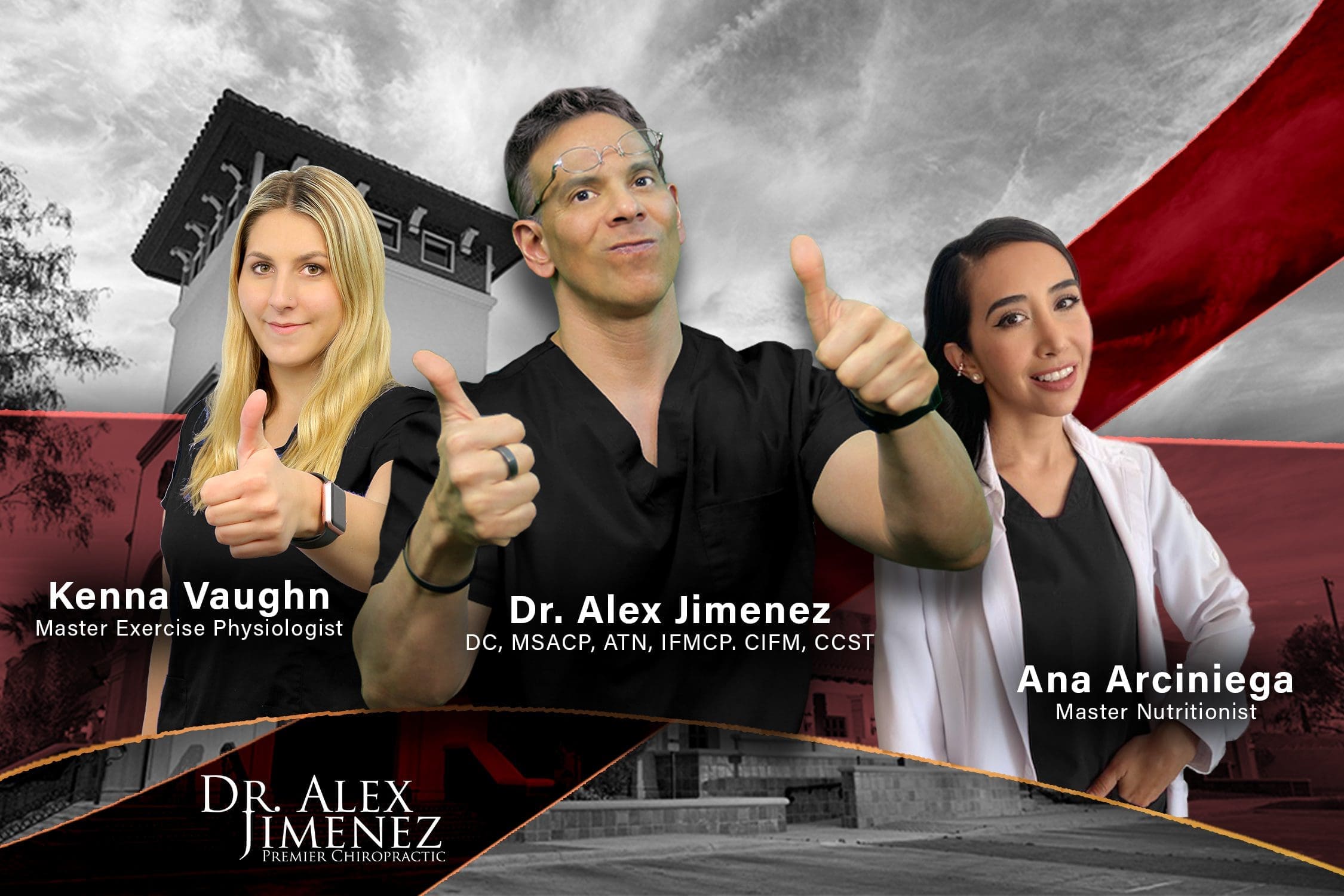
Welcome to El Paso's Premier Wellness and Injury Care Clinic & Wellness Blog, where Dr. Alex Jimenez, DC, FNP-C, a Multi-State board-certified Family Practice Nurse Practitioner (FNP-BC) and Chiropractor (DC), presents insights on how our multidisciplinary team is dedicated to holistic healing and personalized care. Our practice aligns with evidence-based treatment protocols inspired by integrative medicine principles, similar to those found on this site and our family practice-based chiromed.com site, focusing on restoring health naturally for patients of all ages.
Our areas of multidisciplinary practice include Wellness & Nutrition, Chronic Pain, Personal Injury, Auto Accident Care, Work Injuries, Back Injury, Low Back Pain, Neck Pain, Migraine Headaches, Sports Injuries, Severe Sciatica, Scoliosis, Complex Herniated Discs, Fibromyalgia, Chronic Pain, Complex Injuries, Stress Management, Functional Medicine Treatments, and in-scope care protocols.
Our information scope is multidisciplinary, focusing on musculoskeletal and physical medicine, wellness, contributing etiological viscerosomatic disturbances within clinical presentations, associated somato-visceral reflex clinical dynamics, subluxation complexes, sensitive health issues, and functional medicine articles, topics, and discussions.
We provide and present clinical collaboration with specialists from various disciplines. Each specialist is governed by their professional scope of practice and their jurisdiction of licensure. We use functional health & wellness protocols to treat and support care for musculoskeletal injuries or disorders.
Our videos, posts, topics, and insights address clinical matters and issues that are directly or indirectly related to our clinical scope of practice.
Our office has made a reasonable effort to provide supportive citations and has identified relevant research studies that support our posts. We provide copies of supporting research studies upon request to regulatory boards and the public.
We understand that we cover matters that require an additional explanation of how they may assist in a particular care plan or treatment protocol; therefore, to discuss the subject matter above further, please feel free to ask Dr. Alex Jimenez, DC, APRN, FNP-BC, or contact us at 915-850-0900.
We are here to help you and your family.
Blessings
Dr. Alex Jimenez DC, MSACP, APRN, FNP-BC*, CCST, IFMCP, CFMP, ATN
Email: [email protected]
Multidisciplinary Licensing & Board Certifications:
Licensed as a Doctor of Chiropractic (DC) in Texas & New Mexico*
Chiropractic Licenses:
Texas DC License #: TX5807, Verified: TX5807
New Mexico DC License #: NM-DC2182, Verified: NM-DC2182
Nurse Practitioner Licenses:
Texas APRN License #: 1191402, Verified: 1191402 *
New Mexico CNP License #: 90560, Verified 90560
Florida APRN License #: 11043890, Verified: APRN11043890 *
Colorado License #: C-APN.0105610-C-NP, Verified: C-APN.0105610-C-NP
New York License #: N25929, Verified N25929
Georgia APRN License #: GAA-NP005701
Multi-State Advanced Practice Registered Nurse (APRN*) Texas & Multi-States
Multi-state Compact APRN License by Endorsement (43 States)
Compact Status: Multi-State License: Authorized to Practice in 43 States*
Nursing Licensure Compact: Updated Here
DEA Registration: (Drug Enforcement Agency Registered)
All medical (MDs) and family practice providers (FNP-APRN) are registered and licensed to offer various levels of medication.
Verify Providers Here
License Verification Link: Nursys License Verifier
* Prescriptive Authority Authorized (DEA Registered Providers). Call if Required
Board Certification:
ANCC FNP-BC: Board Certified Nurse Practitioner*
Education:
Graduate with Honors: ICHS: MSN-FNP (Family Nurse Practitioner Program)
Degree Granted. Master's in Family Practice, MSN Diploma (Cum Laude)
Dr. Alex Jimenez, DC, APRN, FNP-BC*, CFMP, IFMCP, ATN, CCST
(Board Certified: Family Practice Nurse Practitioner—Multistate)*
(Licensed Nurse Practitioner & Chiropractor - Multistate)*
Clinical Director
DC & FNP License (Review Above)
Digital Business Card
NPI: 1205907805
Dr. Maria Cardenas, MD
(Board Certified: Internal Medicine)
(Licensed Medical Doctor)
Medical Director, Clinical Director & Collaborative Physician
NPI # 1164426748
MD License #: J2933
Licenses and Board Certifications:
MD: Medical Doctor
DC: Doctor of Chiropractic
APRNP: Advanced Practice Registered Nurse
FNP-BC: Family Practice Specialization (Multi-State Board Certified)
FNP-BC: Family Practice Across Life Span (Neonatal to Geriatrics)
RN: Registered Nurse (Multi-State Compact License)
CFMP: Certified Functional Medicine Provider
MSN-FNP: Master of Science in Family Practice Medicine
MSACP: Master of Science in Advanced Clinical Practice
IFMCP: Institute of Functional Medicine
CCST: Certified Chiropractic Spinal Trauma
ATN: Advanced Translational Neutrogenomics
Family with Primary Care Focus (Family Nurse Practitioner or FNP)
- The Family Nurse Practitioner (FNP) promotes, maintains, and restores health for individuals and families across the lifespan. FNPs also identify health risks, promote wellness, and diagnose and manage acute and chronic illness.
- The FNP focuses on comprehensive primary care, promoting healthy lifestyles for patients across the lifespan in settings such as private practice, physician offices, and community health centers.
Memberships & Associations:
TCA: Texas Chiropractic Association: Member ID: 104311
TNA: Texas Nurse Association: Member ID: 06458222
TNP: Texas Nurse Practitioner Association ID: 2025091511
AANP: American Association of Nurse Practitioners: Member ID: 2198960
ANA: American Nurses Association: Member ID: 06458222 (District TX01)
| Primary Taxonomy | Selected Taxonomy | State | License Number |
|---|---|---|---|
| No | 111N00000X - Chiropractor | NM | DC2182 |
| Yes | 111N00000X - Chiropractor | TX | DC5807 |
| Yes | 363LF0000X - Nurse Practitioner - Family | TX | 1191402 |
| Yes | 363LF0000X - Nurse Practitioner - Family | FL | 11043890 |
| Yes | 363LF0000X - Nurse Practitioner - Family | CO | C-APN.0105610-C-NP |
| Yes | 363LF0000X - Nurse Practitioner - Family | NY | N25929 |
| Yes | 363LF0000X - Nurse Practitioner - Family | NM |
90560 |
| Yes | 363LF0000X - Nurse Practitioner - Family | GA | GAA-NP005701 |
Dr. Alex Jimenez, DC, APRN, FNP-BC*, CFMP, IFMCP, ATN, CCST
(Board Certified: Family Practice Nurse Practitioner—Multistate)*
(Primary Care Across Lifespan—Neonatal / Pediatric / Adult / Geriatrics)
(Licensed Nurse Practitioner & Chiropractor - Multistate)*
Clinical Director
Digital Business Card
NPI: 1205907805
Dr. Maria Cardenas, MD
(Board Certified: Internal Medicine)*
(Licensed Medical Doctor)*
Medical Director, Clinical Director & Collaborative Physician
NPI # 1164426748
MD License #: J2933
📆 Schedule Appointment: Schedule 24/7 (Click Here)