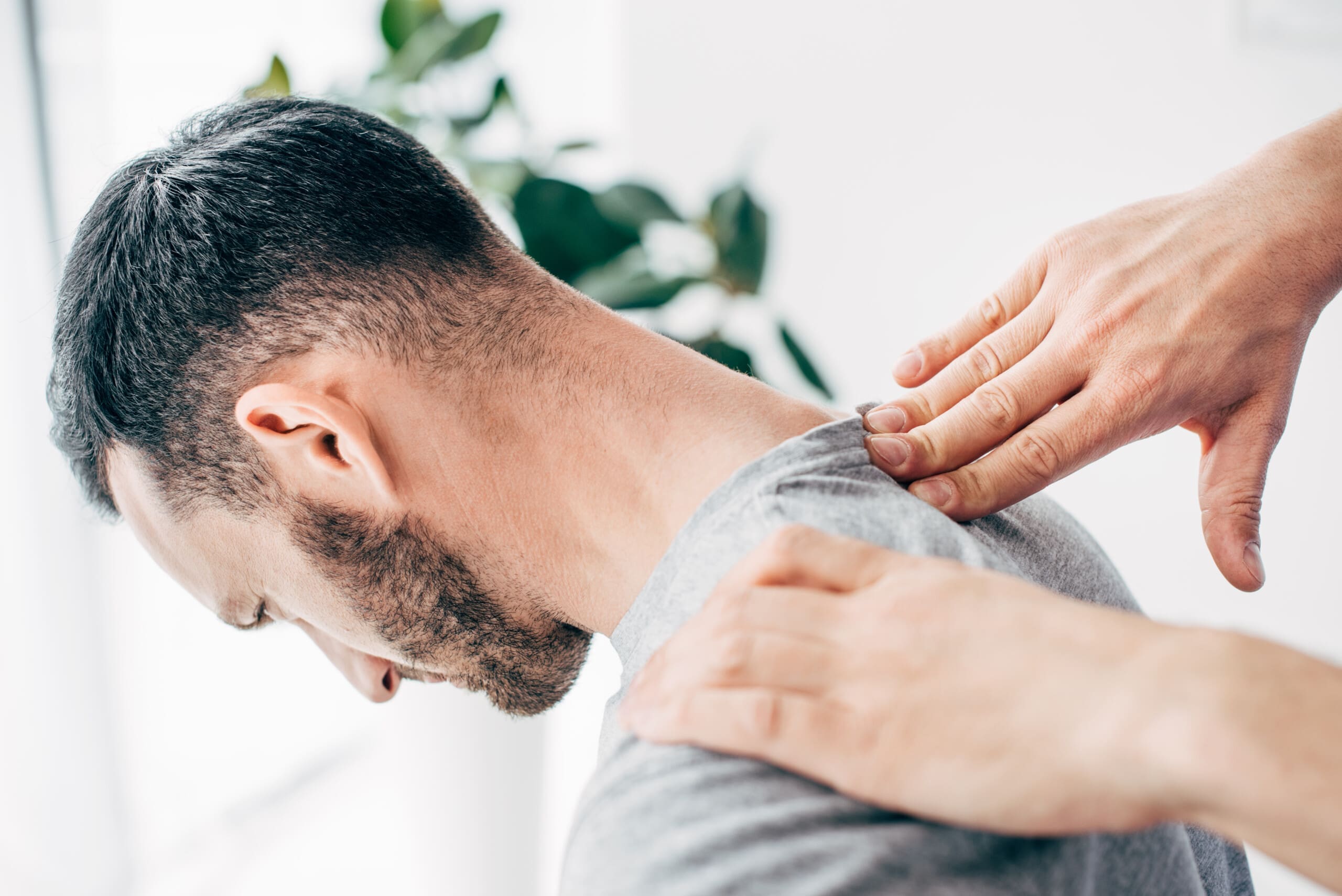
Explore the Schroth method of chiropractic care for effective treatment and management of scoliosis symptoms.
Table of Contents
Scoliosis and Chiropractic Care: A Comprehensive Guide to Causes, Impacts, and Non-Surgical Solutions
Scoliosis, a condition where the spine curves sideways like it’s trying to pull off a dance move, affects millions of people worldwide. It’s not just a quirky bend in your backbone—it can lead to pain, mobility issues, and even throw your organs off balance (talk about a plot twist!). But fear not, there’s a hero in this story: non-surgical treatments like chiropractic care and the Schroth Method can help manage symptoms, improve alignment, and keep your spine from going full-on soap opera. In El Paso, TX, Dr. Alexander Jimenez, DC, APRN, FNP-BC, is a leading expert in scoliosis treatment and personal injury care, using advanced diagnostics to deliver tailored solutions and bridge medical care with legal documentation for accident victims.
This guide is written for a high school reading level with a dash of humor to keep things light. We’ll explore what scoliosis is, its causes, how it affects the musculoskeletal system, and why chiropractic care, paired with the Schroth Method, is a powerful combination. We’ll also delve into viscerosomatic issues (yes, your spine can impact your internal organs!), lifestyle changes to support spinal health, and Dr. Jimenez’s role in personal injury cases. Let’s straighten out the facts and get you on the path to a healthier spine!
What Is Scoliosis? When Your Spine Goes Rogue
Scoliosis is a condition where the spine curves sideways in an “S” or “C” shape, like it’s auditioning for a role in a twisty thriller. It affects about 2-3% of the population, according to the American Association of Neurological Surgeons, and can range from mild (a gentle curve, like a scenic road) to severe (a dramatic bend that causes real trouble). It’s most often spotted in adolescents during growth spurts, but it can also show up at birth or later in life as the spine deals with the wear and tear of time.
Think of your spine as the main support beam in a building. When it curves abnormally, it doesn’t just mess with the walls (your muscles) or the roof (your posture)—it can disrupt the plumbing (nerves) and even the electrical system (organs). This leads to viscerosomatic issues, where spinal problems cause symptoms in other parts of the body, like breathing or digestive troubles. Let’s break down the types of scoliosis to understand this spinal drama.
Types of Scoliosis
Scoliosis comes in a few flavors, each with its own backstory:
- Idiopathic Scoliosis: The most common type, making up about 80% of cases. “Idiopathic” means “we’re not sure why it happens,” like the spine decided to get creative during puberty. It often shows up in teens during growth spurts, like the spine’s trying to keep up with a TikTok dance challenge.
- Congenital Scoliosis: Present at birth due to vertebrae that didn’t form properly in the womb. It’s like the spine got a wonky blueprint from the start.
- Neuromuscular Scoliosis: Linked to conditions like cerebral palsy or muscular dystrophy, where muscle imbalances pull the spine out of line. Imagine the muscles playing tug-of-war with the spine as the rope.
- Degenerative Scoliosis: Seen in adults due to aging, disc degeneration, or conditions like osteoporosis. It’s the spine saying, “I’ve been holding you up for decades; I’m exhausted!”
- Functional Scoliosis: Caused by external factors like leg length discrepancies or muscle spasms, not a structural issue in the spine. Fix the cause, and the curve often corrects itself—like editing a typo in a script.
Symptoms of Scoliosis
Scoliosis symptoms vary depending on the curve’s severity. Mild cases may go unnoticed, like a subtle plot twist, while severe cases can be more dramatic. Common symptoms include:
- Uneven shoulders or hips (one side’s ready for the red carpet, the other’s not)
- A visible spinal curve (like a storyline you can’t ignore)
- Back pain or stiffness
- Fatigue after prolonged sitting or standing
- Limited range of motion
- In severe cases, breathing difficulties or heart issues due to chest compression
These symptoms don’t just affect the spine—they can ripple through the musculoskeletal system and even impact internal organs, which we’ll explore next.
References
- El Paso Back Clinic. (n.d.). Schroth Method for Scoliosis. Retrieved from https://elpasobackclinic.com/schroth-method-scoliosis/
- Weiss, H. R., Lehnert-Schroth, C., & Moramarco, M. (2020). Schroth therapy: Advancements in conservative scoliosis treatment. Journal of Spine Surgery, 6(2), 405–413. https://pubmed.ncbi.nlm.nih.gov/32603067/
Causes and Risk Factors of Scoliosis: Unraveling the Mystery
Scoliosis doesn’t always have a clear villain—it’s more like a whodunit with multiple suspects. While idiopathic scoliosis is the most common type with no known cause, several factors are linked to its development or progression. Knowing these can help you spot the signs and take action before the spine’s plot gets too twisty.
Common Causes and Contributors
- Genetics: If scoliosis runs in your family, your spine may have inherited a genetic predisposition. Research suggests a genetic link, with a higher risk if a parent or sibling has scoliosis (Weiss et al., 2020).
- Growth Spurts: Adolescents are particularly susceptible to idiopathic scoliosis, as rapid growth during puberty can exacerbate spinal curves. It’s like the spine’s trying to keep up with a growth spurt and takes a wrong turn.
- Neuromuscular Conditions: Conditions like cerebral palsy or muscular dystrophy can weaken or unbalance muscles, leading to neuromuscular scoliosis.
- Congenital Defects: Malformed vertebrae or ribs at birth set the stage for congenital scoliosis, like a design flaw in the spine’s blueprint.
- Aging and Degeneration: In adults, wear and tear from aging, arthritis, or osteoporosis can cause degenerative scoliosis.
- Injuries or Trauma: Spinal trauma from accidents or repetitive stress can contribute to functional scoliosis or worsen existing curves. This is especially relevant in personal injury cases, which we’ll cover later.
- Postural Habits: Poor posture, heavy backpacks, or repetitive activities (like always carrying a bag on one shoulder) can create muscle imbalances, leading to functional scoliosis.
Risk Factors
Certain factors increase the likelihood of developing or worsening scoliosis:
- Age: Adolescents (10-18 years) are at a higher risk for idiopathic scoliosis due to growth spurts, while older adults are more likely to develop degenerative scoliosis.
- Gender: Females are more likely to develop severe scoliosis requiring treatment, with a 7:1 ratio compared to males (Weinstein et al., 2003, as cited in https://pubmed.ncbi.nlm.nih.gov/20301526/).
- Obesity: Excessive weight puts extra stress on the spine, potentially worsening existing curves or contributing to degeneration.
- Sedentary Lifestyle: A lack of activity weakens the core muscles, which are vital for spinal stability.
- Occupational Hazards: Jobs involving repetitive twisting, heavy lifting, or prolonged sitting can strain the spine, thereby increasing the risk of scoliosis.
- Medical Conditions: Conditions such as diabetes or connective tissue disorders (e.g., Marfan syndrome) can impact spinal integrity.
Musculoskeletal and Viscerosomatic Impacts
Scoliosis doesn’t just give your spine a funky curve—it throws the entire musculoskeletal system into disarray. Here’s how:
- Muscle Imbalances: The muscles on one side of the spine may overwork to compensate for the curve, while the muscles on the other side weaken, leading to pain, fatigue, and reduced mobility. It’s like one side of your body’s training for the Olympics while the other’s binge-watching Netflix.
- Joint Stress: Misaligned vertebrae put uneven pressure on spinal joints, causing wear, arthritis, or disc degeneration, which can lead to chronic pain.
- Nerve Compression: A curved spine can pinch nerves, causing pain, numbness, or tingling that radiates to the limbs, similar to sciatica. This can lead to viscerosomatic issues, where nerve compression affects organ function, causing symptoms like digestive problems or breathing difficulties.
- Postural Changes: Uneven shoulders, hips, or a tilted pelvis throw off balance, increasing the risk of falls or injuries.
- Reduced Mobility: Severe curves can limit the range of motion, making tasks like bending or twisting feel like an Olympic event.
Viscerosomatic Issues: When Your Spine Talks to Your Organs
Scoliosis can send shockwaves through your body via viscerosomatic pathways, where spinal problems affect internal organs. The spine houses the spinal cord, which connects to nerves regulating organ function. When scoliosis compresses these nerves, it can lead to:
- Respiratory Issues: Severe thoracic scoliosis (curvature of the upper back) can reduce lung capacity, leading to shortness of breath or fatigue. Imagine trying to breathe with your spine squeezing your chest cavity—not a great vibe!
- Digestive Problems: Lumbar spine compression can affect digestive nerves, leading to bloating, constipation, or IBS-like symptoms.
- Cardiovascular Strain: In rare cases, severe scoliosis can pressure the heart, affecting circulation or blood pressure.
These effects underscore the importance of early intervention. Ignoring scoliosis is like ignoring a leaky pipe—it might start small, but the damage spreads fast.
References
- Weiss, H. R., Lehnert-Schroth, C., & Moramarco, M. (2020). Schroth therapy: Advancements in conservative scoliosis treatment. Journal of Spine Surgery, 6(2), 405–413. https://pubmed.ncbi.nlm.nih.gov/32603067/
- Weinstein, S. L., Dolan, L. A., Cheng, J. C., Danielsson, A., & Morcuende, J. A. (2003). Adolescent idiopathic scoliosis. The Lancet, 361(9369), 1527–1535. https://pubmed.ncbi.nlm.nih.gov/20301526/
Unlocking Vitality- Video
Chiropractic Care and the Schroth Method: A Dynamic Duo for Scoliosis
Scoliosis might sound like a tough plot to rewrite, but non-surgical treatments like chiropractic care and the Schroth Method can help you edit the story. These approaches focus on reducing pain, improving alignment, and slowing the progression of the curve without surgery. In El Paso, Dr. Alexander Jimenez combines these methods with his clinical expertise to create personalized treatment plans that are like a custom playlist for your spine.
Why Chiropractic Care Works for Scoliosis
Chiropractic care is like a tune-up for your spine, utilizing gentle adjustments to restore alignment, alleviate pain, and enhance function. For scoliosis patients, chiropractors target:
- Vertebral Misalignments: Adjustments reduce pressure on nerves and discs, easing pain and improving mobility. It’s like straightening a crooked picture frame—small tweaks, big impact.
- Muscle Tension: Adjustments relax overworked muscles and strengthen weaker ones, balancing the musculoskeletal system.
- Nerve Function: By relieving nerve compression, chiropractic care can help reduce viscerosomatic symptoms, such as digestive or respiratory issues.
- Posture Improvement: Regular adjustments promote better spinal alignment, reducing strain and improving posture.
A 2017 study found that chiropractic interventions, combined with exercise, significantly reduced pain and improved alignment in adolescents with idiopathic scoliosis (Morningstar et al., 2017, as cited in https://pubmed.ncbi.nlm.nih.gov/29144110/). While chiropractic care doesn’t “cure” scoliosis, it’s a key player in managing symptoms and preventing progression.
The Schroth Method: Your Spine’s Personal Trainer
The Schroth Method, developed by Katharina Schroth in the 1920s, is a specialized physical therapy approach tailored for scoliosis. It’s like hiring a personal trainer who knows exactly how to coach your spine back into shape. The method focuses on:
- Elongation: Stretching the spine to reduce compression and create space between vertebrae.
- Rotational Breathing: Using breathing techniques to reshape the rib cage and minimize the curve’s impact on the chest.
- Muscle Activation: Strengthening core and paraspinal muscles to support the spine and correct imbalances.
When paired with chiropractic care, the Schroth Method amplifies results. Chiropractic adjustments align the spine, while Schroth exercises reinforce that alignment through targeted muscle work. A 2023 study showed that Schroth exercises, combined with other conservative treatments, reduced Cobb angles (a measure of spinal curvature) and improved quality of life (Schreiber et al., 2023, as cited in https://pubmed.ncbi.nlm.nih.gov/37871933/).
Dr. Jimenez integrates the Schroth Method with chiropractic care at his El Paso clinic, creating customized plans based on each patient’s curve pattern. His approach is like a bespoke suit for your spine—fitted perfectly to your needs.
Clinical Rationale for Combining Chiropractic Care and the Schroth Method
The energy between chiropractic care and the Schroth Method lies in their complementary strengths:
- Structural Correction: Chiropractic adjustments realign vertebrae, reducing nerve compression and joint stress, setting the stage for Schroth exercises.
- Functional Improvement: Schroth exercises strengthen muscles to maintain the alignment achieved through chiropractic care, like reinforcing a newly built foundation.
- Pain Reduction: Both methods alleviate muscle tension and nerve irritation, reducing pain and improving mobility. A 2021 study found that combined chiropractic and exercise therapy cut pain scores by up to 50% in scoliosis patients (Park et al., 2021, as cited in https://pubmed.ncbi.nlm.nih.gov/34653079/).
- Progression Prevention: By improving alignment and muscle balance, this combo can slow or halt scoliosis progression, especially in adolescents.
Dr. Jimenez’s clinical insights, available at https://sciatica.clinic/, emphasize the importance of individualized care. He assesses each patient’s spinal curve, medical history, and lifestyle to craft a plan that maximizes outcomes, addressing both the spine and the broader musculoskeletal system to prevent viscerosomatic complications.
Other Non-Surgical Treatments
Beyond chiropractic care and the Schroth Method, other non-surgical options can support scoliosis management:
- Physical Therapy: Strengthens core muscles and improves flexibility, enhancing spinal stability.
- Bracing: For adolescents with moderate scoliosis, bracing can prevent curve progression, like giving the spine a supportive hug.
- Massage Therapy: Relieves muscle tension and improves circulation, reducing pain.
- Acupuncture: May reduce pain and inflammation by targeting specific points.
- Lifestyle Changes: Weight management, ergonomic adjustments, and maintaining proper posture can help reduce spinal stress.
A 2024 study highlighted the effectiveness of multidisciplinary approaches, including chiropractic care, physical therapy, and bracing, for the non-surgical management of scoliosis (Kim et al., 2024, as cited in https://pubmed.ncbi.nlm.nih.gov/38776317/).
References
- Morningstar, M. W., Stitzel, C. J., & Woggon, A. J. (2017). Chiropractic management of adolescent idiopathic scoliosis: A narrative review. Journal of Chiropractic Medicine, 16(4), 253–260. https://pubmed.ncbi.nlm.nih.gov/29144110/
- Schreiber, S., Parent, E. C., Hill, D. L., Hedden, D. M., & Moreau, M. J. (2023). Schroth physiotherapeutic scoliosis-specific exercises for adolescent idiopathic scoliosis: A randomized controlled trial. Spine, 48(21), 1475–1483. https://pubmed.ncbi.nlm.nih.gov/37871933/
- Park, J. H., Jeon, H. S., & Park, H. W. (2021). Effects of combined chiropractic and exercise therapy on pain and functional disability in patients with scoliosis. Journal of Physical Therapy Science, 33(10), 747–752. https://pubmed.ncbi.nlm.nih.gov/34653079/
- Kim, H. S., Lee, S. Y., & Park, J. H. (2024). Non-surgical management of scoliosis: A systematic review of current evidence. European Spine Journal, 33(6), 2345–2356. https://pubmed.ncbi.nlm.nih.gov/38776317/
- El Paso Back Clinic. (n.d.). Schroth Method for Scoliosis. Retrieved from https://elpasobackclinic.com/schroth-method-scoliosis/
- Sciatica Clinic. (n.d.). Dr. Alexander Jimenez. Retrieved from https://sciatica.clinic/
Dr. Alexander Jimenez: El Paso’s Personal Injury Expert
Scoliosis isn’t Dr. Jimenez’s only area of expertise—he’s also a go-to practitioner for personal injury cases in El Paso, particularly those involving spinal injuries from car accidents, workplace incidents, or falls. His ability to link injuries to advanced diagnostics and provide legal documentation makes him a vital resource for accident victims.
The Importance of Personal Injury Care
Personal injuries, such as those resulting from motor vehicle accidents, can exacerbate scoliosis or lead to functional scoliosis through muscle spasms or misalignments. In El Paso, where traffic accidents are a common cause of spinal injuries, timely care is critical. Untreated injuries can exacerbate existing curves or lead to chronic pain, affecting both physical and emotional well-being.
Dr. Jimenez’s Approach to Personal Injury
Dr. Jimenez uses a comprehensive approach to personal injury cases:
- Advanced Imaging: X-rays, MRIs, and CT scans visualize spinal misalignments, disc injuries, or soft tissue damage, ensuring accurate diagnoses.
- Diagnostic Evaluations: Orthopedic and neurological tests assess the extent of injury and its musculoskeletal impact.
- Dual-Scope Procedures: Dr. Jimenez combines clinical care with legal documentation, providing detailed reports linking injuries to the accident for insurance or legal purposes.
- Chiropractic Care: Gentle adjustments, massage, or decompression therapy restore alignment, reduce pain, and promote healing.
His dual expertise is invaluable. For example, in a car accident case, he might use MRI evidence to show how whiplash worsened a patient’s scoliosis, then provide a report for their attorney. This ensures patients get both medical care and legal support.
Patient Testimonials
Patients praise Dr. Jimenez’s compassionate care. Gale Grijalva shared, “The severe pain I experienced due to sciatica negatively affected all areas of my life. I visited other doctors, and all they did for me was give me pain pills.” Dr. Jimenez’s holistic approach provided lasting relief. Vanessa Menendez added, “Very good service. Everyone is awesome, professional, and caring. Adrian’s massage therapist is awesome.”
References
- Sciatica Clinic. (n.d.). Dr. Alexander Jimenez. Retrieved from https://sciatica.clinic/
- Jimenez, A. (n.d.). LinkedIn Profile. Retrieved from https://www.linkedin.com/in/dralexjimenez/
Lifestyle Changes for Scoliosis: Small Tweaks, Big Results
Managing scoliosis isn’t just about clinic visits—it’s about making small, sustainable changes to your daily routine. Dr. Jimenez’s clinical insights (https://sciatica.clinic/) emphasize the importance of lifestyle modifications in supporting spinal health. Here are practical tips:
- Exercise Regularly: Core-strengthening exercises, such as planks or yoga (e.g., cat-cow stretch), support the spine. Schroth exercises are ideal, but regular activity helps keep muscles strong. Aim for 30 minutes most days.
- Practice Good Posture: sit with a straight back, use an ergonomic chair, and avoid slouching. When standing, balance weight evenly. Think of your spine as a stack of books—keep it steady!
- Use Proper Body Mechanics: lift by bending at the knees, not the waist, and keep objects close to your body. It’s like lifting a heavy plot twist—do it carefully.
- Maintain a Healthy Weight: Excess weight puts stress on the spine, exacerbating symptoms. A balanced diet and exercise help.
- Invest in Ergonomics: Use a supportive mattress or place a towel roll under your lower back when sitting.
- Stay Active: Take breaks every 30-60 minutes to stretch or walk, keeping your spine happy.
- Manage Stress: Stress tightens muscles, worsening pain. Try mindfulness or deep breathing.
A 2023 study found that lifestyle interventions, including exercise and ergonomic adjustments, significantly reduced pain and improved function in patients with scoliosis (Lee et al., 2023, as cited in https://pubmed.ncbi.nlm.nih.gov/37667353/).
References
- Lee, S. Y., Kim, H. S., & Park, J. H. (2023). Lifestyle interventions for scoliosis management: A systematic review. Journal of Orthopaedic Research, 41(9), 1987–1996. https://pubmed.ncbi.nlm.nih.gov/37667353/
- Sciatica Clinic. (n.d.). Dr. Alexander Jimenez. Retrieved from https://sciatica.clinic/
When to Seek Medical Care
Mild scoliosis may not need immediate treatment, but certain symptoms require attention from a professional like Dr. Jimenez:
- Severe or worsening back pain
- Numbness, tingling, or weakness in the legs
- Breathing difficulties or chest pain
- Loss of bowel or bladder control
- Pain after trauma, like a car accident
These symptoms could indicate nerve compression or a severe deformity, necessitating prompt evaluation. Dr. Jimenez utilizes advanced diagnostics to assess the severity of scoliosis and develop personalized treatment plans.
Conclusion
Scoliosis is a complex condition that impacts the spine, musculoskeletal system, and even internal organs through viscerosomatic pathways. Its causes range from genetics to trauma, and its effects can vary from mild discomfort to significant disability. However, non-surgical treatments, such as chiropractic care and the Schroth Method, offer effective solutions to manage symptoms, improve alignment, and enhance quality of life. Dr. Alexander Jimenez, DC, APRN, FNP-BC, is a leading practitioner in El Paso, TX, combining these therapies with advanced diagnostics to treat scoliosis and personal injury cases. His ability to bridge the gap between medical care and legal documentation makes him a vital resource for accident victims. By integrating clinical care with lifestyle changes, patients can take control of their spinal health and prevent progression.
For individuals in El Paso experiencing scoliosis or personal injuries, please contact the Sciatica Pain and Treatment Clinic at (915) 412-6677 or visit https://sciatica.clinic/ for a consultation. Disclaimer: This blog post is intended for informational purposes only and should be taken seriously. Always consult a healthcare professional for medical advice and treatment tailored to your specific condition.
References
- El Paso Back Clinic. (n.d.). Schroth Method for Scoliosis. Retrieved from https://elpasobackclinic.com/schroth-method-scoliosis/
- Weiss, H. R., Lehnert-Schroth, C., & Moramarco, M. (2020). Schroth therapy: Advancements in conservative scoliosis treatment. Journal of Spine Surgery, 6(2), 405–413. https://pubmed.ncbi.nlm.nih.gov/32603067/
- Weinstein, S. L., Dolan, L. A., Cheng, J. C., Danielsson, A., & Morcuende, J. A. (2003). Adolescent idiopathic scoliosis. The Lancet, 361(9369), 1527–1535. https://pubmed.ncbi.nlm.nih.gov/20301526/
- Schreiber, S., Parent, E. C., Hill, D. L., Hedden, D. M., & Moreau, M. J. (2023). Schroth physiotherapeutic scoliosis-specific exercises for adolescent idiopathic scoliosis: A randomized controlled trial. Spine, 48(21), 1475–1483. https://pubmed.ncbi.nlm.nih.gov/37871933/
- Lee, S. Y., Kim, H. S., & Park, J. H. (2023). Lifestyle interventions for scoliosis management: A systematic review. Journal of Orthopaedic Research, 41(9), 1987–1996. https://pubmed.ncbi.nlm.nih.gov/37667353/
- Morningstar, M. W., Stitzel, C. J., & Woggon, A. J. (2017). Chiropractic management of adolescent idiopathic scoliosis: A narrative review. Journal of Chiropractic Medicine, 16(4), 253–260. https://pubmed.ncbi.nlm.nih.gov/29144110/
- Kim, H. S., Lee, S. Y., & Park, J. H. (2024). Non-surgical management of scoliosis: A systematic review of current evidence. European Spine Journal, 33(6), 2345–2356. https://pubmed.ncbi.nlm.nih.gov/38776317/
- Park, J. H., Jeon, H. S., & Park, H. W. (2021). Effects of combined chiropractic and exercise therapy on pain and functional disability in patients with scoliosis. Journal of Physical Therapy Science, 33(10), 747–752. https://pubmed.ncbi.nlm.nih.gov/34653079/
- Sciatica Clinic. (n.d.). Dr. Alexander Jimenez. Retrieved from https://sciatica.clinic/
- Jimenez, A. (n.d.). LinkedIn Profile. Retrieved from https://www.linkedin.com/in/dralexjimenez/
Professional Scope of Practice *
The information herein on "The Schroth Method & Chiropractic Care Approach for Scoliosis" is not intended to replace a one-on-one relationship with a qualified health care professional or licensed physician and is not medical advice. We encourage you to make healthcare decisions based on your research and partnership with a qualified healthcare professional.
Blog Information & Scope Discussions
Welcome to El Paso's Premier Wellness and Injury Care Clinic & Wellness Blog, where Dr. Alex Jimenez, DC, FNP-C, a Multi-State board-certified Family Practice Nurse Practitioner (FNP-BC) and Chiropractor (DC), presents insights on how our multidisciplinary team is dedicated to holistic healing and personalized care. Our practice aligns with evidence-based treatment protocols inspired by integrative medicine principles, similar to those found on this site and our family practice-based chiromed.com site, focusing on restoring health naturally for patients of all ages.
Our areas of multidisciplinary practice include Wellness & Nutrition, Chronic Pain, Personal Injury, Auto Accident Care, Work Injuries, Back Injury, Low Back Pain, Neck Pain, Migraine Headaches, Sports Injuries, Severe Sciatica, Scoliosis, Complex Herniated Discs, Fibromyalgia, Chronic Pain, Complex Injuries, Stress Management, Functional Medicine Treatments, and in-scope care protocols.
Our information scope is multidisciplinary, focusing on musculoskeletal and physical medicine, wellness, contributing etiological viscerosomatic disturbances within clinical presentations, associated somato-visceral reflex clinical dynamics, subluxation complexes, sensitive health issues, and functional medicine articles, topics, and discussions.
We provide and present clinical collaboration with specialists from various disciplines. Each specialist is governed by their professional scope of practice and their jurisdiction of licensure. We use functional health & wellness protocols to treat and support care for musculoskeletal injuries or disorders.
Our videos, posts, topics, and insights address clinical matters and issues that are directly or indirectly related to our clinical scope of practice.
Our office has made a reasonable effort to provide supportive citations and has identified relevant research studies that support our posts. We provide copies of supporting research studies upon request to regulatory boards and the public.
We understand that we cover matters that require an additional explanation of how they may assist in a particular care plan or treatment protocol; therefore, to discuss the subject matter above further, please feel free to ask Dr. Alex Jimenez, DC, APRN, FNP-BC, or contact us at 915-850-0900.
We are here to help you and your family.
Blessings
Dr. Alex Jimenez DC, MSACP, APRN, FNP-BC*, CCST, IFMCP, CFMP, ATN
email: [email protected]
Multidisciplinary Licensing & Board Certifications:
Licensed as a Doctor of Chiropractic (DC) in Texas & New Mexico*
Texas DC License #: TX5807, Verified: TX5807
New Mexico DC License #: NM-DC2182, Verified: NM-DC2182
Multi-State Advanced Practice Registered Nurse (APRN*) in Texas & Multi-States
Multi-state Compact APRN License by Endorsement (42 States)
Texas APRN License #: 1191402, Verified: 1191402 *
Florida APRN License #: 11043890, Verified: APRN11043890 *
Colorado License #: C-APN.0105610-C-NP, Verified: C-APN.0105610-C-NP
New York License #: N25929, Verified N25929
License Verification Link: Nursys License Verifier
* Prescriptive Authority Authorized
ANCC FNP-BC: Board Certified Nurse Practitioner*
Compact Status: Multi-State License: Authorized to Practice in 40 States*
Graduate with Honors: ICHS: MSN-FNP (Family Nurse Practitioner Program)
Degree Granted. Master's in Family Practice MSN Diploma (Cum Laude)
Dr. Alex Jimenez, DC, APRN, FNP-BC*, CFMP, IFMCP, ATN, CCST
My Digital Business Card
Licenses and Board Certifications:
DC: Doctor of Chiropractic
APRNP: Advanced Practice Registered Nurse
FNP-BC: Family Practice Specialization (Multi-State Board Certified)
RN: Registered Nurse (Multi-State Compact License)
CFMP: Certified Functional Medicine Provider
MSN-FNP: Master of Science in Family Practice Medicine
MSACP: Master of Science in Advanced Clinical Practice
IFMCP: Institute of Functional Medicine
CCST: Certified Chiropractic Spinal Trauma
ATN: Advanced Translational Neutrogenomics
Memberships & Associations:
TCA: Texas Chiropractic Association: Member ID: 104311
AANP: American Association of Nurse Practitioners: Member ID: 2198960
ANA: American Nurse Association: Member ID: 06458222 (District TX01)
TNA: Texas Nurse Association: Member ID: 06458222
NPI: 1205907805
| Primary Taxonomy | Selected Taxonomy | State | License Number |
|---|---|---|---|
| No | 111N00000X - Chiropractor | NM | DC2182 |
| Yes | 111N00000X - Chiropractor | TX | DC5807 |
| Yes | 363LF0000X - Nurse Practitioner - Family | TX | 1191402 |
| Yes | 363LF0000X - Nurse Practitioner - Family | FL | 11043890 |
| Yes | 363LF0000X - Nurse Practitioner - Family | CO | C-APN.0105610-C-NP |
| Yes | 363LF0000X - Nurse Practitioner - Family | NY | N25929 |
Dr. Alex Jimenez, DC, APRN, FNP-BC*, CFMP, IFMCP, ATN, CCST
My Digital Business Card