Table of Contents
Why Eating While Driving Is Dangerous: Injuries, Accidents, and How to Heal
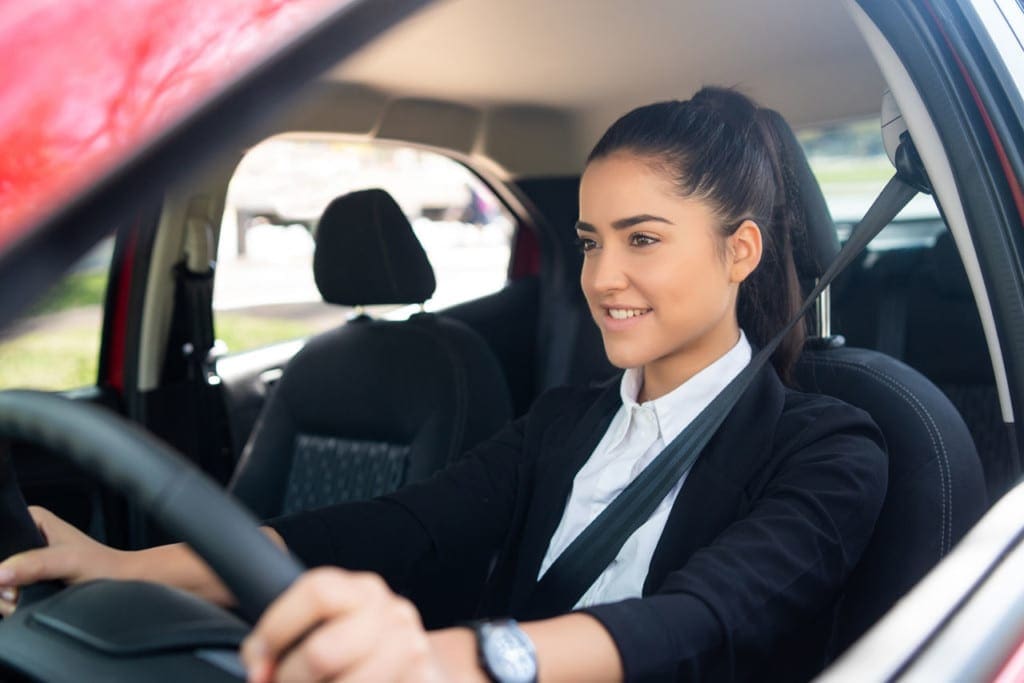
Eating While Driving: A Common But Dangerous Habit
Imagine driving down the road with one hand on the steering wheel and the other holding a messy cheeseburger. It may seem harmless, but eating while driving is a major cause of distracted driving—and it’s more dangerous than most people think. According to multiple safety studies, eating behind the wheel can delay reaction time, reduce focus, and increase the risk of being involved in a motor vehicle accident (MVA) (Bailey & Johnson, 2023).
Distractions while driving can be categorized into three main forms: visual, manual, and cognitive. Eating involves all three. Your eyes leave the road to grab or unwrap your food (visual distraction), at least one hand leaves the wheel to hold or manage the meal (manual distraction), and your mind focuses on the act of eating instead of your surroundings (cognitive distraction) (CB Law Group, 2023).
The National Highway Traffic Safety Administration (NHTSA) estimates that distracted driving—including eating—contributes to thousands of injuries and fatalities each year. While many think only texting or talking causes distractions, studies show that eating behind the wheel increases crash probability by as much as 80% (Farrin Law Firm, 2023). That’s a significant risk for something that can usually wait until you’re parked.
In short, the more complex or messy your meal, the more likely it is to pull your attention away from safe driving.
✅ Key Point: Distracted driving is dangerous, and eating while driving falls into all three distraction types: visual, manual, and mental.
The 10 Most Dangerous Foods to Eat While Driving
Not all snacks are created equal when it comes to road safety. Some foods are especially risky to eat while driving because they are greasy, messy, require two hands to eat, or are hot and likely to spill. These types of foods increase your chances of being distracted—just one moment of inattention could lead to a serious car accident, chronic pain, or even long-term disability.
🚫 Top 10 Most Dangerous Foods Behind the Wheel
- Hot Soup or Chili – Often stored in to-go cups, these hot liquids can easily spill. A sudden spill of burning-hot food on your lap while driving can trigger a panic reaction and lead to loss of vehicle control (Reliable Plant, 2023).
- Tacos – Tacos fall apart easily. You often need two hands, and they drop fillings everywhere. This makes them one of the most commonly cited foods that cause accidents (McCoy & Sparks, 2023).
- Burgers – Large, greasy, and hard to manage with one hand, burgers drip sauces and require constant attention to keep them from falling apart (Space Center Automotive, 2023).
- Fried Chicken – Greasy fingers from fried foods make it harder to grip the steering wheel and increase the need to wipe your hands frequently, often while still driving (Justice For You, 2023).
- Coffee – It seems like a simple drink, but hot coffee can spill during a sudden stop or bump in the road. Burns and the shock of the spill can distract you long enough to cause a crash (The Zebra, 2023).
- Soft Drinks or Soda Cans – They require tilting your head back and one hand off the wheel. Fizzes and spills are common, especially if the lid isn’t secure (Auto Clinic Care, 2023).
- Barbecue and Sauced Foods – Anything smothered in sauce—ribs, wings, pulled pork—tends to be messy and distracting. You’ll need to wipe your hands, steer, and drive simultaneously (McCoy & Sparks, 2023).
- Powdered Donuts – They’re dry, crumbly, and dust your clothes and fingers with sugar. Most people can’t resist the urge to clean up while still in motion (Reliable Plant, 2023).
- Chocolate or Ice Cream – These melt quickly and become sticky. You’ll need a napkin to clean up, and that means less attention on the road (Bailey & Johnson, 2023).
- Sub Sandwiches or Hoagies – Their size makes them hard to hold with one hand. Ingredients slide out, making you reach or look down to avoid dropping something (Space Center Automotive, 2023).
These foods aren’t just messy—they’re unsafe. They cause drivers to shift their focus away from driving and toward cleanup or food control. A simple lunch or snack can quickly turn into a dangerous distraction.
✅ Key Point: Avoid foods that are hot, greasy, messy, or require two hands to eat. These foods are the worst culprits when it comes to distracted driving.
Reliable Plant, 2023
McCoy & Sparks, 2023
Space Center Automotive, 2023
Justice For You, 2023
The Zebra, 2023
Auto Clinic Care, 2023
The Real-Life Consequences of Eating Behind the Wheel
Eating while driving is not just a bad habit—it can have very real and costly consequences. Whether you’re reaching for a fry, wiping up a spill, or reacting to a dropped item, the moment you take your focus off the road could be the moment a crash happens. These types of motor vehicle accidents (MVAs) often result in serious physical injuries and financial burdens.
💥 What Can Happen When You Eat and Drive?
1. Motor Vehicle Accidents (MVAs)
Studies have shown that eating while driving increases the risk of crashes by up to 80% (Farrin Law Firm, 2023). That’s because the combination of visual, manual, and cognitive distractions delays your reaction time. For instance, if a car in front of you suddenly brakes while you’re focused on your coffee, it may be too late to stop in time.
2. Musculoskeletal and Nerve Injuries
When collisions happen—especially rear-end accidents—your body may experience sudden and unnatural movement. Whiplash, nerve compression, and back injuries are common. These can lead to long-term issues such as:
- Chronic neck and back pain
- Spinal misalignments
- Pinched nerves
- Muscle spasms and inflammation
Dr. Alexander Jimenez, DC, APRN, FNP-BC, a dual-scope chiropractic and nurse practitioner specialist in El Paso, frequently treats these exact conditions. According to his clinical experience, “Even minor accidents caused by eating distractions can lead to spinal injuries, nerve inflammation, and joint dysfunction. A comprehensive dual-scope evaluation—including imaging and postural assessments—is critical for both clinical recovery and legal documentation” (Jimenez, 2024).
3. Legal and Financial Consequences
If you’re in an accident while eating, you could be held legally responsible—even if the other vehicle was partially at fault. That’s because distracted driving is considered a traffic violation in many states. You may face:
- Fines and tickets
- Increased insurance premiums
- Legal fees or court appearances
- Civil lawsuits are filed if someone is injured
In the worst cases, distracted eating can lead to severe accidents with lifelong consequences—for you and others.
✅ Key Point: The risks of eating while driving include accidents, physical injuries, and serious legal or financial fallout. A snack is not worth a spinal injury or lawsuit.
Farrin Law Firm, 2023
Bailey & Johnson, 2023
Winters & Yonker, 2023
Dr. Alexander Jimenez, 2024
The Safer Choice — Eat Before or After You Drive
One of the simplest ways to reduce distracted driving is to refrain from eating behind the wheel. While grabbing a bite in traffic may seem time-saving, it can put your life—and others’—in danger. Planning your meals around your drive, rather than during it, significantly reduces your risk of causing or being involved in a motor vehicle accident (MVA).
🍽️ Why You Should Eat Before or After Driving
1. Improved Focus and Reaction Time
Eating before or after you drive ensures your hands are free, your eyes are on the road, and your brain is focused on traffic, not tacos. As The Zebra reports, multitasking while driving—even with something as common as drinking coffee—delays both visual and auditory response times (The Zebra, 2023).
2. Avoid Spills, Burns, and Sudden Movements
Food accidents inside the car—such as hot soup spilling on your lap or a wrapper falling under the seat—cause more than messes. They trigger startle reactions that lead to swerving, abrupt braking, or losing control of your vehicle. Preventing these distractions is as easy as waiting until your car is in park (CB Law Group, 2023).
3. Reduced Risk of Legal Trouble
Some states treat distracted eating just as they do texting while driving. If you’re found at fault in a crash while eating, it can complicate liability, insurance claims, and court proceedings. Many personal injury attorneys now highlight food-related distractions as a key cause of preventable MVAs (Don’t Get Hit Twice, 2025).
✅ Key Point: Eating before or after your drive protects your physical health and helps you avoid accidents, injuries, legal issues, and rising insurance costs.
The Zebra, 2023
CB Law Group, 2023
Don’t Get Hit Twice, 2025
How Chiropractic and Integrative Medicine Support Recovery After an Eating-Related Car Crash
If you’ve been injured in a car accident caused by eating while driving—or by someone else who was distracted—your body may still be paying the price long after the crash. A sudden jolt from a collision, even at low speeds, can cause damage to muscles, ligaments, joints, and nerves. That’s where chiropractic care, integrative medicine, and advanced diagnostics come in.
🧠🦴 The Hidden Injuries Behind the Crash
Many people assume that if they didn’t break a bone, they’re fine. But soft tissue and neurological injuries often don’t show up right away. According to Dr. Alexander Jimenez, DC, APRN, FNP-BC—a chiropractic and nurse practitioner specialist in El Paso—“Patients involved in distracted-driving accidents frequently suffer micro-tears in muscles, disc herniations, and subtle spinal misalignments that worsen over time.”
His dual-scope approach allows for:
- Medical diagnosis of internal and musculoskeletal injuries
- Imaging (X-rays, MRI, or digital posture scans) to reveal underlying damage
- Chiropractic adjustments to realign the spine
- Physical rehab and integrative protocols to reduce pain and inflammation
- Legal documentation for personal injury claims
Dr. Jimenez emphasizes the importance of early intervention: “Delaying care increases the risk of long-term complications like chronic nerve pain, reduced mobility, and postural instability,” he notes. That’s why an integrated evaluation is essential—especially for crash victims whose injuries stem from distractions like eating behind the wheel.
✅ Chiropractic and Integrative Benefits After an Eating-Related MVA
- Spinal Adjustments: Realign the vertebrae to relieve pressure on nerves
- Myofascial Release & Soft Tissue Work: Restore function to muscles and connective tissue
- Posture Correction: Reverse imbalances caused by seatbelt strain, whiplash, or abrupt impacts
- Nutritional & Functional Support: Address inflammation through diet and supplements
- Advanced Imaging & Documentation: Support clinical and legal recovery
Dr. Jimenez and his team also provide medico-legal documentation—a crucial step in personal injury cases. This includes records of diagnoses, treatment plans, and outcome projections, which can support attorney negotiations or court claims.
✅ Key Point: Chiropractic and integrative care can treat the musculoskeletal, nerve, and postural damage caused by eating-related MVAs—while also helping with the legal documentation needed for recovery and compensation.
Dr. Alexander Jimenez, 2024
Sciatica Clinic, 2024
LinkedIn – Dr. Alexander Jimenez
A Step-by-Step Guide to Preventing Eating-Related Distractions While Driving
Preventing distracted driving starts with small, intentional choices. The key is to set yourself up for success before you even start your engine. Whether you’re commuting to work, picking up kids, or taking a road trip, following these steps can help you stay focused, safe, and injury-free.
✅ Step 1: Plan Your Meals Around Your Drive
Make it a rule to eat before or after you get behind the wheel. If you’re in a rush, eat a quick snack inside the restaurant or at home before hitting the road. It’s better to be a few minutes late than risk a crash that changes your life forever.
✅ Step 2: Set Up a “No Food While Driving” Policy
If you’re driving with kids, teens, or passengers, set a clear boundary: no eating in the car while it’s moving. It keeps your vehicle cleaner and your focus sharper. For families, prepare snacks ahead of time and set up a “car picnic” break at a rest stop instead.
✅ Step 3: Use Drive-Thru Parking Lots Wisely
If you pick up food from a drive-thru, park, and eat. Most fast-food places have designated spots where you can safely eat without distractions. Once you’re done, continue driving.
✅ Step 4: Keep the Dashboard and Cupholders Clear
Steer clear of the temptation to keep snacks, wrappers, and drinks within easy reach. A clutter-free vehicle reduces the urge to snack and improves your reaction time by minimizing physical and visual distractions (Justice For You, 2023).
✅ Step 5: Educate Teen Drivers
Teens are especially at risk for distracted driving. Involve them in conversations about safe habits, and explain how eating—even a granola bar—can delay reaction time and lead to long-term injuries or legal problems (Reliable Plant, 2023).
✅ Step 6: Choose the Safer Option—Pull Over
If you’re truly hungry, find a safe spot to pull over and eat. It’s a responsible choice and one that shows care for your health and the well-being of everyone on the road.
As Dr. Jimenez often reminds patients, “The cost of distracted driving isn’t just legal—it’s physical and emotional. A minor crash caused by food distraction can lead to chronic nerve damage, lost wages, and years of pain. All of that can be prevented by waiting ten minutes to eat.”
✅ Key Point: Preventing eating-related driving distractions requires simple steps—plan, park to eat, and keep your focus on the road, not the food.
Justice For You, 2023
Reliable Plant, 2023
Dr. Alexander Jimenez, 2024
Why a Multidisciplinary Approach Is Critical After an MVA
Recovering from a motor vehicle accident (MVA)—even a minor one—often requires more than just a visit to urgent care or a few days of rest. Many injuries, especially those caused by distracted driving (like eating behind the wheel), are complex. They can involve nerve damage, musculoskeletal strain, soft tissue trauma, and emotional stress. That’s why a multidisciplinary approach is the gold standard in post-crash recovery.
🔄 What Is a Multidisciplinary Approach?
This type of care involves multiple healthcare providers working together to treat the whole person—not just the symptoms. It’s especially helpful when the injury spans different body systems (like the spine, nerves, muscles, and ligaments).
A multidisciplinary team might include:
- Chiropractors – to realign the spine, reduce nerve pressure, and restore mobility
- Nurse Practitioners (NPs) – to evaluate internal injuries, prescribe medication, and oversee primary care
- Physical Therapists – to guide rehab, strengthen weak areas, and improve flexibility
- Massage Therapists – to relieve muscle tightness and promote circulation
- Nutritional or Functional Medicine Specialists – to address inflammation, energy, and whole-body healing
👨⚕️ The Jimenez Model: Dual-Scope Care for Recovery and Legal Protection
Dr. Alexander Jimenez is a prime example of how a dual-scope provider can streamline care after an eating-related auto accident. As a doctor of chiropractic and board-certified family nurse practitioner, Dr. Jimenez evaluates injuries using advanced diagnostics like:
- Digital posture analysis
- Orthopedic neurological exams
- MRI or X-ray referrals
- Gait and movement pattern assessments
His integrative clinic addresses the underlying causes, not just the symptoms, helping to prevent long-term damage such as chronic back pain, sciatica, or postural issues. Dr. Jimenez also understands the legal side of personal injury cases. He produces detailed documentation to support medical claims and collaborates with attorneys to advocate for patients.
“In distracted driving cases,” says Dr. Jimenez, “it’s not uncommon for patients to walk in with mild symptoms that, without proper care, evolve into life-altering conditions like radiculopathy or spinal instability. Integrative care ensures no injury is overlooked.”
⚖️ Healing the Body and Supporting the Case
Multidisciplinary care also supports the legal side of recovery:
- Clear medical documentation
- Accurate injury timelines
- Verified causation for symptoms
- Coordinated treatment plans
These elements are essential when dealing with auto insurance, litigation, or workers’ compensation claims.
✅ Key Point: A multidisciplinary approach—like that offered by Dr. Jimenez—ensures full physical, emotional, and legal recovery after an accident caused by distracted eating.
Sciatica Clinic, 2024
Dr. Alexander Jimenez, 2024
LinkedIn – Dr. Jimenez
Final Thoughts — Drive First, Eat Later
Eating while driving may seem harmless, especially during a busy day or long commute. But the truth is, it’s one of the most overlooked causes of distracted driving accidents. From spilled coffee to dropped tacos, the distractions caused by food are both physical and mental—and they put everyone on the road at risk.
Suppose you cause or are injured in a crash while eating behind the wheel. In that case, the consequences can be life-changing: musculoskeletal injuries, pinched nerves, chronic pain, legal penalties, and rising insurance costs. Many of these crashes could be prevented simply by following one core principle:
Drive first. Eat later.
✅ What You Can Do Starting Today
- Make a personal policy never to eat while driving.
- Educate your loved ones about the risks of food-related distractions.
- Plan your meals before or after you drive—never during.
- Seek care quickly if you’ve been injured in a car accident, no matter how minor it seems.
🩺 Support for Healing and Legal Protection
If you or someone you love is already suffering from injuries caused by distracted driving (including eating), a healthcare provider like Dr. Alexander Jimenez can help. His dual-scope expertise in chiropractic and functional medicine allows him to diagnose, treat, and legally document the following conditions:
- Nerve impingements
- Spinal misalignments
- Postural issues
- Chronic back and neck pain
- Injury-related inflammation
Through a multidisciplinary, patient-centered approach, Dr. Jimenez’s care plans don’t just mask symptoms—they rebuild function and help patients reclaim their health. He also provides the medical reports and assessments attorneys need to support personal injury claims.
🚗 Drive Safe. Stay Healthy.
In the end, eating while driving simply isn’t worth the risk. Your health, your finances, and your future are all more important than any snack. Put safety first—drive first, eat later, and stay focused on what matters: getting to your destination safely and injury-free.
✅ Final Key Point: Avoid food-related distractions while driving to prevent accidents. And if injury does occur, seek integrated care to heal the body and protect your rights.
🔗 References
Bailey & Johnson. (2023). Eating while driving. https://baileyjohnson.com/blog/eating-while-driving/#:~:text=As%20mentioned%20before%2C%20when%20you,fell%20under%20the%20driver’s%20seat
CB Law Group. (2023). Ways eating food increases chances of car accident. https://cblawgroup.com/ways-eating-food-increases-chances-of-car-accident/
Don’t Get Hit Twice. (2025). The dangers of driving while eating. https://www.dontgethittwice.com/blog/2025/march/the-dangers-of-driving-while-eating-how-it-can-c/#:~:text=Reaction%20time%20delays,both%20visual%20and%20auditory%20alerts
Farrin Law Firm. (2023). Eating while driving increases crash probability by 80%. https://www.farrin.com/blog/eating-while-driving-increases-crash-probability-80/#:~:text=Slower%20Reaction%20Times,%2C%20we%20mean%20got%20slower.
Justice For You. (2023). Study reveals most dangerous food and drinks to eat while driving. https://www.justiceforyou.com/blog/study-reveals-most-dangerous-food-and-drinks-to-eat-while-driving/#:~:text=10.,to%20some%20very%20unsafe%20driving.
McCoy & Sparks. (2023). Eating while driving: Is it dangerous? https://www.mccoyandsparks.com/blog/eating-while-driving-is-it-dangerous/#:~:text=Most%20Dangerous%20Foods%20to%20Eat,Fried%20chicken
Reliable Plant. (2023). 10 most dangerous foods to eat while driving. https://www.reliableplant.com/Read/18890/10-most-dangerous-foods-to-eat-while-driving
Space Center Automotive. (2023). What foods are most dangerous to eat while driving? https://www.spacecenterautomotive.com/blog/what-foods-are-most-dangerous-to-eat-while-driving
The Zebra. (2023). Dangerous meals while driving. https://www.thezebra.com/resources/driving/dangerous-meals-while-driving/#:~:text=Although%20every%20meal%20consumed%20behind,foods%20to%20eat%20while%20driving.
Winters & Yonker. (2023). How common are car accidents due to eating while driving? https://www.wintersandyonker.com/blog/how-common-are-car-accidents-due-to-eating-while-driving/
Dr. Alexander Jimenez. (2024). Dual-scope clinical recovery and documentation. https://www.dralexjimenez.com | https://sciatica.clinic | https://www.linkedin.com/in/dralexjimenez/
Professional Scope of Practice *
The information herein on "The Hidden Dangers of Eating While Driving" is not intended to replace a one-on-one relationship with a qualified health care professional or licensed physician and is not medical advice. We encourage you to make healthcare decisions based on your research and partnership with a qualified healthcare professional.
Blog Information & Scope Discussions
Welcome to El Paso's Premier Wellness and Injury Care Clinic & Wellness Blog, where Dr. Alex Jimenez, DC, FNP-C, a Multi-State board-certified Family Practice Nurse Practitioner (FNP-BC) and Chiropractor (DC), presents insights on how our multidisciplinary team is dedicated to holistic healing and personalized care. Our practice aligns with evidence-based treatment protocols inspired by integrative medicine principles, similar to those found on this site and our family practice-based chiromed.com site, focusing on restoring health naturally for patients of all ages.
Our areas of multidisciplinary practice include Wellness & Nutrition, Chronic Pain, Personal Injury, Auto Accident Care, Work Injuries, Back Injury, Low Back Pain, Neck Pain, Migraine Headaches, Sports Injuries, Severe Sciatica, Scoliosis, Complex Herniated Discs, Fibromyalgia, Chronic Pain, Complex Injuries, Stress Management, Functional Medicine Treatments, and in-scope care protocols.
Our information scope is multidisciplinary, focusing on musculoskeletal and physical medicine, wellness, contributing etiological viscerosomatic disturbances within clinical presentations, associated somato-visceral reflex clinical dynamics, subluxation complexes, sensitive health issues, and functional medicine articles, topics, and discussions.
We provide and present clinical collaboration with specialists from various disciplines. Each specialist is governed by their professional scope of practice and their jurisdiction of licensure. We use functional health & wellness protocols to treat and support care for musculoskeletal injuries or disorders.
Our videos, posts, topics, and insights address clinical matters and issues that are directly or indirectly related to our clinical scope of practice.
Our office has made a reasonable effort to provide supportive citations and has identified relevant research studies that support our posts. We provide copies of supporting research studies upon request to regulatory boards and the public.
We understand that we cover matters that require an additional explanation of how they may assist in a particular care plan or treatment protocol; therefore, to discuss the subject matter above further, please feel free to ask Dr. Alex Jimenez, DC, APRN, FNP-BC, or contact us at 915-850-0900.
We are here to help you and your family.
Blessings
Dr. Alex Jimenez DC, MSACP, APRN, FNP-BC*, CCST, IFMCP, CFMP, ATN
email: [email protected]
Multidisciplinary Licensing & Board Certifications:
Licensed as a Doctor of Chiropractic (DC) in Texas & New Mexico*
Texas DC License #: TX5807, Verified: TX5807
New Mexico DC License #: NM-DC2182, Verified: NM-DC2182
Multi-State Advanced Practice Registered Nurse (APRN*) in Texas & Multi-States
Multi-state Compact APRN License by Endorsement (42 States)
Texas APRN License #: 1191402, Verified: 1191402 *
Florida APRN License #: 11043890, Verified: APRN11043890 *
Colorado License #: C-APN.0105610-C-NP, Verified: C-APN.0105610-C-NP
New York License #: N25929, Verified N25929
License Verification Link: Nursys License Verifier
* Prescriptive Authority Authorized
ANCC FNP-BC: Board Certified Nurse Practitioner*
Compact Status: Multi-State License: Authorized to Practice in 40 States*
Graduate with Honors: ICHS: MSN-FNP (Family Nurse Practitioner Program)
Degree Granted. Master's in Family Practice MSN Diploma (Cum Laude)
Dr. Alex Jimenez, DC, APRN, FNP-BC*, CFMP, IFMCP, ATN, CCST
My Digital Business Card
Licenses and Board Certifications:
DC: Doctor of Chiropractic
APRNP: Advanced Practice Registered Nurse
FNP-BC: Family Practice Specialization (Multi-State Board Certified)
RN: Registered Nurse (Multi-State Compact License)
CFMP: Certified Functional Medicine Provider
MSN-FNP: Master of Science in Family Practice Medicine
MSACP: Master of Science in Advanced Clinical Practice
IFMCP: Institute of Functional Medicine
CCST: Certified Chiropractic Spinal Trauma
ATN: Advanced Translational Neutrogenomics
Memberships & Associations:
TCA: Texas Chiropractic Association: Member ID: 104311
AANP: American Association of Nurse Practitioners: Member ID: 2198960
ANA: American Nurse Association: Member ID: 06458222 (District TX01)
TNA: Texas Nurse Association: Member ID: 06458222
NPI: 1205907805
| Primary Taxonomy | Selected Taxonomy | State | License Number |
|---|---|---|---|
| No | 111N00000X - Chiropractor | NM | DC2182 |
| Yes | 111N00000X - Chiropractor | TX | DC5807 |
| Yes | 363LF0000X - Nurse Practitioner - Family | TX | 1191402 |
| Yes | 363LF0000X - Nurse Practitioner - Family | FL | 11043890 |
| Yes | 363LF0000X - Nurse Practitioner - Family | CO | C-APN.0105610-C-NP |
| Yes | 363LF0000X - Nurse Practitioner - Family | NY | N25929 |
Dr. Alex Jimenez, DC, APRN, FNP-BC*, CFMP, IFMCP, ATN, CCST
My Digital Business Card