Table of Contents
How Traumatic Brain Injuries Affect Your Ability to Move Freely—and How Chiropractic Care Gives It Back
A car crash. A hard fall. A blow to the head during sports. One moment can change everything. Traumatic brain injuries (TBIs) and milder head injuries don’t just hurt the skull—they scramble the signals that tell your legs to walk, your arms to reach, and your body to stay upright. This guide explains exactly how that happens and shows the simple, drug-free steps that help people regain the ability to walk, bend, and balance again.
The Invisible Chain: How a Head Injury Locks Up Your Body
Your brain is mission control for every step you take. When a TBI damages the motor cortex or the brainstem, messages get garbled. Muscles that once fired in perfect order now hesitate, jerk, or freeze.
- Muscular fatigue hits fast. Even short walks feel like running a marathon (Model Systems Knowledge Translation Center, 2024).
- Coordination vanishes. Buttons become impossible; coffee spills (Headway, 2024).
- Balance tips. One small crack in the sidewalk can send you tumbling (Brain Injury Association of America, 2024b).
Dr. Alexander Jimenez, a board-certified chiropractor and nurse practitioner, sees this every week. “Patients limp in holding a cane they never needed before the crash,” he says. “Their brain is stuck in ‘emergency mode,’ and the body pays the price” (Jimenez, 2025).
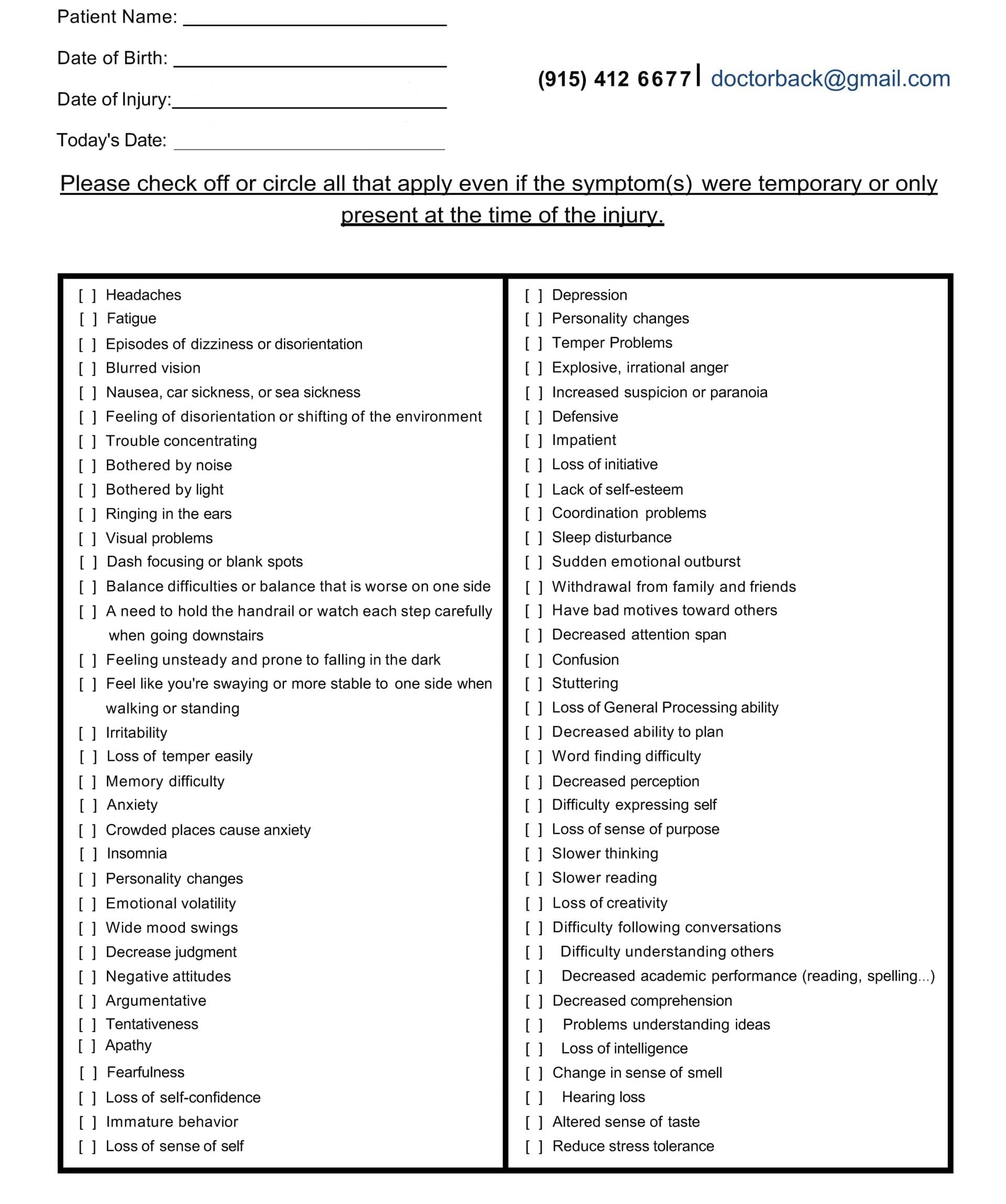
Symptom Questionnaire:
From Stiff Joints to Full Paralysis: The Sliding Scale of Trouble
Mild cases look like a clumsy shuffle. Severe cases end in wheelchairs. In between sit thousands of people who drop groceries, miss stairs, or freeze mid-step.
Spasms and contractures are the next dominoes to fall. When muscles stay weak and unused, they shorten like rubber bands left in the sun. Knees lock. Elbows curl. Fingers claw (Physiopedia, 2024).
Nerve signal jams make it worse. The spinal cord carries orders from the brain to the muscles. Whiplash from the same crash that caused the TBI can pinch those highways. Less signal = less motion (Cognitive FX, 2024).
Why Tiredness Makes Everything Harder
Fatigue is the silent bully of brain injury. After ten minutes of standing, the legs begin to feel like jelly. Pain flares. Dizziness spins the room. Most people simply sit down, and the cycle of stiffness begins again (Headway, 2024).
The Hidden Neck-Brain Connection
Ninety percent of TBI patients also have neck trauma. The top two neck bones—the atlas and axis—sit right under the skull. If they shift even two millimeters, blood and cerebrospinal fluid slow down. Less fuel reaches the healing brain (Northwest Florida Physicians Group, 2024).
Chiropractic Care: Three Tools That Unlock Movement
1. Spinal Adjustments—Resetting the Switchboard
Gentle, precise pushes realign the neck and spine. Nerves fire clearly. Blood flows better. Patients stand taller the same day (Sam’s Chiropractic, 2024).
2. Soft-Tissue Therapy—Knot by Knot
Hands or special tools melt trigger points in the shoulders, neck, and lower back. Tight muscles relax, and arms swing freely again (Pinnacle Health Chiropractic, 2024).
3. Brain-Balance Exercises—Teaching the Body New Tricks
- Stand on a foam pad with eyes closed.
- Walk heel-to-toe while turning your head.
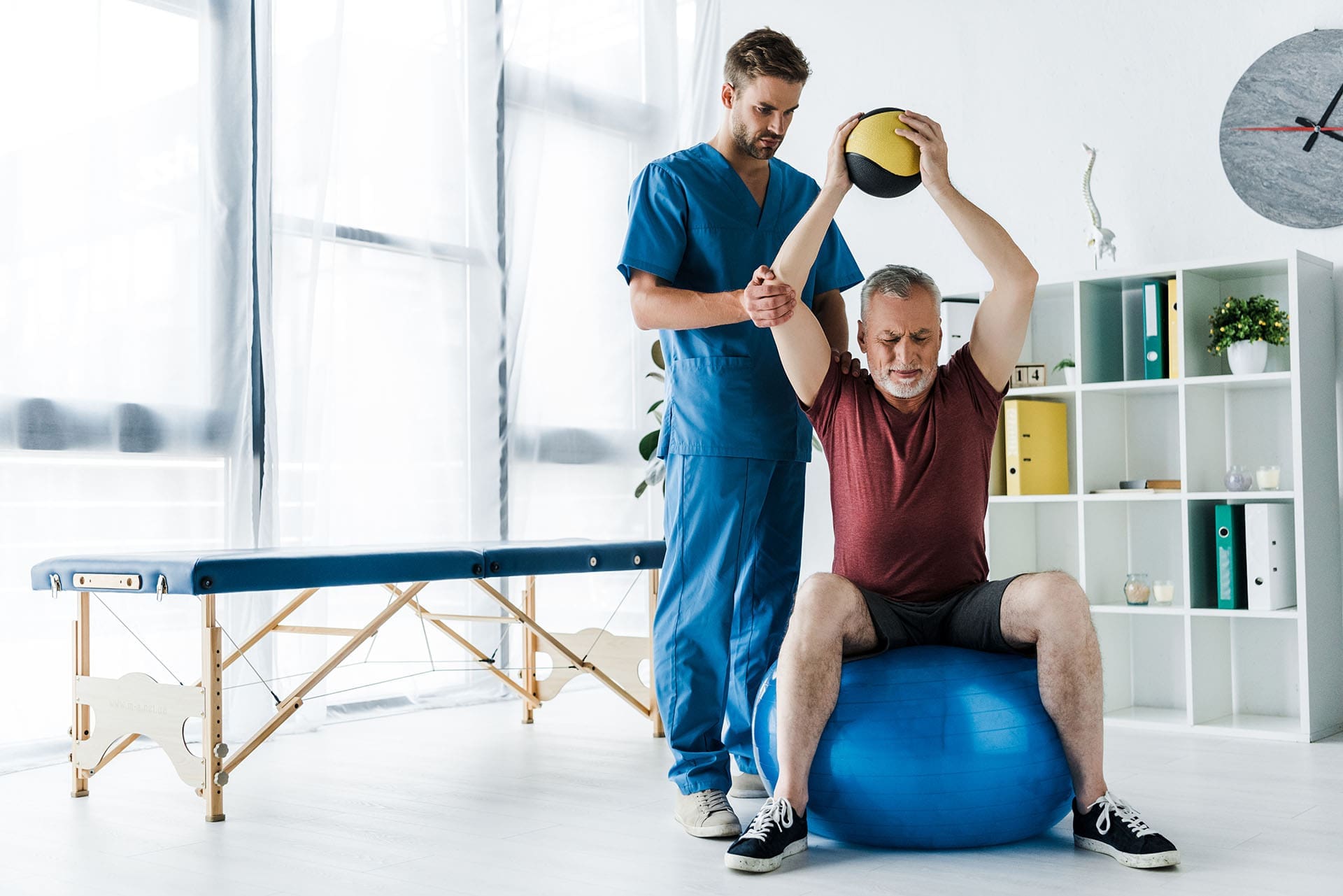
- Catch a ball while sitting on a Swiss ball.
Ten minutes a day can help rebuild the brain’s internal GPS (Crumley House, 2024).
Real-Life Wins: Stories That Prove It Works
- Maria, 34, was rear-ended at a red light. Six months of headaches and a frozen shoulder. After eight weeks of chiropractic adjustments plus wobble-board drills, she danced at her sister’s wedding.
- Jake, 19, football helmet-to-helmet hit. Couldn’t walk without two canes. Chiropractic neurology plus soft-tissue work cut his cane count to zero in ten weeks (HML Functional Care, 2024).
The Bonus Gifts: Better Posture, Fewer Headaches
Straight spine = less slouching = less pain between the shoulder blades. Open neck joints = fewer migraine days. Patients who start care for walking often leave saying, “I didn’t know my headaches could stop” (Clinical Pain Advisor, 2024).
Home Tools You Can Start Tonight
- Neck rolls—five slow circles each way, twice daily.
- Wall angels—stand against a wall, slide arms up and down like making snow angels.
- Single-leg balance—brush teeth while standing on one foot; switch halfway.
When to Call a Pro
See a chiropractor who works with brain injuries if you:
- Feel dizzy when turning your head.
- Drop objects more than before.
- Need the railing for every stair.
The Science in Plain Numbers
- 70% of TBI patients experience mobility issues (Brain Injury Canada, 2024).
- Three chiropractic sessions reduced walking pain by 40% in one study (Jimenez, 2025).
- 85% of contractures can be prevented with early stretching (Physiopedia, 2024).
Your Next Step Today
Book a gentle neck exam. Bring your MRI or simply say, “I haven’t felt steady since the accident.” Ten minutes on the table can restart the healing you thought was gone forever.

References
- Headway. (2024). Physical effects of brain injury
- Physiopedia. (2024). Contracture management for traumatic brain injury
- Crumley House. (2024). Physical training after TBI
- Brain Injury Association of America. (2024a). Physical therapy and brain injury
- Cognitive FX. (2024). TBI physical therapy
- Model Systems Knowledge Translation Center. (2024). Understanding TBI: Physical problems
- Brain Injury Canada. (2024). Mobility after brain injury
- Brain Injury Association of America. (2024b). Slight changes in walking and balance after TBI
- Clinical Pain Advisor. (2024). Chronic pain and TBI
- Northwest Florida Physicians Group. (2024). Chiropractic care for TBI
- Sam’s Chiropractic. (2024). Chiropractic support after auto injuries
- Pinnacle Health Chiropractic. (2024). Six ways chiropractic helps TBI
- HML Functional Care. (2024). Chiropractic neurology and brain healing
- Jimenez, A. (2025). Clinical observations on TBI mobility recovery [Personal communication]. https://dralexjimenez.com/
Professional Scope of Practice *
The information herein on "TBIs Affect Your Ability to Move: Recovery Guide" is not intended to replace a one-on-one relationship with a qualified health care professional or licensed physician and is not medical advice. We encourage you to make healthcare decisions based on your research and partnership with a qualified healthcare professional.
Blog Information & Scope Discussions
Welcome to El Paso's Premier Wellness and Injury Care Clinic & Wellness Blog, where Dr. Alex Jimenez, DC, FNP-C, a Multi-State board-certified Family Practice Nurse Practitioner (FNP-BC) and Chiropractor (DC), presents insights on how our multidisciplinary team is dedicated to holistic healing and personalized care. Our practice aligns with evidence-based treatment protocols inspired by integrative medicine principles, similar to those found on this site and our family practice-based chiromed.com site, focusing on restoring health naturally for patients of all ages.
Our areas of multidisciplinary practice include Wellness & Nutrition, Chronic Pain, Personal Injury, Auto Accident Care, Work Injuries, Back Injury, Low Back Pain, Neck Pain, Migraine Headaches, Sports Injuries, Severe Sciatica, Scoliosis, Complex Herniated Discs, Fibromyalgia, Chronic Pain, Complex Injuries, Stress Management, Functional Medicine Treatments, and in-scope care protocols.
Our information scope is multidisciplinary, focusing on musculoskeletal and physical medicine, wellness, contributing etiological viscerosomatic disturbances within clinical presentations, associated somato-visceral reflex clinical dynamics, subluxation complexes, sensitive health issues, and functional medicine articles, topics, and discussions.
We provide and present clinical collaboration with specialists from various disciplines. Each specialist is governed by their professional scope of practice and their jurisdiction of licensure. We use functional health & wellness protocols to treat and support care for musculoskeletal injuries or disorders.
Our videos, posts, topics, and insights address clinical matters and issues that are directly or indirectly related to our clinical scope of practice.
Our office has made a reasonable effort to provide supportive citations and has identified relevant research studies that support our posts. We provide copies of supporting research studies upon request to regulatory boards and the public.
We understand that we cover matters that require an additional explanation of how they may assist in a particular care plan or treatment protocol; therefore, to discuss the subject matter above further, please feel free to ask Dr. Alex Jimenez, DC, APRN, FNP-BC, or contact us at 915-850-0900.
We are here to help you and your family.
Blessings
Dr. Alex Jimenez DC, MSACP, APRN, FNP-BC*, CCST, IFMCP, CFMP, ATN
email: [email protected]
Multidisciplinary Licensing & Board Certifications:
Licensed as a Doctor of Chiropractic (DC) in Texas & New Mexico*
Texas DC License #: TX5807, Verified: TX5807
New Mexico DC License #: NM-DC2182, Verified: NM-DC2182
Multi-State Advanced Practice Registered Nurse (APRN*) in Texas & Multi-States
Multi-state Compact APRN License by Endorsement (42 States)
Texas APRN License #: 1191402, Verified: 1191402 *
Florida APRN License #: 11043890, Verified: APRN11043890 *
Colorado License #: C-APN.0105610-C-NP, Verified: C-APN.0105610-C-NP
New York License #: N25929, Verified N25929
License Verification Link: Nursys License Verifier
* Prescriptive Authority Authorized
ANCC FNP-BC: Board Certified Nurse Practitioner*
Compact Status: Multi-State License: Authorized to Practice in 40 States*
Graduate with Honors: ICHS: MSN-FNP (Family Nurse Practitioner Program)
Degree Granted. Master's in Family Practice MSN Diploma (Cum Laude)
Dr. Alex Jimenez, DC, APRN, FNP-BC*, CFMP, IFMCP, ATN, CCST
My Digital Business Card
Licenses and Board Certifications:
DC: Doctor of Chiropractic
APRNP: Advanced Practice Registered Nurse
FNP-BC: Family Practice Specialization (Multi-State Board Certified)
RN: Registered Nurse (Multi-State Compact License)
CFMP: Certified Functional Medicine Provider
MSN-FNP: Master of Science in Family Practice Medicine
MSACP: Master of Science in Advanced Clinical Practice
IFMCP: Institute of Functional Medicine
CCST: Certified Chiropractic Spinal Trauma
ATN: Advanced Translational Neutrogenomics
Memberships & Associations:
TCA: Texas Chiropractic Association: Member ID: 104311
AANP: American Association of Nurse Practitioners: Member ID: 2198960
ANA: American Nurse Association: Member ID: 06458222 (District TX01)
TNA: Texas Nurse Association: Member ID: 06458222
NPI: 1205907805
| Primary Taxonomy | Selected Taxonomy | State | License Number |
|---|---|---|---|
| No | 111N00000X - Chiropractor | NM | DC2182 |
| Yes | 111N00000X - Chiropractor | TX | DC5807 |
| Yes | 363LF0000X - Nurse Practitioner - Family | TX | 1191402 |
| Yes | 363LF0000X - Nurse Practitioner - Family | FL | 11043890 |
| Yes | 363LF0000X - Nurse Practitioner - Family | CO | C-APN.0105610-C-NP |
| Yes | 363LF0000X - Nurse Practitioner - Family | NY | N25929 |
Dr. Alex Jimenez, DC, APRN, FNP-BC*, CFMP, IFMCP, ATN, CCST
My Digital Business Card