Table of Contents
Mastering Skateboarding: Training Tips and Chiropractic Support for Better Performance and Safety
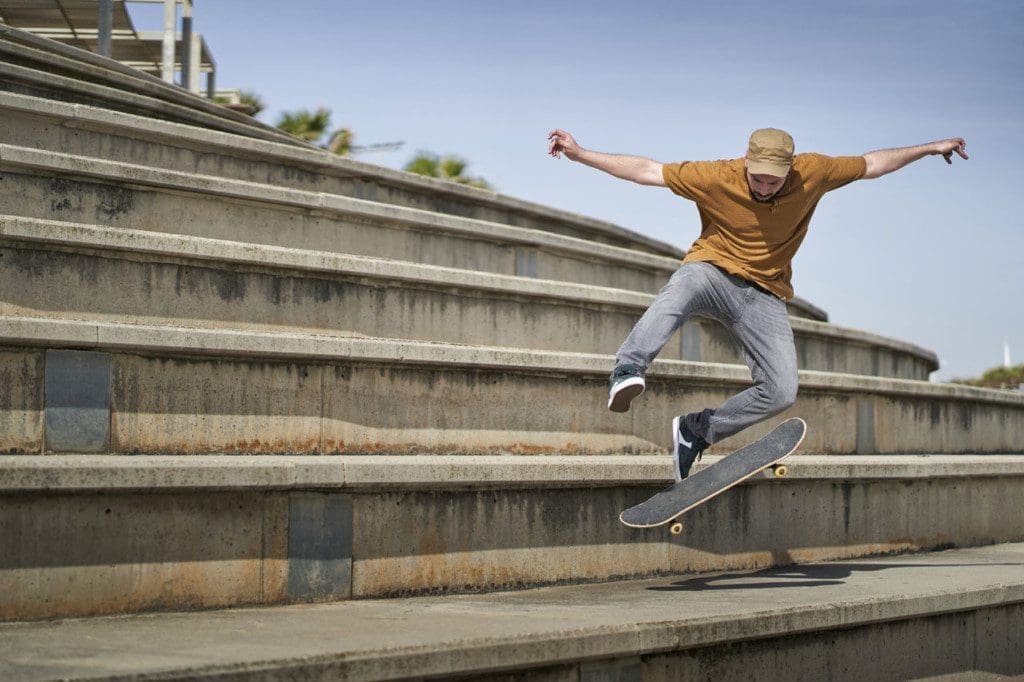
Skateboarding is more than just a fun way to get around. It builds skills like balance and strength while keeping you active. To get good at it, you need special training that focuses on staying steady, building power in your core and legs, and learning how to fall without getting hurt. Things like repeating moves, jumping exercises, and heart-pumping workouts help create muscle memory and keep you going longer. Plus, training your mind with things like picturing tricks and steady practice is key. On top of that, integrative chiropractic care can enhance your training. It helps joints move freely, corrects imbalances from doing the same moves over and over, and speeds healing after painful falls. It also reduces injuries by offering tips on food and ways to stay safe, while boosting balance, teamwork between body parts, and bendiness.
In this article, we’ll dive into these ideas with easy-to-follow advice backed by experts. Whether you’re new or looking to level up, understanding training and chiropractic can help you skate smarter and safer.
The Basics of Skateboarding Training
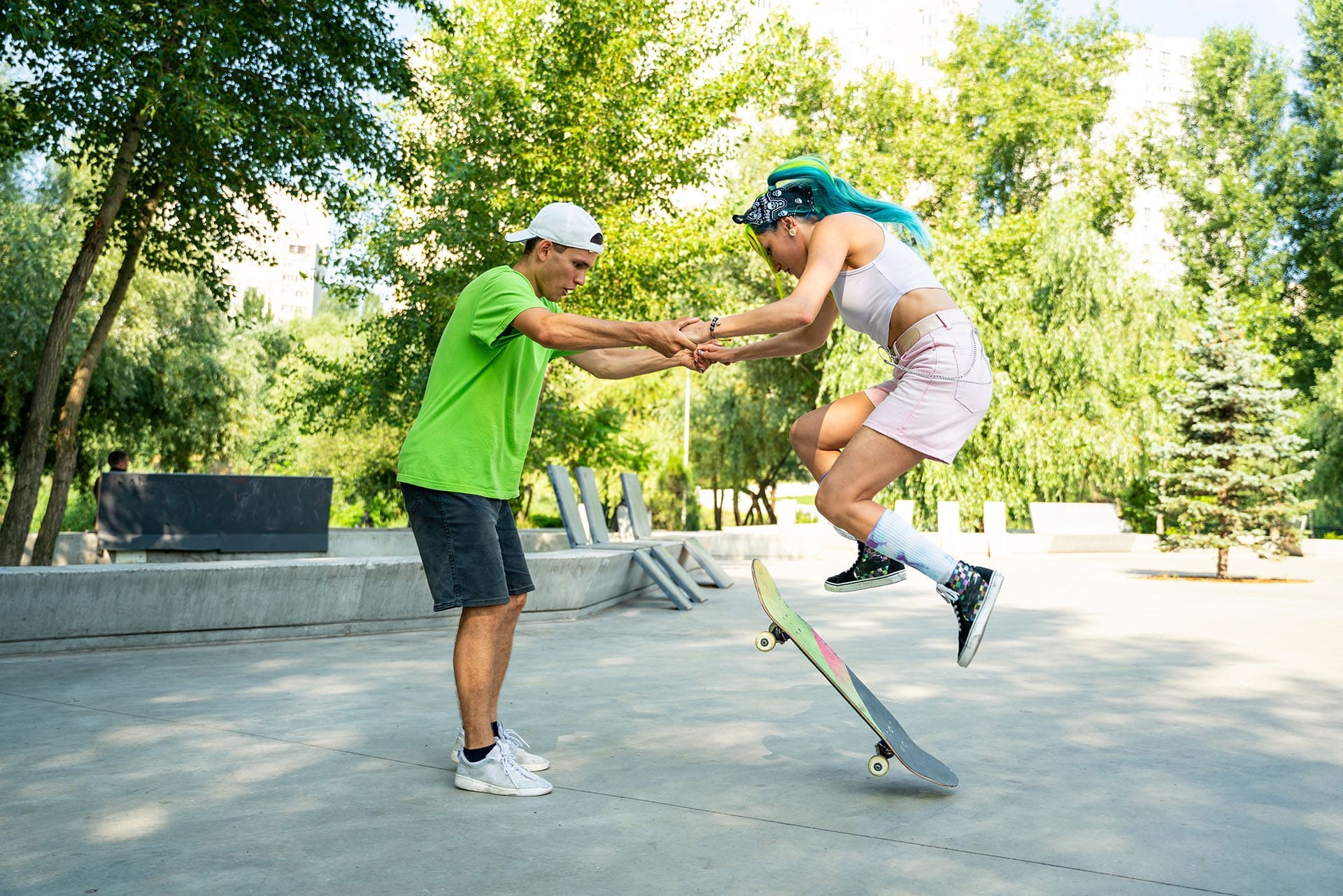
To skate well, start with the foundations. Balance is everything because the board moves under you, and you have to stay on top of it. Bend your knees to keep steady instead of standing straight up. This helps when the board shifts. Practice standing on the board first, maybe on grass or carpet, to get comfy. Then move to flat ground. Shift your weight side to side to feel how it responds. Good balance comes from repeating these simple drills until it feels natural.
- Simple Balance Drills: Stand on the board and rock back and forth. Jump on and off, landing with bent knees. Try a 180-degree turn while moving slowly.
- Stance Tips: Figure out if you’re regular (left foot forward) or goofy (right foot forward). Keep feet over the bolts for the best control.
These steps build confidence and reduce falls early on (Skateboard GB, n.d.).
Core and leg strength are super important, too. Your abs, back, quads, hamstrings, glutes, and calves all work hard. Pushing the board uses your legs, while tricks like jumps need explosive power. Skateboarding is like a workout that burns calories and builds endurance. The main muscles switch from standing to squatting or lunging, so strengthening them helps you last longer in sessions.
Experts say your quads and hamstrings power jumps and crouches. Glutes help with balance when you stand up from a squat. Calves and lower legs steer the board by tilting your feet. Without strength here, you tire fast and risk injury (Red Bull, n.d.). (Austin Simply Fit, n.d.).
To build this, do repetitive exercises that mimic skating. Plyometrics, like jumps, train quick power, and cardio keeps your heart strong for long rides.
Here are some key exercises:
- Kettlebell Swings: Swing a weight to work the hips, hamstrings, and core. Do 3 sets of 10 reps.
- Jumping Lunges: Jump and switch legs for agility and power. Alternate for 20 seconds, rest, and repeat 3-4 times.
- Box Jumps: Squat and explode up onto a box. 4 sets of 10 reps for leg power.
- Single-Leg Squats: Squat on one leg using a chair for help. Switch sides to build stability.
- Lateral Skater Jumps: Jump side to side over a line. 4 sets of 30 seconds for balance.
- Skipping Rope: Jump for 3 sets of 30 seconds to strengthen calves and ankles.
These dynamic moves improve endurance and control (Skateboard GB, n.d.). (Red Bull, n.d.). (Experience Life, n.d.).
One of the most important skills is learning to fall right. Falls happen, especially when trying new tricks. The key is to prevent big injuries by rolling or landing softly. Don’t stick your arms straight out—that can break your wrists or arms. Instead, bend knees, tuck, and roll. Practice this on soft ground first. Warming up with stretches or light jogs helps, too, as does wearing gear like helmets and pads (University of Utah Health, n.d.). (Skateboard GB, n.d.).
Build muscle memory with repetition. Do drills daily, even for 10 minutes. Start simple: practice pushing, turning, and stopping. Then add basics like tic-tac-toe or manual moves. Progress slowly—don’t rush to do difficult tricks. This creates automatic moves so you don’t have to think too much while skating (Braille Skateboarding, n.d.). (How to Skate, n.d.).
Follow training rules like specificity (match exercises to skating), overload (push a bit harder), progression (go step by step), and recovery (rest to heal). Vary workouts to avoid boredom and injury. Good form is key—keep aligned to save energy and stay safe. If you stop, skills fade, so stay consistent for long-term gains (The Daily Push, n.d.).
Mentality matters a lot. Fear can hold you back, so use visualization: picture the trick in your mind. Break it into small steps, like shaping. Watch others to learn foot placement. Stay motivated by enjoying small wins. Breathe deep during tricks—exhale to relax. Meditation helps too. This builds commitment and reduces fear of falling (Florida Atlantic University, n.d.). (Experience Life, n.d.).
Put it all together: Warm up with ABC foot drawings for ankle control. Then do strength moves, practice on the board, and end with mental prep. This full approach develops endurance and skill without burnout.
How Integrative Chiropractic Boosts Skateboarding Training
Skateboarding is tough on the body. Repetitive pushes and one-sided tricks create imbalances, like one leg being stronger than the other. Falls jar joints and muscles. That’s where integrative chiropractic comes in. It fixes these issues to improve and make training safer.
First, it improves joint mobility. Adjustments realign the spine and joints, easing nerve pressure and boosting range of motion. This helps you move more smoothly for tricks. Soft-tissue work, such as massage, loosens tight spots and improves blood flow (Push as Rx, n.d.). (Injury 2 Wellness, n.d.).
Muscle imbalances happen because skating favors one side. Your dominant calf or thigh might grow bigger, leading to poor coordination. Chiropractic spots these with assessments like squats or lunges. Then it corrects them with adjustments and exercises. Unilateral moves (one side at a time) help even things out, unlike bilateral moves, which favor the stronger side (Kettlebell Kings, n.d.). (Push as Rx, n.d.).
Chiropractic care accelerates recovery from high-impact falls. It reduces inflammation, restores alignment, and uses rehab exercises to strengthen weak areas. Combine with other therapies, such as physical therapy, for full healing. This gets you back skating faster with less pain (Injury 2 Wellness, n.d.). (Dr. Scott Thompson, n.d.).
To reduce injury risk, chiropractors offer nutritional advice: eat anti-inflammatory foods like fruits, veggies, proteins, and fats. Stay hydrated to avoid cramps. They also offer preventive tips such as warm-ups, stretches, and posture fixes. This leads to instability, falls, and long-term issues (Dallas Thrive, n.d.). (Dr. Scott Thompson, n.d.). (University of Utah Health, n.d.).
Overall, it boosts balance, coordination, and flexibility. Core exercises like planks, plus adjustments, support the spine. Better proprioception (body awareness) helps land tricks. Athletes see gains in agility and power without nerve interference (Dallas Thrive, n.d.). (Push as Rx, n.d.).
Dr. Alexander Jimenez, a chiropractor with over 30 years of experience, observes that preventive care spots imbalances early. He uses movement analysis to help athletes avoid repeat injuries. For sports like skating, he emphasizes core strength (46 muscles) and post-session stretches, such as cat-cow. Regular adjustments free up stuck movements, improve flexibility, and reduce risks. His holistic approach includes nutrition and rehab, applicable to skate injuries like sprains or back pain (Dr. Alex Jimenez, n.d.). (Jimenez, n.d.). (Dr. Alex Jimenez, n.d.). (Braille Skateboarding, n.d.).
- Chiropractic Tips for Skaters: Get checked regularly. Perform the McGill Big Three core exercises. Stretch after sessions. Eat balanced meals.
This care makes training more effective, allowing you to push your limits safely.
Wrapping It Up
Skateboarding training builds a strong base with balance, strength, safe falls, exercises, and mental tools. Adding integrative chiropractic fixes problems, speeds recovery, and prevents injuries. Together, they help you enjoy skating longer. Remember to progress slowly, listen to your body, and seek pros like Dr. Jimenez for personalized advice. Stay safe and keep rolling!

References
Braille Skateboarding. (n.d.). Skateboarding Made Simple Vol 1: Master the Basics of Skateboarding
Florida Atlantic University. (n.d.). How Skateboarding Can Grow Mental Control
Experience Life. (n.d.). How to Up Your Skateboarding Game
Skateboard GB. (n.d.). 10 Dynamic work-out exercises for skateboarders
Red Bull. (n.d.). Strength training for skateboarding: How to train effectively
Austin Simply Fit. (n.d.). Skateboarding: The Raddest Way to Stay Fit!
The Daily Push. (n.d.). Fundamental Principles of Training for Skateboarders
How to Skate. (n.d.). Skateboard Trick Roadmap – The best skateboarding tricks for beginners to learn (UPDATED!)
Skateboard GB. (n.d.). Learn to Skate Guide
Braille Skateboarding. (n.d.). 3 Chiropractic Tips for Skateboarders | Dr. Sean Robbins
Push as Rx. (n.d.). Integrative Chiropractic Prevents Future Injuries for Athletes
Kettlebell Kings. (n.d.). Instagram Reel on Imbalances for Skateboarders
Dr. Scott Thompson. (n.d.). Skateboarding Injuries and Recovery Secrets
Injury 2 Wellness. (n.d.). Effective Chiropractic Strategies for Enhancing Sports Injury Rehabilitation
Dallas Thrive. (n.d.). Chiropractic for Sports Injuries in Plano
Dr. Alex Jimenez. (n.d.). Skateboarding Injuries Chiropractor
University of Utah Health. (n.d.). Skateboarding: Injury Risks & Prevention
Dr. Alex Jimenez. (n.d.). Injury Specialists
Professional Scope of Practice *
The information herein on "Skateboarding Training Tips and Chiropractic Benefits" is not intended to replace a one-on-one relationship with a qualified health care professional or licensed physician and is not medical advice. We encourage you to make healthcare decisions based on your research and partnership with a qualified healthcare professional.
Blog Information & Scope Discussions
Welcome to El Paso's Premier Wellness and Injury Care Clinic & Wellness Blog, where Dr. Alex Jimenez, DC, FNP-C, a Multi-State board-certified Family Practice Nurse Practitioner (FNP-BC) and Chiropractor (DC), presents insights on how our multidisciplinary team is dedicated to holistic healing and personalized care. Our practice aligns with evidence-based treatment protocols inspired by integrative medicine principles, similar to those found on this site and our family practice-based chiromed.com site, focusing on restoring health naturally for patients of all ages.
Our areas of multidisciplinary practice include Wellness & Nutrition, Chronic Pain, Personal Injury, Auto Accident Care, Work Injuries, Back Injury, Low Back Pain, Neck Pain, Migraine Headaches, Sports Injuries, Severe Sciatica, Scoliosis, Complex Herniated Discs, Fibromyalgia, Chronic Pain, Complex Injuries, Stress Management, Functional Medicine Treatments, and in-scope care protocols.
Our information scope is multidisciplinary, focusing on musculoskeletal and physical medicine, wellness, contributing etiological viscerosomatic disturbances within clinical presentations, associated somato-visceral reflex clinical dynamics, subluxation complexes, sensitive health issues, and functional medicine articles, topics, and discussions.
We provide and present clinical collaboration with specialists from various disciplines. Each specialist is governed by their professional scope of practice and their jurisdiction of licensure. We use functional health & wellness protocols to treat and support care for musculoskeletal injuries or disorders.
Our videos, posts, topics, and insights address clinical matters and issues that are directly or indirectly related to our clinical scope of practice.
Our office has made a reasonable effort to provide supportive citations and has identified relevant research studies that support our posts. We provide copies of supporting research studies upon request to regulatory boards and the public.
We understand that we cover matters that require an additional explanation of how they may assist in a particular care plan or treatment protocol; therefore, to discuss the subject matter above further, please feel free to ask Dr. Alex Jimenez, DC, APRN, FNP-BC, or contact us at 915-850-0900.
We are here to help you and your family.
Blessings
Dr. Alex Jimenez DC, MSACP, APRN, FNP-BC*, CCST, IFMCP, CFMP, ATN
email: [email protected]
Multidisciplinary Licensing & Board Certifications:
Licensed as a Doctor of Chiropractic (DC) in Texas & New Mexico*
Texas DC License #: TX5807, Verified: TX5807
New Mexico DC License #: NM-DC2182, Verified: NM-DC2182
Multi-State Advanced Practice Registered Nurse (APRN*) in Texas & Multi-States
Multi-state Compact APRN License by Endorsement (42 States)
Texas APRN License #: 1191402, Verified: 1191402 *
Florida APRN License #: 11043890, Verified: APRN11043890 *
Colorado License #: C-APN.0105610-C-NP, Verified: C-APN.0105610-C-NP
New York License #: N25929, Verified N25929
License Verification Link: Nursys License Verifier
* Prescriptive Authority Authorized
ANCC FNP-BC: Board Certified Nurse Practitioner*
Compact Status: Multi-State License: Authorized to Practice in 40 States*
Graduate with Honors: ICHS: MSN-FNP (Family Nurse Practitioner Program)
Degree Granted. Master's in Family Practice MSN Diploma (Cum Laude)
Dr. Alex Jimenez, DC, APRN, FNP-BC*, CFMP, IFMCP, ATN, CCST
My Digital Business Card
Licenses and Board Certifications:
DC: Doctor of Chiropractic
APRNP: Advanced Practice Registered Nurse
FNP-BC: Family Practice Specialization (Multi-State Board Certified)
RN: Registered Nurse (Multi-State Compact License)
CFMP: Certified Functional Medicine Provider
MSN-FNP: Master of Science in Family Practice Medicine
MSACP: Master of Science in Advanced Clinical Practice
IFMCP: Institute of Functional Medicine
CCST: Certified Chiropractic Spinal Trauma
ATN: Advanced Translational Neutrogenomics
Memberships & Associations:
TCA: Texas Chiropractic Association: Member ID: 104311
AANP: American Association of Nurse Practitioners: Member ID: 2198960
ANA: American Nurse Association: Member ID: 06458222 (District TX01)
TNA: Texas Nurse Association: Member ID: 06458222
NPI: 1205907805
| Primary Taxonomy | Selected Taxonomy | State | License Number |
|---|---|---|---|
| No | 111N00000X - Chiropractor | NM | DC2182 |
| Yes | 111N00000X - Chiropractor | TX | DC5807 |
| Yes | 363LF0000X - Nurse Practitioner - Family | TX | 1191402 |
| Yes | 363LF0000X - Nurse Practitioner - Family | FL | 11043890 |
| Yes | 363LF0000X - Nurse Practitioner - Family | CO | C-APN.0105610-C-NP |
| Yes | 363LF0000X - Nurse Practitioner - Family | NY | N25929 |
Dr. Alex Jimenez, DC, APRN, FNP-BC*, CFMP, IFMCP, ATN, CCST
My Digital Business Card