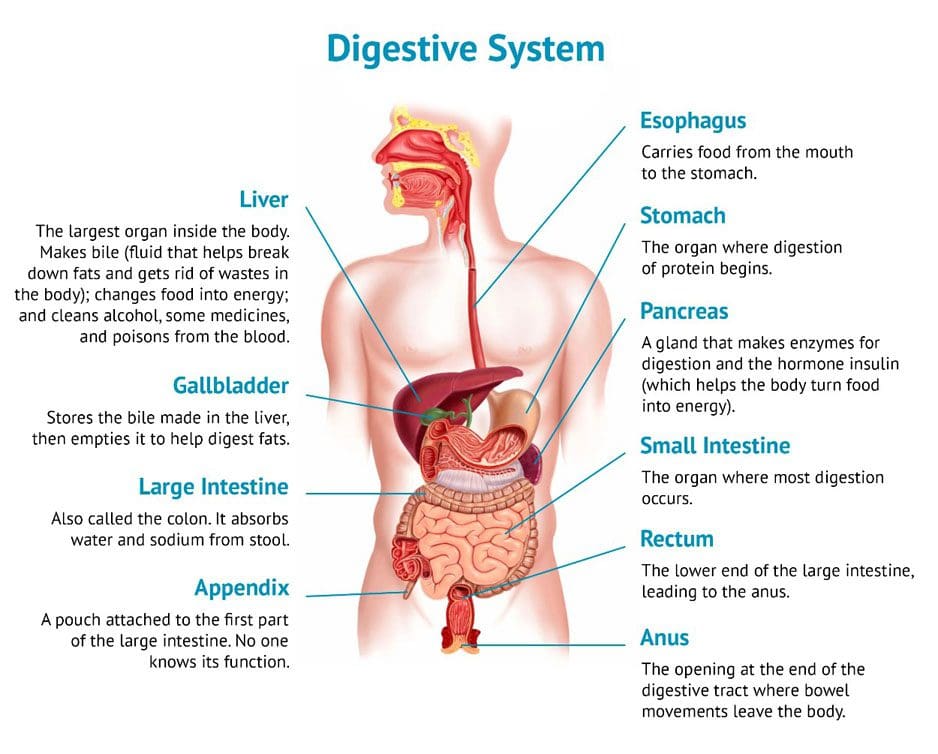
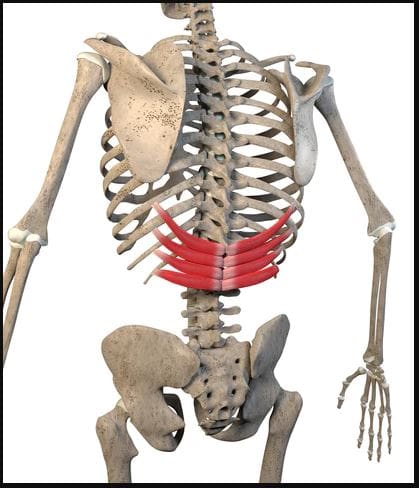
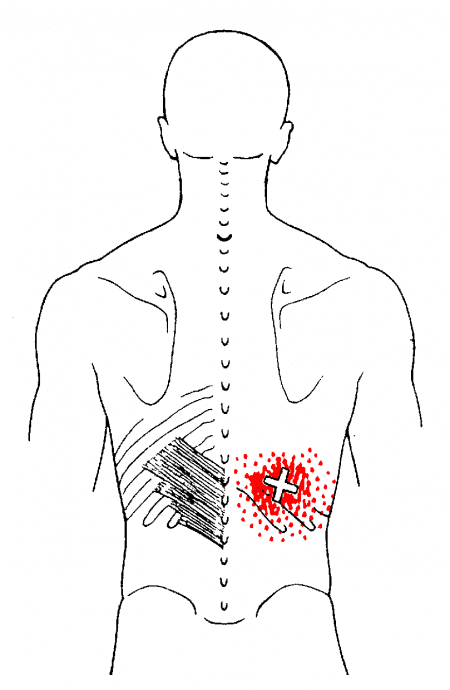
Back pain is one of the most common reasons individuals go to a doctor, massage therapist, physiotherapist, osteopath, and chiropractor. Various health conditions, some spine-related, others not, list back pain as a symptom. Many of these conditions begin in the stomach or abdominal cavity, which leads to stomach and back pain. Stomach and back pain happening simultaneously, independently, or in combination could be caused by gut problems, back issues, or something completely different. Understanding what causes these two types of pain simultaneously can help figure out a treatment plan.
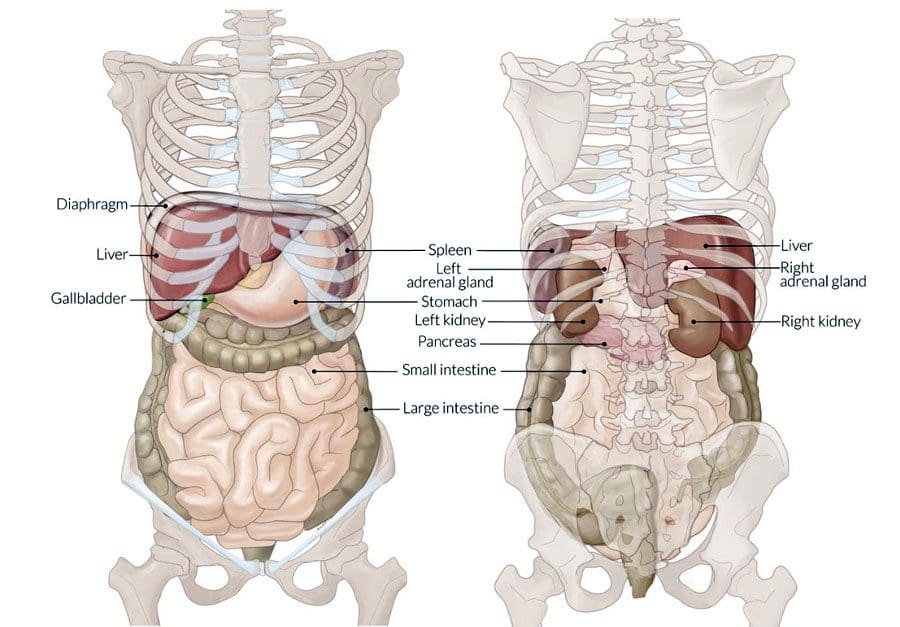 Stomach Back Pain Causes
Problems in the abdominal cavity and stomach issues can cause back pain and vice versa. Symptoms can also include referred pain when the pain is felt in one part of the body but is caused by pain or injury in another area. Stomach back pain causes depend on the type of condition/s that can include:
Appendicitis
- Inflammation in the appendix can cause sudden sharp pain in the abdomen.
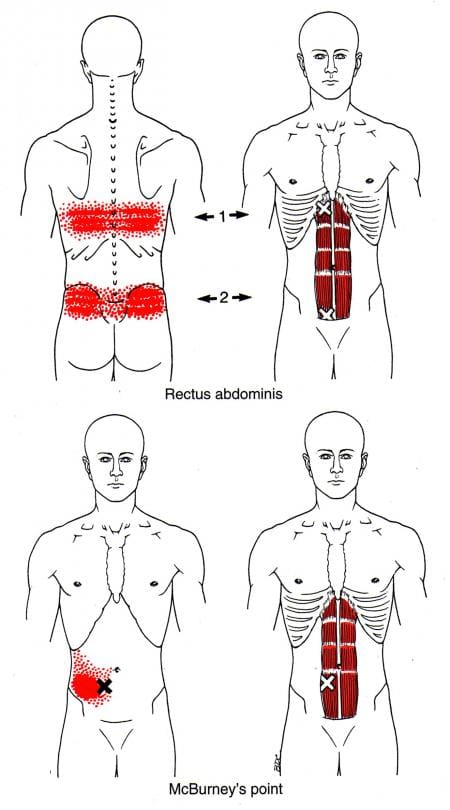
- It presents mostly in the lower right area of the abdomen but can appear in or spread to other sites, especially the back.
Dysmenorrhea
- The medical term for painful menstrual periods.
- Dysmenorrhea can cause pain in the abdomen and back at the same time.
- This type of pain can be:
- Primary – A condition experienced throughout life.
- Secondary – Starts later in life due to another condition.
Endometriosis
- Endometriosis causes tissue to grow outside of the uterus.
- Similar to dysmenorrhea, symptoms include:
- Abdominal pain
- Referred low back pain
Fibromyalgia
- This condition generates pain across the muscles and joints of the body.
- It shows up with irritable bowel syndrome -IBS.
- Fibromyalgia can simultaneously present a wide range of stomach problems and back pain.
Gallstones
- Gallbladder stones or gallstones can cause blockages, inflammation, and painful swelling.
- A major symptom of gallstones is pain in the upper right of the abdomen, which can spread to the back.
Kidney Dysfunction
- Kidney stones, infections, and chronic kidney disease can cause pain that’s felt in the abdomen/flank and the mid and/or upper back.
Irritable bowel syndrome – IBS
Inflammatory Bowel Disease – IBD
- Inflammatory Bowel Disease is a family of immune-mediated, similar to autoimmune conditions with back pain as a symptom that includes:
- Crohn’s disease
- Ulcerative colitis
Pancreatitis
- An inflamed pancreas can cause symptoms like:
- Stomach issues.
- Pain across the abdomen and back.
Pancreatic Cancer
- A common symptom of pancreatic cancer is a dull pain in the upper abdomen/belly and/or middle and/or upper back that is on and off.
- This can be because of a tumor that has formed on the tail of the pancreas or an area where it presses on the spine.
Stomach Bloating and Low Back Pain
- Bloating is caused by pressure in the abdomen increasing to the point that it causes discomfort and pain.
- It can cause simultaneous stomach and back pain as the bloating adds pressure on the muscles, organs, and spine.
- One of the most common causes of bloating is trapped gas in the GI tract.
- This happens when the body cannot properly move the gas through the system.
- Bloating can also be caused by extra sensitivity to regular pressure increases.
- In these cases, the amount and movement of gas in the system are normal, but the body reacts as though something is wrong.
- Several GI tract disorders can cause similar bloating issues that include:
- Dyspepsia
- Gastritis
- Celiac diseaseDiverticular disease
- Food allergies
A chiropractic functional medicine team can work with an individual’s primary physician or specialist to develop a personalized treatment plan to alleviate back pain symptoms, re-balance the body, strengthen the musculoskeletal system and restore function.
Back and Stomach

References
Clauw DJ. Chapter 258, Fibromyalgia, Chronic Fatigue Syndrome, and Myofascial Pain. Goldman-Cecil Medicine. Goldman L (ed.). 26th ed. Elsevier; 2020. 1774-1778. https://www.clinicalkey.com/#!/content/book/3-s2.0-B9780323532662002587
Ford AC, Talley NJ. Chapter 122, Irritable Bowel Syndrome. Feldman M (ed.). Sleisenger and Fordtran’s Gastrointestinal and Liver Disease. 11th ed. Elsevier: 2021. 2008-2020. https://www.clinicalkey.com/#!/content/book/3-s2.0-B9780323609623001223?scrollTo=%23hl0001104
Inadomi JM, Bhattacharya R, Hwang JH, Ko C. Chapter 7, The Patient with Gas and Bloating. Yamada’s Handbook of Gastroenterology. 4th ed. John Wiley & Sons; 2019. https://doi.org/10.1002/9781119515777.ch7
Kliegman RM, St Geme JW, Blum NJ, et al. Chapter 378, Pancreatitis. Nelson Textbook of Pediatrics. 21st ed. Elsevier; 2020. 2074-2080. https://www.clinicalkey.com/#!/content/book/3-s2.0-B9780323529501003783
Krames E, Mousad DG. Spinal Cord Stimulation Reverses Pain and Diarrheal Episodes of Irritable Bowel Syndrome: A Case Report. Neuromodulation. 2004 Mar 22;7(2):82-88. https://doi.org/10.1111/j.1094-7159.2004.04011.x
Sifri CD, Madoff LC. Chapter 78, Appendicitis. Mandell, Douglas, and Bennett’s Principles and Practice of Infectious Diseases. 9th ed. Bennett JA (ed.). Elsevier; 2020. 1059-1063. https://www.clinicalkey.com/#!/content/book/3-s2.0-B9780323482554000783
Stephen Norman Sullivan, “Functional Abdominal Bloating with Distention,” International Scholarly Research Notices, vol. 2012, Article ID 721820, 5 pages, 2012. https://doi.org/10.5402/2012/721820
Wang DQH, Afdhal NH. Chapter 65, Gallstone Disease. Feldman M (ed.). Sleisenger and Fordtran’s Gastrointestinal and Liver Disease. 11th ed. Elsevier: 2021. 1016-1046. https://www.clinicalkey.com/#!/content/book/3-s2.0-B9780323609623000655?scrollTo=%23hl0001772
Weisman, Michael H et al. “Axial Pain and Arthritis in Diagnosed Inflammatory Bowel Disease: US National Health and Nutrition Examination Survey Data.” Mayo Clinic proceedings. Innovations, quality & outcomes vol. 6,5 443-449. 16 Sep. 2022, doi:10.1016/j.mayocpiqo.2022.04.007
Whorwell PJ. Chapter 13, Abdominal Bloating. Irritable Bowel Syndrome: Diagnosis and Clinical Management. Emmanuel A, Quigley EMM (eds.). John Wiley & Sons; 2013. https://doi.org/10.1002/9781118444689.ch13
Yarze JC, Friedman LS. Chapter 12, Chronic Abdominal Pain. Feldman M (ed.). Sleisenger and Fordtran’s Gastrointestinal and Liver Disease. 11th ed. Elsevier; 2021. 158-167. https://www.clinicalkey.com/#!/content/book/3-s2.0-B9780323609623000126?scrollTo=%23hl0000408






 Baseball Training



 Sacroiliac Joint Surgery