Can chiropractic treatment protocols diagnose what’s causing head pressure in individuals, and provide effective treatment?
Head Pressure
Head pressure can have various causes and symptoms that affect different areas depending on whether the cause is a headache, allergies, injury, illness, or disease. The location of the pressure or pain can help a doctor of chiropractic determine the cause.
- The underlying factor is usually not life-threatening, but the pressure that has built can be the result of serious conditions like a head injury or brain tumor.
- Chiropractic care, which includes a combination of spinal manipulation, active and passive exercises, and massage, is often used for headache management and prevention. (Moore Craig, et al., 2018)
- Chiropractic therapy is often sought out for tension and cervicogenic headaches, migraines, and each responds differently to the treatment.
The Head
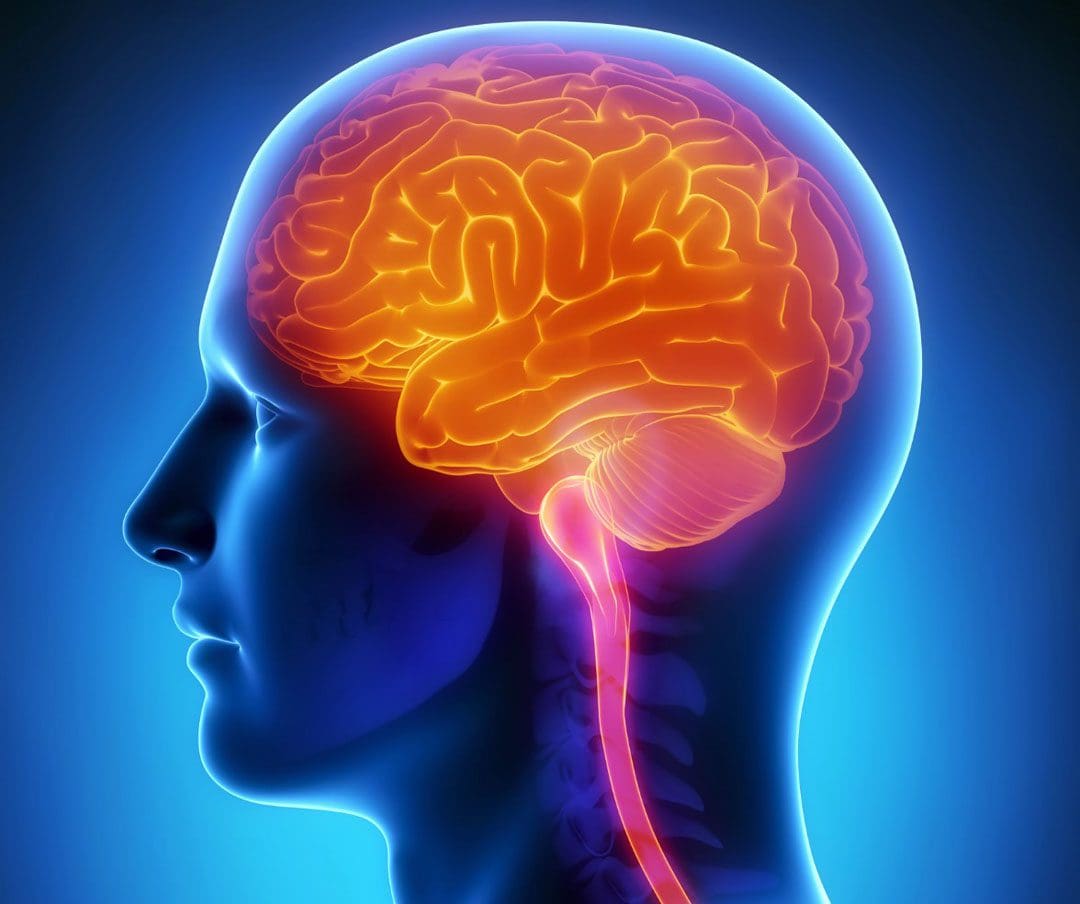
- The head is made up of a complex system of lobes, sinuses/channels, blood vessels, nerves, and ventricles. (Thau L, et al., 2022)
- The pressure of these systems is regulated and any disruption to this balance can be noticeable.
- Diagnosis can be difficult to figure out what is causing discomfort or head pressure.
- Pain, pressure, irritability, and nausea are all symptoms that can occur with headaches. (Rizzoli P, Mullally W. 2017)
Location
- Head pressure in more than one spot is possible with a migraine or a severe cold. (American Migraine Foundation 2023)
- Pain can present in more than one area if there has been a head injury.
- If the pressure is more specific in a certain region, it can help provide clues about the cause of the symptoms.
- Medical issues can cause pressure in different areas. (Rizzoli P, Mullally W. 2017)
- An example is a sinus infection which can cause pressure under the eyes and around the nose.
- A migraine or tension headache can present as: (MedlinePlus. Migraine 2021)
- A tight band around the head.
- Pain or pressure behind the eyes.
- Stiffness and pressure in the back of the head and/or neck.
Causes of Pressure
The root cause of the problem is not always clear. There can be a number of potential causes.
Tension Headache
Tension headaches are the most common that feels like pressure squeezing the head. They usually develop because of tightening scalp muscles caused by:
- Stress
- Depression
- Anxiety
- Head injuries
- Unusual positioning of the head or illness can cause tension headaches.
Other than muscle tension, tension headaches can develop from: (MedlinePlus. Tension headache.)
- Physical stress
- Emotional stress
- Eye strain
- Fatigue
- Overexertion
- Overuse of caffeine
- Caffeine withdrawal
- Over alcohol use
- Sinus infections
- A cold or flu
- Smoking
- Tension headaches can also run in families. (MedlinePlus. Tension headache.)
Sinus Headache
- A sinus headache – rhinosinusitis – is caused by a viral or bacterial infection in the sinus cavities. (American Migraine Foundation 2023)
- There are sinus cavities on each side of the nose, between the eyes, in the cheeks, and on the forehead.
- The location of where these headaches cause pressure varies, depending on which sinuses are infected. (Cedars Sinai. Sinus Conditions and Treatments)
- Sinus infection headaches are obvious from the discolored nasal drainage.
- Individuals can have facial pain and pressure, lose their sense of smell, or have a fever. (American Migraine Foundation 2023)
Ear Conditions
- The ears help the body sense movement and balance.
- A problem in the inner ear that helps control balance can cause a type of migraine known as a vestibular migraine. (American Speech-Language-Hearing Association)
- This type of migraine doesn’t always present with pain symptoms.
- Problems with balance and feelings of vertigo/sense of spinning are common with these types of migraines. (American Migraine Foundation)
- An ear infection can also cause feelings of head pressure and/or pain.
- Infections can cause pressure to build on the delicate structures of the middle and inner ear.
- These infections are usually caused by viral illness or bacteria. (FamilyDoctor.org)
Neurological Causes
- Neurological diseases and conditions can lead to increased pressure in the head.
- The pain symptoms depend on the specific cause.
- For example, a stroke can affect the whole head, while decreased brain fluid levels may affect just the base of the skull.
- The latter condition is known as intracranial hypertension which means increased pressure in the brain. (Schizodimos, T et al., 2020)
- For some individuals, there is no clear cause, this is known as idiopathic intracranial hypertension. (Wall, Michael. 2017) (National Health Service 2023)
Other causes of increased intracranial pressure include:
- Medications
- Hormones
- Head injury
- Fluid buildup inside the brain – hydrocephalus (National Institute of Neurological Disorders and Stroke, 2023)
- Brain infections like meningitis or encephalitis
- Brain blood clots
- Brain tumors
Other
- Head pressure can also occur only at times when standing up, bending down to pick up an object, or otherwise changing posture in some way that blood pressure is affected.
Chiropractic Treatment
The Injury Medical team will develop a personalized treatment plan to help relieve pressure symptoms through a multidisciplinary approach that can include. (Moore Craig, et al., 2018)
- Spinal manipulation
- Low-load craniocervical mobilization
- Joint mobilization
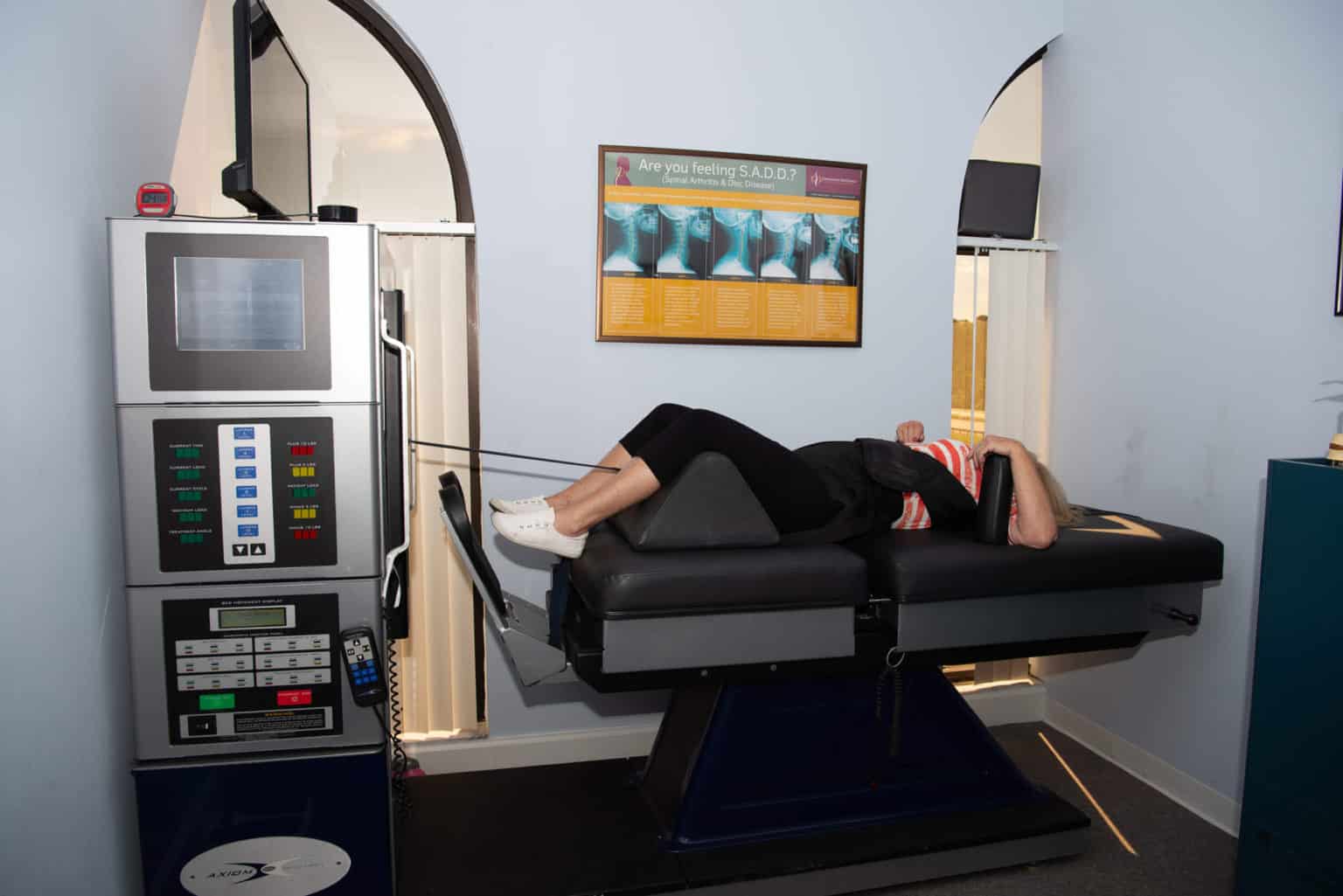
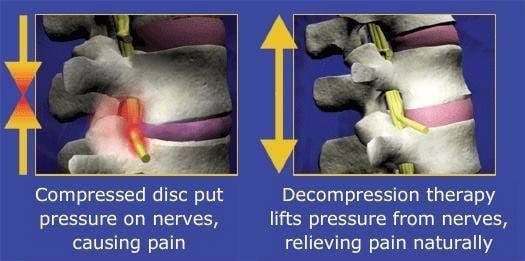
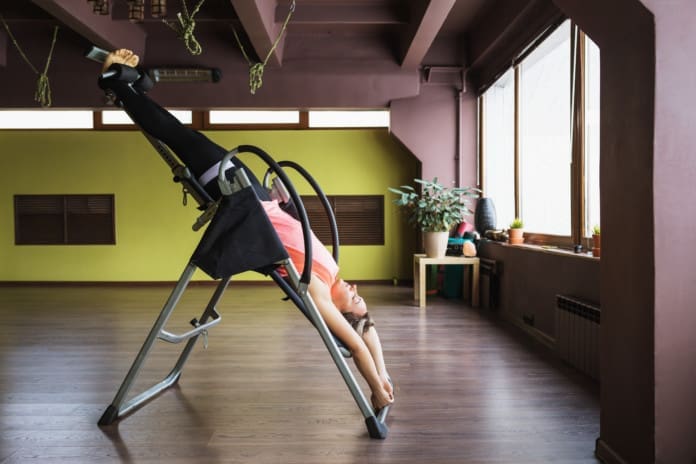
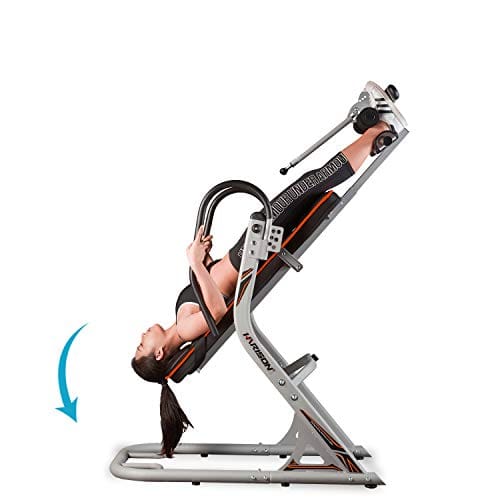
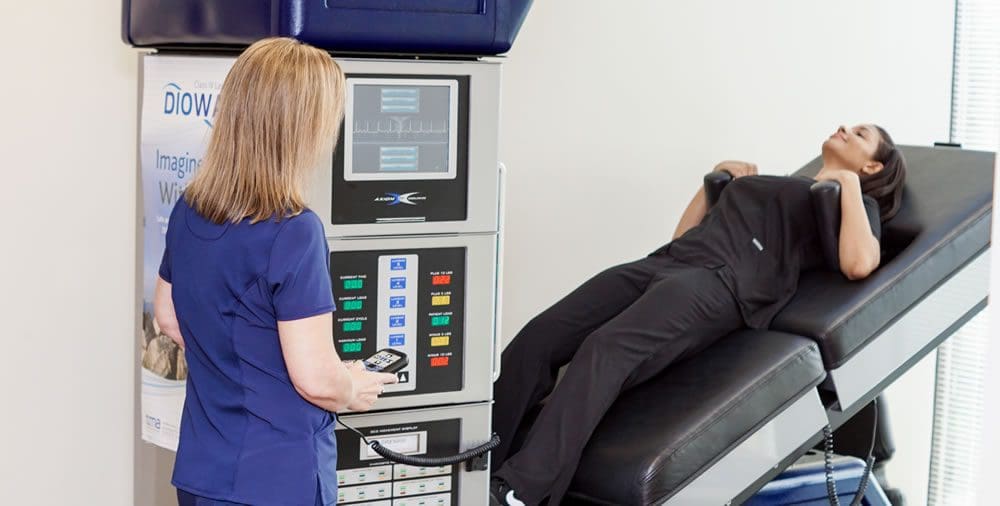
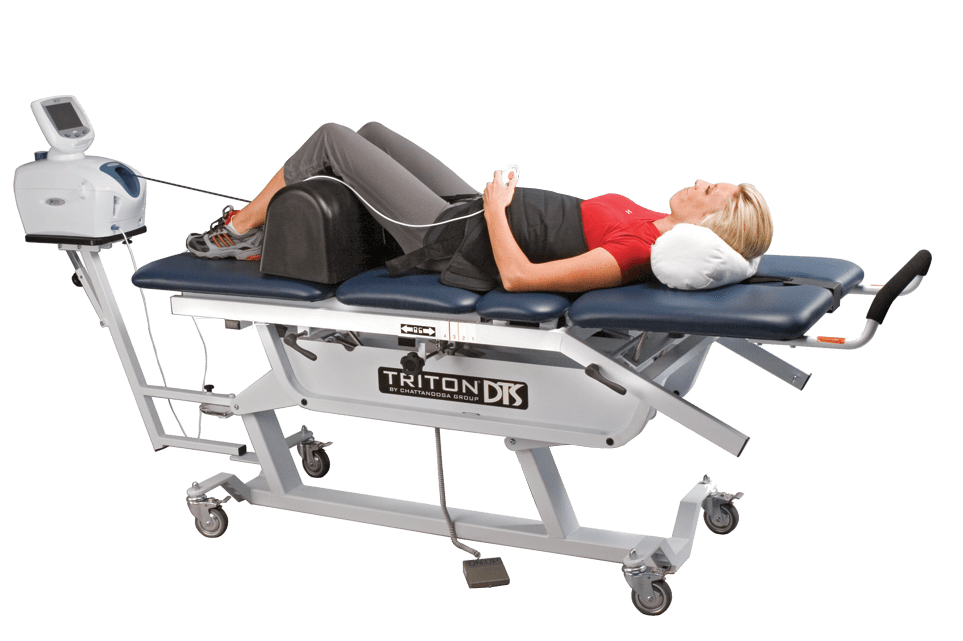
- Decompression
- Deep neck flexion exercises
- Neuromuscular massage
- Physical therapy exercises
- Relaxation techniques
- Stress management
- Nutritional recommendations
Multidisciplinary Evaluation and Treatment
References
Moore, C., Leaver, A., Sibbritt, D., & Adams, J. (2018). The management of common recurrent headaches by chiropractors: a descriptive analysis of a nationally representative survey. BMC neurology, 18(1), 171. https://doi.org/10.1186/s12883-018-1173-6
Thau, L., Reddy, V., & Singh, P. (2022). Anatomy, Central Nervous System. In StatPearls. StatPearls Publishing.
Rizzoli, P., & Mullally, W. J. (2018). Headache. The American journal of medicine, 131(1), 17–24. https://doi.org/10.1016/j.amjmed.2017.09.005
American Migraine Foundation. Is it a migraine or a sinus headache?
MedlinePlus. Migraine.
MedlinePlus. Tension headache.
Cedars Sinai. Sinus conditions and treatments.
American Speech-Language-Hearing Association. Dizziness and balance.
American Migraine Foundation. What to know about vestibular migraine.
FamilyDoctor.org. Ear infection.
Schizodimos, T., Soulountsi, V., Iasonidou, C., & Kapravelos, N. (2020). An overview of the management of intracranial hypertension in the intensive care unit. Journal of Anesthesia, 34(5), 741–757. https://doi.org/10.1007/s00540-020-02795-7
Wall M. (2017). Update on Idiopathic Intracranial Hypertension. Neurologic Clinics, 35(1), 45–57. https://doi.org/10.1016/j.ncl.2016.08.004
National Health Service. Intracranial hypertension.
National Institute of Neurological Disorders and Stroke. Hydrocephalus. https://www.ninds.nih.gov/health-information/disorders/hydrocephalus