Home Blog Page 121

Injury Related Stress And Anxiety Addressed With Chiropractic Care

Going through traumatic accidents that result in injuries can cause injury-related stress and anxiety for individuals. It is understandable that stress and anxiety are high as individuals figure out how to navigate through the situation. Therefore, it is very important to find ways to manage stress and anxiety because if they go unchecked it could become chronic leading to poor health and quality of life.

Stress/Anxiety Affects Health

Injury related stress and anxiety can be exacerbated through different factors. These can include:

  • Medical bills
  • Employment
  • Relationships
  • Independence

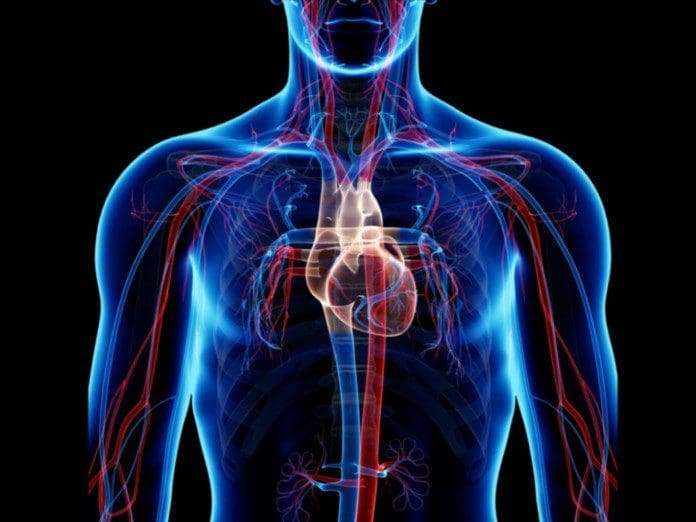
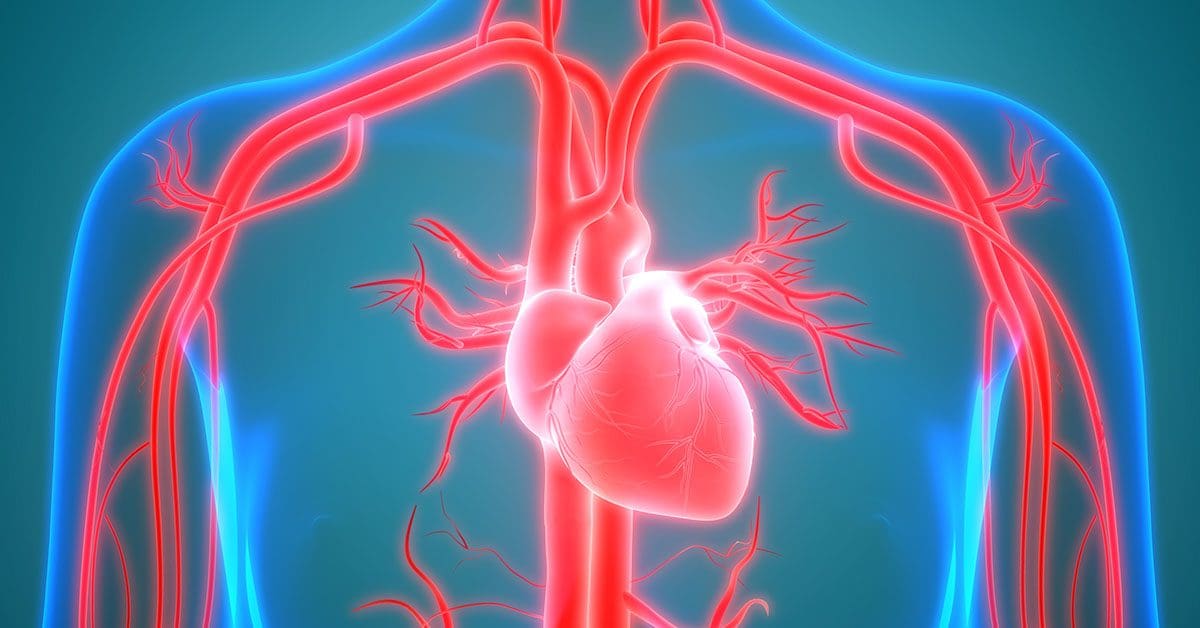
The causes/reasons can vary however, the physical response the body goes through is the same. A stress-inducing situation can leave an individual feeling threatened and generate a physical stress response. The body responds to stress by releasing hormones that shift the body into survival mode. This requires a lot of energy placing massive strain on the body. This is an important mechanism for healthy living. However, if it begins to present on a regular basis it can lead to negative health issues that include:

  • Depression
  • Chronic anxiety
  • Heart disease
  • High blood pressure
  • Abnormal heart rhythm
  • Heart attack
  • Stroke
  • Personality disorder
11860 Vista Del Sol, Ste. 128 Injury Related Stress And Anxiety Addressed With Chiropractic Care

The body needs time every day to recover and rejuvenate. This is not possible when the body is constantly entering a heightened state of stress. Traditional treatment can lead to the over-prescription of medications that come with their own side effects. Effective injury-related stress treatment addresses issues like:

Health problems

Injury-related stress and anxiety affect mental health and can lead to physical symptoms and disease. These include:

  • Chronic pain
  • Sleep problems
  • Gastrointestinal issues
  • Obesity
  • Asthma and breathing problems
  • Alzheimer’s, dementia, and memory loss
11860 Vista Del Sol, Ste. 128 Injury Related Stress And Anxiety Addressed With Chiropractic Care

Chiropractic Treatment and Care

A healthy brain and spinal cord are vital to the body’s optimal health. When nerve energy and blood flow get blocked it can worsen injury-related stress and anxiety. Chiropractic delivers results helping to better manage mental health by addressing underlying issues with spinal misalignment. When the spine is properly aligned neural health is optimized for everyday functions. This increases vitality and an overall sense of well-being. With brain function improved adjusting to the injury and its effects no longer cause intense stress. Individuals cannot remove all the stressors and anxiety-inducing events from their lives, but proper spinal alignment can help build resilience for whatever situations life throws.

Body Composition

InBody Spotlight - Dr. Tom Bakman of Restoration Healthcare

Recovery and Swelling

Recovery is an essential part of maintaining optimal body health. This goes for regular work, working out, athlete’s training, and just participating in physical activity. A significant sign that the body has gone through intense physical exertion and needs recovery time is swelling. Swelling presents for different reasons. It is the body’s response to tiny, microscopic tears in the muscle that happens from constant and intense use. Running or lifting heavy objects are two examples that cause swelling. Swelling can be seen in body composition analysis results. An increase in Lean Body Mass reflects an increase in water. Recovery is about giving the body a chance to:

  • Relax
  • Recuperate
  • Recover from the swelling with the end goal of resuming physical activities

Disclaimer

The information herein is not intended to replace a one-on-one relationship with a qualified health care professional, licensed physician, and is not medical advice. We encourage you to make your own health care decisions based on your research and partnership with a qualified health care professional. Our information scope is limited to chiropractic, musculoskeletal, physical medicines, wellness, sensitive health issues, functional medicine articles, topics, and discussions. We provide and present clinical collaboration with specialists from a wide array of disciplines. Each specialist is governed by their professional scope of practice and their jurisdiction of licensure. We use functional health & wellness protocols to treat and support care for the musculoskeletal system’s injuries or disorders. Our videos, posts, topics, subjects, and insights cover clinical matters, issues, and topics that relate to and support, directly or indirectly, our clinical scope of practice.* Our office has made a reasonable attempt to provide supportive citations and has identified the relevant research study or studies supporting our posts. We provide copies of supporting research studies available to regulatory boards and the public upon request. We understand that we cover matters that require an additional explanation of how it may assist in a particular care plan or treatment protocol; therefore, to further discuss the subject matter above, please feel free to ask Dr. Alex Jimenez or contact us at 915-850-0900.

Dr. Alex Jimenez DC, MSACP, CCST, IFMCP, CIFM, CTG*
email: coach@elpasofunctionalmedicine.com
phone: 915-850-0900
Licensed in Texas & New Mexico

References

Pickar, Joel G. “Neurophysiological effects of spinal manipulation.” The spine journal : official journal of the North American Spine Society vol. 2,5 (2002): 357-71. doi:10.1016/s1529-9430(02)00400-x

Coleman, Brian C et al. “Factors Associated With Posttraumatic Stress Disorder Among Veterans of Recent Wars Receiving Veterans Affairs Chiropractic Care.” Journal of manipulative and physiological therapeutics vol. 43,8 (2020): 753-759. doi:10.1016/j.jmpt.2019.10.016

Jamison, J R. “Stress management: an exploratory study of chiropractic patients.” Journal of manipulative and physiological therapeutics vol. 23,1 (2000): 32-6. doi:10.1016/s0161-4754(00)90111-8

Recovering From A Deadlift Lower Back Injury

Portrait of strong young woman lifting heavy barbell during crossfit workout in modern gym

The deadlift is a weight training exercise that helps build muscle, strength, and stamina. It works legs, core, buttocks, and the back when performed correctly. Using an improper form or overdoing it can cause injury to the lower back. Recovering from a deadlifting injury usually takes a couple of days or a week. However, this depends on the severity of the injury. Recovery can be helped through:

  • Home remedies
  • Chiropractic treatment
  • Massage
  • Natural back pain relief tips

Back Injury After Deadlifting

Most individuals will feel sore after a strenuous workout. But there is a difference between soreness and injury. Most of the time injuries from deadlifts are caused by not using proper form. Getting the form right is not easy, it does take practice, so do not feel bad if an injury presents.

Soreness vs Injury

Most of the time telling the difference between natural soreness from a workout and pain from an injury is pretty straightforward. But sometimes it is not as easy to tell the difference. Soreness is typically characterized by:

  • Stiffness
  • Tightness
  • Muscle ache
  • Fades after two or three days

Muscle soreness tends to be shallow and spread out over a muscle group. Pain from an injury causes sharp and persistent pain, especially with certain movements. Injury pain is deeper and can be described as stabbing or sharp.

11860 Vista Del Sol, Ste. 128 Recovering From A Deadlift Lower Back Injury

Common Deadlifting Injuries

The deadlift has a wide range of motion and incorporates several different joints. Most injuries sustained during a deadlift are low-back injuries. Usually a sprain or a strain. But it is possible to sustain a more serious injury like a herniated disc.

Sprains vs Strains

Sprains and strains are different although many use the terms interchangeably.

  • A sprain happens when the ligaments that hold a joint together tear.
  • A strain happens when the muscles tear or are overworked to the point of injury.

Herniated Disc

A herniated disc happens when the gel-like fluid cushion between the vertebrae begins to protrude out. This can cause pain from the disc pressing on surrounding nerves or go unnoticed. Fortunately, sprains, strains, and herniated discs can all be treated conservatively. Seeing a medical professional is recommended to rule out serious conditions.

Injury Lower Back Pop

Some individuals experience an audible pop in the spine during a deadlift. For those that experience a pop but no pain accompanying it, it is likely gas escaping from a joint in the back. Those that experience discomfort or pain with the popping are encouraged to seek out medical attention.

11860 Vista Del Sol, Ste. 128 Recovering From A Deadlift Lower Back Injury

Healing a Back Injury

Healing a back injury depends on the severity. The more severe, the longer it will take to heal. Most injuries can be addressed at home. Individuals that cannot stand up straight or there is debilitating pain with normal movements should see a medical professional like a:

  • Physical therapist
  • Chiropractor
  • Physician

Rest and let the body recover

It can be tempting to get back to the gym as soon as possible, but this is not recommended until the back truly feels normal. It is recommended to rest for a few days, allowing any swelling, inflammation to go down.

Ice and heat

Applying ice to the back every few hours for 15 to 20 minutes is recommended for the first three days, then heat can be incorporated. After three days if there is still pain, incorporate heat to get more blood flowing in and around the area. Use the ice for 15 to 20 minutes, wait 30 minutes, then apply the heat for 15 minutes.

Chiropractor

Seeing a chiropractor during any stage of recovery can be beneficial. As chiropractors are musculoskeletal specialists that can realign the body back to its proper form. If four days or more have passed and the pain is not going away, make an appointment with a certified chiropractor or spine specialist.

Time of Recovery

Most individuals recover within a week or two. For more severe injuries, like a herniated disc can take 6 to 8 weeks. Seeing a medical professional can help speed the process and promote healing. Additional tips include:

Safety

Deadlifting can be done safely and properly without sustaining an injury. A personal trainer or a sports chiropractor can analyze an individual’s lifting form and offer recommendations to prevent injury.

Body Composition

InBody Spotlight - Rick Mayo of Alloy

Foods Good for Collagen Production

Healthy nutrition can facilitate optimal collagen synthesis without supplementation. Protein sources that work with non-essential amino acids contribute to increased collagen production. High-quality protein sources support this process. Vegetarian protein sources include legumes or tofu are good alternatives. Collagen synthesis requires vitamin C, copper, and zinc.

  • Vitamin C regulates the synthesis pathway
  • Zinc stimulates the body to produce more collagen
  • Copper activates an enzyme that helps mature/strengthen the collagen
  • Sources of copper include nuts, seeds, whole grains, and chocolate

Most importantly is plenty of vitamin C-rich foods like:

  • Bell peppers
  • Broccoli
  • Citrus fruits
  • Leafy greens
  • Tomatoes

Disclaimer

The information herein is not intended to replace a one-on-one relationship with a qualified health care professional, licensed physician, and is not medical advice. We encourage you to make your own health care decisions based on your research and partnership with a qualified health care professional. Our information scope is limited to chiropractic, musculoskeletal, physical medicines, wellness, sensitive health issues, functional medicine articles, topics, and discussions. We provide and present clinical collaboration with specialists from a wide array of disciplines. Each specialist is governed by their professional scope of practice and their jurisdiction of licensure. We use functional health & wellness protocols to treat and support care for the musculoskeletal system’s injuries or disorders. Our videos, posts, topics, subjects, and insights cover clinical matters, issues, and topics that relate to and support, directly or indirectly, our clinical scope of practice.* Our office has made a reasonable attempt to provide supportive citations and has identified the relevant research study or studies supporting our posts. We provide copies of supporting research studies available to regulatory boards and the public upon request. We understand that we cover matters that require an additional explanation of how it may assist in a particular care plan or treatment protocol; therefore, to further discuss the subject matter above, please feel free to ask Dr. Alex Jimenez or contact us at 915-850-0900.

Dr. Alex Jimenez DC, MSACP, CCST, IFMCP, CIFM, CTG*
email: coach@elpasofunctionalmedicine.com
phone: 915-850-0900
Licensed in Texas & New Mexico

References

Bengtsson, Victor et al. “Narrative review of injuries in powerlifting with special reference to their association to the squat, bench press and deadlift.” BMJ open sport & exercise medicine vol. 4,1 e000382. 17 Jul. 2018, doi:10.1136/bmjsem-2018-000382

Core strength training helps manage back painJournal of Physical Therapy Science (March 2015) “Core strength training for patients with chronic low back pain.” https://www.jstage.jst.go.jp/article/jpts/27/3/27_jpts-2014-564/_article/-char/ja/

Millions of Americans experience back pain each day: Centers for Disease Control and Prevention (2020) “Acute Low Back Pain.” https://www.cdc.gov/acute-pain/low-back-pain/

Free weights come with a greater risk of injury, compared to machines: National Strength and Conditioning Association (December 2000) “Roundtable Discussion: Machines Versus Free Weights.” http://citeseerx.ist.psu.edu/viewdoc/download?doi=10.1.1.451.9285&rep=rep1&type=pdf

Avoiding and Preventing Spinal Compression Fractures

old woman helping to stand up husband who falled down on floor

Spinal vertebral compression fractures are a common injury in older individuals brought on from a lowered bone density. Hip and wrist fractures get most of the attention when it comes to osteoporosis. However, spinal fractures happen almost twice as often and affect around 700,000 individuals yearly. This is according to the American Academy of Orthopaedic Surgeons or the AAOS. These types of fractures are also known as:

  • Fragility fractures
  • Vertebral compression fractures
  • Osteoporotic compression fractures. These usually happen as a result of thinning and weakening bones caused by osteoporosis.

The Academy of Orthopedic Surgeons notes that changes in the body’s musculoskeletal bone structure can go unnoticed for years. This leads to the vertebrae narrowing and flattening, rounding the spine as a result, creating compression. Because of the weakened bone, the pressure, even from everyday low-impact movements like reaching, bending or twisting. There are strategies that can help prevent osteoporosis and osteoporotic compression fractures.

11860 Vista Del Sol, Ste. 128 Avoiding and Preventing Spinal Compression Fractures

More Movement and Physical Activity

One prevention strategy that is highly recommended is more movement and physical activity. This does not include occasional gentle movements like taking a break from sitting. Improving the spine’s health means using the full range of motion and loading the bones so they can get build strength. This could be walking more, which creates spinal resistance. Also using light weights with high repetitions with five to ten pounds of a load is enough to challenge the spine without generating muscle stress.

Individuals think they need to rest more as they get older, but to build and maintain bone density to prevent osteoporotic compression fractures more physical activity is needed. Moving around for 10 to 15 minutes every hour is a good way to start. Incorporating more activity, and focusing on healthy diet changes will help shed excess weight. This will decrease pressure on the spine, reducing the risk of fractures. For individuals with osteoporosis of the spine, it is important to review any exercise plans with a physician or doctor of chiropractic to ensure that they are safe. The wrong types of movement or too much stress on a fragile spine can definitely cause a fracture.

Medications and Other Conditions

There are medications that can help build bone density, but there are also medications for conditions that can actually cause faster bone density loss. Individuals could be taking a medication that’s good for one issue/condition, but not realize it may be associated with a reduction in bone density. This is why it is important to review prescriptions with a doctor with bone density loss side effects in mind. Medications that can cause bone loss include:

  • Glucocorticoids
  • Aromatase inhibitors for breast cancer
  • Androgen deprivation therapy for prostate cancer
  • Proton pump inhibitors
  • Depo-Provera for contraception
  • Anti-seizure drugs like carbamazepine and phenytoin
  • Diuretics like furosemide

Also, review any underlying conditions that could affect osteoporosis. As an example, the National Institutes of Health or NIH note that individuals with diabetes, specifically type 1, can have poor bone quality increasing their risk of fractures.

11860 Vista Del Sol, Ste. 128 Avoiding and Preventing Spinal Compression Fractures

Adding Calcium To The Diet

An adequate intake of calcium is essential for osteoporosis prevention and helps lower the risk of fragility fractures. A low calcium intake contributes significantly to lower bone density and faster bone loss with age. Vitamin D also helps in bone injury prevention.

Treatment

Compression fracture/s diagnosis are confirmed through imaging tests like:

  • X-rays
  • Magnetic resonance imaging MRI scan
  • Bone scan
  • Computed tomography CT scan

Bone density testing with dual-energy x-ray absorptiometry DEXA will determine bone mineral density. If a scan reveals there is a vertebral compression fracture, the most common approach is no treatment. According to the Academy of Orthopedic Surgeons, most individuals with this type of injury improve within three months with a combined rest period and limited pain medication use.

11860 Vista Del Sol, Ste. 128 Avoiding and Preventing Spinal Compression Fractures

Some individuals are recommended to wear braces to restrict movement so the fracture can heal without any added compression or stress. For those that do not respond to non-surgical treatment, minimally invasive surgery could become an option. In both cases, a doctor will suggest similar aforementioned strategies to help strengthen the bones and prevent worsening or creating new issues.

Body Composition

YouTube player

Changes in an individual’s 30’s

As an individual enters their 30’s and up, new challenges begin to emerge with greater demands at work and home. A few things that can begin to present:

  • More flab on the middle that gets harder to burn off
  • Performance at work, the gym, or on the road slows down or begins to reverse
  • Workouts, sporting events, physical activity that the body was able to bounce back from quite easily now take twice as long to recover from

Things start to change when the body enters its 30’s. Whether light exercise, playing weekend games, local sports, etc, the key is to just stay active. By paying close attention to nutrition and making minor adjustments, individuals can maintain and improve body composition, stay strong and healthy in their 30s and be ready for the future.

Disclaimer

The information herein is not intended to replace a one-on-one relationship with a qualified health care professional, licensed physician, and is not medical advice. We encourage you to make your own health care decisions based on your research and partnership with a qualified health care professional. Our information scope is limited to chiropractic, musculoskeletal, physical medicines, wellness, sensitive health issues, functional medicine articles, topics, and discussions. We provide and present clinical collaboration with specialists from a wide array of disciplines. Each specialist is governed by their professional scope of practice and their jurisdiction of licensure. We use functional health & wellness protocols to treat and support care for the musculoskeletal system’s injuries or disorders. Our videos, posts, topics, subjects, and insights cover clinical matters, issues, and topics that relate to and support, directly or indirectly, our clinical scope of practice.* Our office has made a reasonable attempt to provide supportive citations and has identified the relevant research study or studies supporting our posts. We provide copies of supporting research studies available to regulatory boards and the public upon request. We understand that we cover matters that require an additional explanation of how it may assist in a particular care plan or treatment protocol; therefore, to further discuss the subject matter above, please feel free to ask Dr. Alex Jimenez or contact us at 915-850-0900.

Dr. Alex Jimenez DC, MSACP, CCST, IFMCP, CIFM, CTG*
email: coach@elpasofunctionalmedicine.com
phone: 915-850-0900
Licensed in Texas & New Mexico

References

OrthoInfo/spine fracture prevalence: https://orthoinfo.aaos.org/en/diseases–conditions/osteoporosis-and-spinal-fractures

Medications that affect bone density: https://osteoporosis.ca/about-the-disease/what-is-osteoporosis/secondary-osteoporosis/medications-that-can-cause-bone-loss-falls-andor-fractures/#:~:text=The%20anti%2Dseizure%20drugs%20carbamazepine,decreased%20intestinal%20absorption%20of%20calcium.

NIH: osteoarthritis and diabetes: https://www.bones.nih.gov/health-info/bone/osteoporosis/conditions-behaviors/diabetes

Nerve Flossing Exercises for Sciatica

cropped shot of runner with leg injury on running track

Traditional medical treatment for sciatica can sometimes be not as effective or ineffective for individuals, but nerve flossing is an option that could help. Flossing is not something individuals expect to hear from a medical professional treating their sciatica. However, when sciatica does not respond to common treatment methods like light physical activity or medications, a physician, chiropractor, or physical therapist might suggest combining traditional treatment with nerve flossing to alleviate sciatic nerve pain.

11860 Vista Del Sol, Ste. 128 Nerve Flossing Exercises for Sciatica

Nerve Flossing

The nerves can get jammed/stuck between the tissues and cannot move, flex as they should. Nerve flossing involves performing gentle exercises to mobilize and stretch the nerves that help reduce irritation, inflammation, and improve mobility, especially in the hips. Nerve flossing is also known as:

The exercises can be done at home with no equipment and simple instructions. When used in combination with other treatments, like chiropractic and physical therapy, the effectiveness is increased. Consult with a doctor or doctor of chiropractic for an accurate diagnosis because what is causing sciatica helps significantly determine the best treatment plan.

Guidelines

These are simple exercises, but they are still exercises that require following safety guidelines to prevent injury or pain. These include:

  • The body will need time to adjust to new exercises, so individuals should start slow.
  • Only a few repetitions should be done at a time
  • Gradually increase
  • Stop if pain presents with any of the exercises and report the pain to a doctor or chiropractic physical therapist to see if there is a problem with how the exercises are being performed or if the exercises should be done later on after further treatment.
  • Focus on staying relaxed, as tensing up the muscles decreases the effectiveness
  • Breathing properly is key. Individuals unknowingly stop breathing when doing exercises, which is not healthy. Breathe deep in and out.

Nerve Exercises

True nerve flossing is an active movement with motion; otherwise, it is just stretching.

Mobilizing floss

  • Lie on the floor with both knees bent, feet flat on the floor, and with space at hip-width
  • A flat pillow can be used for the head if it makes it more comfortable
  • Tuck the chin in, and be sure to keep the upper body relaxed throughout the exercise
  • Pull the right leg in towards the chest
  • Keep holding behind the right knee
  • Slowly straighten the leg until there is a comfortable stretch
  • Slowly return the knee to the starting position
  • Breathe deeply, slowly, and try not to press the lower back into the floor
  • Lower the leg back towards the chest, then lower it back to the starting position
  • Perform with the left leg
  • Complete five repetitions on each side
11860 Vista Del Sol, Ste. 128 Nerve Flossing Exercises for Sciatica

Seated nerve floss

  • Sitting upright in a chair, knees spaced hip-width, feet flat on the floor, and face forward.
  • Extend the left leg
  • Flex the foot toward the body
  • Extend the head up and back, looking up at the ceiling
  • Gently lower head and leg down, tucking the chin into the chest while bending the leg slightly backward
  • Extend and lower head at the same time when extending and lowering the leg
  • Perform 10 repetitions
  • Switch legs and repeat the exercise
  • Perform exercise 2–3 times every day

Hamstring floss

  • Stand up straight, raise the right leg onto a step or other stable surface while keeping the leg straight and toes pointed up.
  • Keeping the back straight, tilt the head and neck forward until there is a slight pull/stretch in the back
  • Point the toe and bring the chin to the chest
  • Flex the foot and return
  • Repeat five times
  • Return to starting position
  • Switch legs
  • Repeat three sets on each leg
11860 Vista Del Sol, Ste. 128 Nerve Flossing Exercises for Sciatica

Exercise for Piriformis Syndrome

The piriformis muscle joins the base of the spine to the upper leg. Because this muscle is so close to the sciatic nerve, any irritation or compression can also cause piriformis syndrome. Piriformis syndrome can cause radiating pain to the:

  • Hips
  • Buttocks
  • Hamstrings
  • Pain when sitting down or walking upstairs

Nerve flossing can also help relieve the symptoms increasing flexibility and range of motion.

Mobilizing stretch

  • Lie flat on the floor on the back
  • Extend both legs
  • Bend the right leg and bring it up
  • Hold the right knee and foot
  • While holding, gently pull the leg across the right side of the body and up toward the right shoulder.
  • Return to the original position
  • Repeat five times
  • Gently lower the right leg
  • Switch legs
  • Complete five repetitions on each side two to three times a day

Risks

These exercises are not about pushing the body to its limits or in a way that causes pain. They are designed to rehabilitate, stretch, and strengthen the sciatic nerve making risks for further injury minimal. If there are still concerns about the safety of nerve flossing exercises, check with a doctor, doctor of chiropractic, or physical therapist. If there is severe nerve damage or undiagnosed acute pain, nerve flossing could worsen symptoms. Nerve flossing for acute cases of nerve irritation is not recommended as this can cause nerve root aggravation with the stretching/pulling.

Flossing for Sciatica

More research is needed on how nerve flossing can best help sciatica. It is an easy, natural, medication-free treatment that can help soothe irritated and compressed nerves, improve mobility and flexibility.

Body Composition

https://youtu.be/G-b8mYGtfhE

Tracing sources of fatigue

There is a difference between being tired after a long day working, playing, etc., and being tired regularly. This can be referred to as Chronic Fatigue Syndrome, a clinical condition where fatigue lasts longer than 6 months. With acute, non-clinical fatigue, it is typical to experience many symptoms that hamper an individual’s ability to function. Symptoms can include:

With hectic schedules, sources of fatigue begin to pile up along with unhealthy diet choices that stem from:

  • No time for a well-balanced breakfast
  • No time or forgetting to make a healthy lunch equals
  • Fast food patterns
  • Unhealthy snacks
References

Anikwe EE, Tella BA, Aiyegbusi AI, Chukwu SC: Influence of Nerve Flossing Technique on acute sciatica and hip range of motion, International Journal of Medicine and Biomedical Research, 4(2) May-August 2015, www.ijmbr.com

Jeong UC, Kim CY, Park YH, Hwang-Bo G, Nam CW. The effects of self-mobilization techniques for the sciatic nerves on physical functions and health of low back pain patients with lower limb radiating pain. J Phys Ther Sci. 2016;28(1):46-50. doi:10.1589/jpts.28.46

Self Cracking and Self-Popping The Spine

Sportive woman training using yoga wheel to build spine and back flexibility.

Self-cracking and popping the spine can feel good but should it be done without professional/chiropractic assistance? We’ve all done it getting up from bed or the couch, lean back, and wait for the sound of the spine cracking/popping. Some even have a friend help pop the spine to get that satisfying feeling. There are proper stretching techniques to follow, but cracking the spine without professional help is not recommended as it could lead to problems or worsen any underlying spinal issues.

11860 Vista Del Sol, Ste. 128 Self Cracking and Self-Popping The Spine

Sounds

Self cracking, popping the spine refers to the sounds the neck or back make with certain movements. The joints in the spine contain fluid and gas. When the body moves, stretches can create cracking popping sounds as different pressures are exerted. The sound is known as joint cavitation, is the normal exchange of gases like oxygen, nitrogen, and carbon dioxide around the joints.

Spaces form in the synovial fluid that surrounds the joints. These spaces make an audible sound when the pressure changes/cavitation causing the gases to be released. The gases are naturally present in the body. A doctor of chiropractic mobilizes the joints very carefully through adjustments using their hands or specific instruments to increase the spine’s range of motion and stability. When adjustments and manipulations are not performed by a professional, problems can happen, that can include:

  • Loss of strength
  • Soft tissue swelling
  • Muscle spasms

When it’s done properly and safely injuries are prevented and any issues like swelling and tightness around the neck and spine are also avoided.

Movements and Adjustments

Self-cracking performed incorrectly can lead to excessive force bringing the joints to excessive ranges of motion that can potentially cause injury. Individuals need to be careful even when self-cracking as the spine can make sounds for other reasons.

  • Age-related arthritis can generate a crunching type of sound when moving known as crepitus
  • A ligament or tendon can rub over a bone or bone spur, creating different sounds
  • These sounds are usually not problematic, but when they are consistent with certain movements they could cause inflammation and/or pain.
11860 Vista Del Sol, Ste. 128 Self Cracking and Self-Popping The Spine

Chiropractic Professional Adjustments

The primary reasons most individuals seek chiropractic help are for problems, like pain, tightness, and weakness. Individuals can voluntarily see a chiropractor or they could be referred to one by a different doctor. Doctors routinely work with chiropractors to help patients recover from musculoskeletal injuries and conditions. A chiropractor performs manipulations in a safe, controlled manner. They are familiar with the sounds that the joints make and know they are safe. They usually have a multidisciplinary team that is involved in the management of various musculoskeletal conditions.

Why chiropractic care is so helpful?

All doctors of chiropractic are trained to diagnose and treat neuro-musculoskeletal conditions. During the diagnosis, the chiropractor will go through the individual’s medical history and conduct a physical exam to determine what treatment plan is best for the individual and their injury or condition. Many are now flocking to chiropractic care to avoid taking pain medications. Scientific evidence supports the health benefits of adjustments for various types of musculoskeletal pain, as well as to improve function and mobility

It is also recommended to work with a chiropractor in addition to other health professionals, like orthopedic specialists and physical therapists. They can help decrease pain, provide increased mobility and stability. If there is a constant need to self crack the back, or are having other issues with pain and tightness, talk with a doctor to see if chiropractic adjustments and manipulation will help. This will ensure that the right diagnosis is made and will help to create the optimal treatment plan to develop a stronger healthier body.

Body Composition

Personal Trainers and InBody | IHRSA 2016

Relationship between the muscles and the immune system

Increasing muscle mass is a recommended way to improve body composition and increase immune system function. Research shows senior adults with a higher skeletal muscle mass have an increased number of immune cells in the blood. This indicates that the muscles and the immune system are connected. When working out myokines or hormone-type proteins are released that strengthen the immune system to help protect and fight diseases. Regular exercise with moderate intensity increases the release of T lymphocytes/T cells improving the body’s immunity. Regular exercise also helps reduce the risk of developing chronic diseases like:

  • Type 2 diabetes
  • Obesity
  • Different types of cancer
  • Cardiovascular diseases

Improved body composition with regular exercise and a well-balanced diet helps maintain a healthy proportion of muscle and fat mass. The more developed the body’s muscle mass becomes strengthens the immune system and lowers the risk of diseases and various health conditions.

Disclaimer

The information herein is not intended to replace a one-on-one relationship with a qualified health care professional, licensed physician, and is not medical advice. We encourage you to make your own health care decisions based on your research and partnership with a qualified health care professional. Our information scope is limited to chiropractic, musculoskeletal, physical medicines, wellness, sensitive health issues, functional medicine articles, topics, and discussions. We provide and present clinical collaboration with specialists from a wide array of disciplines. Each specialist is governed by their professional scope of practice and their jurisdiction of licensure. We use functional health & wellness protocols to treat and support care for the musculoskeletal system’s injuries or disorders. Our videos, posts, topics, subjects, and insights cover clinical matters, issues, and topics that relate to and support, directly or indirectly, our clinical scope of practice.* Our office has made a reasonable attempt to provide supportive citations and has identified the relevant research study or studies supporting our posts. We provide copies of supporting research studies available to regulatory boards and the public upon request. We understand that we cover matters that require an additional explanation of how it may assist in a particular care plan or treatment protocol; therefore, to further discuss the subject matter above, please feel free to ask Dr. Alex Jimenez or contact us at 915-850-0900.

Dr. Alex Jimenez DC, MSACP, CCST, IFMCP, CIFM, CTG*
email: coach@elpasofunctionalmedicine.com
phone: 915-850-0900
Licensed in Texas & New Mexico

References

“The audible release associated with joint manipulation.” Journal of Manipulative and Physiological Therapeutics. MarApril 1995. https://pubmed.ncbi.nlm.nih.gov/7790795/#:~:text=Data%20synthesis%3A%20The%20audible%20release,released%20into%20the%20joint%20cavity.

“The Prevalence, Patterns, and Predictors of Chiropractic Use Among US Adults: Results From the 2012 National Health Interview Survey.” Spine. Dec 2017. https://pubmed.ncbi.nlm.nih.gov/28459779/

“Chiropractic Use in the Medicare Population: Prevalence, Patterns, and Associations With 1-Year Changes in Health and Satisfaction With Care.” Journal of Manipulative and Physiological Therapeutics. Oct 2014. https://www.sciencedirect.com/science/article/pii/S0161475414001444

Melatonin’s role in Clinical applications | *Must see* El Paso, Tx (2021)

Melatonin's role in Clinical applications | *Must see* El Paso, Tx (2021)
Welcome to our podcast, in this edition we resume with our topic of melatonin featuring Dr. Alex Jimenez and Nutritionist Ana Paola Rodríguez Arciniega discussing melatonin role’s in different clinical applications.

If you have any questions you can call us at 915-850-0900

If you have enjoyed this video and/or we have helped you in any way
please feel free to subscribe and share with us.

Thank You & God Bless.
Dr. Alex Jimenez DC, MSACP, ATN, IFMCP. CIFM, CCST

Join our webinars!
https://el-paso-tx-functional-medicine.eventbritestudio.com

Additional Online Links & Resources (Available 24/7)

Online Functional Medicine Assessment: https://bit.ly/functionmed

Online Appointments or Consultations: https://bit.ly/Book-Online-Appointment

Online Physical Injury / Accident Intake Form: https://bit.ly/Fill-Out-Your-Online-History

If you are someone who truly cares about their health we recommend you look at the care plans we offer on our site:

https://www.functionalmedicine.expert/

Please Subscribe: http://bit.ly/drjyt

Facebook Clinical Page: https://www.facebook.com/dralexjimenez/
Facebook Sports Page: https://www.facebook.com/pushasrx/
Facebook Injuries Page: https://www.facebook.com/elpasochiropractor/
Facebook Neuropathy Page: https://www.facebook.com/ElPasoNeuropathyCenter/
Facebook Fitness Center Page: https://www.facebook.com/justplayfitness


Yelp: El Paso Rehabilitation Center: http://goo.gl/pwY2n2
Yelp: El Paso Clinical Center: Treatment: https://goo.gl/r2QPuZ


Clinical Testimonies: https://www.dralexjimenez.com/category/testimonies/


Information:
Clinical Site: https://www.dralexjimenez.com
Injury Site: https://personalinjurydoctorgroup.com
Sports Injury Site: https://chiropracticscientist.com
Back Injury Site: https://www.elpasobackclinic.com
Rehabilitation Center: https://www.pushasrx.com
Functional Medicine: https://wellnessdoctorrx.com


Twitter: https://twitter.com/dralexjimenez
Twitter: https://twitter.com/crossfitdoctor

Disclaimer:
The information herein is not intended to replace a one-on-one relationship with a qualified health care professional, licensed physician, and is not medical advice. We encourage you to make your own health care decisions based on your research and partnership with a qualified health care professional. Our presentations share knowledge and information from research, experience, and the collaborative functional medicine community. The information and scope are limited to chiropractic, musculoskeletal, physical medicines, wellness, sensitive health issues, functional medicine articles, topics, and discussions. Our discussions include Integrative Doctors, Functional Medicine Experts, Nutritionists, Health Coaches, Chiropractors, Physical Medicine Doctors, Therapists, Exercise Performance Specialists, Physicians, and others. Each specialist practices within their professional scope of practice and their jurisdiction of licensure. We use functional health & wellness protocols to treat and support care plans for the musculoskeletal system’s injuries or disorders. Our discussions, videos, posts, topics, subjects, and insights cover clinical matters and issues that relate to and support, directly or indirectly, our collaborative clinical scope of practice. We make a reasonable attempt to provide supportive citations and identify the relevant research studies supporting our presentations. We provide copies of supporting research studies available to regulatory boards and the public upon request. We understand that we cover issues that may require an additional explanation of how it may assist in a particular care plan or treatment protocol; therefore, to further discuss the subjects matters presented, please feel free to contact Dr. Alex Jimenez.

Whiplash, How Long Does It Last?

businessman having neck ache while sitting on table in modern office

Motor vehicle accidents, sports injuries, work injuries, and falls are a few causes of whiplash. It is a condition that affects over 1.5 million individuals. It can cause serious side effects that can last for months and sometimes years. If not treated, the symptoms can worsen and lead to chronic conditions and pain.

11860 Vista Del Sol, Ste. 128 Whiplash, How Long Does It Last?

Mild Whiplash

Mild whiplash can last around three months. During this time individuals might notice other symptoms other than neck pain that includes:

  • Dizziness
  • Headaches
  • Tinnitus
  • Insomnia
  • Concentration problems

In certain cases, these symptoms happen immediately or they can be delayed.

Severe Whiplash

Severe whiplash means symptoms last longer than three months. The side effects can progressively go away or may not disappear at all. Severe whiplash falls in the whiplash classification of three to four. This indicates that there is a:

  • Loss of motion
  • Neurological problems
  • Fracture/s

Taking Time Off Work

Taking time off work for a whiplash injury depends on how severe the condition is. For mild symptoms, individuals are recommended to take about a month off to fully recover. If the condition is extreme, it could take a few years. For some individuals, the injury prevents them from working, and they have to leave their job.

Tinnitus

After a whiplash injury, some individuals develop tinnitus. This is a condition that results from the jolted ligaments and can irritate the surrounding nerves. This can cause an irritating ringing noise in the ears. How long tinnitus lasts depends on the severity of the injury. It can present every so often or could remain for several months even years.

Recovery Time

For most individuals, it takes around 4-6 weeks for a full recovery. This could last longer if the injury is not healed properly.

Pain After Six Months

Chronic whiplash can present shooting pain throughout the body and prevents individuals from living a normal life. For chronic conditions chiropractic and physical therapy are highly recommended. Treatment could be difficult at first, but improvements will follow as long as the individual stays consistent with the therapy to completely heal the injury.

11860 Vista Del Sol, Ste. 128 Whiplash, How Long Does It Last?

Treatment Options

Rest

The first recommendation will be to rest the body. This gives the body time to recover and also prevents worsening the injury. Ice packs and heating pads can help reduce swelling and pain.

Chiropractic

Chiropractors are experts in the musculoskeletal system. They inspect the whole body looking and feeling for misalignments, knotted muscles, swollen tendons, and ligaments that were stretched/pulled beyond their normal range. Various types of adjustments can be used. The most common are flexion-distraction and instrument-assisted.

  • Flexion-Distraction adjusting requires the chiropractor’s hands. They feel around the problem area and press their hands to slide the joint back in place.
  • Instrument-Assisted – utilizes a special tool, like an activator. The device helps the chiropractor delve deeper into the area than their hands. This helps them locate problems that could be hidden.
11860 Vista Del Sol, Ste. 128 Whiplash, How Long Does It Last?

Anti-Inflammatory Diet

Adding more anti-inflammatory foods to the diet will reduce and alleviate inflammation and swelling. Some of these foods include:

  • Avocados
  • Blueberries
  • Mushrooms
  • Olive oil
  • Salmon
  • Strawberries
  • Turmeric

Vitamins

A full recovery can take longer if the body lacks essential nutrients. These nutrients are what helps the body create enzymes that repair the damaged tissues, bones, tendons, etc. If the body does not have enough it will not heal properly. Essential vitamins to take for injuries include:

These can be taken in supplement form or through food sources.

Body Composition

InBody Spotlight - Larry Conner of Stone Creek Club and Spa

Muscle Loss

The body loses muscle every minute of life. This is because the muscles, like the other tissues in the body they depend on cell turnover and protein synthesis. This means that the body continually breaks down the protein in the muscles and rebuilds them. This is how the body is supposed to function and part of what keeps it alive. Skeletal muscle can be grown and developed with proper nutrition. This includes eating sufficient protein to provide the necessary amino acids and regular physical activity.

The reverse is also true becoming less physically active and the individual’s diet no longer supports the development of increased muscle tissue the body enters a catabolic/tissue-reducing state known as muscle atrophy. Muscles that are partially used meaning using less than 20% of their maximum force begin to atrophy over time. Muscles that are completely unused, like when bedridden with very little movement, can degrade around 1/8th of strength per week.

Disclaimer

The information herein is not intended to replace a one-on-one relationship with a qualified health care professional, licensed physician, and is not medical advice. We encourage you to make your own health care decisions based on your research and partnership with a qualified health care professional. Our information scope is limited to chiropractic, musculoskeletal, physical medicines, wellness, sensitive health issues, functional medicine articles, topics, and discussions. We provide and present clinical collaboration with specialists from a wide array of disciplines. Each specialist is governed by their professional scope of practice and their jurisdiction of licensure. We use functional health & wellness protocols to treat and support care for the musculoskeletal system’s injuries or disorders. Our videos, posts, topics, subjects, and insights cover clinical matters, issues, and topics that relate to and support, directly or indirectly, our clinical scope of practice.* Our office has made a reasonable attempt to provide supportive citations and has identified the relevant research study or studies supporting our posts. We provide copies of supporting research studies available to regulatory boards and the public upon request. We understand that we cover matters that require an additional explanation of how it may assist in a particular care plan or treatment protocol; therefore, to further discuss the subject matter above, please feel free to ask Dr. Alex Jimenez or contact us at 915-850-0900.

Dr. Alex Jimenez DC, MSACP, CCST, IFMCP, CIFM, CTG*
email: coach@elpasofunctionalmedicine.com
phone: 915-850-0900
Licensed in Texas & New Mexico

References

Pastakia, Khushnum, and Saravana Kumar. “Acute whiplash-associated disorders (WAD).” Open access emergency medicine: OAEM vol. 3 29-32. 27 Apr. 2011, doi:10.2147/OAEM.S17853

Is Whiplash Serious: Open Access Emergency Medicine. (2011)“Acute whiplash Associated Disorders.” https://www.ncbi.nlm.nih.gov/pmc/articles/PMC4753964/

How the Neck Works: UpToDate. (2020) “Patient education: Neck pain (Beyond the Basics). https://www.uptodate.com/contents/neck-pain-beyond-the-basics

Seeing A Chiropractor Regularly for Injury Prevention and Maintenance

Physiotherapist giving neck massage to a woman in clinic

Seeing A Chiropractor Regularly for Injury Prevention and Maintenance. A common question that comes up is how often is it necessary to visit a chiropractor? Everyone is different and the frequency of treatment depends on each individual’s specific situation/condition, health goals, and needs. Here are a few guidelines to keep in mind that can help get an idea of what to expect.

11860 Vista Del Sol, Ste. 128 Seeing A Chiropractor Regularly for Injury Prevention and Maintenance

Seeing a Chiropractor

Chiropractors are the top experts in addressing underlying issues concerning the spine and musculoskeletal system. The most common reasons for seeking chiropractic treatment are musculoskeletal:

  • Conditions
  • Injuries – work, sports, automobile, personal
  • Rehabilitation
  • Pain relief
  • Fitness
  • Chronic fatigue
  • Brain fog
  • Sleep problems

As an example, back pain is one of the top causes of disability. The workforce and medical community are seeing the effectiveness of chiropractic in reducing medical costs and loss of productivity. Spinal misalignment is an overlooked problem that can lead to a variety of health issues, including chronic pain and poor blood and nerve circulation. Restoring alignment is the first step in building sustainable health and achieving optimal quality of life.

Effective Treatment

Chiropractic treatment follows three stages. There is an emphasis on each stage and a specific focus for working toward long-lasting optimal health. Each phase is also associated with a different range of treatment protocols to achieve the best results.

Stage 1 Pain Relief

Starting treatment when the pain is at its most intense means the first step is bringing relief as quickly as possible. This is accomplished through:

  • Adjustments
  • Ultrasound
  • Heat and Ice
  • Massage
  • T.E.N.S
  • Stretching
  • Exercise
  • Other techniques to stabilize the individual

Stage 2 Restorative Care

Once the pain is relieved, the focus turns to long-term healing of affected tissues like the:

  • Muscles
  • Ligaments
  • Neural tissues

This helps with long-term recovery while reducing the risk of worsening or creating further injury/s.

11860 Vista Del Sol, Ste. 128 Seeing A Chiropractor Regularly for Injury Prevention and Maintenance

Stage 3 Maintenance Care

This final stage is the monitoring stage. The chiropractic provider understands how important it is to regularly monitor an individual’s health and alignment to address any issues that come up and deal with them before they worsen or lead to other problems. Monitoring prevents unnecessary distress and helps the individual get back to their normal life.

Optimal Results

Achieving lasting results for symptoms cannot be done with a quick one size fits all treatment. With the guidance of a chiropractor, the individual will learn to recognize subtle changes in their body to alert them to adjusting lifestyle habits. Contact Injury Medical Chiropractic and Functional Medicine Clinic to determine what treatment and frequency offer the best results.

Body Composition

Help Fight Obesity | Obesity Week 2015

Inflammation That Can Become Permanent

When white blood cells cause inflammation, this is a sign that the body’s immune system is properly functioning. Inflammation starts, the white blood cells attack the invader, it is neutralized, and the inflammation recedes. This is how the body’s defense system works naturally. But the white blood cells are not the only type of cell that has the ability to release cytokines. A second type of cell that can release cytokines and cause inflammation are adipocytes/fat cells. The body stores excess calories as fat so that the body can use it later for energy.

Scientists have learned that fat is an active endocrine organ. It can secrete a host of proteins and chemicals, including inflammatory cytokines. When the body keeps adding more and more adipose tissue cytokines are released by the fat cells, triggering inflammation. Obesity is characterized as a state of low-grade, chronic inflammation. This means that increased fat cells put the body in a constant state of stress and immune response. This means that the body is always in a state of inflammation and the immune system is permanently switched on. Perpetual, never-ending inflammation is not healthy for the body.

Disclaimer

The information herein is not intended to replace a one-on-one relationship with a qualified health care professional, licensed physician, and is not medical advice. We encourage you to make your own health care decisions based on your research and partnership with a qualified health care professional. Our information scope is limited to chiropractic, musculoskeletal, physical medicines, wellness, sensitive health issues, functional medicine articles, topics, and discussions. We provide and present clinical collaboration with specialists from a wide array of disciplines. Each specialist is governed by their professional scope of practice and their jurisdiction of licensure. We use functional health & wellness protocols to treat and support care for the musculoskeletal system’s injuries or disorders. Our videos, posts, topics, subjects, and insights cover clinical matters, issues, and topics that relate to and support, directly or indirectly, our clinical scope of practice.* Our office has made a reasonable attempt to provide supportive citations and has identified the relevant research study or studies supporting our posts. We provide copies of supporting research studies available to regulatory boards and the public upon request. We understand that we cover matters that require an additional explanation of how it may assist in a particular care plan or treatment protocol; therefore, to further discuss the subject matter above, please feel free to ask Dr. Alex Jimenez or contact us at 915-850-0900.

Dr. Alex Jimenez DC, MSACP, CCST, IFMCP, CIFM, CTG*
email: coach@elpasofunctionalmedicine.com
phone: 915-850-0900
Licensed in Texas & New Mexico

References

Hadler, N M. “Chiropractic.” Rheumatic diseases clinics of North America vol. 26,1 (2000): 97-102, ix. doi:10.1016/s0889-857x(05)70123-x

Iben, Axén et al. “Chiropractic maintenance care – what’s new? A systematic review of the literature.” Chiropractic & manual therapies vol. 27 63. 21 Nov. 2019, doi:10.1186/s12998-019-0283-6

Goertz, Christine M et al. “Effect of Usual Medical Care Plus Chiropractic Care vs Usual Medical Care Alone on Pain and Disability Among US Service Members With Low Back Pain: A Comparative Effectiveness Clinical Trial.” JAMA network open vol. 1,1 e180105. 18 May. 2018, doi:10.1001/jamanetworkopen.2018.0105

Tight Hip Flexors and How To Release

selective focus of mature woman suffering from back pain while sitting on sofa

Tight hip flexors are a common complaint among individuals. Sitting for too long is the usual suspect, but highly active individuals can experience tightness. Here is a hip flexor test to determine if there is tightness:

  • Lie on back on a table or bench
  • Let the lower part of the legs hang off the side at the knees
  • Pull one knee up to the chest while keeping the head, shoulders, back, and hips in contact with the table/bench
  • The other leg will stay in contact with the table/bench with the knee at a 90-degree angle if the hip flexors are not tight
  • If they are tight, the other leg will come up from the table/bench, causing the knee to come out of the 90-degree angle
  • Perform on both sides, because one hip flexor could be tighter than the other

However, if the hip flexors are not tight but there is still discomfort, soreness then the most common cause is weak hip flexors.

Why Hip Flexors Become Tight

Figuring out what’s making them so tight varies from person to person. Some individuals are more susceptible to tight hip flexors than others. Here are common reasons why individuals experience discomfort, soreness, and pain:

  • Sitting for a long time shortens and weakens the flexors
  • A shifted pelvis could be an anterior or posterior pelvic tilt
  • Uneven hips can cause tightness on one side
  • Poor posture can lead to standing or leaning on one hip
  • Sleeping too much on one side
  • Running or exercising without regular stretching especially of the hips
11860 Vista Del Sol, Ste. 128 Tight Hip Flexors and How To Release

Tight Hip Flexor Symptoms

Many are surprised by how tight hip flexors can affect the rest of the body. This is because of the many different muscles in the hip flexor group. They help lift the leg at the hip, help stabilize the spine, and can affect the neck and shoulder area.

  • Tightness in the upper groin/hip area
  • Pain/tightness in the glutes
  • Tight hamstrings
  • Pain/tightness in the lower back when standing up
  • Trouble standing up straight
  • Pain/tightness in the neck

Releasing Tight Hips

The test is a great way to determine if the hip flexors are tight. Before attempting to stretch the hip flexors, it is key to determine that the flexors are tight or weak. If the hip flexors are not tight, stretching them will not help. Instead, they need to be strengthened. Individuals can confuse tight hip flexors with weak ones and become frustrated when there is no relief after stretching.

Stretches

Here are some easy stretches for the hip flexors.

Butterfly Stretch

  • Sit on the floor with the heels and toes of the feet pressed together
  • The weight of the knees as they open and move forward to the floor will stretch the hips
  • For a greater stretch, gently press down on the inside of the knees
  • Hold for 30 seconds to a minute
11860 Vista Del Sol, Ste. 128 Tight Hip Flexors and How To Release

Chair Figure 4 Stretch

  • Sit in a chair
  • Raise one leg and place the ankle on the opposite knee
  • Straighten the back and then hinge the torso forward
  • The stretch will be felt in the hip and glute
  • Hold for one minute
  • Switch legs and repeat

Kneeling Hip Flexor Stretch

  • Kneel down with one leg bent at 90-degrees in front and the other at 90-degrees underneath
  • Keep the back straight
  • Squeeze the glutes
  • Tuck the pelvis forward
  • Maintain this position, lean forward gently into the forward leg
  • The stretch will be felt along the hip and front of the underneath leg
  • Hold for 15 to 30 seconds
  • Repeat 3 to 5 times

These stretches can be done 2 to 4 times throughout the day keeping the flexors from tightening up.

Chiropractic Care To Loosen Tight Hips

If dealing with pain in the hips when stretching or sitting, there could be something other than tight hip flexors, or in addition to tight flexors. If exercising or stretching, causes discomfort/pain, stop the activities and contact a chiropractor for a possible hip adjustment. Chiropractic medicine specializes in the entire musculoskeletal system.

Massage

Combined with a hip adjustment, massage therapy will help relieve pain, stiffness and improve circulation. Many find relief from a massage after an adjustment, while others receive a massage before the adjustment.

11860 Vista Del Sol, Ste. 128 Tight Hip Flexors and How To Release

Hip Flexors Cracking

A less common issue with hip flexors is cracking or popping during activity/s. Individuals can experience this while they are exercising or running and is usually caused by a tendon or muscle sliding over the bone. It can be difficult to determine the cause of the cracking/popping without seeing a medical professional. In some cases, it could be gas escaping the hip joint, while in others, it could be an issue that needs to be addressed by strengthening, massaging, and working out the muscle or tendon.

Strengthening Weak Hip Flexors

For those with weak hip flexors that is causing the discomfort, here are some exercises:

Single-Leg Stance

  • Stand on one leg
  • Keep the thigh of the other leg lifted parallel with the ground and the knee at 90-degrees
  • Hold for 30 seconds
  • Switch sides
  • Repeat 6 to 8 times

Knee Raises

  • Lift each knee as high as possible
  • Try to perform quickly but with control in alternating movements
  • Continue for 30 to 60 seconds
  • Repeat 3 to 5 times

Body Composition

InBody Spotlight - Todd Durkin of Fitness Quest 10

Physical activity decreased

Physical inactivity is a primary factor in the progression of sarcopenia. Regular resistance exercise can help maintain muscle mass and help build muscular strength. Individuals that are more sedentary can exacerbate the effects of sarcopenia.

Decreased motor neurons

Aging comes with a loss of motor neurons caused by cell death. This leads to a decrease in muscle fiber numbers and size. This decrease leads to:

  • Impaired performance
  • Reduction in functional capacity
  • Decreased ability to perform everyday chores/tasks

Increased Pro-inflammatory Cytokines

Poor diet and exercise are known to promote and increase the storage of visceral fat. This type of fat produces pro-inflammatory cytokines which can accelerate muscle breakdown. Obesity and muscle weakness are associated with high levels of pro-inflammatory cytokines. This is made worse by decreased muscle mass and plays a role in the progression of sarcopenia.

Disclaimer

The information herein is not intended to replace a one-on-one relationship with a qualified health care professional, licensed physician, and is not medical advice. We encourage you to make your own health care decisions based on your research and partnership with a qualified health care professional. Our information scope is limited to chiropractic, musculoskeletal, physical medicines, wellness, sensitive health issues, functional medicine articles, topics, and discussions. We provide and present clinical collaboration with specialists from a wide array of disciplines. Each specialist is governed by their professional scope of practice and their jurisdiction of licensure. We use functional health & wellness protocols to treat and support care for the musculoskeletal system’s injuries or disorders. Our videos, posts, topics, subjects, and insights cover clinical matters, issues, and topics that relate to and support, directly or indirectly, our clinical scope of practice.* Our office has made a reasonable attempt to provide supportive citations and has identified the relevant research study or studies supporting our posts. We provide copies of supporting research studies available to regulatory boards and the public upon request. We understand that we cover matters that require an additional explanation of how it may assist in a particular care plan or treatment protocol; therefore, to further discuss the subject matter above, please feel free to ask Dr. Alex Jimenez or contact us at 915-850-0900.

Dr. Alex Jimenez DC, MSACP, CCST, IFMCP, CIFM, CTG*
email: coach@elpasofunctionalmedicine.com
phone: 915-850-0900
Licensed in Texas & New Mexico

References

Blue Cross Blue Shield. 2015.“A study of cost variations for knee and hip replacements in the U.S.” https://www.bcbs.com/the-health-of-america/reports/study-of-cost-variations-knee-and-hip-replacement-surgeries-the-us

Centers for Disease Control and Prevention. 2017. “Vital Signs: Prevalence of Doctor Diagnosed Arthritis and Arthritis-Attributable Activity Limitation. The United States, 2013-2015. https://www.cdc.gov/mmwr/volumes/66/wr/mm6609e1.htm

Spine. 1983. “Hip-Spine Syndrome.” https://pubmed.ncbi/nih.gov/6623198

Anesthesia & Analgesia. 2005. “Sacroiliac Joint Pain: A comprehensive review of anatomy, diagnosis, and treatment.” https://pubmed.ncbi.nim.nih.gov/1624408.

Personal Injury Chiropractic Specialist and Common Injuries

doctor sitting and talking with female patient in neck brace

Most individuals see their family physician or general practitioner after an automobile accident or other common personal injury/s. However, seeing a chiropractor is more beneficial. Chiropractors specialize in treating, rehabilitating, and strengthening the musculoskeletal system after different personal injuries. Auto accidents are the most common personal injuries. The next most common type of injury comes from slip and fall accidents. These accidents are a leading cause of hip and head injuries. A chiropractor can help with injuries that involve the following:

  • Muscles
  • Tendons
  • Joints
  • Ligaments
  • Hips
  • Neck
  • Shoulders
  • Spine
  • Nervous System
11860 Vista Del Sol, Ste. 128 Personal Injury Chiropractic Specialist and Common Injuries

Chiropractors are specifically suited to help individuals recover after one of these accidents. Because of this, individuals are turning to chiropractic treatment after an auto accident or a slip and fall accident.

Who pays for chiropractic treatment after an accident?

Many different factors determine who pays for chiropractic treatment after an accident. However, the party at fault or the insurance company usually handles the chiropractic care expenses. A chiropractor also provides records and reports detailing an individual’s injuries. This is for the chiropractic care that the at-fault party will be covering. However, an individual must prove, with the help of the chiropractor, that they suffered an injury due to the accident. Pre-existing injuries typically are not covered. Chiropractic personal injury specialists are well-versed/trained on accident and injury claims.

Injury claims and chiropractic expenses

An injury claim usually covers most, if not all, chiropractic treatment expenses following an accident. This often involves dealing with insurance companies and lawyers, depending on the situation/circumstances of the accident. A personal injury chiropractic specialist keeps updated records and provides the individual with the assistance needed for a successful claim, as well as for treating the injuries and getting the individual back to optimal health.

11860 Vista Del Sol, Ste. 128 Personal Injury Chiropractic Specialist and Common Injuries

Lawyers and chiropractors

After an accident, talking to a lawyer about filing a personal injury claim means they may recommend seeing a chiropractor. This is normal procedure for personal injury claims. Personal injury cases are rarely closed before the individual filing the claim is fully healed. If the individual is still being treated, the total cost of the medical expenses is still unknown. Only when the treatment is done can a lawyer present the total cost of the medical bills. This is because chiropractors are specialists who diagnose and treat injuries that general physicians or doctors can miss. Whiplash and back problems are two common injuries that happen as a result of auto accidents.

How long to wait before seeing a chiropractor after an accident

How long an individual waits to see a chiropractor after an accident is up to the individual. However, it is highly recommended that they see a chiropractor as soon as possible following an accident to get treatment before the injury worsens and inflammation sets in. The injuries can still be treated, but it could take longer to heal them properly if they have set in. For example, whiplash treatment can take anywhere from 2 to several sessions, depending on the severity of the injury to the neck’s muscles and ligaments.

The benefits of seeing a chiropractor after an accident

The benefits of chiropractic treatment after an accident include:

Specialized treatment

Most personal injury claims involve injuries to the back, neck, muscles, and joints. Chiropractic treatment provides effective care immediately.

Reduced pain and inflammation

Chiropractic treats the root cause of the pain, which helps reduce swelling and inflammation. A chiropractor will utilize various techniques/methods that include:

  • Heat and ice
  • Ultrasound
  • Cold laser therapy
  • Massage
  • Electrical therapy

Improved frame of mind and range of motion

Two major benefits of seeing a chiropractor are an improved frame of mind and range of motion. Chiropractic treatment can also lift stiff muscles and a low mood, helping to produce positive hormones as muscle tension is worked out and released.

Non-invasive and drug-free

Chiropractors use non-invasive and drug-free treatment methods. They do not prescribe medications or perform surgical procedures that could worsen or cause further injury.

Chiropractors Work With Other Doctors/Specialists

A chiropractor might not be able to help with every injury or aspect of the injury, but doctors of chiropractic are members of the medical community. If they feel they cannot help the individual, they will refer the individual to someone who can work closely with the individual’s doctor to ensure that safety, overall health, and well-being are the priorities.

Chiropractic Is Ideal for Whiplash

Whiplash is a common and often debilitating injury suffered during a motor vehicle accident. One study showed that 93% of whiplash patients showed improvement after chiropractic treatment. Chiropractic for whiplash can help speed up the healing process and involves:

  • Pain relief
  • Inflammation reduction
  • Spinal manipulation
  • Chiropractic massage
  • Trigger point therapy
  • Stretches
  • Exercises

Chiropractic Can Help with Stress After an Accident

One of the major benefits of chiropractic is stress relief. An accident or injury can generate intense stress and make things worse. Chiropractic adjustments have been shown to improve the levels of beneficial chemicals in the body that can reduce stress. Injuries, along with the insurance companies, lawyers, and court costs, can contribute to sleep and diet problems.

Conclusion

It is highly recommended that you make an appointment with a chiropractor after an accident. They can provide a thorough diagnosis and treatment, reduce pain and healing time for injuries, and provide the necessary records for a personal injury claim. Seeing a chiropractor as soon as possible after an accident is beneficial for rehabilitating and strengthening an individual’s musculoskeletal health.

Body Composition

Body fat percentage

The body’s fat percentage is significant but should not be relied upon as it does not provide an individual with a complete picture of their overall health. An individual needs more specific values to maintain a healthy weight and understand the changes that the body experiences over time. If there is no comparison of body fat percentage to skeletal muscle mass, an individual will not be able to:

  • Understand the increases and decreases in body fat percentage
  • Maintain a healthy body fat percentage
  • Maintain a healthy weight and muscle mass level
  • Determine if the muscles are balanced

The body is a complex system of many components that work together. This is why it is important to get as much information as possible to understand it, maintain a healthy weight, and achieve optimal health.

References

Jacobs, Craig L et al. “Musculoskeletal injuries and pain in dancers: a systematic review update.” Journal of dance medicine & science: official publication of the International Association for Dance Medicine & Science vol. 16,2 (2012): 74-84.

Plaza-Manzano, Gustavo, et al. “Changes in biochemical markers of pain perception and stress response after spinal manipulation.” The Journal of orthopedic and sports physical therapy vol. 44,4 (2014): 231-9. doi:10.2519/jospt.2014.4996

Vitamin D For Bone Health and Injury Prevention

Female doctor in a blue medical gown checking broken leg and shows the male patient lateral projection x-ray of foot and ankle.

Vitamin D, also known as the sunshine pill, can help keep the musculoskeletal system healthy and prevent injury by keeping the bones strong. In recent years, vitamin D has been praised for its various benefits, like helping to treat Seasonal affective disorder and in the regulation of calcium. Vitamin D deficiency can lower the effectiveness of an individual’s immune system. A 2010 study confirmed a positive association between vitamin D deficiency and various types of nonspecific bone pain. Daily vitamin D supplement intake can help alleviate painful, bone-related conditions, including back pain.

Vitamin D

Vitamin D is a fat-soluble vitamin and hormone-type compound that has multiple functions in the body. Low vitamin D levels have been identified as a risk factor and associated with chronic diseases that include:

Vitamin Supplementation Can Help

The vitamin has been proven to:

  • Promote skeletal muscle metabolism
  • Improve bone health
  • Maintain immune function
  • Reduce risk factors for certain cancers
11860 Vista Del Sol, Ste. 128 Vitamin D For Bone Health and Injury Prevention

Vitamin D supplementation provides anti-inflammatory benefits to help ease general soreness resulting from low-grade inflammation. It has also been shown to reduce exercise-induced muscle damage and muscle soreness following a hard workout.

Supplements

Taking a daily vitamin D supplement, within recommended dosages has a low risk for any side effects. Consult a doctor first and ask for a test to determine vitamin D levels. This will verify if there is a deficiency and how much vitamin D is needed each day. Getting vitamin D into the system is most common with increased sunlight exposure. But this might not be an option for certain individuals, depending on the time of year and location. This is where supplements come in.

There is not a one-size-fits-all dosage recommendation. Proper dosage depends on individual baseline vitamin D levels. In general, the recommended dietary allowance for vitamin D is 600 International Units or IU’s per day. But in certain situations, like getting older or for individuals that live where there is not a whole lot of sunlight, then a higher intake of 700 to 2,000 IU’s per day could be required to improve vitamin D insufficiency.

11860 Vista Del Sol, Ste. 128 Vitamin D For Bone Health and Injury Prevention

Side Effects

With supplements, there is the potential for side effects when taking vitamin D. Vitamin D can become toxic if taken in excess. This is why it is important to get checked/tested or consult with a physician prior to supplementation. Side effects can include:

  • Fatigue
  • Nausea
  • Vomiting
  • Poor appetite
  • Constipation
  • Weakness
  • Heart rhythm problems

Continued Research

Additional studies are being done concerning vitamin D. Evidence supports the direct benefits of vitamin D supplementation to maintain optimal levels and for overall health.

Body Composition

InBody Spotlight - CJ Miller of NutritionScience.life

Basic Keto Diet

Going keto means no carbohydrates, as it is a high fat, moderate protein, and very low carb diet. Diets that follow or are based on the ketogenic diet include:

A keto diet can work for pretty much anyone as it suits vegan or vegetarian needs and still helps to achieve ketogenesis. The focus should be on foods that are high in fat naturally and to avoid processed foods labeled with trans-fats. Fruits that are low on the glycemic index but are still rich in fiber are great, along with lots of green, yellow, and red vegetables. A typical keto diet can include:

  • Meats like pork, chicken, and beef
  • Vegans will switch to vegetable protein sources
  • Nuts
  • Seeds
  • Eggs
  • High-fat dairy products like cream, whole butter, and hard cheeses
  • Leafy greens
  • Fish and seafood
  • Olive oil
  • Coconut oil
  • Pure butter
  • Vegetable oils rich in omega 3

Foods to Avoid:

  • Any foods that are made of starch even whole grain, and organic bread/s
  • Fruits that are high in sugar
  • Any food that is labeled low-fat
  • Vegetable oils that are rich in omega-6 and low in omega-3

Individuals add alcohol and coffee minus the cream, milk, or sugar in moderation to their diet. Individuals need to experiment with beverages and figure out what works.

Disclaimer

The information herein is not intended to replace a one-on-one relationship with a qualified health care professional, licensed physician, and is not medical advice. We encourage you to make your own health care decisions based on your research and partnership with a qualified health care professional. Our information scope is limited to chiropractic, musculoskeletal, physical medicines, wellness, sensitive health issues, functional medicine articles, topics, and discussions. We provide and present clinical collaboration with specialists from a wide array of disciplines. Each specialist is governed by their professional scope of practice and their jurisdiction of licensure. We use functional health & wellness protocols to treat and support care for the musculoskeletal system’s injuries or disorders. Our videos, posts, topics, subjects, and insights cover clinical matters, issues, and topics that relate to and support, directly or indirectly, our clinical scope of practice.* Our office has made a reasonable attempt to provide supportive citations and has identified the relevant research study or studies supporting our posts. We provide copies of supporting research studies available to regulatory boards and the public upon request. We understand that we cover matters that require an additional explanation of how it may assist in a particular care plan or treatment protocol; therefore, to further discuss the subject matter above, please feel free to ask Dr. Alex Jimenez or contact us at 915-850-0900.

Dr. Alex Jimenez DC, MSACP, CCST, IFMCP, CIFM, CTG*
email: coach@elpasofunctionalmedicine.com
phone: 915-850-0900
Licensed in Texas & New Mexico

References

Intro: The Journal of Nutrition. (April 1996) “Vitamin D and Bone Health” https://academic.oup.com/jn/article/126/suppl_4/1159S/4724783?login=true

Intro: European Journal of Clinical Nutrition. (May 2020) “Perspective: improving vitamin D status in the management of COVID-19” https://www.nature.com/articles/s41430-020-0661-0?fbclid=IwAR3yo41dvfU1HWVX_Y6z7iXFNL3X2C06A5gIfC4LcNmXzCA48A7ViMAf7N8

Intro: International Journal of Rheumatic Diseases. (August 2010) “Association between nonspecific skeletal pain and vitamin D deficiency” https://onlinelibrary.wiley.com/doi/abs/10.1111/j.1756-185X.2010.01561.x

Neck Bulging Disc/s Chiropractic Exercises and Stretches

Young muscular man in sportswear and earphones doing exercise for neck while standing on sportsground

A bulging disc happens when the supportive gel-filling between the spinal vertebrae begins to slip out of place. If left untreated it can lead to a herniated disc. It can heal on its own, however, not being careful could accidentally worsen the condition/injury. This is why chiropractic treatment is recommended to heal the injury safely and properly. Treatment usually involves stretching and exercises for the individual to do at home. Knowing which exercises and stretches are safe and how to do them correctly can relieve pain, encouraging the disc to slip back in place naturally. Here are some exercises and stretches approved by a chiropractor.

11860 Vista Del Sol, Ste. 128 Neck Bulging Disc/s Chiropractic Exercises and Stretches

Bulging Disc In The Neck

When pressed out of its normal position the result can be the spine shifting to an awkward angle. This affects posture and can damage the surrounding nerves and joints. If left untreated, it could cause:

  • Dizziness
  • Headaches
  • Lack of flexibility

Avoid Exercises that are strenuous that involve excessive motions, like:

  • Jumping
  • Running
  • Lifting weights
  • As these can put a strain on the affected area and can make the pain worse increasing the risk of also tearing nearby discs.
11860 Vista Del Sol, Ste. 128 Neck Bulging Disc/s Chiropractic Exercises and Stretches

Safe neck exercises and stretches

Chin Tucks

This stretch will move the upper vertebrae without causing further injury to the bulging disc. To do a chin tuck:

  • First, sit with proper posture.
  • Gently tilt the head back toward the shoulders.
  • There should be a feeling of the upper neck muscles slightly pulling together.
  • Hold this position for a few seconds
  • Slowly tilt the head down toward the chest.
  • Carefully attempt to touch the chin to the upper chest.
  • Hold for a few seconds.
  • Repeat the process 10 times.

Stability Ball Stretches

Stability ball exercises and stretches are a great way to reduce a bulging disc. It allows for movement but prevents generating spinal pressure. One exercise requires carefully bouncing up and down. To do this:

  • Sit with correct posture in the center.
  • Keeping the arms flat at the sides.
  • Slowly move the body up and down.

This simple motion increases blood flow around the spine bringing healing nutrients to the affected area.

11860 Vista Del Sol, Ste. 128 Neck Bulging Disc/s Chiropractic Exercises and Stretches

Shoulder-Blade Squeezes

Shoulder-blade squeezes are great for releasing tension throughout the upper back. This calms the tight muscles that help heal a herniated or bulging disc faster. To perform:

  • Stand with proper posture.
  • Make sure that the body is aligned but loose. If tension is present, it could make it harder to do the stretch.
  • Slowly pull the shoulder blades so they meet.
  • There should be a slight pull feeling.
  • Hold the position for 10 seconds
  • Bring the shoulders back to the original position.
  • Repeat five times.

Bed Neck Extensions

This stretch works to extend the spine. It creates space between the vertebrae assisting by helping the bulging disc back to its proper position.

  • Lie on a bed horizontally, flat on your back.
  • Line up the neck on the edge with the head slightly falling off.
  • Tilt the head slowly toward the floor until the stretch is felt.
  • Hold the position for about a minute.
  • Lift the head back up.
  • Continue the stretch a few more times.
  • If there is any discomfort/pain/tingling sensation stop immediately.

This could indicate that the stretch is being done wrong or the bulging disc is irritated.

Isometric Holds

Isometric exercises focus on a specific set of muscles. The isometric holds will help heal the neck muscles. This will help prevent them from pressing on the nerves and shifting the bulging disc further out of place and will relieve the pressure around the head and upper neck. It will stretch the neck muscles and increase blood flow.

  • Sit with proper posture.
  • Place the palm on the top of the forehead.
  • Firmly press the hand into the forehead.
  • Try not to move the head.
  • Keep pressing the palm into the forehead for 15 seconds
  • Release.
  • Repeat a few times.

Exercising and Stretching Tips

While these exercises and stretches are helpful and beneficial, keep in mind not to overdo them. If there is any pain when moving stop the exercise/stretch. Try to be as consistent with the exercises and stretches as possible. This will help the body heal properly and safely.

Visit a Chiropractor

One of the best treatment options for anything spine-related is chiropractic. It works to heal the neck bulging disc and can help generate more flexibility throughout the body. The types of adjustments will depend on how severe the condition is. In most cases, the flexion-distraction technique is used. The chiropractor pushes their hands in specific areas massaging and manipulating the discs back into the proper position and form. This also reduces inflammation relieving the pain.

Body Composition

InBody Spotlight - Lance Walker of Michael Johnson Performance

Phase Angle Muscle Fat Analysis

Dialysis time can disrupt lifestyle habits that include:

  • Diet
  • Exercise
  • Leads to:
  • Malnutrition
  • Muscle loss

Identifying changes in the body’s composition allows health coaches, dietitians, and nutritionists to adjust diet plans and educate individuals on the importance of muscle/fat balance. Restrictions to a normal food intake and lack of exercise can lead to negative body composition changes. InBody tracks these changes so health coaches, dietitians, and nutritionists can educate individuals on dietary and exercise needs to promote muscle and fat maintenance. Understanding changes specific to each individual allows professionals to develop specific dietary recommendations.

Disclaimer

The information herein is not intended to replace a one-on-one relationship with a qualified health care professional, licensed physician, and is not medical advice. We encourage you to make your own health care decisions based on your research and partnership with a qualified health care professional. Our information scope is limited to chiropractic, musculoskeletal, physical medicines, wellness, sensitive health issues, functional medicine articles, topics, and discussions. We provide and present clinical collaboration with specialists from a wide array of disciplines. Each specialist is governed by their professional scope of practice and their jurisdiction of licensure. We use functional health & wellness protocols to treat and support care for the musculoskeletal system’s injuries or disorders. Our videos, posts, topics, subjects, and insights cover clinical matters, issues, and topics that relate to and support, directly or indirectly, our clinical scope of practice.* Our office has made a reasonable attempt to provide supportive citations and has identified the relevant research study or studies supporting our posts. We provide copies of supporting research studies available to regulatory boards and the public upon request. We understand that we cover matters that require an additional explanation of how it may assist in a particular care plan or treatment protocol; therefore, to further discuss the subject matter above, please feel free to ask Dr. Alex Jimenez or contact us 915-850-0900.

Dr. Alex Jimenez DC, MSACP, CCST, IFMCP, CIFM, CTG*
email: coach@elpasofunctionalmedicine.com
phone: 915-850-0900
Licensed in Texas & New Mexico

References

BMJ. 2017 Advances in the diagnosis and management of neck pain. Available at: https://pubmed.ncbi.nlm.nih.gov/28807894/

Mayo Clin Proc. 2015. Epidemiology, diagnosis, and treatment of neck pain. Available at: https://pubmed.ncbi.nlm.nih.gov/25659245/

Open Orthop J. 2016. A Qualitative Description of Chronic Neck Pain has Implications for Outcome Assessment and Classification. Available at: https://www.ncbi.nlm.nih.gov/pmc/articles/PMC5301418/

Chiropractic Mechanical and Manual Cervical Traction for Injuries

Osteopath performing cervical trust on a woman patient manipulating her spine during a consultation in his clinic

In cases of cervical disc nerve compression, traction treatment is a recommended approach to proper spinal adjustment and pain relief. Traction treatment enables a chiropractor to relieve the stress/pressure that can lead to spinal disc problems like:

  • Disc herniation
  • Disc Rupture
  • Displacement

Traction concepts differ with chiropractors. They could utilize static positioning and inversion therapy but each has there own treatment application.

11860 Vista Del Sol, Ste. 128 Chiropractic Mechanical and Manual Cervical Traction for Injuries

Manual and mechanical cervical traction

The methodologies/techniques are different, but the results are the same. Which is used depends on an individual case basis and the chiropractic treatment plan. Injury Medical Chiropractic and Functional Medicine Clinic utilize both mechanical and manual traction approaches. Choosing the right traction treatment is based on an understanding of each technique’s strengths, depending on each individual’s case.

Traction approach

The difference between mechanical and manual traction is simple. Mechanical traction is aided and directed with the use of machines, weights, and pulleys while manual traction is performed by a chiropractor. Mechanical traction cradles the individual’s head in a sling, which is positioned at the optimal position to get the most benefits from the adjustment. The sling is counterweighted to hold the head and neck in a specific position, leveraging mechanical pressure to generate positive cervical adjustments. Manual traction involves an individual lying down on a table, with the chiropractor adjusting/pulling the head and neck to decompress the cervical spine. The adjustment can be a continuous pull, or a series of low-velocity pulls in different directions. This depends on the individual’s condition and treatment adjustment plan.

11860 Vista Del Sol, Ste. 128 Chiropractic Mechanical and Manual Cervical Traction for Injuries

Methodology comparison

The objective of mechanical and manual traction is similar, but both are tools that a chiropractor can utilize for different benefits. Mechanical traction therapy is hands-free decompression that allows a chiropractor the time they need to work on complex cases. This method is often implemented for severe cases, where a traction session can last for 20-30 minutes. It is also helpful when educating patients on proper posture. Manual traction is controlled by a chiropractor, as they manually increase or decrease the countering force. The hands-on technique enables a chiropractor to feel the status of the cervical spine in real-time. This helps the patient understand the effects of their traction treatment.

The right technique for the individual

Traction’s overall ability to decompress the spine makes it a beneficial approach to treating a number of spinal conditions. The cause of the condition/injury and the individual’s overall health can determine which approach will benefit the most. Mechanical and manual traction are just two adjustment methods/techniques. However, both forms on their own are not the only option. Both can be used in combination. Injury Medical Chiropractic Clinic is committed to developing the best approach for spinal correction for every patient.

Body Composition

ACSM 2015 Attendees Talk: Why InBody?

Phase angle cellular health assessment for surgical risks and outcomes

Phase angle measures how the cells respond to the electrical currents used to measure body composition. It reflects the cell membrane integrity. When the body’s cells are healthy, they are able to resist the InBody current, which results in a higher phase angle.

Nutritional status cardiac patient monitoring

Phase angle shows changes in cellular health that happen before the onset of cardiac cachexia or circulation issues. Monitoring these changes is used to track cardiac patient’s status and can help determine surgical risks and outcomes. By assessing these results over time, a patient’s nutritional status can be monitored as they go through their rehabilitation program. Complications associated with surgery can be prevented.

Disclaimer

The information herein is not intended to replace a one-on-one relationship with a qualified health care professional, licensed physician, and is not medical advice. We encourage you to make your own health care decisions based on your research and partnership with a qualified health care professional. Our information scope is limited to chiropractic, musculoskeletal, physical medicines, wellness, sensitive health issues, functional medicine articles, topics, and discussions. We provide and present clinical collaboration with specialists from a wide array of disciplines. Each specialist is governed by their professional scope of practice and their jurisdiction of licensure. We use functional health & wellness protocols to treat and support care for the musculoskeletal system’s injuries or disorders. Our videos, posts, topics, subjects, and insights cover clinical matters, issues, and topics that relate to and support, directly or indirectly, our clinical scope of practice.* Our office has made a reasonable attempt to provide supportive citations and has identified the relevant research study or studies supporting our posts. We provide copies of supporting research studies available to regulatory boards and the public upon request. We understand that we cover matters that require an additional explanation of how it may assist in a particular care plan or treatment protocol; therefore, to further discuss the subject matter above, please feel free to ask Dr. Alex Jimenez or contact us 915-850-0900.

Dr. Alex Jimenez DC, MSACP, CCST, IFMCP, CIFM, CTG*
email: coach@elpasofunctionalmedicine.com
phone: 915-850-0900
Licensed in Texas & New Mexico

References

Madson, Timothy J, and John H Hollman. “Cervical Traction for Managing Neck Pain: A Survey of Physical Therapists in the United States.” The Journal of orthopaedic and sports physical therapy vol. 47,3 (2017): 200-208. doi:10.2519/jospt.2017.6914

Wang, Kuan et al. “Cervical traction therapy with and without neck support: A finite element analysis.” Musculoskeletal Science & practice vol. 28 (2017): 1-9. doi:10.1016/j.msksp.2017.01.005

Bryans, Roland et al. “Evidence-based guidelines for the chiropractic treatment of adults with neck pain.” Journal of manipulative and physiological therapeutics vol. 37,1 (2014): 42-63. doi:10.1016/j.jmpt.2013.08.010

Diffuse Idiopathic Skeletal Hyperostosis

senior man with walking cane holding back while standing up from sofa

Diffuse idiopathic skeletal hyperostosis, also known as D.I.S.H is a misunderstood and often misdiagnosed source of back pain. Dr. Jimenez gives some insight into this condition and prevention. There are many health conditions that have back pain as a symptom. This is why it can be difficult to pinpoint the exact cause. Usually, this is not a problem because most cases of back pain resolve on their own in a matter of days or weeks. Spinal conditions like muscle strains and herniated discs are the usual suspects when back pain presents. But when the common conditions are not the cause healthcare providers need to delve deeper. One spinal condition that is rarely discussed or known by medical professionals is diffuse idiopathic skeletal hyperostosis. Along with D.I.S.H, it is also known as Forestier disease.

Diffuse idiopathic skeletal hyperostosis involves the tendons that connect muscles to bones and ligaments that connect the bones to each other, around the spine, begin to harden. This is a process called calcification. Bone spurs or osteophytes typically accompany the calcification process. However, the Arthritis Foundation states that bone spurs can develop along the spine but also around the:

  • Hips
  • Knees
  • Shoulders
  • Hands
  • Throughout the body

Diffuse Idiopathic Skeletal Hyperostosis Symptoms

An important reason that diffuse idiopathic skeletal hyperostosis is not recognized and underdiagnosed is that many individuals do not experience symptoms. It is usually asymptomatic/without symptoms or mildly symptomatic. A healthy spine is flexible enough to distribute the force from a fall or hit and prevent injury. The condition fuses the spine. So someone with the condition suffers a fall and lands on their back has an increased risk of a fracture. Even low energy trauma could lead to a serious fracture. Common symptoms are:

  • Stiffness that is worse in the morning
  • Mild but constant low or upper back pain
  • There could be symptoms of spinal stenosis where the pain radiates down the extremities or into the arms
  • The most severe form can present as a fracture even after a low-energy trauma like a fall from a sitting position.
  • Limited range of spinal motion
  • Individuals can also experience sleep apnea
  • Severe calcification in the cervical spine/neck can also compress the esophagus and trachea. This can lead to dysphonia/hoarseness and trouble swallowing or dysphagia.
  • Extensive pressure along the spinal cord can lead to partial paralysis

D.I.S.H Risk Factors

Doctors and scientists still don’t know how or why the condition happens. There are some statistics that indicate which individuals are more likely to develop the condition:

Age

Around twelve percent of the general population is affected. However, the percentage increases with age. Individuals that are fifty and older have an increased risk of developing the condition. The average age of individuals with the condition is 65, with around twenty-eight percent of adults ages eighty and up being affected by the condition.

Sex

About twenty-five percent of men are affected and around fifteen percent of women.

11860 Vista Del Sol, Ste. 128 Diffuse Idiopathic Skeletal Hyperostosis

Metabolic disorders

Individuals with certain metabolic disorders are at risk. These include:

  • Type 2 diabetes
  • Prediabetes
  • Hyperinsulinemia
  • Obesity

Injury/s

Injuries from lifting, moving heavy objects and falls increase the risk, as well as spinal injuries.

Diagnosis

Doctors and clinicians that are experienced in correcting diffuse idiopathic skeletal hyperostosis are more likely to recognize and properly diagnose it. X-rays and advanced imaging for the cervical, lumbar or thoracic spine have certain characteristic appearances that are easy to pick up. This is when an expert realizes an individual’s diagnosis and treatment plan requires reassessment. For further confirmation, a healthcare provider will order a computed tomography CT scan or magnetic resonance imaging MRI scan.

11860 Vista Del Sol, Ste. 128 Diffuse Idiopathic Skeletal Hyperostosis

Treatment

Because the cause is not clearly understood and there are no medications yet, the treatment plan is usually to manage symptoms along with any complications. When the condition causes mild neck and back discomfort/pain, Conventional sprain, strain, and arthritis treatments can help ease the pain. These include:

  • Heating pads
  • Over-the-counter anti-inflammatories like aspirin and ibuprofen
  • Exercises that a doctor and/or chiropractor/physical therapist recommend
  • Physical therapy
  • Orthotic shoe inserts can help relieve bone spur pain

Prevention

The condition can develop from common aging with few to no symptoms. Weight loss is important in the prevention of the condition. This is believed because issues like diabetes and high blood pressure seem to be associated with the condition.

  • An anti-inflammatory diet is recommended along with bone health supplements
  • Individuals need to learn to use proper posture when lifting and pulling heavy objects
  • Follow a doctor, chiropractor-approved exercise routine slowly
  • Wear the right supportive footwear

Spotlight

YouTube player

Body composition phase angle analysis

There is a condition known as Lymphedema and is characterized by chronic swelling in one or more areas of the body caused by an impaired lymphatic flow. Secondary lymphedema usually presents after cancer treatment or surgery. Because of this, it is crucial to monitor patients undergoing cancer treatment as this condition is commonly underdiagnosed until the edema progresses. There is no cure, so early detection is key to managing symptoms and progression, as well as, improving individual outcomes and quality of life. The InBody is a medical-grade bioimpedance device that measures body water and composition, providing thorough objective measures of fluid and muscle-fat. Lymphedema specialists use the InBody to:

  • Monitor body water and composition for early detection and treatment
  • Identify fluid imbalances through tracking segmental body water values and edema index variables
  • Evaluate additional health risks

Based on objective data, clinicians can more effectively identify, treat and manage lymphedema, improving the success of the treatment programs.

Disclaimer

The information herein is not intended to replace a one-on-one relationship with a qualified health care professional, licensed physician, and is not medical advice. We encourage you to make your own health care decisions based on your research and partnership with a qualified health care professional. Our information scope is limited to chiropractic, musculoskeletal, physical medicines, wellness, sensitive health issues, functional medicine articles, topics, and discussions. We provide and present clinical collaboration with specialists from a wide array of disciplines. Each specialist is governed by their professional scope of practice and their jurisdiction of licensure. We use functional health & wellness protocols to treat and support care for the musculoskeletal system’s injuries or disorders. Our videos, posts, topics, subjects, and insights cover clinical matters, issues, and topics that relate to and support, directly or indirectly, our clinical scope of practice.* Our office has made a reasonable attempt to provide supportive citations and has identified the relevant research study or studies supporting our posts. We provide copies of supporting research studies available to regulatory boards and the public upon request. We understand that we cover matters that require an additional explanation of how it may assist in a particular care plan or treatment protocol; therefore, to further discuss the subject matter above, please feel free to ask Dr. Alex Jimenez or contact us 915-850-0900.

Dr. Alex Jimenez DC, MSACP, CCST, IFMCP, CIFM, CTG*
email: coach@elpasofunctionalmedicine.com
phone: 915-850-0900
Licensed in Texas & New Mexico

References

Arthritis Foundation (n.d.), “Diffuse idiopathic skeletal hyperostosis,” https://www.arthritis.org/diseases/diffuse-idiopathic-skeletal-hyperostosis

Mayo Clinic (n.d.), “Diffuse idiopathic skeletal hyperostosis (DISH),” https://www.mayoclinic.org/diseases-conditions/diffuse-idiopathic-skeletal-hyperostosis/symptoms-causes/syc-20371661

StatPearls, August 10, 2020, “Diffuse Idiopathic Skeletal Hyperostosis,” via NCBI: https://www.ncbi.nlm.nih.gov/books/NBK538204/#article-23350.s2

Motorcycle Accident Causes, Injuries, and Chiropractic Treatment

Motorcycle accidents are a lot different from automobile accidents. Specifically is how much the riders are exposed and unprotected during the collision impact compared to individuals in a motor vehicle. A recommendation that comes from attorneys, doctors, and chiropractors is for all motorcyclists to learn about common causes of accidents to help prevent and reduce the level of risk. When on a motorcycle, there is nothing between the individual and the impact to protect the body from injury. If something hits the motorcycle, the individual is going to get hit or hit something. The strength and stamina that it takes to ride a motorcycle, takes a definite toll on the body. It’s very common for the spine to get out of alignment and sustain soft tissue damage from regular riding. Injury Medical Chiropractic and Functional Medicine Clinic can help bring pain relief and rehabilitate the body’s musculoskeletal system from regular riding or after a motorcycle accident.

11860 Vista Del Sol, Ste. 128 Motorcycle Accident Causes, Injuries, and Chiropractic Treatment

Head-On Collisions

Accidents and crashes that involve motorcycles and other vehicles account for over half of motorcycle accident deaths. In a majority of these accidents, the vehicle hits the motorcycle from the front more than 70% of the time. Automobiles hit motorcycles from behind only 5% of the time.

Vehicles Making Left-Hand Turns

When an automobile is making a left-hand turn is one of the most dangerous situations for motorcyclists. These collisions account for almost half of all accidents involving a motorcycle and car. The turning car usually hits the motorcycle when the motorcycle:

  • Goes straight through an intersection
  • Is passing the automobile
  • Trying to overtake the automobile

These types of accidents are common with cars and trucks as well. However, the motorcycle’s smaller size makes it even less visible to turning vehicles.

Lane Splitting

Motorcycles that pass cars within the same lane are at an increased risk of getting hit. Car and truck drivers don’t expect the motorcyclist to pass and are often taken by surprise. Lane splitting is when a motorcycle drives between two lanes of stopped or slowly moving cars, typically during high traffic time. It is a common cause of motorcycle accidents because:

  • The close proximity of the automobiles to the motorcycle
  • Reduced space that the motorcyclist has to maneuver around the other vehicles
  • Most drivers don’t see or anticipate a motorcycle passing them in slowed or stopped traffic
11860 Vista Del Sol, Ste. 128 Motorcycle Accident Causes, Injuries, and Chiropractic Treatment

Road Hazards

Motorcyclists are at an increased risk from road hazards. Because of the smaller size and unstable nature of the motorcycle:

  • Potholes
  • Roadkill
  • Slick road conditions
  • Uneven height between lanes
  • Other unexpected objects in the road pose a serious threat.

Common Injuries

Hip/Pelvic Misalignment

The pelvis has three major joints:

  • The pubic joint on the front of the body
  • Two sacroiliac joints on each side of the back, that connect the pelvis to the spine.

It also connects to different muscles, including the hip and pelvic floor. When the body falls on the hip or sustains various forms of crash-related impact, the hip or pelvis can get shifted out of place. This type of misalignment is a leading cause of back pain and can be agonizing. It can keep an individual off the road, and unable to work. A chiropractor can adjust any pelvic misalignment using manipulative therapy. Physical therapy rehabilitation and home exercises/stretches will also be recommended.

11860 Vista Del Sol, Ste. 128 Motorcycle Accident Causes, Injuries, and Chiropractic Treatment

Whiplash

This is a type of neck injury that happens from a forceful, back-and-forth motion, during the impact of a crash, or with a sudden stop. It is a soft tissue injury where the tendons and muscles of the neck are stretched and/or torn. Common symptoms include:

  • Pain
  • Tingling
  • Stiffness
  • Limited range of motion

A chiropractor can help with gentle adjustments to realign the neck, and muscle stretching to loosen the tense muscles.

Other Neck Injuries

Other injuries can include misalignment or fractures of the vertebrae in the neck from a different impact like a side hit. Chiropractic can help an individual recover from these types of injuries and restoring the range of motion. Gentle chiropractic manipulative, mobilization treatment, and intersegmental traction can help realign the neck.

Back Injury

The spine and its muscles are highly prone to injury. Common injuries include:

  • Fractures
  • Herniated/slipped discs
  • Spinal misalignment
  • Soft tissue injuries

A chiropractor can rehabilitate musculoskeletal and soft tissue injuries through therapeutic massage.

Leg/Foot Injury

Injuries to the legs and feet are common in motorcycle accidents. Common injuries include:

  • Sprains
  • Strains
  • Road rash
  • Fractures

Biker’s Arm

Biker’s arm also known as rider’s arm, is specific to motorcyclists and sometimes bicyclists. It happens when a motorcyclist instinctively pulls in their arm/hand in front of them to try and lessen the impact when falling. This can lead to shoulder, arm, wrist, and hand injuries. The bones, tendons, ligaments, muscles, and nerves can suffer damage and can be severe.

Treatment

Treatment of these injuries can range from a soft collar, chiropractic, anti-inflammatory medications, corticosteroid injections, nerve blocks, and physical therapy. Surgery could be necessary and combined with the aforementioned treatments. Motorcycle riders can increase their safety by being aware of the common causes of accidents, staying alert, and taking steps to reduce and avoid the risk.

Body Composition Overall Health

InBody Spotlight - Dr. Tom Bakman of Restoration Healthcare

Phase Angle Inflammation Injury Tracking

Phase angle determines the status of an individual’s overall health. If an individual gets hurt and has a low phase angle then their ability to heal can be delayed. The extracellular water and water mass of the body are measured to assess how swollen an individual is after an accident. The individual is reassessed every two weeks to show water loss or inflammation loss. Body composition is important for understanding an individual’s fluid status and physiological makeup. This is used for guiding and developing treatments aimed at improving status, and decreasing the length of staying at a hospital. InBody is non-invasive and convenient, making it the ideal tool for patient assessments. In less than 60 seconds, the InBody test provides easy-to-understand, accurate, and objective measurements to evaluate a patient’s health and monitor progress throughout their treatment. Doctors use InBody to:

  • Identify fluid imbalances related to medical conditions, trauma, and/or organ failure
  • Track fluid overload
  • Monitor variables for muscle loss and cachexia
  • Assess malnutrition risks

Disclaimer

The information herein is not intended to replace a one-on-one relationship with a qualified health care professional, licensed physician, and is not medical advice. We encourage you to make your own health care decisions based on your research and partnership with a qualified health care professional. Our information scope is limited to chiropractic, musculoskeletal, physical medicines, wellness, sensitive health issues, functional medicine articles, topics, and discussions. We provide and present clinical collaboration with specialists from a wide array of disciplines. Each specialist is governed by their professional scope of practice and their jurisdiction of licensure. We use functional health & wellness protocols to treat and support care for the musculoskeletal system’s injuries or disorders. Our videos, posts, topics, subjects, and insights cover clinical matters, issues, and topics that relate to and support, directly or indirectly, our clinical scope of practice.* Our office has made a reasonable attempt to provide supportive citations and has identified the relevant research study or studies supporting our posts. We provide copies of supporting research studies available to regulatory boards and the public upon request. We understand that we cover matters that require an additional explanation of how it may assist in a particular care plan or treatment protocol; therefore, to further discuss the subject matter above, please feel free to ask Dr. Alex Jimenez or contact us 915-850-0900.

Dr. Alex Jimenez DC, MSACP, CCST, IFMCP, CIFM, CTG*
email: coach@elpasofunctionalmedicine.com
phone: 915-850-0900
Licensed in Texas & New Mexico

References

Cherta Ballester, Oscar et al. “Analysis of trunk impact conditions in motorcycle road accidents based on epidemiological, accidentological data and multibody simulations.” Accident; analysis and prevention vol. 127 (2019): 223-230. doi:10.1016/j.aap.2019.03.006

Halbersberg, Dan, and Boaz Lerner. “Young driver fatal motorcycle accident analysis by jointly maximizing accuracy and information.” Accident; analysis and prevention vol. 129 (2019): 350-361. doi:10.1016/j.aap.2019.04.016

Spinal cord injury: Causes. Mayo Clinic Web site. http://www.mayoclinic.org/diseases-conditions/spinal-cord-injury/basics/causes/con-20023837. Published October 8, 2014. Accessed August 30, 2017.