Table of Contents
Regenerative Medicine for Sciatica Relief: A Natural, Non-Surgical Path to Healing
Sciatica can make everyday life hard. The pain may start in the lower back or hip and travel down the buttocks, thigh, or leg. Some people feel burning, tingling, numbness, weakness, or sharp pain that gets worse with sitting, bending, or lifting. Sciatica is not a disease by itself. It is usually a sign that a nerve root in the lower back is irritated, inflamed, or compressed. Common causes include disc bulges, herniated discs, spinal narrowing, joint stress, muscle imbalance, and injury from car accidents or sports trauma. On Dr. Alexander Jimenez’s educational pages, sciatica is described as a nerve-related condition often tied to lumbar disc problems, stenosis, bone spurs, or other forms of nerve root compression.
At the clinic, the message is not just about temporary pain relief. The site emphasizes restoring movement, supporting the sciatic nerve, and helping the body heal more naturally. That makes regenerative medicine a strong fit for people with stubborn sciatic pain, especially when paired with structural chiropractic care, functional medicine, and advanced non-surgical therapies such as shockwave therapy. A recent article explains that combining regenerative approaches with functional medicine addresses underlying issues and supports better long-term outcomes.
What Regenerative Medicine Means for Sciatica
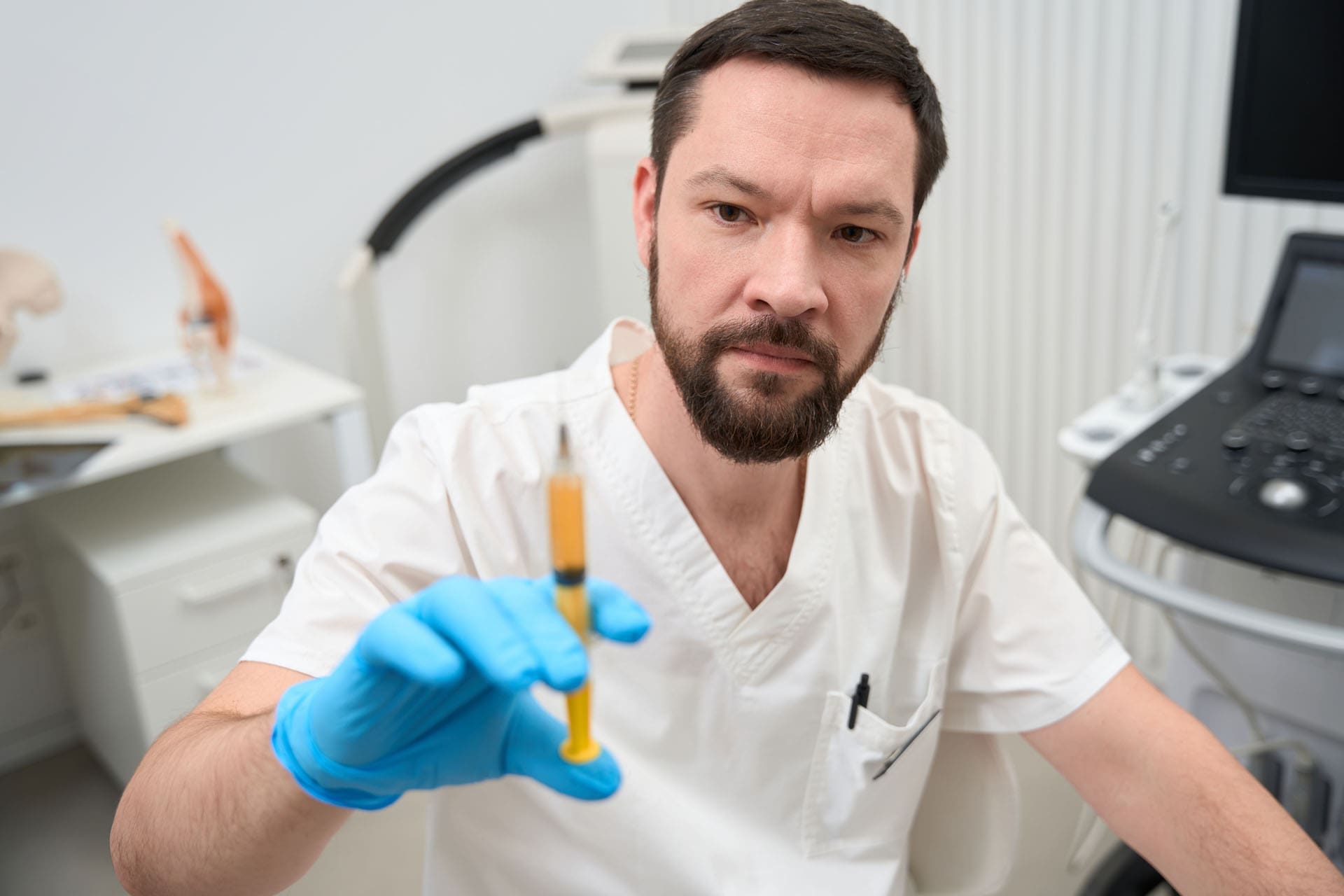
Regenerative medicine is a natural, non-surgical approach that uses the body’s own repair systems to support healing. In orthopedic and spine-related care, this may include platelet-rich plasma, platelet-rich fibrin, and other biologic preparations derived from blood or fat, along with signaling support, such as peptide-based strategies, in some clinical settings. Instead of merely blocking pain, regenerative medicine aims to improve the healing environment within damaged tissue. That means helping calm inflammation, supporting tissue repair, improving blood flow, and encouraging more normal function. Saint Joseph Health System describes PRP as a treatment that enhances natural healing by using concentrated platelets and growth factors from a person’s own blood.
For sciatica, this aspect matters because irritated nerves often sit next to injured discs, strained ligaments, inflamed joints, and tight muscles. If the tissue around the nerve stays inflamed or unstable, the nerve can stay angry. A regenerative plan tries to improve that environment. Rather than just masking pain, it targets the structures that feed the problem. This root-cause model also matches the public clinical approach described on Dr. Jimenez’s main website, where care is framed around severe pain, sciatica, injury rehabilitation, mobility, flexibility, and functional medicine.
Why PRP and Related Biologics Matter
Platelet-rich plasma, or PRP, is one of the most recognized regenerative tools. It is made by drawing a small amount of blood and processing it to concentrate platelets. Platelets do more than help blood clot. They also release growth factors and signaling proteins involved in healing. A recent article by Dr. Jimenez on regenerative medicine explains that PRP has become an important tool in musculoskeletal care and highlights research showing its growing use in orthopedic sports injuries and tissue repair.
In a sciatica-focused setting, PRP and similar biologic treatments may be considered when nerve irritation is connected to soft-tissue injury, ligament strain, disc-related inflammation, joint dysfunction, or slow healing after trauma. The idea is not that PRP directly “cures” every case of sciatica. The idea is that it may support healing in the damaged tissues around the irritated nerve, which can reduce pain drivers and improve recovery. A recent post on PRP explains that Dr. Jimenez’s public clinical model connects PRP with tissue cleanup, repair, and recovery for injuries through advanced diagnostics and integrative care.
Shockwave Therapy and the Sciatic Pain Recovery Process
Shockwave therapy is another important tool in modern non-surgical care. It uses acoustic energy to stimulate tissues and may support circulation, healing signals, and tissue remodeling. On Dr. Jimenez’s shockwave category pages, extracorporeal shockwave therapy is presented as part of an evidence-based regenerative model for musculoskeletal conditions. A more recent educational post also describes shockwave therapy as an important part of regenerative medicine and discusses research on mechanotransduction, tissue signaling, and clinical outcomes.
For people with sciatica, shockwave therapy may be helpful when the problem includes tight myofascial tissues, tendon overload, stubborn inflammation, or poor tissue quality around the pelvis, hip, or low back. It is often not just about the nerve itself. It is about the entire painful chain around it. When shockwave therapy is combined with regenerative medicine, the goal is to improve the tissue environment before, during, or after biologic treatment. This pairing is also discussed in Dr. Jimenez’s recent regenerative medicine article, which frames ESWT and biologics as complementary strategies that address the deeper causes of stalled healing.
Why Structural Chiropractic Care Still Matters
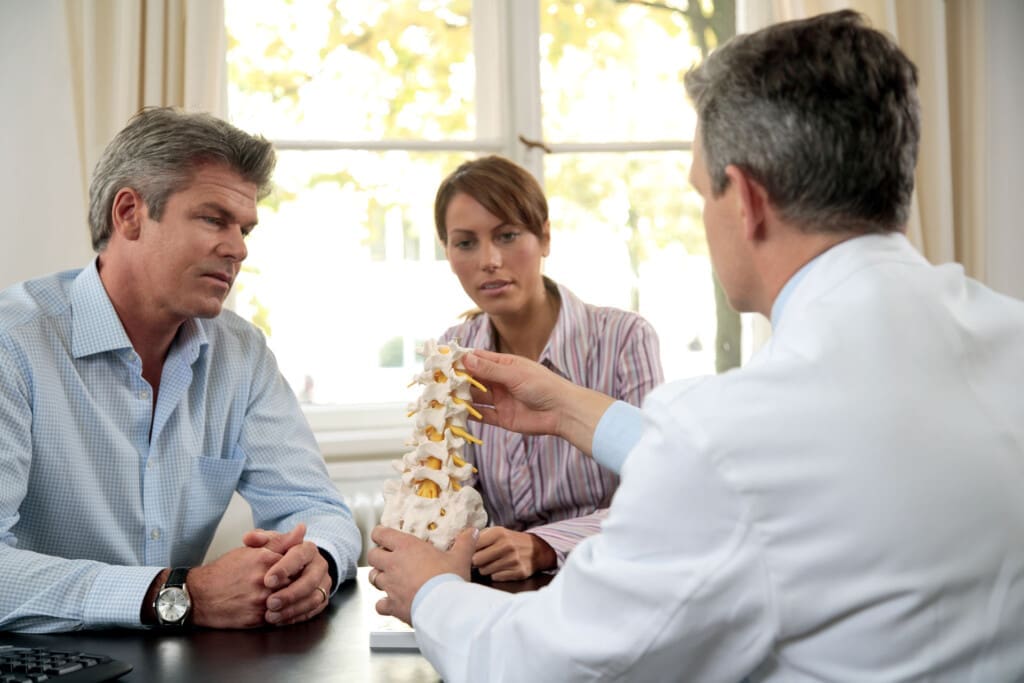
Sciatica is often both mechanical and inflammatory. A bulging disc, limited spinal motion, pelvic imbalance, joint stress, or postural distortion can alter how force moves through the lower back and hips. That is one reason chiropractic care remains central at the sciatica clinic. One article on the site states that chiropractic adjustments are a cornerstone of treatment because they help realign the spine, reduce pressure on the sciatic nerve, improve mobility, and support the body’s natural restoration of alignment.
This is where regenerative medicine and chiropractic care work well together. Regenerative treatment may help repair and calm irritated tissue, while chiropractic care helps the spine and pelvis move more freely and evenly. Better motion can reduce repeated stress on the same painful structures. In simple terms:
- Regenerative medicine supports tissue healing
- Shockwave therapy stimulates repair and circulation
- Chiropractic care improves mechanics and motion
- Functional medicine supports inflammation control and whole-body recovery
- Rehabilitation exercise helps the body hold the gains
Dr. Alexander Jimenez’s Integrative Clinical View
Dr. Alexander Jimenez’s public websites and LinkedIn profile describe a dual-scope role as a chiropractor and nurse practitioner, with additional work in functional medicine, musculoskeletal care, and injury rehabilitation. His educational material repeatedly presents care as root-cause focused, especially for patients dealing with pain, nerve issues, mobility limits, and trauma-related conditions. His main website highlights specializations in severe pain, sciatica, and injury rehabilitation, while the clinic’s articles emphasize personalized care plans focused on natural healing, mobility, flexibility, and strength.
That matters because sciatica is often more complex than a single symptom. A patient may have disc irritation, joint restriction, weak stabilizers, inflamed tissues, poor nutrition, stress, and altered gait all at once. A narrow treatment plan may miss part of the problem. Dr. Jimenez’s public clinical observations suggest that better outcomes result from a broad view encompassing diagnostics, biomechanics, nerve health, movement quality, and tissue repair. Recent clinic content also notes that regenerative therapies, combined with functional medicine, are used to address underlying issues rather than merely chasing short-term relief.
Who May Be a Good Candidate
A non-surgical regenerative approach may be considered for people who have:
- Sciatic pain linked to disc or soft-tissue injury
- Persistent low back, hip, or leg pain after a car accident
- Sports injuries involving the low back, pelvis, or hamstrings
- Joint irritation with nerve symptoms
- Ongoing inflammation and slow healing
- A desire to avoid surgery when clinically appropriate
- Failed to get enough relief from rest, medications, or simple passive care
This does not mean every person with sciatica needs regenerative treatment. It means some patients may benefit when the exam, imaging, and symptom pattern point toward tissue damage that needs more than symptom control. Recent educational content supports this broader, individualized approach to sciatic nerve recovery.
Why This Approach Fits Personal Injury and Sports Cases
Car crashes, lifting injuries, and sports trauma often create layered problems. A person may have disc irritation, ligament strain, spasm, poor posture, inflammation, and nerve pain all at once. In these cases, a simple pain pill or a short period of rest may not be enough. A more complete plan can help the patient recover function, not just survive the symptoms. Dr. Jimenez’s educational pages consistently connect sciatica, injury rehabilitation, advanced treatment, and whole-body recovery, especially in musculoskeletal and personal injury settings.
That is why sciatica clinic is a natural fit for an article on regenerative medicine. The site already frames sciatic care as precise, integrated, and movement-based. Regenerative medicine reinforces that message by supporting the body’s own repair systems, while chiropractic care, functional medicine, shockwave therapy, and rehabilitation help restore alignment, motion, and long-term resilience.
Final Thoughts
Regenerative medicine provides sciatica patients with an additional non-surgical option to consider for injured discs, irritated tissues, joint stress, or slow healing. Treatments such as PRP and related biologic therapies aim to support the body’s natural healing cascade. When they are paired with shockwave therapy, chiropractic care, functional medicine, and targeted rehabilitation, the goal is not only to reduce pain but also to improve structure, movement, and nerve function. That root-cause, integrative model closely aligns with the public educational and clinical identity of sciatica. clinic and with Dr. Alexander Jimenez’s broader approach to sciatic pain care.

References
Dr. Alex Jimenez. (2026). Shockwave therapy explained: A comprehensive, evidence-based educational post.
Dr. Alex Jimenez. (2026). The evolution of regenerative medicine: A comprehensive analysis of extracorporeal shockwave therapy, platelet-rich plasma, and platelet-rich fibrin.
Dr. Alex Jimenez. (n.d.). El Paso, TX doctor of chiropractic | Dr. Alex Jimenez DC, APRN, FNP-BC.
Dr. Alex Jimenez. (n.d.). Sciatica pain archives.
Dr. Alex Jimenez. (n.d.). The sciatic nerve.
Dr. Alex Jimenez. (n.d.). Extracorporeal shockwave therapy technologies.
Jimenez, A. (n.d.). LinkedIn profile of Dr. Alexander Jimenez.
Sciatica Clinic. (2025). Functional medicine sciatic health and advanced treatment.
Sciatica Clinic. (2025). The body’s ability to heal: Chiropractic sciatica clinic.
Sciatica Clinic. (2026). Advancements in sciatica treatment techniques today.
Sciatica Clinic. (2026). PRP tissue cleanup repair and recovery for injuries.
Professional Scope of Practice *
The information herein on "Regenerative Medicine for Sciatica Treatment Options" is not intended to replace a one-on-one relationship with a qualified health care professional or licensed physician and is not medical advice. We encourage you to make healthcare decisions based on your research and partnership with a qualified healthcare professional.
Blog Information & Scope Discussions
Welcome to El Paso's Premier Wellness and Injury Care Clinic & Wellness Blog, where Dr. Alex Jimenez, DC, FNP-C, a Multi-State board-certified Family Practice Nurse Practitioner (FNP-BC) and Chiropractor (DC), presents insights on how our multidisciplinary team is dedicated to holistic healing and personalized care. Our practice aligns with evidence-based treatment protocols inspired by integrative medicine principles, similar to those found on this site and our family practice-based chiromed.com site, focusing on restoring health naturally for patients of all ages.
Our areas of multidisciplinary practice include Wellness & Nutrition, Chronic Pain, Personal Injury, Auto Accident Care, Work Injuries, Back Injury, Low Back Pain, Neck Pain, Migraine Headaches, Sports Injuries, Severe Sciatica, Scoliosis, Complex Herniated Discs, Fibromyalgia, Chronic Pain, Complex Injuries, Stress Management, Functional Medicine Treatments, and in-scope care protocols.
Our information scope is multidisciplinary, focusing on musculoskeletal and physical medicine, wellness, contributing etiological viscerosomatic disturbances within clinical presentations, associated somato-visceral reflex clinical dynamics, subluxation complexes, sensitive health issues, and functional medicine articles, topics, and discussions.
We provide and present clinical collaboration with specialists from various disciplines. Each specialist is governed by their professional scope of practice and their jurisdiction of licensure. We use functional health & wellness protocols to treat and support care for musculoskeletal injuries or disorders.
Our videos, posts, topics, and insights address clinical matters and issues that are directly or indirectly related to our clinical scope of practice.
Our office has made a reasonable effort to provide supportive citations and has identified relevant research studies that support our posts. We provide copies of supporting research studies upon request to regulatory boards and the public.
We understand that we cover matters that require an additional explanation of how they may assist in a particular care plan or treatment protocol; therefore, to discuss the subject matter above further, please feel free to ask Dr. Alex Jimenez, DC, APRN, FNP-BC, or contact us at 915-850-0900.
We are here to help you and your family.
Blessings
Dr. Alex Jimenez DC, MSACP, APRN, FNP-BC*, CCST, IFMCP, CFMP, ATN
email: [email protected]
Multidisciplinary Licensing & Board Certifications:
Licensed as a Doctor of Chiropractic (DC) in Texas & New Mexico*
Texas DC License #: TX5807, Verified: TX5807
New Mexico DC License #: NM-DC2182, Verified: NM-DC2182
Multi-State Advanced Practice Registered Nurse (APRN*) in Texas & Multi-States
Multi-state Compact APRN License by Endorsement (42 States)
Texas APRN License #: 1191402, Verified: 1191402 *
Florida APRN License #: 11043890, Verified: APRN11043890 *
Colorado License #: C-APN.0105610-C-NP, Verified: C-APN.0105610-C-NP
New York License #: N25929, Verified N25929
License Verification Link: Nursys License Verifier
* Prescriptive Authority Authorized
ANCC FNP-BC: Board Certified Nurse Practitioner*
Compact Status: Multi-State License: Authorized to Practice in 40 States*
Graduate with Honors: ICHS: MSN-FNP (Family Nurse Practitioner Program)
Degree Granted. Master's in Family Practice MSN Diploma (Cum Laude)
Dr. Alex Jimenez, DC, APRN, FNP-BC*, CFMP, IFMCP, ATN, CCST
My Digital Business Card
Licenses and Board Certifications:
DC: Doctor of Chiropractic
APRNP: Advanced Practice Registered Nurse
FNP-BC: Family Practice Specialization (Multi-State Board Certified)
RN: Registered Nurse (Multi-State Compact License)
CFMP: Certified Functional Medicine Provider
MSN-FNP: Master of Science in Family Practice Medicine
MSACP: Master of Science in Advanced Clinical Practice
IFMCP: Institute of Functional Medicine
CCST: Certified Chiropractic Spinal Trauma
ATN: Advanced Translational Neutrogenomics
Memberships & Associations:
TCA: Texas Chiropractic Association: Member ID: 104311
AANP: American Association of Nurse Practitioners: Member ID: 2198960
ANA: American Nurse Association: Member ID: 06458222 (District TX01)
TNA: Texas Nurse Association: Member ID: 06458222
NPI: 1205907805
| Primary Taxonomy | Selected Taxonomy | State | License Number |
|---|---|---|---|
| No | 111N00000X - Chiropractor | NM | DC2182 |
| Yes | 111N00000X - Chiropractor | TX | DC5807 |
| Yes | 363LF0000X - Nurse Practitioner - Family | TX | 1191402 |
| Yes | 363LF0000X - Nurse Practitioner - Family | FL | 11043890 |
| Yes | 363LF0000X - Nurse Practitioner - Family | CO | C-APN.0105610-C-NP |
| Yes | 363LF0000X - Nurse Practitioner - Family | NY | N25929 |
Dr. Alex Jimenez, DC, APRN, FNP-BC*, CFMP, IFMCP, ATN, CCST
My Digital Business Card