Table of Contents
A Comprehensive Guide to Post-Car Accident Recovery: The Role of Diet in Healing

Introduction
Motor vehicle accidents (MVAs) are a leading cause of injury worldwide, affecting millions of people each year. In the United States alone, approximately 2.6 million individuals sustain injuries from car accidents annually, according to the National Highway Traffic Safety Administration (NHTSA). These injuries, ranging from whiplash and soft tissue damage to fractures and head trauma, can have significant physical and emotional impacts. While medical interventions, such as chiropractic care, physical therapy, and surgery, are critical, nutrition plays an equally vital role in supporting the body’s healing process.
A well-planned diet can aid in tissue repair, reduce inflammation, and enhance overall health, making it a cornerstone of recovery after a motor vehicle accident (MVA). This comprehensive guide examines the types of injuries resulting from car accidents, their impact on musculoskeletal joint pain, and the specific foods that can aid in recovery. We also highlight the clinical observations of Dr. Alexander Jimenez, a renowned chiropractor and nurse practitioner in El Paso, Texas, who specializes in treating MVA victims. His holistic approach, which integrates nutrition, advanced imaging, health coaching, and diagnostic assessments, points out the importance of diet in achieving optimal recovery outcomes.
By focusing on nutrient-rich foods and avoiding those that hinder recovery, you can support your body’s healing process and enhance your overall quality of life after an accident.
Section 1: Understanding Motor Vehicle Accidents and Their Impact
The Scope of MVA Injuries
Car accidents are unpredictable and can result in a wide range of injuries, each with unique implications for recovery. The severity and type of injury depend on factors like the speed of the collision, the use of seatbelts, and the angle of impact. Common injuries include:
- Whiplash: Caused by the rapid back-and-forth movement of the head, whiplash affects the neck’s muscles and ligaments, leading to pain, stiffness, and sometimes headaches or dizziness (Sciatica Clinic).
- Soft Tissue Injuries: Damage to muscles, tendons, and ligaments, resulting in swelling, bruising, and reduced mobility. These injuries are prevalent due to the sudden forces exerted during a crash.
- Fractures: Broken bones, which may require immobilization, surgery, or extended rehabilitation. Healing times can range from six to ten weeks or longer, depending on the severity of the injury. (Active.com).
- Head Injuries: Concussions or traumatic brain injuries (TBIs) can occur from the force of impact, potentially causing cognitive issues, fatigue, or long-term complications.
- Internal Injuries: Damage to organs like the lungs or liver, which may require immediate medical attention and surgical intervention.
These injuries often trigger an inflammatory response, which is the body’s natural way of protecting and healing damaged tissues. However, prolonged inflammation can delay recovery and lead to chronic pain, particularly in the musculoskeletal system (Foothills Rehab).
Musculoskeletal Joint Pain and MVAs
MVAs frequently cause musculoskeletal injuries that contribute to chronic joint pain. For instance, whiplash can strain the cervical spine’s ligaments, leading to persistent neck pain or referred pain in the shoulders and upper back. Soft tissue injuries can also cause stiffness and discomfort in joints, limiting mobility. Dr. Alexander Jimenez notes that these injuries can disrupt the spine’s natural alignment, irritating nerves and causing chronic pain (Sciatica Clinic). This points out the need for a comprehensive recovery plan that includes a balanced diet to support tissue repair and reduce inflammation.
| Injury Type | Common Symptoms | Nutritional Needs |
|---|---|---|
| Whiplash | Neck pain, stiffness, headaches | Anti-inflammatory foods (omega-3s, antioxidants) |
| Soft Tissue | Swelling, bruising, limited mobility | Protein, collagen-rich foods |
| Fractures | Pain, immobility | Calcium, vitamin D, protein |
| Head Injuries | Cognitive issues, fatigue | Omega-3s, antioxidants |
| Internal Injuries | Internal bleeding, organ dysfunction | Balanced diet, hydration |
Section 2: The Role of Nutrition in Recovery
Why Nutrition Matters
Nutrition is a crucial component of recovery following a motor vehicle accident (MVA). A balanced diet provides the building blocks for tissue repair, supports the immune system, and helps manage inflammation. Research suggests that specific nutrients can significantly influence the healing process, making dietary choices a powerful tool for recovery (Respmr.com).
Key Nutrients for Healing
The following nutrients are essential for post-car accident recovery:
- Protein: Vital for repairing muscles, ligaments, and bones. Sources include lean meats (such as chicken and turkey), fish (like salmon and tuna), eggs, dairy products (like Greek yogurt and milk), beans, and legumes. Aim for protein with each meal to support tissue rebuilding (Respmr.com).
- Omega-3 Fatty Acids: These reduce inflammation, which is critical for managing pain and swelling. Found in fatty fish (salmon, mackerel, and sardines), flaxseeds, chia seeds, and walnuts (Respmr.com).
- Antioxidants: Protect cells from damage caused by free radicals, supporting overall healing. Rich sources include berries (strawberries, blueberries), citrus fruits (oranges, grapefruits), leafy greens (spinach, kale), and nuts (almonds, walnuts) (Foothills Rehab).
- Vitamin D and Calcium: Essential for bone health and fracture healing. Calcium is found in dairy products, leafy greens, and fortified foods, while vitamin D comes from sunlight, fatty fish, and supplements (Respmr.com).
- Hydration: Adequate water intake supports all bodily functions, including healing. Aim for 8-10 glasses of water daily, or more if recommended by a healthcare provider (Respmr.com).
Macronutrient Balance
A balanced diet with the right proportion of macronutrients—carbohydrates, proteins, and fats—is crucial. Research indicates that a diet with approximately 40% carbohydrates and a 2:1 carbohydrate-to-protein ratio can promote positive body composition changes while meeting recovery needs (PMC). Complex carbohydrates, such as whole grains, provide sustained energy, while healthy fats support brain health and reduce inflammation.
Section 3: Recommended Foods for Post-Car Accident Recovery
Nutrient-Dense Foods
To optimize recovery, focus on the following foods, which are rich in the nutrients needed for healing:
- Fruits: Berries (strawberries, blueberries, raspberries), citrus fruits (oranges, kiwi), and grapes provide antioxidants and vitamin C for collagen production (Foothills Rehab).
- Vegetables: Leafy greens (spinach, kale), broccoli, avocados, and peppers offer calcium, vitamin K, and anti-inflammatory compounds.
- Lean Proteins: Chicken, turkey, fish (salmon, tuna), eggs, Greek yogurt, and plant-based options like beans and lentils support muscle and tissue repair (Miracle Rehab Clinic).
- Whole Grains: Brown rice, quinoa, oats, and whole wheat bread provide fiber and sustained energy.
- Healthy Fats: Olive oil, avocados, nuts (almonds, walnuts), and seeds (chia, flax) reduce inflammation and support overall health.
- Specialty Foods: Such as bone broth (rich in collagen and minerals), turmeric (an anti-inflammatory), and green tea (rich in antioxidants), are particularly beneficial. (Foothills Rehab).
Meal Planning Tips
- Small, Frequent Meals: Eating every 3-4 hours maintains energy levels and ensures a steady supply of nutrients.
- Variety: Rotate different fruits, vegetables, and proteins to cover a broad spectrum of nutrients.
- Organic Options: Choose organic produce when possible to reduce pesticide exposure, especially for high-pesticide items like strawberries and spinach (Foothills Rehab).
| Food Category | Examples | Benefits |
|---|---|---|
| Fruits | Berries, citrus fruits | Antioxidants, vitamin C |
| Vegetables | Spinach, broccoli, and avocados | Calcium and vitamin K are anti-inflammatory |
| Lean Proteins | Chicken, salmon, eggs | Tissue repair, muscle rebuilding |
| Whole Grains | Quinoa, brown rice | Sustained energy, fiber |
| Healthy Fats | Olive oil, nuts, and seeds | Reduce inflammation, brain health |
Section 4: Foods to Avoid During Recovery
Limiting or avoiding certain foods and substances can hinder the healing process.
- Processed Foods: High in unhealthy fats, sugars, and additives, these can increase inflammation and deplete nutrients needed for healing (Foothills Rehab).
- Sugary Drinks: Sodas and sweetened beverages provide empty calories and can cause blood sugar spikes, exacerbating inflammation (Respmr.com).
- Excessive Caffeine: Found in coffee and energy drinks, excessive caffeine can increase stress and dehydration, slowing recovery (Respmr.com).
- Alcohol: Impairs muscle protein synthesis and wound healing and can interact negatively with medications (PMC).
Section 5: Dr. Alexander Jimenez’s Clinical Observations
Expertise in MVA Recovery
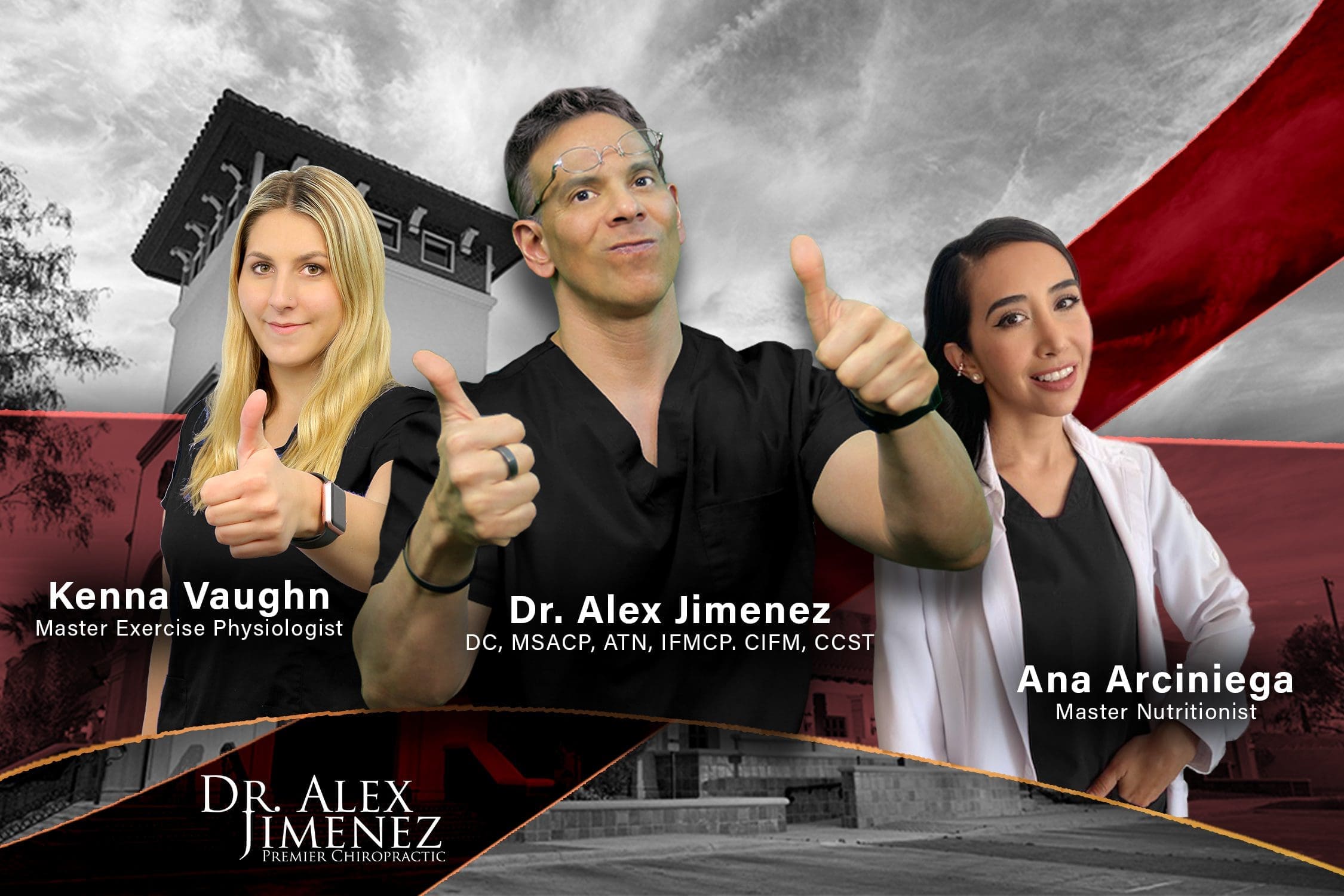
Dr. Alexander Jimenez, DC, APRN, FNP-BC, is a leading expert in El Paso, Texas, known for his work with MVA victims. With over 20 years of experience, he combines chiropractic care with his nurse practitioner expertise to provide holistic treatment plans (Dr. Alexander Jimenez). His approach emphasizes the role of nutrition in recovery, recognizing that a nutrient-rich diet can enhance healing and reduce inflammation.
Nutritional Integration
Dr. Jimenez incorporates nutrition into his treatment plans through his functional medicine approach, which focuses on addressing the root causes of health issues. He advocates for personalized diet plans that include anti-inflammatory foods, high-quality proteins, and adequate hydration. His health coaching sessions educate patients on making dietary changes to support recovery, such as increasing omega-3 intake or avoiding processed foods (Dr. Alexander Jimenez).
Advanced Techniques
Dr. Jimenez’s practice includes several advanced techniques that complement nutritional interventions:
- Advanced Imaging: MRI, CT scans, and X-rays offer comprehensive details about injuries, ensuring accurate diagnoses and treatment plans (Dr. Alexander Jimenez).
- Health Coaching: Patients receive guidance on lifestyle changes, including diet, exercise, and stress management, to optimize recovery.
- Dual-Scope Procedures: Combining chiropractic adjustments with medical treatments addresses both musculoskeletal and systemic issues, providing a comprehensive approach to overall health.
- Diagnostic Assessments: Blood tests and nutritional evaluations identify deficiencies that may impede healing, such as low vitamin D levels.
Section 6: Personal Injury Cases in El Paso
The Prevalence of MVA-Related Injuries
El Paso, Texas, sees a significant number of personal injury cases due to MVAs, with many residents seeking treatment for injuries like whiplash, soft tissue damage, and fractures. These cases often involve complex legal proceedings, requiring detailed medical documentation to support insurance claims or lawsuits.
Dr. Jimenez’s Role
Dr. Jimenez has treated numerous MVA victims in El Paso, earning a reputation as a trusted car accident specialist (Dr. Alexander Jimenez). His dual expertise allows him to provide comprehensive care while ensuring accurate documentation for legal purposes. For example, his use of advanced imaging helps document the extent of injuries, which is critical for personal injury claims.
Reconciling Medical and Legal Needs
Dr. Jimenez’s ability to reconcile medical treatment with legal documentation sets him apart. He provides detailed medical reports that outline the nature of injuries, treatment plans, and progress, which are essential for insurance companies and legal proceedings. His holistic approach ensures that patients receive the care they need while protecting their legal rights.
Section 7: Advanced Techniques in MVA Recovery
Advanced Imaging
Advanced imaging techniques, such as MRI and CT scans, are essential for diagnosing injuries related to motor vehicle accidents (MVAs). These tools enable Dr. Jimenez to identify such problems as spinal misalignments, ligament damage, or internal injuries, ensuring that treatment plans are tailored to each patient’s specific needs. (Dr. Alexander Jimenez).
Health Coaching
Health coaching is a key component of Dr. Jimenez’s practice, empowering patients to take an active role in their recovery. This includes dietary guidance, such as increasing protein intake for tissue repair or incorporating anti-inflammatory foods to reduce pain (Dr. Alexander Jimenez).
Dual-Scope Procedures
Dr. Jimenez’s ability to perform both chiropractic adjustments and medical procedures allows him to address a wide range of issues, from spinal misalignments to systemic inflammation. This dual approach ensures comprehensive care for MVA patients.
Diagnostic Assessments
Regular diagnostic assessments, including blood tests and nutritional evaluations, help identify deficiencies that may slow recovery. For example, low levels of vitamin D or omega-3 fatty acids can be addressed through dietary changes or supplements (Dr. Alexander Jimenez).
Section 8: Conclusion
Recovering from a motor vehicle accident is a complex process that requires a multifaceted approach. Nutrition plays a crucial role, providing the body with the essential nutrients needed to repair tissues, reduce inflammation, and promote overall health. A diet rich in fruits, vegetables, lean proteins, whole grains, and healthy fats, while avoiding processed foods, sugary drinks, caffeine, and alcohol, can significantly enhance recovery outcomes.
Dr. Alexander Jimenez’s work in El Paso highlights the importance of integrating nutrition into MVA recovery. His use of advanced imaging, health coaching, dual-scope procedures, and diagnostic assessments ensures that patients receive personalized care that addresses both their medical and legal needs. By combining these techniques with a focus on nutrition, Dr. Jimenez helps patients achieve faster and more complete recoveries.
If you’ve been involved in a car accident, consult a healthcare professional like Dr. Jimenez to develop a personalized recovery plan. A nutrient-rich diet, combined with proper medical care, can make all the difference in restoring your health and well-being.
Key Citations
- Injury, Diet and Recovery: Guidelines for Nutrition and Healing
- Nutrition for Injury Recovery: Best Foods
- Tantalizing & Powerful Foods to Supercharge Injury Recovery
- Car Accident Recovery
- Nutrition & Wellness
- Car Accident Specialist in El Paso, TX
- Traffic Safety Facts
- Nutritional Considerations and Strategies to Facilitate Injury Recovery
Professional Scope of Practice *
The information herein on "Post-Car Accident Recovery: Nutrition's Key Role" is not intended to replace a one-on-one relationship with a qualified health care professional or licensed physician and is not medical advice. We encourage you to make healthcare decisions based on your research and partnership with a qualified healthcare professional.
Blog Information & Scope Discussions
Welcome to El Paso's Premier Wellness and Injury Care Clinic & Wellness Blog, where Dr. Alex Jimenez, DC, FNP-C, a Multi-State board-certified Family Practice Nurse Practitioner (FNP-BC) and Chiropractor (DC), presents insights on how our multidisciplinary team is dedicated to holistic healing and personalized care. Our practice aligns with evidence-based treatment protocols inspired by integrative medicine principles, similar to those found on this site and our family practice-based chiromed.com site, focusing on restoring health naturally for patients of all ages.
Our areas of multidisciplinary practice include Wellness & Nutrition, Chronic Pain, Personal Injury, Auto Accident Care, Work Injuries, Back Injury, Low Back Pain, Neck Pain, Migraine Headaches, Sports Injuries, Severe Sciatica, Scoliosis, Complex Herniated Discs, Fibromyalgia, Chronic Pain, Complex Injuries, Stress Management, Functional Medicine Treatments, and in-scope care protocols.
Our information scope is multidisciplinary, focusing on musculoskeletal and physical medicine, wellness, contributing etiological viscerosomatic disturbances within clinical presentations, associated somato-visceral reflex clinical dynamics, subluxation complexes, sensitive health issues, and functional medicine articles, topics, and discussions.
We provide and present clinical collaboration with specialists from various disciplines. Each specialist is governed by their professional scope of practice and their jurisdiction of licensure. We use functional health & wellness protocols to treat and support care for musculoskeletal injuries or disorders.
Our videos, posts, topics, and insights address clinical matters and issues that are directly or indirectly related to our clinical scope of practice.
Our office has made a reasonable effort to provide supportive citations and has identified relevant research studies that support our posts. We provide copies of supporting research studies upon request to regulatory boards and the public.
We understand that we cover matters that require an additional explanation of how they may assist in a particular care plan or treatment protocol; therefore, to discuss the subject matter above further, please feel free to ask Dr. Alex Jimenez, DC, APRN, FNP-BC, or contact us at 915-850-0900.
We are here to help you and your family.
Blessings
Dr. Alex Jimenez DC, MSACP, APRN, FNP-BC*, CCST, IFMCP, CFMP, ATN
Email: [email protected]
Multidisciplinary Licensing & Board Certifications:
Licensed as a Doctor of Chiropractic (DC) in Texas & New Mexico*
Chiropractic Licenses:
Texas DC License #: TX5807, Verified: TX5807
New Mexico DC License #: NM-DC2182, Verified: NM-DC2182
Nurse Practitioner Licenses:
Texas APRN License #: 1191402, Verified: 1191402 *
New Mexico CNP License #: 90560, Verified 90560
Florida APRN License #: 11043890, Verified: APRN11043890 *
Colorado License #: C-APN.0105610-C-NP, Verified: C-APN.0105610-C-NP
New York License #: N25929, Verified N25929
Georgia APRN License #: GAA-NP005701
Multi-State Advanced Practice Registered Nurse (APRN*) Texas & Multi-States
Multi-state Compact APRN License by Endorsement (43 States)
Compact Status: Multi-State License: Authorized to Practice in 43 States*
Nursing Licensure Compact: Updated Here
DEA Registration: (Drug Enforcement Agency Registered)
All medical (MDs) and family practice providers (FNP-APRN) are registered and licensed to offer various levels of medication.
Verify Providers Here
License Verification Link: Nursys License Verifier
* Prescriptive Authority Authorized (DEA Registered Providers). Call if Required
Board Certification:
ANCC FNP-BC: Board Certified Nurse Practitioner*
Education:
Graduate with Honors: ICHS: MSN-FNP (Family Nurse Practitioner Program)
Degree Granted. Master's in Family Practice, MSN Diploma (Cum Laude)
Dr. Alex Jimenez, DC, APRN, FNP-BC*, CFMP, IFMCP, ATN, CCST
(Board Certified: Family Practice Nurse Practitioner—Multistate)*
(Licensed Nurse Practitioner & Chiropractor - Multistate)*
Clinical Director
DC & FNP License (Review Above)
Digital Business Card
NPI: 1205907805
Dr. Maria Cardenas, MD
(Board Certified: Internal Medicine)
(Licensed Medical Doctor)
Medical Director, Clinical Director & Collaborative Physician
NPI # 1164426748
MD License #: J2933
Licenses and Board Certifications:
MD: Medical Doctor
DC: Doctor of Chiropractic
APRNP: Advanced Practice Registered Nurse
FNP-BC: Family Practice Specialization (Multi-State Board Certified)
FNP-BC: Family Practice Across Life Span (Neonatal to Geriatrics)
RN: Registered Nurse (Multi-State Compact License)
CFMP: Certified Functional Medicine Provider
MSN-FNP: Master of Science in Family Practice Medicine
MSACP: Master of Science in Advanced Clinical Practice
IFMCP: Institute of Functional Medicine
CCST: Certified Chiropractic Spinal Trauma
ATN: Advanced Translational Neutrogenomics
Family with Primary Care Focus (Family Nurse Practitioner or FNP)
- The Family Nurse Practitioner (FNP) promotes, maintains, and restores health for individuals and families across the lifespan. FNPs also identify health risks, promote wellness, and diagnose and manage acute and chronic illness.
- The FNP focuses on comprehensive primary care, promoting healthy lifestyles for patients across the lifespan in settings such as private practice, physician offices, and community health centers.
Memberships & Associations:
TCA: Texas Chiropractic Association: Member ID: 104311
TNA: Texas Nurse Association: Member ID: 06458222
TNP: Texas Nurse Practitioner Association ID: 2025091511
AANP: American Association of Nurse Practitioners: Member ID: 2198960
ANA: American Nurses Association: Member ID: 06458222 (District TX01)
| Primary Taxonomy | Selected Taxonomy | State | License Number |
|---|---|---|---|
| No | 111N00000X - Chiropractor | NM | DC2182 |
| Yes | 111N00000X - Chiropractor | TX | DC5807 |
| Yes | 363LF0000X - Nurse Practitioner - Family | TX | 1191402 |
| Yes | 363LF0000X - Nurse Practitioner - Family | FL | 11043890 |
| Yes | 363LF0000X - Nurse Practitioner - Family | CO | C-APN.0105610-C-NP |
| Yes | 363LF0000X - Nurse Practitioner - Family | NY | N25929 |
| Yes | 363LF0000X - Nurse Practitioner - Family | NM |
90560 |
| Yes | 363LF0000X - Nurse Practitioner - Family | GA | GAA-NP005701 |
Dr. Alex Jimenez, DC, APRN, FNP-BC*, CFMP, IFMCP, ATN, CCST
(Board Certified: Family Practice Nurse Practitioner—Multistate)*
(Primary Care Across Lifespan—Neonatal / Pediatric / Adult / Geriatrics)
(Licensed Nurse Practitioner & Chiropractor - Multistate)*
Clinical Director
Digital Business Card
NPI: 1205907805
Dr. Maria Cardenas, MD
(Board Certified: Internal Medicine)*
(Licensed Medical Doctor)*
Medical Director, Clinical Director & Collaborative Physician
NPI # 1164426748
MD License #: J2933
📆 Schedule Appointment: Schedule 24/7 (Click Here)