Can individuals dealing with various musculoskeletal pain incorporate the positive benefits of electroacupuncture to restore function?
Introduction
As the world changes and more people try to make small changes to their health and well-being, they won’t experience pain or discomfort. Numerous treatments help many people dealing with various musculoskeletal pain that are associated with environmental factors. The human body has multiple muscle groups in the upper and lower body portions that protect the spinal structure and vital organs. When environmental factors correlate with pain and discomfort, it can significantly impact a person’s daily routine. At the same time, musculoskeletal pain can lead to referred pain-like symptoms that many individuals are experiencing pain in two different body locations. However, when the pain becomes unbearable, many will seek various treatment options to not only reduce the pain but also restore body functionality. Today’s article looks at the multiple factors of musculoskeletal pain, treatments like electroacupuncture that reduce musculoskeletal pain, and the benefits of electroacupuncture. We talk with certified medical providers who consolidate our patients’ information to assess how various factors can contribute to musculoskeletal pain in the body. We also inform and guide patients on how electroacupuncture therapy can help reduce the pain effects of musculoskeletal pain and help improve body functionality. We encourage our patients to ask their associated medical providers intricate and important questions about how to reduce the impact of musculoskeletal pain. Dr. Jimenez, D.C., includes this information as an academic service. Disclaimer.
The Various Factors That Correlate With Musculoskeletal Pain
Have you been dealing with areas of complaints within your neck, shoulders, or back after a long day? Do you feel numb or tingling in your upper and lower extremities? Or have you experienced muscle and joint pain that makes it difficult to do your daily routine? When it comes to many individuals experiencing musculoskeletal pain in their bodies can dampen their day due to how much pain they are in. Musculoskeletal pain is a multifactorial condition involving various environmental factors that many people in society have experienced. (Caneiro et al., 2021) Musculoskeletal pain can be chronic or acute depending on the ecological factors or traumatic injuries that the body occurs from and can affect not only the muscles but also the bones, ligaments, tendons, and nerve roots that provide sensory-motor functions that make the body mobile.
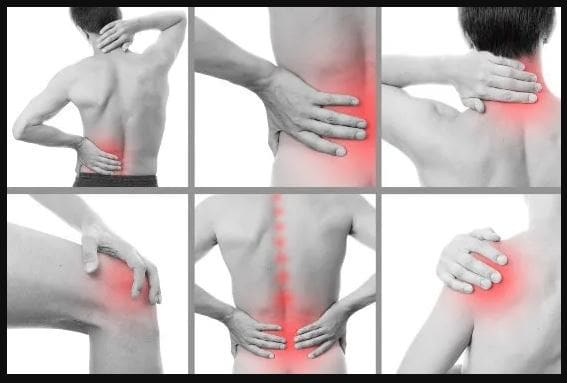
Some environmental factors that contribute to the development of musculoskeletal pain include:
- Excessive sitting/standing
- Fractures
- Poor posture
- Joint dislocation
- Stress
- Obesity
- Repetitive movements
Additionally, many individuals dealing with musculoskeletal pain can be problematic when pain and chronic diseases could be predisposed, causing many people to deal with comorbidities, thus increasing their chances of being an issue. (Dzakpasu et al., 2021) Plus, when people are dealing with musculoskeletal pain, it can vary from person to person and can have a huge negative effect on their mental health. (Welsh et al., 2020) This is because many people are dealing with referred pain and their associated pain-like symptoms that they will try home remedies to reduce the musculoskeletal pain temporarily before making the repetitive motions again and being in more pain. To that point, many individuals will often seek various treatments to relieve musculoskeletal pain and restore their body function.
Optimize Your Wellness- Video

The Benefits of Electroacupuncture
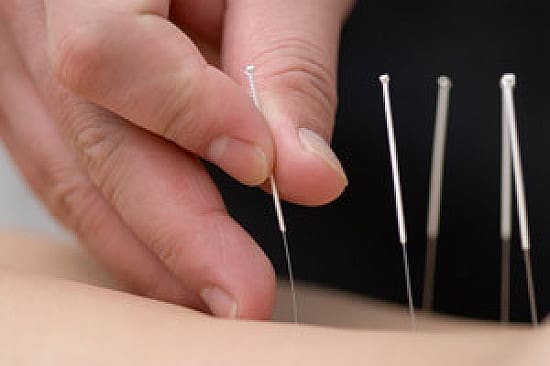
When it comes to reducing and treating musculoskeletal pain, many individuals seek out non-surgical treatments to relieve the pain-like symptoms. Non-surgical treatments are excellent for musculoskeletal pain as they can be personalized to the person’s pain and can be cost-effective. Non-surgical treatments range from chiropractic care to acupuncture. One of the various forms of non-surgical treatments is electroacupuncture therapy. Electroacupuncture therapy incorporates the application of electric and acupuncture stimulation to relieve acute or chronic musculoskeletal pain. (Lee et al., 2020) This therapy can activate the bioactive chemicals and block the pain signals from affecting the body.
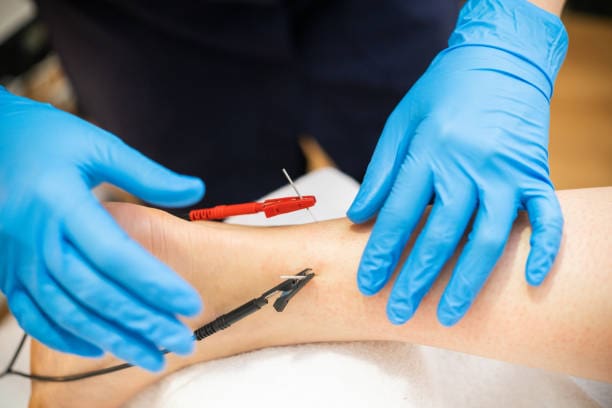
Additionally, electroacupuncture can be effective and benefit the body by reducing neuropathic pain associated with musculoskeletal. Electroacupuncture provides additional benefits by stimulating the neurotransmitters from the central nervous system to minimize nociceptive pain caused by musculoskeletal pain. (Xue et al., 2020)
Electroacupuncture Therapy Reduces Musculoskeletal Pain
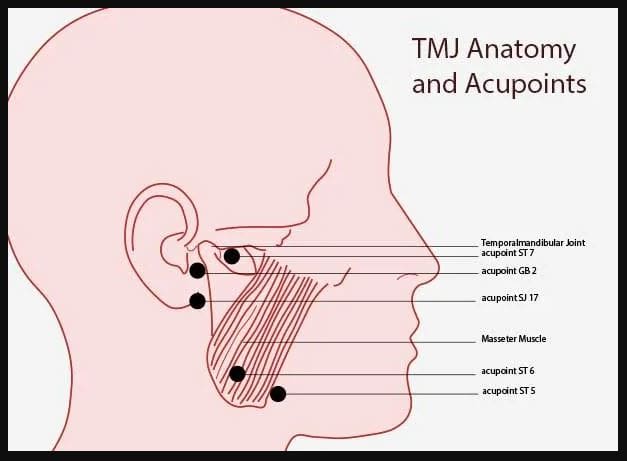
So, regarding musculoskeletal pain, electroacupuncture could be the answer to reducing its comorbidities. When a person is experiencing musculoskeletal pain, the affected areas where the pain is located can be inflamed. So when highly trained acupuncturists find the acupoints of the body and utilize electroacupuncture, the stimulation intensity varies from person to person. High-intensity stimulation activates the sympathetic nervous system, while low-intensity stimulation activates the parasympathetic nervous system. (Ulloa, 2021) Electroacupuncture can even help improve muscle function in the musculoskeletal extremities by relieving pain and adjusting the biomechanical properties to improve abnormal joint loading. (Shi et al., 2020) When people think about their health, they can consider electroacupuncture as part of their health and wellness routine to improve body functionality and live pain-free lives.
References
Caneiro, J. P., Bunzli, S., & O’Sullivan, P. (2021). Beliefs about the body and pain: the critical role in musculoskeletal pain management. Braz J Phys Ther, 25(1), 17-29. https://doi.org/10.1016/j.bjpt.2020.06.003
Dzakpasu, F. Q. S., Carver, A., Brakenridge, C. J., Cicuttini, F., Urquhart, D. M., Owen, N., & Dunstan, D. W. (2021). Musculoskeletal pain and sedentary behaviour in occupational and non-occupational settings: a systematic review with meta-analysis. Int J Behav Nutr Phys Act, 18(1), 159. https://doi.org/10.1186/s12966-021-01191-y
Lee, Y. J., Han, C. H., Jeon, J. H., Kim, E., Kim, J. Y., Park, K. H., Kim, A. R., Lee, E. J., & Kim, Y. I. (2020). Effectiveness and safety of polydioxanone thread-embedding acupuncture (TEA) and electroacupuncture (EA) treatment for knee osteoarthritis (KOA) patients with postoperative pain: An assessor-blinded, randomized, controlled pilot trial. Medicine (Baltimore), 99(30), e21184. https://doi.org/10.1097/MD.0000000000021184
Shi, X., Yu, W., Wang, T., Battulga, O., Wang, C., Shu, Q., Yang, X., Liu, C., & Guo, C. (2020). Electroacupuncture alleviates cartilage degradation: Improvement in cartilage biomechanics via pain relief and potentiation of muscle function in a rabbit model of knee osteoarthritis. Biomed Pharmacother, 123, 109724. https://doi.org/10.1016/j.biopha.2019.109724
Ulloa, L. (2021). Electroacupuncture activates neurons to switch off inflammation. Nature, 598(7882), 573-574. https://doi.org/10.1038/d41586-021-02714-0
Welsh, T. P., Yang, A. E., & Makris, U. E. (2020). Musculoskeletal Pain in Older Adults: A Clinical Review. Med Clin North Am, 104(5), 855-872. https://doi.org/10.1016/j.mcna.2020.05.002
Xue, M., Sun, Y. L., Xia, Y. Y., Huang, Z. H., Huang, C., & Xing, G. G. (2020). Electroacupuncture Modulates Spinal BDNF/TrkappaB Signaling Pathway and Ameliorates the Sensitization of Dorsal Horn WDR Neurons in Spared Nerve Injury Rats. Int J Mol Sci, 21(18). https://doi.org/10.3390/ijms21186524