Home Blog Page 104

Chiropractic Anti-Inflammation Diet

Hispanic woman cooking inside vintage kitchen at home - Happy female chef having fun preparing lunch during morning time - Focus on hand

Chiropractors understand the need to treat the whole body to reduce and alleviate pain. Many types of pain are caused by inflammation. Inflammation is a natural and healthy response to injury; however, chronic inflammation is not. Low-grade chronic inflammation can lead to health problems like obesity, diabetes, arthritis, dementia, heart disease, stroke, and cancer. If not treated, chronic inflammation can spread throughout the body, causing pain and aggravation. When it comes to nutritional health, the foods can worsen chronic pain. Chiropractors and doctors recommend an anti-inflammation diet for chronic pain.

Chiropractic Anti-Inflammation Diet

Anti-Inflammation Diet

When the body gets injured, the nervous system sends signals to the immune system to send chemicals and new red and white blood cells needed for healing. The immune system works correctly when it fights infection by activating when the body recognizes anything foreign entering the system. This could be plant pollen, chemicals, or invading microbes. Studies show that individuals get 50 percent of their calories from sugar, white flour, vegetable oil, and industrial seed oils. These foods are known to increase inflammation in the body. Eating foods that trigger the immune system, like refined white flours or sugar, creates inflammation that does not turn off because the information sent constantly signals an injury exacerbating inflammation and pain.

Foods That Cause Inflammation

The following foods should be avoided or limited as much as possible:

  • Sugary beverages and soda drinks.
  • Margarine and lard.
  • Gluten and white pasta.
  • Refined carbohydrates in white bread and pastries.
  • Processed meat like sausages and hot dogs.
  • Red meat like steaks and burgers.
  • Fried foods that are high in trans fats, like chips and fries.
  • Excessive alcohol.

Some of these foods have been associated with chronic diseases that include:

  • Type 2 diabetes
  • Heart disease
  • Rheumatoid arthritis
  • Crohn’s Disease
  • Psoriasis
  • All are related to chronic inflammation.

They can contribute to excess weight gain, another risk factor for inflammation.

Foods Recommended For An Anti-inflammatory Diet

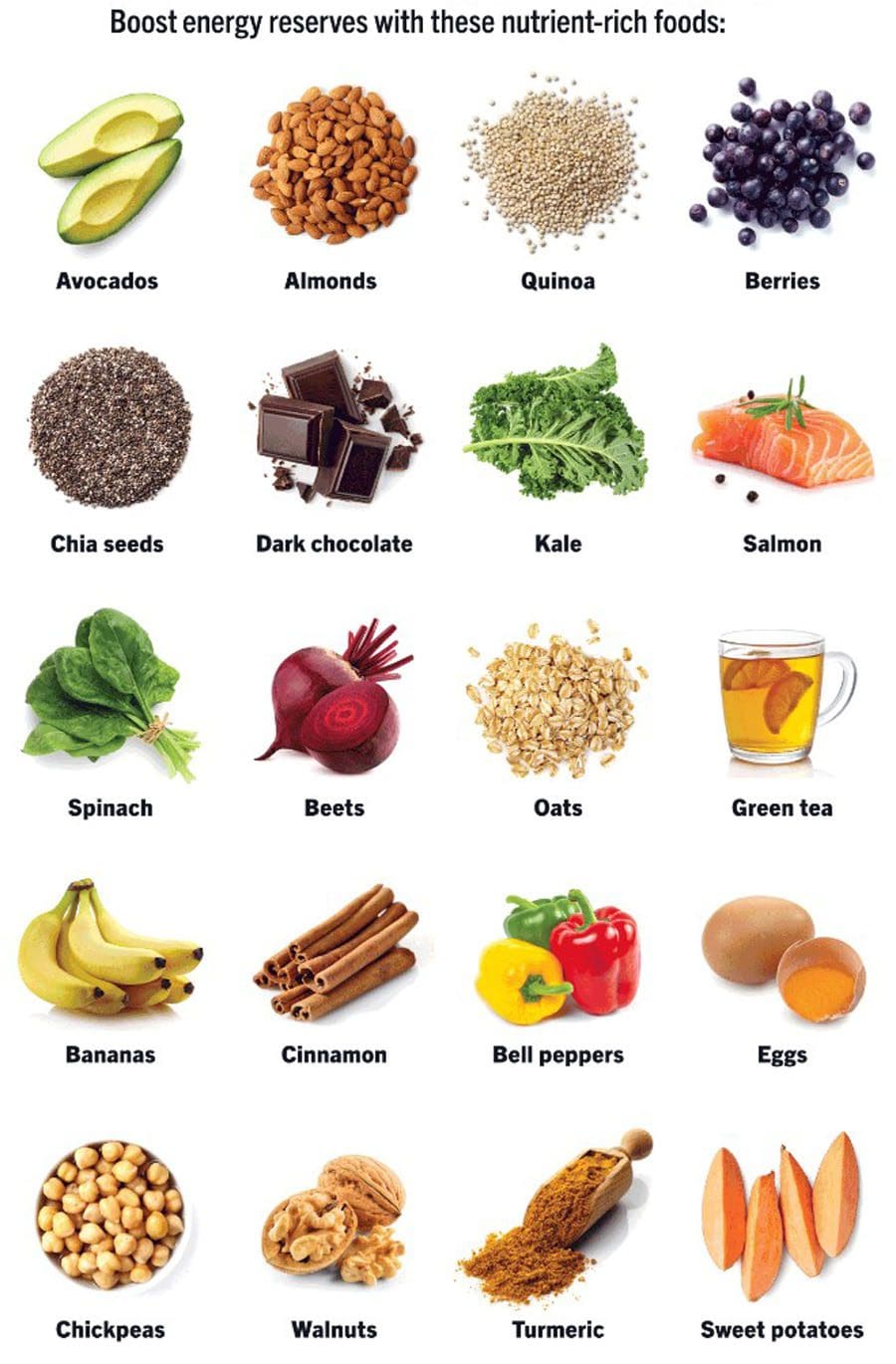
Foods that should be included in the diet for the reduction of inflammation include:

  • Dark chocolate.
  • Red wine in moderation.
  • Nuts like walnuts and almonds.
  • Fruits like blueberries, oranges, strawberries, and cherries.
  • Green leafy vegetables like broccoli, kale, and spinach.
  • Fish rich in omega 3s like salmon, tuna, sardines, and mackerel.
  • Olive Oil.
  • Green tea.
  • Coffee has been found to contain anti-inflammatory compounds that can provide some protection in moderation as it is high in caffeine.

Foods high in natural antioxidants include apples and blueberries. Antioxidants are reactive molecules that can reduce the number of free radicals in the diet. A free radical is a molecule that has the potential to alter and damage the cells in the body. Damaged cells increase the risk of disease development.

Chiropractic Inflammation Relief

Chiropractic physiotherapy strengthens the body by strengthening the immune system removing any blockage. This maintains the natural flow of blood and nutrients throughout the body, increasing the immune system’s defense. Changing to an anti-inflammation diet can help boost the immune system but can be a challenging adjustment. Discuss available options to manage pain relief and inflammation.


Body Composition


Muscle Is Not Just For Athletes

Many individuals think that muscle gain is only necessary for athletes. Not everyone wants to be muscular, but everyone needs to be able to fight off sickness from infection/s. Muscle is made up primarily of water and protein. Protein is an essential macronutrient that the body needs to function correctly. When the body enters a stressed state like becoming sick, the body’s protein demands suddenly increase up to four times the amount usually required. If the body does not get the necessary protein from the food, it will begin to take what it needs from the muscles and start breaking them down. If muscles aren’t sufficiently developed or underdeveloped, the body becomes reduced in its ability and strength to fight off infections and increases the chances for future ones.

References

Haß, Ulrike et al. “Anti-Inflammatory Diets and Fatigue.” Nutrients vol. 11,10 2315. 30 Sep. 2019, doi:10.3390/nu11102315

Owczarek, Danuta et al. “Diet and nutritional factors in inflammatory bowel diseases.” World journal of gastroenterology vol. 22,3 (2016): 895-905. doi:10.3748/wjg.v22.i3.895
Sears, Barry. “Anti-inflammatory Diets.” Journal of the American College of Nutrition vol. 34 Suppl 1 (2015): 14-21. doi:10.1080/07315724.2015.1080105

Sciatic Nerve Injury

Injury leg. Young man with injured leg. Young woman doctor helps the patient

Sciatic nerve injury happens from trauma to the nerve and can cause numbness, tingling, loss of muscle power, and pain. The traumatic experience can be a muscle spasm that pulls and/or pinches the sciatic nerve, force/pressure impact injury, over-stretching injury, or a laceration/cutting injury. A slipped disk, or herniated disk, is the most common cause of irritation on the sciatic nerve. A slipped disk occurs when one becomes slightly dislodged, pushing out from the spine. This places pressure/compression on the sciatic nerve.

Sciatic Nerve Injury

Sciatic Nerve Injury Causes

Trauma

  • Hip dislocation
  • Acetabular fracture
  • Trauma to the lower back, buttocks, or leg from an automobile accident, sports injury, work injury.

Medical treatment causes:

  • Direct surgical trauma.
  • Total hip replacement surgery can cause nerve compression and stretch during the procedure, causing damage to the sciatic nerve resulting in dysfunction.
  • Faulty positioning during anesthesia.
  • Injection of neurotoxic substances.
  • Injection injuries via intramuscular injection in the gluteal region. This is a situation where there is a loss of movement and or lack of sensation at the affected lower extremity with or without pain.
  • Injection palsy can begin suddenly or hours following damage to the sciatic nerve.
  • A misplaced intramuscular injection at the gluteal region is the most common cause of injury. It is attributed to frequent injections or poor techniques resulting from inadequately trained or unqualified staff.
  • Tourniquet-Induced Sciatic Nerve Injury.
  • Dressings that are too tight.
  • Casts that impinge the nerve.
  • Faulty fitting orthotics.
  • Post radiation treatment can cause acute and delayed muscle damage.

Clinical Presentation Symptoms

The common symptoms are pain and abnormal walking gait. Other clinical symptoms include:

Medical History

  • Complaints of radiating pain in the leg, which follows a sensory nerve pattern.
  • Pain radiates below the knee, into the foot.
  • Complaints of low back pain, which is often less severe than leg pain.
  • Report of electrical, burning, numbing sensations.

Diagnosis

A detailed subjective and objective physical examination is necessary to figure out the severity of the sciatic nerve injury. Diagnostic studies include:

  • X rays
  • Electromyography
  • Magnetic Resonance Imaging

Chiropractic and Physical Therapy Management

Conservative treatment is the first-line approach for managing a sciatic nerve injury.

Pain Management

Exercise and Stretches

  • Chiropractic and physical therapy exercises and stretches improve nerve regeneration after nerve damage.

Electrical Muscle Stimulation

  • TENS and Electroacupuncture have been shown to help enhance nerve regrowth.
  • Bio-laser stimulation can help with nerve nutrition and regeneration.

Joint or Soft Tissue mobilization

  • Helps to retain muscle, nerve, and soft tissue flexibility and prevent deformity.

Balance Training

  • Coordination, strength, and flexibility exercises help to restore balance.

Splinting

  • In the early stages after a sciatic nerve injury, bracing may be needed to prevent deformity and new injury or re-injury risks.
  • Ankle Foot Orthosis – AFO can help prevent foot drop, muscle damage, and falls risk.

Body Composition


Optimize Diet for Fat Loss

Individuals that want to lose fat need to create a calorie deficit. Individuals need to consistently eat less than they need for Total Daily Energy Expenditure – TDEE. The safest way to handle a caloric reduction is to reduce calorie intake in small doses like 200-300 calories, for example. After a week or two, perform a body composition analysis. If Fat Mass numbers begin to drop or not, adjust calorie needs accordingly. Restricting calories is the most common way, a deficit can also be created by increasing calorie needs through exercise.

References

Kline, D G et al. “Management and results of sciatic nerve injuries: a 24-year experience.” Journal of neurosurgery vol. 89,1 (1998): 13-23. doi:10.3171/jns.1998.89.1.0013

Schmalzried, TP et al. “Update on nerve palsy associated with total hip replacement.” Clinical Orthopedics and related research,344 (1997): 188-206.

Shim, Ho Yong et al. “Sciatic nerve injury caused by a stretching exercise in a trained dancer.” Annals of rehabilitation medicine vol. 37,6 (2013): 886-90. doi:10.5535/arm.2013.37.6.886

Suszyński, Krzysztof et al. “Physiotherapeutic techniques used in the management of patients with peripheral nerve injuries.” Neural regeneration research vol. 10,11 (2015): 1770-2. doi:10.4103/1673-5374.170299

Chiropractic and Spinal Health

cropped view of doctor holding spine model near coworker in clinic

Chiropractic and spinal health. Most individuals seek out chiropractic care only after an injury and when pain presents. Because traditional medical care tends to focus on treating disorders and diseases, individuals are used to seeking care only when something is imbalanced. For many, chiropractic is known for its ability to resolve back and neck pain, correct postural misalignments, manage acute or chronic conditions and accelerate the healing of injuries. Chiropractic is different in that it is a tool for increasing overall wellness and vitality when no injury or imbalance is present.

Chiropractic and Spinal Health

Chiropractic and Spinal Health

Chiropractic is an invaluable treatment that raises the baseline of an individual’s health by:

  • Increasing performance
  • Extending lifespan and longevity
  • Improving overall comfort
  • Increasing agility in the body

Chiropractic helps to achieve these transformational results by improving the function of the:

  • Circulatory system
  • Immune system
  • Respiratory system
  • Muscular system
  • Nervous system
  • Skeletal system

Circulation Increased

The circulation system includes the heart and its chambers, arteries, veins, lungs, lobes, and capillaries. The structures within this system move blood, nutrients, and waste throughout the body. The quality of health and life depends on the level of functioning in this system. The better and more efficient the tissues receive clean blood, nutrients, and oxygen, the better the body is able to utilize these building blocks to achieve whatever function is required. The slower and more unclean these building blocks, the lower quality of function. The nervous system is the communication system that includes the brain, spinal cord, and nerves that run throughout the body. Everything in the body and the work functions as a result of this communication system.

The circulatory system relies on the communication that runs through the nervous system, which is housed in the spine. If the spine is misaligned, moving improperly, or sustaining an injury, it can interfere with the function of the communication. Regular chiropractic care increases the health levels of the nervous system by keeping the spine as healthy and flexible as possible. The muscles are kept loose, which promotes blood flow, and the flow and movement of waste in the lymphatic system. Individuals that receive regular adjustments report:

  • Enhanced perception of sensations in their extremities.
  • Warmer hands and feet.
  • Improved cognitive response and clarity.
  • Decrease or eliminate tingling and numbness.
  • Maintaining the proper range of motion of the spine also facilitates better function and movement of the whole body.

Immune Response Improvement

Regular chiropractic improves immune responses that leads to improved response against foreign invaders and disease, less instances of illness, exhaustion, fatigue, and inflammation. When expert chiropractic and spinal health intervention is delivered it helps to realign bones and joints, alleviate muscle tension, and restore nerve function. The body immediately experiences a decrease in stress, downregulation of stress hormones and chemicals in the body leads to a reduction in inflammation.

Increased Mobility & Flexibility

Chiropractic helps to improve physical mobility and flexibility in the muscular and skeletal systems. This is accomplished through manual manipulation to restore ideal posture and achieve a balanced skeletal structure. Manual manipulation is also used to soften and relax tense muscles which have developed abnormalities to compensate for incorrect posture. When skeletal structure, muscular imbalances, and strain are corrected, the result is improved mobility and flexibility.

Pain Symptoms Are Decreased

Pain originates from the nervous, muscular, and skeletal systems. Chiropractic can help with back pain, neck pain, shoulder pain, migraines, nerve and sciatic pain, and other conditions and forms of discomfort. The origin of the pain can include:

  • Postural imbalance
  • Muscle tension
  • Damage from accident or injury
  • Spinal degeneration

Chiropractic and spinal health care helps soothe and de-inflame the comprised areas, allowing the natural healing systems to intervene and promote long-term reduction of discomfort and pain.

Bending, Standing, Sitting Activities Improve

For many individuals, bending, standing, and sitting are normal movements they engage in every day. This can be part of work occupation, school, house chores, etc, and for many these movements and positions can become painful over long durations of time and when it is repetitive. Regular chiropractic and spinal health treatment can restore optimal posture in the body, soothe strained and tense muscles, and resolve disrupted nerve energy flow which often leads to nerve pain like sciatica.


Body Composition


Pregnancy Hypertension

Hypertension in pregnancy falls into one of three categories. It can range from benign and easily controlled to serious with increased medical risks. This makes monitoring blood pressure important to individual health risks. The risks for hypertension in pregnancy include:

  • Early delivery
  • Decreased oxygen to the placenta
  • Potential heart disease

The main types of hypertension in pregnancy.

Chronic hypertension

Chronic hypertension is a pre-existing condition known prior to pregnancy.

  • Individuals that are aware of elevated blood pressure before becoming pregnant, a doctor will diagnose the individual with chronic hypertension.
  • A doctor will use diagnostic criteria to determine if chronic hypertension is present prior to getting pregnant.

Gestational hypertension

Gestational hypertension develops during pregnancy.

  • Gestational hypertension is not preventable and typically returns to normal levels postpartum.
  • However, risk increases for later developing chronic hypertension is higher if gestational hypertension presents.
  • According to Mayo Clinic, gestational hypertension is diagnosed by the following criteria:
  1. At least 20 weeks gestation
  2. Blood pressure is greater than 140/90 on two occasions
  3. Must be documented more than four hours apart
  4. No other organ damage is present

Preeclampsia

Preeclampsia is the most serious.

Preeclampsia develops after 20 weeks of pregnancy and is associated with a sharp spike in blood pressure levels. Notable symptoms include:

  • Sudden fluid swelling
  • Chronic headaches
  • Changes in vision
  • Nausea
  • Vomiting
  • Weight gain
References

Brown, Richard A. “Spinal Health: The Backbone of Chiropractic’s Identity.” Journal of chiropractic humanities vol. 23,1 22-28. 8 Sep. 2016, doi:10.1016/j.echu.2016.07.002

Bussières, André E et al. “Spinal Manipulative Therapy and Other Conservative Treatments for Low Back Pain: A Guideline From the Canadian Chiropractic Guideline Initiative.” Journal of manipulative and physiological therapeutics vol. 41,4 (2018): 265-293. doi:10.1016/j.jmpt.2017.12.004

Maher, Jennifer L et al. “Exercise and Health-Related Risks of Physical Deconditioning After Spinal Cord Injury.” Topics in spinal cord injury rehabilitation vol. 23,3 (2017): 175-187. doi:10.1310/sci2303-175

Meeker, William C, and Scott Haldeman. “Chiropractic: a profession at the crossroads of mainstream and alternative medicine.” Annals of internal medicine vol. 136,3 (2002): 216-27. doi:10.7326/0003-4819-136-3-200202050-00010

An Insight Look At Stress & The Immune Brain Connection | Part 3

Introduction

Every day the body deals in stressful situations constantly. Sometimes stress can be beneficial to the body by giving it a mini boost of energy to get things done, but it can also cause the body harm if it is prolonged and can cause damage to the affected areas. When it comes to the immune system, the cells make sure that viruses and unwanted pathogens are being taken care of by sending messages to the brain so that way the body can repair itself naturally. Everybody has ways to deal with stress and make sure that the body is healthy to tackle whatever is coming at them. Stress is a hormone that is secreted out from the adrenal glands travels through the bloodstream and deposits to the necessary organs and cells that need the stress hormone. When the adrenal glands start to underproduce or overproduce hormones into the bloodstream, it can cause mixed signals to the brain and over time can cause the body to develop chronic illnesses. In this 3 part series, we will be discussing how the immune-brain connection work, how stress affects them, and natural ways to lower the body’s stress level. Part 1 took a look at stress and the immune-brain connection worked abd how the adrenal glands play their role. Part 2 discussed what hypocortisolism is and its symptoms.


By referring patients to qualified and skilled providers who specialized in hormone wellness services, we advise our patients to appropriately refer to our associated medical providers based on their examination. We find that education is the key when asking valuable questions to our providers. Dr. Jimenez DC provides this information as an educational service only. Disclaimer


Can my insurance cover it? Yes, in case you are uncertain here is the link to all the insurance providers we cover. If you have any questions, please call Dr. Jimenez at 915-850-0900.

The Immune-Brain System

The immune system is where there are protective cells that fight off viral infections that enter the body. The signals that the immune system sends to the brain that they are fighting off viral infections and the brain sends the signal back to regulate the immune system. Just like the gut-brain connection, research shows that the communication pathways that the brain and the immune system are linked. When there are normal signals that are activated from the immune system, they serve to regulate the immune response and are being represented primarily by proinflammatory cytokines from the brain. The immune-brain connection is important because the immune system can’t self-regulate but function closely with the nervous system in the brain. Studies also showed that when there are long-range interactions between the immune cells and the central nervous system, this will allow the immune system’s engagement to the body to fight off infections from pathogenic microorganisms and permit the brain to regulate immune function.


How Can Stress Affect My Immune System?


When there are unwanted pathogens and viruses entering the body, the immune system comes in and attacks those viruses. When there are stress-inducing changes that are affecting the immune system, it can release the ‘fight or flight’ natural response that the body is enduring. Studies have also shown that prolonged chronic stress can suppress the protective immune responses and damaged the immune system. Some of the factors that stress can affect the immune system can include:

  • IBS
    • Stress increases the HPA axis and both branches of the ANS
    • Cortisol, NE, Ach inhibit the mucosal immune system, especially Th1-type responses.
    • The shift toward Th2 cytokine responses (IL-4 ) can further inhibit Th1 responses.
  • IBD
    • CRF response blunted, leading to diminished Cortisol and NE release.
    • Favor production of Th1 cytokines and proliferation of macrophages, natural killer (NK) cells, and cytotoxic T cells (Tc).
    • TNF stimulates IL-1 (Th1 pathway) and IL-6 (by lymphoid and nonlymphoid tissues).
  • Chronic stress
    • Both types shift to Th1 response.
    • TNF-, IL-1, and IL-6 increase to concentrations that stimulate CRF production
    • Both IFN (Th1 cytokine), produced by NK cells in response to TNF, and IL-4 (a Th2 cytokine)


How Can Stress Affect My Brain?


Stress can play a huge role in affecting the brain. As studies have shown the brain is the primary organ to stress reactivity, coping, and the recovery process that the body went through. The brain is part of the central nervous system and it distributes a neural circuitry signal to determine what is threatening the body and how stressful is it to the individual. When this is happening constantly, repeated stress will affect brain function, especially on the hippocampus. With high concentrations of cortisol and NMDA receptors participating it can cause a problem to verbal memory and memory context, while also causing an impairment. This will decrease the reliability and accuracy of contextual memories. Other factors of how stress can affect the brain include:

  • Damages may exacerbate stress by preventing access to the information that is needed to decide that a situation is not a threat
  • Regulating the stress response and acts to inhibit the response of the HPA axis to stress
  • The hippocampus alterations in both structure and function have been identified in long term stress
  • Volume loss demonstrated in PTSD, depression, Cushing’s syndrome
  • Functional changes include reduction in hippocampal excitability, long-term potentiation, and memory.


Natural Remedies For Lowering Stress


There are many ways to lower stress levels that are affecting the body naturally. Some individuals find hobbies that they want to partake in. Others would go exercise to relieve the stress by going hard and feeling relief after a good session. Or for those that are suffering from mental stress, mediation is great to make the mind clear and relax the body. Some of the natural remedies that can help lower stress are certain vitamins and minerals that can not only dampen the effects of stress but also boost the body’s own immunity so that way the body can feel good. These include some of the following:

  • Vitamin C
  • B Vitamins
  • Calcium
  • Magnesium
  • L-theanine
  • Sterolins
  • Ginseng
  • Rhodiola
  • Ashwagandha


Magnesium

Magnesium is an important mineral when dealing with stress. Studies have shown that magnesium is critical when the body is dealing with stress and that it has positive effects on the brain. Some of the stressful situations in that magnesium can help dampen its effects are:


Magnesium Benefits

Some benefits that magnesium offers the body include:

  • Muscle relaxant-Ca channel blocker and lowering platelet aggregation
  • Thins the blood
  • Blocks Ca uptake
  • Relaxes blood vessels
  • Improves cardiac contractibility which alleviates oxygenation of the heart


L-theanine


Green tea contains 1% to 3% theanine and L-theanine has historically been used for its relaxing and anti-anxiety effects. Studies have shown that L-theanine is an analog of glutamate and even demonstrates a protective effect on neuroexcitotoxicity by decreasing ischemic neuronal death in the forebrains of animal models. Research also shows that L-theanine is a unique amino acid in green tea and can mediate through glutamate receptors that the body is producing.


L-theanine Benefits

The amino acid found in green tea can act antagonistically against the stimulatory effects of caffeine in the tea on the nervous system. Some of the beneficial properties that l-theanine is that it can increase GABA (gamma-amino-butyric acid), and reduce restlessness, insomnia, and other disruptive conditions. Even taking l-theanine in supplemental form or sipping it in tea form can increase the levels of dopamine, increase alpha waves (meditative state), and improve mental awareness. Some more beneficial properties that L-theanine can provide include:

  • Antagonistic effects on glutamate and N-methyl-D-aspartate (NMDA) receptors
  • Reduces norepinephrine levels and decreases systolic and diastolic blood pressure
  • Suppresses the stimulatory effects of caffeine


Plant Sterolins

Plant Sterolins has been used in Germany for over 30 years and is a patented blend of plant sterols and sterolins while also being a natural pine source. Studies have shown that sterols are an integral component that is in plants can range from regulating the growth and development to stress resistance and the diversity of sterols and their conjugated forms can allow plants to adapt in any environmental stress conditions.


Plant Sterolin Benefits

Some of the beneficial properties that plant sterolin can provide the body is that it can modulate targets the regulatory CD4 helper cells which tell the immune system when to be more active or when to switch off to prevent damage to healthy tissues. Other beneficial properties include:

  • Immune modulating activity
  • Modulate enhances Natural Killer (NK) cell activity
  • Modulate balances TH1 and TH2 cells


Siberian Ginseng


Sold in the United States as ‘Siberian Ginseng’, the plant is a spiny-stemmed shrub found in northeast Asia and Japan and has been prescribed for medicinal use in France, Germany, Russia, and China. The parts that are used are the dried roots and root bark. Studies have found that ginseng can effectively help regulate immune response and hormonal changes that are caused by stress. By lowering the pro-inflammatory responses in the body, it can make a person feel relaxed and stress-free.


Siberian Ginseng Benefits

There are many beneficial properties that ginseng can provide the body. Ginseng contains antioxidants that the body needs in order to dampen inflammatory responses from acute or chronic inflammation that is affecting the body. Other beneficial properties that ginseng provides include:


Rhodiola Rosea

Rhodiola Rosea is a plant in the Crassulaceae family that grows in cold regions of the world.  Also known as goldenor ‘arctic’ root, it has been used for centuries to cope with the cold Siberian climate. Studies have found that Rhodiola Rosea can help improve the body’s natural pathogens that indicate where stress hormones are being released and boost the energy metabolism in the body.


Rhodiola Rosea Benefits

Initial studies also revealed cardioprotective benefits due to the antiarrhythmic effect of Rhodiola Rosea and protection against reperfusion injury while limiting adrenergic effects on the heart during stress. It also helps reduce catecholamines during the alarm phase of stress and after intense exercise and may influence levels of monoamines and beta-endorphins. Some of the beneficial properties that Rhodiola Rosea can offer an individual include:


Ashwagandha


Ashwagandha is described as “Indian ginseng” in Ayurvedic, Indian, and Unani medicine and is used in traditional African medicine. When there are high levels of cortisol in the body, ashwagandha can help lower the cortisol levels and bring them back to normal. Adding this herb into a person’s diet can help promote a healthier lifestyle and be stress-free.


Ashwagandha Benefits

Ashwagandha has many beneficial properties that not only help with lowering stress that a person is suffering from but it can also help aid the following:


Conclusion

All in all the body needs stress in order to function in small amounts. Without it, the body can get damaged and over time developed chronic illnesses that can do more harm than good. By finding natural ways to regulate the stress hormone through proper exercise and healthy food, the body can recover and repair not only the immune system but all the organs, cells, and nerves where stress and inflammation reside.


References

Anghelescu, Ion-George, et al. “Stress Management and the Role of Rhodiola Rosea: A Review.” Taylor & Francis, 11 Jan. 2018, https://www.tandfonline.com/doi/full/10.1080/13651501.2017.1417442.

Cuciureanu, Magdalena D. “Magnesium and Stress.” Magnesium in the Central Nervous System [Internet]., U.S. National Library of Medicine, 1 Jan. 1970, https://www.ncbi.nlm.nih.gov/books/NBK507250/.

Dantzer, Robert, and Emmanuelle E Wollman. “[Relationships between the Brain and the Immune System].” Journal De La Societe De Biologie, U.S. National Library of Medicine, 2003, https://pubmed.ncbi.nlm.nih.gov/12910622.

Dantzer, Robert. “Neuroimmune Interactions: From the Brain to the Immune System and Vice Versa.” Physiological Reviews, American Physiological Society, 1 Jan. 2018, https://www.ncbi.nlm.nih.gov/pmc/articles/PMC5866360/.

Dhabhar, Firdaus S. “Effects of Stress on Immune Function: The Good, the Bad, and the Beautiful.” Immunologic Research, U.S. National Library of Medicine, May 2014, https://pubmed.ncbi.nlm.nih.gov/24798553/.

Hidese, Shinsuke, et al. “Effects of L-Theanine Administration on Stress-Related Symptoms and Cognitive Functions in Healthy Adults: A Randomized Controlled Trial.” Nutrients, MDPI, 3 Oct. 2019, https://www.ncbi.nlm.nih.gov/pmc/articles/PMC6836118/.

Lee, Seungyeop, and Dong-Kwon Rhee. “Effects of Ginseng on Stress-Related Depression, Anxiety, and the Hypothalamic-Pituitary-Adrenal Axis.” Journal of Ginseng Research, Elsevier, Oct. 2017, https://www.ncbi.nlm.nih.gov/pmc/articles/PMC5628357/.

McEwen, Bruce S, and Peter J Gianaros. “Central Role of the Brain in Stress and Adaptation: Links to Socioeconomic Status, Health, and Disease.” Annals of the New York Academy of Sciences, U.S. National Library of Medicine, Feb. 2010, https://www.ncbi.nlm.nih.gov/pmc/articles/PMC2864527/.

Medical Professionals, Cleveland Clinic. “What Is Ashwagandha?” Cleveland Clinic, Cleveland Clinic, 4 May 2021, https://health.clevelandclinic.org/what-is-ashwagandha/.

Rogowska, Agata, and Anna Szakiel. “The Role of Sterols in Plant Response to Abiotic Stress – Phytochemistry Reviews.” SpringerLink, Springer Netherlands, 10 July 2020, https://link.springer.com/article/10.1007/s11101-020-09708-2.

Segerstrom, Suzanne C, and Gregory E Miller. “Psychological Stress and the Human Immune System: A Meta-Analytic Study of 30 Years of Inquiry.” Psychological Bulletin, U.S. National Library of Medicine, July 2004, https://www.ncbi.nlm.nih.gov/pmc/articles/PMC1361287/.

Disclaimer

TMJ: Jaw Disorders

Frustrated sad young european male suffering from toothache, feeling unwell, isolated on white background. Painful expression, health problems, tooth decay, dentistry and inflammation, copy space

The temporomandibular (tem-puh-roe-man-dib-u-lur) joint TMJ acts as a sliding hinge that connects the jawbone to the skull. There is one joint on each side of the jaw. TMJ jaw disorders are also known as temporomandibular disorders – TMD. These disorders affect the connecting point between the jaw and the skull that causes swelling and pain in the joint and the muscles that control movement. The disorder can be caused by a combination of factors, like stress, genetics, arthritis, or injury. The symptoms, pain, and discomfort are often temporary and can be relieved with self-care and nonsurgical treatment like chiropractic.

TMJ: Jaw Disorders

Jaw Disorders

If the jaw is not moving correctly or becomes imbalanced, it can stress the temporomandibular joint. If this happens, the jaw muscles and the neck and shoulder muscles can tense up and over time become fatigued as they overwork to compensate and keep the jaw balanced. The bones that interact in the joint are covered with cartilage and are separated by a small shock-absorbing disc to maintain smooth movement. Jaw disorders can happen if:

  • The disc erodes or moves out of alignment.
  • The joint’s cartilage is damaged by arthritis.
  • The joint is damaged by impact trauma like hitting the head from a fall or sports accident.
  • Individuals that have been in an automobile accident.

Other factors include:

Symptoms

Symptoms of TMJ vary from case to case. These symptoms might include:

  • Problems with opening or closing the mouth
  • Difficulty or pain while chewing
  • Pain or tenderness of the jaw
  • Pain in one or both of the temporomandibular joints
  • Aching facial pain
  • Neck and shoulder pain
  • Headaches
  • Aching pain in and around the ear
  • Dizziness
  • Locking of the joint
  • Clicking sound
  • Grating sensation

Chiropractic Relief

Chiropractors can help with TMJ by alleviating tension and dysfunction in the shoulder, neck, and jaw. Once the dysfunction is relieved, it reduces the pressure on various nerves. Treatment includes:


Body Composition


The Glycemic Index

Not all carbs are equal, with some having a more significant effect on insulin levels than others. For individuals with diabetes or insulin resistance, this is important. A food’s Glycemic Index – ranging from 0 to 100 – indicates how a particular carbohydrate will affect blood sugar and insulin levels.

  • Foods that digest quickly are high on the index.
  • Foods that digest slowly are lower on the index.

Foods high on the GI scale, include potatoes and white bread, are quickly broken down. This is what happens when going through a sugar rush that comes crashing down minutes later. Foods low on the GI scale, include sweet potatoes and whole oats, are digested gradually. This results in a steady rise in blood sugar levels. The following factors may influence the GI scale:

Food processing

  • The more processed the food, the higher the GI.

Fat and acid content

  • Foods high in fat, acid, or carbs eaten with fat or acid tend to have a lower GI.

Fiber content

  • Fiber slows down the rate of digestion, leading to a gradual, healthy rise in blood sugar levels.

Ripeness

  • Ripened fruits tend to have a higher GI than unripened fruit.
References

Alcantara, Joel et al. “Chiropractic care of a patient with temporomandibular disorder and atlas subluxation.” Journal of manipulative and physiological therapeutics vol. 25,1 (2002): 63-70. doi:10.1067/mmt.2002.120415

DeVocht, James W et al. “A pilot study of a chiropractic intervention for management of chronic myofascial temporomandibular disorder.” Journal of the American Dental Association (1939) vol. 144,10 (2013): 1154-63. doi:10.14219/jada.archive.2013.0034

Pavia, Steven et al. “Chiropractic Treatment of Temporomandibular Dysfunction: A Retrospective Case Series.” Journal of chiropractic medicine vol. 14,4 (2015): 279-84. doi:10.1016/j.jcm.2015.08.005

Rubis, Lisa M et al. “A collaborative approach between chiropractic and dentistry to address temporomandibular dysfunction: a case report.” Journal of chiropractic medicine vol. 13,1 (2014): 55-61. doi:10.1016/j.jcm.2013.10.003

A Look Into Stress & The Immune-Brain Connection | Part 2

Introduction

The adrenal glands are the most important triangular-shaped organs that are located at the top of the kidneys. These glands secrete out hormones throughout the entire body and go to each of the organ systems and help them perform their jobs perfectly, making the body function normally. The adrenal glands also secrete the hormone cortisol, which helps the immune system by sending messages through the brain on what it needs to do. When the adrenal glands start to produce more or fewer hormones than the body actually needs, it can disrupt the immune system and cause the body to develop chronic illness over time. In this 3 part series, we will be looking at what hypocortisolism is, how it affects the immune system and its symptoms. Part 1 discussed how stress and the immune-brain connection work together and how the adrenal glands play their role. Part 3 will be discussing how the immune system works and what kind of natural remedies can help the body lower its cortisol level. By referring patients to qualified and skilled providers who specialized in hormone wellness services and we advise our patients to appropriately refer to our associated medical providers based on their examination. We find that education is the key when asking valuable questions to our providers. Dr. Jimenez DC provides this information as an educational service only. Disclaimer


Can my insurance cover it? Yes, in case you are uncertain here is the link to all the insurance providers we cover. If you have any questions, please call Dr. Jimenez at 915-850-0900.

What Is Hypocortisolism?

Hypocortisolism or better known as Addison’s disease is a seriously rare adrenal gland disorder where the adrenal gland cannot produce enough hormones in the body. In a normal functional body, the hormones play a major role by secreting out into the bloodstream traveling to their designated organs and making sure that they are doing their job correctly. With hypocortisolism, there are not enough hormones being produced and the immune system starts attacking the adrenal glands, causing dysfunction and chronic illnesses in the body.


The Immune System and Stress


Stress has always had a bad reputation in the world due to high demanding jobs, numerous amounts of paperwork, or even situations that a person is in. However, studies have shown that stress is not a bad thing, in fact, it is a good thing to have stress in your body. Short-term stress can help enhance immunoprotection in the immune system. The immune system is the only system that can fight off unwanted pathogens and viruses that enter the body. So with short-term stress, it can enhance the cells that the immune system is producing. But when the body is dealing with long-term stress, it can suppress the T cell function and can cause autoimmune responses to the body. Not only that but when the body is dealing with chronic stress, it can affect the central nervous system and the cardioendocrine system as well.


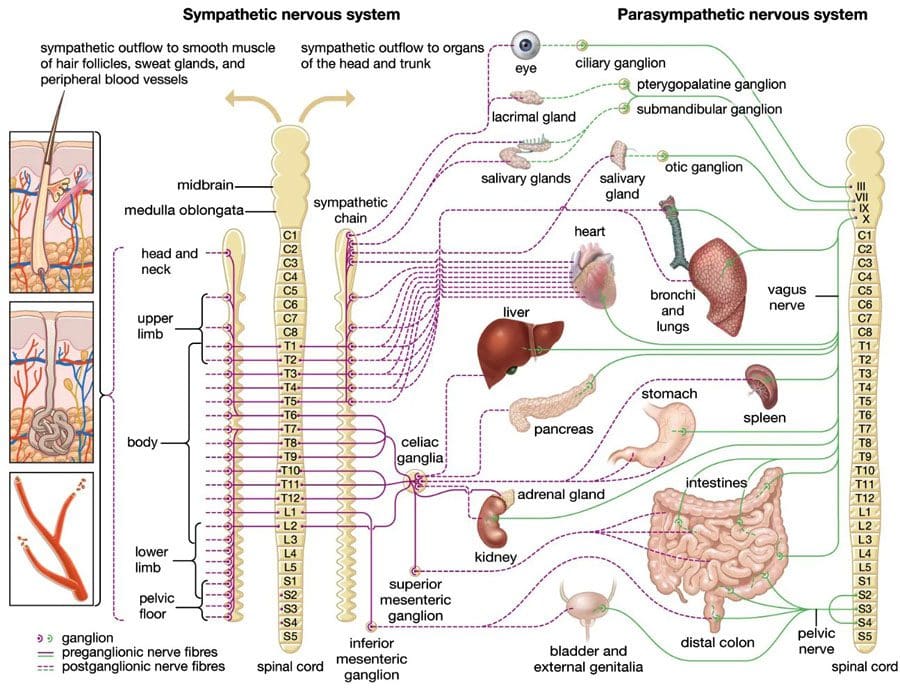
The Central Nervous System

In the body, there is a vast network of nerves that are connected through each region is known as the central nervous system. The central nervous system is connected to the brain and is responsible for sending out signals to each system to make the body function and move. When hypocortisolism is affecting the central nervous system it can stop sending signals to the corresponding systems and can cause inflammation and chronic illnesses. Prolonged hypercortisolism can lead to degeneration of the:

  • Hippocampus – memory
  • Hypothalamus – CFS, FM, Depression, PTSD
  • Pre-Frontal Cortex – executive decision making
  • Amygdala – emotional stability

Sometimes when fMRI Pathologic changes have been seen, there is some irreversible treatment that has helped the central nervous system. Even after hypocortisolism has developed, the effects still remain in the central nervous system.


Cardioendocrine System

The cardiovascular system is where the heart and the arteries are making sure that the blood is pumping into the muscles, veins, and organs. So it plays hand in hand with the endocrine system, due to the hormones traveling and sticking to the blood cells so that way they can get to each organ. When there is an abundance of hormones, it can affect each organ system including the cardiovascular system. Studies showed that when the expression levels of hormones are in the heart, it can lead to an increase of various cardiovascular symptoms that can cause harm. Some of the symptoms that can affect the cardioendocrine system include:

  • Accelerated progression of atherosclerosis, risk of MI and CHF
  • Elevated inflammatory markers
  • PAI-1
  • Fibrinogen
  • HS-CRP
  • Endothelial dysfunction and hypertension
  • Enhancement of insulin resistance and hyperglycemia

By making sure that the endocrine system is producing a normal amount of hormones to be transported through the bloodstream and making its way to the cardiovascular system, these symptoms will not happen.


The Symptoms Of Hypocortisolism

When the adrenal glands don’t produce enough of its two main hormones, which is cortisol and aldosterone, it can affect the body slowly and can cause it to develop chronic illnesses over time. Since cortisol helps the body respond to stress that it encounters, it helps maintain the immune system and level out blood glucose levels but when there is an autoimmune response starts occurring in the immune system and attacking the organs and tissue. When this happens, the immune system sees the adrenal glands are a threat and start to attack the outer regions of the adrenal glands causing a variety of symptoms and diseases. Some of the symptoms and diseases that hypocortisolism is associated with can be the following:


Chronic Fatigue Syndrome

Chronic fatigue is often characterized by intense fatigue that can be associated with other symptoms. Studies have shown that chronic fatigue syndrome can permanently limit a person’s functional capacity and can produce a variety of symptoms that can affect the body. Headaches, depressive symptoms, cognitive disorders, and even an intolerance to physical exertion can affect a person and dampen their mood to do any of their daily activities. Chronic fatigue syndrome can even cause neuroendocrine-immune dysfunction in the body by causing the signals that go from the hormones to the brain to the immune system to be mixed up and causing chaos in the body. However, there have been numerous studies confirming the presence of:

  • Low cortisol
  • Blunted cortisol responses to stimulation testing
  • Abnormal diurnal cortisol release patterns

And that can also play in effect with chronic fatigue syndrome. But surprisingly, there have been studies that have shown improvement in symptoms with administration of low-dose hydrocortisone treatment.


Fibromyalgia


One chronic pain disorder that is known worldwide and causes musculoskeletal pain is fibromyalgia. Fibromyalgia is a musculoskeletal disorder where inflammation and pain are being targeted in the upper and lower parts of the body and can cause a wide variety of disorders that can affect a person’s day drastically. Some of the symptoms of fibromyalgia can include:

When there are low levels of cortisol in the body, it can actually cause damage to the entire system and if a person has fibromyalgia, the pain and inflammation that they have will increase in the affected areas in their bodies, whether it is in their joints or in the muscles.


Cardiovascular Disease


One of the symptoms that are associated with hypocortisolism is that it can be one of the causes of cardiovascular diseases. Since the cardiovascular system is consist of the heart and blood vessels that are making sure that the blood cells and the hormones are going to their proper organs. Studies have found that metabolic disturbances and environmental factors can play a huge role in individuals. Metabolic disturbances like metabolic syndrome, hypertension, and even hypocortisolism can affect the individual’s body, causing unwanted illnesses to rise up over time. For environmental factors that can affect the cardiovascular system, it can be things like a poor diet lifestyle, inactive physical activities, and even demanding sedentary jobs that can steadily increase the chance of cardiovascular diseases to pop up in a physical exam.

People with cortisol slope scores in the flattest quartile had a greater likelihood of any coronary calcium than did those in the remaining quartiles adjusted for a sex-race group, age, smoking, treatment for diabetes, systolic blood pressure, triglycerides, average cortisol, and educational attainment.


Conclusion

All in all, it is important to make sure that cortisol is being secreted out in a short burst to make the body function properly. If there is an overabundance or underabundance of cortisol in the body, it can cause a long-term effect of chronic illnesses over time and cause pain to the individual. Regulating hormones and being on a healthy lifestyle can help the body heal over time and cause relief to the person that was suffering from these unwanted pathogens.


References

Avellaneda Fernández, Alfredo, et al. “Chronic Fatigue Syndrome: Aetiology, Diagnosis, and Treatment.” BMC Psychiatry, BioMed Central, 23 Oct. 2009, https://www.ncbi.nlm.nih.gov/pmc/articles/PMC2766938/.

Bhargava, Juhi, and John A Hurley. “Fibromyalgia.” StatPearls [Internet]., U.S. National Library of Medicine, 13 Oct. 2021, https://www.ncbi.nlm.nih.gov/books/NBK540974/.

Dhabhar, Firdaus S. “Effects of Stress on Immune Function: The Good, the Bad, and the Beautiful.” Immunologic Research, U.S. National Library of Medicine, May 2014, https://pubmed.ncbi.nlm.nih.gov/24798553/.

Lopez, Edgardo Olvera, et al. “Cardiovascular Disease.” StatPearls [Internet]., U.S. National Library of Medicine, 11 Aug. 2021, https://www.ncbi.nlm.nih.gov/books/NBK535419/.

Ludwig, Parker E, et al. “Neuroanatomy, Central Nervous System (CNS).” StatPearls [Internet]., U.S. National Library of Medicine, 14 Oct. 2021, https://www.ncbi.nlm.nih.gov/books/NBK442010/.

Medical Professionals, Cleveland Clinic. “Addison’s Disease: Causes, Symptoms, Diagnosis & Treatment.” Cleveland Clinic, 9 Apr. 2019, https://my.clevelandclinic.org/health/diseases/15095-addisons-disease.

Ogawa, Tsuneo, and Adolfo J de Bold. “The Heart as an Endocrine Organ.” Endocrine Connections, Bioscientifica Ltd, 15 Apr. 2014, https://www.ncbi.nlm.nih.gov/pmc/articles/PMC3987289/.


Disclaimer

Medial Tibial Stress Syndrome: Shin Splints

Runner using Knee support bandage and have a problem with leg injury on running. Periosteum problem or sprain ligament.

When stress is placed on the shins with physical activity from walking, running, or exercise, the connective tissues attaching the leg muscles to the tibia can become inflamed, causing medial tibial stress syndrome, more commonly known as shin splints. This inflammation is caused by tiny tears in the muscles and tendons of the shin. Chronic shin pain could be related to foot arch problems, underlying issues with the muscles, or shoes that don’t support the feet properly. Although it usually goes away within a few days, it’s important to monitor to ensure that it does not progress into a stress fracture. A chiropractor can offer treatments to relieve the pain and help prevent shin splints from recurring.

Medial Tibial Stress Syndrome: Shin Splints

Medial Tibial Stress Syndrome

Medial tibial stress syndrome can impact anyone. It can come from walking far distances or in awkward positions like going downstairs with small steps, jumping rope, and playing with the kids on the playground can all cause burning, tightness, and pain in the shins. Shin splints affect individuals differently. For some, the pain recedes when the triggering activity is stopped. For others, the pain can become a chronic condition that results in continuous pain, even when at rest.

The Shin

  • The shin is a part of the tibia bone in the lower leg.
  • This bone absorbs the shocks when moving through daily activities.
  • The muscles that run along the shin support the foot’s arch and raise the toes during movement.
  • Medial tibial stress syndrome is caused by excessive force on the shinbone and the tissue around it, which causes the muscles to swell and increases pressure around the bone.
  • If left untreated, small tears in the muscle and the bone can form, leading to chronic pain and stress fractures.

Medial tibial stress syndrome is more likely to happen from:

  • Not stretching before physical activity or exercise.
  • Constantly walking or running on hard surfaces.
  • Wearing the wrong shoes that don’t provide enough cushioning or arch support.
  • Over-exertion on the body with activity and movement.
  • The body is not given the proper amount of time to recover.
  • Athletes often experience shin splints when they’ve intensified their training routine or changed it up.

Symptoms

  • Pain during exercise or activity.
  • Pain in the front of the lower leg.
  • Soreness in the lower leg.
  • Swelling in the lower leg.
  • Shin is hot to the touch.

Treatment

Whenever pain is being experienced, some muscles will either get tight or weak in response. By identifying the weak and/or tight muscles, a chiropractor can prescribe stretches and exercises that will help alleviate the pain and prevent it. One of the main principles of chiropractic is to treat the body as an interconnected system. A chiropractor may work on an unrelated part of the body to treat the symptomatic area. For example, they may work to align the spine and pelvis to lessen the impact on the lower legs.

Part of a treatment plan may include:

Soft Tissue Mobilization

  • A handheld instrument loosens tight tissues during soft tissue mobilization therapy and breaks scar tissue around the tibia.
  • Massaging tight muscles in the leg keeps them loose and alleviates the pain.
  • Percussion massage can be added to reduce muscle knots, improve blood flow, and loosen up scar tissue.
  • The treatment relieves pain and can help avoid shin splints when returning to normal activities.

Ultrasound and Low Laser Therapy

  • Ultrasound and low laser therapy use heat to warm the deep tissues in the lower leg gently.
  • The treatment eases pain, reduces inflammation, swelling, and increases blood flow.

Kinesio Taping

  • Applying flexible Kinesio tape to the foot and lower leg can reduce stress on the shins.
  • The chiropractor or physical therapist will show how to apply the tape correctly.

Foot Orthotics

  • Individuals may be more likely to develop shin splints if they have high or low arches or their feet tend to roll inward or outward when walking.
  • Prescription foot orthotics can be made to keep the feet properly balanced and supported.

Stretching Exercises

  • Shin splints could be related to tight muscles in the back of the calf and weak muscles in the front of the lower leg.
  • A chiropractor or physical therapist will show stretching and strengthening exercises to maintain muscle balance.

Body Composition


Retaining Water Due To Salt Intake

Salt/sodium is everywhere and hard to avoid.

It might not be a surprise that a single patty cheeseburger contains over 500 mg of sodium – almost a quarter of the daily recommended level, but it is a surprise to know that the ranch dressing on a salad contains as much as 270 mg or a tablespoon of soy sauce on a healthy, vegetable-only stir-fry has 879 mg of sodium. The Mayo Clinic estimates that the average individual consumes about 3,400 mg of sodium a day: close to double what is recommended. Sodium is linked with water retention, and it is the kidneys’ job to expel unneeded sodium out of the body. Until the kidneys activate, an individual will temporarily be retaining extra water. If daily water and sodium intake habits change daily, this can contribute to water retention, causing fluctuations in daily weight. So, if an individual was on a diet but flooded the body with more salt than usual, expect to see a temporary increase in weight.

References

Bates, P. “Shin splints–a literature review.” British journal of sports medicine vol. 19,3 (1985): 132-7. doi:10.1136/bjsm.19.3.132

Chiropractic Economics: The Science Behind Percussion Massage.

Gross, ML et al. “Effectiveness of orthotic shoe inserts in the long-distance runner.” The American journal of sports medicine vol. 19,4 (1991): 409-12. doi:10.1177/036354659101900416

Heer, Martina et al. “Increasing sodium intake from a previous low or high intake affects water, electrolyte and acid-base balance differently.” The British journal of nutrition vol. 101,9 (2009): 1286-94. doi:10.1017/S0007114508088041

McClure, Charles J. and Robert Oh. “Medial Tibial Stress Syndrome.” StatPearls, StatPearls Publishing, 11 August 2021.

Taking A Look At Stress & The Immune Brain Connection | Part 1

Introduction

Throughout the entire body system, everything is connected. From the gut to the brain, to the hormones all the way to the immune system, every system has a specific job to make sure that the body is working properly. When there are unknown pathogens that affect the body drastically, it can cause the body to be dysfunctional and cause chronic illnesses to come up. In this 3 part series, we will be taking a look at how stress and the immune-brain connection work together as well as seeing how the adrenal glands play into this. Part 2 will be discussing what is hypercortisolism and its symptoms affecting the body. And finally, part 3 will be taking a look at the immune system and natural remedies to lower cortisol levels. By referring patients to qualified and skilled providers who specialized in hormone wellness services and we advise our patients to appropriately refer to our associated medical providers based on their examination. We find that education is the key when asking valuable questions to our providers. Dr. Jimenez DC provides this information as an educational service only. Disclaimer


Can my insurance cover it? Yes, in case you are uncertain here is the link to all the insurance providers we cover. If you have any questions, please call Dr. Jimenez at 915-850-0900.

What Is Stress?


So stress plays a major influence in a person’s day-to-day life. It affects not only a person’s mood but their well-being, their behavior, and their health. Stress has two categories where it can affect the body and can either be beneficial or harmful depending on the two categories. They are acute stress and chronic stress. So acute stress isn’t harmful to the body and it usually comes when someone is worried about a big test that is coming up or a job interview that they have. This type of stress can increase hormonal production and release it into the correct body systems giving them a little boost of energy.

However, chronic stress is due to long-term triggers that have affected the body. These long-term triggers can range from depression to trauma depending on what the person is suffering from. Chronic stress can shift the levels of blood pressure in the body and can cause plaque formation in the arteries and damage them. When this happens the body can suffer tremendously and the individual can develop chronic illnesses. Another set of terms for acute and chronic stress is allostasis and allostatic load.


Allostasis

So allostasis is the ability to achieve stability through change and it is critical to survival. The stress system helps protect the body by responding to internal and external stress. Studies have found that allostasis can help with the adaptive process of acute stress by maintaining the homeostasis of mediator productions like adrenaline, cortisol, and other chemicals that the body naturally produces.

Allostasis can help the body by providing support to:

Allostasis can even help increase the glucocorticoids and epinephrine in the body to help promote protective effects on adaptive stressors that the body encounters.


Allostatic Load

Allostatic load is the price of accommodation to the collective burden that results from chronic overactivity or under activity of allostatic systems. The wear and tear of the body and the brain is the result of chronic overactivity or inactivity of physiological systems that are normally involved in adaptation to environmental challenges. This can be numerous factors that can cause an allostatic load on the body. There can be frequent exposures that can cause this burden to be placed upon the body. Environmental challenges can cause the brain to overwork itself while physiological consequences that are the result of health-damaging behaviors like circadian disruption and an unhealthy diet can affect the body. So when the HPA axis is either overworked or fails to shut off after stressful events or when normal compensatory systems overreact this is the result of allostatic load.


The Adrenal Glands


The adrenal glands are two triangle-shaped organs that are located on top of the kidneys. Their job is to secrete out the hormone adrenaline, which is the hormone that will help prepare the body to be active in any stressful situation. There are two parts of the adrenal glands that help the production of hormones that are being released into the body. The adrenal cortex is located on the outer region of the adrenal gland and produces the hormone cortisol, which is the stress hormone, and DHEA, which is the sex hormone. The second part is the adrenal medulla and which is located in the inner region of the adrenal gland and it produces adrenaline and nonessential hormones.


The Adrenal Hormone Functions

With the adrenal glands producing the necessary hormones for the body, it is important that they have to be regulated in order for the necessary organs to do their job. The adrenal gland’s function and the hormone they produce helps maintain the salt balance in the bloodstream and muscle tissues. They also help control the body’s sex hormones in both male and female bodies. Two of the main hormones that the adrenal gland produces for the body are cortisol and DHEA.


Cortisol


Cortisol is produced in the adrenal glands and helps regulate protein, carbohydrate, lipid, and nucleic acid metabolism in the body. The cortisol hormone help elevate both blood sugar and blood pressure in the body, while also increasing protein catabolism and inhibition of protein synthesis. Cortisol is widely known as the body’s stress hormone and is the main glucocorticoid that is released into the body and is anti-inflammatory which helps cytokine suppression. Cortisol has many beneficial properties that help the body including:

  • Decreased antibody production
  • Suppresses release of growth hormone
  • Aid bone loss
  • Increases gastric acid production
  • Inhibits production of nucleic acids (except liver RNA)
  • Mobilizes fatty acids


DHEA (Dehydroepiandrosterone)


DHEA or dehydroepiandrosterone is the precursor to sex hormones and is the most abundant hormone produced by the adrenal cortex. it helps activate endothelial nitric oxide synthase and is directly bound to NMDA and GABA receptors in the brain. Studies have shown that DHEA helps modulate the body’s cardiovascular signaling pathways while also exerting out anti-inflammatory effects. Some of the other beneficial properties that DHEA provides include:


How is Stress and the Immune System Connected?


Since the body has many functions that help make sure that the body is performing its optimal best and with stress, it is connected to the immune system. Stress plays a huge role and correlates to the immune system by sending signals to the brain. Studies have shown that the influence of stress on the immune system is mediated not only by glucocorticoids but also by growth hormones. Just like how the gut and brain are connected, stress and the immune system go hand in hand to make sure that the hormone levels are balanced and are coordinating behavioral and physiological responses to any inflammation and infections in the body.


Conclusion

All in all, the body needs a combination of stress and hormones in order to function its immune system. The immune system helps the body fight off viral infections and bacteria that can harm the body and the combination of the stress hormone that is being secreted to the immune system will help the body give an extra boost of immunity. When there is an overabundance or underabundance of hormones in the body, it can cause problems and complications to the body that can lead to chronic illness. But when the hormones are regulated and functioning normally, the body can live a happy healthy life.


References

Dantzer, R, and K W Kelley. “Stress and Immunity: An Integrated View of Relationships between the Brain and the Immune System.” Life Sciences, U.S. National Library of Medicine, 1989, https://pubmed.ncbi.nlm.nih.gov/2568569/.

Guidi, Jenny, et al. “Allostatic Load and Its Impact on Health: A Systematic Review.” Psychotherapy and Psychosomatics, U.S. National Library of Medicine, 14 Aug. 2020, https://pubmed.ncbi.nlm.nih.gov/32799204/.

McEwen, Bruce S. “Stressed or Stressed out: What Is the Difference?” Journal of Psychiatry & Neuroscience: JPN, U.S. National Library of Medicine, Sept. 2005, https://www.ncbi.nlm.nih.gov/pmc/articles/PMC1197275/.

Rutkowski, Krzysztof, et al. “Dehydroepiandrosterone (DHEA): Hypes and Hopes.” Drugs, U.S. National Library of Medicine, July 2014, https://pubmed.ncbi.nlm.nih.gov/25022952/.

Sargis, Robert M. “Adrenal Glands: Definition, Function, Adrenal Gland …” Endocrineweb, 5 Jan. 2021, https://www.endocrineweb.com/endocrinology/overview-adrenal-glands.

Schneiderman, Neil, et al. “Stress and Health: Psychological, Behavioral, and Biological Determinants.” Annual Review of Clinical Psychology, U.S. National Library of Medicine, 2005, https://www.ncbi.nlm.nih.gov/pmc/articles/PMC2568977/.

Thau, Lauren, et al. “Physiology, Cortisol.” StatPearls [Internet]., U.S. National Library of Medicine, 6 Sept. 2021, https://www.ncbi.nlm.nih.gov/books/NBK538239/.


Disclaimer

Physical Wellness, Diet, and Chiropractic

Smiling mature woman eating green apple. Female after fitness in mountains, diet healthy food, natural vitamins

A healthy diet and proper nutrition are essential for the body’s overall health and physical wellness. Improper nutrition can lead to the body’s inability to repair muscle, affect muscle density, affect fluid levels in the cells, organ function, and nerve function. Individuals who receive chiropractic treatment regularly tend to experience fewer colds and illnesses, reduced aches and pains, and improved mood overall. There are nutritional options and certain foods individuals are recommended to follow to get the most benefits from the chiropractic treatment. A healthy diet, proper hydration, exercise, and rest can help keep the body on the road to optimal health.

Physical Wellness, Diet, and Chiropractic

Poor Diet Inflammation

A poor diet and bad eating habits cause the body not to operate efficiently. The body becomes weary and tired, causing it to break down. Those who favor processed foods, sugar, and empty calories that have no nutritional value put their bodies at risk for inflammation. Inflammation can lead to muscle pain, joint pain, and other health conditions. Chronic inflammation over time can lead to:

  • DNA damage
  • Tissue death
  • Internal scarring
  • All are linked to the development of several diseases, including cancer.

Physical Wellness Foods

Individuals begin to feel much better and healthier when eating whole foods. It can be hard to make the switch for those that have been eating poorly for years, but once begun, most individuals feel better almost immediately.

Steamed Vegetables

  • Eat a variety of tolerable vegetables.
  • Steaming improves the utilization/availability of the food substances and reduces the irritating residue in the gut, allowing it to restore itself.
  • For anti-inflammation, it is recommended to avoid tomatoes, potatoes, eggplant, and bell peppers.

Nuts

  • Any nut that is tolerable except peanuts, like almonds, cashews, brazil nuts, sunflower seeds, and walnuts are all recommended.

Legumes

  • Any legumes tolerable like split peas, lentils, kidney beans, pinto beans, soybeans, mung beans, garbanzo beans, and adzuki beans.

Grains

  • It is recommended to eat one to two cups of cooked grains per day.
  • These include millet, basmati or brown rice, quinoa, barley, buckwheat, oatmeal, and amaranth.
  • It is recommended not to eat wheat, whole grain, or otherwise.
  • No bread, plan meals so that bread is not required, as bread can raise sugar levels and increase an inflammatory marker.

Fish

  • Deep-sea fish is preferred that includes salmon, halibut, cod, sardines, tuna, mackerel.
  • The fish should be poached, baked, steamed, or broiled.
  • No shellfish or swordfish.

Chicken and Turkey

  • Eat only white meat and do not eat the skin.
  • The chicken should be baked, broiled, or steamed.
  • Free-range or organic chicken is preferable.

Fruit

  • Raw is best, can be baked at a low temp and made into juice.
  • Apples, avocadoes, blueberries, cherries, fresh pineapple, guavas, lemons, limes, oranges, papaya, raspberries, strawberries.

Sweeteners

  • One of the essential things that chiropractors recommend is to cut out artificial sweeteners and excess sugar.
  • Small amounts of maple syrup, rice syrup, barley syrup, and honey can be used.
  • Sugar cravings can be avoided by eating protein with each meal.

Water and Herbal Teas

  • Drink 8 to 10 glasses of water every day.
  • Drink 2 to 4 cups of herbal tea, sipped slowly in the evening.

Body Composition


Antibiotics

Antibiotics are designed to cure bacterial infections by killing invading bacteria. However, antibiotics don’t separate the good bacteria from the bad. As a result, antibiotic therapy of only three to four days can alter gut microbe population and diversity. Studies have shown that children are particularly at risk as reduced gut bacteria diversity has been linked with childhood obesity. For this reason, make sure to follow a physician’s instructions when using antibiotics. Spending time outdoors regularly can help increase the body’s exposure to microbial diversity. Gardening is a great way to get dirty with soil to reacquaint the gut flora and maintain the body’s physical wellness.

References

Fritsche, Kevin L. “The science of fatty acids and inflammation.” Advances in nutrition (Bethesda, Md.) vol. 6,3 293S-301S. 15 May. 2015, doi:10.3945/an.114.006940

Kapczuk, Patrycja et al. “Żywność wysokoprzetworzona i jej wpływ na zdrowie dzieci i osób dorosłych” [Highly processed food and its effect on health of children and adults]. Postepy biochemii vol. 66,1 23-29. 23 Mar. 2020, doi:10.18388/pb.2020_309

Ricker, Mari Anoushka, and William Christian Haas. “Anti-Inflammatory Diet in Clinical Practice: A Review.” Nutrition in clinical practice: official publication of the American Society for Parenteral and Enteral Nutrition vol. 32,3 (2017): 318-325. doi:10.1177/0884533617700353

Serafini, Mauro, and Ilaria Peluso. “Functional Foods for Health: The Interrelated Antioxidant and Anti-Inflammatory Role of Fruits, Vegetables, Herbs, Spices and Cocoa in Humans.” Current pharmaceutical design vol. 22,44 (2016): 6701-6715. doi:10.2174/1381612823666161123094235

Wahlqvist, Mark L. “Food structure is critical for optimal health.” Food & function vol. 7,3 (2016): 1245-50. doi:10.1039/c5fo01285f

Thoracic Back Pain

Medical assistant treating woman with back and spine pain for physical recovery. Specialist giving assistance to retired patient with spinal cord injury and osteopathy examination

The thoracic spine, also known as the upper or middle back, is designed for stability to anchor the rib cage and protect the organs in the chest. It is highly resistant to injury and pain. However, when thoracic back pain does present, it is usually from long-term posture problems or an injury. Thoracic back pain is less common than lower back and neck pain, but it does affect up to 20% of the population, particularly women. Treatment options include chiropractic for quick and long-term pain relief.

Thoracic Back Pain

Thoracic Back Pain and Soreness

The thoracic area is vital for various functions related to:

Common reasons for experiencing thoracic back pain include:

  • A direct hit or high-impact injury from a fall.
  • Sports injury.
  • Automobile accident.
  • Unhealthy postures that put the spine in chronic misalignment, causing strain.
  • Repetitive overuse injury from bending, reaching, lifting, twisting.
  • Poor core or shoulder mechanics, causing muscle imbalance.
  • Muscular irritation, the large upper back muscles are prone to developing strains or tightness that can be painful and difficult to alleviate.
  • De-conditioning or lack of strength.
  • Joint dysfunction can come from a sudden injury or natural degeneration from aging. Examples include facet joint cartilage tear or joint capsule tear.

Upper back pain usually feels like a sharp, burning pain localized to one spot or a general achiness that can flare up and spread out to the shoulder, neck, and arms.

Types of Upper Back Pain

These include:

  • Myofascial pain
  • Spine degeneration
  • Joint dysfunction
  • Nerve dysfunction
  • General spinal misalignments

Depending on what specific tissues are affected, pain can occur with breathing or arm use. It is recommended to have a healthcare professional perform an examination and get an accurate diagnosis. A chiropractor understands the delicate balance and functions that the thoracic spine provides and can develop a proper treatment plan.

Chiropractic

Treatment options will depend on the symptoms, underlying dysfunctions, and individual preferences. ​Recommendations for treatment often include:

  • Spine adjustments to improve alignment and nerve integrity.
  • Posture training to maintain spinal alignment.
  • Therapeutic massage.
  • Exercise training to restore muscular balance.
  • Non-invasive pain-relieving techniques.
  • Health coaching.

Body Composition


Plant-Based Diets for Weight Loss

Individuals who follow vegan, vegetarian, and semivegetarian diets have reported and shown they are less likely to be overweight or obese. This can indicate that reducing intake of meat and animal products is beneficial for weight loss. Studies have found that individuals who follow a vegan diet may lose more weight than individuals on a more conventional weight loss diet, even with similar calories consumed, and often have significant improvements in blood sugar and inflammation markers.

Plant-Based Protein and Muscle Gain

Some plant-based proteins are just as effective as animal protein at promoting muscle gain. A study found that supplementing rice protein following resistance training had similar benefits to whey protein supplementation. Both groups had:

References

Briggs AM, Smith AJ, Straker LM, Bragge P. Thoracic spine pain in the general population: prevalence, incidence and associated factors in children, adolescents and adults. A systematic review. BMC Musculoskelet Disord. 2009;10:77.

Cichoń, Dorota et al. “Efficacy of Physiotherapy in Reducing Back Pain and Improve Joint Mobility in Older Women.” Ortopedia, traumatologia, rehabilitacja vol. 21,1 (2019): 45-55. doi:10.5604/01.3001.0013.1115

Fouquet N, Bodin J, Descatha A, et al. Prevalence of thoracic spine pain in a surveillance network. Occup Med (Lond). 2015;65(2):122-5.

Jäger, Ralf et al. “Comparison of rice and whey protein isolate digestion rate and amino acid absorption.” Journal of the International Society of Sports Nutrition vol. 10,Suppl 1 P12. 6 Dec. 2013, doi:10.1186/1550-2783-10-S1-P12

Joy, Jordan M et al. “The effects of 8 weeks of whey or rice protein supplementation on body composition and exercise performance.” Nutrition journal vol. 12 86. 20 Jun. 2013, doi:10.1186/1475-2891-12-86

Medawar, Evelyn et al. “The effects of plant-based diets on the body and the brain: a systematic review.” Translational psychiatry vol. 9,1 226. 12 Sep. 2019, doi:10.1038/s41398-019-0552-0

Newby, PK et al. “Risk of overweight and obesity among semivegetarian, lactovegetarian, and vegan women.” The American journal of clinical nutrition vol. 81,6 (2005): 1267-74. doi:10.1093/ajcn/81.6.1267

Pope, Malcolm H et al. “Spine ergonomics.” Annual review of biomedical engineering vol. 4 (2002): 49-68. doi:10.1146/annurev.bioeng.4.092101.122107

Looking Into A Metabolic Approach on Thyroid Disorders | Part 3

Introduction

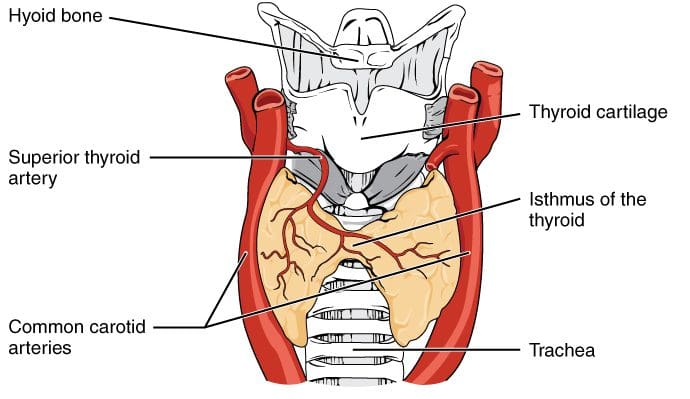
The thyroid is a butterfly-shaped organ that is located at the base of the neck and secretes out hormones throughout the body to make sure that each system that the hormones are traveling through works properly. When there are unwanted, harmful pathogens that enter the body and start to affect the thyroid, two things that can happen to the thyroid. It can either underproduce hormones and cause hypothyroidism, or it can overproduce hormones and cause hyperthyroidism. These two conditions can cause the body to develop inflammation and chronic pain that a person is experiencing. In this 3 part series, we are going to be taking a look at hyperthyroidism and its symptoms, as well as the elimination diet and the 5r Program, which can help not only the thyroid but the gut too. Part 1 explained what a functional thyroid is supposed to do and how disruptors can affect it. Part 2 took a look at what happens when there is a low thyroid function or hypothyroidism and its symptoms.  By referring patients to qualified and skilled providers who specialized in hormone wellness services and we advise our patients to appropriately refer to our associated medical providers based on their examination. We find that education is the key when asking valuable questions to our providers. Dr. Alex Jimenez DC provides this information as an educational service only. Disclaimer


Can my insurance cover it? Yes, in case you are uncertain here is the link to all the insurance providers we cover. If you have any questions, please call Dr. Jimenez at 915-850-0900.

What Is Hyperthyroidism?


When the thyroid starts to overproduce its hormones and starts to be overactive, this is known as hyperthyroidism. When the thyroid is healthy it will secrete out hormones and help regulate the body to function properly. With hyperthyroidism, however, it can enlarge one side of the thyroid and cause it to overproduce T3 and T4 hormones. When that happens, it can make the body’s metabolism to speed up and can cause many harmful conditions if it is not treated. Hyperthyroidism is most common in women and can make the eyes protrude or be puffy and even cause Tachycardia in the cardiac system.


The Symptoms Of Hyperthyroidism

There are many symptoms that hyperthyroidism can cause. These symptoms can impact a person’s lifestyle and their body when there is an overabundance of hormones that are secreted out of the thyroid due to hyperthyroidism. Some of the symptoms include:

  • General symptoms: excess sweating, excessive hunger, fatigue, heat intolerance, or restlessness, weight loss, diarrhea, hair loss, muscle weakness, tremor, or warm skin
  • Mood symptoms: mood swings, nervousness, or panic attack
  • Cardiac symptoms: abnormal heart rhythm, fast heart rate, or palpitations
  • Sleep symptoms: difficulty falling asleep or insomnia
  • Menstrual symptoms: irregular menstruation or short and light menstruation
  • Behavioral symptoms: hyperactivity or irritability
  • Skin and Hair: Thinning skin, brittle and/or fine hair

When that happens, there can be many causes that can cause hyperthyroidism, it can be that the person consumed an excessive amount of iodine, there could be inflammation in the thyroid that can cause the thyroid to overproduce and be painful. Sometimes even if there are thyroid nodules that are growing in the thyroid gland that can overproduce the hormones or the most common symptom that hyperthyroidism can cause in the body is Graves’ disease.

Hyperthyroidism & Graves’ Disease


When the thyroid is overactive and develops hyperthyroidism, it can cause an autoimmune disorder known as Graves’ disease. Since the thyroid is a small, butterfly-shaped organ when it’s affected by Graves’ disease, it can make one of the sides of the thyroid to be enlarged and make the thyroid to produce more hormones than the body already needs causing it to affect the eyes and the skin. If it is left untreated it can cause serious problems in the body like:


The 5R Progam & The Elimination Diet

When the thyroid hormones start overproducing and secreting out to the body and make the other organs overproduce their functions than normal, it can lead to chronic inflammation and other health problem. When inflammation starts affecting the body, it can turn into chronic inflammation and starts affecting the gut. The gut system takes the most burden since inflammation can cause gut permeability and cause the body discomfort. There are ways to dampen inflammation effects on the body, through holistic and integrative medicine and two programs that can help the body recover. They are the 5R Progam and the Elimination Diet.


The 5Rs


The 5R Progam is an approach to help heal the gut system from chronic inflammation conditions like IBS, SIBO, GERD, and autoimmune diseases that affected the thyroid. This protocol can help alleviate those symptoms that are related to the gut and other symptoms that are affecting the body. By using this program, not only does the gut get to recover but the body as well and alleviate the inflammatory symptoms.


Remove

So what does this patient need to have removed (e.g., pathogenic growth in the intestinal tract, allergenic foods in the diet) for healthy GI function? This means that the individual needs to remove the problem that is affecting their gut and causing the inflammation. This can be numerous items from food allergies/sensitivities, medications, or stress. Any of these factors can cause inflammation in the gut and removing them is the first step in the 5R program.


Replace

What does this patient need to have replaced (e.g., stomach acid, digestive enzymes) to support improved GI function? This means that adding nutritional foods and supplements that are containing the necessary nutrients will help replace the lost digestive enzymes that can help aid digestion in the gut. With these nutrients, the gut can help replenish the absorption of B12, iron, calcium, magnesium, and zinc in the body.


Repopulate

So what does this patient need to support and/or to re-establish a healthy balance of microflora; that is, does he/she require probiotic reinoculation/repopulation and/or prebiotic support? This means by reintroducing prebiotics and probiotics back into the gut can help the body repopulate the good bacteria in the immune system, digestive system, and metabolic system. By reintroducing fermented foods and certain grains can help rebalance the body microbiome.


Repair

What does this patient need to support healing and reestablishment of a healthy mucosal layer; that is, does he/she require targeted nutritional support for the GI barrier and biofilm repair and regeneration? Once the gut has been reintroduced to prebiotics and probiotics, everyone should create a healthy environment to help support the gut healing process and repair the intestinal cell permeability and mucosa. By including foods that are high in the necessary vitamins and amino acids, this can reduce inflammation from entering the gut and provide a happy digestive tract.


Rebalance

What is needed to rebalance the gut-brain connection? What this means is that lifestyle habits can have an enormous influence on a person’s health and digestive system. By taking into account the factors that can cause them stress, anxiety, or even eating habits that can cause gut inflammation. Making these necessary changes and sticking to them can provide a healthier lifestyle.


The Elimination Diet


Since most people worldwide have food intolerances and sensitivities, it is pretty common that any kind of food that a person eats will cause discomfort. When a person stops eating a certain food for a few days then reintroduced them back, it can cause a prolonged effect and even inflammation. Hence why food allergists and registered dietitians recommend the Elimination Diet. The Elimination diet is a short-term diet that lasts about 5 to 6 weeks and can help individuals with a sensitive gut to identify what food is causing them to be bloated or gut inflammation. There are many types of elimination diets that can help a person and when they figure that certain foods are causing more harm than good to their body they can get rid of the food from their diet to prevent unwanted symptoms in the future. Some include:


The elimination of foods and food additives that may be causing immunological or non-immunological reactions. Immunological reactions are allergies or“hypersensitivity,” to foods that can cause a reaction to the body, which may be IgE, IgG, IgM, IgA, or T cell-mediated. While non-immunological reactions are intolerance that may be secondary to lactase deficiency, spoilage, or various other toxins that the body experiences. These can be the pathogens that can trigger the body to be uncomfortable and if the person continues to remove and react to these types of foods that are causing harm to their body it can lead to chronic inflammation and disrupting the gut permeability.


The Benefits Of The Elimination Diet

With the Elimination Diet, there are many beneficial properties that it can provide a person. As stated that there are many different elimination diets and each person is different so any one of these diets can help the individual identify what is causing them discomfort.  that the elimination diet cab provides for the person is that it can help identify not only the food or food group that is causing them health issues but can be a major tool when food sensitivities are the main root causes and manage symptoms including:

By following the elimination diet, the body can start healing and begin its wellness journey.

Conclusion

The thyroid is an important organ that is in the endocrine system and produces T3 and T4 hormones that are secreted to the proper organ systems and make sure that they work properly. When harmful pathogens start affecting the thyroid, they can overproduce or underproduce the hormones causing inflammation and other chronic symptoms like hypo or hyperthyroidism and causing the body pain. When it is treated through functional medicine and whole nutritional foods, the body can start healing and repairing the body biome where inflammation was attacking.


References

Kahn, Sara. “What Is the 5-R Protocol for Digestive Health?” Belly Bliss Nutrition, 1 Aug. 2021, https://sarakahnnutrition.com/tips/2019/02/04/what-is-the-5-r-protocol-for-digestive-health/.

Medical Professionals, Cleveland Clinic. “Hyperthyroidism: Symptoms, Causes, Treatment & Medication.” Cleveland Clinic, 19 Oct. 2021, https://my.clevelandclinic.org/health/diseases/14129-hyperthyroidism.

Nall, Rachel. “What Is an Elimination Diet?” Medical News Today, MediLexicon International, 4 June 2021, https://www.medicalnewstoday.com/articles/elimination-diet.

Professionals, NIDDK. “Graves’ Disease.” National Institute of Diabetes and Digestive and Kidney Diseases, U.S. Department of Health and Human Services, Sept. 2017, https://www.niddk.nih.gov/health-information/endocrine-diseases/graves-disease.

Raman, Ryan. “How to Do an Elimination Diet and Why.” Healthline, Healthline Media, 2 July 2017, https://www.healthline.com/nutrition/elimination-diet.


Disclaimer

Nerve Injury

Young woman during the medical examination with neurologist testing reflexes in the office

A nerve injury is often caused by a sudden traumatic event, like a slip and fall, personal or work injury, an automobile accident, or a sports injury. Overall stresses of the body from poor posture and being overweight can also lead to nerve pain over time, known as cumulative trauma. Where ligaments and bones are not aligned correctly, nerve pain and damage can occur. When nerve pain presents, there is pressure being placed on that nerve/s. Nerve pain symptoms include burning, tingling, or numbness-type sensations in the tissues controlled by that nerve. Orthopedic and neurologic testing will determine what specific nerve is affected. Chiropractic adjustments realign the spine and relieve the pressure on the nerve, thus eliminating the pain and correcting the problem.

Nerve Injury

Nerve Injury

Too much pressure from surrounding tissues compresses and irritates the nerve and interrupts its ability to function correctly. Pinched nerves are most vulnerable at points in the body where they pass through narrow spaces and have little to no soft tissue protection. Symptoms include:

  • Pins and Needles Sensation
  • Numbness
  • Pain
  • Weakness

A pinched nerve can decrease the range of motion and cause muscle spasms. If left untreated, a nerve injury can leave an individual with chronic pain and lead to permanent nerve damage.

Tingling and Numbness

Tingling and numbness are unusual or unpleasant physical sensations, most commonly experienced in the arms, hands, fingers, legs, feet, and toes. Tingling and numbness come in two forms:

Paresthesia

  • A feeling of pins and needles on the skin or the sensation of the hand or arm having fallen asleep.
  • Paresthesia can be a result of reduced blood flow to the region. This can be caused by external pressure that constricts the blood vessels.

Dysesthesia

  • This is a more persistent sensation resembling itching, burning, electric shock, or tightening pain.

 Injuries to the nervous system can also produce numbness and tingling, even in areas nowhere near the actual injury. Examples include:

  • Neck pain from a neck injury can cause numbness or tingling in the hand or arm.
  • A low back injury can result in tingling in the back of the leg.

Other possible causes include:

  • Inflammation that puts pressure on nerves
  • Trigger points in the muscles
  • Enlarged blood vessels
  • Tumors
  • Myofascial adhesions
  • Scar tissue
  • Infection
  • Lesions on the spinal disc/s
  • Diabetes
  • Calcium deficiency
  • Vitamin B12 deficiency
  • Liver disease
  • Kidney disease
  • Alcoholism
  • Drug abuse

Chiropractic Treatment

To determine the appropriate course of treatment, a doctor of chiropractic must diagnose the cause of the nerve injury. Depending on the nature or severity of the sensation, the examination will include:

  • Muscle tests
  • Range-of-motion tests
  • Neurological tests
  • Orthopedic tests

The chiropractor will palpate the effective areas and order imaging tests like X-rays if necessary. If further testing is needed to diagnose the source of the nerve injury, the doctor may order an MRI or CT scan. Once the underlying condition is diagnosed, a chiropractor will develop a treatment plan to eliminate irritation, correct misalignments causing pressure, and restore proper nerve function. Treatment plans vary from case to case but can include:

  • Therapeutic Massage
  • Body adjustments
  • Spinal manipulation
  • Heat and Ice

The objective is to relieve/release the pressure on the nerves. Chiropractic adjustments help reposition the muscles and nerves. Deep-tissue massage helps to release tension and eliminate toxins that worsen the sensations. Treatment improves circulation and relieves pressure on the neural pathways necessary to restore normal neural signaling between the body and the brain.


Body Composition


Why The Brain Needs Sugar

The brain needs half of all the body’s energy supply because of its complex nerve cell system. The brain requires glucose for brain cell energy. Because neurons can’t store energy, they need a continuous fuel supply to function correctly from the bloodstream. The ability to think, learn and recall information is closely associated with glucose levels. When blood glucose levels are low, the ability to think is inhibited as the production of chemical messengers/neurotransmitters, are reduced, disrupting communication between the neurons. Natural sugar can boost brain health because it requires glucose for functioning. Sugar is released slowly into the bloodstream when taken naturally from sources like apples and bananas, keeping the energy levels steady, without craving more sugar.

References

Ameh, Victor, and Steve Crane. “Nerve injury following shoulder dislocation: the emergency physician’s perspective.” European journal of emergency medicine: official journal of the European Society for Emergency Medicine vol. 13,4 (2006): 233-5. doi:10.1097/01.mej.0000206190.62201.ad

Nichols, J S, and K O Lillehei. “Nerve injury associated with acute vascular trauma.” The Surgical clinics of North America vol. 68,4 (1988): 837-52. doi:10.1016/s0039-6109(16)44589-5

Ruggiero, S L. “Trigeminal nerve injury and repair.” The New York state dental journal vol. 62,8 (1996): 36-40.

Welch, J A. “Peripheral nerve injury.” Seminars in veterinary medicine and surgery (small animal) vol. 11,4 (1996): 273-84. doi:10.1016/s1096-2867(96)80020-x

WOODHALL, B. “Peripheral nerve injury.” The Surgical clinics of North America (1954): 1147-65. doi:10.1016/s0039-6109(16)34299-2

Taking A Metabolic Approach On Thyroid Disorders | Part 2

Sore throat, woman with pain in neck, gray background, studio shot

Introduction

There is a butterfly-shaped organ that is located at the base of a person’s neck known as the thyroid. The thyroid is part of the endocrine system and plays a major role in releasing hormones throughout the body and converting it into energy. When the body is going through a growth and development phase, the thyroid hormones can help regulate all the vital bodily functions and make sure that each system is doing its part. When the body starts to underproduce or overproduce the thyroid hormone from harmful pathogens it can cause the body to develop chronic diseases and make individuals not feel good. In this 3 part series, we will be discussing how to spot a low thyroid function and its symptoms. Part 1 discussed how does a normal thyroid function work in the body and how disruptors can affect the thyroid. Part 3 will be discussing and taking a look at hyperthyroidism and how the elimination diet can help the thyroid. By referring patients to qualified and skilled providers who specialized in hormone wellness services and we advise our patients to appropriately refer to our associated medical providers based on their examination. We find that education is the key when asking valuable questions to our providers. Dr. Alex Jimenez DC provides this information as an educational service only. Disclaimer


Can my insurance cover it? Yes, in case you are uncertain here is the link to all the insurance providers we cover. If you have any questions, please call Dr. Jimenez at 915-850-0900.


How to Spot Low Thyroid Function?

When the thyroid is functioning normally, it releases T3 and T4 hormones that help regulate the body’s metabolism and makes sure that each organ system is doing their jobs properly. When the body starts to be attacked by harmful pathogens and affects the thyroid, it can make the thyroid produce fewer hormones and causes the body’s metabolism to slow down. This condition is known as hypothyroidism. Hypothyroidism is when the thyroid isn’t making enough hormones for the body to function properly and is a common condition for thyroid hormone deficiencies. Studies have found out that hypothyroidism can range from no symptoms or signs to life-threatening if it is left untreated. There are many factors that can cause hypothyroidism, some of the factors that can be spotted physically include:

  • Dry skin, elbow keratosis, brittle nails
  • Diffuse hair loss
  • Puffy face, swollen eyelids; edema in legs, feet, hands
  • Loss of hair in varying amounts from legs, axilla, and arms
  • Poor night vision

The Symptoms


Some of the symptoms of hyperthyroidism can develop over time slowly and usually don’t take effect on the individual for years. What causes hypothyroidism can be numerous things from inflammation on the thyroid to Hashimoto’s disease which is common for pregnant women. Some of the other symptoms include:

If the symptoms of hypothyroidism are not treated properly, it can become serious and life-threatening to individuals when they don’t see their healthcare provider. From having mental health problems to developing goiter or even developing myxedema coma, having the thyroid produce normal hormone levels is important as the body needs hormones to function properly.


High Insulin & Thyroid Function

As everyone knows insulin and hormones help the body function properly by being released to the proper organ systems and making sure that each system is doing its jobs right. If there is a harmful pathogen that is affecting the body it can cause numerous problems. With glucose, it can cause a homeostasis disorder known as insulin resistance. Since insulin helps the body regulate its blood glucose levels and provides energy to the body when there is insulin resistance it can lead to many disorders that can cause the body harm. It can range from diabetes to arterial hypertension. Some of the other symptoms that insulin resistance does cause are:


When it comes to hypothyroidism, high amounts of insulin can cause the development of impaired glucose tolerance which is the result of hepatic insulin resistance and can damage the peripheral tissues in the body.


High Adrenaline & Thyroid Function

When a person is reacting to a huge event that is happening to them and their body goes from being relaxed to being tensed, well that is adrenaline. Adrenaline is what keeps the body moving from danger and is a hormone that helps prepare the sympathetic nervous system. Adrenaline is also known as the fight-or-flight response hormone and can increase the blood flow for the muscles, release blood glucose into the bloodstream and make your body more alert.


Granted that adrenaline can help the body be more alert, it is a hormone so it can be overproduced and can cause problems to the body. Simples things like chronic stress, inactivity from sports, and digestive problems can cause the adrenaline hormone to be overproduced and cause problematic issues in the body. Some of the issues include:

  • Losing weight/low BMI
  • Anxious
  • Hot flashes (midlife)
  • Cold (compensatory hypothyroidism)
  • Muscle wasting if not exercising to build muscles
  • Bone loss


High Cortisol & Thyroid Function

In today’s world, everyone is always dealing with stressful situations from work-life to physical stress, it is all around the world. Just like glucose, cortisol and hormones play hand in hand with the body. Studies have shown that when the body is responding to stress that the hormone level change in various amount of ways. When stress is being mixed with hormones it can help the body increase the growth hormone and mobilization of energy sources in the body.


But when the body has developed too much cortisol in the body it can affect not only the body itself but the organs as well including the thyroid. High levels of cortisol can cause the body to develop chronic pathogens that can harm the body. When the body produces too much cortisol, it can cause inflammation around the joints and even the thyroid. Some of these include:

Conclusion

All in all the thyroid is an important organ that plays a huge role in the world of hormones for the body. When unwanted pathogens are affecting the body and are attacking the thyroid, it can cause many problems and develop chronic diseases that can cause a person to be in pain. When the hormones start going crazy and affect the body, the individual does not realize that they are developing chronic illnesses until years later on. But with a healthy lifestyle change, the body can begin the healing process and repair the damaged area.


References

Chaker, Layal, et al. “Hypothyroidism.” Lancet (London, England), U.S. National Library of Medicine, 23 Sept. 2017, https://www.ncbi.nlm.nih.gov/pmc/articles/PMC6619426/.

Gierach, Marcin, et al. “Insulin Resistance and Thyroid Disorders.” Endokrynologia Polska, U.S. National Library of Medicine, 2014, https://pubmed.ncbi.nlm.nih.gov/24549605/.

Lyons, Gila. “What Is Adrenaline? – Adrenaline Is a Hormone Released …” Endocrineweb, 12 July 2021, https://www.endocrineweb.com/adrenaline.

Professionals, Cleveland Clinic. “Hypothyroidism: Symptoms, Causes, Treatment & Medication.” Cleveland Clinic, 19 Apr. 2020, https://my.clevelandclinic.org/health/diseases/12120-hypothyroidism.

Ranabir, Salam, and K Reetu. “Stress and Hormones.” Indian Journal of Endocrinology and Metabolism, Medknow Publications, Jan. 2011, https://www.ncbi.nlm.nih.gov/pmc/articles/PMC3079864/.


Disclaimer

Enhance Exercise Program With Chiropractic

Sportswoman training on exercise bike in gym

Chiropractic can enhance the effectiveness of an exercise program. Chiropractic works on the neuromusculoskeletal system, which comprises the nervous, muscular, and skeletal systems. It produces an indirect effect on the immune system, involving the body’s processes resulting from exercise and muscle development. Most individuals are familiar with the benefits of regular exercise and physical activity. Regular physical activity and exercise:

  • Increases circulation
  • Improves strength
  • Increases immune system function
  • Produces brain-boosting endorphins and chemicals
  • Improves mood
  • Increase muscle mass
  • Contributes to enhanced flexibility and mobility

Exercise-boosting practices can multiply the effectiveness of a workout program. Exercise-enhancing methods that are well known include:

  • Incorporating rest days
  • Staying hydrated
  • Consistent and high-quality sleep
  • Utilizing supplements that enhance the body’s ability to produce and sustain muscle.

A chiropractor can develop a personalized treatment plan to support and enhance an individual’s workout/exercise program. This plan can include specific interventions to improve alignment or maintain muscle relaxation and prescribed stretches and movements to decrease the strain from an exercise regimen.

Enhance Exercise Program With Chiropractic

Nervous System

Chiropractic helps to balance the nervous system. Treatment allows pressure to be removed from compressed, bruised, and severed nerves. Chiropractic decreases and eliminates pain originating from inflamed muscles, joints, and tissues. When it comes to exercising, nerve pain usually originates from vigorous movement. Swelling and inflammation in the body can cause nerves to become inflamed or compressed. Misalignment in the spinal structure and joints can occur during strenuous exercise, particularly when weight resistance is involved. It can also constrict/pinch nerves, contributing to sciatic pain, which originates in the lower back and spreads down the gluteal muscles and back of the legs. Chiropractic can help:

  • Reduce pain and discomfort
  • Improve physical responsiveness
  • Decrease inflammation
  • Improve immune function

Muscular System

The muscular system is interconnected with the nervous and skeletal systems. Manual chiropractic manipulation helps to:

  • Reduce pain in inflamed muscles that have been utilized during exercise
  • Release tense and strained muscles
  • Remove muscular knots
  • Accelerate muscle repair
  • Improve exercise performance

Skeletal System

The skeletal system is the foundation for all physical movements and activities. It plays a role in physical activity/exercise, recovery, and the development of strength and musculature. During exercise routines, the joints can become misaligned, especially with weight-bearing or lifting activities. Chiropractic for the skeletal system can:

  • Rebalance the system
  • Realign bones and joints
  • Decrease muscular strain
  • Improve posture and form
  • Reduce and eliminate pain in the knees, wrists, and shoulders
  • Increase the body’s capacity for taking on additional weight healthfully

Keep The Chiropractor Informed

To receive enhanced exercise and performance-related benefits from chiropractic care, individuals must keep their chiropractor informed of goals and style of physical activity. The more the chiropractor knows about the types of exercises, the more they will provide a customized treatment plan for an individual’s specific needs. Any injury or strain experienced during an exercise session or a specific part of the body seems to be recovering at a slower rate than the rest of the body, inform the chiropractor. They can survey posture, stance, determine imbalances, and discover other body areas that may be over-straining to compensate.

Time Sessions Appropriately

Depending on the type of physical activity and exercises, individuals may be advised to seek care on rest days or the same days of the workout. Discuss with the chiropractor what days of the week are best for treatment and before or after workouts.

Health Goals

Movement and exercise practices are unique and vary with each individual. Individuals have different goals for their regimens that range from:

  • Increasing flexibility and agility
  • Building strength, endurance, and muscle mass.

Identify health goals and share them with the chiropractor. Depending on the purpose of the exercise routine, treatment may vary to support and enhance specific objectives.


Body Composition


Improve Insulin Sensitivity

When consuming carbohydrates, it is broken down into sugar. The body needs a certain amount of sugar to function. However, cellular damage occurs if the levels become too high for too long, like in diabetes. Insulin’s role is to guide excess sugar – glucose into the safety of the cells. However, more individuals are experiencing high blood insulin levels, called hyperinsulinemia. It’s dangerous to let glucose levels remain elevated, which is why more insulin is produced to bring the blood sugar down. After a time, constant hyperinsulinemia results in a condition called insulin resistance, where the cells become resistant to the effects of insulin and less effective.

Insulin Sensitivity and Weight Loss

A high insulin level in the blood can trigger weight gain and make it difficult to shed excess fat. Research shows that high insulin:

  • Inhibits lipolysis
  • Hinders the breakdown of fat
  • Increases possible fat accumulation
  • Increases the risk of regaining weight loss following a low-calorie diet

Improve Insulin Sensitivity

References

Erion, Karel A, and Barbara E Corkey. “Hyperinsulinemia: a Cause of Obesity?.” Current obesity reports vol. 6,2 (2017): 178-186. doi:10.1007/s13679-017-0261-z

Hawk, Cheryl et al. “Best Practices for Chiropractic Management of Patients with Chronic Musculoskeletal Pain: A Clinical Practice Guideline.” Journal of alternative and complementary medicine (New York, N.Y.) vol. 26,10 (2020): 884-901. doi:10.1089/acm.2020.0181

Hoogvliet, Peter et al. “Does the effectiveness of exercise therapy and mobilization techniques offer guidance for the treatment of lateral and medial epicondylitis? A systematic review.” British journal of sports medicine vol. 47,17 (2013): 1112-9. doi:10.1136/bjsports-2012-091990

Peluso, Marco Aurélio Monteiro, and Laura Helena Silveira Guerra de Andrade. “Physical activity and mental health: the association between exercise and mood.” Clinics (Sao Paulo, Brazil) vol. 60,1 (2005): 61-70. doi:10.1590/s1807-59322005000100012

A Metabolic Approach On Thyroid Disorders | Part 1

Introduction

In the endocrine system, there is a butterfly-shaped organ that is located at the base of a person’s neck. This is the thyroid and it plays a major role in the body by releasing hormones to control the body’s metabolism thus converting it into energy. The thyroid’s hormones help regulate all the vital bodily functions and help with the growth and development of the human body. When there are harmful pathogens that are entering the body and affect the thyroid it can cause an imbalance and lead to chronic diseases. When the thyroid produces an abundance or low quantities of hormones to be released in the body, it can cause hypo or hyperthyroidism and make a person not feel good. In this 3 part series, we will be taking a look and discussing how does a normal thyroid function and how disruptors can affect the thyroid. Part 2, will discuss what are the signs of low thyroid function and the symptoms. Part 3 will be taking a look at hyperthyroidism and how the elimination diet can help the thyroid. By referring patients to qualified and skilled providers who specialized in hormone wellness services and we advise our patients to appropriately refer to our associated medical providers based on their examination. We find that education is the key when asking valuable questions to our providers. Dr. Alex Jimenez DC provides this information as an educational service only. Disclaimer


Can my insurance cover it? Yes, in case you are uncertain here is the link to all the insurance providers we cover. If you have any questions, please call Dr. Jimenez at 915-850-0900.

What Is A Normal Thyroid Function?

Since we know that the thyroid is part of the endocrine system, it plays a huge role in the body since it is responsible for hormone production. Thyroid hormones help regulate the body’s weight, energy levels, and many more. The thyroid gland releases three hormones to assist the other parts of the endocrine system and these hormones are:

  • T4 (Thyroxine)
  • T3 (Triiodothyronine)
  • Calcitonin

These three hormones are secreted out of the thyroid to help the body function properly. When the rest of the organs in the endocrine system needs these hormones from the thyroid, the thyroid will secret out T4 and T3 to the cells in the body, the liver, and the kidneys, giving them the nutrients that the other systems are lacking and making them function properly.


T4 (Thyroxine)


T4 or Thyroxine is one of the hormones that is secreted from the thyroid gland into the bloodstream. This hormone is one of the most important hormones in the thyroid because it is crucial in protecting the overall health of the body. Thyroxine’s function is that it travels through the bloodstream and then converts itself into T3 (triiodothyronine) and releases itself into the heart and digestive function, the body’s metabolism, brain development, bone health, and even muscle control. However, like all hormones, when there is overproduction or underproduction of thyroxine, it can lead to thyrotoxicosis, which is another form of hyperthyroidism and hypothyroidism and can even lead to goiter in the throat. So by regulating the T4 hormone, the body can function properly.


T3 (Triiodothyronine)


Triiodothyronine or T3 is the second most important hormone in the thyroid. It is made when T2 (thyroxine) is being converted into the bloodstream. This hormone is actually bound to the protein compounds in the body and is being traveled through each system, making sure that they are doing their job correctly. Most individuals when they are getting their routine check-ups with their doctors get a T3 test to make sure that the person’s thyroid doesn’t have any problems. Many doctors perform this test if they suspect that the patient’s thyroid has a problem and see what the patient needs to do in order to get their thyroid back to normal.

Calcitonin


Calcitonin is the third hormone that is secreted by the C-cells of the thyroid glands. However, calcitonin is known as the forgotten hormone since many people don’t recognize it and it is a 32 amino acid. When the thyroid releases calcitonin, it can help stimulate the calcium serum that is in the body and even help stimulate the gastrointestinal hormones. Another amazing function that calcitonin can provide to the body is that it can be increased and transfer maternal calcium to the fetus of an expecting mother. By transferring the maternal calcium to the infant, calcitonin can aid the prevention and recovery of maternal bone loss as well as increase bone mass and formation in the skeletal system.

How Disruptors Affect The Thyroid?

There are many factors that can disrupt the thyroid and can cause a dysfunction in the body system. These disruptors can be numerous factors that people go through in their daily lives. Sometimes it can be an overabundance of things that many people don’t even realize. Some of the disruptors are:


Toxins & The Thyroid

When there are environmental exposures that are being released in the air, it can affect the thyroid function tremendously causing an increased risk for autoimmune diseases for the thyroid. When toxin pathogens enter the body system and start triggering autoimmune thyroid diseases, it can cause the thyroid hormones to go haywire and can make them produce too much or too little hormones for the body to function properly. Some of the triggering factors that can occur with autoimmune thyroid diseases can develop Graves’ disease and Hashimoto’s disease.


Disruptors Affecting The Endocrine System

Endocrine disruptors are an exogenous substance or mixture that alters function(s) of the endocrine system and consequently causes adverse health effects in an intact organism, or its progeny, or (sub) populations. This can be many factors that can affect the endocrine system but the primary factor is chemicals. There are many chemicals that are both natural and man-made that can actually interfere with the body’s hormones and disrupt the endocrine system. These chemicals can cause problems with the systems including:

Some of the chemical compounds can be found in everyday items like food containers, toys, cosmetics, and pesticides. When individuals are exposed to them on a daily basis, many don’t realize that the fumes can enter the body and over time can affect the endocrine system and many other systems. This can lead to many chronic illnesses that can cause painful symptoms that a healthy person would not have.

Conclusion

All in all, the thyroid is part of the endocrine system where its main role is to produce and release hormones throughout the entire body. When the thyroid doesn’t produce enough or too many hormones though, it can cause many chronic issues that can affect the body’s entire system causing the individual to be in pain and suffering. When the person eliminates those chronic pathogens from their system then they can start recovering and begin their health and wellness journey.

References

Brady, Bridget. “Thyroid Gland: Overview .” Endocrineweb, 23 Sept. 2021, https://www.endocrineweb.com/conditions/thyroid-nodules/thyroid-gland-controls-bodys-metabolism-how-it-works-symptoms-hyperthyroi.

Brent, Gregory A. “Environmental Exposures and Autoimmune Thyroid Disease.” Thyroid: Official Journal of the American Thyroid Association, Mary Ann Liebert, Inc., July 2010, https://www.ncbi.nlm.nih.gov/pmc/articles/PMC2935336/.

Felsenfeld, Arnold J, and Barton S Levine. “Calcitonin, the Forgotten Hormone: Does It Deserve to Be Forgotten?” Clinical Kidney Journal, Oxford University Press, Apr. 2015, https://www.ncbi.nlm.nih.gov/pmc/articles/PMC4370311/.

Holm, Gretchen. “T3 Test.” Healthline, Healthline Media, 19 Sept. 2019, https://www.healthline.com/health/t3.

IQWiG. “How Does the Thyroid Gland Work?” InformedHealth.org [Internet]., U.S. National Library of Medicine, 19 Apr. 2018, https://www.ncbi.nlm.nih.gov/books/NBK279388/.

Network, Hormone Health. “Thyroxine.” Thyroxine | Hormone Health Network, Hormone, 17 June 2019, https://www.hormone.org/your-health-and-hormones/glands-and-hormones-a-to-z/hormones/thyroxine.

Scientists, NIEHS. “Endocrine Disruptors.” National Institute of Environmental Health Sciences, U.S. Department of Health and Human Services, 12 July 2021, https://www.niehs.nih.gov/health/topics/agents/endocrine/index.cfm.

Disclaimer