Table of Contents
Chiropractic and Integrative Care for Balance
Why Your Gut Matters
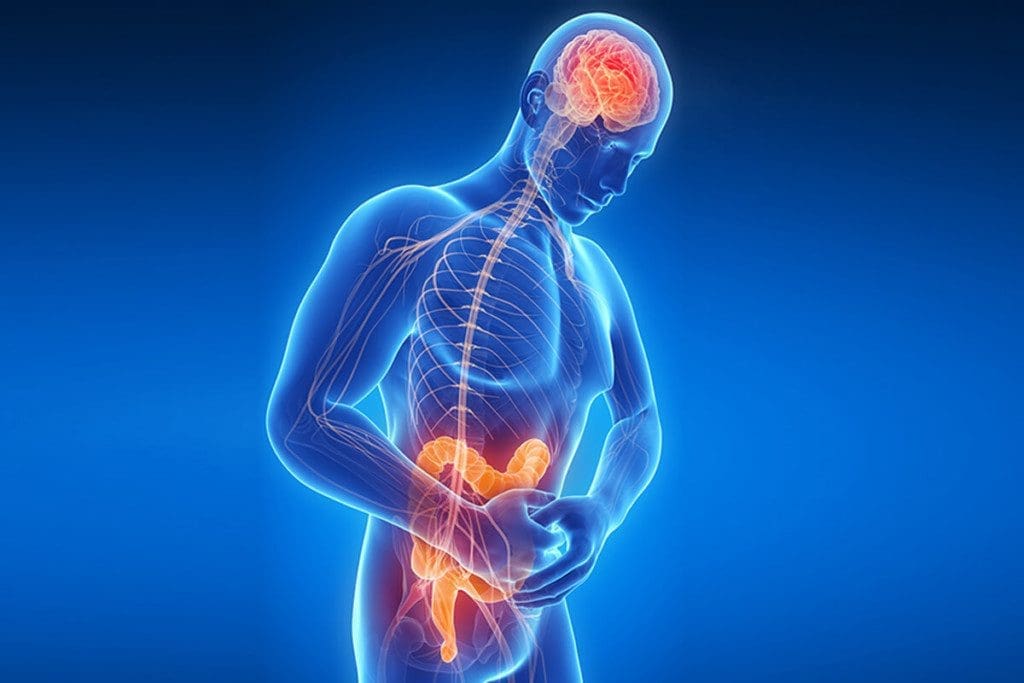
Picture your gut as a lively neighborhood filled with billions of tiny helpers—bacteria that digest food, boost your defenses, and keep your energy up. When balanced, this gut microbiome supports smooth digestion, strong immunity, and even a happy mood. But when harmful bacteria take over, a condition called dysbiosis can cause bloating, fatigue, or bigger health issues (Cleveland Clinic, 2023a). Dysbiosis is triggered by poor diet, antibiotics, stress, or toxins like alcohol, which wipe out good bacteria and let bad ones grow (Mayo Clinic, 2023).
At El Paso’s Chiropractic Rehabilitation Clinic, Dr. Alexander Jimenez, DC, APRN, FNP-BC, uses chiropractic care and integrative therapies like nutrition, exercise, and acupuncture to restore gut balance naturally, especially after injuries (Jimenez, n.d.a). This article dives into how unhealthy bacteria form, their effects, and how Dr. Jimenez’s holistic approach promotes gut wellness for better health and vitality.
The Gut Microbiome: Your Body’s Engine
Your gut microbiome is a bustling community of trillions of microbes—bacteria, fungi, and more—mostly in your large intestine. They break down food fibers, creating short-chain fatty acids that strengthen your gut lining and fuel energy (Cleveland Clinic, 2023b). A balanced microbiome trains your immune system to fight germs without overreacting and helps manage cholesterol and blood sugar for heart health (Northwestern Medicine, n.d.). It also links to your brain via the gut-brain axis, producing mood-lifting chemicals like serotonin (USDA ARS, n.d.).
An imbalanced gut can lead to obesity, diabetes, or mood dips (Davidson et al., 2014). A diverse microbiome is resilient, but modern diets and lifestyles reduce diversity, raising disease risks (UMass Memorial Health, n.d.). A healthy gut means better digestion, stronger immunity, and more energy, as it absorbs nutrients like vitamin B-12 to fight tiredness (GoodRx, 2023).
How Harmful Bacteria Gain Ground
Dysbiosis happens when bad bacteria outgrow the good, driven by diet, medications, and lifestyle. Sugary snacks and processed foods starve beneficial bacteria of fiber, letting harmful ones like E. coli multiply and produce toxins that irritate the gut (Healthline, 2023). Processed food additives can weaken the gut lining, allowing bacteria to leak and spark inflammation (Cleveland Clinic, 2023b). A low-plant diet cuts bacterial diversity by up to 30% (Davidson et al., 2014).
Antibiotics kill harmful bacteria but can wipe out half the good ones, leading to issues like small intestinal bacterial overgrowth (SIBO), where bacteria grow in the wrong place (Mayo Clinic, 2023). A single antibiotic course can disrupt balance for months (USDA ARS, n.d.). Painkillers or antacids alter gut pH, favoring harmful bacteria (GoodRx, 2023).
Stress raises cortisol, slowing digestion and letting harmful bacteria thrive (Better Health Channel, n.d.). Poor sleep cuts good bacteria by about 20%, while alcohol and smoking poison the microbiome (UMass Memorial Health, n.d.). Environmental toxins, like pollutants, further harm diversity (Northwestern Medicine, n.d.). Dysbiosis can cause bloating, irregular bowel movements, or inflammation, which increases the risk of arthritis or infections (Cleveland Clinic, 2023a).
Spotting Gut Imbalance Signs
An unhealthy gut shows up in noticeable ways. Bloating after meals often comes from bad bacteria fermenting food, creating gas (Healthline, 2023). Constipation or diarrhea signals a microbiome out of sync, as beneficial bacteria regulate digestion (Cleveland Clinic, 2023a). Fatigue hits when nutrients aren’t absorbed well (GoodRx, 2023).
Skin issues, like acne or rashes, may stem from a leaky gut, where toxins escape into the bloodstream (UMass Memorial Health, n.d.). Mood swings or anxiety can reflect low serotonin from gut imbalance (USDA ARS, n.d.). Weight changes occur when bacteria alter calorie absorption (Davidson et al., 2014). In the long term, dysbiosis raises risks for diabetes, heart disease, or joint pain from inflammation (Northwestern Medicine, n.d.). Catching early signs, like frequent gas, helps you act quickly.
Fueling Your Gut with Food
Food shapes your microbiome fast. High-fiber foods like broccoli, apples, or oats feed good bacteria, producing anti-inflammatory fatty acids (Healthline, 2023). Fermented foods—yogurt, kimchi, or sauerkraut—deliver probiotics to crowd out bad bacteria (Penn State Health News, 2018). Aim for 25-30 grams of fiber daily from whole grains, fruits, and veggies to boost diversity (GoodRx, 2023).
Sugary or processed foods fuel harmful bacteria, causing energy dips and cravings (Cleveland Clinic, 2023b). Swap them for gut-friendly choices, like berries for snacks or beans in meals. Staying hydrated flushes toxins, aiding digestion (Better Health Channel, n.d.). A Mediterranean diet—rich in plants, fish, and nuts—cuts dysbiosis risks and restores balance quickly (Northwestern Medicine, n.d.).
Daily Habits for Gut Support
Your lifestyle impacts your microbiome. Stress spikes cortisol, slowing digestion and harming good bacteria (UMass Memorial Health, n.d.). Try 10-minute deep breathing or walks to relax. Sleeping seven to nine hours nightly supports bacterial diversity, as less sleep reduces good bacteria (USDA ARS, n.d.).
Exercise, like 30 minutes of walking or yoga, boosts gut blood flow, encouraging healthy bacteria (Penn State Health News, 2018). Avoid smoking and limit alcohol, as both disrupt the microbiome (Cleveland Clinic, 2023a). Handwashing prevents harmful germs from entering the gut (GoodRx, 2023). These small changes can improve gut health in weeks.
Dr. Jimenez’s Approach: Injuries and Gut Health
At El Paso’s Chiropractic Rehabilitation Clinic, Dr. Alexander Jimenez, DC, APRN, FNP-BC, links physical injuries to gut imbalances. His dual expertise as a chiropractor and nurse practitioner shows how trauma from motor vehicle accidents (MVAs), sports, or work injuries disrupts the nervous system, slowing digestion and promoting dysbiosis (Jimenez, n.d.b). “Injuries create stress that impacts gut function,” he explains (Jimenez, n.d.a).
Using advanced diagnostics, Dr. Jimenez combines neuromusculoskeletal imaging, like X-rays, with blood tests to detect inflammation tied to gut issues. A sports injury, for example, might pinch nerves controlling digestion, causing bloating. His clinic treats these with non-surgical methods: spinal adjustments to restore nerve function, ultrasound to reduce swelling, and exercises to strengthen core muscles (Jimenez, n.d.b). For MVA cases, he provides detailed medical-legal documentation, working with specialists for seamless claims.
Integrative therapies enhance recovery. Massage improves gut circulation, acupuncture reduces inflammation, and nutrition plans with fiber and probiotics rebuild beneficial bacteria (Jimenez, n.d.a). A patient with a work-related back strain saw bloating resolve through adjustments and a fiber-rich diet. Dr. Jimenez focuses on root causes, like poor posture, to prevent chronic gut issues and boost vitality.
Chiropractic Care for Gut Balance
Chiropractic care supports the gut by fixing spinal misalignments that disrupt nerve signals to the digestive system. Subluxations can slow gut motility, leading to bloating or dysbiosis (Jimenez, n.d.a). Adjustments restore nerve communication, improving digestion and easing symptoms in weeks (Cleveland Clinic, 2023a). They also calm the gut-brain axis, reducing stress hormones like cortisol that harm good bacteria (USDA ARS, n.d.). Paired with nutrition, chiropractic care speeds microbiome recovery.
Holistic Therapies for Gut Wellness
The clinic’s integrative approach combines natural methods. Exercise, like core-focused yoga, speeds digestion and flushes harmful bacteria (Penn State Health News, 2018). Massage relaxes abdominal muscles, boosting gut circulation (Jimenez, n.d.b). Acupuncture targets points to reduce inflammation and improve motility (Jimenez, n.d.a). These therapies, alongside chiropractic adjustments, address injury-related gut issues and prevent conditions like SIBO.
Boosting Gut Health with Supplements
Probiotics, such as Lactobacillus, introduce beneficial bacteria to combat dysbiosis, while prebiotics, like garlic, nourish them (Healthline, 2023). Omega-3 supplements reduce gut inflammation (GoodRx, 2023). Dr. Jimenez customizes these based on diagnostic tests, ensuring they match patient needs (Jimenez, n.d.b). Consult a healthcare provider before starting supplements.
Preventing Chronic Gut Problems
Preventing long-term gut issues after injuries requires ongoing care. Dr. Jimenez’s plans include regular exercises to maintain spinal alignment, massage for stress relief, and gut-friendly diets to avoid dysbiosis recurrence (Jimenez, n.d.a). Monitoring symptoms like bloating helps adjust care, ensuring lasting gut health.
Patient Success Stories
At the clinic, a patient with an MVA-related back injury saw digestive issues resolve after adjustments and probiotic-rich meals. A runner with gut problems from a sports injury recovered through acupuncture and exercise. These stories highlight the power of integrative care.
Conclusion
A balanced gut fuels energy, immunity, and mood, but dysbiosis from diet, stress, or injuries lets harmful bacteria thrive. At El Paso’s Chiropractic Rehabilitation Clinic, Dr. Alexander Jimenez uses chiropractic care, nutrition, exercise, and acupuncture to restore gut wellness. Start with small steps—eat more fiber, move daily, and visit the clinic. Your gut will reward you with better health and vitality.
References
Better Health Channel. (n.d.). Gut health. https://www.betterhealth.vic.gov.au/health/healthyliving/gut-health
Cleveland Clinic. (2023a). Dysbiosis. https://my.clevelandclinic.org/health/diseases/dysbiosis
Cleveland Clinic. (2023b). Gut microbiome. https://my.clevelandclinic.org/health/body/25201-gut-microbiome
Davidson, J., et al. (2014). 20 things you didn’t know about the human gut microbiome. PMC, 2(3), 165–168. https://pmc.ncbi.nlm.nih.gov/articles/PMC4191858/
GoodRx. (2023). Good gut bacteria vs. bad gut bacteria. https://www.goodrx.com/well-being/gut-health/good-bad-bacteria-gut-health
Healthline. (2023). Gut microbiome and health. https://www.healthline.com/nutrition/gut-microbiome-and-health
Jimenez, A. (n.d.a). Injury specialists. https://dralexjimenez.com/
Jimenez, A. (n.d.b). Dr. Alexander Jimenez, DC, APRN, FNP-BC. https://www.linkedin.com/in/dralexjimenez/
Mayo Clinic. (2023). Small intestinal bacterial overgrowth (SIBO). https://www.mayoclinic.org/diseases-conditions/small-intestinal-bacterial-overgrowth/symptoms-causes/syc-20370168
Northwestern Medicine. (n.d.). What does your gut microbiome have to do with your health? https://www.nm.org/healthbeat/healthy-tips/what-does-gut-microbiome-have-to-do-with-your-health
Penn State Health News. (2018). Small changes make big differences in digestion. https://pennstatehealthnews.org/2018/03/the-medical-minute-small-changes-make-big-differences-in-digestion/
UMass Memorial Health. (n.d.). Dysbiosis: Your microbiome out of balance. https://www.ummhealth.org/simply-well/dysbiosis-your-microbiome-out-of-balance
USDA ARS. (n.d.). Keeping a healthy gut. https://www.ars.usda.gov/oc/utm/keeping-a-healthy-gut/
Professional Scope of Practice *
The information herein on "Nurturing Gut Wellness: Balance Your Microbiome" is not intended to replace a one-on-one relationship with a qualified health care professional or licensed physician and is not medical advice. We encourage you to make healthcare decisions based on your research and partnership with a qualified healthcare professional.
Blog Information & Scope Discussions
Welcome to El Paso's Premier Wellness and Injury Care Clinic & Wellness Blog, where Dr. Alex Jimenez, DC, FNP-C, a Multi-State board-certified Family Practice Nurse Practitioner (FNP-BC) and Chiropractor (DC), presents insights on how our multidisciplinary team is dedicated to holistic healing and personalized care. Our practice aligns with evidence-based treatment protocols inspired by integrative medicine principles, similar to those found on this site and our family practice-based chiromed.com site, focusing on restoring health naturally for patients of all ages.
Our areas of multidisciplinary practice include Wellness & Nutrition, Chronic Pain, Personal Injury, Auto Accident Care, Work Injuries, Back Injury, Low Back Pain, Neck Pain, Migraine Headaches, Sports Injuries, Severe Sciatica, Scoliosis, Complex Herniated Discs, Fibromyalgia, Chronic Pain, Complex Injuries, Stress Management, Functional Medicine Treatments, and in-scope care protocols.
Our information scope is multidisciplinary, focusing on musculoskeletal and physical medicine, wellness, contributing etiological viscerosomatic disturbances within clinical presentations, associated somato-visceral reflex clinical dynamics, subluxation complexes, sensitive health issues, and functional medicine articles, topics, and discussions.
We provide and present clinical collaboration with specialists from various disciplines. Each specialist is governed by their professional scope of practice and their jurisdiction of licensure. We use functional health & wellness protocols to treat and support care for musculoskeletal injuries or disorders.
Our videos, posts, topics, and insights address clinical matters and issues that are directly or indirectly related to our clinical scope of practice.
Our office has made a reasonable effort to provide supportive citations and has identified relevant research studies that support our posts. We provide copies of supporting research studies upon request to regulatory boards and the public.
We understand that we cover matters that require an additional explanation of how they may assist in a particular care plan or treatment protocol; therefore, to discuss the subject matter above further, please feel free to ask Dr. Alex Jimenez, DC, APRN, FNP-BC, or contact us at 915-850-0900.
We are here to help you and your family.
Blessings
Dr. Alex Jimenez DC, MSACP, APRN, FNP-BC*, CCST, IFMCP, CFMP, ATN
email: [email protected]
Multidisciplinary Licensing & Board Certifications:
Licensed as a Doctor of Chiropractic (DC) in Texas & New Mexico*
Texas DC License #: TX5807, Verified: TX5807
New Mexico DC License #: NM-DC2182, Verified: NM-DC2182
Multi-State Advanced Practice Registered Nurse (APRN*) in Texas & Multi-States
Multi-state Compact APRN License by Endorsement (42 States)
Texas APRN License #: 1191402, Verified: 1191402 *
Florida APRN License #: 11043890, Verified: APRN11043890 *
Colorado License #: C-APN.0105610-C-NP, Verified: C-APN.0105610-C-NP
New York License #: N25929, Verified N25929
License Verification Link: Nursys License Verifier
* Prescriptive Authority Authorized
ANCC FNP-BC: Board Certified Nurse Practitioner*
Compact Status: Multi-State License: Authorized to Practice in 40 States*
Graduate with Honors: ICHS: MSN-FNP (Family Nurse Practitioner Program)
Degree Granted. Master's in Family Practice MSN Diploma (Cum Laude)
Dr. Alex Jimenez, DC, APRN, FNP-BC*, CFMP, IFMCP, ATN, CCST
My Digital Business Card
Licenses and Board Certifications:
DC: Doctor of Chiropractic
APRNP: Advanced Practice Registered Nurse
FNP-BC: Family Practice Specialization (Multi-State Board Certified)
RN: Registered Nurse (Multi-State Compact License)
CFMP: Certified Functional Medicine Provider
MSN-FNP: Master of Science in Family Practice Medicine
MSACP: Master of Science in Advanced Clinical Practice
IFMCP: Institute of Functional Medicine
CCST: Certified Chiropractic Spinal Trauma
ATN: Advanced Translational Neutrogenomics
Memberships & Associations:
TCA: Texas Chiropractic Association: Member ID: 104311
AANP: American Association of Nurse Practitioners: Member ID: 2198960
ANA: American Nurse Association: Member ID: 06458222 (District TX01)
TNA: Texas Nurse Association: Member ID: 06458222
NPI: 1205907805
| Primary Taxonomy | Selected Taxonomy | State | License Number |
|---|---|---|---|
| No | 111N00000X - Chiropractor | NM | DC2182 |
| Yes | 111N00000X - Chiropractor | TX | DC5807 |
| Yes | 363LF0000X - Nurse Practitioner - Family | TX | 1191402 |
| Yes | 363LF0000X - Nurse Practitioner - Family | FL | 11043890 |
| Yes | 363LF0000X - Nurse Practitioner - Family | CO | C-APN.0105610-C-NP |
| Yes | 363LF0000X - Nurse Practitioner - Family | NY | N25929 |
Dr. Alex Jimenez, DC, APRN, FNP-BC*, CFMP, IFMCP, ATN, CCST
My Digital Business Card