Table of Contents
Understanding the Sciatic Nerve: Composition, Health Support, and Integrated Care Strategies
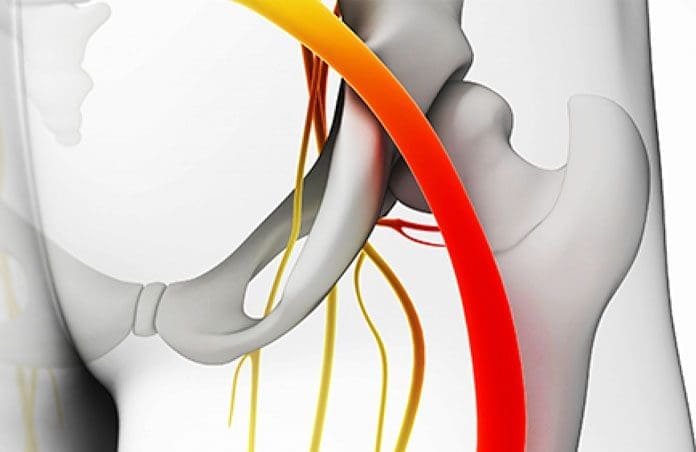
The sciatic nerve plays a key role in how our bodies move and feel. It is the longest and widest nerve in the human body, running from the lower back down through the legs. When it becomes irritated or compressed, it can cause sharp pain, numbness, or tingling that shoots down the leg. This is often called sciatica. Many people deal with this issue, but there are ways to support the health of the nerves without always turning to surgery or strong drugs.
In this article, we will look at how the sciatic nerve is built. We will explain its bundles of nerve fibers, called axons, and the layers of connective tissue that protect them. Then, we will talk about how chiropractic techniques can help by easing pressure on the nerve. We will also cover integrated care, which mixes massage, physical therapy, and good nutrition to promote healing. Drawing from expert insights, including those from Dr. Alexander Jimenez, a chiropractor and nurse practitioner in El Paso, we will show real-world ways these methods work for injuries from work, sports, accidents, and more.
By understanding the structure of the sciatic nerve and its care options, you can take steps to manage pain and improve your daily life. Let’s dive in.
What Is the Sciatic Nerve, and Why Does It Matter?
The sciatic nerve starts in the lower spine. It forms from nerve roots at levels L4 to S3 of the spinal cord. These roots join together to create a thick nerve that travels through the buttocks and down the back of each leg. It branches into smaller nerves that control muscles in the thighs, calves, and feet. It also carries sensations from the skin in those areas back to the brain.
This nerve helps with walking, standing, and feeling touch or pain in the lower body. If something presses on it, like a slipped disk or tight muscles, it can lead to sciatica symptoms. These include burning pain, weakness, or trouble moving the leg. Sciatica affects millions each year and can make simple tasks hard.
Supporting the health of the sciatic nerve is important for staying active. Natural methods focus on fixing the root cause, not just masking pain. They aim to reduce swelling, improve blood flow, and strengthen the body around the nerve.
The Structure of the Sciatic Nerve: Axons and Protective Layers
Nerves are like highways in the body, carrying signals for movement and feeling. The sciatic nerve is a peripheral nerve in the body’s outer network. It is made up of many nerve cells called neurons. Each neuron has a long fiber called an axon that sends electrical messages.
The sciatic nerve contains bundles of these axons. These bundles are grouped into fascicles, which are like cables wrapped together. Each fascicle holds dozens to hundreds of axons. The axons are supported and protected by layers of connective tissue. This tissue acts like insulation and a shield.
The innermost layer is the endoneurium. It wraps around each axon, forming a tube that encloses the nerve fiber and its covering, known as the myelin sheath. Myelin speeds up signals and protects the axon. Next is the perineurium. It surrounds each fascicle, keeping the bundle tight and controlling what passes in and out. The outermost layer is the epineurium. This tough sheath covers the whole nerve, binding all fascicles together and protecting against injury.
In the sciatic nerve, these layers are key. The nerve starts thick, about as wide as a thumb, and splits into the tibial and common peroneal nerves in the leg. The axons do not mix between these branches; they stay separate. This setup lets the nerve handle big jobs, like powering the hamstrings and controlling foot movement.
Connective tissue makes up a large part of the nerve—up to half its bulk in some spots. It gives strength and flexibility. But if the tissue gets inflamed or scarred, it can trap the axons and slow signals. That’s why keeping these layers healthy matters for nerve function.
Problems like compression from a herniated disk can squeeze the epineurium, then the perineurium, and finally the endoneurium. This leads to pain signals firing off. Understanding this structure helps explain why gentle, targeted care is most effective for relief.
Common Causes of Sciatic Nerve Issues
Sciatica often stems from pressure on the nerve roots or the nerve itself. A herniated disk is one of the primary causes of sciatica. The soft cushions between the spine bones can bulge and push on the nerve. Spinal stenosis, where the spinal canal narrows, is another. Bone spurs or thickened ligaments can crowd the space.
Piriformis syndrome happens when the piriformis muscle in the buttocks spasms and pinches the nerve. Injuries from falls, heavy lifting, or car crashes can also inflame the area. Even pregnancy or long sitting can trigger it by changing posture.
In work or sports, repetitive motions or sudden twists lead to these issues. Motor vehicle accidents (MVAs) often cause whiplash-like effects on the lower back. Personal injuries from slips and falls also contribute to the list. Spotting the cause early helps in choosing the right care.
Chiropractic Techniques: Relieving Pressure on the Sciatic Nerve
Chiropractic care focuses on the spine and joints to alleviate nerve pressure. Chiropractors use their hands or tools to adjust misaligned bones. For sciatica, they focus on the lower back. A gentle thrust realigns the vertebrae, creating space for the nerve roots.
This reduces disk bulging and takes weight off the sciatic nerve. Adjustments also relax tight muscles around the spine. Many patients feel less pain after just a few sessions. Studies show chiropractic helps chronic back pain better than meds alone.
Dr. Alexander Jimenez, a chiropractor and nurse practitioner in El Paso, Texas, sees this often in his clinic. With over 20 years of experience, he links patient injuries to spine shifts using dual-scope exams—checking both structure and function. For a construction worker with low back pain from lifting, Dr. Jimenez starts with X-rays and gait analysis. He adjusts the lumbar spine to free the nerve, then adds rehab exercises.
In sports cases, like a runner with leg numbness, he uses advanced imaging, like an MRI, to spot disk issues. His treatments include spinal decompression, which gently stretches the spine to pull disks back. For MVA victims, he documents whiplash effects with detailed reports for insurance and legal needs. This ensures full coverage and proper healing.
Dr. Jimenez stresses that chiropractic finds the cause, not just symptoms. It boosts nerve signals by improving spine alignment, helping the body heal naturally.
Integrated Care: A Team Approach to Nerve Health
Integrated care mixes different therapies for the best results. It coordinates chiropractors, therapists, and nutritionists. The goal is whole-body healing, not isolated fixes. For sciatic nerve health, this means easing pain while building strength.
Massage therapy softens tight muscles that pinch the nerve. Deep tissue work on the glutes and hamstrings increases blood flow and cuts tension. Physical therapy adds targeted exercises. Stretches, such as the piriformis stretch, open the hips, while core work stabilizes the spine.
Nutrition supports nerve repair, too. Vitamins B12 and B-complex coat the myelin sheath, aiding signal speed. Found in fish, eggs, and leafy greens, they fight nerve damage. Alpha-lipoic acid, an antioxidant, reduces swelling and eases neuropathic pain. It’s in spinach and broccoli.
Dr. Jimenez’s clinic in El Paso uses this model. For personal injury cases, such as slip-and-fall accidents, they combine chiropractic adjustments with acupuncture. Needles at key points calm inflammation and release endorphins. His team handles legal paperwork, from initial assessments to progress notes, ensuring patients focus on recovery.
In work injuries, ergonomic advice prevents repeats. Sports rehab includes balance training to avoid twists. For MVAs, they track healing with functional tests. This person-centered care is based on guidelines for coordinated, evidence-based plans.
Integrative methods promote natural healing by addressing body, mind, and lifestyle. They cut reliance on drugs and lower long-term risks like chronic pain.
Massage Therapy: Easing Tension Around the Sciatic Nerve
Massage is a hands-on approach to help alleviate sciatic nerve pain. Therapists use kneading and pressure to loosen the piriformis and lower back muscles. This reduces compression on the nerve bundles.
Swedish massage relaxes surface muscles, while trigger point therapy targets knots. Sessions last 30 to 60 minutes and are typically held on a weekly basis. Patients report less tingling and better mobility.
Combined with chiropractic, it amplifies results. Dr. Jimenez pairs it with adjustments for faster relief in accident cases. For a soccer player with hamstring strain, massage clears scar tissue, letting the nerve glide freely.
Physical Therapy: Building Strength and Flexibility
Physical therapy strengthens the body to protect the nerves. Therapists design plans with stretches and exercises. The McKenzie method helps to centralize pain by extending the spine, pulling it away from the leg.
Aquatic therapy in pools reduces gravity’s pull, making moves easier. Core planks build stability, preventing future slips. Progress is tracked with pain scales and range tests.
In Dr. Jimenez’s practice, PT follows imaging findings. For MVA back strains, they use ultrasound to warm tissues before stretches. This speeds recovery and prevents stiffness.
Nutritional Support: Feeding the Nerves
What you eat affects nerve health. B vitamins are stars here. B12 repairs myelin, while folate and B6 aid neurotransmitter production. Aim for 2.4 mcg of B12 daily from salmon or fortified cereals.
Alpha-lipoic acid fights oxidative stress. Doses of 600 mg daily show pain relief in studies. Omega-3s from fish oil calm inflammation.
Dr. Jimenez counsels on anti-inflammatory diets. For work-related nerve issues, he suggests turmeric and ginger teas. This holistic touch enhances chiropractic gains.
Dr. Jimenez’s Clinical Insights: Real Cases from El Paso
Dr. Alexander Jimenez runs a busy clinic in El Paso, treating diverse injuries. As a DC and APRN, he uses dual diagnosis—spine exams plus functional neurology tests. For a factory worker experiencing repetitive strain, he identifies L5 root compression via EMG. Treatment: adjustments, plus B-vitamin shots.
In sports, a hiker’s sciatica from uneven trails receives decompression therapy. Advanced MRI reveals subtle shifts. Legal docs detail pre- and post-care metrics for claims.
MVA cases involve full-body scans. He correlates whiplash to leg pain, using integrative plans with acupuncture for nerve calm. Personal injuries, like gym slips, get massage and PT to rebuild.
His approach: find causes via imaging, treat with evidence-based tools, and document for legal ease. This prevents chronic issues and promotes peak health.
Treating Specific Injuries: Work, Sports, Personal, and MVAs
Work injuries often involve lifting or bending. Chiropractic realigns the pelvis, and massage eases spasms. Dr. Jimenez’s team adds ergonomic training.
Sports hits cause twists. Targeted exercises rebuild, and acupuncture speeds recovery. Integrated care cuts downtime.
Personal slips lead to falls. Gentle adjustments reduce swelling, and nutrition aids tissue repair.
MVAs jolt the spine. Decompression pulls nerves free, and PT restores motion. Legal notes ensure fair settlements.
These methods promote natural healing, helping to prevent arthritis and weakness.
Promoting Natural Healing and Preventing Long-Term Problems
Chiropractic and friends spark the body’s natural healing process. Adjustments improve circulation, delivering nutrients to axons. Exercise builds resilience, and massage flushes toxins.
Integrative care tackles root causes, like poor posture. Early intervention stops cycles of pain.
Dr. Jimenez helps patients avoid surgery by using integrative care techniques. Regular checkups maintain gains, fostering lifelong wellness.
Conclusion: Take Control of Your Sciatic Nerve Health
The sciatic nerve’s axon bundles and tissue layers need care to thrive. Chiropractic relieves pressure, and integrated therapies provide support from all sides. With the guidance of experts like Dr. Jimenez, you can heal injuries and prevent woes.
Start with a consultation. Move better, hurt less, live fully.

References
Alliance Orthopedics. (n.d.). Do I need a chiropractor or physical therapy for sciatica relief? https://allianceortho.com/do-i-need-a-chiropractor-or-physical-therapy-for-sciatica-relief/
Asuta Health. (n.d.). Natural approaches to neuropathic pain relief: Evidence-based strategies for managing nerve pain. https://asutahealth.org/natural-approaches-to-neuropathic-pain-relief-evidence-based-strategies-for-managing-nerve-pain/
Atlas Pain Specialists. (n.d.). Can a chiropractor help with nerve pain? https://atlaspainspecialists.com/can-a-chiropractor-help-with-nerve-pain/
Byju’s. (n.d.). Nerves. https://byjus.com/biology/nerves/
Cleveland Clinic. (n.d.). Nerves. https://my.clevelandclinic.org/health/body/22584-nerves
Enhanced Living Chiropractic. (n.d.). How chiropractic care can help with sciatica. https://www.enhancedlivingchiro.com/blog/1193309-how-chiropractic-care-can-help-with-sciatica
eMedicine. (n.d.). Neuroanatomy, somatic nervous system. https://emedicine.medscape.com/article/1948687-overview
Get Weave. (n.d.). Integrative health practices. https://www.getweave.com/integrative-health-practices/
IASP. (n.d.). What do we mean by integrative pain care? https://www.iasp-pain.org/resources/fact-sheets/what-do-we-mean-by-integrative-pain-care/
Ideal Spine. (n.d.). Pain, chiropractic care, and the neuromusculoskeletal system. https://idealspine.com/pain-chiropractic-care-and-the-neuromusculoskeletal-system/
Jimenez, A. (n.d.). Dr. Alex Jimenez’s website. https://dralexjimenez.com/
Jimenez, A. (n.d.). Dr. Alex Jimenez’s LinkedIn profile. https://www.linkedin.com/in/dralexjimenez/
Merck Manuals. (n.d.). Nerves. https://www.merckmanuals.com/home/brain-spinal-cord-and-nerve-disorders/biology-of-the-nervous-system/nerves
NCCIH. (n.d.). Complementary, alternative, or integrative health: What’s in a name? https://www.nccih.nih.gov/health/complementary-alternative-or-integrative-health-whats-in-a-name
RxWellness. (n.d.). Natural therapies for nerve damage: A guide to holistic healing solutions. https://www.rxwellness.net/natural-therapies-for-nerve-damage-a-guide-guide-to-holistic-healing-solutions/
ScienceDirect. (n.d.-a). The patient’s chronic neuropathic pain was successfully managed with integrative modalities and medical cannabis. https://www.sciencedirect.com/science/article/abs/pii/S1550830721000057
ScienceDirect. (n.d.-b). Sciatic nerve. https://www.sciencedirect.com/topics/immunology-and-microbiology/sciatic-nerve
SEER Training. (n.d.). Structure of a nerve. https://training.seer.cancer.gov/anatomy/nervous/organization/pns.html
Spine-Health. (n.d.). Sciatic nerve anatomy. https://www.spine-health.com/conditions/spine-anatomy/sciatic-nerve-anatomy
The Spine and Health Center. (n.d.). Chiropractic care role. https://thespineandhealthcenter.com/chiropractic-care-role
Verywell Health. (n.d.). Supplements for neuropathy. https://www.verywellhealth.com/supplements-for-neuropathy-11693153
AAI Doctors. (n.d.). Chiropractic treatment for sciatica. https://www.aaidoctors.com/chiropractic-treatment-for-sciatica/
Alliance Orthopedics. (n.d.). Can chiropractic care help with sciatica? https://allianceortho.com/can-chiropractic-care-help-with-sciatica/
CPI Pain. (n.d.). Intercostal nerve blocks: A game-changer in managing chest and rib pain. https://cpi-pain.com/intercostal-nerve-blocks-a-game-changer-in-managing-chest-and-rib-pain/
Professional Scope of Practice *
The information herein on "Integrative Sciatica Pain Relief Through Chiropractic Care" is not intended to replace a one-on-one relationship with a qualified health care professional or licensed physician and is not medical advice. We encourage you to make healthcare decisions based on your research and partnership with a qualified healthcare professional.
Blog Information & Scope Discussions
Welcome to El Paso's Premier Wellness and Injury Care Clinic & Wellness Blog, where Dr. Alex Jimenez, DC, FNP-C, a Multi-State board-certified Family Practice Nurse Practitioner (FNP-BC) and Chiropractor (DC), presents insights on how our multidisciplinary team is dedicated to holistic healing and personalized care. Our practice aligns with evidence-based treatment protocols inspired by integrative medicine principles, similar to those found on this site and our family practice-based chiromed.com site, focusing on restoring health naturally for patients of all ages.
Our areas of multidisciplinary practice include Wellness & Nutrition, Chronic Pain, Personal Injury, Auto Accident Care, Work Injuries, Back Injury, Low Back Pain, Neck Pain, Migraine Headaches, Sports Injuries, Severe Sciatica, Scoliosis, Complex Herniated Discs, Fibromyalgia, Chronic Pain, Complex Injuries, Stress Management, Functional Medicine Treatments, and in-scope care protocols.
Our information scope is multidisciplinary, focusing on musculoskeletal and physical medicine, wellness, contributing etiological viscerosomatic disturbances within clinical presentations, associated somato-visceral reflex clinical dynamics, subluxation complexes, sensitive health issues, and functional medicine articles, topics, and discussions.
We provide and present clinical collaboration with specialists from various disciplines. Each specialist is governed by their professional scope of practice and their jurisdiction of licensure. We use functional health & wellness protocols to treat and support care for musculoskeletal injuries or disorders.
Our videos, posts, topics, and insights address clinical matters and issues that are directly or indirectly related to our clinical scope of practice.
Our office has made a reasonable effort to provide supportive citations and has identified relevant research studies that support our posts. We provide copies of supporting research studies upon request to regulatory boards and the public.
We understand that we cover matters that require an additional explanation of how they may assist in a particular care plan or treatment protocol; therefore, to discuss the subject matter above further, please feel free to ask Dr. Alex Jimenez, DC, APRN, FNP-BC, or contact us at 915-850-0900.
We are here to help you and your family.
Blessings
Dr. Alex Jimenez DC, MSACP, APRN, FNP-BC*, CCST, IFMCP, CFMP, ATN
email: [email protected]
Multidisciplinary Licensing & Board Certifications:
Licensed as a Doctor of Chiropractic (DC) in Texas & New Mexico*
Texas DC License #: TX5807, Verified: TX5807
New Mexico DC License #: NM-DC2182, Verified: NM-DC2182
Multi-State Advanced Practice Registered Nurse (APRN*) in Texas & Multi-States
Multi-state Compact APRN License by Endorsement (42 States)
Texas APRN License #: 1191402, Verified: 1191402 *
Florida APRN License #: 11043890, Verified: APRN11043890 *
Colorado License #: C-APN.0105610-C-NP, Verified: C-APN.0105610-C-NP
New York License #: N25929, Verified N25929
License Verification Link: Nursys License Verifier
* Prescriptive Authority Authorized
ANCC FNP-BC: Board Certified Nurse Practitioner*
Compact Status: Multi-State License: Authorized to Practice in 40 States*
Graduate with Honors: ICHS: MSN-FNP (Family Nurse Practitioner Program)
Degree Granted. Master's in Family Practice MSN Diploma (Cum Laude)
Dr. Alex Jimenez, DC, APRN, FNP-BC*, CFMP, IFMCP, ATN, CCST
My Digital Business Card
Licenses and Board Certifications:
DC: Doctor of Chiropractic
APRNP: Advanced Practice Registered Nurse
FNP-BC: Family Practice Specialization (Multi-State Board Certified)
RN: Registered Nurse (Multi-State Compact License)
CFMP: Certified Functional Medicine Provider
MSN-FNP: Master of Science in Family Practice Medicine
MSACP: Master of Science in Advanced Clinical Practice
IFMCP: Institute of Functional Medicine
CCST: Certified Chiropractic Spinal Trauma
ATN: Advanced Translational Neutrogenomics
Memberships & Associations:
TCA: Texas Chiropractic Association: Member ID: 104311
AANP: American Association of Nurse Practitioners: Member ID: 2198960
ANA: American Nurse Association: Member ID: 06458222 (District TX01)
TNA: Texas Nurse Association: Member ID: 06458222
NPI: 1205907805
| Primary Taxonomy | Selected Taxonomy | State | License Number |
|---|---|---|---|
| No | 111N00000X - Chiropractor | NM | DC2182 |
| Yes | 111N00000X - Chiropractor | TX | DC5807 |
| Yes | 363LF0000X - Nurse Practitioner - Family | TX | 1191402 |
| Yes | 363LF0000X - Nurse Practitioner - Family | FL | 11043890 |
| Yes | 363LF0000X - Nurse Practitioner - Family | CO | C-APN.0105610-C-NP |
| Yes | 363LF0000X - Nurse Practitioner - Family | NY | N25929 |
Dr. Alex Jimenez, DC, APRN, FNP-BC*, CFMP, IFMCP, ATN, CCST
My Digital Business Card