Table of Contents
Head Injury Evaluation: The Tests Your Nurse Practitioner and Chiropractor May Use
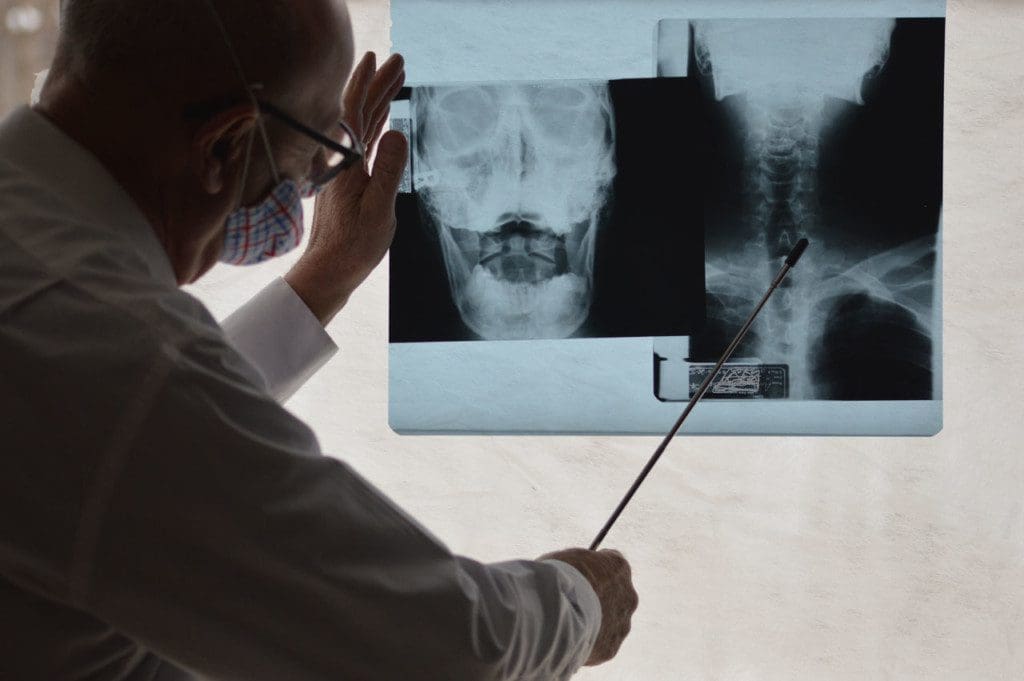
Head injuries can be scary. Symptoms might appear right away or days later. Because of this, nurse practitioners and integrative chiropractors rely on a careful mix of tests to decide whether someone has a brain injury and how serious it is. There is no single “perfect” test, so they combine neurological exams, balance and cognition tests, and imaging and lab work to see the whole picture (NYU Langone Health, n.d.). NYU Langone Health+1
Clinicians like Dr. Alexander Jimenez, DC, APRN, FNP-BC, in El Paso blend medical diagnostics with chiropractic tools. As a dual-scope provider (chiropractor and family nurse practitioner), he uses neurological exams, advanced imaging, and modern chiropractic technology to evaluate complex injuries after car crashes, sports hits, and workplace trauma (Jimenez, 2025; Jimenez, 2024). El Paso, TX Doctor Of Chiropractic+2El Paso, TX Doctor Of Chiropractic+2
This article explains, in simple language, how nurse practitioners and integrative chiropractors test for brain injury, what each test looks for, and how all the results fit into a complete treatment plan.
Why brain injury testing needs a team approach
A brain injury can be caused by:
-
Motor vehicle accidents
-
Sports hits or falls
-
Workplace or military injuries
-
Assaults or other high-impact events
Symptoms can include headaches, confusion, dizziness, vision changes, fatigue, mood shifts, neck pain, and trouble sleeping. But these symptoms can also come from neck injuries, inner-ear problems, or even stress. That is why a team approach helps.
Key reasons testing must be layered:
-
No single test is enough. Major centers like NYU Langone note that concussion diagnosis involves a physical exam, balance tests, cognitive tests, and sometimes imaging—there is no single magic test (NYU Langone Health, n.d.). NYU Langone Health+1
-
Mild TBIs can be “invisible” on imaging. CT and MRI can miss subtle functional changes even when symptoms are strong.
-
Neck and spine injuries often overlap. Chiropractors are trained to evaluate the spine, posture, and nervous system, which can reveal hidden injury patterns after a crash or hit (California Board of Chiropractic Examiners, 2020). California Chiropractic Board+1
-
Nurse practitioners have a full medical scope of practice. They can order imaging, in-vitro lab tests, and referrals to neurology, ENT, or neurosurgery as needed, then coordinate care.
History and symptom interview
Both nurse practitioners and integrative chiropractors start with a detailed conversation. This sets the stage for every other test.
Common questions include:
-
What exactly happened (car crash, fall, sports hit, assault)?
-
Did you lose consciousness, feel dazed, or forget events before/after?
-
Are you having headaches, dizziness, ringing in the ears, nausea, or light sensitivity?
-
Any neck pain, weakness, numbness, or balance trouble?
-
Are symptoms getting better, worse, or staying the same?
-
Are you on blood thinners, or do you have bleeding, clotting, or neurologic conditions?
In Dr. Jimenez’s clinics, this history is paired with a review of past injuries, previous concussions, metabolic issues, and medications, especially for patients recovering from motor-vehicle accidents and high-impact trauma. El Paso, TX Doctor Of Chiropractic+1
Red-flag symptoms (worsening headaches, repeated vomiting, seizures, slurred speech, one-sided weakness, or major confusion) trigger an urgent referral to the emergency department for immediate CT or MRI.
Neurological and physical examination
Next, nurse practitioners and integrative chiropractors perform hands-on exams to check how the brain and nervous system are working.
Core neurological checks
Typical elements include:
-
Level of consciousness and orientation
-
Asking who you are, where you are, and what day it is
-
-
Cranial nerve exam
-
Eye movements, pupil response, facial muscles, vision, hearing, smell, and swallowing
-
-
Strength and sensation
-
Testing arms and legs for weakness, numbness, or tingling
-
-
Reflexes
-
Checking deep tendon reflexes to see if parts of the nervous system are over- or under-reactive
-
-
Coordination and balance
-
Finger-to-nose, heel-to-shin, standing with feet together or in tandem stance
-
Pediatric concussion guidelines describe similar exams in emergency and outpatient settings, including cranial nerve assessment, strength testing, reflex testing, and balance testing (Erdman et al., 2022). SpringerOpen+1
Glasgow Coma Scale (GCS)
For suspected head injuries, both professions may document the Glasgow Coma Scale. This tool scores:
-
Eye opening
-
Verbal response
-
Motor response
It helps grade injury severity and track changes over time and is standard in mild, moderate, and severe TBI care (Borg et al., 2018). purposedrivenchiro.com+1
Spine, posture, and musculoskeletal exam
Integrative chiropractors add a detailed evaluation of the spine and musculoskeletal system:
-
Posture and head-neck alignment
-
Range of motion of the cervical spine
-
Palpation for joint restrictions or spasm
-
Orthopedic tests to stress specific joints or ligaments
Consumer guidelines from chiropractic boards state that chiropractors develop diagnoses based on history, physical exam, and, when needed, diagnostic studies such as X-rays, MRIs, CTs, and lab tests (California Board of Chiropractic Examiners, 2020). California Chiropractic Board+2Department of Consumer Affairs+2
This combination is important because neck injuries, whiplash, and upper-cervical misalignment can amplify headaches, dizziness, and cognitive fog, even when brain imaging is “normal.”
Standardized concussion assessment tools
Beyond the basic exam, nurse practitioners and integrative chiropractors often use structured concussion tools.
SCAT5 and Child SCAT5
The Sport Concussion Assessment Tool 5 (SCAT5) and Child SCAT5 are standardized checklists used worldwide. They include:
-
Symptom checklists
-
Cognitive screening (memory, concentration)
-
Balance and coordination tests
-
GCS scoring and red-flag review
The Child SCAT5 is designed for children aged 5–12, while SCAT5 is used for ages 13 and up (Erdman et al., 2022; Cattonline, n.d.). CHKD+4PMC+4cattonline.com+4
These tools help:
-
Document baseline status and changes over time
-
Support “return to learn” and “return to play” decisions
-
Identify patients who need more advanced testing or referral
Balance Error Scoring System (BESS)
The Balance Error Scoring System (BESS) is a simple yet powerful tool for assessing balance after a concussion. Patients stand in different stances (feet together, single leg, tandem), and the clinician counts balance “errors” such as stepping, opening the eyes, or losing position. Research shows BESS is a commonly used postural stability screen for concussion (Mulligan et al., 2013). PMC+1
Balance testing helps reveal vestibular or cerebellar involvement even when strength is normal.
Examples of bedside balance tools:
-
Static stance tests (feet together, single-leg, tandem)
-
BESS or modified BESS
-
Gait observation, including tandem gait
-
Use of balance platforms or force plates in some clinics PMC+1
Computerized cognitive tests like ImPACT
Computer-based tests are widely used to measure how the brain processes information after a hit.
What ImPACT measures
The ImPACT test is a validated neurocognitive battery that assesses:
-
Visual and verbal memory
-
Reaction time
-
Processing speed
-
Attention and working memory
Chiropractors and other clinicians can use ImPACT for ages 12–80, and an ImPACT Pediatric version is available for ages 5–11 (ImPACT Applications, n.d.). impacttest.com+3impacttest.com+3impacttest.com+3
For integrative chiropractors and nurse practitioners, ImPACT can:
-
Turn vague symptoms (“I feel foggy”) into objective numbers
-
Compare post-injury scores to baseline tests for athletes
-
Track improvement over time
-
Support safe return-to-play, return-to-work, or return-to-driving decisions
Studies of chiropractors show growing knowledge and use of concussion assessment tools, including SCAT and neurocognitive tests, especially in sports settings (Kazemi et al., 2021). PMC+1
Diagnostic imaging—X-ray, CT, and MRI
Imaging plays a crucial role in diagnosing head or neck injuries.
X-rays
Spinal and skull X-rays help identify:
-
Fractures or dislocations
-
Significant degenerative changes
-
Gross alignment problems
Chiropractic consumer guides and glossaries note that X-rays are among the most common imaging tools in chiropractic care, helping evaluate spinal structure before adjustments (California Board of Chiropractic Examiners, 2020; Arrowhead Clinic, n.d.). Tradition Family Chiropractic+3California Chiropractic Board+3Department of Consumer Affairs+3
CT scans
CT scans of the head are usually the first imaging choice when a serious brain injury is suspected. They are fast and good at detecting:
-
Skull fractures
-
Bleeding (hemorrhage)
-
Bruising (contusions)
-
Swelling
Hospitals and concussion centers use CT to rule out life-threatening complications in the first hours after injury (NYU Langone Health, n.d.). NYU Langone Health+1
MRI
MRI of the brain and cervical spine gives more detailed images of soft tissues. MRI can show:
-
Small contusions or microbleeds
-
Diffuse axonal injury
-
Ligament injuries and disc herniations in the neck
Guidelines emphasize MRI when there are persistent symptoms or red flags, or when CT is normal but clinical suspicion remains high (Chiropractic Clinical Practice Guidelines; NYU Langone Health, n.d.). NYU Langone Health+3Chiro.org+3PMC+3
Dynamic or specialty imaging
Some integrative chiropractic and injury-focused clinics also use or refer for:
-
Digital motion X-ray (DMX) to see spine movement and ligament instability after whiplash dallasaccidentandinjuryrehab.com+1
-
Ultrasound for soft-tissue injuries in the neck or jawflspineandinjury.com+1
In Dr. Jimenez’s network, chiropractic and medical providers partner with advanced outpatient imaging centers to get rapid, high-quality MRI and CT studies for complex trauma cases (Jimenez, n.d.). El Paso, TX Doctor Of Chiropractic+1
Advanced chiropractic neurological scanning
Many modern integrative chiropractic offices use non-invasive technologies to assess the nervous system after trauma.
INSiGHT neuroTECH scans
The INSiGHT system combines several tests:
-
Heart rate variability (HRV) – measures autonomic nervous system balance and stress response
-
Surface electromyography (sEMG) – tracks muscle activity and tension along the spine
-
Thermal scanning – detects temperature differences linked to nerve irritation
These tools create a “neural profile,” or CoreScore, to help visualize hidden stress in the nervous system, monitor progress, and guide care plans (Chiropractic Leadership Alliance, n.d.). Kindspine Chiropractic Center+7INSiGHT CLA+7INSiGHT CLA+7
Benefits of neurological scanning after head and neck injury:
-
Objective data to complement the physical exam
-
Tracking changes in muscle tone, nerve stress, and autonomic balance over time
-
Helping patients “see” what is happening, which can improve engagement in care
In integrative clinics like Dr. Jimenez’s, these scans are often paired with traditional imaging and neuro exams to support precise spinal adjustments and rehabilitation programs. El Paso, TX Doctor Of Chiropractic+1
In-vitro diagnostics and blood tests ordered by nurse practitioners
Nurse practitioners can order in vitro diagnostic (IVD) tests, which are lab tests performed on blood, urine, or other body samples. The World Health Organization and FDA describe IVDs as tests used to detect disease, monitor health, and guide treatment (World Health Organization, 2024; U.S. FDA, 2024). Pro Lab+4World Health Organization+4World Health Organization+4
For brain injury, nurse practitioners may order labs to:
-
Rule out infections, anemia, electrolyte problems, or blood sugar swings that worsen confusion
-
Check clotting status in patients on blood thinners
-
Assess inflammation or metabolic stress in complex cases
Common lab tests may include:
-
Complete blood count (CBC)
-
Basic metabolic panel
-
Coagulation profile (INR, PT, aPTT)
-
Inflammatory markers, when appropriate
These lab results do not “prove” a concussion, but they help rule out other medical emergencies and support safe medication and treatment choices.
How integrative teams put it all together
In a clinic like Dr. Jimenez’s, brain injury testing is not a single moment—it is a process.
Example: After a car crash with head and neck pain
-
Triage and red-flag screening
-
If there are severe symptoms, loss of consciousness, or signs of major trauma, the patient is sent directly for emergency imaging and medical care.
-
-
Detailed history and exam in the clinic
-
The nurse practitioner and chiropractor review the crash, symptoms, and past history.
-
They perform neurological, musculoskeletal, and spinal exams, as well as GCS and balance tests. advancedhealthchiropractic.life+4El Paso, TX Doctor Of Chiropractic+4El Paso, TX Doctor Of Chiropractic+4
-
-
Standardized concussion tools
-
SCAT5/Child SCAT5 and BESS are used to document symptoms, cognition, and balance.
-
If appropriate, an ImPACT test is performed to gather objective cognitive data.impacttest.com+5impacttest.com+5PMC+5
-
-
Imaging and labs
-
Nurse practitioner orders CT or MRI for worrisome signs, and X-rays or cervical MRI if neck injury is suspected.
-
In-vitro blood tests check for other medical risks or contributing conditions. U.S. Food and Drug Administration+3California Chiropractic Board+3Chiro.org+3
-
-
Advanced chiropractic diagnostics
-
INSiGHT scans, sEMG, thermography, and posture assessments help identify stress in the nervous system and spinal issues that could make headaches, dizziness Upper Cervical Chiropractic of Monmouth+4INSiGHT CLA+4INSiGHT CLA+4
-
-
Integrated treatment plan
-
Chiropractic adjustments and soft-tissue work are tailored to restore cervical alignment and improve nervous-system function.
-
Nurse practitioner coordinates medications, sleep support, nutrition, and referrals to neurology, vestibular rehab, or physical therapy as needed.
-
Re-testing (SCAT, ImPACT, balance, INSiGHT scans) tracks progress over weeks and months. El Paso, TX Health Coach Clinic+3El Paso, TX Doctor Of Chiropractic+3Sciatica Pain Clinic El Paso+3
-
This two-part approach is designed to identify both clear and hidden injury signs, help ensure a safe recovery, and create solid records for personal injury or workers’ compensation cases if needed.
When should you seek emergency care?
While office-based testing is powerful, some situations require immediate emergency evaluation rather than waiting for a clinic visit.
Seek emergency care or call emergency services if a person with a head injury has:
-
Worsening or severe headache
-
Repeated vomiting
-
Seizures
-
Slurred speech or trouble walking
-
Weakness or numbness in the face, arms, or legs
-
Unequal pupils or major vision changes
-
Increasing confusion, agitation, or unusual behavior
-
Any loss of consciousness in a high-risk setting (fast car crash, big fall, etc.)
Hospitals have 24/7 access to CT, MRI, and trauma teams, which is crucial for life-threatening conditions.
What this means for patients and families
If you or a loved one has a possible brain injury, it helps to know that nurse practitioners and integrative chiropractors are not “guessing.” They are using:
-
Structured neurological and physical exams
-
Standardized concussion tools like SCAT5, Child SCAT5, BESS, and ImPACT
-
Modern imaging: X-ray, CT, and MRI
-
Non-invasive neurological scans such as HRV, sEMG, and thermography
-
In-vitro lab testing to rule out other medical problems
In integrative practices like Dr. Alexander Jimenez’s in El Paso, these tests are combined into a coordinated care plan that assesses the brain, spine, nerves, and whole-body health, not just one body part. El Paso Back Clinic® • 915-850-0900+4El Paso, TX Doctor Of Chiropractic+4El Paso, TX Doctor Of Chiropractic+4
If you’re worried about a head injury, the safest step is to:
-
Be honest about all your symptoms
-
Get a full exam by a qualified provider
-
Ask what tests are being used and why
-
Follow up if symptoms change or don’t improve

References
California Board of Chiropractic Examiners. (2020). A consumer’s guide to chiropractic care. https://www.chiro.ca.gov California Chiropractic Board
Chiropractic Leadership Alliance. (n.d.). INSiGHT scanning technologies. https://insightcla.com INSiGHT CLA+1
Erdman, N. K., et al. (2022). Clinical utility of the Child SCAT5 for acute concussion. Sports Medicine – Open. https://sportsmedicine-open.springeropen.com SpringerOpen
ImPACT Applications. (n.d.). Chiropractor’s role in concussion management. https://impacttest.com impacttest.com+3impacttest.com+3impacttest.com+3
Jimenez, A. (n.d.). El Paso, TX doctor of chiropractic – Imaging & diagnostics. https://dralexjimenez.com El Paso, TX Doctor Of Chiropractic+1
Jimenez, A. (2024). Safe chiropractic care in El Paso: What to expect. https://dralexjimenez.com El Paso, TX Doctor Of Chiropractic
Kazemi, M., et al. (2021). Concussion knowledge among North American chiropractors. Journal of the Canadian Chiropractic Association. https://pmc.ncbi.nlm.nih.gov/articles/PMC8791549/ PMC
Mulligan, I. J., et al. (2013). Balance Error Scoring System learned response among young adults. Journal of Athletic Training. https://pmc.ncbi.nlm.nih.gov/articles/PMC3548663/ PMC
NYU Langone Health. (n.d.). Concussion: Diagnosis & concussion center. https://nyulangone.org NYU Langone Health+3NYU Langone Health+3NYU Langone Health+3
World Health Organization. (2024). Diagnostics – Health topics. https://www.who.int/health-topics/diagnostics World Health Organization+1
U.S. Food and Drug Administration. (2024). In vitro diagnostics (IVD). https://www.fda.gov U.S. Food and Drug Administration
Arrowhead Clinic. (n.d.). Diagnostic imaging in chiropractic care. https://www.arrowheadclinic.com Arrowhead Clinic
Dallas Accident & Injury Rehab. (2023). Chiropractic diagnostics for auto-accident injuries. https://dallasaccidentandinjuryrehab.com dallasaccidentandinjuryrehab.com
Injury2Wellness. (2024). Revolutionizing injury diagnosis: Advanced chiropractic tools explained. https://injury2wellness.com injury2wellness.com
Florida Spine and Injury. (2018). How do chiropractors diagnose injuries? https://www.flspineandinjury.com flspineandinjury.com
Princeton Chiropractic. (n.d.). Computerized diagnostic testing: Thermography, sEMG, HRV. https://www.princetonchiropractic.com Princeton Chiropractic Wellness Center
Tradition Health. (2024). X-rays and diagnostic imaging for corrective chiropractic care. https://traditionhealth.com Tradition Family Chiropractic
Professional Scope of Practice *
The information herein on "Head Injury Evaluation and Its Importance in Care" is not intended to replace a one-on-one relationship with a qualified health care professional or licensed physician and is not medical advice. We encourage you to make healthcare decisions based on your research and partnership with a qualified healthcare professional.
Blog Information & Scope Discussions
Welcome to El Paso's Premier Wellness and Injury Care Clinic & Wellness Blog, where Dr. Alex Jimenez, DC, FNP-C, a Multi-State board-certified Family Practice Nurse Practitioner (FNP-BC) and Chiropractor (DC), presents insights on how our multidisciplinary team is dedicated to holistic healing and personalized care. Our practice aligns with evidence-based treatment protocols inspired by integrative medicine principles, similar to those found on this site and our family practice-based chiromed.com site, focusing on restoring health naturally for patients of all ages.
Our areas of multidisciplinary practice include Wellness & Nutrition, Chronic Pain, Personal Injury, Auto Accident Care, Work Injuries, Back Injury, Low Back Pain, Neck Pain, Migraine Headaches, Sports Injuries, Severe Sciatica, Scoliosis, Complex Herniated Discs, Fibromyalgia, Chronic Pain, Complex Injuries, Stress Management, Functional Medicine Treatments, and in-scope care protocols.
Our information scope is multidisciplinary, focusing on musculoskeletal and physical medicine, wellness, contributing etiological viscerosomatic disturbances within clinical presentations, associated somato-visceral reflex clinical dynamics, subluxation complexes, sensitive health issues, and functional medicine articles, topics, and discussions.
We provide and present clinical collaboration with specialists from various disciplines. Each specialist is governed by their professional scope of practice and their jurisdiction of licensure. We use functional health & wellness protocols to treat and support care for musculoskeletal injuries or disorders.
Our videos, posts, topics, and insights address clinical matters and issues that are directly or indirectly related to our clinical scope of practice.
Our office has made a reasonable effort to provide supportive citations and has identified relevant research studies that support our posts. We provide copies of supporting research studies upon request to regulatory boards and the public.
We understand that we cover matters that require an additional explanation of how they may assist in a particular care plan or treatment protocol; therefore, to discuss the subject matter above further, please feel free to ask Dr. Alex Jimenez, DC, APRN, FNP-BC, or contact us at 915-850-0900.
We are here to help you and your family.
Blessings
Dr. Alex Jimenez DC, MSACP, APRN, FNP-BC*, CCST, IFMCP, CFMP, ATN
email: [email protected]
Multidisciplinary Licensing & Board Certifications:
Licensed as a Doctor of Chiropractic (DC) in Texas & New Mexico*
Texas DC License #: TX5807, Verified: TX5807
New Mexico DC License #: NM-DC2182, Verified: NM-DC2182
Multi-State Advanced Practice Registered Nurse (APRN*) in Texas & Multi-States
Multi-state Compact APRN License by Endorsement (42 States)
Texas APRN License #: 1191402, Verified: 1191402 *
Florida APRN License #: 11043890, Verified: APRN11043890 *
Colorado License #: C-APN.0105610-C-NP, Verified: C-APN.0105610-C-NP
New York License #: N25929, Verified N25929
License Verification Link: Nursys License Verifier
* Prescriptive Authority Authorized
ANCC FNP-BC: Board Certified Nurse Practitioner*
Compact Status: Multi-State License: Authorized to Practice in 40 States*
Graduate with Honors: ICHS: MSN-FNP (Family Nurse Practitioner Program)
Degree Granted. Master's in Family Practice MSN Diploma (Cum Laude)
Dr. Alex Jimenez, DC, APRN, FNP-BC*, CFMP, IFMCP, ATN, CCST
My Digital Business Card
Licenses and Board Certifications:
DC: Doctor of Chiropractic
APRNP: Advanced Practice Registered Nurse
FNP-BC: Family Practice Specialization (Multi-State Board Certified)
RN: Registered Nurse (Multi-State Compact License)
CFMP: Certified Functional Medicine Provider
MSN-FNP: Master of Science in Family Practice Medicine
MSACP: Master of Science in Advanced Clinical Practice
IFMCP: Institute of Functional Medicine
CCST: Certified Chiropractic Spinal Trauma
ATN: Advanced Translational Neutrogenomics
Memberships & Associations:
TCA: Texas Chiropractic Association: Member ID: 104311
AANP: American Association of Nurse Practitioners: Member ID: 2198960
ANA: American Nurse Association: Member ID: 06458222 (District TX01)
TNA: Texas Nurse Association: Member ID: 06458222
NPI: 1205907805
| Primary Taxonomy | Selected Taxonomy | State | License Number |
|---|---|---|---|
| No | 111N00000X - Chiropractor | NM | DC2182 |
| Yes | 111N00000X - Chiropractor | TX | DC5807 |
| Yes | 363LF0000X - Nurse Practitioner - Family | TX | 1191402 |
| Yes | 363LF0000X - Nurse Practitioner - Family | FL | 11043890 |
| Yes | 363LF0000X - Nurse Practitioner - Family | CO | C-APN.0105610-C-NP |
| Yes | 363LF0000X - Nurse Practitioner - Family | NY | N25929 |
Dr. Alex Jimenez, DC, APRN, FNP-BC*, CFMP, IFMCP, ATN, CCST
My Digital Business Card