Table of Contents
Weekend Athletes, Safer Backs: A Simple Guide to Common Musculoskeletal Injuries and Smarter Play

Summary: If you sit most of the week and then go hard on the weekend, you are a “weekend warrior.” That pattern can still be healthy, but it raises your risk of sprains, strains, tendinitis, and low-back flare-ups—especially when you skip warm-ups or spike your training. This guide explains what typically gets hurt, why it happens, how to prevent it, and how an integrative care approach (chiropractic care, medical evaluation, and targeted rehabilitation) supports a safe return to the activities you love (Weill Cornell Medicine, 2024; Riverside Health System, 2025). (Weill Cornell Medicine)
Who are “weekend warriors,” and why do they get hurt?
Weekend warriors are individuals who are mostly sedentary during the week, then engage in intense activity on Saturday or Sunday. This big change in load stresses tissues that haven’t been trained during the week. Most injuries result from overuse, sudden movements, or inadequate preparation—such as cutting hard during a game after five days of inactivity, or lifting quickly with a cold back (Aligned Orthopedic Partners, 2024). (Aligned Orthopedic Partners)
The good news: research shows you can still gain major health benefits even if most of your exercise is on one or two days—if the total weekly volume is right and you build up smartly (Mass General Brigham/Circulation, 2024; TCTMD, 2025). That means 150+ minutes of moderate or 75+ minutes of vigorous activity per week, with smart progressions (not sudden jumps). (Mass General Brigham, 2024; TCTMD, 2025). (Massachusetts General Hospital)
The injuries you’re most likely to see
1) Sprains and strains
- Sprain = stretched/torn ligament (joint stabilizer).
- Strain = stretched/torn muscle or tendon (mover).
Common signs include pain, swelling, and limited motion. Strains often add muscle spasm or cramping; sprains can cause joint “giving way.” (Mass General Brigham, 2025; Pinnacle Vitality, n.d.). (Mass General Brigham)
2) Tendinitis and overuse pain
Repetitive motions (running, swinging, typing) irritate tendons and sometimes nearby nerves, causing aching, “pins and needles,” or weakness. These work-style loads can stack with weekend sports and tip tissues over the edge (MyShortlister, 2023). (Shortlister)
3) Knee, shoulder, and ankle injuries lead the list
Emergency clinicians most often see knee, shoulder, and ankle problems, with sprains/strains outnumbering fractures. Early care and proper support speed recovery (Weill Cornell Medicine, 2024). (Weill Cornell Medicine)
4) Low-back flares
Poor lifting form, quick twists, and weak hip-core control can trigger back pain and radiating symptoms. Nerve irritation in the lumbar region can cause pain, tingling, or numbness that may travel down the leg (Cleveland Clinic, 2023). (Cleveland Clinic)
Why they happen: three simple drivers
- Overuse: Too much, too soon—tissues aren’t ready.
- Sudden movement: Quick cuts, awkward landings, or twisting under load.
- Poor preparation: No warm-up, deconditioned muscles, or worn-out shoes.
These factors are the backbone of most musculoskeletal injuries (Aligned Orthopedic Partners, 2024; Riverside Health System, 2025). (Aligned Orthopedic Partners)
Prevention that actually works (and doesn’t take much time)
Warm up and cool down. Do 5–10 minutes of light cardio and dynamic moves (leg swings, arm circles, lunges). After play, ease into slow stretches. Skipping warm-ups is a fast way to get hurt (Riverside, 2025; Appleton Chiropractic, n.d.). (riversideonline.com)
Build up gradually. Increase duration or intensity by ~10% per week. Alternate high- and low-impact days. Don’t push through sharp pain (Riverside, 2025). (riversideonline.com)
Move a little mid-week. Even 15–30 minutes on two or three weekdays can improve tissue tolerance and reduce weekend injury risk (Emory Healthcare, n.d.). (emoryhealthcare.org)
Use the right gear. Supportive footwear and sport-specific equipment reduce joint stress. Replace running shoes regularly (Riverside, 2025). (riversideonline.com)
Sleep, fuel, and hydrate. Under-fueling and poor sleep increase cramps and fatigue. Aim for water throughout the day and 7–9 hours of sleep (Riverside, 2025). (riversideonline.com)
Quick self-care when something “tweaks”
First 24–72 hours: Follow PRICE—Protect, Rest, Ice (20 minutes on), Compress, Elevate—for swelling and pain control (Weill Cornell Medicine, 2024). (Weill Cornell Medicine)
See a clinician now if you notice any of these red flags:
- Severe swelling or deformity
- Inability to bear weight or lift the arm
- Numbness, tingling, or weakness
- Back pain with loss of bladder/bowel control, or progressive leg weakness
- Pain that doesn’t improve after a few days of basic care
Early care prevents small issues from becoming chronic (Riverside Health System, 2025). (riversideonline.com)
What to know about imaging and diagnosis
Most sprains and strains don’t need immediate imaging. Clinicians start with a history and examination; an X-ray checks for a fracture. If symptoms persist or nerve signs appear, an MRI or ultrasound can be used to assess the soft tissues (Weill Cornell Medicine, 2024). In complex cases—like high-grade ligament tears, severe disc symptoms, or motor-vehicle trauma—advanced imaging guides care and documents the injury (Jimenez, 2025a; 2025b). (Weill Cornell Medicine)
An integrative care model that fits weekend athletes
A practical route for many active adults is integrative musculoskeletal care, which combines chiropractic methods, medical evaluation, and guided rehabilitation. In El Paso, nurse practitioner and chiropractor Dr. Alexander Jimenez, DC, APRN, FNP-BC, illustrates this “dual-scope” approach:
- Dual-scope diagnosis: As both a chiropractor and board-certified family nurse practitioner, he can order and interpret imaging, perform musculoskeletal exams, and connect structural findings with whole-person health (Jimenez, 2025b; LinkedIn profile, 2025). (El Paso, TX Doctor Of Chiropractic)
- Treatment procedures: Plans can blend spinal and extremity adjustments, soft-tissue work, therapeutic exercise, and medical oversight for pain and inflammation as needed (Jimenez, main site, 2025). (El Paso, TX Doctor Of Chiropractic)
- Diagnostic assessments & advanced imaging: MRI/CT/X-ray or musculoskeletal ultrasound when exam findings suggest significant tissue damage or nerve involvement (Jimenez, 2025a; 2025c). (El Paso, TX Doctor Of Chiropractic)
- Injury types covered: Work overuse, sports strains and sprains, personal injuries, and motor-vehicle accidents (MVAs) with thorough documentation (Jimenez, Personal Injury; 2025d). (El Paso, TX Doctor Of Chiropractic)
- Medical-legal documentation: Clear notes, imaging summaries, and progress reports help coordinate with attorneys and insurers when cases require it (Jimenez, 2025e; 2025f). (El Paso, TX Doctor Of Chiropractic)
Why this matters to you: When a clinic coordinates hands-on care, rehab, and imaging, you get faster answers, safer progressions, and better support if the injury is tied to work or an accident (Jimenez, 2025d; Aligned Orthopedic Partners, 2024). (El Paso, TX Doctor Of Chiropractic)
Sprains vs. strains vs. tendinitis—quick comparison
- Sprain (ligament): Often after a twist; swelling, bruising, and joint instability; graded I–III.
- Strain (muscle/tendon): Often occurs after a sprint or lift, characterized by pain with contraction and spasms.
- Tendinitis: Overuse pain at the tendon; tender to the touch; worse with repeated motion.
Source summaries: Mass General Brigham (2025); NIAMS (2024); MyShortlister (2023). (Mass General Brigham)
Your low-back and hip “control center”
A strong, mobile lumbopelvic region protects your back during weekend spikes in activity. When core and hip muscles are weak, your spine absorbs more force during activities such as lifting, sprinting, or quick cuts. Nerve irritation in the lower back may cause radiating pain or numbness down a leg; improving mobility in the back and hips reduces this risk (Cleveland Clinic, 2023). (Cleveland Clinic)
Build it with:
- Hip hinge practice (body-weight deadlift pattern)
- Planks and side-planks (20–40 seconds, 2–3 sets)
- Split squats or step-ups (8–12 reps)
- Hip mobility: 90/90 sits or kneeling hip-flexor stretches (20–30 seconds)
A simple mid-week plan (so weekends don’t wreck you)
Two 25-minute “bridge” sessions during the week do wonders:
Day A (lower-body/hips)
- 5 min brisk walk
- 10 min circuit ×2: body-weight squats 12, step-ups 10/side, split-squat 8/side
- 5 min core: plank 30s ×2, side-plank 20s/side ×2
- 5 min mobility: calf, hamstring, hip-flexor stretches
Day B (upper-body/shoulders/back)
- 5 min arm circles + light band rows
- 10 min circuit ×2: push-ups 8–12, band rows 12–15, band “T” raises 10–12
- 5 min core: dead bug 6/side, bird-dog 6/side
- 5 min mobility: pec stretch, thoracic rotations
Game day: 5–10 min light jog or brisk walk + dynamic moves; cool down and hydrate (Riverside, 2025; Appleton Chiropractic, n.d.). (riversideonline.com)
When to get extra help (and what it might include)
- Keeps hurting after 3–7 days of PRICE and activity tweaks
- Can’t load the joint or keep losing motion/strength
- Nerve signs (numbness/tingling/weakness), especially down a leg or into the arm
An integrative clinic may combine:
- Chiropractic adjustments to restore joint motion and reduce pain
- Targeted exercise therapy to fix strength and mobility gaps
- Soft-tissue therapy or massage for trigger points and overuse pain
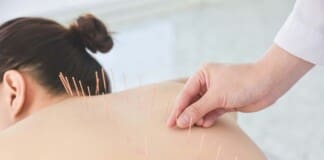
- Acupuncture for pain control and recovery support
- Imaging when the exam suggests a higher-grade injury or nerve compromise
These elements are consistently reported across multiple reliable sources and clinical models (Get Radiant Life, 2024; Aligned Orthopedic Partners, 2024; Jimenez, 2025). (Radiant Life Chiropractic)
Work and weekday habits matter more than you think
Hours of sitting, poor posture, and repetitive tasks at work can increase the load on muscles, tendons, and nerves. That load carries into your weekend sport. Micro-breaks, posture adjustments, and moderate mid-week activity can reduce tissue stress and improve weekend tolerance (MyShortlister, 2023). (Shortlister)
A smarter return-to-play checklist
Move on when you can check these boxes:
- Pain-free daily tasks and normal sleep
- Full, pain-free range of motion for the joint or region
- Strength symmetry (both sides feel equally strong in simple tests)
- Basic sport drills (jog-cut-jog; easy swings or serves) without symptoms
If any step hurts or feels unstable, step back and repeat the phase. When in doubt, get a guided plan (Weill Cornell Medicine, 2024). (Weill Cornell Medicine)
Key takeaways for weekend athletes
- You can be healthy training mostly on weekends—but build up gradually and do short mid-week sessions (Mass General Brigham, 2024; TCTMD, 2025). (Massachusetts General Hospital)
- Most injuries fall into the categories of sprains, strains, and tendinitis—treat them early, then rebuild strength and mobility (MGB, 2025; Weill Cornell, 2024). (Mass General Brigham)
- Warm-ups, smart shoes, sleep, and hydration are simple, high-impact habits (Riverside, 2025). (riversideonline.com)
- Integrative care—chiropractic + rehab + medical evaluation—supports faster, safer returns and covers imaging or legal documentation if the injury involves work or MVAs (Jimenez, 2025a–f). (El Paso, TX Doctor Of Chiropractic)
Final word
You don’t need a pro’s schedule to stay healthy. Do a little during the week, warm up well, and build up slowly. If something hurts, start care early and get help from a clinician who can coordinate movement, rehabilitation, and medical evaluation—and help you safely return to your favorite weekend routine.

References
- Aligned Orthopedic Partners. (2024, July 23). Musculoskeletal injuries: Causes and treatments. https://alignedortho.com/musculoskeletal-injuries-causes-and-treatments/ (Aligned Orthopedic Partners)
- Cleveland Clinic. (2023, June 21). Sciatica: What it is, causes, symptoms, treatment & pain relief. https://my.clevelandclinic.org/health/diseases/12792-sciatica (Cleveland Clinic)
- Emory Healthcare. (n.d.). Calling all weekend warriors: Prevent injury with expert advice. https://www.emoryhealthcare.org/stories/ortho/calling-weekend-warriors-prevent-injury-expert-advice (emoryhealthcare.org)
- Get Radiant Life. (2024). Chiropractic care for weekend warriors. https://getradiantlife.com/chiropractic-care-for-weekend-warriors/ (Radiant Life Chiropractic)
- Jimenez, A. (2025a). Motor vehicle accidents: Posture problems and recovery. https://dralexjimenez.com/motor-vehicle-accidents-posture-problems-and-recovery/amp/ (El Paso, TX Doctor Of Chiropractic)
- Jimenez, A. (2025b). Chiropractic and integrative care for drivers in El Paso. https://dralexjimenez.com/chiropractic-and-integrative-care-for-drivers-in-el-paso/ (El Paso, TX Doctor Of Chiropractic)
- Jimenez, A. (2025c). Chiropractic emotional stress treatment and integrative care. https://dralexjimenez.com/chiropractic-emotional-stress-treatment-and-integrative-care/ (El Paso, TX Doctor Of Chiropractic)
- Jimenez, A. (2025d). El Paso Injury Chiropractor: Your recovery partner. https://dralexjimenez.com/el-paso-injury-chiropractor-your-recovery-partner/amp/ (El Paso, TX Doctor Of Chiropractic)
- Jimenez, A. (2025e). Auto accident legal support and chiropractic care. https://dralexjimenez.com/auto-accident-legal-support-and-chiropractic-care/ (El Paso, TX Doctor Of Chiropractic)
- Jimenez, A. (2025f). Chiropractic healing after accidents: How it works. https://dralexjimenez.com/chiropractic-healing-after-accidents-how-it-works/ (El Paso, TX Doctor Of Chiropractic)
- Mass General Brigham. (2024, Sept 26). “Weekend warrior” physical activity may help protect against 200+ diseases. https://www.massgeneral.org/news/press-release/weekend-warrior-physical-activity-protect-against-200-diseases (Massachusetts General Hospital)
- MyShortlister. (2023). The most common work-related musculoskeletal disorders. https://www.myshortlister.com/insights/work-related-musculoskeletal-disorders (Shortlister)
- NIAMS (National Institute of Arthritis and Musculoskeletal and Skin Diseases). (2024). Sports injuries—Types, symptoms, & risk factors. https://www.niams.nih.gov/health-topics/sports-injuries (niams.nih.gov)
- Pinnacle Vitality. (n.d.). Sprains vs. strains: Understanding the differences, symptoms, and recovery options. https://pinnaclevitality.ca/posts/blog/ (Pinnacle Vitality)
- Riverside Health System. (2025, Apr 15). Stay in the game: Top 5 tips to avoid common weekend warrior injuries. https://www.riversideonline.com/patients-and-visitors/healthy-you-blog/blog/s/stay-in-the-game-top-5-tips-to-avoid-common-weekend-warrior-injuries (riversideonline.com)
- Riverside Health System. (2025, Apr 23). When to see a doctor for a sports injury. https://www.riversideonline.com/patients-and-visitors/healthy-you-blog/blog/w/when-to-see-a-doctor-for-a-sports-injury (riversideonline.com)
- Weill Cornell Medicine. (2024, Nov 7). Sports-related injuries: An emergency medicine doctor’s perspective. https://weillcornell.org/news/sports-related-injuries-an-emergency-medicine-doctor%E2%80%99s-perspective (Weill Cornell Medicine)
- Appleton Chiropractic. (n.d.). Sports injuries. https://appletonchiro.com/conditions/sports-injuries/ (Appleton Chiropractic)
- Shiroma et al., 2019; Ren et al., 2025; and press summaries from ABC and Medical News Today report similar findings—condensed weekly activity can still reduce disease risk when weekly minutes are sufficient. See PMC6295264, PMC12229127, and related coverage (Shiroma et al., 2019; Ren et al., 2025). Medical News Today+3PubMed Central+3PubMed Central+3
Professional Scope of Practice *
The information herein on "Chiropractic for Weekend Warriors: Stay Active Safely" is not intended to replace a one-on-one relationship with a qualified health care professional or licensed physician and is not medical advice. We encourage you to make healthcare decisions based on your research and partnership with a qualified healthcare professional.
Blog Information & Scope Discussions
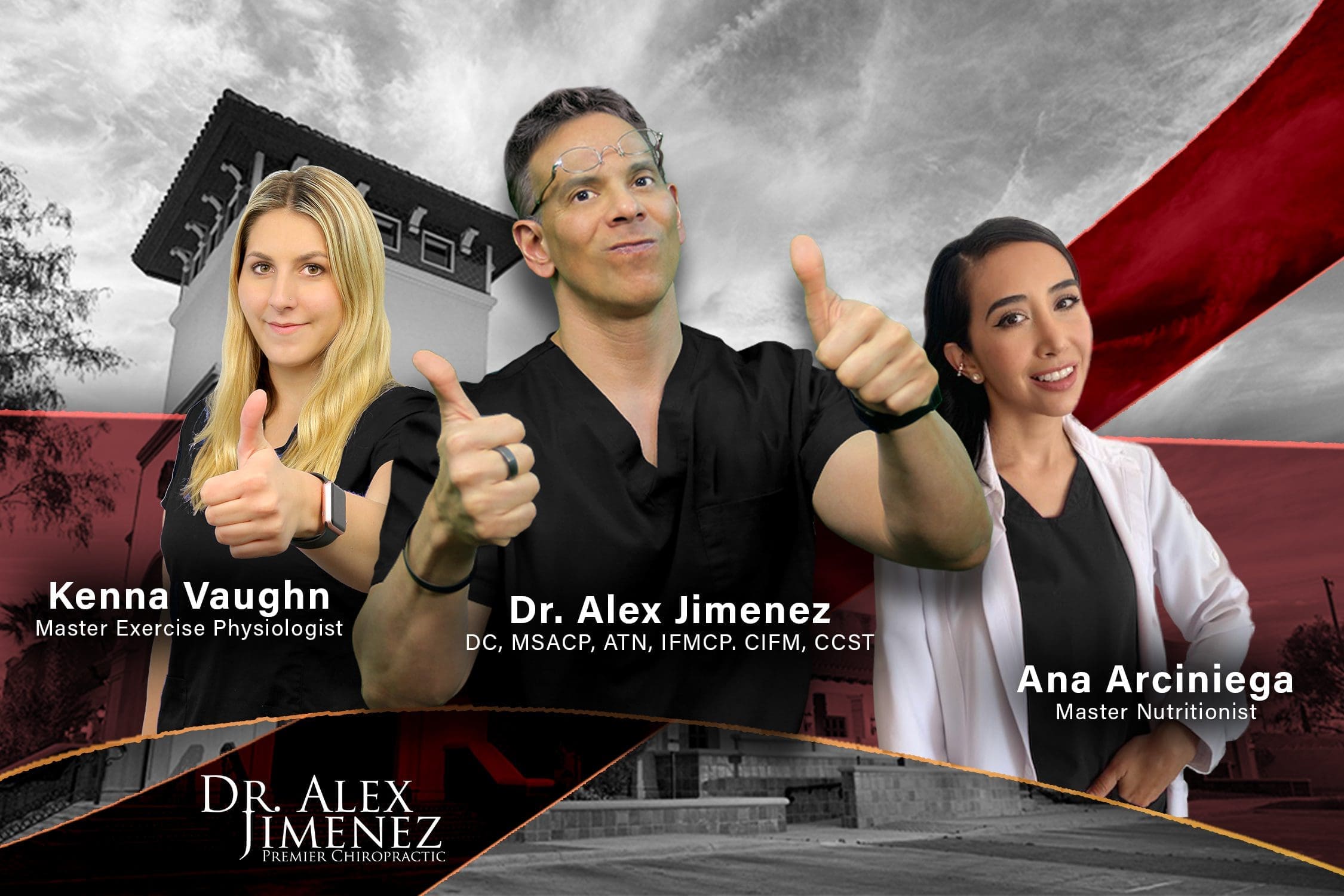
Welcome to El Paso's Premier Wellness and Injury Care Clinic & Wellness Blog, where Dr. Alex Jimenez, DC, FNP-C, a Multi-State board-certified Family Practice Nurse Practitioner (FNP-BC) and Chiropractor (DC), presents insights on how our multidisciplinary team is dedicated to holistic healing and personalized care. Our practice aligns with evidence-based treatment protocols inspired by integrative medicine principles, similar to those found on this site and our family practice-based chiromed.com site, focusing on restoring health naturally for patients of all ages.
Our areas of multidisciplinary practice include Wellness & Nutrition, Chronic Pain, Personal Injury, Auto Accident Care, Work Injuries, Back Injury, Low Back Pain, Neck Pain, Migraine Headaches, Sports Injuries, Severe Sciatica, Scoliosis, Complex Herniated Discs, Fibromyalgia, Chronic Pain, Complex Injuries, Stress Management, Functional Medicine Treatments, and in-scope care protocols.
Our information scope is multidisciplinary, focusing on musculoskeletal and physical medicine, wellness, contributing etiological viscerosomatic disturbances within clinical presentations, associated somato-visceral reflex clinical dynamics, subluxation complexes, sensitive health issues, and functional medicine articles, topics, and discussions.
We provide and present clinical collaboration with specialists from various disciplines. Each specialist is governed by their professional scope of practice and their jurisdiction of licensure. We use functional health & wellness protocols to treat and support care for musculoskeletal injuries or disorders.
Our videos, posts, topics, and insights address clinical matters and issues that are directly or indirectly related to our clinical scope of practice.
Our office has made a reasonable effort to provide supportive citations and has identified relevant research studies that support our posts. We provide copies of supporting research studies upon request to regulatory boards and the public.
We understand that we cover matters that require an additional explanation of how they may assist in a particular care plan or treatment protocol; therefore, to discuss the subject matter above further, please feel free to ask Dr. Alex Jimenez, DC, APRN, FNP-BC, or contact us at 915-850-0900.
We are here to help you and your family.
Blessings
Dr. Alex Jimenez DC, MSACP, APRN, FNP-BC*, CCST, IFMCP, CFMP, ATN
Email: [email protected]
Multidisciplinary Licensing & Board Certifications:
Licensed as a Doctor of Chiropractic (DC) in Texas & New Mexico*
Chiropractic Licenses:
Texas DC License #: TX5807, Verified: TX5807
New Mexico DC License #: NM-DC2182, Verified: NM-DC2182
Nurse Practitioner Licenses:
Texas APRN License #: 1191402, Verified: 1191402 *
New Mexico CNP License #: 90560, Verified 90560
Florida APRN License #: 11043890, Verified: APRN11043890 *
Colorado License #: C-APN.0105610-C-NP, Verified: C-APN.0105610-C-NP
New York License #: N25929, Verified N25929
Georgia APRN License #: GAA-NP005701
Multi-State Advanced Practice Registered Nurse (APRN*) Texas & Multi-States
Multi-state Compact APRN License by Endorsement (43 States)
Compact Status: Multi-State License: Authorized to Practice in 43 States*
Nursing Licensure Compact: Updated Here
DEA Registration: (Drug Enforcement Agency Registered)
All medical (MDs) and family practice providers (FNP-APRN) are registered and licensed to offer various levels of medication.
Verify Providers Here
License Verification Link: Nursys License Verifier
* Prescriptive Authority Authorized (DEA Registered Providers). Call if Required
Board Certification:
ANCC FNP-BC: Board Certified Nurse Practitioner*
Education:
Graduate with Honors: ICHS: MSN-FNP (Family Nurse Practitioner Program)
Degree Granted. Master's in Family Practice, MSN Diploma (Cum Laude)
Dr. Alex Jimenez, DC, APRN, FNP-BC*, CFMP, IFMCP, ATN, CCST
(Board Certified: Family Practice Nurse Practitioner—Multistate)*
(Licensed Nurse Practitioner & Chiropractor - Multistate)*
Clinical Director
DC & FNP License (Review Above)
Digital Business Card
NPI: 1205907805
Dr. Maria Cardenas, MD
(Board Certified: Internal Medicine)
(Licensed Medical Doctor)
Medical Director, Clinical Director & Collaborative Physician
NPI # 1164426748
MD License #: J2933
Licenses and Board Certifications:
MD: Medical Doctor
DC: Doctor of Chiropractic
APRNP: Advanced Practice Registered Nurse
FNP-BC: Family Practice Specialization (Multi-State Board Certified)
FNP-BC: Family Practice Across Life Span (Neonatal to Geriatrics)
RN: Registered Nurse (Multi-State Compact License)
CFMP: Certified Functional Medicine Provider
MSN-FNP: Master of Science in Family Practice Medicine
MSACP: Master of Science in Advanced Clinical Practice
IFMCP: Institute of Functional Medicine
CCST: Certified Chiropractic Spinal Trauma
ATN: Advanced Translational Neutrogenomics
Family with Primary Care Focus (Family Nurse Practitioner or FNP)
- The Family Nurse Practitioner (FNP) promotes, maintains, and restores health for individuals and families across the lifespan. FNPs also identify health risks, promote wellness, and diagnose and manage acute and chronic illness.
- The FNP focuses on comprehensive primary care, promoting healthy lifestyles for patients across the lifespan in settings such as private practice, physician offices, and community health centers.
Memberships & Associations:
TCA: Texas Chiropractic Association: Member ID: 104311
TNA: Texas Nurse Association: Member ID: 06458222
TNP: Texas Nurse Practitioner Association ID: 2025091511
AANP: American Association of Nurse Practitioners: Member ID: 2198960
ANA: American Nurses Association: Member ID: 06458222 (District TX01)
| Primary Taxonomy | Selected Taxonomy | State | License Number |
|---|---|---|---|
| No | 111N00000X - Chiropractor | NM | DC2182 |
| Yes | 111N00000X - Chiropractor | TX | DC5807 |
| Yes | 363LF0000X - Nurse Practitioner - Family | TX | 1191402 |
| Yes | 363LF0000X - Nurse Practitioner - Family | FL | 11043890 |
| Yes | 363LF0000X - Nurse Practitioner - Family | CO | C-APN.0105610-C-NP |
| Yes | 363LF0000X - Nurse Practitioner - Family | NY | N25929 |
| Yes | 363LF0000X - Nurse Practitioner - Family | NM |
90560 |
| Yes | 363LF0000X - Nurse Practitioner - Family | GA | GAA-NP005701 |
Dr. Alex Jimenez, DC, APRN, FNP-BC*, CFMP, IFMCP, ATN, CCST
(Board Certified: Family Practice Nurse Practitioner—Multistate)*
(Primary Care Across Lifespan—Neonatal / Pediatric / Adult / Geriatrics)
(Licensed Nurse Practitioner & Chiropractor - Multistate)*
Clinical Director
Digital Business Card
NPI: 1205907805
Dr. Maria Cardenas, MD
(Board Certified: Internal Medicine)*
(Licensed Medical Doctor)*
Medical Director, Clinical Director & Collaborative Physician
NPI # 1164426748
MD License #: J2933
📆 Schedule Appointment: Schedule 24/7 (Click Here)