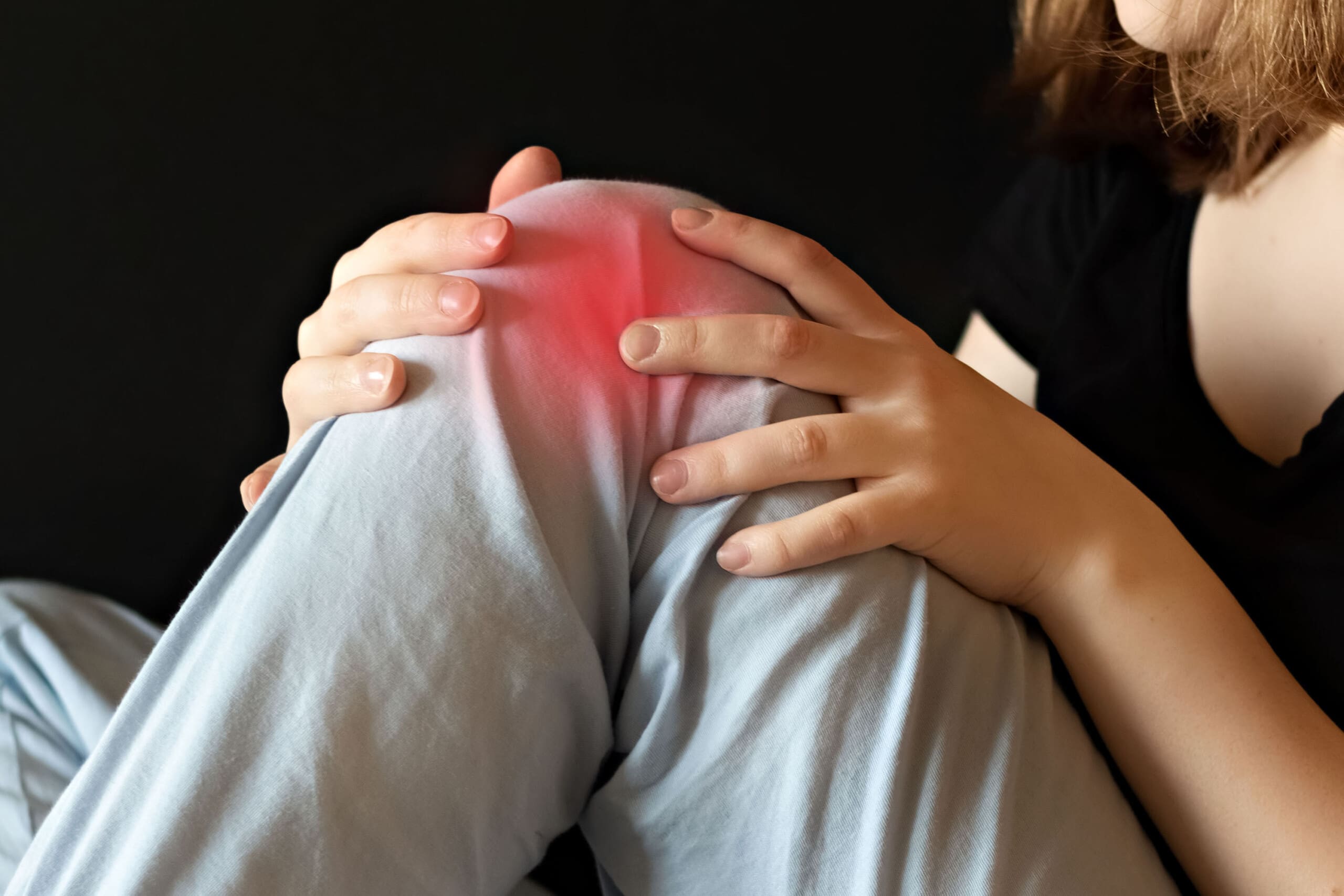
Find out how chiropractic care can provide relief from knee pain related to ligament injuries and improve your quality of life.
Table of Contents
Chiropractic Care for Knee Pain: A Comprehensive Guide to Ligament Injuries and Recovery
Knee pain can be a real pain in the… well, knee. Whether you’re an athlete dodging tackles like a ninja, a weekend warrior who tripped over the dog, or someone just trying to survive a grocery store sprint, your knees take a beating. Ligament injuries in the lower extremities, particularly the knee, can turn simple tasks like walking into a grim comedy of errors—think slipping on a banana peel but with a lot more wincing. Fortunately, chiropractic care offers a non-invasive, holistic approach to managing knee pain and promoting recovery, especially for ligament injuries. In this comprehensive guide, we’ll dive into the clinical rationale behind chiropractic care for knee pain, explore the role of the musculoskeletal system in the lower extremities, examine environmental factors that contribute to knee issues, and highlight the expertise of Dr. Alexander Jimenez, a distinguished chiropractor in El Paso, Texas, who bridges medical and legal needs for personal injury victims. With a sprinkle of dark humor to keep things light, we’ll also cover diagnostic tools, bracing, and exercises to help you get back on your feet—literally.
The Musculoskeletal System and Knee Ligaments: The Body’s Suspension System
Your knees are like the suspension system of a car—designed to absorb shocks, keep you balanced, and let you cruise through life. But when the ligaments (the tough, fibrous bands connecting bones) get damaged, it’s like driving with a busted shock absorber. The musculoskeletal system in the lower extremities, particularly the knee, is a complex network of bones, muscles, tendons, and ligaments working together to provide stability and mobility.
Key Ligaments of the Knee
The knee relies on four major ligaments to keep it stable:
- Anterior Cruciate Ligament (ACL): Prevents the tibia from sliding too far forward and stabilizes the knee during pivoting movements. It’s the one athletes dread tearing, often with a dramatic pop that sounds like a horror movie sound effect.
- Posterior Cruciate Ligament (PCL): Keeps the tibia from sliding backward. Less commonly injured, but when it happens, it’s like your knee’s saying, “I’m taking a vacation.”
- Medial Collateral Ligament (MCL): Provides stability on the inner side of the knee, resisting valgus (outward) forces. Think of it as the knee’s loyal guard dog.
- Lateral Collateral Ligament (LCL): Stabilizes the outer side, countering varus (inward) forces. It’s the quieter sibling but just as crucial.
These ligaments, along with the menisci (cartilage pads) and surrounding muscles like the quadriceps and hamstrings, form a dynamic system. When one part fails, the whole system feels it, like a poorly timed pratfall in a silent comedy.
How Ligament Injuries Happen
Ligament injuries often result from trauma, overuse, or degenerative changes. Common culprits include:
- Acute Trauma: Sudden twists, falls, or impacts (e.g., a soccer player’s pivot gone wrong or a car accident’s whiplash to the knee).
- Repetitive Stress: Overuse from activities like running or jumping, especially on unforgiving surfaces like concrete, can strain ligaments over time.
- Degenerative Processes: Aging or conditions like osteoarthritis can weaken ligaments, making them prone to injury, as noted in studies on knee osteoarthritis (Hunter et al., 2018).
When ligaments are sprained or torn, they cause pain, swelling, and instability. For example, an ACL tear can lead to varus-valgus instability, where the knee wobbles like a bad comedian bombing on stage (Sonnery-Cottet et al., 2017). This instability can disrupt daily activities and increase the risk of further damage, like meniscal tears or cartilage degradation.
References:
- Hunter, D. J., Bierma-Zeinstra, S., & Bierma-Zeinstra, S. (2018). Effectiveness of a new model of primary care management on knee pain and function in patients with knee osteoarthritis: Protocol for THE PARTNER STUDY. BMC Musculoskeletal Disorders, 19(1), 132. https://doi.org/10.1186/s12891-018-2048-0
- Sonnery-Cottet, B., Saithna, A., & Helito, C. P. (2017). Varus-valgus instability in the anterior cruciate ligament-deficient knee: Effect of posterior tibial load. PubMed. https://pubmed.ncbi.nlm.nih.gov/28321429/
Environmental Factors Contributing to Knee Pain and Ligament Injuries
Your environment can be a sneaky villain in the saga of knee pain, lurking like a prankster ready to trip you up. Various external factors can stress the musculoskeletal system, leading to ligament injuries and chronic discomfort.
1. Surface and Footwear
Running or walking on hard surfaces like concrete can increase impact forces on the knees, stressing ligaments over time. Poor footwear—like those flimsy flip-flops you insist on wearing to the gym—can exacerbate misalignment, leading to uneven stress on the MCL or LCL. Dr. Alexander Jimenez emphasizes the importance of proper footwear to support biomechanical alignment, reducing strain on knee ligaments (Jimenez, 2025).
2. Occupational and Lifestyle Factors
Jobs requiring repetitive kneeling, squatting, or heavy lifting (think construction workers or delivery drivers) can overload the knee’s ligaments. Sedentary lifestyles are equally guilty, weakening supporting muscles and leaving ligaments vulnerable, like a stagehand forgetting to secure the props before the big scene.
3. Sports and Physical Activity
High-impact sports like basketball or skiing often lead to ligament injuries due to sudden directional changes or collisions. The posterolateral corner of the knee, a complex area involving multiple ligaments, is particularly susceptible in rotational injuries (Crespo et al., 2016). Even recreational activities, like an overzealous Zumba class, can push your knees past their limits.
4. Environmental Toxins and Nutrition
Exposure to environmental toxins, like PFAS (“forever chemicals”), can contribute to systemic inflammation, indirectly affecting joint health (Jimenez, 2025). Poor nutrition, such as diets low in anti-inflammatory nutrients, can exacerbate conditions like osteoarthritis, which weakens ligaments over time (Hunter et al., 2018).
5. Accidents and Trauma
Motor vehicle accidents (MVAs) are a leading cause of ligament injuries, especially in El Paso, where Dr. Jimenez treats many personal injury cases. A sudden impact can cause the knee to hyperextend or twist, leading to sprains or tears. It’s like your knee starring in its own action movie, but without the happy ending.
References:
- Crespo, B., James, E. W., & LaPrade, R. F. (2016). Posterolateral corner of the knee: Current concepts. PubMed. https://pubmed.ncbi.nlm.nih.gov/27085334/
- Hunter, D. J., Bierma-Zeinstra, S., & Bierma-Zeinstra, S. (2018). Effectiveness of a new model of primary care management on knee pain and function in patients with knee osteoarthritis: Protocol for THE PARTNER STUDY. BMC Musculoskeletal Disorders, 19(1), 132. https://doi.org/10.1186/s12891-018-2048-0
- Jimenez, A. (2025). Dr. Alexander Jimenez, DC, APRN, FNP-BC, IFMCP, CFMP, ATN ♛ – Injury Medical Clinic PA | LinkedIn. https://www.linkedin.com/in/dralexjimenez/
The Clinical Rationale for Chiropractic Care in Knee Pain Management
Chiropractic care might sound like something out of a slapstick routine—crack, pop, and you’re good to go—but it’s grounded in science and clinical reasoning. Dr. Alexander Jimenez, a chiropractor and nurse practitioner in El Paso, Texas, uses a dual-scope approach to treat knee pain associated with ligament injuries, combining musculoskeletal adjustments with functional medicine principles.
Why Chiropractic Care Works
- Restoring Biomechanical Alignment:
- Ligament injuries often cause joint misalignment, leading to compensatory movements that stress other structures. Chiropractic adjustments realign the knee joint, reducing pressure on damaged ligaments and promoting healing. It’s like fixing a wobbly table before it collapses under Thanksgiving dinner (Jimenez, 2016).
- Adjustments also improve joint mobility, which is critical for recovery, as noted in studies on musculoskeletal pain management (Hawk et al., 2020).
- Reducing Inflammation and Pain:
- Techniques like soft-tissue therapy and manual adjustments reduce inflammation by improving blood flow and lymphatic drainage. This helps alleviate pain without relying on medications, which can have side effects like turning you into a zombie from a bad sci-fi flick.
- Dr. Jimenez’s integrative approach includes nutritional counseling to reduce systemic inflammation, further supporting ligament recovery (Jimenez, 2025).
- Strengthening Supporting Muscles:
- Weak quadriceps or hamstrings can exacerbate ligament instability. Chiropractic care often includes targeted exercises to strengthen these muscles, improving knee stability. Post-exercise stretching, as supported by research, enhances recovery by improving range of motion and reducing soreness (Afonso et al., 2021).
- Dr. Jimenez’s “PUSH-as-Rx” system emphasizes functional fitness to rebuild strength and agility (Jimenez, 2025).
- Addressing the Whole Body:
- Knee pain often stems from issues elsewhere, like spinal misalignments or hip imbalances. Chiropractors assess the entire kinetic chain to ensure holistic treatment, preventing the knee from becoming the punchline in a chain of injuries.
Evidence-Based Support
Research supports chiropractic care for musculoskeletal issues. A clinical guideline by Hawk et al. (2020) highlights its effectiveness for chronic pain, including knee-related conditions. Additionally, chiropractic care complements other treatments, such as bracing, which can stabilize the knee during recovery (Mayo Clinic Health System, 2023). For osteoarthritis-related knee pain, bracing combined with chiropractic interventions improves function and reduces symptoms (Bennell et al., 2021).
References:
- Afonso, J., Clemente, F. M., & Nakamura, F. Y. (2021). The effectiveness of post-exercise stretching in short-term and delayed recovery of strength, range of motion, and delayed onset muscle soreness: A systematic review and meta-analysis of randomized controlled trials. PubMed. https://pubmed.ncbi.nlm.nih.gov/34001146/
- Bennell, K. L., Paterson, K. L., & Metcalf, B. R. (2021). Clinical and cost-effectiveness of bracing in symptomatic knee osteoarthritis management: Protocol for a multicentre, primary care, randomised, parallel-group, superiority trial. PubMed. https://pubmed.ncbi.nlm.nih.gov/33737306/
- Hawk, C., Schneider, M. J., & Ferrance, R. J. (2020). Best practices for chiropractic management of patients with chronic musculoskeletal pain: A clinical practice guideline. Journal of Alternative and Complementary Medicine, 26(10), 884-901. https://doi.org/10.1089/acm.2020.0181
- Jimenez, A. (2016). Reducing pre- and post-workout knee pain. El Paso Chiropractor Blog. https://www.elpasochiropractorblog.com/2016/05/reducing-pre-and-post-workout-knee-pain.html
- Jimenez, A. (2025). Dr. Alexander Jimenez, DC, APRN, FNP-BC, IFMCP, CFMP, ATN ♛ – Injury Medical Clinic PA | LinkedIn. https://www.linkedin.com/in/dralexjimenez/
- Mayo Clinic Health System. (2023). To brace or not to brace: What’s best? https://www.mayoclinichealthsystem.org/hometown-health/speaking-of-health/to-brace-or-not-to-brace-whats-best
Dr. Alexander Jimenez: El Paso’s Personal Injury Expert
In El Paso, Texas, Dr. Alexander Jimenez stands out as a beacon of hope for personal injury victims, particularly those with knee ligament injuries from motor vehicle accidents (MVAs). With over 34 years of experience as a chiropractor and nurse practitioner, Dr. Jimenez combines advanced diagnostics with chiropractic care to create tailored treatment plans. His dual-scope approach—integrating musculoskeletal and medical perspectives—makes him uniquely qualified to handle complex cases.
Advanced Imaging and Diagnostics
Dr. Jimenez uses cutting-edge imaging, such as MRI and CT scans, to assess ligament damage with precision. For example, MRI is highly sensitive (78-100%) for detecting ACL tears, showing signs like non-visualization or wavy appearance of the ligament (Jimenez, 2018). These diagnostics allow him to pinpoint the extent of injuries, from grade 1 sprains to complete ruptures, ensuring accurate treatment.
Dual-Scope Procedures
His practice bridges medical and legal needs by providing detailed documentation for personal injury claims. Using dual-scope procedures, Dr. Jimenez combines chiropractic adjustments with functional medicine assessments to address both physical injuries and systemic factors (e.g., inflammation or hormonal imbalances). This holistic approach ensures patients recover while supporting their legal cases with robust medical evidence.
Legal-Medical Liaison
In personal injury cases, accurate documentation is critical for fair compensation. Dr. Jimenez’s expertise in advanced diagnostics and his role as a liaison between medical and legal systems ensure that patients’ injuries are thoroughly evaluated and reported. His work helps victims navigate the complex aftermath of MVAs, from whiplash to knee ligament tears, with comprehensive care and legal support (Jimenez, 2024).
References:
- Jimenez, A. (2018). Knee pain & acute trauma diagnosis imaging part I. El Paso Back Clinic. https://elpasobackclinic.com/knee-pain-acute-trauma-diagnosis-imaging-part-i
- Jimenez, A. (2024). Rehabilitation with Dr. Jimenez: Comprehensive recovery solutions. El Paso Chiropractor Blog. https://www.elpasochiropractorblog.com/2025/07/rehabilitation-with-dr-jimenez-comprehensive-recovery-solutions.html
- Jimenez, A. (2025). Dr. Alexander Jimenez, DC, APRN, FNP-BC, IFMCP, CFMP, ATN ♛ – Injury Medical Clinic PA | LinkedIn. https://www.linkedin.com/in/dralexjimenez/
Diagnostic Tools for Knee Ligament Injuries
Diagnosing knee ligament injuries requires a combination of clinical tests and imaging to avoid missing the mark—like a doctor playing pin-the-tail-on-the-donkey with your knee. Common tools include:
1. McMurray’s Test
The McMurray’s test assesses meniscal tears, which often accompany ligament injuries. The clinician rotates the tibia while flexing and extending the knee, looking for pain or clicking. While useful, its accuracy depends on the practitioner’s skill, with studies showing variable sensitivity (Meserve et al., 2017).
2. Joint Line Tenderness
Palpating the knee’s joint line can reveal tenderness, indicating ligament or meniscal damage. This is often paired with valgus-varus stress tests to assess MCL and LCL stability (Versus Arthritis, n.d.).
3. Imaging
- X-rays: Rule out fractures, like tibial plateau fractures, which can complicate ligament injuries (Jimenez, 2018).
- MRI: The gold standard for soft tissue injuries, showing detailed ligament and meniscal damage.
- CT Scans: Useful for complex fractures or pre-operative planning.
4. Functional Assessments
Dr. Jimenez uses functional medicine assessments to evaluate systemic factors, like inflammation or nutritional deficiencies, that may slow recovery (Jimenez, 2025). These comprehensive evaluations ensure a holistic approach to diagnosis.
References:
- Jimenez, A. (2018). Knee pain & acute trauma diagnosis imaging part I. El Paso Back Clinic. https://elpasobackclinic.com/knee-pain-acute-trauma-diagnosis-imaging-part-i/
- Jimenez, A. (2025). Dr. Alexander Jimenez, DC, APRN, FNP-BC, IFMCP, CFMP, ATN ♛ – Injury Medical Clinic PA | LinkedIn. https://www.linkedin.com/in/dralexjimenez/
- Meserve, B. B., Cleland, J. A., & Boucher, T. R. (2017). A meta-analysis examining clinical test performance for assessing meniscal injury. North American Journal of Sports Physical Therapy, 12(2), 97-104. https://pmc.ncbi.nlm.nih.gov/articles/PMC5389077/
- Versus Arthritis. (n.d.). Examination of the knee. https://www.versusarthritis.org/about-arthritis/healthcare-professionals/examination-of-the-knee/
Knee Pain Rehabilitation- Video

Bracing and Exercises for Knee Ligament Injuries
Bracing and exercises are like the sidekicks to chiropractic care’s superhero—essential for support and recovery.
Bracing: To Brace or Not to Brace?
Bracing stabilizes the knee, reducing stress on injured ligaments. Mayo Clinic Health System (2023) notes that braces can be particularly effective for osteoarthritis-related knee pain, which often involves ligament stress. A randomized trial found bracing to be cost-effective for managing knee osteoarthritis symptoms, improving function when combined with therapies like chiropractic care (Bennell et al., 2021). However, over-reliance on braces can weaken muscles, so they’re best used as part of a comprehensive plan.
Knee Exercises
Strengthening and stretching exercises are critical for recovery. OrthoInfo from the AAOS recommends:
- Quadriceps Sets: Tighten the thigh muscle while keeping the leg straight to improve stability.
- Hamstring Curls: Strengthen the back of the thigh to support the PCL and MCL.
- Straight Leg Raises: Build quadriceps strength without stressing the knee joint.
Post-exercise stretching enhances flexibility and reduces soreness, as supported by a meta-analysis (Afonso et al., 2021). Dr. Jimenez incorporates these exercises into his “PUSH-as-Rx” system, tailoring them to individual needs (Jimenez, 2025).
References:
- Afonso, J., Clemente, F. M., & Nakamura, F. Y. (2021). The effectiveness of post-exercise stretching in short-term and delayed recovery of strength, range of motion, and delayed onset muscle soreness: A systematic review and meta-analysis of randomized controlled trials. PubMed. https://pubmed.ncbi.nlm.nih.gov/34001146/
- Bennell, K. L., Paterson, K. L., & Metcalf, B. R. (2021). Clinical and cost-effectiveness of bracing in symptomatic knee osteoarthritis management: Protocol for a multicentre, primary care, randomised, parallel-group, superiority trial. PubMed. https://pubmed.ncbi.nlm.nih.gov/33737306/
- Jimenez, A. (2025). Dr. Alexander Jimenez, DC, APRN, FNP-BC, IFMCP, CFMP, ATN ♛ – Injury Medical Clinic PA | LinkedIn. https://www.linkedin.com/in/dralexjimenez/
- Mayo Clinic Health System. (2023). To brace or not to brace: What’s best? https://www.mayoclinichealthsystem.org/hometown-health/speaking-of-health/to-brace-or-not-to-brace-whats-best
- OrthoInfo – AAOS. (n.d.). Knee exercises. https://orthoinfo.aaos.org/en/recovery/knee-exercises/
The Role of Chiropractic Care in Personal Injury Cases
Personal injury cases, especially those involving MVAs, are a significant focus in El Paso, where Dr. Jimenez’s practice thrives. Knee ligament injuries from accidents can be debilitating, often requiring long-term rehabilitation. Dr. Jimenez’s expertise in chiropractic care and functional medicine makes him a trusted practitioner for victims seeking recovery and legal recourse.
Comprehensive Care for MVA Victims
MVAs can cause a range of injuries, from ACL tears to posterolateral corner damage, often accompanied by symptoms like joint line tenderness or crepitus (a crunchy sound that’s less fun than it sounds) (Roos et al., 2018). Dr. Jimenez’s integrative approach includes:
- Chiropractic Adjustments: To restore joint alignment and reduce pain.
- Physical Therapy: To rebuild strength and mobility.
- Functional Medicine: To address systemic factors like inflammation or nutritional deficiencies.
Legal Documentation
Dr. Jimenez’s use of advanced imaging and dual-scope diagnostics provides detailed reports that support personal injury claims. His ability to document injuries accurately ensures that victims receive fair compensation while focusing on recovery (Jimenez, 2024).
References:
- Jimenez, A. (2024). Rehabilitation with Dr. Jimenez: Comprehensive recovery solutions. El Paso Chiropractor Blog. https://www.elpasochiropractorblog.com/2025/07/rehabilitation-with-dr-jimenez-comprehensive-recovery-solutions.html
- Roos, E. M., Arden, N. K., & Lohmander, L. S. (2018). Subjective crepitus as a risk factor for incident symptomatic knee osteoarthritis: Data from the Osteoarthritis Initiative. PubMed. https://pubmed.ncbi.nlm.nih.gov/29426040/
Conclusion: A Serious Note on Knee Pain Recovery
While we’ve had some fun comparing knee pain to comedic mishaps, the reality of ligament injuries is no laughing matter. Knee pain can significantly impact your quality of life, limiting mobility and causing chronic discomfort. Chiropractic care, as practiced by experts like Dr. Alexander Jimenez in El Paso, Texas, offers a holistic, non-invasive approach to managing knee pain and promoting recovery. By addressing biomechanical misalignments, reducing inflammation, and incorporating exercises and bracing, chiropractic care can help you regain function and live pain-free.
Disclaimer: This blog post is for informational purposes only and does not constitute medical advice. Always consult a qualified healthcare professional, such as a licensed chiropractor or physician, before starting any treatment. Knee ligament injuries require individualized care, and outcomes may vary based on the severity of the injury and the patient’s overall health. For personalized guidance, contact Dr. Alexander Jimenez at Injury Medical & Chiropractic Clinic (915-850-0900) or visit https://www.elpasochiropractorblog.com/ or https://sciatica.clinic/.
Professional Scope of Practice *
The information herein on "Chiropractic Care Facts for Ligament Injuries & Knee Pain" is not intended to replace a one-on-one relationship with a qualified health care professional or licensed physician and is not medical advice. We encourage you to make healthcare decisions based on your research and partnership with a qualified healthcare professional.
Blog Information & Scope Discussions
Welcome to El Paso's Premier Wellness and Injury Care Clinic & Wellness Blog, where Dr. Alex Jimenez, DC, FNP-C, a Multi-State board-certified Family Practice Nurse Practitioner (FNP-BC) and Chiropractor (DC), presents insights on how our multidisciplinary team is dedicated to holistic healing and personalized care. Our practice aligns with evidence-based treatment protocols inspired by integrative medicine principles, similar to those found on this site and our family practice-based chiromed.com site, focusing on restoring health naturally for patients of all ages.
Our areas of multidisciplinary practice include Wellness & Nutrition, Chronic Pain, Personal Injury, Auto Accident Care, Work Injuries, Back Injury, Low Back Pain, Neck Pain, Migraine Headaches, Sports Injuries, Severe Sciatica, Scoliosis, Complex Herniated Discs, Fibromyalgia, Chronic Pain, Complex Injuries, Stress Management, Functional Medicine Treatments, and in-scope care protocols.
Our information scope is multidisciplinary, focusing on musculoskeletal and physical medicine, wellness, contributing etiological viscerosomatic disturbances within clinical presentations, associated somato-visceral reflex clinical dynamics, subluxation complexes, sensitive health issues, and functional medicine articles, topics, and discussions.
We provide and present clinical collaboration with specialists from various disciplines. Each specialist is governed by their professional scope of practice and their jurisdiction of licensure. We use functional health & wellness protocols to treat and support care for musculoskeletal injuries or disorders.
Our videos, posts, topics, and insights address clinical matters and issues that are directly or indirectly related to our clinical scope of practice.
Our office has made a reasonable effort to provide supportive citations and has identified relevant research studies that support our posts. We provide copies of supporting research studies upon request to regulatory boards and the public.
We understand that we cover matters that require an additional explanation of how they may assist in a particular care plan or treatment protocol; therefore, to discuss the subject matter above further, please feel free to ask Dr. Alex Jimenez, DC, APRN, FNP-BC, or contact us at 915-850-0900.
We are here to help you and your family.
Blessings
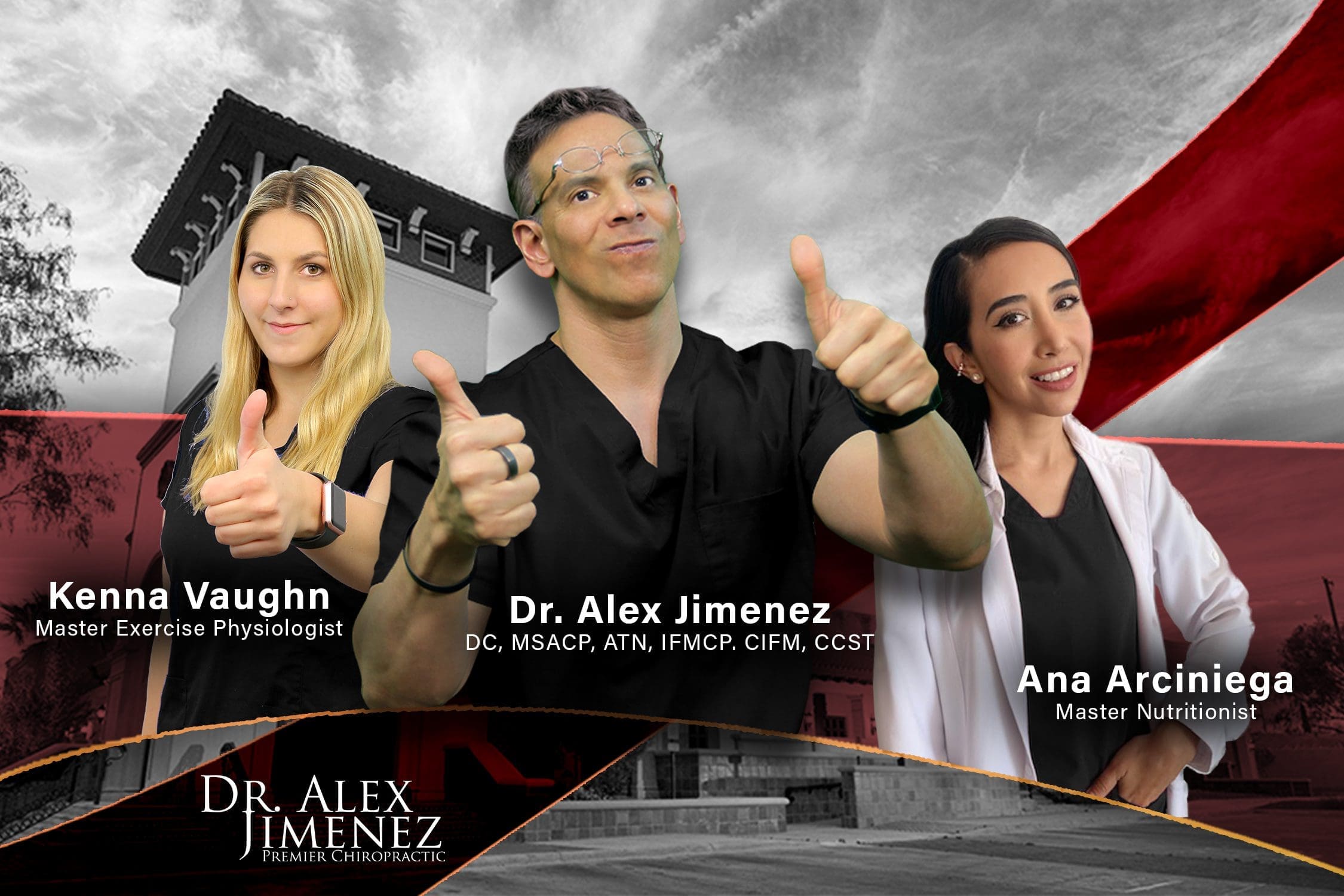
Dr. Alex Jimenez DC, MSACP, APRN, FNP-BC*, CCST, IFMCP, CFMP, ATN
email: [email protected]
Multidisciplinary Licensing & Board Certifications:
Licensed as a Doctor of Chiropractic (DC) in Texas & New Mexico*
Texas DC License #: TX5807, Verified: TX5807
New Mexico DC License #: NM-DC2182, Verified: NM-DC2182
Multi-State Advanced Practice Registered Nurse (APRN*) in Texas & Multi-States
Multi-state Compact APRN License by Endorsement (42 States)
Texas APRN License #: 1191402, Verified: 1191402 *
Florida APRN License #: 11043890, Verified: APRN11043890 *
Colorado License #: C-APN.0105610-C-NP, Verified: C-APN.0105610-C-NP
New York License #: N25929, Verified N25929
License Verification Link: Nursys License Verifier
* Prescriptive Authority Authorized
ANCC FNP-BC: Board Certified Nurse Practitioner*
Compact Status: Multi-State License: Authorized to Practice in 40 States*
Graduate with Honors: ICHS: MSN-FNP (Family Nurse Practitioner Program)
Degree Granted. Master's in Family Practice MSN Diploma (Cum Laude)
Dr. Alex Jimenez, DC, APRN, FNP-BC*, CFMP, IFMCP, ATN, CCST
My Digital Business Card
Licenses and Board Certifications:
DC: Doctor of Chiropractic
APRNP: Advanced Practice Registered Nurse
FNP-BC: Family Practice Specialization (Multi-State Board Certified)
RN: Registered Nurse (Multi-State Compact License)
CFMP: Certified Functional Medicine Provider
MSN-FNP: Master of Science in Family Practice Medicine
MSACP: Master of Science in Advanced Clinical Practice
IFMCP: Institute of Functional Medicine
CCST: Certified Chiropractic Spinal Trauma
ATN: Advanced Translational Neutrogenomics
Memberships & Associations:
TCA: Texas Chiropractic Association: Member ID: 104311
AANP: American Association of Nurse Practitioners: Member ID: 2198960
ANA: American Nurse Association: Member ID: 06458222 (District TX01)
TNA: Texas Nurse Association: Member ID: 06458222
NPI: 1205907805
| Primary Taxonomy | Selected Taxonomy | State | License Number |
|---|---|---|---|
| No | 111N00000X - Chiropractor | NM | DC2182 |
| Yes | 111N00000X - Chiropractor | TX | DC5807 |
| Yes | 363LF0000X - Nurse Practitioner - Family | TX | 1191402 |
| Yes | 363LF0000X - Nurse Practitioner - Family | FL | 11043890 |
| Yes | 363LF0000X - Nurse Practitioner - Family | CO | C-APN.0105610-C-NP |
| Yes | 363LF0000X - Nurse Practitioner - Family | NY | N25929 |
Dr. Alex Jimenez, DC, APRN, FNP-BC*, CFMP, IFMCP, ATN, CCST
My Digital Business Card