Learn about various pain management combined with non-opioid strategies that can help you maintain comfort and improve quality of life.
Abstract
In this educational post, I explore the multifaceted nature of complex pain syndromes, particularly those arising from injuries, musculoskeletal conditions, surgical procedures, and other chronic persistent pain states. Drawing on the latest research, I provide a comprehensive guide for patients and practitioners that moves beyond a purely opioid-centric model of pain management. We delve into the critical importance of the biopsychosocial model of pain, the necessity of precise diagnosis, and the reality that pain often persists well beyond the acute phase in individuals managing long-term discomfort. The discussion covers specific pain syndromes such as postoperative and post-traumatic pain, various neuropathic pain conditions, and myofascial pain syndrome (MPS). We examine evidence-based, non-opioid, and complementary therapies—from pharmacological strategies to manual and rehabilitative care, with a strong emphasis on regenerative PRP (platelet-rich plasma) therapy. A central theme is the power of an integrative, multidisciplinary approach. At our clinic, this involves a unique collaboration between me, providing chiropractic, functional medicine, and regenerative expertise, and Dr. Maria Guadalupe Cardenas, MD, our esteemed Medical Director. Together, we combine our skills to create personalized treatment plans that address the whole person, aiming to enhance function, improve quality of life, and minimize reliance on long-term opioid use.
Our Multidisciplinary Care Model in El Paso, TX
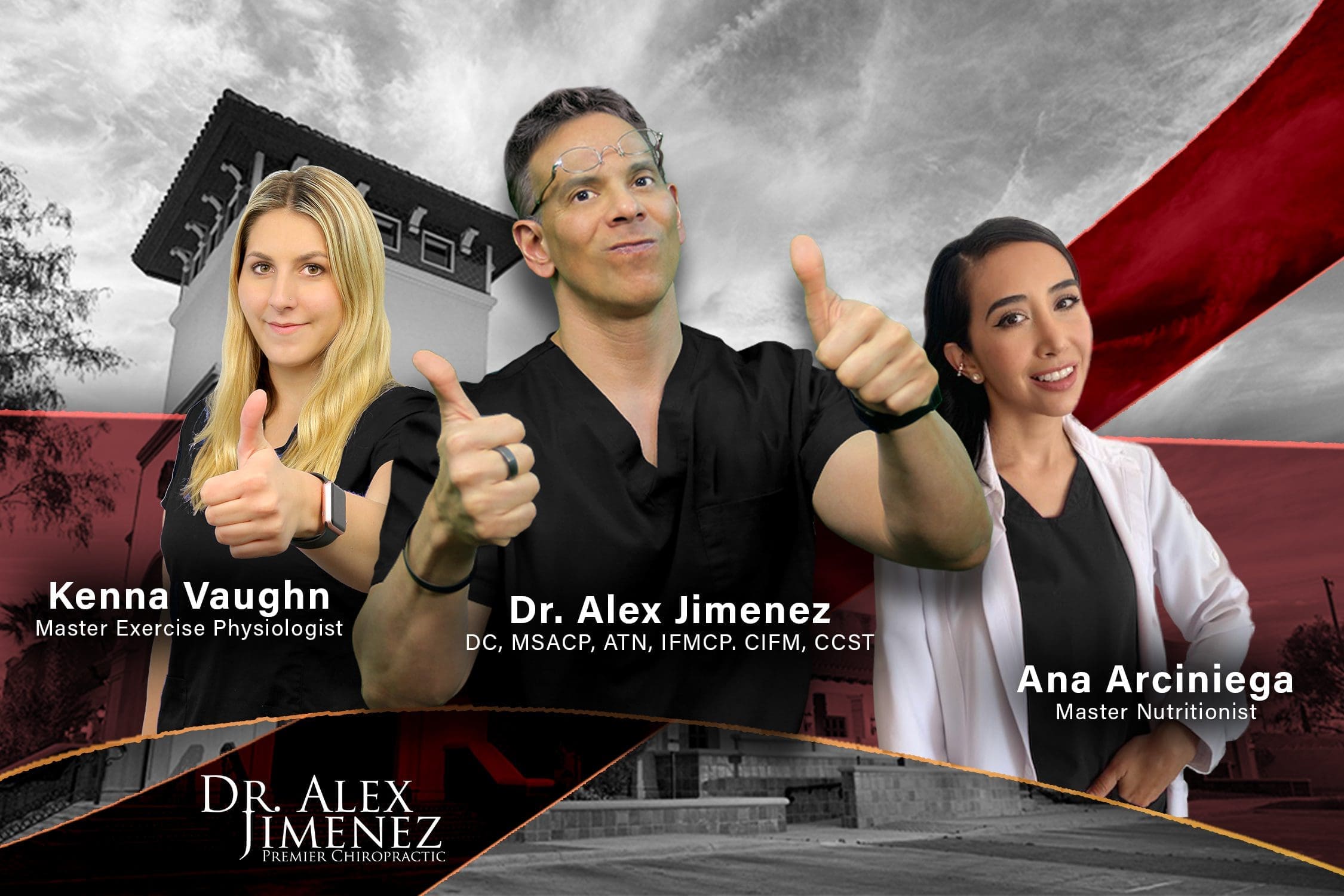
Hello, I am Dr. Alex Jimenez. With a diverse background as a Doctor of Chiropractic (DC), an Advanced Practice Registered Nurse (APRN) certified as a Family Nurse Practitioner (FNP-BC), and certifications in Functional Medicine (CFMP, IFMCP), I have dedicated my career to a holistic and integrative approach to patient health. At Injury Medical Clinic PA, we have cultivated a unique and powerful healthcare environment built on collaboration and a shared commitment to patient-centered care. This integrated approach is made possible through my partnership with our esteemed Medical Director and Collaborative Physician, Dr. Maria Guadalupe Cardenas, MD.
Dr. Cardenas is a highly respected, Board-Certified Internist with over four decades of invaluable clinical experience. As our Medical Director (NPI #1164426749, Texas MD License #J2933), she provides essential medical oversight, ensuring our treatment plans are safe, effective, and grounded in the highest standards of internal medicine.
This multidisciplinary structure is the cornerstone of our practice, allowing us to integrate a spectrum of services seamlessly:
- Medical Oversight: Dr. Cardenas provides diagnoses, manages complex medical conditions and comorbidities, and ensures all therapies and pharmacological strategies are appropriate for the patient’s overall health status.
- Chiropractic Care: I focus on restoring musculoskeletal integrity, improving nervous system function, and alleviating structural sources of pain through adjustments and manual therapies.
- Functional Medicine: We investigate the root causes of dysfunction, looking at genetics, lifestyle, and environmental factors to promote long-term wellness.
- Regenerative Medicine & PRP Therapy: We offer advanced platelet-rich plasma (PRP) therapies that harness the body’s natural healing mechanisms. Concentrated growth factors are precisely delivered (often under ultrasound guidance) to injured or degenerative tissues to reduce inflammation, promote repair, and provide lasting pain relief in joints, tendons, ligaments, and muscles.
- Personal Injury & Rehabilitation: Our team provides specialized care for acute and chronic injuries, helping patients regain function and return to their lives.
This integrated model is particularly vital for complex chronic pain conditions from injuries and musculoskeletal disorders, where a single approach is rarely sufficient. By working together, Dr. Cardenas and I ensure that every patient receives a truly holistic and comprehensive care plan that may include regenerative options alongside traditional therapies.
Understanding the Complexity of Pain
Pain is a universal human experience, but when it becomes chronic or follows injury or surgery, it takes on profound new dimensions. The International Association for the Study of Pain (IASP) defines pain as “an unpleasant, sensory and emotional experience associated with or resembling that associated with actual or potential tissue damage” (Raja et al., 2020). This definition is critically important because it acknowledges two key components: the physical sensation and the emotional experience.
This is why I always consider the biopsychosocial model of pain. This model recognizes that pain is not just a physical signal from damaged tissue. It is a complex experience influenced by:
- Biological Factors: Tissue damage, inflammation, nerve compression or irritation, and biomechanical dysfunction.
- Psychological Factors: Anxiety, depression, fear, and past trauma can significantly amplify the perception of pain.
- Social Factors: Lack of family support, financial stress, or social isolation can create barriers to effective pain management.
Pain is a significant issue for individuals with chronic conditions and those recovering from injuries or surgeries. Research indicates that chronic post-surgical pain affects approximately 10% to 40% of patients, depending on the procedure and other factors (Rosenberger et al., 2022). Many patients experience pain that persists well beyond the expected healing period, creating ongoing challenges in function and quality of life. This population often requires ongoing, multimodal support.
The Critical Role of a Comprehensive Pain Assessment
Effective treatment begins with an accurate diagnosis. Simply labeling pain as “chronic pain” is not enough. We must perform a comprehensive assessment to understand its underlying mechanisms, which allows us to tailor therapies precisely. This involves screening for psychological distress, social disruptions, and other contributing factors, as these can dramatically heighten the pain experience. If a patient’s reported pain seems disproportionate to their known pathology or imaging findings, it is a signal to explore these other domains.
Differentiating Pain Types
A crucial step is to classify the pain’s “flavor.” Is it nociceptive, neuropathic, or a mix?
- Nociceptive Pain: This arises from tissue damage. We further divide it into:
- Somatic Pain: From bone, muscle, or soft tissue. It is often described as sharp, aching, or throbbing.
- Visceral Pain: From internal organs. This pain is typically described as a deep, gnawing, or cramping sensation that is diffuse and difficult to pinpoint.
- Neuropathic Pain: This results from damage to or dysfunction of the nerves themselves. Patients often use distinct descriptors such as burning, tingling, numbness, or electric jolts. It is a primary focus of our diagnostic efforts.
Identifying Neuropathic Pain: The DN4 Diagnostic Tool
To help us confirm the presence of a neuropathic component, we use a validated diagnostic tool called the DN4 (Douleur Neuropathique 4 Questions). This simple 10-item questionnaire has high sensitivity and specificity. It explores pain quality (burning, cold pain, electric shock) and includes a clinical examination for signs such as decreased sensation (hypoesthesia) or pain to light touch (allodynia). A score of four or more strongly suggests a neuropathic component, providing a clear, evidence-based rationale for initiating specific anti-neuropathic therapies.
Addressing Specific Pain Syndromes
Understanding the source of the pain is the key to unlocking the right treatment. Let’s explore a few common syndromes we manage in our clinic.
Pain from Injury, Tissue Damage, and Postoperative Pain
While our goal is to highlight non-opioid and regenerative strategies, pain from acute injury or immediately following surgery can be severe. In these evidence-guided situations, short-term opioids remain an important tool, often used in conjunction with other therapies. However, a significant concern is the transition from acute to chronic pain. Research has shown that a notable percentage of patients who were opioid-naïve before surgery may develop new persistent opioid use. This is a critical intervention point. Once a patient reaches the point of ongoing pain beyond the acute phase, it is imperative to pivot aggressively toward non-opioid options, including regenerative PRP therapy and chiropractic care.
Chronic Post-Surgical and Post-Traumatic Pain Syndromes
Persistent pain after surgery or significant trauma is common, affecting roughly 10–40% of patients depending on the procedure and individual factors (Rosenberger et al., 2022). This often stems from nerve injury, irritation, or scar tissue formation. Patients may experience neuropathic pain localized to the surgical or injury site or radiating to adjacent areas. Psychosocial factors like depression and anxiety are strongly linked to these persistent pain states, underscoring the need for a holistic approach.
For localized neuropathic pain in some post-surgical or post-traumatic scenarios, topical agents like 5% lidocaine patches have shown promise in providing targeted relief with minimal systemic effects.
Navigating Neuropathic Pain in Injury and Chronic Musculoskeletal Conditions
Neuropathic pain is a common and often debilitating component of many chronic pain presentations. It can manifest in various distributions, such as stocking-glove patterns in certain peripheral neuropathies or radicular (radiating) patterns from spinal nerve root involvement—patterns particularly relevant in chiropractic and rehabilitative care. Patients describe painful numbness, tingling, or shocking sensations. Common contributors include nerve compression (e.g., from disc herniation or spinal issues), direct trauma from injuries, inflammation, or other factors. The severity can lead to significant functional impairment, and symptoms may linger for extended periods. A precise assessment helps guide targeted therapies that address both the neuropathic component and any underlying mechanical contributors.
Unmasking Myofascial Pain Syndrome (MPS)
In my clinical experience, a significant portion of patients with severe, widespread, or persistent pain also suffer from Myofascial Pain Syndrome (MPS). This condition is characterized by trigger points—hyperirritable knots within a taut band of muscle that can refer pain to other areas. It is estimated to be a component in 30–85% of all musculoskeletal pain cases. We frequently see this in patients recovering from motor vehicle accidents or other traumas, with headaches or neck pain radiating from muscles like the sternocleidomastoid, or as a complicating factor in various post-surgical or chronic injury scenarios. Risk factors include poor posture, trauma, and systemic issues like hypothyroidism or vitamin D deficiency. Diagnosing MPS involves a careful physical exam to locate a taut band, a point of exquisite tenderness, and the reproduction of a patient’s recognized pain, often with a referred pain pattern.
An Integrative Treatment Strategy for Complex Pain
The cornerstone of our approach is a multimodal, team-based strategy that addresses the neurological, mechanical, biochemical, and regenerative drivers of pain.
Pharmacological Management with Medical Oversight
Under Dr. Cardenas’s medical direction, we employ a thoughtful, evidence-based approach to pharmacology.
- Acetaminophen and NSAIDs: We use these with caution. We limit acetaminophen to 3 grams daily for chronic use to avoid liver toxicity. NSAIDs carry a black box warning for thromboembolic events and can cause renal and GI toxicities. When an anti-inflammatory is needed, we often prefer celecoxib at a low dose.
- First-Line Adjuvants for Neuropathic Pain: For conditions with a neuropathic component, anticonvulsants and antidepressants are first-line therapies.
- Anticonvulsants (Gabapentinoids): Gabapentin and pregabalin work by calming overactive nerve signals. We start at a low dose and titrate slowly, especially in elderly patients or those with renal insufficiency.
- Antidepressants (SNRIs): A 2023 Cochrane review identified duloxetine as the antidepressant with the most robust evidence of efficacy for chronic pain (Mathieson et al., 2023). We start at a low dose (20–30 mg) and increase to 60 mg, monitoring liver function.
- Muscle Relaxants for MPS: Medications such as cyclobenzaprine, baclofen, and tizanidine can reduce muscle hyperactivity. We are very judicious in their use due to side effects and do not use benzodiazepines for this purpose due to their high potential for abuse and dangerous interactions with opioids.
Regenerative PRP Therapy: A Powerful Addition to Pain Management
PRP therapy represents a cornerstone of our regenerative approach to chronic pain and injury recovery. The process involves drawing a small sample of the patient’s own blood, centrifuging it to concentrate the platelets and growth factors, and then precisely injecting this concentrate into the targeted area—often under ultrasound guidance for accuracy. These growth factors stimulate tissue repair, modulate inflammation, and promote healing in tendons, ligaments, muscles, joints, and fascia.
Emerging clinical evidence supports PRP for various musculoskeletal pain conditions. A 2024 study demonstrated that a single PRP injection significantly reduced pain (VAS scores) and improved function (ODI scores) in patients with myofascial pain syndrome, while also positively influencing muscle electrical activity and biomechanical properties (Li et al., 2024). Additional research supports its role in discogenic low back pain, radicular pain, facet joint issues, and other chronic musculoskeletal complaints relevant to our patient population.
The Synergy of PRP Therapy Combined with Chiropractic Care
This is where our integrative model truly shines. Chiropractic adjustments and manual therapies restore proper spinal alignment, joint mobility, and nervous system function. When combined with PRP, the results are often enhanced: chiropractic care optimizes the biomechanical environment, allowing the regenerative effects of PRP to take hold more effectively. By addressing dysfunctional movement patterns, compensatory strains, and nerve compression that may perpetuate pain or hinder healing, we create ideal conditions for tissue repair and long-term stability.
For patients with MPS, PRP can target stubborn trigger points or fascial restrictions. In contrast, hands-on myofascial release and trigger point therapy provide immediate relief and complement the biological healing stimulated by PRP. Patients frequently experience accelerated recovery, reduced need for pain medication, and improved functional outcomes when these modalities are strategically combined.
The Integrative Chiropractic and Rehabilitative Solution
My role as a chiropractor and rehabilitation specialist is to address the biomechanical and musculoskeletal components that perpetuate the pain cycle:
- Restoring Biomechanics: Injury, surgery, or prolonged immobility leads to significant biomechanical changes. Gentle, specific chiropractic adjustments and soft tissue therapies can restore proper movement in the spine and extremities, reduce joint pain, and alleviate compensatory strain patterns. This helps “turn down the volume” on aberrant pain signals.
- Treating Myofascial Pain: I use hands-on techniques such as myofascial release, trigger point therapy, and instrument-assisted soft tissue mobilization to break up adhesions and relieve tension. This directly addresses the myofascial component that often accompanies and exacerbates other pain types. PRP can further augment these efforts.
- Modulating the Nervous System: By restoring proper motion to spinal segments, chiropractic adjustments can profoundly modulate the nervous system, reducing aberrant signals sent to the spinal cord and brain. For a patient with sciatica or radicular pain, an adjustment can help decompress the affected nerve root, creating a better environment for healing—especially when paired with regenerative support.
- Prescribing Rehabilitative Exercises: We develop customized exercise programs to strengthen weak muscles, stretch tight ones, and improve overall stability and function. This active component empowers patients to take control of their recovery. Cardiovascular fitness is also encouraged to improve circulation and tissue oxygenation.
- Adjunctive Therapies: We utilize modalities such as TENS (Transcutaneous Electrical Nerve Stimulation) units, which are excellent for overriding pain signals (DeSantana et al., 2009). We also recommend tools like the Theracane for self-management of trigger points.
A Focus on Long-Term Wellness and Functional Restoration
Many of our patients with chronic pain are in the long-term management phase rather than dealing with acute injury alone. This population benefits from support focused on health promotion, regenerative healing, and sustainable function. Our approach emphasizes solutions that support the body’s innate healing capacity without the long-term risks of opioids.
If there is one thing I want every patient to take away, it is the profound importance of excellent patient education. When I take the time to explain the “why” behind our treatment plan—including how chiropractic care, regenerative PRP, and other therapies work together—and set realistic expectations, I see better compliance and outcomes. Building rapport and providing preemptive support reduces anxiety and makes patients active partners in their own care. By combining the best of conventional medicine with evidence-based chiropractic, functional, and regenerative PRP care, we offer a path toward better pain control, improved function, and a higher quality of life for all those navigating chronic pain.
References
- DeSantana, J. M., Sluka, K. A., & Lauretti, G. R. (2009). High and low frequency TENS reduce postoperative pain and morphine consumption after abdominal surgery. Physical Therapy, 89(2), 129–140. https://academic.oup.com/ptj/article/89/2/129/2737633
- Gerwin, R. D. (2014). Diagnosis of myofascial pain syndrome. Physical Medicine and Rehabilitation Clinics of North America, 25(2), 341–355. https://doi.org/10.1016/j.pmr.2014.01.010
- Li, N., et al. (2024). Effects of platelet-rich plasma injection on electrical activity and biomechanical properties in patients with myofascial pain syndrome. Scientific Reports, 14, Article 72554. https://www.nature.com/articles/s41598-024-72554-1
- Mathieson, S., Maher, C. G., Ferreira, G. E., et al. (2023). Antidepressants for pain management in adults with chronic pain: a network meta-analysis. Cochrane Database of Systematic Reviews, (5), CD014682. https://doi.org/10.1002/14651858.CD014682.pub2
- Raja, S. N., Carr, D. B., Cohen, M., et al. (2020). The revised International Association for the Study of Pain definition of pain: Concepts, challenges, and compromises. Pain, 161(9), 1976–1982. https://journals.lww.com/pain/Fulltext/2020/09000/The_revised_International_Association_for_the.6.aspx
- Rosenberger, D. C., et al. (2022). Chronic post-surgical pain – update on incidence, risk factors and prevention. British Journal of Anesthesia, 128(5), 903–915. (via PMC)
- Travell, J. G., & Simons, D. G. (1999). Myofascial pain and dysfunction: The trigger point manual (2nd ed., Vol. 1). Williams & Wilkins.
SEO Tags: Chronic Pain Management, Integrative Chiropractic, Dr. Alex Jimenez, El Paso Chiropractor, Functional Medicine, Neuropathic Pain, Dr. Maria Cardenas, Multidisciplinary Care, PRP Therapy, Platelet Rich Plasma, Regenerative Medicine, Myofascial Pain Syndrome, Post-Surgical Pain, Post-Traumatic Pain, Trigger Points, Non-Opioid Pain Relief, Injury Medical Clinic PA, El Paso TX, Pain Diagnosis, Biopsychosocial Model, Chiropractic and PRP, Regenerative Pain Management