Introduction
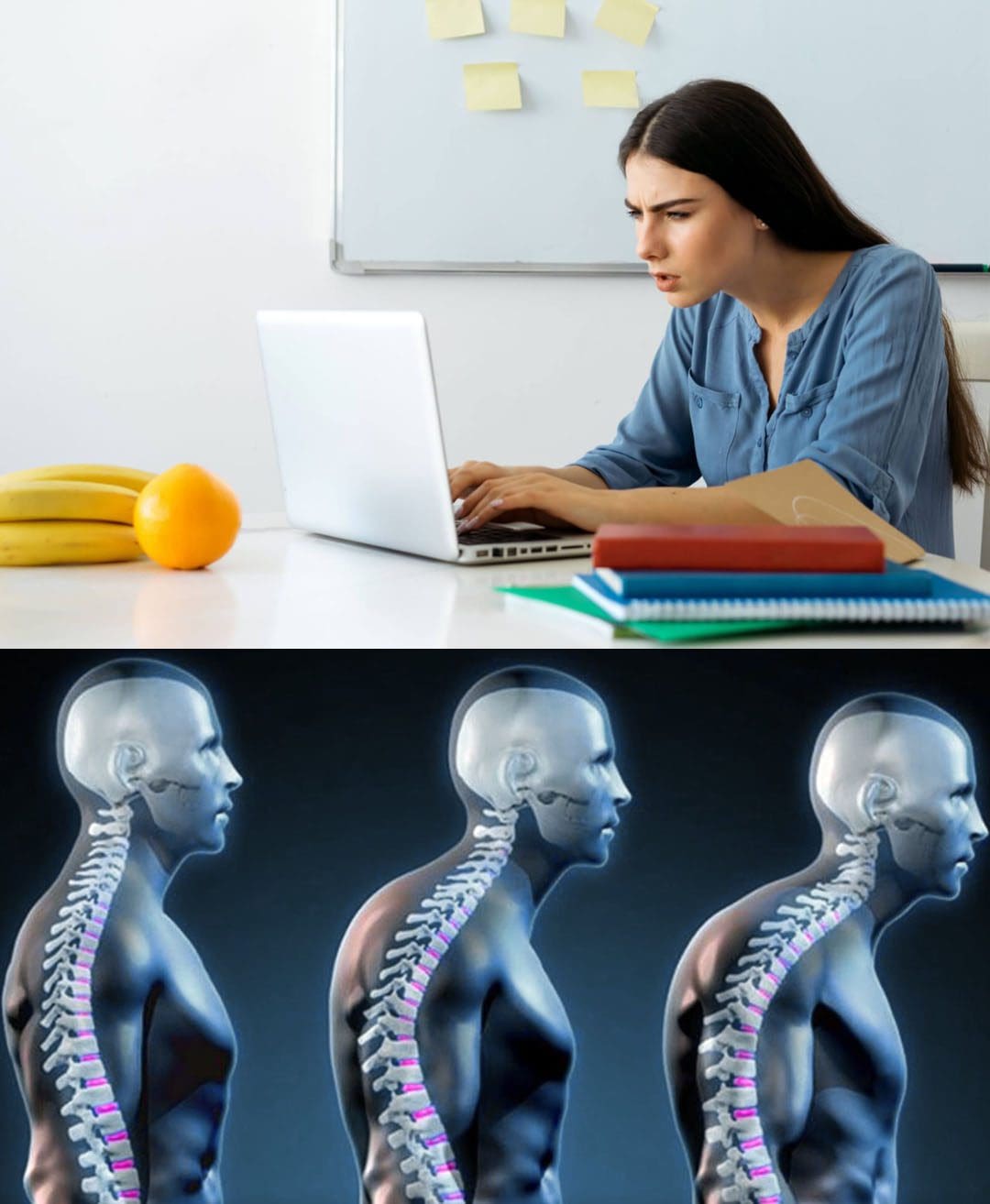
The various muscle groups in the body allow the host to move around and function through many actions without feeling any discomfort or pain. The body has two sections: upper and lower portions that have different functions, from turning the neck from side to side to allowing the legs to enable the body to move around. When various issues or factors begin to affect the body over time, like muscle injuries or normal factors like poor posture and prolonged sitting, it causes overlapping risk profiles that can lead to chronic musculoskeletal conditions. When musculoskeletal disorders affect the body, it can lead to muscle and joint pain that can cause misalignment in the spine and cause the muscle fibers to become short and tense. Luckily there are available treatments that allow the body to realign itself and stretch those short muscles. Today’s article looks at how muscle pain affects the body and how different variations of the MET technique are used to reduce and stretch muscle pain. We mention and provide valuable information about our patients to certified medical providers who use techniques like the MET and therapy for individuals with muscle strain associated with body pain. We give encouragement to patients by referring them to associated medical providers based on their diagnostic findings. We support that education is a marvelous way to ask our providers the most interesting questions at the patient’s acknowledgment. Dr. Alex Jimenez, D.C., incorporates this information as an educational service. Disclaimer
How Does Muscle Pain Affect The Body?
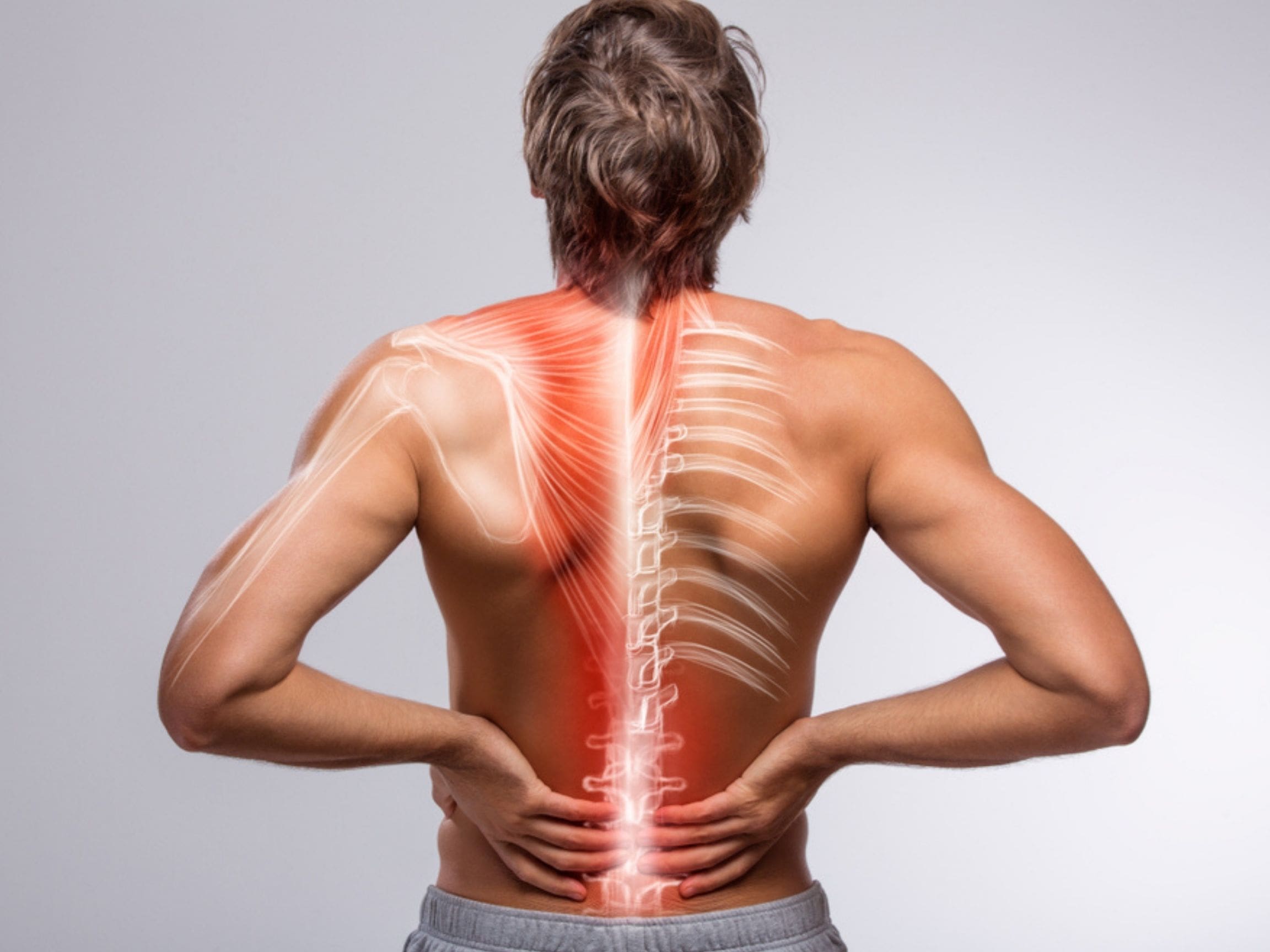
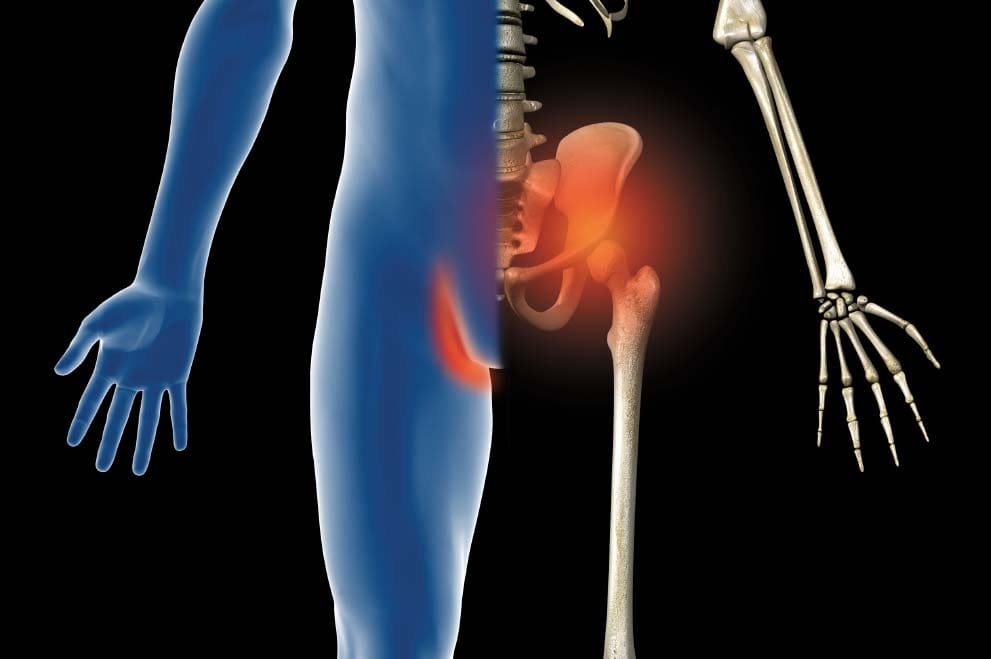
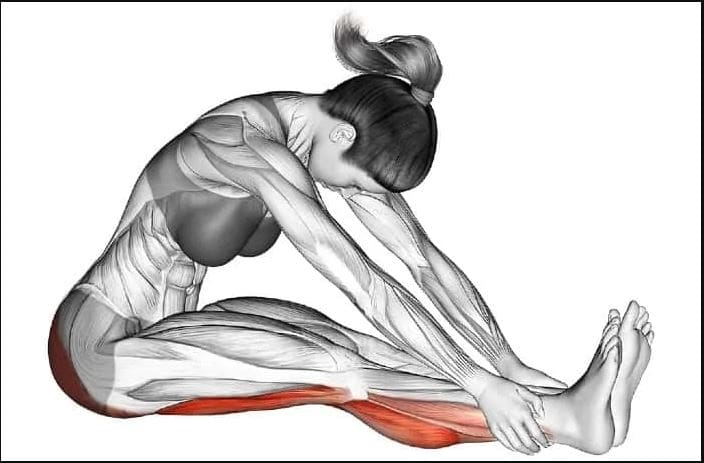
Have you been dealing with muscle strain or pain in different body areas? Are you experiencing any referred pain in other body locations? Or are your muscles feeling extremely tight that it is causing you pain? When the body is dealing with various issues that are causing the muscle fibers to be tensed, it can lead to muscle pain and cause many people to suffer. Studies reveal that muscle pain is caused when painful conditions like mechanical forces, ischemia, and inflammation stimulate the body’s free nerve endings. Many of these factors also correlate with musculoskeletal disorders like fibromyalgia and myofascial pain that can develop trigger points (palpable, small nodules) in the muscle fibers to cause the muscles to become stiff and contract. Additional studies also reveal that when the muscles begin to cramp up, especially the calves, it can become extremely painful and involuntary as it affects the entire muscle group, the muscle itself, or any selected muscle fibers. This causes the individual to be in pain in an acute setting as the muscle relaxes; however, if the muscle fibers are still in constant contraction, it can lead to chronic issues that affect the muscle group.
Overcoming Pain With Chiropractic Care-Video

Regarding muscle pain in the body, studies reveal that the nociceptive nerve endings in the muscles and tissue fibers can cause the neuron signals from the central nervous system to become hyperexcitable, and hyperactivity can lead to muscle pain. This causes the muscle group and the surrounding muscles to tense and invokes pain when in motion. To that point, it can cause the individual dealing with muscle pain to try and find various treatments to alleviate the pain and continue their lives. When it comes to pain can be relieved through treatments like chiropractic care and massage therapy to reduce the effects of the muscle pain associated with musculoskeletal disorders. The video above explains how treatments like chiropractic care incorporate different techniques to realign the body from subluxation and help stretch the tight, short muscles using manual manipulation and the MET technique.
Variations Of The MET Technique
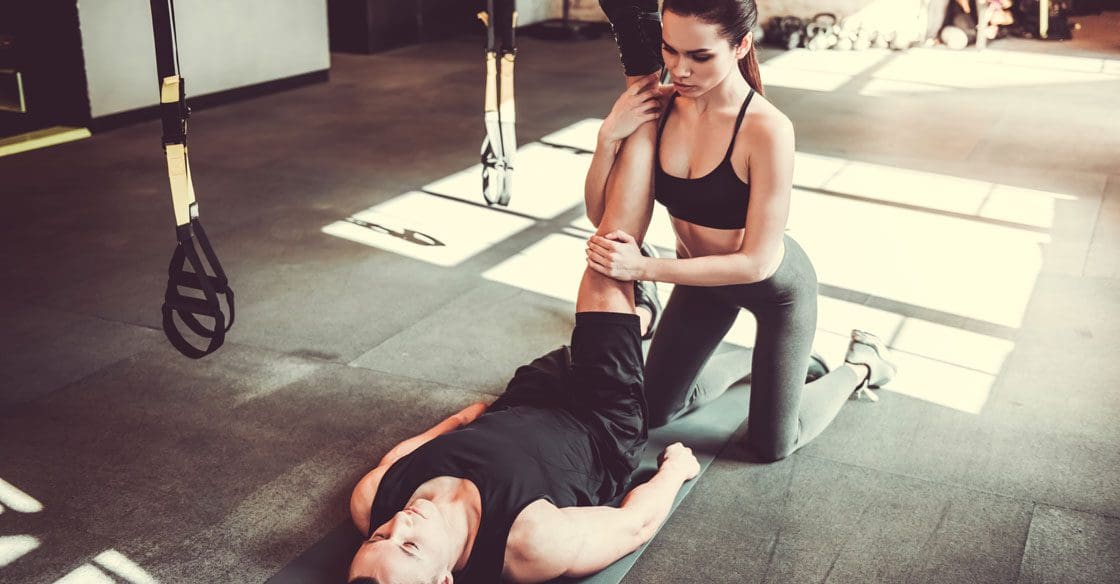
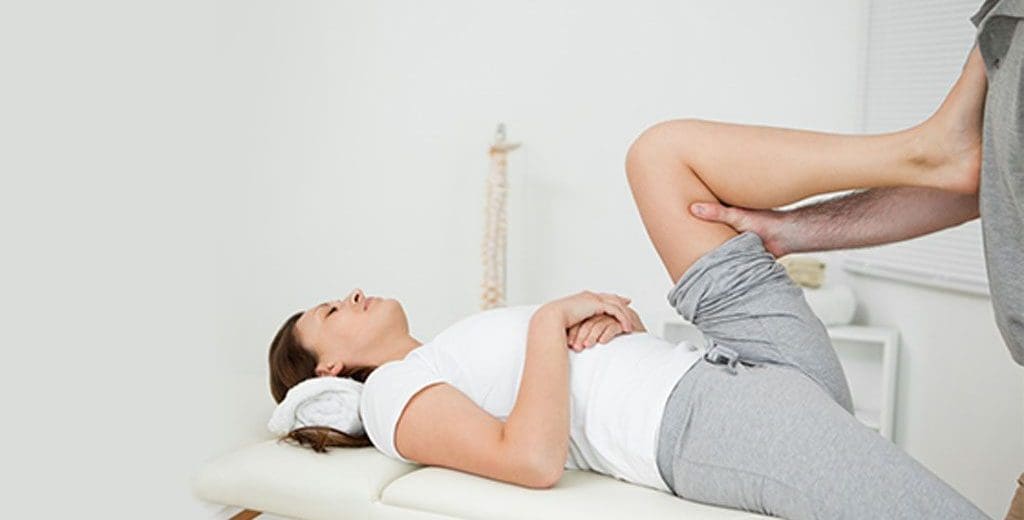
When the muscles in the musculoskeletal system are dealing with pain in different locations or one location in the body, it can cause the individual to be in constant pain. Luckily treatments like chiropractic care are non-invasive and therapeutic as they utilize different techniques to realign the spine and stretch the tight muscle groups. In “Clinical Applications of Neuromuscular Techniques,” written by, Leon Chaitow, N.D., D.O., and Judith Walker DeLany, L.M.T., stated that when muscle pain affects tone muscle or causes structural changes to the joint’s ROM (range of motion) can lead to shortness and stress to the muscle group. Studies reveal that MET is a stretching technique therapists use to contract the affected muscle in a precisely controlled direction voluntarily. Many stretch variations of the MET technique allow the muscles to be stretched, strengthening and improving local circulation while mobilizing joint restriction. Down below are some of the variations of stretching techniques with MET.
Isometric Contraction: Reciprocal Inhibition In Acute Setting
The isometric contraction technique is used for reciprocal inhibition in an acute setting where the affected muscles are dealing with symptoms of muscle spasms. The isometric contraction allows the therapist to help relax acute muscular spasms and mobilize restricted joints while preparing the joints for manipulation.
- Starting point: When acute muscles or joint problems affect the body’s functionality, therapists must commence an easy restriction barrier.
- Modus Operandi: The affected muscles are used in an isometric contraction, allowing the short muscle to relax.
- Forces: The therapist and individual forces are matched and involve 20% of the individual’s strength to increase no more than 50%.
- Duration: Initially7-10 seconds while increasing up to 20 seconds.
- Action following contraction: The area of the muscle and joint are taken to a new restricted barrier without stretching after complete relaxation. Therapists should perform the movement to a new restricted barrier on exhalation.
- Repetitions: Repeat three to five times until no further gain in the range of motion is possible.
Isometric Contraction: Post-isometric Relaxation In Chronic Setting
The isometric contraction technique is used for post-isometric relaxation in a chronic setting where the muscles are severely contracted. The isometric contraction technique is known as post-facilitation stretching, where therapists stretch chronic or subacute restricted, fibrotic, contracted soft tissues or muscle tissues affected by myofascial trigger point pain.
- Starting point: Short of resistance barrier
- Modus Operandi: The affected muscles are used in the isometric contraction that allows the shortened muscles to relax and let an easier stretch.
- Forces: Both the therapist and individual forces match and increase about 30% of the patient’s strength and increase to 50% of contractions up to 20 seconds.
- Duration: Initially 7-10 seconds and increasing up to 20 seconds.
- Action following contraction: The rest period is 5 seconds so the body can relax completely before being stretched, and during exhalation, the muscle goes through a painless, new restriction barrier position that is held for at least 10-60 seconds.
- Repetitions: Repeat three to five times.
Isotonic Eccentric Contraction
The isotonic eccentric contraction is an isolytic technique to strengthen weak postural muscles that are tensed or tight from prolonged sitting or poor posture.
- Starting point: At the restriction barrier
- Modus Operandi: When the muscle is contracted and prevented, the therapist uses this technique to slowly overcome and reverse the contracting muscle so it can be stretched to full resting length.
- Forces: Therapists use greater forces on the individual and build up subsequent contractions for the affected muscle (*Utilize this stretch on individuals who are not dealing with osteoporotic issues in their muscles and joints)
- Duration: Five to seven seconds
- Repetitions: Repeat three to five times if discomfort is not excessive.
Isokinetic
The isokinetic technique is a combination of isotonic and isometric contractions that many pain specialists like chiropractors and massage therapists use to tone weakened musculature, build strength in all the surrounding muscles that are involved in a particular joint function, and help train and balance the effects on the body’s muscle fibers.
- Starting point: Easy mid-range position
- Modus Operandi: The individual uses moderate resistance as the therapist puts the joint through a rapidly full range of movement as this technique is different than simple isotonic exercises, and resistance varies from each person. This technique progressively increases as the procedure progress.
- Forces: The therapist uses moderate forces to prevent movement from the individual and then progresses to full forces.
- Duration of contraction: Up to four seconds.
Conclusion
Different stretching techniques in MET therapy allow the affected muscles to be stretched and lengthened while reducing muscle pain affecting a body’s location. It is important to be mindful of the movements that can cause the muscles to be overstretched or cramped up, which can cause pain. Treatments incorporating these various stretching techniques allow the affected muscles to relax and restore naturally.
References
Bordoni, Bruno, et al. “Muscle Cramps – StatPearls – NCBI Bookshelf.” In: StatPearls [Internet]. Treasure Island (FL), StatPearls Publishing, 4 Sept. 2022, https://www.ncbi.nlm.nih.gov/books/NBK499895/.
Chaitow, Leon, and Judith Walker DeLany. Clinical Applications of Neuromuscular Techniques. Churchill Livingstone, 2003.
Faqih, Anood I, et al. “Effects of Muscle Energy Technique on Pain, Range of Motion and Function in Patients with Post-Surgical Elbow Stiffness: A Randomized Controlled Trial.” Hong Kong Physiotherapy Journal : Official Publication of the Hong Kong Physiotherapy Association Limited = Wu Li Chih Liao, U.S. National Library of Medicine, June 2019, https://www.ncbi.nlm.nih.gov/pmc/articles/PMC6467834/.
Gregory, Nicholas S, and Kathleen A Sluka. “Anatomical and Physiological Factors Contributing to Chronic Muscle Pain.” Current Topics in Behavioral Neurosciences, U.S. National Library of Medicine, 2014, https://www.ncbi.nlm.nih.gov/pmc/articles/PMC4294469/.
Mense, Siegfried. “The Pathogenesis of Muscle Pain.” Current Pain and Headache Reports, U.S. National Library of Medicine, Dec. 2003, https://pubmed.ncbi.nlm.nih.gov/14604500/.