Home Blog Page 76

Various Treatments For Lyme Disease (Part 3)

Chronic infections "LYME DISEASE" | El Paso, Tx (2023)

Introduction

Dr. Jimenez, D.C., presents how Lyme disease can cause referred pain to the body in this 3-part series. Many environmental factors can cause numerous issues in the body that can lead to overlapping risk profile symptoms in the muscles and joints. In today’s presentation, we examine the different treatment protocols for Lyme disease. Part 1 looks at the body’s genes and looks at the right questions to ask. Part 2 looks at how Lyme disease is associated with chronic infections and how it affects the body. We mention our patients to certified medical providers that provide available therapy treatments for individuals suffering from chronic conditions associated with Lyme disease. We encourage each patient when it is appropriate by referring them to associated medical providers based on their diagnosis or needs. We understand and accept that education is a marvelous way when asking our providers’ crucial questions at the patient’s request and acknowledgment. Dr. Alex Jimenez, D.C., uses this information as an educational service. Disclaimer


The Biofilm In The Body

Dr. Alex Jimenez, D.C., presents: The elimination of all biofilms makes no more sense than trying to sterilize the gut. So biofilms are this adherent polysaccharide matrix. We like to think of it as a fruit cocktail jello. So you’ve got the jello and all the different pieces of fruit in there, and each other type of fruit might even be a different species of bacteria. And one of those bacteria can make penicillinase, and it can elaborate a cloud of penicillinase into the matrix, protecting even species that can’t make it. And we already talked about how these biofilms can be operant in probiotic colonization, but they are also part of several problematic infections.


So there are several strategies to modify biofilms, making them more porous to the immune system and antibiotics. So Lactoferrin is one, Colostrum, which contains Lactoferrin in a bunch of other products as well. Serum-derived bovine immune globulin is egg divide-derived immune globulin for your sensitive patients. Probiotics and prebiotics can have biofilm activity. And then enzymes, as we mentioned before, are a carbohydrate structure, and enzymes can break down that matrix and make it more porous. So can Xylitol and EDTA be strong anti-film actors and stevia?


Lyme Serology Test

Dr. Alex Jimenez, D.C., presents: So Lyme serology testing needs to be more sensitive for diagnosis, especially during the early or late stages. And we’ll see why in a minute. So the standard two-tiered test requires a screening test of either an ELISA test or an IFA and then a confirmation test of a Western blot. The International Lyme and Associated Disease Society or ILADS and others argue that this two-tiered test should be only for surveillance or research purposes but not for diagnosis in individuals. So here’s what that scheme looks like, you either get an EIA or an IFA, and if it’s positive or equivocal, you go onto a Western blot. If you’ve had symptoms for less than 30 days, you get both an IGM and an IGG. If you’ve had symptoms for more than 30 days, you only get an IGG. Now, there are special criteria for reading the Western blot. They require multiple positive bands depending on whether it’s an IGM or an IGG blot. If your screening test is negative and you’ve been sick for less than 30 days, you should be retested in, you know, at some recovery point. You should consider a different diagnosis if you have been sick for more than 30 days. And we are going to talk about why this scheme is problematic.


So it’s highly specific. This two-tiered test is 99 to hundred percent specific, but its sensitivity is rather poor, perhaps even lower than 50%. So, here’s the data on that. We see the number of patients in the study, the patients versus controls, and the sensitivity and specificity. We also see totals, and the total sensitivity was 46%, while the total specificity was 99%. So as a test, think about it; we all learned about appendicitis in med school. You must take out a few normal appendices to ensure you get all the bad ones. If you’re missing half of the Lyme disease cases, many people will go onto tertiary disease.


Testing For Lyme Disease

Dr. Alex Jimenez, D.C., presents: So what about seronegative Lyme? So people who had the test and it was negative. Well, here’s a female patient who had what appeared to be Lyme arthritis despite recurrent negative Borrelia Burgdorferi tests. So she was found to have a different species of Borrelia garinii, and multiple courses of antibiotics didn’t do the tricks. So she had more courses of antibiotics and synovectomy, which eventually did help. This test says that Lyme borreliosis patients with live spirochetes in body fluids have a low or negative level of Borrelia antibodies in their serum. This indicates that an efficient diagnosis of Lyme borreliosis must be based on various techniques such as serology, PCR, and culture. And in this study, spirochetes were isolated from skin cultures obtained from multiple lesions. These spirochetes were identified as not Borrelia Bergdorferi but instead as Borrelia Afzelii.


However, Serum Borellia Burgdorferi tests were repeatedly negative. One of the problems with these tests is that the kit that comes approved is based on Borelli Burgdorferi, B-31 strain. And we see from these seronegative Lyme tests that some other strains and species may be involved. So the IDSA guidelines state that there is no convincing biological evidence for symptomatic chronic Borrelia Burgdorferi infection among patients after recommended treatment regimens for Lyme disease. This was noted in a culture-proven case of antibiotic failure with Borrelia Burgdorferi infections in 1989.


So, what about the animal model? There was an antibiotic failure in an animal model, this mouse model. In this dog model, there’s an antibiotic failure. In this Macaque monkey model, there’s an antibiotic failure. And in this particular study, Borrelia Burgdorferi can withstand antibiotic treatment when administered post-dissemination in primates. And as we’ll see in a little bit, many patients with Lyme disease are diagnosed post-dissemination. So these findings raises important questions to discuss with patients about the pathogenicity of antibiotic-tolerant persisters and whether or not they can contribute to symptoms post-treatment in Lyme disease. Human studies suggest that 25 to as many as 80% of patients have persistent symptoms after two to four weeks of antibiotic therapy. In this study, up to 40% of patients were found to have a persistent infection after the recommended IDSA treatment. So in this study, the patient’s condition deteriorated despite receipt of repeat courses of antibiotic therapy over two years.


The Protocols

Dr. Alex Jimenez, D.C., presents: They then received 12 months of intravenous antibiotics and 11 months of oral inter condition improved significantly. You’re going to see that we don’t have to resort to these long courses of antibiotics so much anymore because we have different tools. But this suggests that a longer duration may be helpful. Our study substantiates Borrelia persistence in some erythema migraine patients at the site of the infectious lesion site, despite antibiotic treatment over reasonable periods. And this was not because of rising MIC (minimal borreliacidal concentrations) levels. Therefore, resistance mechanisms other than the acquired resistance to antimicrobial agents should be considered in patients with Lyme Borrelia resistant to treatment. And in this study, a declining antibody response, which has been noted following antibiotic treatment in mice and in antibiotic-treated dogs, occurs despite low levels of persistent spirochetes. Our results show spirochetes are viable and transmissible and express antigens following antibiotic treatment.


This is a biostatistical review of the papers that the IDSA used to argue that there’s no compelling evidence of persistent symptoms after treatment and that repeated antibiotic treatment does not work. And they conclude that this biostatistical review reveals that re-treatment can be beneficial. Primary outcomes originally reported as statistically insignificant were likely underpowered. The positive treatment effects of Ceftriaxone are encouraging and consistent with persistent infection, a hypothesis deserving additional study. All right, so now we are going to start applying appropriate sequence diagnostic steps for Lyme disease.


What Symptoms To Look For?

Dr. Alex Jimenez, D.C., presents: The International Lyme and Associated Disease Society, or ILADS, has published evidence-based guidelines for managing and treating LymeLyme, and they’ve done something unique in the practice guidelines space. They publish an appendix, and then in this appendix, they compare the ILADS versus the IDSA guidelines for every single recommendation. So we see the management of an exodus species bite. So exodus tick bites typically have many useful symptoms, but the best treatment for chronic Lyme disease is early treatment of acute Lyme disease. But this is hard because the erythema migraines rash only shows up in about half of the patients with Lyme disease. And the central clearing makes it look like the bullseye rash, which is the stereotypical or classical erythema migraines rash. That central clearing only shows up in about half of the rashes. In fact, in one case series of 11 erythema migraine rashes, they were misdiagnosed as cellulitis, even though all 11 patients showed clinical evidence of Lyme disease progression.


To that point, making it even more difficult is that only about half of the patients with Lyme disease remember a tick bite. So it’s important to think about Lyme disease anytime you’re evaluating somebody suffering from flu-like symptoms off-season. So if they have the summer flu, they feel Lyme disease. So what are some symptoms? Severe unrelenting, life-altering fatigue. Now we’re talking about chronic Lyme disease here, not acute Lyme disease. Acute Lyme disease symptoms include low-grade to even significant fever, chills, body aches, and sweating. But we’re talking about chronic Lyme disease and its symptoms, which include severe unrelenting, life-altering fatigue, migrating arthralgias, and myalgias which can progress over time. What is this migrating business? It means that the left knee hurts so bad a person can hardly walk, but now three days have gone by, their left knee doesn’t hurt at all, but their left shoulder is killing them. This is known as referred pain, where one location in the body is dealing with pain instead of the main source that has been affected. This causes the sensory nerves to top go haywire in the body and, over time, develop overlapping symptoms that can affect the vital organs, muscles, joints, and tissues.


These symptoms correlate with joint inflammation going on here. Memory impairment, brain fog, mood swings, and anxiety all progress. What about the patient’s history? Living in or traveling to a tick-infested area is an important piece of history. A known tick bite, even though half the patients don’t know about it, that’d be useful. A rash, even though half the patients don’t have one, that’d be useful. And then the symptoms we described.


So what about the physical exam? Unfortunately, it’s generally non-specific, but you must carefully consider neurological, rheumatological, and cardiac symptoms when suspicious of Lyme disease. You know, you might find arthritic kinds of symptoms. You might discover meningitic signs. And anyone who has Bell’s Palsy should be ruled out for Lyme disease. Bell’s Palsy is Lyme disease until proven otherwise.


Another interesting thing is doing vibratory sense evaluation by confrontation. And what’s interesting is you do it, put your finger on the bottom of the metatarsal and put the tuning fork on the top of the metatarsal or metacarpal. And you wait until you can’t feel it transmitting the bone, right, and if the patient says that they don’t feel it, and you still do, that’s probably not normal.


Conclusion

Dr. Alex Jimenez, D.C., presents: When treating Lyme disease associated with chronic infections, if the immune system is not responding in a way that we would expect a healthy person’s immune system to respond, then providing additional tests to figure out the symptoms causing overlapping risk factors are useful. Remember that treating chronic infection is a master’s class in functional medicine. We must use all of our tools and do laps around the matrix. Every time you get a new piece of data, it is interesting. We need to think about the matrix in total. We need to consider the five modifiable factors of psychosocial, spiritual, mental, emotional, and spiritual aspects of what the patient is going through. And remember that your ATMs are not your destiny. And that infectious agents often modify the local and systemic immune response displaying self-stealth pathology, which can be in the body for years. Talking with your patient about what is happening in their genes and providing a personalized treatment plan to give them the tools for their health and wellness.


Disclaimer

Posterior Cruciate Ligament Injuries: Sciatica Clinic

Shot of a mature doctor examining his patient who is concerned about his knee.

The body has around 1,000 ligaments that connect bones and joints. Ligaments are strong bands of tissue that support joint mobility and stabilize the muscles and bones. An injury to one or more ligaments can cause inflammation, swelling, discomfort, and instability. The PCL refers to the posterior cruciate ligament that runs along the back of the knee joint. This ligament connects the femur/thigh bone to the tibia/shinbone. Anyone can suffer from an injury to the posterior cruciate ligament. It can be caused by the knee hitting a dashboard in an automobile collision, a worker twisting or falling on a bent knee or a sports contact injury. The Injury Medical Chiropractic and Functional Medicine Clinic Team provide soft tissue work, trigger point therapy, and targeted non-surgical treatment through advanced therapy methods and technologies.

Posterior Cruciate Ligament Injuries: Chiropractic Wellness TeamPosterior Cruciate Ligament

The posterior cruciate ligament – PCL is located inside the knee, just behind the anterior cruciate ligament – ACL. It is one of several ligaments that connect the femur/thighbone to the tibia/shinbone. The posterior cruciate ligament keeps the tibia from moving backward.

Injury

Posterior cruciate ligament injuries are far less common than ACL – anterior cruciate tears. PCL injuries make up less than 20% of all knee ligament injuries. It is more common for PCL tears to occur with other ligament injuries. A PCL injury can cause mild, moderate, or severe damage and is rated into four different categories:

Grade I

  • A partial tear is present in the ligament.

Grade II

  • There is a partial tear.
  • The ligament can feel loose.

Grade III

  • The ligament is completely torn.
  • The knee is unstable.

Grade IV

  • The PCL is injured.
  • Other knee ligaments are damaged.

Individuals with posterior cruciate ligament injuries can have short or long-term symptoms. Typically, long-term symptoms occur when an injury slowly develops over time. In mild cases, individuals may still be able to walk, and their symptoms may be less noticeable. Common symptoms associated with PCL injuries include:

  • Difficulty placing weight on the injured knee.
  • Stiffness.
  • Walking difficulties.
  • Difficulty descending stairs.
  • A wobbly sensation inside the knee.
  • Inflammation and swelling can be mild to severe.
  • Knee pain.
  • Pain that worsens over time.
  • Over time, tears could lead to the development of osteoarthritis.

There is an increased risk of extensive damage and chronic pain conditions if left untreated.

Chiropractic Care

The continued participation in work or activity following a mild injury is the primary reason individuals undergo therapy, injections, or surgical repairs. Knee injuries need immediate attention to prevent worsening or further damage. A chiropractor will examine the knee, check the range of motion and ask about symptoms. They may request imaging tests to determine the extent of the damage. These tests may include the following:

  • X-rays.
  • Magnetic resonance imaging.
  • CT scan.

During the physical examination, they will check all the structures of the injured knee and compare them to the non-injured knee. The wounded knee may appear to sag backward when bent or could slide back too far, specifically when beyond a 90-degree angle. Treatment depends on the severity of the injury. Common treatments include:

Crutches

  • Crutches may be recommended to limit the weight placed on the knee.

Knee Brace

  • A special brace can address instability and help prevent the tibia bone from sagging backward.
  • Gravity tends to pull the bone backward when lying down.

Chiropractic and Physical Therapy

  • As the swelling goes down, a carefully personalized rehabilitation program can begin.
  • A chiropractic regimen will reset and retrain the ligament.
  • Massage therapy will minimize scar tissue and increase circulation.
  • Specific exercises will stabilize the knee, restore function, and strengthen the leg muscles that support it.
  • Strengthening the muscles in the front of the thigh/quadriceps is a key factor in a successful recovery.

Surgery

  • In severe cases, surgery may be necessary for full rehabilitation.
  • Knee arthroscopy is performed to reconstruct the ligament.
  • This procedure is less invasive compared to traditional surgical methods.

Recovery time varies from person to person. If the injury is mild, it may only take around ten days to heal. If surgery was needed, recovery could take about six to nine months. Full recovery typically requires 6 to 12 months.


Best Knee Injury Chiropractor


References

American Academy of Orthopaedic Surgeons. Posterior Cruciate Ligament Injuries. (https://orthoinfo.aaos.org/en/diseases–conditions/posterior-cruciate-ligament-injuries) Accessed 7/26/21.

Bedi A, Musahl V, Cowan JB. Management of Posterior Cruciate Ligament Injuries: An Evidence-Based Review. Journal of the American Academy of Orthopedic Surgery. 2016 May;24(5):277-89. Accessed 7/26/21.

Lu, Cheng-Chang, et al. “Twelve Weeks of a Staged Balance and Strength Training Program Improves Muscle Strength, Proprioception, and Clinical Function in Patients with Isolated Posterior Cruciate Ligament Injuries.” International journal of environmental research and public health vol. 18,23 12849. 6 Dec. 2021, doi:10.3390/ijerph182312849

Pierce, Casey M et al. “Posterior cruciate ligament tears: functional and postoperative rehabilitation.” Knee surgery, sports traumatology, arthroscopy: official journal of the ESSKA vol. 21,5 (2013): 1071-84. doi:10.1007/s00167-012-1970-1

Schüttler, K F et al. “Verletzungen des hinteren Kreuzbands” [Posterior cruciate ligament injuries]. Der Unfallchirurg vol. 120,1 (2017): 55-68. doi:10.1007/s00113-016-0292-z

Zsidai, Bálint, et al. “Different injury patterns exist among patients undergoing operative treatment of isolated PCL, combined PCL/ACL, and isolated ACL injuries: a study from the Swedish National Knee Ligament Registry.” Knee surgery, sports traumatology, arthroscopy: official journal of the ESSKA vol. 30,10 (2022): 3451-3460. doi:10.1007/s00167-022-06948-x

An Overview Of Lyme Disease Affecting The Body (Part 2)

Chronic infections "LYME DISEASE" | El Paso, Tx (2023)

Introduction

Dr. Jimenez, D.C., presents how different infections are associated with Lyme disease in this 3-part series. Many environmental factors often play a role in our health and wellness and can lead to overlapping risk profiles that can cause pain-like issues in the body. In today’s presentation, we examine how Lyme disease affects the body and how it correlates with genes. Part 1 looks at the body’s genes and looks at the right questions to ask. Part 3 looks at the treatment protocols for Lyme Disease. We mention our patients to certified medical providers that provide available therapy treatments for individuals suffering from chronic infections associated with Lyme disease. We encourage each patient when it is appropriate by referring them to associated medical providers based on their diagnosis or needs. We understand and accept that education is a marvelous way when asking our providers’ crucial questions at the patient’s request and acknowledgment. Dr. Alex Jimenez, D.C., uses this information as an educational service. Disclaimer


The Factors Associated With Viruses

So first, about 8% of the human DNA is made up of endogenous retroviruses, typically called human endogenous retroviruses. This means that DNA fragments from viruses pass from generation to generation. This idea of human endogenous retroviruses will be important in this presentation when we talk about how they can amplify inflammation. So we mentioned earlier that we’re colonized with or infected by Epstein-Barr pretty early in age. So here we are by age 15, and virtually everybody carries the Epstein-Barr virus. And this paper is a translational mini-review series on B-cell subsets in disease. They talk quite a bit about the Epstein -Barr virus as it has been a leading candidate as a trigger for several autoimmune diseases since its initial description of raised Epstein-Barr virus antibodies in 1971.


It’s a plausible candidate since it’s ubiquitous and establishes a lifelong dormant infection with continuous viral production due to reactivation. And this idea of reactivation is going to be important as we move forward as it can modulate the human immune system. Another key issue we will need to hold onto as we move forward. To that point, they also talk about a Trojan horse. So the Epstein-Barr virus can infect a B-cell, and B-cells can migrate across a blood-brain barrier by their normal nature. Once this infected B-cell crosses a blood-brain barrier, it can release these Epstein-Barr encoding RNAs, which is an inflammatory process. Our body doesn’t like foreign RNA floating around. That is the initiation, perhaps, of some demyelinating activity. They go over four specific ways. 


The first way is the molecular mimicry idea. So, molecular mimicry is the idea that you have an antibody that incidentally cross-reacts with your tissue. Then the second is these latent Epstein-Barr virus antigens could sustain the survival of autoreactive B-cells. And then Epstein-Barr infected can liberate these. Here are our human endogenous retroviruses in number three here. It activates these things leading to more inflammation and damage, which can correlate to muscle and joint pain. And then, finally, the Epstein-Barr itself continuously auto-activates or reactivates autoreactive B-cells. So making this the amplification feed-forward loop.


And by the way, Epstein-Barr has also been found in the inflamed gastrointestinal mucosa, including gastric and colonic, making it an interesting candidate for causative issues there as well. What about cytomegalovirus? Well, case reports of associated primary cytomegalovirus infection to the onset of autoimmune conditions. They’re certainly involved in allograft rejection and graft versus host disease. And they play a role in immunopathologies. And here is how that may occur. So, again, we see through various pathways and get the same molecular mimicry idea. We make an antibody against something that incidentally cross-reacts with our tissues. And, you know, why may that happen? One reason is that these bugs have co-evolved and may well have co-evolved camouflage, and that camouflage looks vaguely like us.


Symptoms Associated With Autoimmune Disorders

So these antibodies cross-react. We also see various ways that environmental factors can cause inflammation in the body, which can be amplified. We have a TH4 amplification pathway. We have a Lox Cox amplification pathway and a myeloid IL-6 TNF alpha pathway, all amplifying inflammation. Then we see vascular damage through a variety of mechanisms. And this vascular damage, of course, increases downstream oxidative stress and inflammation. And then finally, through various pathways, CMV appears capable of suppressing the immune system. As we find in many of these bugs, these are not unique necessarily to CMV but probably carry across many other viruses and bacteria. So here’s a list of a few autoimmune conditions that are associated with viruses and a few viruses that are associated with autoimmune disorders. These include:

  • Type 1 diabetes
  • Influenza A viruses
  • Sjögren’s syndrome
  • Celiac disease
  • Multiple sclerosis
  • Other viruses (Measles, mumps, & rubella)
  • Systemic lupus erythematosus (SLE)

So now we are going to look at one of the autoimmune conditions that are associated with viruses. So systemic lupus erythematosus (SLE) is associated with EBV infection and is correlated with many risk factors. This is a systematic review and meta-analysis. And in summary, they mentioned that their study supports the hypothesis that prior EBV infection is essential for developing SLE. So, we see more and more of these situations. We’ve connected Klebsiella overgrowth in the gut and ankylosing spondylitis. Now we’re seeing this with Epstein-Barr and SLE and many more. So then, let’s skip to bacteria for a minute. Why does it take so long to cure tuberculosis? If you have strep, it is cured for ten days, right? Why does treating tuberculosis takes six months or maybe even a year and a half? Well, there’s a glossary from this paper, and it talks about antibiotic indifference.


Antibiotic indifference is a catchall term for bacteria that aren’t bothered by antibiotics. One sub-mechanism of this is biofilm formation. Bugs can join a preexisting biofilm, or they can create their biofilm. There’s this idea of dormancy, which is a non-replicating state. And, of course, most antibiotics require an interruption in protein synthesis or something like that to disrupt reproduction. So dormancy renders the bug temporary, which causes antibiotic indifference. And then latency is an asymptomatic infection related to quorum sensing and so on. Persist forms is another broad term, which means this subset of this population can persist in the immune system or the antibiotic treatment. And then phenotypic antibiotic resistance is a general term for this phenomenon. And here’s the interesting part, this phenomenon is common to all bacteria.


And when we say all, we mean probiotic bacteria and pathogenic bacteria. So remember that, in AFMCP, you learned that this 50-micron biofilm layer is on the colon, which is part of the barrier function. So probiotics do these things too. So it’s common to all bacteria. And these bacteria-resistant populations may be enriched under various conditions, which are operant in vivo, such as intracellular growth, DNA damage exposure to other antimicrobials, and biofilm production. And then, there’s this whole array of how these bugs can manipulate the local microenvironment to manipulate the immune system. And this idea of micro RNA. So we all have heard of messenger RNA, but this is different than micro RNAs are regulatory molecules. And in this paper, they talk about how they interact with the vitamin D-dependent antimicrobial pathway. And in this paper, we talk about micro RNAs and how leprosy regulates micro RNA profiles locally, interfering with the immune response. And here again, decreased expression of these micro RNAs. And what we find is that T-cells are centrally important in the process of clearing these infections. So the vast majority of people exposed and colonized or infected with the micro bacterium are protected from developing tuberculosis by this T-cell response. And micro RNAs regulate T-cells.


Delay Responses

A strong delayed-type hypersensitivity response is associated with the clearance of the illness. Whereas a cytotoxic T-cell response or a strong humoral antibody response is more associated with prolonged infection or progression to tertiary disease, we found this research study that explains the whole of its delayed-type hypersensitivity reactions was only discussed in blood transfusion reactions. But here we’re learning that they may be the central issue curative for, especially these chronic infections. And remember, we mentioned earlier that micro RNAs might regulate vitamin D, but vitamin D also regulates micro RNAs. And as a small reminder here, vitamin D interacts with both macrophage and dendritic cells and alters the T-cell balance, the T-reg TH1217 and so on, and even the B-cell production of immunoglobulin. These micro RNAs are important at every step of the innate and adaptive immune response. And we can see that they intervene on a multitude of levels. So, at one point in the future, these may be targets of therapy or understanding of what’s happening in the immune response.


So, again, the delayed-type hypersensitivity reaction, the last one we talked about, was leprosy, but this is syphilis. A weak, delayed-type hypersensitivity reaction is associated with progression. A strong delayed-type hypersensitivity reaction is related to a cure. And it appears to be the delayed-type hypersensitivity reaction is the most important piece. Whether or not you have a high or a low antibody production is a little immaterial. And it may have more to do with preventing infection than the clearance and treatment of the disease. So back in 1968, we discovered that this particular spirochete that causes syphilis could be resistant to appropriate antibiotic therapy. So these are 45 volunteers who had had syphilis for a long time. They were treated a long time ago, and 11 of them had lymph nodes sampled, and they were found to harbor syphilis bugs.


And then, in five more of these subjects, after being treated for a second time, five more had lymph nodes sampled, and in three of them, the majority had continued treponemes found. So, they looked at a bunch of infected rabbits and let the infection bloom and blossom for 14 to 22 months. And then, four of these 23 rabbits still harbored these infections after treatment. And the question becomes, why would that be? Well, it’s this infectious disease conundrum again. All right, here are some spirochetes, and you know, it’s not just about Borrelia burdorferi anymore.


Lyme Disease

Here are six species of Borrelia that are associated with the symptoms of Lyme disease. Here are three species of BLI that are associated with tick-borne relapsing fever. Borrelia miyamotoi is related to, but distinct from, relapsing fever. And then there are a few stragglers that are symptomatic, but it needs to be more well-characterized. And then there are co-infections. These hitchhikers are diseases of their own but are often carried by the same tick. So there are a couple of species of Babesiosis, four species of Bartonella, Human Granulocytic Anaplasmosis, and Human Monocytic Ehrlichiosis. And then, a couple of species of Rickettsia are all associated with a tick-borne illness. And then some imitators aren’t necessarily tick-borne like Powassan virus or West Nile virus, which mosquitoes can carry, but tick-borne encephalitis virus.


And then Coxsackie and cytomegalovirus, EBV, a bunch of herpes viruses, and so on. And then also this bacteria streptococcal a, which is associated with this pandas syndrome. And then this really strange, alpha-gal syndrome. So alpha-gal is a carbohydrate, and certain ticks, particularly lone star ticks, but probably others, can inject this alpha-gal into a bite, resulting in a red meat allergy. So there are all kinds of things you must consider when considering tick-borne disease.


This is not a new disease. The ice mummy found in 1991 in Eastern Alps appears to have had Lyme disease. So what’s going on? Why do we see so much more Lyme diseases? And we don’t think anybody knows, but we wonder if it has something to do with the hundreds of billions of tons of pollutants we put into our environment. Or is it the time society we live in? So the CDC gets about 30,000 case reports of Lyme disease, and new reports pop up yearly. They estimate that it’s underreported by almost ten times. So there are about 300,000 new cases of Lyme disease every year.


To put that into perspective, that’s about the same as the number of new invasive breast cancer cases. It’s a little more than prostate, rheumatoid arthritis, or colon cancer. It’s more than Parkinson’s Type one diabetes, HIV, multiple sclerosis, or West Nile virus. And yet there’s a real discrepancy in research spending; according to NIH statistics, malaria gets about $118,000 per case in the United States. West Nile virus gets about $13,000 per case. The new issue in the United States, Lyme disease, is 82 bucks. So why do we have some gaps in our knowledge? Here’s a map of case reports. So these are actual case reports, so remember they’re maybe underreported by as much as ten times. So you could multiply any of these numbers by ten and look particularly at Florida over here; Florida has 2,327 cases between 1990 and 2018.


Guidelines For Lyme Disease

So these are the guidelines of the Infectious Disease Society of America for tick-borne illness. And these guidelines tell us that it is perfectly fine to diagnose Lyme disease by history, erythema migraines, and rash. Still, you need testing to diagnose extracutaneous manifestations if they don’t have that rash. So we talked about the evidence before. Let’s take a look at the evidence behind these recommendations. On 20% is level one, which levels one is, you know, randomized controlled trials. 25% is level two, well-designed clinical trials without randomization. And then level three is opinion. So 55% of these recommendations are opinions.


So here’s the bug umbrella. It has about 132 active genes. Its closest competitor is syphilis, with about 22 active genes and functional genes. It has a linear chromosome most bacteria, not all, but most have a circular chromosome. And it has 21 plasmas, which are this non-primary chromosomal DNA fragments. And its closest competitor is chlamydia, with only seven. So it’s a very complex disease. And this bug engages in stealth pathology. And stealth pathology has four basic strategies: immune suppression, genetic phase, antigen variation, physical seclusion, and secreted factors. So let’s jump into immune suppression. It’s aided and embedded by the tick because it has analgesics, anticoagulants, and immune suppressive factors in its saliva. And then, Borrelia burgdoferi can cause immunosuppression by complement inhibition and induction of inhibitory cytokines such as IL-10.


Inflammation & Lyme Disease

And then, you know, we normally think of IL-10 as anti-inflammatory. Well, true, but an anti-inflammatory response responds immunosuppressive, which can induce monocyte and lymphocyte tolerization and antibody sequestration in immune complexes. What about genetic and phase shifting and all that good stuff? Well, it can engage in gene shifting similar to ribosomes into mutation and recombination, similar to the way HIV does variable antigen expression in a way identical to ni serious species auto resuscitation of dormant organisms are this auto resuscitation or quorum sensing ideas similar to mycobacterium and then fibronectin binding like staph and strep.


It also responds to calprotectin. Now, this is the same calprotectin we frequently measure as a marker of inflammation in the stool, right? So, calprotectin can induce a dormant cyst-like state in spirochetes, allowing it to persistent tissues without replicating. And this provides a means of it avoiding antibiotic therapy. Although gene antibiotic resistance was previously considered uncommon, newer studies suggest it does happen. So the regular old acquired genetic raising of mics, if you will, is now seen in Brellia. What about physical seclusion Well, the lime spirochete uses physical seclusion at intracellular sites. It combines with synovial, endothelial, and fibroblast tissue or can become intracellular in these tissues. Fibroblast tissue, macrophagic cup for cells and neurons. So it can find its way inside these cells. And in fact, it has been grown for long periods in fibroblasts in this case, but in other tissues as well.


And it can also cloak itself by binding to a variety of proteins. Here’s a cartoon of fibronectin, which can bind to proteoglycans, collagen, plasminogen, integrin, and so on. And this functionally hides it from the immune system. And then these secreted factors, well, the first secreted factors, are how they get into cells that we discussed earlier. So, adherent and point. Adherent allows the bacteria to adhere to a cell, and the end enables it to make a pore and gain entry to the cell. And then the quorum sensing, we also talked about auto resuscitation. And this suggests that Lyme spirochetes engage in auto resuscitation, like other dormant organisms such as tuberculosis. So a summary, it can inhibit the active immune sub-response by both the innate and the adaptive, and it can evade the immune system by the various mechanisms we discussed.


Conclusion

So persister mechanisms; this is a study on antibiotic use and how it induces persister forms. And we see on the top half here that when exposed to doxycycline, it upregulates and downregulates these genes and amoxicillin. Different sets of genes are changed. And so this tells us that it has several tricks up its sleeve to evade treatment, not just antibiotics, but our immune system as well. We’ve alluded to these different forms. We’ve used the term cyst a few times. It’s a spirochete. Spirochete requires a cell wall, but it can lose its cell wall when it loses. And cell wall becomes what’s known as an L-form or cell wall deficient form. And there may be hundreds of these that can form a cyst. I like to think of the cell wall’s inadequate structure like a grape and the cyst more like a raisin.


The raisin is a long-term storage form, right And then they can all join and form biofilms. And this shapeshifting is weird, but it’s pretty common. Here’s an example that we’re all familiar with. This yucky creepy crawly thing turns into a beautiful butterfly. So here’s some spirochetes in here are some colonies, some biofilms. So the columns vertically are two days, three days, and seven days or up to 21 days. And then the different colors going are other stains. And we see a progressively complex biofilm forming, but aside, biofilms of themselves are not; pathogenic biofilms are just a way in which bacteria colonize. The biofilm composition makes it either protective or pathogenic from a functional medicine point of view; we would like to move biofilms in the direction of probiotics and protection using diet and lifestyle modification and supplements, and so on.


Disclaimer

Understanding Inflammation | El Paso, Tx (2023)

Understanding Inflammation | El Paso, Tx (2023)
Thanks for watching! We are excited you are taking positive steps to learn about health challenges affecting you and your family. There is the power in making educated decisions about your health by gaining high-level science-based truth and knowledge. We work to uncover the root causes of health issues. Our unique health approach uses functional wellness principles to identify and treat health issues’ potential underlying causes.

Our care plans are base on Functional Medicine as a systems approach based on biology that focuses on identifying and addressing the root cause of disease. We focus on the paradigm that symptom or differential diagnosis may be one of many contributing factors to an individual’s illness.

This approach shifts from the traditional disease-centered focus of most medical practices to a more holistic person-centered approach.

Our discussions team includes Integrative Doctors, Functional Medicine Experts, Nutritionists, Health Coaches, Chiropractors, Physical Medicine Doctors, Therapists, and Exercise Performance Specialists.
We provide clinical insights, treatment options, and methods to achieve clinically sound, specific measured goals.*

Functional & Integrative Health Live Events *

✅ Stress Hormones & Health
✅ Gut Health, Inflammation & Auto-Immunity*
✅ Musculoskeletal Rehabilitation
✅ Fibromyalgia & Inflammation
✅ Diabetes & Autoimmunity*
✅ Weight Loss
✅ Body Composition Analysis
✅ Thyroid Dysfunction*
✅ Autoimmune Disorder*
✅ Heart Disease & Inflammation*
✅ Agility & Mobility
✅ Injury Recovery Programs
✅ Complex Lower Back Pain Recovery Plans
✅ Severe Sciatica Syndromes
✅ Other Complex Health Challenges
✅ Neutraceutical Recommendations
✅ Advanced Translational Nutrigenomics*
✅ Nutrigenomics, Proteomics, Metabalomics
✅ Care Plans (Advanced Clinical Practice)

We present, bridge, and connect these various health programs, functional medicine protocols, fitness methods, injury recovery programs, and offer complete wellness packages.

To that end, we shed light and offer treatment options and bring a deep understanding of the real underlying causes of those suffering from acute and interconnected chronic degenerative disorders.

Ultimately, we empower you to achieve and maintain your personalized, healthy way of living by understanding the root causes of disorders.

It is all about.

LIVING, LOVING & MATTERING

Join us in improving your health.

Blessings,

Dr. Alex Jimenez DC, MSACP, CCST, IFMCP*, CIFM*, CTG*
email: [email protected] phone:
phone: 915-850-0900

Licensed in Texas & New Mexico*

Notice: Our information scope is limited to musculoskeletal, physical medicines, wellness, sensitive health issues, functional medicine articles, topics, and discussions. We provide and present talks and clinical collaboration with specialists from a wide array of disciplines. Each specialist in our events is governed by their professional scope of practice and their jurisdiction of licensure.

The information in these events is not intended to replace a one-on-one relationship with a qualified health care professional and is not intended as medical advice.

Our presentations are designed to share knowledge and information from Dr. Jimenez’s research, experience, and collaborative functional medicine community. We encourage you to make your own health care decisions based on your research and partnership with a qualified health care professional.
We use and discuss functional health & wellness protocols to treat and support the musculoskeletal system’s care for injuries or disorders. Our events, webinars, posts, topics, subjects, and insights cover clinical matters, issues, and issues that relate and support, directly or indirectly, our clinical scope of practice.*

Subscribe: http://bit.ly/drjyt

Facebook Clinical Page: https://www.facebook.com/dralexjimenez/
Facebook Injuries Page: https://www.facebook.com/elpasochiropractor/
Facebook Neuropathy Page: https://www.facebook.com/ElPasoNeuropathyCenter/

Yelp: El Paso Rehabilitation Center: http://goo.gl/pwY2n2
Yelp: El Paso Clinical Center: Treatment: https://goo.gl/r2QPuZ

Clinical Testimonies: https://www.dralexjimenez.com/category/testimonies/

Information:
Clinical Site: https://www.dralexjimenez.com
Injury Site: https://personalinjurydoctorgroup.com
Sports Injury Site: https://chiropracticscientist.com
Back Injury Site: https://www.elpasobackclinic.com
Functional Medicine: https://wellnessdoctorrx.com

Twitter: https://twitter.com/dralexjimenez
Twitter: https://twitter.com/crossfitdoctor

DISCLAIMER: https://dralexjimenez.com/legal-disclaimer/

“5 Easy Ways to Manage Metabolic & Cardiovascular Disorders” | El Paso, Tx (2023)

"5 Easy Ways to Manage Metabolic & Cardiovascular Disorders" | El Paso, Tx (2023)
Discover simple yet effective ways to manage metabolic and cardiovascular disorders in this informative video. Learn practical tips that can help you improve your health and reduce your risk of chronic conditions like heart disease and diabetes. Thanks for watching!

We are excited you are taking positive steps to learn about health challenges affecting you and your family. There is the power in making educated decisions about your health by gaining high-level science-based truth and knowledge. We work to uncover the root causes of health issues. Our unique health approach uses functional wellness principles to identify and treat health issues’ potential underlying causes.

Our care plans are base on Functional Medicine as a systems approach based on biology that focuses on identifying and addressing the root cause of disease. We focus on the paradigm that symptom or differential diagnosis may be one of many contributing factors to an individual’s illness.

This approach shifts from the traditional disease-centered focus of most medical practices to a more holistic person-centered approach.

Our discussions team includes Integrative Doctors, Functional Medicine Experts, Nutritionists, Health Coaches, Chiropractors, Physical Medicine Doctors, Therapists, and Exercise Performance Specialists.
We provide clinical insights, treatment options, and methods to achieve clinically sound, specific measured goals.*

Functional & Integrative Health Live Events *

✅ Stress Hormones & Health
✅ Gut Health, Inflammation & Auto-Immunity*
✅ Musculoskeletal Rehabilitation
✅ Fibromyalgia & Inflammation
✅ Diabetes & Autoimmunity*
✅ Weight Loss
✅ Body Composition Analysis
✅ Thyroid Dysfunction*
✅ Autoimmune Disorder*
✅ Heart Disease & Inflammation*
✅ Agility & Mobility
✅ Injury Recovery Programs
✅ Complex Lower Back Pain Recovery Plans
✅ Severe Sciatica Syndromes
✅ Other Complex Health Challenges
✅ Neutraceutical Recommendations
✅ Advanced Translational Nutrigenomics*
✅ Nutrigenomics, Proteomics, Metabalomics
✅ Care Plans (Advanced Clinical Practice)

We present, bridge, and connect these various health programs, functional medicine protocols, fitness methods, injury recovery programs, and offer complete wellness packages.

To that end, we shed light and offer treatment options and bring a deep understanding of the real underlying causes of those suffering from acute and interconnected chronic degenerative disorders.

Ultimately, we empower you to achieve and maintain your personalized, healthy way of living by understanding the root causes of disorders.

It is all about.

LIVING, LOVING & MATTERING

Join us in improving your health.

Blessings,

Dr. Alex Jimenez DC, MSACP, CCST, IFMCP*, CIFM*, CTG*
email: [email protected] phone:
phone: 915-850-0900

Licensed in Texas & New Mexico*

Notice: Our information scope is limited to musculoskeletal, physical medicines, wellness, sensitive health issues, functional medicine articles, topics, and discussions. We provide and present talks and clinical collaboration with specialists from a wide array of disciplines. Each specialist in our events is governed by their professional scope of practice and their jurisdiction of licensure.

The information in these events is not intended to replace a one-on-one relationship with a qualified health care professional and is not intended as medical advice.

Our presentations are designed to share knowledge and information from Dr. Jimenez’s research, experience, and collaborative functional medicine community. We encourage you to make your own health care decisions based on your research and partnership with a qualified health care professional.
We use and discuss functional health & wellness protocols to treat and support the musculoskeletal system’s care for injuries or disorders. Our events, webinars, posts, topics, subjects, and insights cover clinical matters, issues, and issues that relate and support, directly or indirectly, our clinical scope of practice.*

Subscribe: http://bit.ly/drjyt

Facebook Clinical Page: https://www.facebook.com/dralexjimenez/
Facebook Injuries Page: https://www.facebook.com/elpasochiropractor/
Facebook Neuropathy Page: https://www.facebook.com/ElPasoNeuropathyCenter/

Yelp: El Paso Rehabilitation Center: http://goo.gl/pwY2n2
Yelp: El Paso Clinical Center: Treatment: https://goo.gl/r2QPuZ

Clinical Testimonies: https://www.dralexjimenez.com/category/testimonies/

Information:
Clinical Site: https://www.dralexjimenez.com
Injury Site: https://personalinjurydoctorgroup.com
Sports Injury Site: https://chiropracticscientist.com
Back Injury Site: https://www.elpasobackclinic.com
Functional Medicine: https://wellnessdoctorrx.com

Twitter: https://twitter.com/dralexjimenez
Twitter: https://twitter.com/crossfitdoctor

DISCLAIMER: https://dralexjimenez.com/legal-disclaimer/

Monk Fruit Sugar Alternative: Functional Health and Wellness Clinic

As individuals try to avoid sugar as best as possible, alternative sweeteners are becoming more popular. A new addition is monk fruit sweetener, also called monk fruit extract. Monk fruit is a small, round fruit native to southern China. Unlike some chemically based sugar alternatives, monk fruit extract is considered natural. The sweetener has been around for decades but has become more available in the United States. The zero-calorie extract can be used as a standalone sweetener in foods and drinks and as a flavor enhancer.

Monk Fruit Sugar Alternative: EP Functional Chiropractic Team

Monk Fruit Sugar Alternative

Manufacturers remove the seeds and skin, crush the fruit, and extract the juice, which is then dried into a concentrated powder. Unlike most fruits, the natural sugars in monk fruit are not what gives it its sweetness. Instead, the intense sweetness comes from antioxidants (commonly found in plant foods, antioxidants fight off free radicals that can cause health problems like cancer and heart disease) called mogrosides. The mogroside is the sweetest part of the fruit, with a taste over 100 times sweeter than sugar and no calories.

Safe For Consumption

Monk fruit has the generally recognized as safe -GRAS label from the U.S. Food and Drug Administration with no reported side effects. However, it is advised to read the ingredients label before buying this sweetener. Some of the cheaper products combine other sweeteners with monk fruit extract. Some contain erythritol, a sugar alcohol that can cause stomach bloating or upset stomach.

Use

It has been found to be a healthy option for lowering overall sugar intake. However, consuming monk fruit or any sweetener should be done in moderation and with a healthy nutrition plan. It comes in powder or liquid form. As a natural alternative, it can be used:

  • As s sugar substitute for favorite baking, cooking, soup, sauce recipes, etc.
  • For drinks like coffee, tea, lemonade, smoothies, etc.
  • Added on breakfast dishes like oatmeal or yogurt.
  • Whipped into frosting or a mousse.

The ultra-sweetness means that little is required as it goes a long way. It is recommended to drink regular water or tea and eat foods without the sweetener because, over time, the taste buds adjust and do not need the sweetener as much. Consult a doctor, dietician, or nutritionist to determine if this sugar alternative is right for you and the benefits.


What Is It?


References

Chen, W J et al. “The antioxidant activities of natural sweeteners, mogrosides, from fruits of Siraitia grosvenori.” International journal of food sciences and nutrition vol. 58,7 (2007): 548-56. doi:10.1080/09637480701336360

EFSA Panel on Food Additives and Flavourings (FAF) et al. “Safety of use of Monk fruit extract as a food additive in different food categories.” EFSA journal. European Food Safety Authority vol. 17,12 e05921. 11 Dec. 2019, doi:10.2903/j.efsa.2019.5921

Lobo, V et al. “Free radicals, antioxidants, and functional foods: Impact on human health.” Pharmacognosy reviews vol. 4,8 (2010): 118-26. doi:10.4103/0973-7847.70902

Pawar, Rahul S et al. “Sweeteners from plants–with emphasis on Stevia rebaudiana (Bertoni) and Siraitia grosvenorii (Swingle).” Analytical and bioanalytical chemistry vol. 405,13 (2013): 4397-407. doi:10.1007/s00216-012-6693-0

Chronic Infections Associated With Lyme Disease (Part 1)

Chronic infections "LYME DISEASE" | El Paso, Tx (2023)

Introduction

Dr. Jimenez, D.C., presents how chronic infections are associated with Lyme disease in this 3-part series. Many environmental factors often play a role in our health and wellness. In today’s presentation, we look at genes and how to answer the right questions. Part 12 looked at what Lyme disease does to the body. Part 3 looks at treatment protocols for Lyme disease. We mention our patients to certified medical providers that provide available therapy treatments for individuals suffering from chronic infections associated with Lyme disease. We encourage each patient when it is appropriate by referring them to associated medical providers based on their diagnosis or needs. We understand and accept that education is a marvelous way when asking our providers’ crucial questions at the patient’s request and acknowledgment. Dr. Alex Jimenez, D.C., uses this information as an educational service. Disclaimer


Chronic Infections

Dr. Alex Jimenez, D.C., presents: We will have an interesting, brief discussion about evidence of an atomic force micrograph of a borrelia burgdorferi biofilm. This is a talk about stealth pathology and chronic infection in general, and we are using Lyme as a backdrop, but this is far from a comprehensive course on Lyme disease. So, let’s dive in because we are going to learn a lot about stealth pathology and a lot about Lyme disease. How do you begin thinking about chronic occult infection and stealth pathology? It starts with the basic functional medicine model.


It would help if you dealt with the phenotype. You know, your genes are not your destiny. Well, your phenotype isn’t your destiny either because it’s malleable. And how do we change your phenotype by dealing with the exposome, internal exposome, lifestyle issues, air, water, food pollution, medications, environmental toxins, xenobiotics, those kinds of things? Other exposomes include internal metabolic byproducts, lipid peroxides, oxidative stress, protein addicts, inflammation, the microbiome, et cetera. And then cognitive thoughts, beliefs, fears, phobias, isolation stressors, et cetera. And these cognitive processes have profound effects on immune responses. And then, on top of that, you have to deal with the pathogen. You must understand the biology, life cycle, and genetics of the pathogen you’re dealing with. You must also understand the pathophysiology, stealth pathology, cooperation, biofilm production, and interactions with the host immune system. And it’s important to remember that we’re talking about chronic infection here, not acute infection.


Acute Infections

Dr. Alex Jimenez, D.C., presents: If your patient has an acute infection, like pneumonia or meningitis, get them on IV antibiotics immediately, and don’t wait for your functional medicine workup. So how do you even begin to think about this? Well, you start with a comprehensive physical exam and look carefully at the question, when was the last time your patient was truly well? We like to think of it like this. If wellness is a straight line at some point, it broke right at that place, right around there. This can happen several times, so it might have broken ten years ago. And they came along with this new normal, but it broke numerous times again. And so, at each of those breaks in the overall health, what happened? What were the antecedents? What were the triggers?


Mediators For Genes

Dr. Alex Jimenez, D.C., presents: What were the mediators? And then, look at a physical and nutritional exam and, again, for antecedent triggers and mediators. And then create a timeline to look for the antecedent triggers and mediators. People come with baggage. They’ve been given this diagnosis and that diagnosis. And the other diagnosis, you know, they might have seronegative, rheumatoid arthritis, they might have fibromyalgia, chronic fatigue syndrome, maybe somebody said they had Epstein-Barr virus. Whatever it is, we need to look at those diagnoses critically and do whatever’s necessary. More tests, consultations, whatever’s required to rule it in or out. And from there, we populate a matrix. And this matrix is a living document because every time a new bit of data comes in, we need to fit that into the matrix.


The functional medicine workup has a layer on the bug’s biology and pathophysiology. And here is what we call the infectious Denee disease conundrum in these five areas where these bacteria seem to be able to figure out how to evade antibiotic and antimicrobial herbs and pharmaceuticals and our immune system. And then always remember the fundamental functional medicine adage, which is, unless there is a compelling reason to do otherwise, start in the gut. So start in the gut unless there’s a compelling reason to do otherwise, and here is why. So baseline nutritional deficiencies can be caused by many different antecedences and triggers. Let’s take just one as an example. People are in autonomic dysregulation, causing fight-or-flight responses. Fight or flight shunts blood away from your gut, which means you are not digesting or absorbing efficiently.


How Do Chronic Infections Affect The Body

Dr. Alex Jimenez, D.C., presents: That means that you’re functionally malnourished. Also, you’re shunting blood away from your gall. So the gut-associated lymphoid tissue comprises 70% of your entire immune system, intimately associated with the gut; you’re shunting blood away from that. So you’re functionally immune compromised just from autonomic balance issues. So what does cause increased baseline oxidative stress, impaired immune function, and impaired mucosal defenses that result in the proliferation of some of these endogenous viruses? In middle teens, you are colonized or dormant, infected with Epstein-Barr, cytomegalovirus, and some herpes simplex viruses may bloom. That increases your susceptibility to infection. These things increase the frequency, severity, and duration of infection. And here’s where amplification loops begin. This causes exacerbations in oxidative stress in your mucosal damage.

And then sick behaviors of anorexia and so on result in these amplification loops. And now, the problem is getting bigger and bigger, and the body’s ability to solve this problem is shrinking. And that’s where functional medicine interventions are so powerful and important. And the question always comes up, “Do I have enough time? Do I have enough data, if you will, to even begin treatment?” We want to simplify functional medicine to show you how powerful it is. Let’s say assimilation is an example. We’re just going to pick four ways to intervene in assimilation. We’re going to say there’s no problem in assimilation, so we’re not going to do anything. Or there’s a mild problem. So we’re going to put them on an elimination diet; maybe there’s a more moderate problem.


Conclusion

Dr. Alex Jimenez, D.C., presents: So we’re going to add to that elimination diet, say, colostrum. And then, for a severe problem, we’re going to layer on top of that a GI-focused medical food. So this is a more complex medical food. So we have these four interventions. Now, we’re considering intervening at all the functional medicine matrix nodes. In that case, we have the, you know, the seven physiologic nodes, what we think are often overlooked, the mental, emotional, and spiritual domains of wellness, the five modifiable lifestyle factors, and so on. So you end up with about 19 and more if you’re doing labs because you’ll intervene on all those. But four to the 19th power is the number of different combinations or ways this can happen. This becomes unique in the world intervention for your patient. So never be afraid to start and do another lap around the matrix by adding more information, and think about the next step. Now, we want to talk about the quality of evidence that we find in evidence-based medicine. A 2005 research paper published by Dr. Iondas titled “Why Most Published Research Finds Are False?” The research shows an increasing concern that most current published research findings are false, as studies show that many claims are more false than true for many designs and settings. The research is more or less an accurate measure of the prevailing bias.


Disclaimer

Nerve Irritation: EP Functional Health Wellness Clinic

Top view, woman and man in physiotherapy for back pain, spinal injury or medical anatomy pain relie.

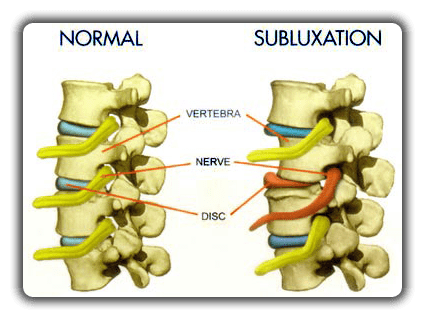
Nerve irritation occurs when the nerves exiting the spine become irritated and sensitized. Also known as nerve gliding restriction, it is a condition whereby a nerve becomes irritated by inflamed swelling of structures close to the nerve, such as joints, ligaments, muscles, or discs, that have sustained an accumulative strain which results in swelling and inflammation. A thorough chiropractic assessment and examination can diagnose the extent of the irritation and develop a personalized treatment plan.

Nerve Irritation: EP's Chiropractic Functional Clinic

Nerve Irritation

When swelling and inflammation interfere with the nerve root, the nerve transmits signals to the brain to let it know there is a threat. The brain interprets these signals and creates a protective response to avoid worsening the damage to the nerve. The protective reactions vary from person to person but can include the following:

  • Muscle tightness and guarding
  • Aching sensation
  • Cramping
  • Radiating discomfort or pain
  • Pins and needles
  • Tingling
  • Numbness
  • Nerve root irritation also inhibits the body from recovering as fast as it should.

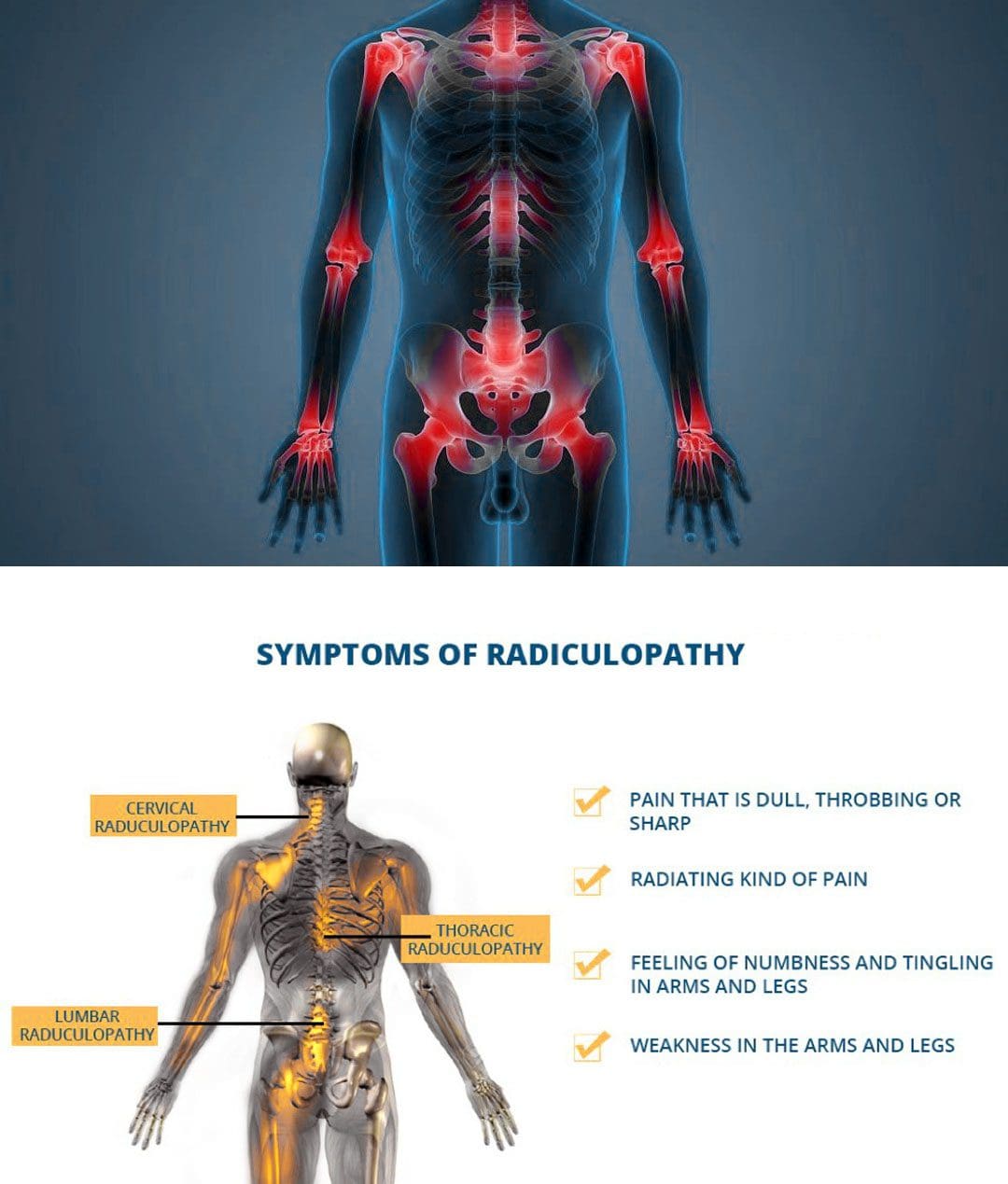
Nerve irritation is not to be confused with nerve root compression or radiculopathy. This is when the nerve becomes compressed/pinched, resulting in the loss of its functions like muscle strength and sensation. Sometimes individuals with nerve irritation can also experience increased neural tension. The nerves adapt to the mechanical loads placed on them through regular movements. Restrictions to neural mobility can cause symptoms to worsen along the pathway and distribution of the nerve.

  • The nervous system consists of the brain, spine, and nerve branches.
  • The branches, similar to electrical cables, cannot stretch.
  • Tension is generated when straightening out body areas, creating a pull and gliding of the nerve to the spinal cord.
  • When nerve irritation occurs, signals are sent to protect the body, brain, spine, and branches.

Causes

Most commonly, nerve irritation occurs when a structure adjacent to the nerve; this could be a joint, ligament, and/or muscle that accumulates strain and becomes dysfunctional, swollen, inflamed, and/or spasms resulting from protective guarding.

  • Mild nerve irritation can include accumulated strain from postural overload and swelling from a minor tear in an adjacent ligament.
  • Often nothing shows as a problem on an MRI scan.
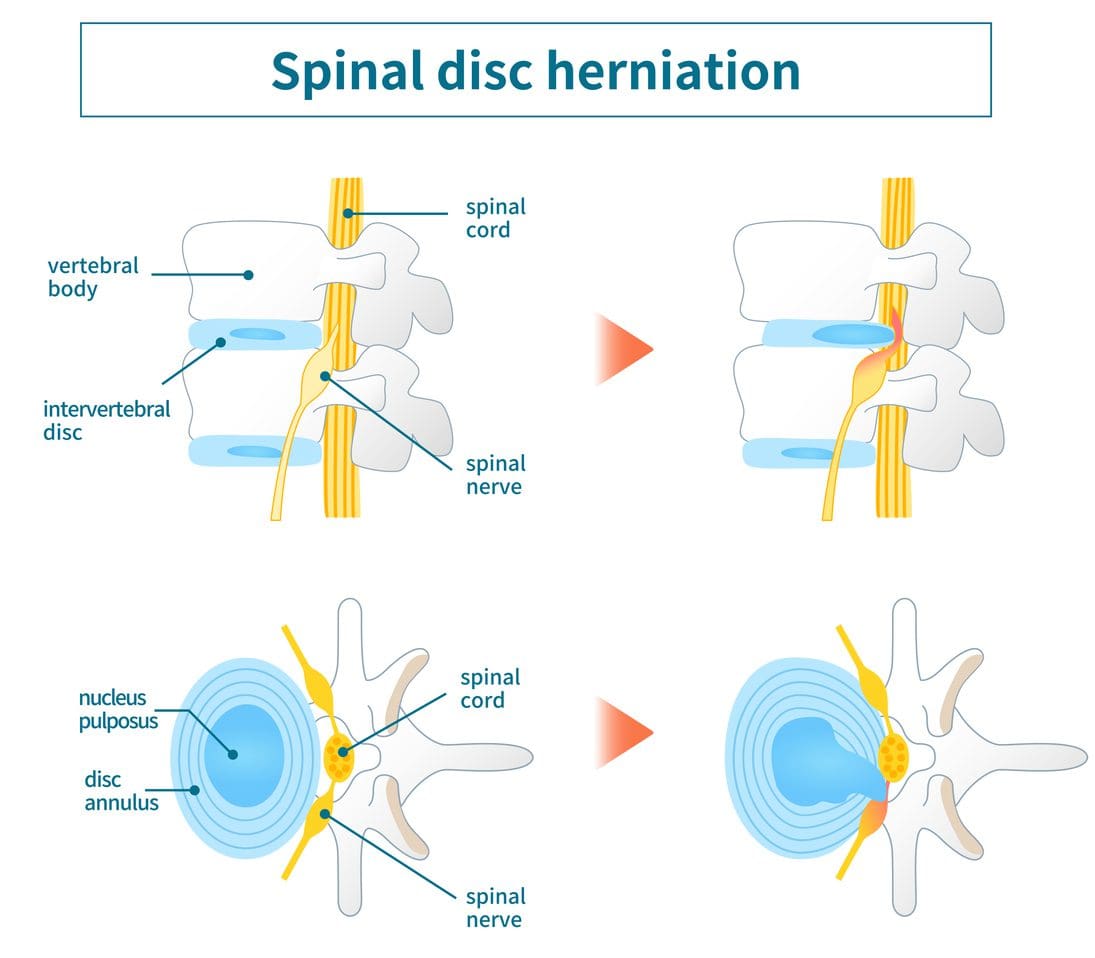
  • Severe nerve irritation can include disc herniation and shows up on an MRI scan; surgery could be required in some cases.

Symptoms

  • Stiffness
  • Tightness
  • Aches
  • Pains
  • Persist even after days of rest, stretching, targeted exercises, avoiding movements, etc.
  • Stretching feels good at first, but the pain returns or worsens a few hours later or the next day.
  • The irritation blocks the effective recovery of muscle, joint, tendon, and ligament discomfort symptoms.

Chiropractic Care

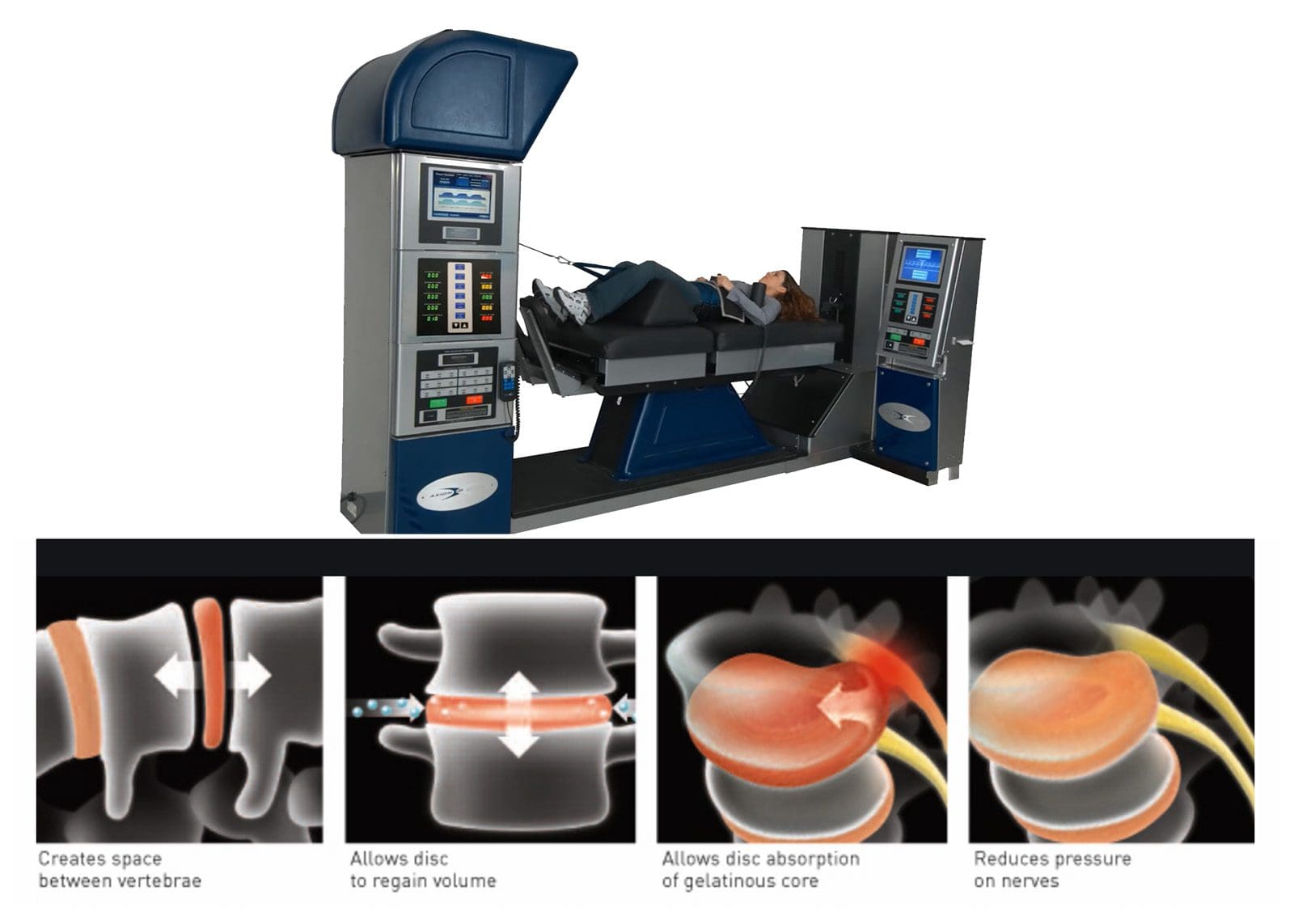
Treatment involves various therapies and strengthening the supporting structures while relaxing and releasing tight structures to avoid recurring injuries. Chiropractic care realigns the spine, corrects joints that have shifted out of place, helps to regulate the nervous system’s function, and relieves irritation and inflammation. Whether in the form of an adjustment, traction, or guided exercise, all systems in the body are moved closer to a balanced state. This includes the:

  • Nervous system
  • Immune system
  • Respiratory system
  • Circulatory system
  • Endocrine system
  • Skeletal system
  • All help support the body’s self-healing process and increase the nervous system’s function.

The chiropractic team will guide the patient through the rehabilitation process to get back to full strength.


Peroneal Nerve Irritation


References

Ellis, Richard F, and Wayne A Hing. “Neural mobilization: a systematic review of randomized controlled trials with an analysis of therapeutic efficacy.” The Journal of manual & manipulative therapy vol. 16,1 (2008): 8-22. doi:10.1179/106698108790818594

Gibson, William, et al. “Transcutaneous electrical nerve stimulation (TENS) for neuropathic pain in adults.” The Cochrane database of systematic reviews vol. 9,9 CD011976. 14 Sep. 2017, doi:10.1002/14651858.CD011976.pub2

O’Shea, Simone D et al. “Peripheral muscle strength training in COPD: a systematic review.” Chest vol. 126,3 (2004): 903-14. doi:10.1378/chest.126.3.903

Rozmaryn, L M et al. “Nerve and tendon gliding exercises and the conservative management of carpal tunnel syndrome.” Journal of hand therapy: official Journal of the American Society of Hand Therapists vol. 11,3 (1998): 171-9. doi:10.1016/s0894-1130(98)80035-5

Sipko, Tomasz, et al. “Mobility of cervical spine and postural equilibrium in patients with spinal overload syndrome.” Ortopedia, traumatologia, rehabilitacja vol. 9,2 (2007): 141-8.

Finding The Right Diet For Cardiometabolic Syndrome (Part 2)

Hypertension? There's a diet for that | *MUST WATCH*  El Paso, Tx (2023)

Introduction

Dr. Jimenez, D.C., presents how to find the right diet for cardiometabolic syndrome in this 2-part series. Many environmental factors often play a role in our health and wellness. In today’s presentation, we continue discussing how genes play with the cardiometabolic diet. Part 1 looked at how every body type is different and how the cardiometabolic diet plays its role. We mention our patients to certified medical providers that provide available therapy treatments for individuals suffering from chronic conditions associated with metabolic connections. We encourage each patient when it is appropriate by referring them to associated medical providers based on their diagnosis or needs. We understand and accept that education is a marvelous way when asking our providers’ crucial questions at the patient’s request and acknowledgment. Dr. Alex Jimenez, D.C., uses this information as an educational service. Disclaimer


Omega-3s & Genes

Dr. Alex Jimenez, D.C., presents: We’ve found that fish oils or omega-3s can lower triglycerides, small-density LDL, and sometimes lower LDL and keep HDL regulated. But these studies were back when they were supplementing with more of an even DHA/EPA ratio. But that’s something to be observant of; the study showed that giving them fish oil lowers their small density LDL and triglycerides. They also found that if they gave them a lower fat food plan, and a lower fat diet, they found it lowered their LDL and small density LDL. A moderate fat diet reduced their LDL, but it increased their small density LDL. And they found that average alcohol consumption lowered their HDL and increased their LDL. So that’s not a good sign when that happens. So the opposite of what you want to occur with a moderate alcohol consumption diet or food plan.


So going back to APO-E4 in the body, how would this gene be affected when dealing with viral infections like herpes or cold sores? So research studies have revealed that APO-E4 and herpes simplex one viruses can affect the brain’s cerebral tissues. So the research also indicates that patients with APO-E4 are more susceptible to getting the herpes virus. And remember, herpes simplex one virus is what causes cold sores. What about HSV and dementia? How would that correlate with the body? The research indicates that HSV increases the risk of dementia. And what the thought is is that just like the herpes virus can come out and cause cold sores, it can internally manifest, and you can get these episodes where HSV becomes active in the brain, which can cause some of the pathogenesis of dementia or Alzheimer’s disease.


APO-E & Finding The Right Diet

Dr. Alex Jimenez, D.C., presents: And there was a study that showed that if you gave patients with dementia antivirals, it decreased the risk of getting dementia. So what do we do with the APO-E genotype? If you have APO-E2, APO-E3, or APO-E4, you can start them on the cardiometabolic food plan. If they’re on the SAD diet, the standard American diet, then putting them on the cardiometabolic food plan is just a good idea. It’s going to start shifting them in the right direction. What about additional consideration if they have APO-E3/4 and APO-E4/4? There are a couple of reasons you should jump in on this. They like it more when you customize a diet to a patient’s genetics. So if you can say, listen, we have your genes, and we know that you would do better if you had lower saturated fat, or if you don’t do so well on alcohol X, Y, or Z, it makes them pay attention more.


Because now it’s personalized. It’s not like, “Hey, everybody, just eat healthily.” It’s more personalized to your genetics. So, that would be a reason to start this from the get-go. But get them on the cardiometabolic food plan, and they should begin to feel better. But we would start by putting the whole thing in perspective that this APO-E3/4 and APO-E4/4 is not a death sentence. It’s a clue of how you respond to your environment and what we need to watch out for. It does not mean that you are going to get Alzheimer’s. The majority of people with Alzheimer’s do not have APO-E4. You have a higher risk of getting Alzheimer’s if you have APO-E4. And that’s where functional medicine comes in to risk-stratify them.


Finding The Right Diet For You

Dr. Alex Jimenez, D.C., presents: We recommend a lower simple carbohydrate diet or a higher glycemic index diet. And diet and food plan interchangeably, but patients call it a food plan because diet has negative connotations. So we avoid the word diet because when people hear or speak it, some people are triggered by it. You have people with food disorders and people with bad experiences with diets. A lower fat and a lower saturated fat food plan or recommendation is something to consider and be more aggressive with omega-3s. And if you start giving omega-3s to the patients, it is best to check their omega-3 levels and see if they begin to fluctuate. If they start shifting for the better, then we strongly advise against alcohol and monitor these patients for cognitive decline; there are different tools that you can use.


When it comes to omega-3s, it is best to do a cognitive test to keep an eye on their mentation. So if it starts to decline, you’re jumping in way before you have a major problem. And because of the issue of them not being able to deal with viral infections like herpes. And because the herpes virus may play a role in getting dementia, you may consider lysine supplementation. Arginine can deplete lysine. So if you end up eating a lot of pumpkin seeds and a lot of almonds and whatnot that have higher amounts of arginine, you can counteract that with lysine. And the research suggested that you need about two grams of lysine daily. But remember, every patient is different, so don’t just throw everybody on lysine if they have APO-E3/4, APO-E4, or APO-E44 3 but just something to consider.


So final thoughts on APO-E and nutrition. There are many pieces to the puzzle. Do not be dogmatic and say you have these genes, so you must do this. Just realize there are so many different genes, so many other variabilities, and recognize that it’s not that race can have something to do with how APO-E is affected. For example, they did a study that found that people in Nigeria had higher amounts of APO-E4, and the APO-E4 four did not increase their risk of dementia. So there are other pieces of the puzzle, monitor biomarkers and continue to adjust the plan. Next, we will discuss dealing with people with high triglycerides and high LDL.


What To Do With Abnormal Lipids?

Dr. Alex Jimenez, D.C., presents: So how do you take the abnormal lipid findings that you see on your profiles of your patients, those biomarkers, as all of us check? And how do you adjust the cardiometabolic food plan? What of the highlights of a cardiometabolic food plan that you will do for your patient in response to their lipids? Let’s first review a few things we know about how to modulate the diet’s lipids. First, we know that if you go from a standard American diet to the cardiometabolic food plan. You remove the trans fatty acids, and if you remove the trans fatty acids, then you will see a decrease in LDL cholesterol triglycerides. You’ll get an improvement in HDL; to say it another way, if your diet is high in trans fatty acids, you’ll have a higher LDL you have, you’ll have more elevated triglycerides, and you’ll have lower HDL.


How To Modulate Your Diet

Dr. Alex Jimenez, D.C., presents: What else about modulating the diet? If you have longer chain fatty acids that are not polyunsaturated, you’ll have an increase in your LDL and triglycerides and an increase or no change in your HDL cholesterol. On the other hand, we focus a lot on the shorter chain fatty acids and functional medicine. So if you have shorter chain fatty acids that are less than ten carbons, you’ll have lower LDL cholesterol triglycerides and increased HDL. So you can see with the cardiometabolic food plan, by addressing with the patient, their fat source, you can begin to impact LDL cholesterol without anti-triglycerides, without any other modulation other than dietary habit. And then finally, we know the data early and some of the most recent meta-analyses of changing simple sugars in the diet.


We know that that can, in its own right, increase LDL cholesterol triglycerides, and you get a lowering of HDL. So let’s put this all in context. What do we want to do for our patients to decrease the risk of coronary artery disease or atherosclerosis fat disease? We want their LDL cholesterol to be in a lower range. We do not wish for that LDL to be oxidized. We want the HDL to be higher. And if we can get triglycerides down through dietary change, then that gives us a clue that they might not be dysfunctional in the insulin metabolism. Then finally, with omega-3 fatty acids or adding omega-3 fatty acids or mono-concentrated fatty acids, we’ll lower LDL cholesterol triglycerides, and we’ll get an increase in HDL cholesterol. This is associated with a reduction in cardiovascular risk independent of lipid levels.


Conclusion

Dr. Alex Jimenez, D.C., presents: How is that affecting the body? It is because you have inflammatory drivers independent of your serum lipids that will increase your risk of atherosclerosis disease. It comes to saturated fat and fat content. Balancing the proteins, and the fat, you don’t have as much oxidative stress associated with inflammation after a meal. Thus, even if you have an elevated LDL level, you have less chance of having an increased oxidized LDL. Incorporating fibrous foods, antioxidants, lean meats, dark leafy greens, and supplements into a healthy diet can help lower LDL and fatty acids in the body and reduce all these comorbidities causing issues to your health and wellness.

So, those are just some tips and tricks for diet prescription to reduce cardiometabolic syndrome. And we encourage your patients to add more greens, legumes, nuts, and seeds, making the plant-based diet a mainstay for their heart health.


Disclaimer

Sciatica Foot Pain: What Can You Do to Alleviate Your Symptoms?

Physiotherapist practices ankle foot treatment in studio

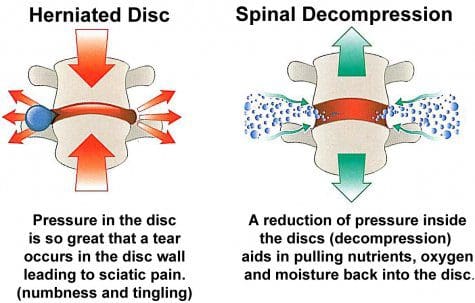
Sciatica can range from mild to severe. Most individuals are familiar with severe cases because of the intense shooting throbbing pain. On the other hand, mild cases can present with little to no discomfort or pain but involve tingling, pins and needles, electrical buzzing, and numbing sensations. This can make individuals think there is nothing wrong and their feet just fell asleep. It can come from nowhere, as there was no obvious back or leg trauma causing injury. However, somewhere along the nerve’s path, the nerve has become compressed, pinched, trapped, stuck, or twisted, most likely from a spasming muscle group in the lower back, buttocks, or legs causing the sciatica foot symptoms. Chiropractic, massage, and decompression therapy can relax the muscles, relieve the symptoms, release the nerve, and restore function.

Sciatica Foot Pain: What Can You Do to Alleviate Your Symptoms?

Sciatica Foot Symptoms

The sciatic nerve extends from the lower spine to the feet. Sciatica foot symptoms could be caused by several possibilities that range from piriformis syndrome to a developing slipped disc or spasming muscles. The symptoms travel through the nerve and can be felt anywhere along the nerve’s path, not necessarily at the source. This is why mild cases may only present with slight pricking/tingling sensations. However, left untreated, the cause can progress and develop into a severe case of sciatica.

Symptoms

The length of time that sciatica foot symptoms last will depend on the underlying cause. For example, if a herniated disc is the cause, the numbness may last for a few weeks or months until the disc heals. However, the numbness may be more long-lasting if sciatica is caused by degenerative disc disease. Sometimes, the nerve can be permanently damaged, leading to chronic pain and numbness. This is more likely to occur in individuals with diabetes or another condition that causes nerve damage.

  • A varying degree of leg weakness can present as the spinal nerve root issues interfere with effective signal communication between the brain and the leg muscles.
  • Leg weakness may also be interpreted as a pulling sensation in the leg.
  • Weakness in the foot or toe muscles can also present.
  • Leg movements such as walking, running, lifting the leg, or flexing the foot can also be affected.
  • The tingling and numbing sensations may worsen when sitting or standing for long periods or moving the back in certain ways.

Treatment

Chiropractic care is an excellent option for treating sciatica foot symptoms and starts with a personalized plan based on individual symptoms, injury, and medical history. Chiropractors are neuromusculoskeletal experts on the spine, vertebrae, surrounding muscles, tissues, and nerves. Treatment includes spinal and extremity adjustments to realign the body, decrease inflammation, relieve pressure, release the nerve, and ultimately allow the body to activate its natural healing processes.

Massage

  • Massage therapy can relieve muscle tension and spasms in the back and legs, reducing pressure on the sciatic nerve.
  • Massage also increases blood circulation and relaxes the muscles, speeding healing and recovery.

Electrical Stimulation

  • Electrical stimulation activates the nerves and muscles and reduces symptoms by blocking signals.

Physical Therapy

  • Physical therapy exercises can help stretch and strengthen the back and leg muscles.
  • Targeted exercises can be done at home to continue strengthening and maintaining the muscles.

Foot Orthotics

  • Using orthotic devices such as arch supports or heel cups can help relieve pressure on the feet.
  • Arch supports are especially helpful if sciatica foot symptoms are exacerbated by flat feet or other foot conditions.
  • Heel cups can help with the frequent use of high heels.

What is Plantar Fasciitis?


References

American Academy of Orthopaedic Surgeons. “Sciatica.” https://orthoinfo.org/en/diseases–conditions/sciatica/

Cleveland Clinic. “Sciatica.” https://my.clevelandclinic.org/health/diseases/12792-sciatica#management-and-treatment

Emary, Peter C. “Evidence-based prognostication in a case of sciatica.” The Journal of the Canadian Chiropractic Association vol. 59,1 (2015): 24-9.

Frost, Lydia R et al. “Deficits in foot skin sensation are related to alterations in balance control in chronic low back patients experiencing clinical signs of lumbar nerve root impingement.” Gait & posture vol. 41,4 (2015): 923-8. doi:10.1016/j.gaitpost.2015.03.345

Mayo Clinic. “Sciatica.” https://www.mayoclinic.org/diseases-conditions/sciatica/symptoms-causes/syc-20377435?p=1

National Institutes of Health. “Sciatica.” https://medlineplus.gov/sciatica.html

Shakeel, Muhammad, et al. “An uncommon cause of sciatica.” Journal of the College of Physicians and Surgeons–Pakistan: JCPSP vol. 19,2 (2009): 127-9.

Tampin, Brigitte, et al. “Disentangling ‘sciatica’ to understand and characterize somatosensory profiles and potential pain mechanisms.” Scandinavian journal of pain vol. 22,1 48-58. 2 Aug. 2021, doi:10.1515/sjpain-2021-0058

The Best Diet For Hypertension (Part 1)

Hypertension? There's a diet for that | *MUST WATCH*  El Paso, Tx (2023)

Introduction

Dr. Jimenez, D.C., presents how to find the best diet approach to hypertension and cardiometabolic risk factors in this 2-part series. Many factors often play a role in our health and wellness. In today’s presentation, we will look at how a cardiometabolic diet is personalized for every body type and how genes play with the cardiometabolic diet. Part 2 will continue with how genes play their role in a cardiometabolic diet. We mention our patients to certified medical providers that provide available therapy treatments for individuals suffering from chronic conditions associated with metabolic connections. We encourage each patient when it is appropriate by referring them to associated medical providers based on their diagnosis or needs. We understand and accept that education is a marvelous way when asking our providers’ crucial questions at the patient’s request and acknowledgment. Dr. Alex Jimenez, D.C., uses this information as an educational service. Disclaimer


What Is A Cardiometabolic Diet?

Dr. Alex Jimenez, D.C., presents: Regarding cardiovascular disorders, some terms we look for are: actual heart disease or stroke risk, or they’re on the metabolic side. Insulin, blood sugar, metabolic dysfunction. These words capture the themes we’ve been talking about lipids, glucose, inflammation, and insulin. Those are the people that you’re thinking about for this plan. And what you’re doing is building a lifestyle prescription. And for our patients who have cardiometabolic issues, we’re going to really take advantage of those features of our cardiometabolic food plan and then take them a step further to not only give a low glycemic impact, anti-inflammatory, plant-based kind of nutrient source but then how can we tailor it according to other parameters of this patient and then how can we help this patient implement it when they step outside your office and have to enter into their environment, which may or may not be set up for success.


So first things first. There is a practitioner guide that you must take advantage of, and this is like the scriptures of nutrition, and it has so many resources in here, but of course, they are of use to you once you know about them. So this is going to give you the how-to. So in case you miss something or want more detail, please refer to this practitioner guide for the cardiometabolic food plan. Now, let’s say you want to do the first entry-level use of this food plan. Well, we would grab the one that tells a cardiometabolic food plan. You’ll notice that all these specialized foods are selected to help with cardiometabolic conditions.


Personalizing A Plan

Dr. Alex Jimenez, D.C., presents: And it’s much better than saying, “Hey, eat fewer carbs, eat more plants. You know, eat healthier and exercise more.” That needs to be more specific. So taking it a step further, give them a blank food plan. It doesn’t have to be personalized to another level. Handing them a food plan and telling them to start eating from this list is only sometimes going to work. Sometimes we have to take it a step further to give them food choices in terms of quality and quantity. To that point, you have the ability right now with your patient to guesstimate size and caloric targets.


We can estimate size and weight and put small, medium, and large portions on food consumption. An example will be if we look at the different sizes of body types. For a petite adult body, it is best to ensure they consume about 1200-1400 calories. A medium adult body must consume about 1400-1800 calories, and a large adult body must consume about 1800-2200 calories. That might be the first kind of personalization.


Let’s give you some caloric-guided, quantity-guided food plan options. So what’s beautiful is that we have those already built out, and if you look closely at them, it tells you how many servings of each category should be in each specific small, medium, and large food plan. So you don’t have to do that calculation. Now if you want to take it to the next level and you have a BIA or a bioimpedance analysis machine, you can understand specifically their caloric burn rate and then if you want to modify it. An example would be a 40-year-old male who is unhappy with his weight and has been dealing with issues causing him ankle pain. So let’s see how we can change these things.


As we look at his body index, he is about 245 pounds and has been dealing with some cardiometabolic issues. Now when we look at his numbers and data from the BIA machine, we would develop a food plan that can help dampen the cardiometabolic issues effects that can help him. We would start to calculate come caloric recommendations and have a personalized diet and exercise plan to reduce the symptoms affecting his body and help promote muscle gain and weight loss. This customized plan allows him to keep track of his progress to see what works that is helping him lose weight or what needs improvement. Making these small changes can be beneficial in the long hall, as it will take some time to develop healthy habits.


How To Cater a Cardiometabolic Diet?

Dr. Alex Jimenez, D.C., presents: Now, what do you do with that information and cater it to become a diet for cardiometabolic disorders? Well, you would work with a health coach and other associated medical providers like a nutritionist to pull out a personalized food plan to help your patients understand what’s in each category and how to personalize the servings per day if you decide to get a bit more personalized with the caloric targets. And remember that some MVPs are the most valuable players with super nutrient powers within this food plan. It is also important to make time with the patient to discuss foods that benefit their health and wellness. Remember that this cardiometabolic food plan’s goal is to be able to personalize for unique clinical cases and unique patients. However, it still serves the general need for cardiometabolic food signals for our patients with these issues.


There’s something in here for everybody; remember, you must get started on something. So please consider how you can make this available to your patients so that they have it to a couple of recipes; it’s got menu plans, shopping guides, and recipe indexes. It’s chalked full of the things that slow us down in getting nitty gritty about the cardiometabolic food plan or nutrition in general. Something is always better than nothing. So by starting with the cardiometabolic food plan for your patients, you will start seeing the science be beautifully put into action. We will talk about how to use genetics with diet prescription.


Cardiometabolic Diet & Genes

Dr. Alex Jimenez, D.C., presents: Going a bit deeper, we will discuss how we tailor the cardiometabolic food plan in patients based on their APO-E genotypes. How do we customize it a little bit further? So what is APO-E? APO-E is a class of APO lipoproteins produced in the liver macrophages in astrocytes. It is required for the chylomicrons and IDLs while mediating cholesterol metabolism and is the principal cholesterol carrier in the brain. Now, there are three possible genotypes. There’s APO-E2, APO-E3, and APO-E4. And what happens is you’re going to get one from each parent. So you’re going to end up with a combination at the end. So you’ll be either APO-E3 with APO-E4 or APO-E2 with APO-E3. So based on what you got from your mother and what you got from your father, you’re going to have that combination.


APO-E Explained

Dr. Alex Jimenez, D.C., presents: So APO-E2 two and APO-E3, there’s a lot of information online, but there’s not good evidence on making specific dietary changes in these particular genotypes. So unfortunately, we don’t have the data to confidently say how to modulate, change or customize the food plan based on these genotypes. The best we can tell you is to follow the biomarkers; every patient is an individual. But what about APO-E4? Around 20% of Americans have at least one APO-E4 allele, and if you have APO-E4, you have an increased risk of mild cognitive impairment, Alzheimer’s, hyperlipidemia, diabetes, and coronary heart disease. And if you smoke or drink, you have a worse outcome with this genotype. Interestingly, being relevant to the times increases the risk of infections that can affect your body.


So usually, something helps one thing, but it will, and it can hurt others. So with your patients that you already have their genetics on, this might be a nice way to look at if you know their APO-E4 risk stratified them even more when protecting them. So this was independent of whether they had dementia, underlying cardiovascular disease, or diabetes.


If you have APO-E4, it may be protective against malaria, and who knows what other benefits it would have? An interesting fact about APO-E4 is that, in a study where they tried to give them DHA supplementation, they found it harder to get the DHA in the brain higher with APO-E4. They could elevate it, but not as well as if you had APO-E2 or APO-E3. And this was like supplementing with DHA. Other studies showed that the levels did not respond well if you did DHA and EPA together. So you didn’t get as high of a response of the omega-3s with APO-E4 versus if you had APO-E2 or APO-E3.


How Omega-3 Play Their Role?

Dr. Alex Jimenez, D.C., presents: So the interesting thing, though, is that the study looked at the omegas in the brain that was supplemented with DHA. We have all kinds of new research on the benefit of EPA-only omega-3s; there’s even a main name brand product that is EPA-only. If you look at, if you look to the right, you see that EPA ends up becoming DHA. So if you start increasing, both EPA and DHA will go up. What about APO-E in your diet or the food that you’re consuming? When they looked at genetically modified mice where they took APO-E out, they found extreme hypercholesterolemia with a high-fat food plan.


So when the mice were fed higher fat diets, they had this extreme rise in high cholesterol. Why is this relevant? Because APO-E4 does not function as well as APO-E3 and APO-E2. That hinted that this could affect us if we consumed a higher-fat food plan. So in a U.K. study, they found out that if they gave patients APO-E4 and switched it from saturated fats, they decreased their saturated fats while increasing their lower glycemic index carbohydrates; they found that it lowered their LDL and APO-B. This is a clue that we may want to decrease saturated fats, even healthier saturated fats, in these patients.


So the Berkeley Heart Study from the Berkeley Heart Lab was bought by Quest. It’s now called Cardio iq. It’s one of the original advanced lipid testing labs. And they had an observational study where they saw different effects in these patients with APO-E4 and other products based on various dietary modifications. So what did they find? They found that giving them fish oil lowered their triglycerides, reduced their small density LDL and HDL, and increased their LDL. So their HDL decreased, but the small density LDL went down, and their triglycerides went down.


Disclaimer

High Blood Pressure and Physical Activity: Functional Wellness

Bearded Indian sportsman looking at watch and taking his pulse after running while sitting on bench outdoors

High Blood Pressure and Physical Activity: Blood pressure flows throughout the body to meet metabolic demands. During periods of physiological stress like physical activity, exercise, or feeling overwhelmed, blood pressure can increase for a short period but is not considered dangerous or unhealthy. However, when an individual’s baseline resting blood pressure readings stay high, the risk of developing serious health conditions increases. High blood pressure is reversible with lifestyle adjustments and physical activity for a more healthy and sustainable level.

High Blood Pressure and Physical Activity: EP Chiropractic

High Blood Pressure and Physical Activity

Everything individuals need to know and understand about high blood pressure includes:

  • Common causes
  • Healthy readings
  • Monitoring pressure
  • Beneficial activities to lower blood pressure and improve health.

Blood pressure measures the force exerted on the circulatory system. Blood pressure changes throughout the day, depending on the following:

  • Nutrition
  • Activity levels
  • Stress levels
  • Medical comorbidities

Unlike heart rate or temperature, blood pressure is two separate measurements. Typically seen as a fraction, for example – 120/80 mmHg, each number gives the medical provider information about the function and health of the vascular system:

Systolic

  • Written as the top number of the measurement, systolic blood pressure refers to the force exerted against the blood vessels during a heartbeat.
  • This value represents the highest pressure on the arteries, veins, and capillaries.

Diastolic

  • The bottom number/measurement, the diastolic reading, represents the pressure the vascular system is subjected to between heartbeats.
  • In most cases, elevated diastolic blood pressure values are seen in individuals with high systolic blood pressure.

Readings

According to the CDC, a healthy blood pressure reading is 120/80 mmHg. As blood pressure changes throughout the day, it is recommended to have a baseline level/when at rest to remain as close as possible to these values. When baseline levels remain high, the risk of developing serious medical complications increases. Criteria for different stages of diagnosis include:

  • Elevated blood pressure – 120-129 mmHg / 80 or less mmHg.
  • Stage 1 hypertension – 130-139 mmHg / 80-89 mmHg.
  • Stage 2 hypertension – 140 or higher mmHg / 90 or higher mmHg.

Prolonged exposure to high pressure damages the vessels and heart.

Measurements

The first step to assessing baseline blood pressure is taking regular and accurate readings. An automatic blood pressure cuff and monitor at home can record readings to determine baseline values. Various factors can contribute to inaccurate readings. Here are a few tips for avoiding inaccuracy:

  • Ensure the correct arm cuff size.
  • Maintain proper posture throughout the test.
  • Keep the arm being measured at the height of the heart.
  • Avoid taking blood pressure after exercise or stress.
  • Double-check readings on the opposite arm when possible.
  • Try to take readings at a similar time during a rest period.
  • After each reading, record values in a journal for the primary care provider.
  • Performing daily blood pressure readings for a few weeks can be beneficial to determine baseline levels.

Physical Activity

Aerobic activities increase the body’s need for oxygen. Getting the muscles active and moving during physical activity increases the demand for oxygen, which is why breathing and heart rate increase. The cardiovascular system includes the heart, arteries, and veins. Additional stress is added when the system goes through aerobic activity to maintain metabolic levels, improving strength and endurance. Regular aerobic exercise can decrease high baseline pressure because a stronger heart and vascular system do not need to exert as much energy to maintain cell function. Aerobic activities include:

Brisk Walking

  • A low-impact aerobic exercise, brisk walking, has been shown to reduce baseline systolic blood pressure in individuals who participated in supervised walking sessions over six months.

Gardening

  • Gardening activities like digging and lifting are considered moderate-intensity exercises. It is a recommended low-impact option for individuals of all ages.

Bicycle Riding

  • Cycling has been shown to offer short and long-term benefits for managing blood pressure.
  • It is common for pressure to increase while biking; studies have shown that regular cycling can reduce baseline systolic and diastolic blood pressure over six months.
  • It is recommended to start slow. As confidence builds and cardiovascular endurance increases, longer and more regular bike rides become easier to integrate into a routine.

Dancing

  • All forms of dancing can help to improve cardio endurance and strength, which has been shown to reduce systolic and diastolic blood pressure readings.
  • Whether line dancing, partner dancing, or dancing alone, dancing regularly can help reduce stress and blood pressure levels.

Hypertension Nutrition


References

Cardoso, Crivaldo Gomes Jr, et al. “Acute and chronic effects of aerobic and resistance exercise on ambulatory blood pressure.” Clinics (Sao Paulo, Brazil) vol. 65,3 (2010): 317-25. doi:10.1590/S1807-59322010000300013

Conceição, Lino Sergio Rocha, et al. “Effect of dance therapy on blood pressure and exercise capacity of individuals with hypertension: A systematic review and meta-analysis.” International journal of cardiology vol. 220 (2016): 553-7. doi:10.1016/j.ijcard.2016.06.182

Desai, Angel N. “High Blood Pressure.” JAMA vol. 324,12 (2020): 1254-1255. doi:10.1001/jama.2020.11289

Hollingworth, M et al. “Dose-response associations between cycling activity and risk of hypertension in regular cyclists: The UK Cycling for Health Study.” Journal of human hypertension vol. 29,4 (2015): 219-23. doi:10.1038/jhh.2014.89

Mandini, Simona, et al. “Walking and hypertension: greater reductions in subjects with higher baseline systolic blood pressure following six months of guided walking.” PeerJ vol. 6 e5471. 30 Aug. 2018, doi:10.7717/peerj.5471

Sapra A, Malik A, Bhandari P. Vital Sign Assessment. [Updated 2022 May 8]. In: StatPearls [Internet]. Treasure Island (FL): StatPearls Publishing; 2022 Jan-. Available from: https://www.ncbi.nlm.nih.gov/books/NBK553213/

Understanding The Metabolic Connection & Chronic Diseases (Part 2)

Meet the Metabolic Connections between Major Chronic Diseases | 2023 El Paso, Tx

Introduction

Dr. Jimenez, D.C., presents how chronic metabolic connections like inflammation and insulin resistance are causing a chain reaction in the body in this 2-part series. Many factors often play a role in our health and wellness. In today’s presentation, we will continue on how these chronic metabolic diseases affect the vital organs and organ systems. It can lead to overlapping risk factors associated with pain-like symptoms in the muscles, joints, and vital organs. Part 1 examined how overlapping risk profiles like insulin resistance and inflammation affect the body and cause muscle and joints pain-like symptoms. We mention our patients to certified medical providers that provide available therapy treatments for individuals suffering from chronic conditions associated with metabolic connections. We encourage each patient when it is appropriate by referring them to associated medical providers based on their diagnosis or needs. We understand and accept that education is a marvelous way when asking our providers’ crucial questions at the patient’s request and acknowledgment. Dr. Alex Jimenez, D.C., uses this information as an educational service. Disclaimer


How The Liver Associated With Metabolic Diseases

So we can look to the liver to find earlier cues of cardiovascular risk. How can we do that? Well, let’s understand some liver biochemistry. So in a healthy liver cell hepatocyte, when you have increased insulin being secreted because there was a meal that required glucose to be absorbed, what you expect if the insulin receptor works is that the glucose would go in. Then the glucose would get oxidized and turned into energy. But here’s the problem. When the hepatocyte has insulin receptors that don’t work, you’ve got that insulin on the outside, and the glucose never made it in. But what also happens on the inside of the hepatocyte is it was assumed that the glucose was going to get in. So what it does is it turns off fatty acid oxidation, thinking, “Guys, we don’t need to burn our fatty acids. We’ve got some glucose coming in.”


So when the glucose is not there, and you’re not burning off fatty acids, very common for people to feel fatigued because nothing is burning for energy. But here is the secondary sequela; where are all those fatty acids going, right? Well, the liver may try to repackage them as triglycerides. Sometimes, they stay in the hepatocyte or get shifted out of the liver into the bloodstream as VLDL or very low-density lipoprotein. You might see it as a high triglyceride shift in a standard lipid panel. So, when all of us are talking about getting a triglyceride level to around 70 as your 8+ goal, when I start seeing triglycerides rising, we wait until they’re 150, even though that’s the cutoff for our labs. When we see it at 150, we know they are shunting triglycerides out of the liver.


So that will happen many times before we find impaired fasting glucose. So look at your triglycerides, fasting triglycerides, as an emerging or early biomarker of insulin dysfunction. So this is another diagram that says that if the triglycerides are being created because the fatty acids are being oxidized, they can stay in the liver. Then that makes steatosis or the fatty liver, or they can be pushed out, and they turn into lipoproteins. We’re going to talk about that in just a second. The body is like, “What are we going to do with these fatty acids?” We can’t try to shove them into places because nobody wants them. To that point, the liver is like, “I don’t want them, but I will keep some with me.” Or the liver would have these fatty acids transported and stuck to the blood vessel walls.


And then the blood vessels and arteries are like, “Well, I don’t want them; I’ll put them underneath my endothelium.” And so that’s how you get atherogenesis. The muscles are like, “I don’t want them, but I’ll take some.” That’s how you get the fatty streaks in your muscles. So when the liver is getting bogged down with steatosis, inflammation occurs in the body and produces this feed-forward cycle inside the hepatocyte, damaging the liver. You’re getting cellular death; you’re getting fibrosis, which is just an extension of what happens when we don’t address the core issues for fatty liver: inflammation and insulin resistance. So, we look for subtle rises in AST, ALT, and GGT; remember that it is a liver-based enzyme.


Hormone Enzymes & Inflammation

GGT enzymes in the liver are smoke detectors and tell us how much oxidative stress is going on. Will we look at HSCRP and APOB to see the output of this liver? Is it starting to dump excess fatty acids through VLDL, APOB, or triglycerides? And how it picks that is just genetics, honestly. So I look for liver markers to tell me what’s going on in the liver as a sign of what’s happening everywhere. Because that might be the genetic weak spot of the person, some people are genetically vulnerable just in terms of their lipid profiles. To that point, we can look for something called metabolic dyslipidemia. You know this as high triglycerides and low HDL. You can specifically look for a ratio; an optimal balance is three and lower. It starts going from three to five and then five to eight, like eight is almost pathognomonic of insulin resistance. You’re just reaching becoming more and more insulin resistant.


As the number increases for that trig over HDL ratio, that is a simple, easy way to screen for insulin resistance. Now some people look 3.0 on this but still have insulin resistance. So there are other tests you do. This is a way to find those who show insulin resistance through lipids. And remember, everybody is different. Women with PCOS could have amazing lipids but could express an increase or decrease of hormones associated with insulin, estrogen, and inflammation. So look for something other than one test or ratio to indicate whether they’ve got it. You’re looking to see what could be the place where we will find the clue.


So let’s use the word healthy. A healthy person has VLDL that looks to be a healthy normal size in their bodies, and they have normal LDL and HDL. But now look at what happens when you get insulin resistance. These VLDL ls start to pump up with triglycerides. That’s why they’re fattening up. It’s lipotoxicity. So if you start looking at the VLDL three numbers in a lipoprotein profile, you’ll see that that number is creeping up, and there are more of them, and their size is bigger. Now with LDL, what happens is that the cholesterol amount within the top and the bottom is the same. If I pop all these water balloons, it’s the same amount of LDL cholesterol. However, that amount of LDL cholesterol in insulin resistance is repackaged in small dense LDL.


How Does Functional Medicine Play Its Part?

Now we understand that there may be some of you who cannot or do not have access to this testing, or your patients cannot afford it, and that’s why we answered the questions and looked for other clues of insulin resistance and treat the root cause that is affecting the body. Look for signs of inflammation and other overlapping profiles of insulin resistance. The particle number is higher when they’re insulin resistance. So cholesterol is the same, whereas the particle number is more elevated, and small dense LDL is more atherogenic. Treat it because whether or not you have access to knowing the LDL particle, there should be something in your head that says, “Man, even though this person’s LDL cholesterol looks good, they have tons of inflammation and insulin resistance; I can’t be sure that they don’t have higher particle number.” You might assume that they do this just to be safe.


The other thing that happens in insulin resistance is that the HDL or the healthy cholesterol tends to become small. So that’s not very good because the efflux capacity of HDL is lessened when it’s smaller. So we like the larger HDL, if you will. Access to these tests would give you a solid indication of what’s going on with your patient from a cardiometabolic perspective.


When it comes to these tests, it is important to utilize them to determine the patient’s timeline when they have inflammation or insulin resistance in their bodies, affecting their quality of life. However, many people would often express that these tests are expensive and would go with the gold standard of testing for affordability and be able to decide if it is worth it to better their health and wellness.


Look For Cardiometabolic Risk Patterns

So when it comes to cardiometabolic risk factor patterns, we look at the insulin aspect and how it correlates with mitochondrial dysfunction associated with insulin resistance and inflammation. A research article mentions how two mitochondrial dysfunctions can affect the body. Okay, let’s talk about the first issue, which is the quantity issue. One could be endotoxins that we encounter in our environment, or two; it can be genetically passed along from generation to generation. So the two types could indicate that you don’t have enough mitochondria. So that’s a quantity issue. The other problem is it’s a quality issue. You got plenty of them; they don’t work well, so they don’t have high output or at least normal results. Now how does this play out in the body? So out in the periphery, your muscles, adipocytes, and liver, you have mitochondria in those cells, and it’s their job to energize that lock and jiggle. So if your mitochondria are in the right number, you’ve got plenty to energize the insulin cascade lock and jiggle.


Interesting, right? So here it is in summary, if you don’t have enough mitochondria, which is the problem in the periphery, you get insulin resistance because the lock and jiggle aren’t working well. But if you do not have the mitochondria working well in the pancreas, especially in the beta cell, you don’t secrete insulin. So you still get hyperglycemia; you don’t have high insulin state. When this happens, we know your brain should be hurting, but hopefully, it will come together slowly.


Another article mentions that it connects mitochondrial dysfunction with type two diabetes, and poor maternal nutrition can prime it. This one talks about how fatty liver is associated with lipotoxicity, right? That’s that increased fatty acid, and oxidative stress, which, remember, is the byproduct of inflammation. ATP depletion and mitochondrial dysfunction. When this happens, it can affect the liver, which then turns into the fatty liver, and can also be associated with gut dysfunction, which leads to chronic inflammation, elevated insulin resistance, mitochondrial dysfunction, and many more. These chronic metabolic diseases are connected, and there are ways to reduce these symptoms from affecting the body.


Conclusion

When having a conversation with their doctors, many patients know that the same drivers affect a whole host of other phenotypes, all commonly rooted in inflammation, insulin, and toxicity. So when many people realize these factors are the root cause, doctors will work with many associated medical providers to develop personalized functional treatment plans. So remember, you always have to use the timeline and the matrix to kind of help you know where do you start with this patient, and for some people, it might be you’re just going to tweak a little bit of lifestyle because all they’re working on is changing their body count. So it’s one of the blessings of functional medicine that we were able to turn off the inflammation in the gut, which helps reduce the toxic impact burdening the liver. It also allows the individual to find out what works or doesn’t work with their bodies and take these small steps to improve their health.


We hope you have fresh eyes about inflammation, insulin, and toxicity and how it is at the root of so many conditions that your patients are facing. And how through very simple and effective lifestyle and nutraceutical interventions, you can change that signaling and change the course of their symptoms today and the risks they have tomorrow.


Disclaimer

Adjustable Bed Benefits for Back Pain Relief

Woman suffering a back ache on a bad mattress

Getting healthy sleep can be difficult when dealing with back problems or recovering from surgery. Getting and staying comfortable long enough to sleep on a regular flat mattress can be difficult, if not impossible. It is worth considering an adjustable bed as an alternative. Because of their lifestyle and health benefits, these beds are growing in popularity to meet an individual’s spine, posture, and sleeping needs.

Adjustable Bed Benefits for Back Pain Relief

Adjustable Bed

An adjustable bed can raise and lower a mattress’s orientation to different angles, allowing the upper body to rest at a slight incline, 30 to 45 degrees, with support under the knees as they bend at a slight angle. The body can feel better in an inclined or semi-upright position rather than lying flat. Individuals with back or neck problems or joint conditions like shoulder arthritis have reported feeling better in this position.

Features

The number of adjustments varies from model to model. Available features include:

  • Adjustable firmness for the lower back/lumbar area.
  • Adjustments may be made by remote control.
  • Some offer massage options.
  • Zero gravity: NASA invented the zero gravity position to reduce pressure on astronauts during takeoff. In this position, the head and knees are raised above the heart, making the body feel weightless.
  • Adjustable beds are sold in single, queen, and king sizes.
  • Split queen and king sizes allow the settings to be customized for each side of the bed.

Benefits

Snoring

  • Over 90 million Americans snore during sleep.
  • The main cause of snoring is the blockage of the windpipe while sleeping, which can be caused by several factors, but most commonly by the weight of the neck on the windpipe, preventing the individual from breathing properly.
  • An adjustable bed allows for an inclined position, decreasing the pressure on the windpipe, reducing snoring, and allowing for a more relaxing sleep.

Asthma

  • Asthma can disrupt healthy sleep and make breathing difficult at night.
  • COPD and chronic lung conditions can worsen over time, impacting sleep quality.
  • Lying flat often irritates these lung conditions.
  • Sleeping with the head and feet in a raised position makes breathing easier.

Posture

  • Unhealthy posture causes soreness, stiffness, tightness, headaches, and other health issues.
  • Adjustable beds provide postural support to the spine and can improve posture and increase overall health.

Back Problems

  • 80% of individuals deal with various back issues and symptoms.
  • Adjustable beds provide support and alignment to the spine by allowing the mattress to conform to the body’s contours.
  • This can prevent sciatica, enabling the nerves to relax and rest without added body pressure.
  • For those with sciatica, pain can be alleviated by using a raised leg to take the stress off the nerves and increase circulation.
  • Lowering the bed up and down can help stretch the back.

Digestion

  • An adjustable bed can help with digestion issues.
  • An inclined position prevents indigestion and acid reflux and helps the body process food more efficiently.
  • A six-inch raise is recommended to increase digestion.
  • Individuals who go to bed on a full stomach should raise the incline as there is more digestive activity.

Inflammation, Swelling, and Injury Recovery

  • When dealing with neuromusculoskeletal injuries, doctors often recommend elevating the injured part of the body to speed up recovery.
  • An example is propping up the feet and maintaining elevation for a certain period.
  • An adjustable bed lifts or raises the mattress and elevates the limbs while maintaining a neutral/natural sleeping position.

Pregnancy

  • Physical and hormonal changes during pregnancy can cause back discomfort symptoms, sciatica, circulation issues, and swelling.
  • Pregnant women can use the zero gravity position to reduce swelling, alleviate back pain, and improve circulation.
  • This position also makes back sleeping safer for the mom and baby.

Individuals should research all the styles and features available to find what works for them.


Optimizing Your Wellness


References

Ancuelle, Victor, et al. “Effects of an adapted mattress in musculoskeletal pain and sleep quality in institutionalized elders.” Sleep science (Sao Paulo, Brazil) vol. 8,3 (2015): 115-20. doi:10.1016/j.slsci.2015.08.004

Söderback, I, and A Lassfolk. “The usefulness of four methods of assessing the benefits of electrically adjustable beds in relation to their costs.” International journal of technology assessment in health care vol. 9,4 (1993): 573-80. doi:10.1017/s0266462300005493

Tetley, M. “Instinctive sleeping and resting postures: an anthropological and zoological approach to the treatment of low back and joint pain.” BMJ (Clinical research ed.) vol. 321,7276 (2000): 1616-8. doi:10.1136/bmj.321.7276.1616

Verhaert, Vincent, et al. “Ergonomics in bed design: the effect of spinal alignment on sleep parameters.” Ergonomics vol. 54,2 (2011): 169-78. doi:10.1080/00140139.2010.538725

The Metabolic Connections Between Chronic Diseases (Part 1)

Meet the Metabolic Connections between Major Chronic Diseases | 2023 El Paso, Tx

Introduction

Dr. Alex Jimenez, D.C., presents how metabolic connections are causing a chain reaction to major chronic diseases in this 2-part series. Many factors often play a role in our health and wellness. It can lead to overlapping risk factors associated with pain-like symptoms in the muscles, joints, and vital organs. Part 2 will continue the presentation on metabolic connections with major chronic diseases. We mention our patients to certified medical providers that provide available therapy treatments for individuals suffering from chronic conditions associated with metabolic connections. We encourage each patient when it is appropriate by referring them to associated medical providers based on their diagnosis or needs. We understand and accept that education is a marvelous way when asking our providers’ crucial questions at the patient’s request and acknowledgment. Dr. Jimenez, D.C., makes use of this information as an educational service. Disclaimer


How Inflammation Affects The Body

Dr. Alex Jimenez, D.C., presents: So here you have a lean set of adipocytes on the left, and then as they start to plump up with more cellular weight, you can see those macrophages, the green boogies come around looking, saying, “Hey, what’s going on here? It doesn’t look right.” So they are investigating, and this causes local cell death; it’s just a part of the inflammatory cascade. So there is also another mechanism happening here. Those adipocytes are not just getting plumper by accident; it’s often related to a calorie surfette. So this nutrient overload damages the endoplasmic reticulum, leading to more inflammation. What these cells and the adipocytes are trying to do is protect themselves from glucose and lipo toxicity.


And the whole cell, the adipocyte cell, is creating these caps that are trying to say, “Please stop, we can’t take any more glucose, we can’t take any more lipids.” It’s a protection mechanism known as insulin resistance. It’s not just some random thing happening. It is the body’s way of trying to prevent glucose and lipotoxicity. Now that the inflammation alarm is occurring more than just in the adipocytes, it’s getting systemic. Other tissues and organs are starting to feel the same burden of the calorie surfette, causing inflammation and cell death. So glucose and lipotoxicity look like fatty liver when dealing with the liver. And you can also have it just like fatty liver progresses to cirrhosis with hepatocyte death. The same mechanism that’s happening in muscle cells. So our skeletal muscle cells specifically see cell death after inflammation and see fatty deposition.


The best way to think about it is, for example, the cows raised for food consumption and how they have marbled. So that’s the fatty deposition. And in humans, you can think about how people become sarcopenic as they become more and more insulin resistant. It’s the same phenomenon when body tissue tries to protect itself from glucolipotoxicity, causing a local inflammatory response. It becomes an endocrine response when it starts targeting other tissues in the periphery, whether the liver, muscle, bone, or brain; it’s just whatever is happening; they’re in the visceral adipocytes that can occur in other tissues. So that’s your paracrine effect. And then it can go viral, if you will.


Inflammation Associated With Insulin Resistance

Dr. Alex Jimenez, D.C., presents: You’re getting this local and systemic pro-inflammatory response coupled with insulin resistance, returning to this protection mechanism against glucose and lipotoxicity. Here you see how the blood vessels in our arteries get caught in the loop of fatty deposition and cell death. So you’ll see leaky blood vessels and fatty deposits, and you’ll see damage and pro-atherogenesis. Now, this is something we explained in AFMCP for the cardiometabolic module. And that is the physiology behind the insulin receptor. This is known as the lock and jiggle technique. So you have to have insulin lock into the insulin receptor up at the top., which is known as the lock.


And then there’s a phosphorylation cascade called the jiggle that then creates this cascade that ultimately causes the glucose-4 channels to open up the glucose-4 receptors to go into the cell so that it can be then the glucose, which is then utilized for energy production by the mitochondria. Of course, insulin resistance is where that receptor isn’t sticky or as responsive. And so not only do you fail to get glucose into the cell for energy production, but you are also rendering a hyper insulin state in the periphery. So you get hyperinsulinemia as well as hyperglycemia in this mechanism. So what can we do about that? Well, many nutrients have been shown to improve the lock and jiggle things that can improve the glucose-4 transporters coming up towards the periphery.


Anti-Inflammatory Supplements Reduce Inflammation

Dr. Alex Jimenez, D.C., presents: You see these listed here: vanadium, chromium, cinnamon alpha lipoic acid, biotin, and another relatively new player, berberine. Berberine is a botanical that can dampen all primary pro-inflammatory signals. So what precedes these comorbidities often and it’s insulin dysfunction. Well, what precedes insulin dysfunction many times? Inflammation or toxicity. So if berberine is helping the primary inflammation issue, it will address the downstream insulin resistance and all the comorbidities that can happen. So consider berberine as your option. So again, this shows you that if you can reduce inflammation up here at the top, you can minimize many cascade effects downstream. Berberine specifically seems to act in the microbiome layer. It modulates the gut microbiota. It may create some immune tolerance, therefore not rendering as much inflammation.


So consider berberine as one of the tools you can use to support insulin dysfunction and insulin resistance-related comorbidities. Berberine seems to increase insulin receptor expression, so the lock and jiggle work more effectively and improve the cascade with the glucose-4 transporters. That’s one mechanism by which you can start to find the root cause of many of the conditions we discussed when you see paracrine and endocrine glucose toxicity, lipotoxicity organ damage. Now another mechanism for you to consider is leveraging NF kappa B. So the goal is to keep NF kappa B grounded because as long as they don’t translocate, a host of inflammation signals do not get triggered.


So our goal is to keep NF kappa B grounded. How can we do that? Well, we can use NF kappa B inhibitors. So in this presentation of treatment options for any comorbidities related to insulin dysfunction, there are many ways to reduce these overlapping conditions affecting our bodies. So you can directly affect insulin resistance through anti-inflammatory supplements or indirectly help insulin resistance or insulin dysfunction by leveraging things against inflammation. Cause if you remember, insulin dysfunction is what then causes all those comorbidities. But what causes insulin dysfunction is generally inflammation or toxins. So our goal is to address pro-inflammatory things. Because if we can address pro-inflammatory things and nip the insulin dysfunction in the bud, we can prevent all the downstream organ damage or organ dysfunction.


Reducing Inflammation In The Body

Dr. Alex Jimenez, D.C., presents: Let’s move on to the next section that you can leverage or reduce the inflammation and insulin soup damage if you will, that the genes bathe in the body. This is the one you’ll often hear in our presentation, and that’s because, actually, in functional medicine, we help fix the gut. That’s usually where you need to go. And this is the pathophysiology for why we do that in cardiometabolic medicine. So if you have that poor or sad diet, that modern western diet with bad fats, it will directly damage your microbiome. That change in the microbiome can render increased intestinal permeability. And now lipopolysaccharides can translocate or leak into the bloodstream. To that point, the immune system says, “Oh no way, buddy. You’re not supposed to be in here.” You’ve got these endotoxins in there, and now there is a local and systemic inflammatory response that inflammation will drive the insulin dysfunction, which will cause the metabolic disorders that come after that.


Whatever the person’s genetically prone to, it gets clicked on epigenetically. So remember, if you can quell the inflammation in the microbiome, meaning create this tolerant and strong microbiome, you can reduce the inflammatory tone of the entire body. And when you reduce that, it’s been shown that it sets the insulin sensitivity. So the lower the inflammation, the higher the insulin sensitivity related to the microbiome. So surprise, it’s been shown that probiotics are associated with improved insulin sensitivity. So the right probiotics will create immune tolerance. Microbiome strength and modulation occur with probiotics. And so insulin sensitivity is preserved or regained based on where you are. So please consider that as another indirect mechanism or treatment option for leveraging cardiometabolic health for patients.


Probiotics

Dr. Alex Jimenez, D.C., presents: So when it comes to probiotics, we will use them in someone who might also concurrently have irritable bowel syndrome or food allergies. We might pick probiotics over NF kappa B inhibitors if they also have insulin resistance issues. But if they have many neurocognitive problems, we might start with the NF kappa B. So, that’s the way you can decide which ones to pick. Now, remember, when talking with patients, it is important to discuss how their eating habits are causing inflammation in their bodies. It is also important to note that it’s not just a quality conversation; it’s a quantity conversation and an immune conversation.


This reminds you that when you fix the gut by feeding it well and reducing its inflammatory tone, you get a host of other preventative benefits; you stop or at least reduce the strength of the dysfunction. And you can see that, ultimately can reduce the overlapping risk of obesity, diabetes, and metabolic syndrome. We are trying to drive home that metabolic endotoxemia, or just managing the microbiome, is a powerful tool to help your insulin-resistant or cardiometabolic patients. So much data tells us that we cannot just make the conversation about eating right and exercising.


It’s so much beyond that. So the more we can improve the gut microbiota, we can change inflammation signals through proper diet, exercise, stress management, sleep, all the other things we’ve been talking about, and fixing the gums and the teeth. The less the inflammation, the less the insulin dysfunction and, therefore, the less all those downstream disease effects. So what we want to make sure you know is to go to the gut and make sure that the gut microbiome is happy and tolerant. It’s one of the most potent ways to influence a healthy cardiometabolic phenotype. And aside, although it was a bigger thing a decade ago, non-caloric artificial sweeteners do as they might be non-caloric. And so people may be tricked into thinking it’s zero sugar.


But here’s the problem. These artificial sweeteners can interfere with healthy microbiome compositions and induce more type two phenotypes. So, even though you think you’re getting the benefit with no calories, you’re going to increase your risk for diabetes more through its effect on the gut microbiome. All right, We’ve made it through objective one. Hopefully, you’ve learned that insulin, inflammation, adipokines, and all the other things that happen in the endocrine response affect many organs. So let’s now start to look at emerging risk markers. Okay, we’ve talked a bit about TMAO. Again, that’s still a relevant concept here with gut and insulin resistance. So we want to make sure that you look at TMAO not as the end all be all but as another emerging biomarker that could give you a clue about microbiome health in general.


Looking For The Inflammatory Markers

Dr. Alex Jimenez, D.C., presents: We look at elevated TMAO to help the patient recognize that they have changed their eating habits. Most of the time, we help patients reduce unhealthy animal proteins and increase their plant-based nutrients. It’s generally how many doctors use it in standard medical practice. Alright, now another emerging biomarker, okay, and it sounds funny to call it emerging because it seems so obvious, and that is insulin. Our standard of care is centralized around glucose, fasting glucose, to our postprandial glucose A1C as a measure of glucose. We are glucose so centric and need insulin as an emerging biomarker if we try to be preventative and proactive.


And as you remember, we talked yesterday that fasting insulin in the bottom of the first quartile of your reference range for fasting insulin might be where you want to go. And for us in the US, that tends to be between five and seven as a unit. So notice that this is the pathophysiology of type two diabetes. So type two diabetes can happen from insulin resistance; it can also occur from mitochondrial problems. So pathophysiology of type two diabetes could be because your pancreas is not secreting enough insulin. So again, this is that little 20% that we talk about the majority of the people who are getting type two diabetes; it’s from insulin resistance, as we would suspect, from a hyper insulin problem. But there is this group of people who have damaged mitochondria, and they are not outputting insulin.


So their blood sugar rises, and they get type two diabetes. Okay, then the question is, if there is a problem with pancreatic beta cells, why is there a problem? Is the glucose going up because the muscles have insulin resistance, so they cannot capture and bring in glucose? So is it the liver that’s hepatic insulin resistant that cannot take in glucose for energy? Why is this glucose running around in the bloodstream? That’s what this is paraphrasing. So contributing role, you have to look at the adipocytes; you have to look for visceral adiposity. You must see if this person is just a big belly fat inflammatory-like catalyst. What can we do to reduce that? Is the inflammation coming from the microbiome?


Conclusion

Dr. Alex Jimenez, D.C., presents: Even the kidney can play a role in this, right? Like perhaps the kidney has increased glucose reabsorption. Why? Could it be because of an oxidative stress hit to the kidney, or could it be in the HPA axis, the hypothalamus pituitary adrenal axis where you’re getting this cortisol response and this sympathetic nervous system response that’s generating inflammation and driving the blood insulin and blood sugar disturbances? In Part 2, we will talk here about the liver. It’s a common player for many people, even if they don’t have fulminant fatty liver disease; it’s generally a subtle and common player for people with cardiometabolic dysfunction. So remember, we’ve got the visceral adiposity causing inflammation and insulin resistance with atherogenesis, and the liver is like this innocent bystander caught up in the drama. It’s happening before sometimes the atherogenesis starts.


Disclaimer