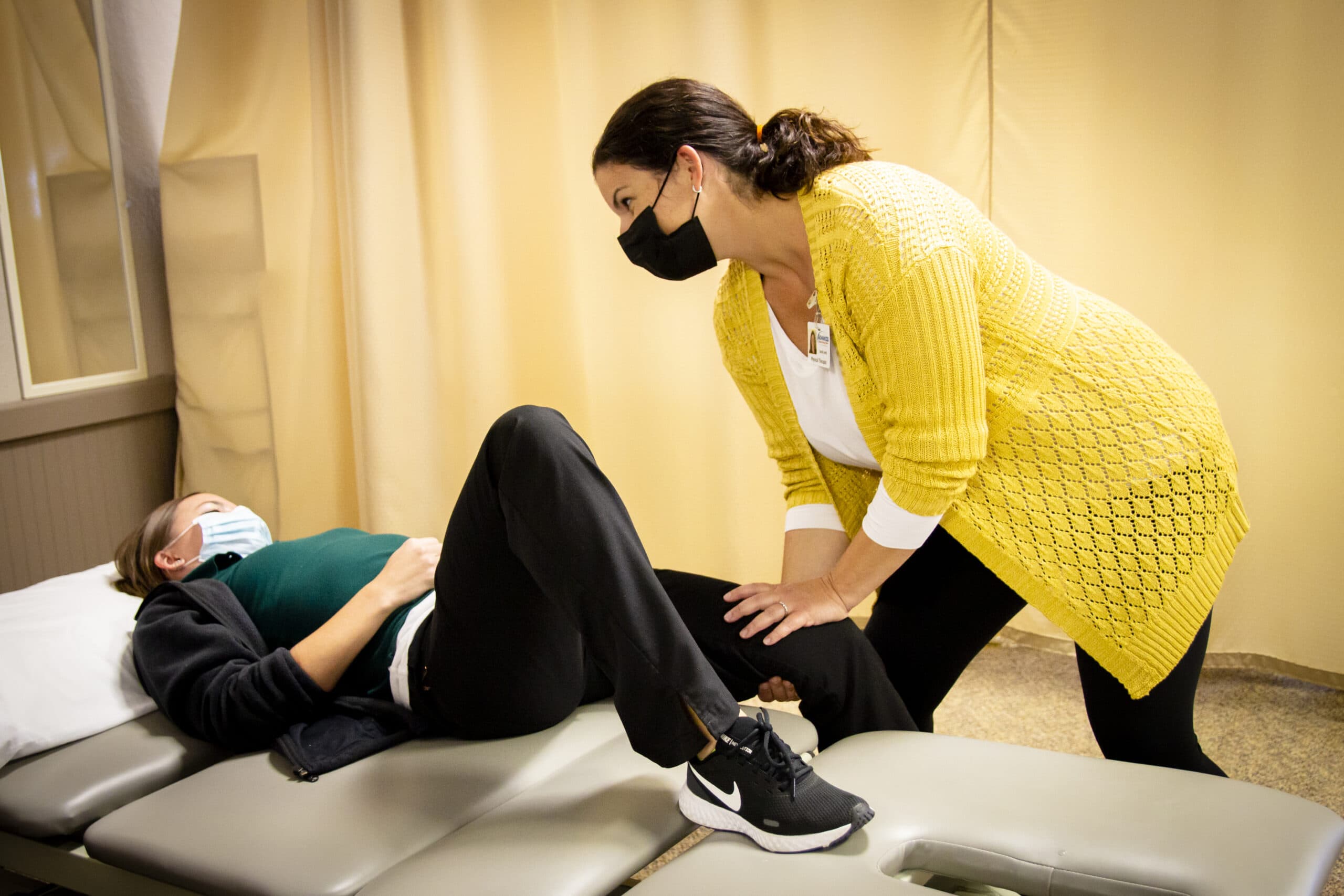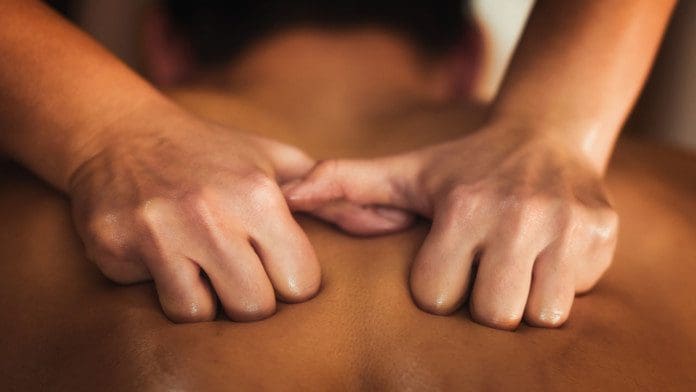
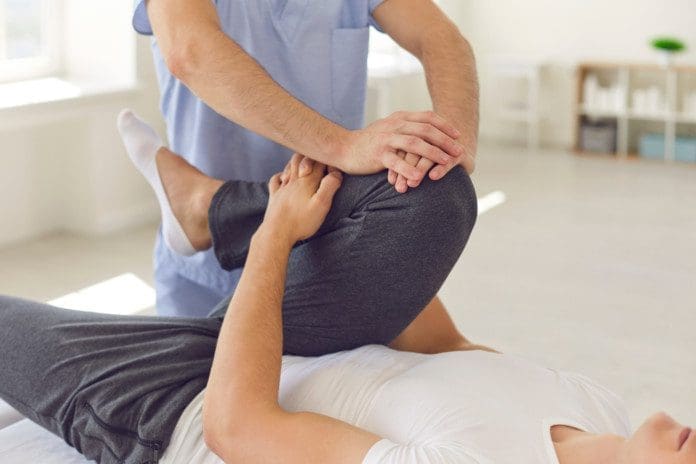
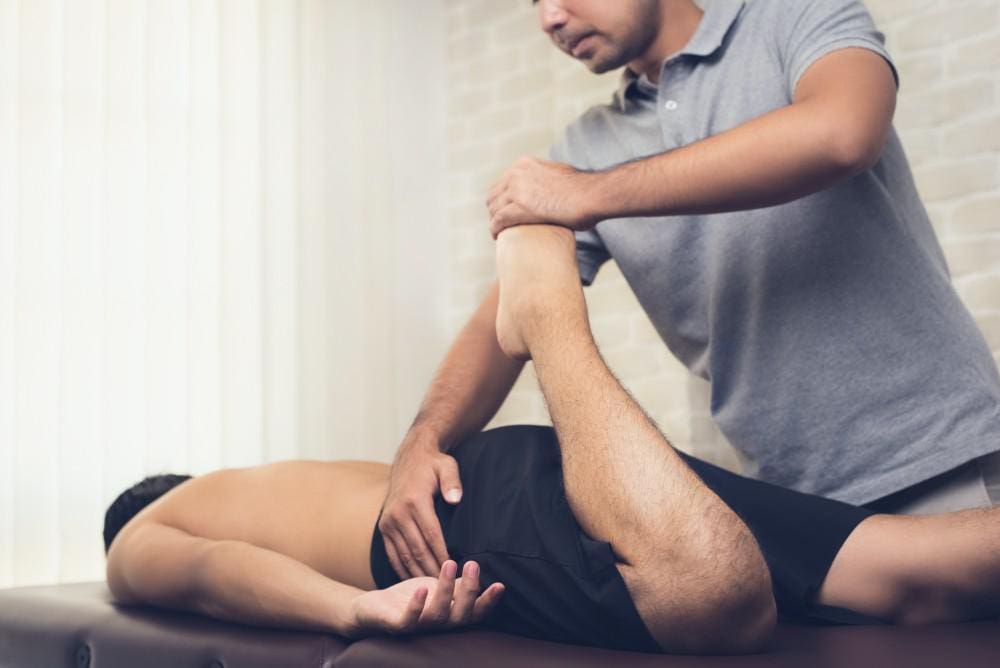
Massage is part of integrative medicine and can be used for various medical conditions. In massage therapy, a therapist rubs and kneads the body’s soft tissues, including muscle, connective tissue, tendons, ligaments, and skin. The therapist varies the amount of pressure and movement. Individuals often start feeling the effects right away. One of the benefits is increased temperature. Increased temperature amplifies blood flow and circulation, enabling muscular and connective tissues to release restriction, and muscle tightness, relieve tension, and improve movement. A massage therapist will use different techniques to increase the temperature to treat various conditions.
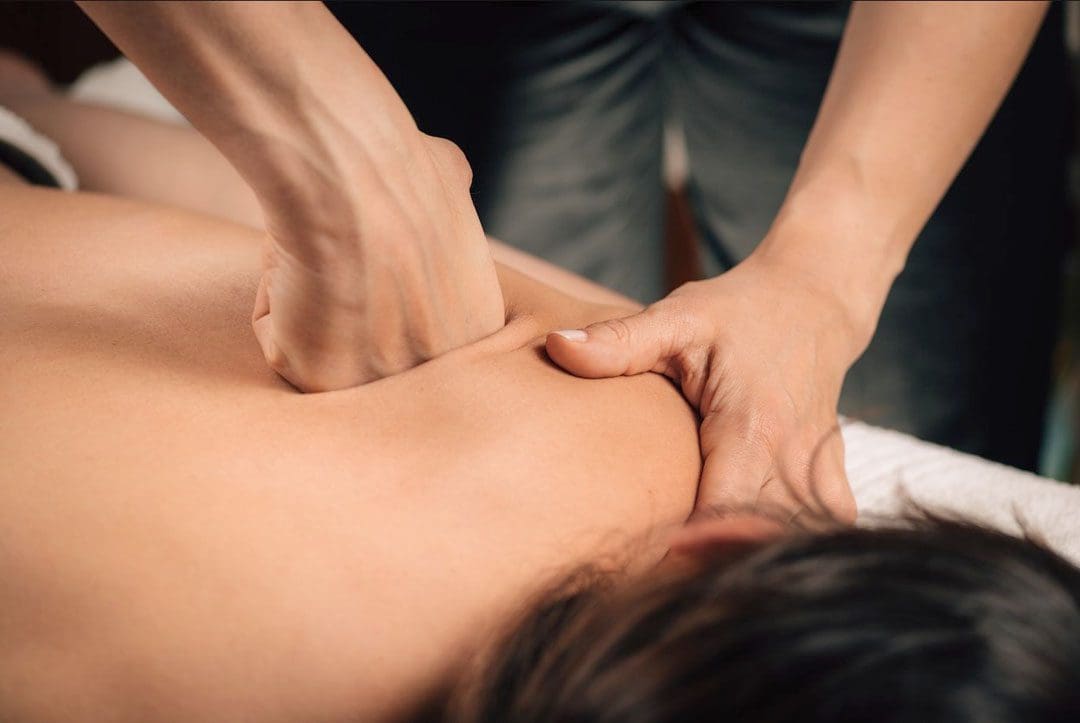
Table of Contents
Increased Temperature
Some patients want to know why their muscles heat up or burn during a massage. Muscles burn because of the accumulation of waste in the cells. The waste products are released as a result of massage. The muscles release lactate, a byproduct of glucose. The effects of deep tissue massage are almost the same as the effects of exercise. During the massage:
- The demand for oxygen in the tissues increases.
- Because of this, blood flow circulation to these tissues increases.
- This is necessary to supply oxygen and glucose.
- It excretes waste substances and toxins.
Muscle heat or burn during massage differs for everybody. Some individuals don’t feel it at all. The session can be so intense that the muscles can’t clear the lactate/toxins fast enough, causing the burning sensation.
Fascia Circulation
The temperature of the fascia can also be increased. Fascia is the thick, fibrous layer of connective tissues beneath the skin that can often become restrictive. Increased temperature in the superficial and deep tissues releases, relaxes, and loosens tight, tense, shortened, and/or injured areas, allowing muscular tissues to increase in elasticity, flexibility, and relaxation. Heart rate is raised, improving circulation and increasing the delivery of oxygen and nutrients to the affected areas and the rest of the body.
- Myofascial release involves slowly applying pressure to the area using flattened hands and fingers.
- The slow, soft pressure increases the temperature of the fascia.
- As the hands and fingers get deeper within, they slowly move around, spreading the fascia.
- This releases the tightness and relieves the pain.
- An individual’s posture can improve when the temperature is increased. Muscular tension and tightness can cause increased pain symptoms, not allowing healthy posture.
Muscle Burn Relief
Rehydrate
- Drink plenty of water after the session is over.
- Water maintains proper circulation for excreting waste products and nourishes the muscle cells with fresh nutrients and oxygen.
- Avoid coffee and alcohol as they increase urination and blood osmolality and dehydrate the body.
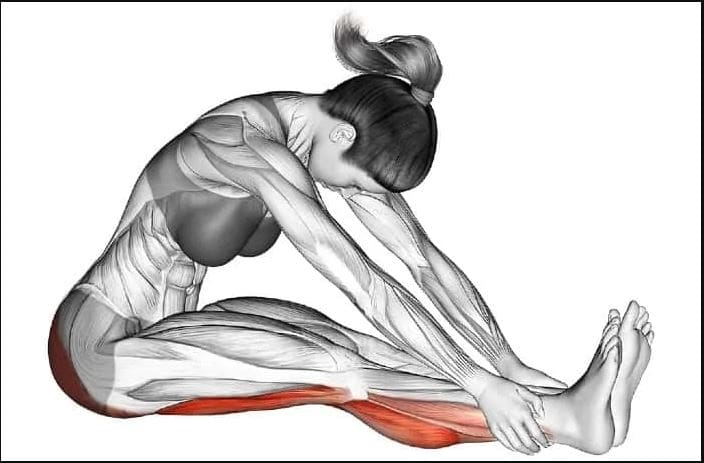
Stretching
- Stretching before and after a session can relieve muscle soreness.
- Stretching exercises increase blood flow.
- Stimulates the release of synovial fluid around the joints.
Sleep
- Get plenty of rest after a session.
- The body knows how to restore itself; during sleep, it reduces cortisol secretion.
- It increases the stimulation of antioxidative hormones to go after free radicals.
Herbal Remedies
- Herbal remedies like ginger, garlic, cloves, and cinnamon increase blood circulation, reducing pain and swelling.
Essential Oils
- Essential oils like peppermint oil can help relax the mind.
- They have anti-inflammatory properties that help with muscle burn and soreness.
- After a session, a little peppermint or CBD oil can relieve the sore parts.
Chiropractic Success Story
References
Dion LJ, et al. Development of a hospital-based massage therapy course at an academic medical center. International Journal of Therapeutic Massage and Bodywork. 2015; doi:10.3822/ijtmb.v8i1.249.
Massage therapy: What you need to know. National Center for Complementary and Integrative Health. https://www.nccih.nih.gov/health/massage-therapy-what-you-need-to-know. Accessed Jan. 5, 2021.
Rodgers NJ, et al. A decade of building massage therapy services at an academic medical center as part of a healing enhancement program. Complementary Therapies in Clinical Practice. 2015; doi:10.1016/j.ctcp.2015.07.004.





 Cross Training