Can individuals with piriformis syndrome incorporate acupuncture with various therapies to reduce sciatic nerve pain and other symptoms?
Introduction
As many individuals move around from one location to another thanks to the lower body extremities, the surrounding muscles, ligaments, nerve roots, and tissues help contribute to the sensory-motor function of the hips, legs, buttocks, and feet. All these muscle groups factor in to ensure they can be mobile without the effects of pain or discomfort. However, many factors and issues can cause the surrounding muscles to develop musculoskeletal problems over time, affecting a person’s mobility. One of the muscles that helps share the responsibility for mobility to hips and buttocks is the piriformis muscle, which is often overlooked when various injuries or repetitive motions start to affect a person’s ability to walk. Today’s article examines how piriformis syndrome affects mobility, how sciatic pain correlates with piriformis syndrome, and how therapies like acupuncture can help reduce piriformis syndrome. We talk with certified medical providers who consolidate our patients’ information to provide numerous treatments to minimize piriformis syndrome affecting a person’s mobility. We also inform and guide patients on how treatments like acupuncture can help reduce sciatic nerve pain associated with piriformis syndrome. We encourage our patients to ask their associated medical providers intricated and important questions about the referred pain-like symptoms they are experiencing from piriformis syndrome that is affecting their ability to walk. Dr. Jimenez, D.C., incorporates this information as an academic service. Disclaimer.
Piriformis Syndrome Affecting Mobility
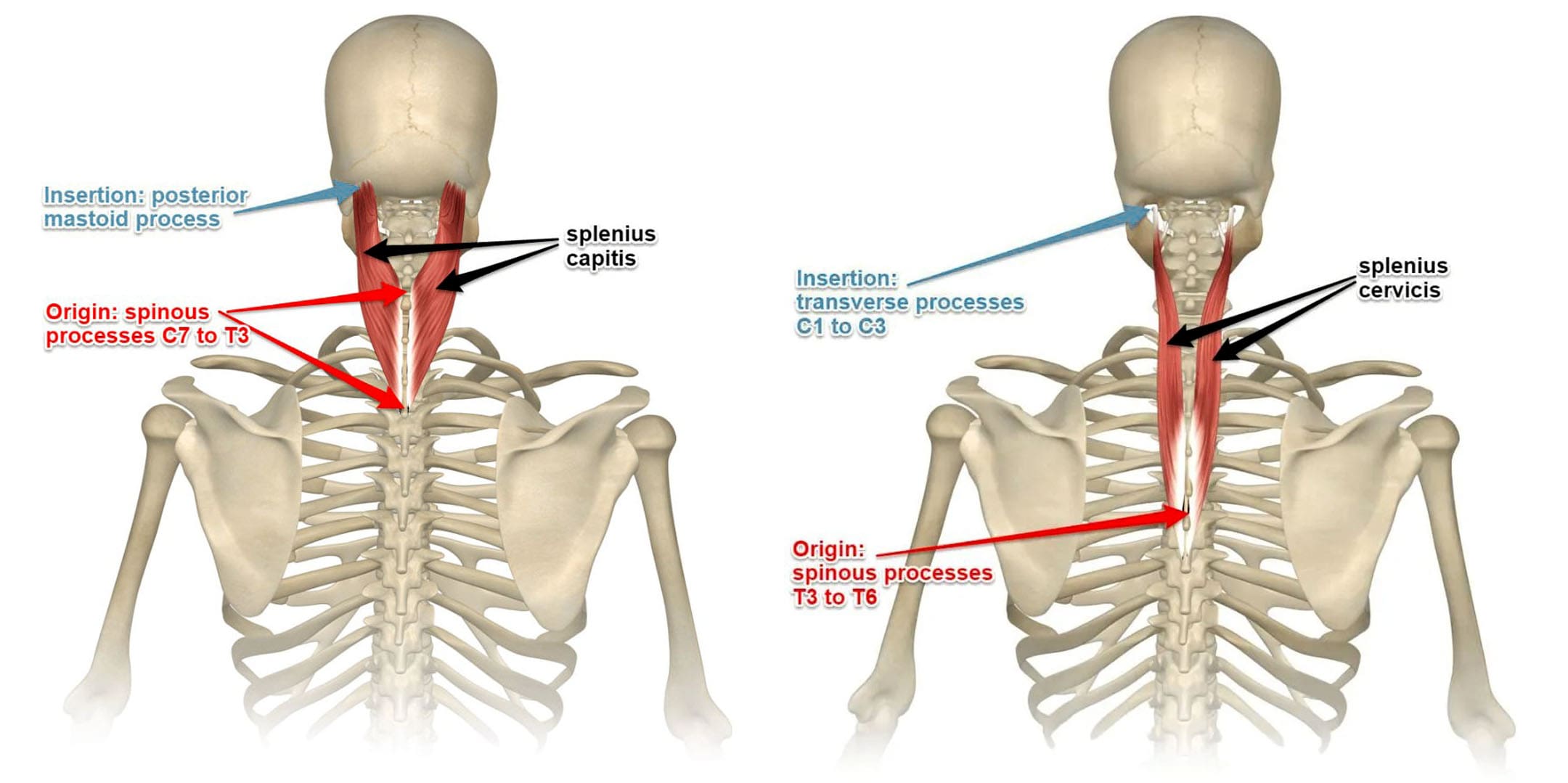
Have you been experiencing muscle tightness in your hips or buttock region, affecting your walking ability? Do you feel sensations of numbness, tingling, or burning pain traveling down to your knees and feet? Or, after a long day of work, do you feel pain when you are sitting down? Most of these symptoms are often correlated with piriformis syndrome. The six surrounding muscles surrounding the gluteal region of the thighs and hips all work together to provide lower body movement while stabilizing the hips and rotating the thighs. The piriformis muscle is a small, flat, pear-shaped muscle that runs on top of the sciatic nerve. Piriformis syndrome is a clinical musculoskeletal condition that causes sciatic nerve entrapment that causes many individuals to report shooting and burning pain down to their buttock region. (Hicks et al., 2024) This causes many people to think they are dealing with low back pain associated with sciatica. When a person is dealing with piriformis syndrome, they will experience limited mobility in their hips, which, over time, if not treated, will affect the thighs and legs.
How Does Sciatic Nerve Pain correlate with Piriformis Syndrome?
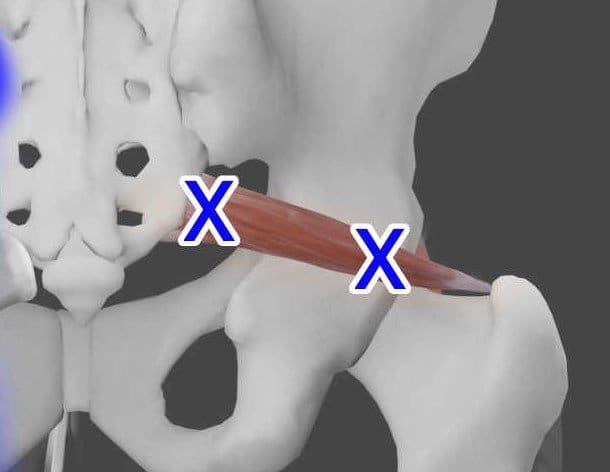
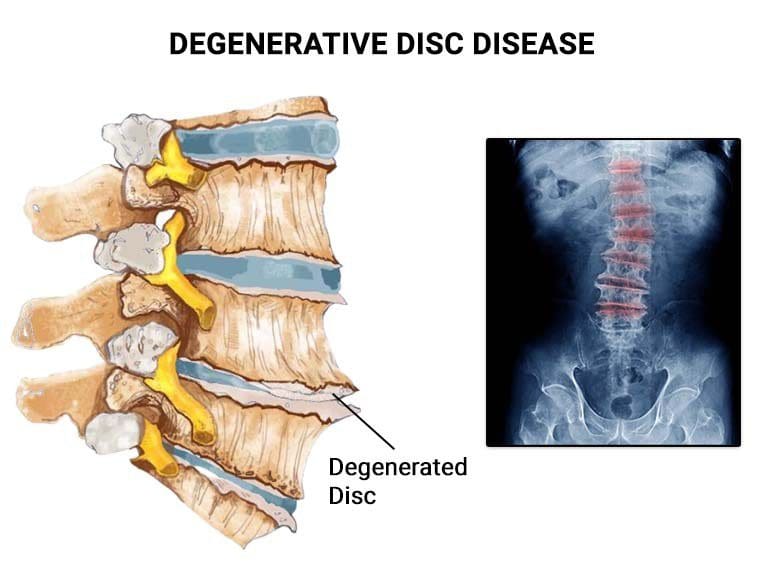
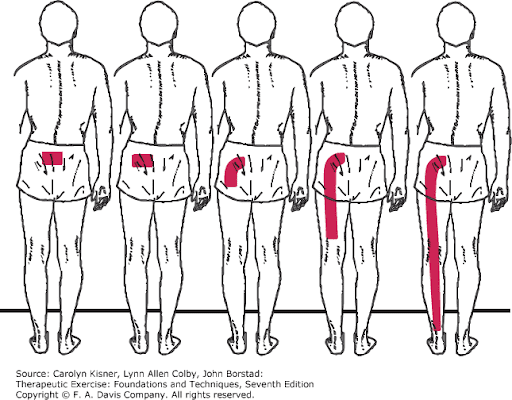
Additionally, since piriformis syndrome is correlated with sciatic nerve pain, some clinical findings causing overlapping risk profiles include restricted external hip rotation and muscle tightness of the lumbosacral muscles. Other clinical findings range from palpatory pain over the greater sciatic notch to aggravated pain in a seated position. (Sharma et al., 2023) Since sciatic nerve entrapment is correlated with piriformis syndrome, it is still regarded as the non-discogenic cause of sciatica. (Son & Lee, 2022) When that sciatic nerve gets trapped within the piriformis muscle, many people will experience numbness, tingling sensations, and similar pain patterns in the legs, just like sciatica; however, when individuals are looking for treatments to reduce the sciatic nerve pain and improve the piriformis muscle.
Acupuncture Therapy Reduces Piriformis Syndrome
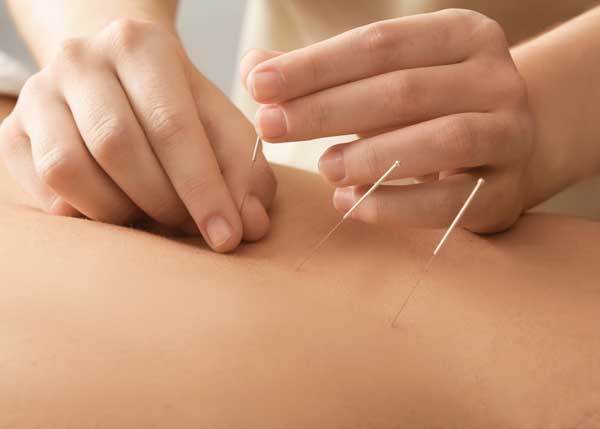
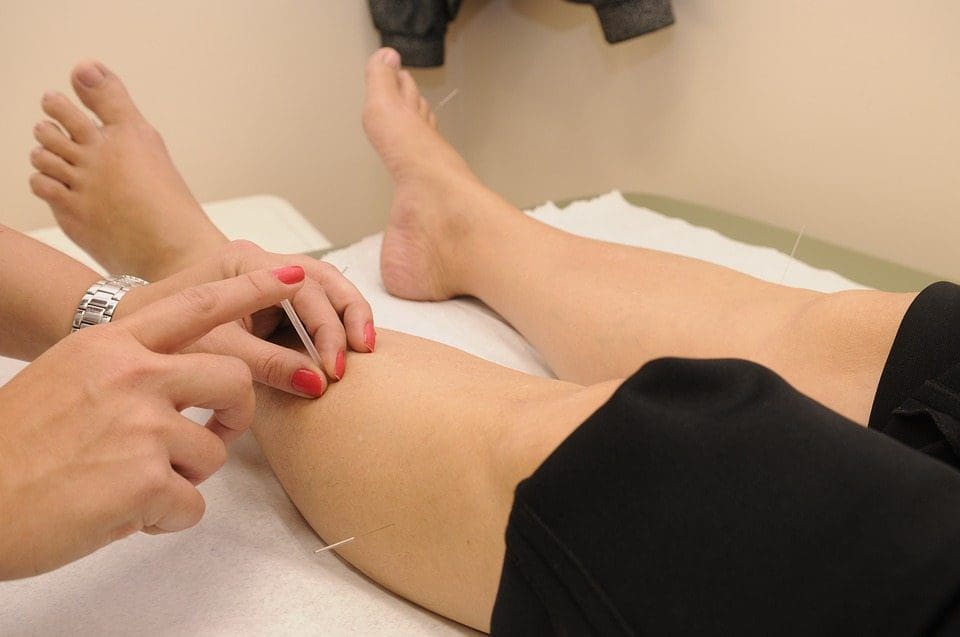
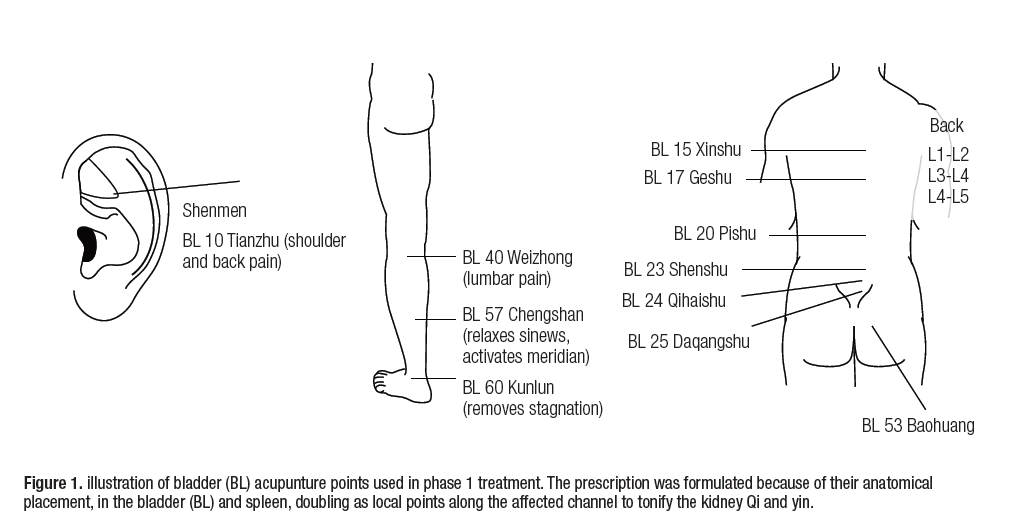
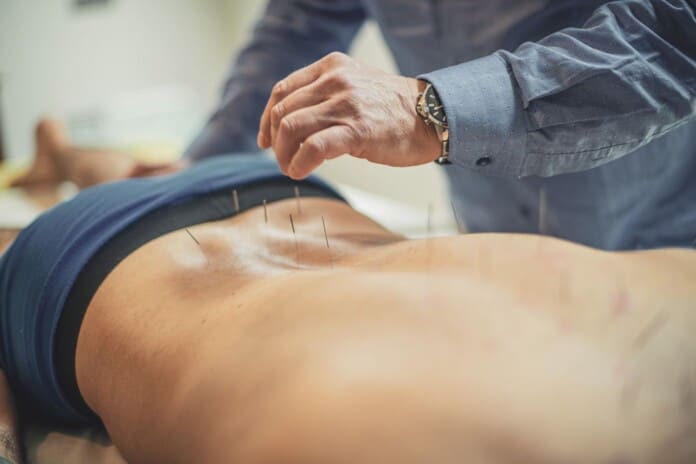
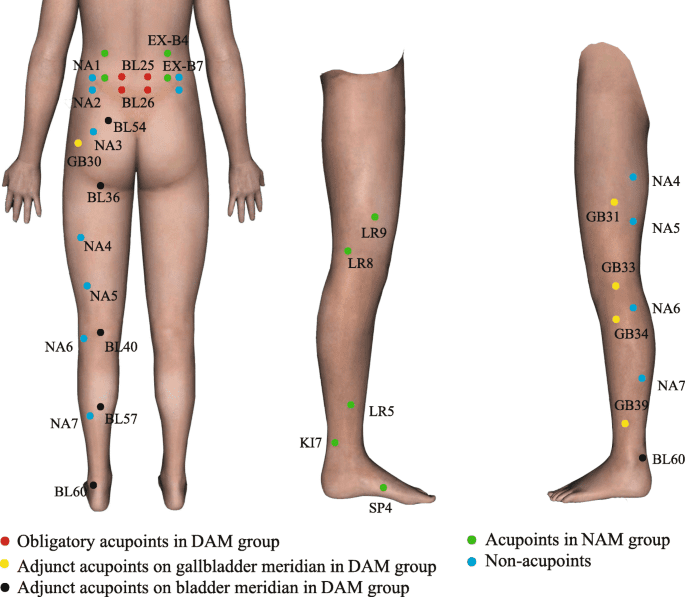
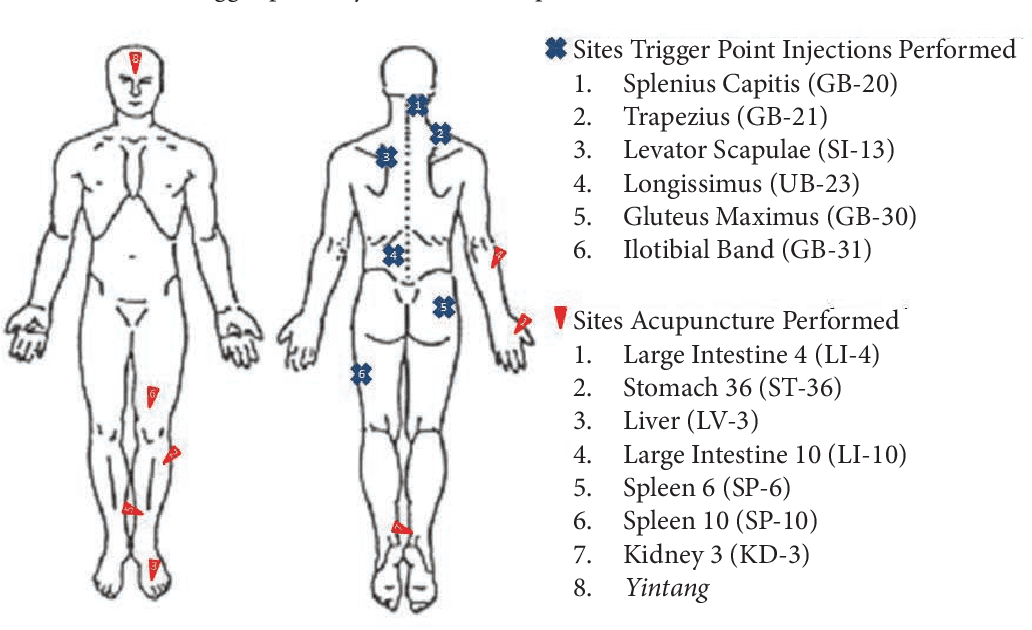
When people are looking for treatments to reduce their sciatic nerve pain correlated with piriformis syndrome, they are seeking treatments that are affordable and can reduce the pain through consecutive sessions. Acupuncture therapy can help reduce the effects of piriformis syndrome. Acupuncture is a complementary and alternative therapy from China that uses solid, thin needles to be placed on the acupoints in the body. Additionally, highly trained professionals can incorporate various acupuncture methods to treat and reduce the effects of piriformis syndrome. (He et al., 2023) At the same time, when a person is being treated for piriformis syndrome, an acupuncturist uses ultrasound-guided techniques to allow accurate needle placement within the deep muscles to provide an effective treatment response. (Fusco et al., 2018) This allows the affected surrounding muscles to relax and reduce sciatic nerve pain.
Acupuncture Reducing Sciatic Nerve Pain
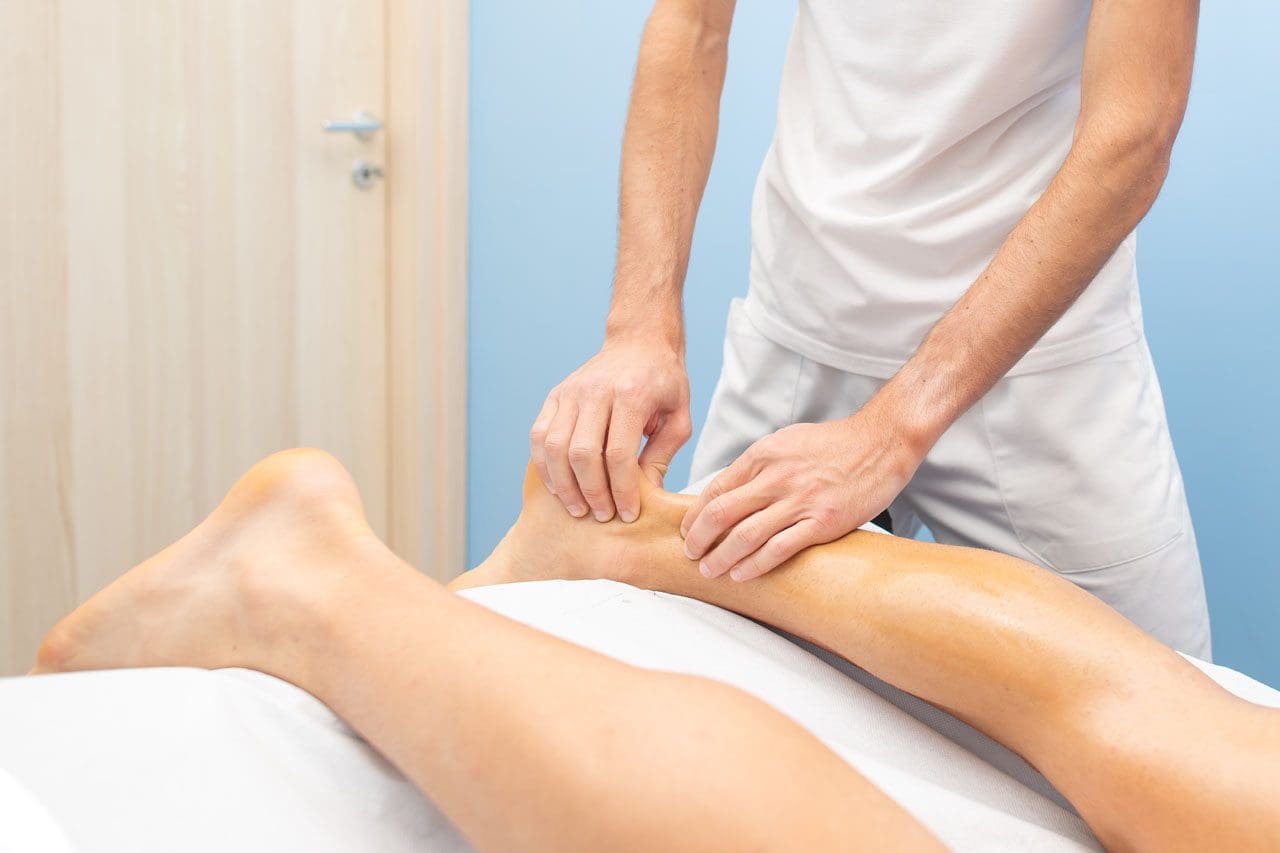
Since sciatic nerve pain and piriformis syndrome have overlapping risk profiles, they can also be associated with other musculoskeletal pain conditions that can affect a person’s mobility. Acupuncture can help mitigate the pain signals causing motor or sensory disturbances within the pelvic and hip regions. (Kvorning et al., 2004) Acupuncture is one of the oldest forms of non-surgical therapy that can be combined with other various therapies to help remobilize the hips and decompress the pain affecting the sciatic nerve while providing relief. (Vij et al., 2021) By incorporating acupuncture as part of a person’s health and wellness treatment plan, they will begin to gradually manage the associated symptoms and reduce the chances of piriformis syndrome from returning to cause sciatic nerve pain in the lower extremities. This allows people to be more mindful and help restore the body’s natural healing process over time.
Reclaim Your Mobility- Video

References
Fusco, P., Di Carlo, S., Scimia, P., Degan, G., Petrucci, E., & Marinangeli, F. (2018). Ultrasound-guided Dry Needling Treatment of Myofascial Trigger Points for Piriformis Syndrome Management: A Case Series. J Chiropr Med, 17(3), 198-200. https://doi.org/10.1016/j.jcm.2018.04.002
He, Y., Miao, F., Fan, Y., Zhang, F., Yang, P., Zhao, X., Wang, M., He, C., & He, J. (2023). Acupuncture Methods for Piriformis Syndrome: A Protocol for Systematic Review and Network Meta-Analysis. J Pain Res, 16, 2357-2364. https://doi.org/10.2147/JPR.S417211
Hicks, B. L., Lam, J. C., & Varacallo, M. (2024). Piriformis Syndrome. In StatPearls. https://www.ncbi.nlm.nih.gov/pubmed/28846222
Kvorning, N., Holmberg, C., Grennert, L., Aberg, A., & Akeson, J. (2004). Acupuncture relieves pelvic and low-back pain in late pregnancy. Acta Obstet Gynecol Scand, 83(3), 246-250. https://doi.org/10.1111/j.0001-6349.2004.0215.x
Sharma, S., Kaur, H., Verma, N., & Adhya, B. (2023). Looking beyond Piriformis Syndrome: Is It Really the Piriformis? Hip Pelvis, 35(1), 1-5. https://doi.org/10.5371/hp.2023.35.1.1
Son, B. C., & Lee, C. (2022). Piriformis Syndrome (Sciatic Nerve Entrapment) Associated With Type C Sciatic Nerve Variation: A Report of Two Cases and Literature Review. Korean J Neurotrauma, 18(2), 434-443. https://doi.org/10.13004/kjnt.2022.18.e29
Vij, N., Kiernan, H., Bisht, R., Singleton, I., Cornett, E. M., Kaye, A. D., Imani, F., Varrassi, G., Pourbahri, M., Viswanath, O., & Urits, I. (2021). Surgical and Non-surgical Treatment Options for Piriformis Syndrome: A Literature Review. Anesth Pain Med, 11(1), e112825. https://doi.org/10.5812/aapm.112825