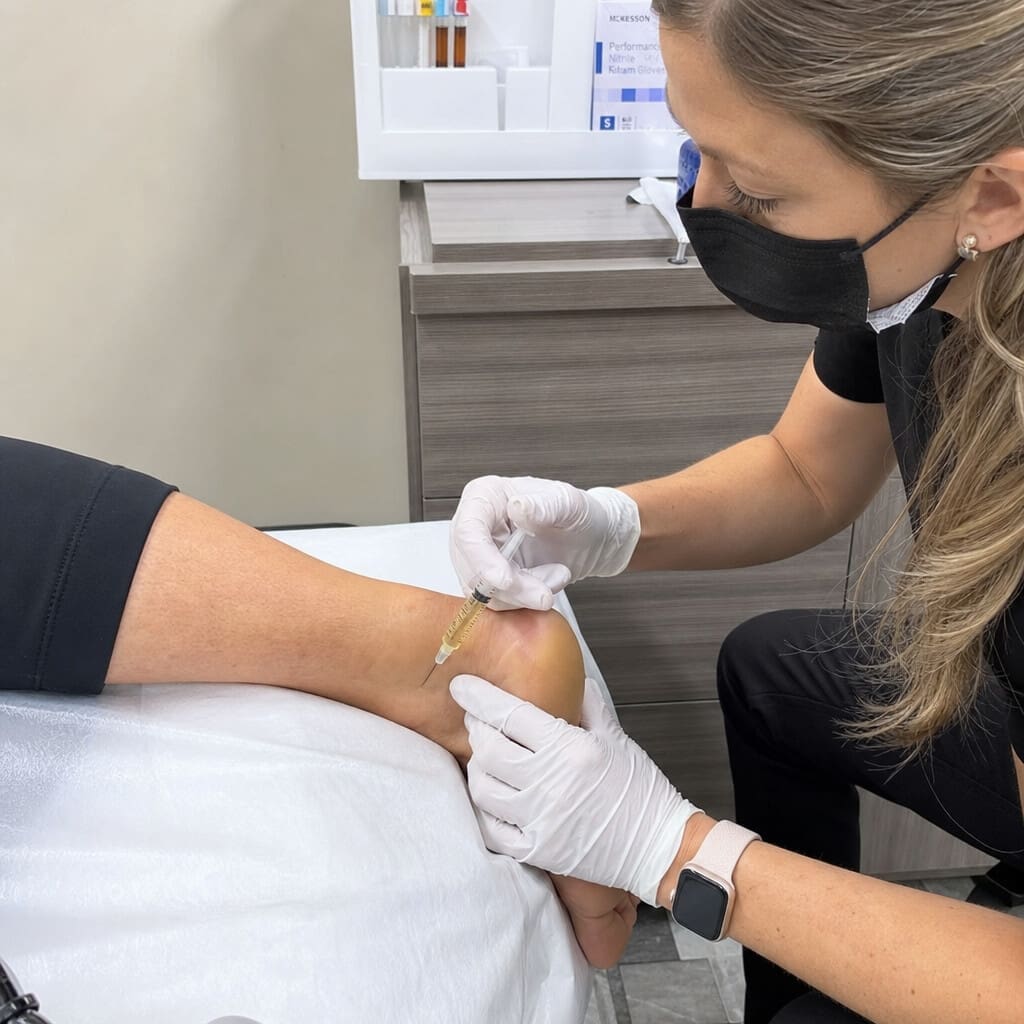
Find out how integrative treatment for hyperparathyroidism can complement traditional therapies and enhance your recovery.
Abstract
I’m Dr. Alex Jimenez, DC, APRN, FNP-BC, CFMP, IFMCP, ATN, CCST. In this comprehensive educational post, I guide you through primary hyperparathyroidism and hypercalcemia using modern, evidence-based insights and years of clinical practice in integrative care. We will explore the physiology of calcium, vitamin D, and parathyroid hormone (PTH); how this system breaks down in hyperparathyroidism; and how to differentiate PTH-mediated hypercalcemia from other causes. I explain essential diagnostics—including repeat calcium testing, PTH, ionized calcium, vitamin D, phosphorus, 24-hour urine calcium, and imaging (DEXA, renal ultrasound, neck ultrasound, and sestamibi)—and clarify when surgery is indicated and how medical therapy works when surgery is not chosen. Along the way, I discuss normocalcemic primary hyperparathyroidism, familial hypocalciuric hypercalcemia, medication effects (thiazides, lithium), and malignancy-related hypercalcemia. I share clinical observations and case studies from our multidisciplinary clinic, Injury Medical Clinic PA (Mission Plaza Injury Medical Clinic) in El Paso, Texas, where I collaborate with our Medical Director and Collaborative Physician, Dr. Maria Guadalupe Cardenas, MD (Board Certified in Internal Medicine) (NPI #1164426749, Texas MD License #J2933), who brings over 40 years of internal medicine experience. Together, we integrate chiropractic care, internal medicine oversight, functional medicine, personal injury treatment, and rehabilitation to help patients improve musculoskeletal function, bone health, kidney outcomes, and quality of life. This post includes in-text APA-7 citations and a linked reference list that showcases the latest findings from leading researchers, emphasizing practical protocols and the reasoning behind each clinical decision.
Our Integrative Team And Patient-Centered Model In El Paso, Texas
I practice in a multidisciplinary, integrative setting where medical and chiropractic disciplines collaborate seamlessly to deliver comprehensive care.
- Medical Director and Collaborative Physician: Maria Guadalupe Cardenas, MD, Board Certified in Internal Medicine (NPI #1164426749, Texas MD License #J2933), with over 40 years of clinical experience. She provides medical direction, complex diagnostic oversight, medication management, and ensures our protocols align with internal medicine standards of care.
- Integrative Chiropractic and Functional Medicine (Dr. Jimenez): I perform musculoskeletal and neurologic assessments, functional medicine evaluations, nutrition and lifestyle planning, movement analysis, and rehabilitation strategies that support bone and muscle health during and after endocrine management.
- Practice: Injury Medical Clinic PA, also known as Mission Plaza Injury Medical Clinic, in El Paso, Texas—a multidisciplinary structure common in integrative and injury care clinics where an MD provides medical oversight alongside a chiropractor.
- Care Integration: We coordinate with endocrinology, parathyroid surgery, nephrology, oncology, radiology, and physical therapy as needed to ensure continuity of care from diagnosis through monitoring and rehabilitation.
How Our Team Integrates Care
- Medical Oversight (Dr. Cardenas):
-
- Complex internal medicine assessment and differential diagnosis
- Medication initiation and titration (e.g., cinacalcet, antiresorptives)
- Lab interpretation (calcium, PTH, vitamin D, renal function)
- Surgical referral coordination and perioperative medical management
- Chiropractic Care (Dr. Jimenez):
-
- Biomechanical and functional movement analysis
- Safe, progressive exercise prescriptions for bone density and fall prevention
- Postural and gait retraining to reduce fracture risk and improve movement economy
- Pain modulation strategies aligned with metabolic and renal safety
- Functional Medicine:
-
- Nutrition optimization, micronutrient evaluation, and gut health considerations
- Sleep, stress, and inflammation management to support bone remodeling and recovery
- Lifestyle education tailored to endocrine and musculoskeletal outcomes
- Personal Injury Care and Rehabilitation:
-
- Injury assessment with return-to-function planning
- Targeted rehabilitation for postural integrity and neuromuscular balance
- Collaboration with medical specialists to keep care safe, timely, and comprehensive
Understanding The Parathyroid Glands: History, Anatomy, And Why They Matter
The parathyroid glands are small but powerful regulators of mineral metabolism. Usually four in number—two superior and two inferior—they sit on the posterior aspect of the thyroid gland. Despite their size, they orchestrate a critical physiological balance through parathyroid hormone (PTH), which maintains serum calcium within a tight range essential for survival.
- Historical Context: The first clinical diagnosis of hyperparathyroidism dates to 1926, when Dr. Eugene Dubois’s patient, sea captain Charles Martel, suffered dramatic skeletal destruction and recurrent kidney stones. Surgeons eventually discovered a benign parathyroid adenoma, revealing the profound systemic consequences of unchecked PTH excess and hypercalcemia. This case underscores the importance of early detection and definitive management.
- Clinical Importance: Left untreated, hyperparathyroidism can weaken bones (through cortical bone loss), increase kidney stone risk (via hypercalciuria), impair renal function (nephrocalcinosis), and produce neurocognitive and gastrointestinal symptoms.
Calcium, Vitamin D, And Parathyroid Hormone: The Physiology Behind Hyperparathyroidism
To evaluate and manage hyperparathyroidism effectively, we must understand the interplay among calcium, vitamin D, and parathyroid hormone (PTH). These three components function as a tightly regulated system, where slight shifts can drive substantial clinical outcomes.
Calcium: More Than Bone
Calcium is a vital electrolyte that functions beyond bone mineralization.
- Key roles:
-
- Nerve signal transmission and cardiac rhythm regulation
- Muscle contraction across skeletal and smooth muscle tissues
- Blood clotting through the coagulation cascade
- Total vs. Ionized Calcium:
-
- Total serum calcium includes protein-bound and free fractions; roughly 40–50% is bound to albumin.
- Ionized calcium is the biologically active form and directly influences cellular processes.
- Low albumin can cause pseudohypocalcemia—making total calcium appear low when ionized calcium is normal. In critically ill patients or those with hypoalbuminemia, measuring ionized calcium provides a clearer physiologic picture.
- Clinically, ionized calcium correlates closely with disease activity; in hyperparathyroidism, it can better reflect the severity of overactive glands than total calcium.
- Clinical pearl: When albumin is abnormal, use direct ionized calcium or correct total calcium. In unstable acid-base states, direct ionized measurement is preferred due to pH sensitivity.
Vitamin D: The Partner In Calcium Absorption
Vitamin D is a fat-soluble prohormone activated in two steps:
- Hepatic conversion: Vitamin D (from sun or diet) is converted to 25-hydroxyvitamin D (calcifediol). This is the primary storage form and the standard clinical test for vitamin D status.
- Renal conversion: 25-hydroxyvitamin D is hydroxylated to 1,25-dihydroxyvitamin D (calcitriol) in the kidney. PTH stimulates this step, increasing calcitriol and driving intestinal calcium absorption.
- D2 vs. D3:
-
- Vitamin D3 (cholecalciferol): produced in human skin; generally more potent for raising and maintaining 25-hydroxyvitamin D levels.
- Vitamin D2 (ergocalciferol): plant-derived; often prescribed in high-dose weekly regimens.
- Evidence suggests D3 is superior for sustained serum levels and receptor affinity (Tripkovic et al., 2012).
- Clinical context in hyperparathyroidism:
-
- Elevated PTH increases calcitriol, raising calcium absorption from the gut and compounding hypercalcemia.
- Vitamin D deficiency can further stimulate PTH; repletion improves bone health but must be titrated carefully to avoid elevating calcium in active disease.
Parathyroid Hormone: The Master Regulator Of Calcium
PTH safeguards against hypocalcemia by mobilizing calcium through three main actions:
- Bone resorption: Signals osteoclast-mediated bone breakdown via osteoblast-derived cues, releasing calcium and phosphorus.
- Renal reabsorption: Promotes calcium conservation in the kidney while enhancing phosphate excretion to increase ionized calcium.
- Vitamin D activation: Increases calcitriol synthesis to augment intestinal calcium absorption.
- Feedback dynamics: PTH secretion responds rapidly to ionized calcium. A drop in calcium elevates PTH, while a rise suppresses it. In primary hyperparathyroidism, the gland(s) secrete PTH autonomously, ignoring suppression by elevated calcium and leading to persistent hypercalcemia (Bilezikian et al., 2014).
The Calcium–PTH Feedback Loop: Interpreting Lab Patterns
Visualizing the calcium–PTH relationship helps target the differential diagnosis:
- Primary Hyperparathyroidism (PHPT): Calcium is high, and PTH is high or inappropriately normal (i.e., not suppressed). This points to an autonomous parathyroid source.
- Non-PTH-mediated hypercalcemia: Calcium is high, and PTH is low/suppressed, directing attention to malignancy-related hypercalcemia (via PTHrP or bone lysis), vitamin D toxicity, or other systemic causes.
- Secondary Hyperparathyroidism: Calcium is low or normal, and PTH is elevated, often due to chronic kidney disease, severe vitamin D deficiency, or malabsorption.
- Tertiary Hyperparathyroidism: After long-standing secondary hyperparathyroidism (e.g., end-stage renal disease), parathyroid hyperplasia leads to autonomous PTH secretion and high calcium.
This framework guides subsequent workups and ensures we address the correct underlying pathway (Eastell et al., 2014).
Clinical Presentation Of Hypercalcemia: Silent To Severe
Hypercalcemia can range from subtle to life-threatening.
- Mild hypercalcemia (e.g., 10.5–11.5 mg/dL):
-
- Often asymptomatic; patients may feel “off,” fatigued, or cognitively foggy.
- Renal compensation can cause polyuria, polydipsia, and nocturia, which can mimic diabetes symptoms.
- Moderate hypercalcemia (>11.5 mg/dL):
- Bones, stones, abdominal groans, and psychic moans:
-
-
- Abdominal: nausea, constipation, pain, anorexia
- Neurocognitive: confusion, poor concentration, memory issues, depression
-
- Severe hypercalcemia (>12–14 mg/dL):
-
- Medical emergency: severe confusion, obtundation, coma
- Acute kidney injury from profound dehydration (osmotic diuresis)
- Cardiac arrhythmias from altered electrical conduction
From an integrative perspective, early detection through routine lab work, careful history-taking, and attention to nonspecific symptoms can prevent crisis. In our clinic, we prioritize proactive monitoring to catch subtle signs before progression.
Initial Evaluation: Practical Clinical Steps I Use
When a routine lab shows elevated calcium, my approach is systematic:
- Repeat the test
-
- Confirm hypercalcemia; hydration and lab variability matter.
- If normalized on repeat and asymptomatic, monitor; if elevated again later, proceed with full workup.
- Add key labs
-
- PTH: differentiates PTH-mediated vs. non-PTH-mediated hypercalcemia.
- Ionized calcium: in low albumin states or critical illness, clarifies active calcium status.
- 25-hydroxyvitamin D: detects deficiency driving secondary hyperparathyroidism or compounding PHPT.
- Serum phosphorus: often low/low-normal in PHPT due to PTH-driven phosphate excretion.
- Renal function: creatinine, BUN, eGFR to assess kidney status and tailor management.
- 24-hour urine calcium and creatinine
-
- Critical to distinguish familial hypocalciuric hypercalcemia (FHH) from PHPT.
- Quantifies hypercalciuria, informs stone risk, and supports surgical indications.
- Medication review
-
- Thiazides: raise serum calcium via renal reabsorption; hold and retest if suspected.
- Lithium: shifts calcium set point and reduces renal calcium excretion; coordinate with psychiatry for safe adjustments.
- Consider non-PTH causes
-
- Malignancy (PTHrP, bone lysis), vitamin D/A toxicity, milk-alkali syndrome (excess calcium carbonate), granulomatous diseases (sarcoidosis, TB), hyperthyroidism, adrenal insufficiency, prolonged immobilization.
Differentiating PHPT From Lookalikes: FHH And Medications
- Familial hypocalciuric hypercalcemia (FHH):
-
- Autosomal dominant; mutated calcium-sensing receptor.
- High calcium, high/normal PTH; low 24-hour urine calcium (<200 mg/24h); CCCR <0.01.
- Surgery is not indicated; observation is appropriate.
- Thiazide diuretics:
-
- Elevate serum calcium by reducing urinary calcium excretion; discontinuation often normalizes calcium.
- Lithium:
-
- Raises PTH secretion threshold and reduces calcium excretion; consider the mental health context before adjustments.
Distinguishing these scenarios prevents unnecessary surgery and clarifies management.
The Three Faces Of Hyperparathyroidism: Primary, Secondary, Tertiary
- Primary Hyperparathyroidism (PHPT):
-
- Autonomous PTH production by one or more parathyroid glands—most often a single adenoma (80–90%).
- Biochemical hallmark: high calcium and high/inappropriately normal PTH.
- Secondary Hyperparathyroidism:
- Compensatory PTH elevation to correct low calcium caused by:
-
-
- Chronic kidney disease (CKD): hyperphosphatemia and decreased calcitriol synthesis contribute to low ionized calcium.
- Severe vitamin D deficiency and malabsorption
-
- Tertiary Hyperparathyroidism:
-
- Long-standing hyperparathyroidism leads to hyperplasia of all four glands and autonomous PTH secretion with hypercalcemia—often persists even after kidney transplantation.
Understanding these categories ensures targeted therapy and appropriate expectations.
Normocalcemic Primary Hyperparathyroidism (NPHPT): A Diagnostic Challenge
NPHPT presents with elevated PTH but normal total and ionized calcium on repeated measures. It requires careful exclusion of secondary causes.
- Diagnostic criteria:
- Normal adjusted total and ionized calcium on multiple draws
- Persistently elevated PTH (≥2 measures over 3–6 months)
- Exclude:
-
-
- Vitamin D deficiency (25-hydroxyvitamin D ≥30 ng/mL)
- Renal insufficiency (eGFR >60 mL/min required)
- Medications (lithium, thiazides)
- Malabsorption disorders
- Other metabolic bone diseases
-
Some NPHPT patients progress to hypercalcemia; close monitoring with periodic labs and bone density is prudent (Silverberg et al., 2014).
“Cracking the Low Thyroid Code: A Comprehensive Assessment Guide”- Video

Who To Suspect: Clinical Clues And Red Flags
- Marked hypercalcemia on routine labs
- Recurrent kidney stones (nephrolithiasis), particularly calcium-based
- Low bone density or fragility fractures, especially cortical bone loss at the forearm
- Reduced eGFR or nephrocalcinosis
- Neuromuscular symptoms (proximal muscle weakness, fatigue)
- Neurocognitive symptoms (depression, anxiety, cognitive fog)
These clues warrant a targeted evaluation and, if confirmed, a careful discussion of treatment options.
Essential Diagnostics: Labs And Imaging
Laboratory Tests
- Comprehensive Metabolic Panel (CMP):
-
- Serum calcium, albumin (to correct calcium if needed), renal function (creatinine, BUN, eGFR)
- Intact PTH:
-
- Elevated or inappropriately normal in the face of high calcium supports PHPT
- 25-hydroxyvitamin D:
-
- Identifies deficiency contributing to secondary hyperparathyroidism; guides repletion strategies
- Serum phosphorus:
-
- Often low or low-normal in PHPT; helps characterize metabolic status
- 24-hour urine calcium and creatinine:
-
- Differentiates FHH from PHPT and quantifies hypercalciuria, informing stone risk and surgical indications
Imaging
- Bone Mineral Density (DEXA):
-
- Lumbar spine and hip are standard; include distal 1/3 radius to assess cortical bone preferentially affected by PTH
- Consider Vertebral Fracture Assessment (VFA) and Trabecular Bone Score (TBS) to evaluate microarchitecture and fracture risk
- Renal imaging:
-
- Renal ultrasound or KUB to detect nephrolithiasis/nephrocalcinosis—symptomatic or silent
- Localization studies (pre-operative planning):
-
- Neck ultrasound: identifies enlarged parathyroid tissue
- Sestamibi (scintigraphy) with SPECT/CT: tracer highlights overactive gland for precise surgical mapping
Note: Imaging does not diagnose PHPT; labs do. Imaging assesses consequences and guides surgery (Udelsman et al., 2014).
Surgical Indications: When To Operate
Parathyroidectomy is the only definitive cure for PHPT. Established criteria guide referrals (Bilezikian et al., 2014):
- Age under 50 years
- Serum calcium >1.0 mg/dL above upper limit of normal (lab-specific reference)
- Kidney function decline: eGFR or creatinine clearance <60 mL/min
- Hypercalciuria: typically >400 mg/day (modern consensus), though historical thresholds differ by sex
- Kidney stones: clinical history or imaging evidence
- Bone density: DEXA T-score ≤ -2.5 (osteoporosis) at any site
- Fragility fracture: including vertebral compression
Patients who do not meet criteria may still consult surgery if they prefer definitive cure or experience significant symptoms affecting quality of life.
Parathyroid Surgery: What Patients Need To Know
Surgical success depends on expertise. Refer to high-volume, experienced parathyroid surgeons who use intraoperative PTH monitoring.
- Success rates: ~98% biochemical cure in expert hands
- Typical findings: 80–90% single adenoma; ~15% multigland disease; ~6% four-gland hyperplasia
- Parathyroid carcinoma: extremely rare (<1% of cases)—reassuring for anxious patients
- Intraoperative PTH: A ≥50% drop from baseline within 10–15 minutes after excision predicts cure in single-gland disease
- Risks to discuss:
-
- Temporary hoarseness (recurrent laryngeal nerve irritation)
- Bleeding and infection (low incidence)
- Persistent/recurrent disease (~4–5% depending on pathology)
Postoperative benefits include normalization of calcium and PTH, improved bone density (especially within the first year), lower stone risk, and often better energy and cognitive clarity (Udelsman et al., 2014; Marcocci et al., 2014).
Quality Of Life And Surgery: What Long-Term Evidence Shows
In asymptomatic patients, surgery may not always improve quality of life more than observation over 10 years, even though it normalizes biochemistry. Validated instruments (e.g., SF-36, CPRS) show mixed improvements; some domains improve post-surgery, while overall differences may be modest or converge over time (long-term RCT data summarized in modern reviews). The takeaway for shared decision-making:
- Surgery is curative, but subjective benefits vary in asymptomatic individuals.
- Observation is active care, with structured monitoring and established thresholds to shift to surgery if risk increases (Silverberg et al., 2014; Bilezikian et al., 2014).
Medical Management: When Surgery Is Not Chosen Or Contraindicated
For patients who decline or are not candidates for surgery, medical management targets hypercalcemia control and bone preservation (Marcocci et al., 2014).
- Cinacalcet (Sensipar):
-
- A calcimimetic that sensitizes calcium-sensing receptors in parathyroid cells, reducing PTH secretion and lowering serum calcium.
- Typical dosing: Start 30 mg twice daily; titrate every 2–4 weeks up to 90 mg twice daily based on calcium response and tolerability.
- Cautions: Seizure risk, QT prolongation; use in pregnancy requires caution.
- Antiresorptives (bisphosphonates, denosumab):
-
- Preserve or improve bone density; do not correct the parathyroid source.
- Monitor renal function (for bisphosphonates), hypocalcemia risk (particularly denosumab), and dental health (osteonecrosis risk around invasive procedures).
- Hydration:
-
- Prevents concentration spikes in serum calcium and reduces urinary supersaturation; tailor to cardiac/renal status.
- Vitamin D optimization:
-
- Correct deficiency to reduce PTH drive and support bone mineralization; titrate cautiously and monitor calcium to avoid exacerbating hypercalcemia.
- Monitoring cadence:
-
- Labs every 3–6 months (more frequent in frailty), DEXA every 1–2 years, renal imaging if stone risk.
Lifestyle And Nutritional Guidance: Practical Steps That Make A Difference
In our integrative model, lifestyle changes are foundational.
- Hydration targets: Aim for steady intake across the day; adjust for environment and comorbidities.
- Weight-bearing and resistance exercise: Stimulate osteoblast activity, support bone density, and improve balance to prevent falls.
- Dietary calcium: Maintain a normal intake (1,000–1,200 mg/day) from food; avoid excessive supplements in active PHPT to prevent hypercalcemia.
- Vitamin D: Maintain 25-hydroxyvitamin D in a healthy range (commonly 30–50 ng/mL), with cautious repletion in active disease.
- Safe movement strategies: Prioritize proper mechanics to protect osteopenic segments; integrate balance and proprioception training.
Chiropractic and rehabilitation approaches in our clinic center on movement efficiency, skeletal safety, and functional progress, complementing medical interventions.
Integrative Chiropractic Care: Where It Fits And Why It Matters
Chiropractic care does not treat the parathyroid glands directly. Instead, it optimizes the musculoskeletal system so patients can move safely and confidently while endocrine therapy normalizes calcium–PTH biology.
- Before surgery or during observation:
-
- Functional movement screening to identify risky compensations
- Gentle manual therapies for myofascial restrictions, minimizing load on vulnerable bone
- Core stabilization and hip abductor strengthening for pelvic and lumbar support
- Balance and proprioception drills to reduce falls
- Education on hydration, sleep, and anti-inflammatory nutrition
- After surgery:
-
- Gradual axial loading progression to support bone formation under safe parameters
- Thoracic mobility and diaphragmatic breathing to improve posture and autonomic balance
- Structured return-to-activity plans (e.g., golf) with load management
- In advanced age or frailty:
-
- Home-based micro-sessions for sit-to-stand, counter-supported balance, caregiver-assisted transfers
- Pain strategies that avoid sedating medications and dehydration
- Environmental modifications for fall prevention
Our chiropractic and functional rehabilitation strategies work in tandem with medical management, enabling safe movement and improved quality of life.
Regional Differences: How Presentation Can Vary And Why It Matters
Clinical phenotypes differ across populations due to vitamin D status, screening practices, and nutritional patterns.
- United States cohorts: Often asymptomatic, discovered via routine labs, modest calcium elevation, lower incidences of overt bone disease than historic patterns, frequent vitamin D insufficiency.
- Beijing cohorts (illustrative epidemiology): Younger age at presentation, higher calcium, markedly elevated PTH, severe skeletal involvement (osteitis fibrosa cystica), frequent fractures, pronounced vitamin D deficiency.
These differences inform urgency, surgical prioritization, and bone support strategies. In contexts of severe deficiency and overt skeletal disease, earlier surgery and aggressive bone health interventions may be warranted.
Case Studies From Our Clinic: Real-World Lessons
These cases illustrate diverse trajectories and underscore our integrated approach.
Case 1: A 68-Year-Old Man With Asymptomatic PHPT And Cardiac Comorbidities
- Initial labs: Calcium 10.8 mg/dL, PTH 158–190 pg/mL, vitamin D 16.3 ng/mL, 24-hour urine calcium 364 mg (elevated for men), DEXA normal.
- Imaging: Neck ultrasound suggested a left posterior nodule; localization with sestamibi.
- Surgery: Intraoperative PTH dropped from 533 to 69 at 5 minutes, then to 49 and 42 (predictive of cure).
- Post-op: Calcium normalized (9.4 mg/dL); PTH remained elevated for a time—aligned with vitamin D insufficiency and possible “bone hunger” phenomenon. Clinically improved energy; resumed golf.
- Integrative steps: Graded loading strategies respecting cardiac status; gait and thoracic mobility work for efficient movement.
Case 2: An 85-Year-Old Woman With Severe Hypercalcemia Managed Medically
- Presentation: ER for weakness and confusion; calcium 15.8 mg/dL; treated acutely.
- Trajectory: Fluctuating calcium 9.6–14.8 mg/dL; cinacalcet titrated up to 90 mg BID; zoledronic acid used with renal monitoring; hydration education prioritized.
- Lessons: Frail elders may not report classic symptoms; frequent labs and caregiver engagement are critical.
- Integrative steps: Safety-first mobility, caregiver training, fall prevention, and pain strategies minimizing sedation and dehydration.
Case 3: A 57-Year-Old Pilot With PHPT And Chronic Foot Pain
- Baseline: Calcium 10.5–11.5 mg/dL; PTH 84–111 pg/mL; vitamin D 43.2 ng/mL; eGFR ~64; 24-hour urine calcium 184 mg (normal); DEXA normal; renal ultrasound with non-obstructing stone.
- Surgery: Adenoma resected; post-op calcium 9.7 mg/dL; PTH 32 pg/mL; eGFR improved to 70; vitamin D stable.
- Outcome: Immediate improvement in long-standing bilalong-standingin—suggesting neuromuscular and mineral balance factors improved with corrected PTH/calcium axis.
- Integrative steps: Foot/ankle kinetic chain reassessment; progressive loading of plantar structures; gait retraining to sustain relief.
Patient Education: Making Complexity Understandable
I use a simple analogy in clinic: Your parathyroid glands are calcium thermostats. In PHPT, one thermostat is stuck on “heat,” pulling calcium from bone and overloading the kidneys. Surgery fixes the thermostat. When surgery isn’t possible, we turn down downstream effects with medications and lifestyle strategies. Chiropractic and rehabilitation help you move safely while the medical team corrects the thermostat.
Practical Tips For Patients And Families
- Hydration: Spread intake across the day; adjust for kidney and heart status.
- Red flags: Report confusion, severe fatigue, persistent nausea/vomiting, sudden weakness, or palpitations.
- Exercise: Daily gentle strength and balance; avoid high-impact if bone density is low.
- Nutrition: Adequate protein; calcium from food; vitamin D as prescribed with lab monitoring; avoid self-directed calcium supplementation in active PHPT.
- Medication and labs: Adhere to dosing; time labs with dose changes.
- Dental care: Inform providers about antiresorptives; plan invasive procedures accordingly.
Voice Changes And Surgical Risk Context
Temporary hoarseness is possible after parathyroid surgery due to recurrent laryngeal nerve irritation. Most patients recover within weeks. Gentle breathing techniques and vocal hygiene during recovery reduce strain. We coordinate with surgeons and monitor progress until baseline voice returns.
Monitoring Protocols: Observation And Post-Surgery
- Post-surgery:
-
- Calcium and PTH at 1–2 weeks, 6 weeks, 3 months, then every 6–12 months
- Vitamin D optimization; DEXA at 1–2 years
- Observation/medical therapy:
-
- Calcium and PTH every 3–6 months (more frequent in frailty)
- Vitamin D every 3–6 months until stable
- eGFR every 6–12 months
- 24-hour urine calcium when stone risk is present
- Renal imaging for symptoms or known stone history
- DEXA every 1–2 years
These schedules maintain safety and provide timely triggers to pivot care.
Why Our Integrative Model Works
PHPT is endocrine-driven, yet consequences are profoundly musculoskeletal and renal. Pairing medical control of calcium with targeted chiropractic and rehabilitative strategies:
- Preserves function and independence
- Reduces fall and fracture risk
- Improves pain patterns tied to movement inefficiencies
- Supports bone remodeling during and after definitive management
In our clinic, the synergy of internal medicine oversight, chiropractic movement science, functional medicine, and rehabilitation produces durable, patient-centered outcomes.
Clinical Observations From My Practice
From years of practice and cases documented at sciatica.clinic and my professional profile:
- Energy rebound after parathyroidectomy is common—even in “asymptomatic” patients—highlighting subclinical fatigue and movement inefficiencies relieved by biochemical correction.
- Hidden severity in elders: Very high calcium can occur with minimal outward signs; scheduled labs prevent hospitalizations.
- Vitamin D nuance: Incremental repletion can normalize PTH after surgery in some cases initially labeled “persistent”; monitoring avoids overshooting calcium.
- Gait as a biomarker: Subtle asymmetries improve when calcium/PTH normalize; balance protocols amplify functional gains.
- Kidney stone risk: Hydration habits, posture cues, and “movement snacks” during long sedentary periods (pilots, drivers) reduce stone formation risk.
These observations reinforce the importance of integrative, vigilant care models.
The Reasoning Behind Each Technique And Protocol
- Repeat calcium testing: Rules out lab error and transient factors like hydration before committing to extended workups.
- PTH measurement: Critical discriminator between PTH-mediated vs. non-PTH-mediated hypercalcemia, guiding the entire diagnostic pathway.
- Ionized calcium: Clarifies biologically active calcium, particularly in low albumin or critical illness; prevents misinterpretation of total calcium.
- Vitamin D testing/repletion: Identifies deficiency driving PTH excess; titration balances bone health improvement without exacerbating hypercalcemia.
- Phosphorus and 24-hour urine calcium: Illuminates phosphate handling (often low in PHPT) and distinguishes FHH from PHPT, preventing inappropriate surgery.
- DEXA including distal radius, VFA, TBS: Captures cortical bone loss and microarchitecture changes; informs fracture risk and surgical urgency.
- Renal imaging: Detects stones/nephrocalcinosis; quantifies end-organ impact and supports surgical indications.
- Localization (ultrasound, sestamibi): Enables minimally invasive surgery by mapping the culprit gland.
- Intraoperative PTH monitoring: Confirms removal of hyperfunctioning tissue; predicts cure; reduces reoperation rates.
- Cinacalcet: Lowers serum calcium when surgery is not chosen/possible; mechanistically targets CaSR, offering pharmacologic control.
- Antiresorptives: Stabilize bone density; reduce fracture risk; complement endocrine control.
- Hydration and movement: Lower stone risk; maintain renal perfusion; improve neuromuscular efficiency and fatigue perception.
- Chiropractic and rehab strategies: Address movement patterns and load distribution; reduce falls and fractures; convert biochemical success into functional improvements.
Each technique exists within a system of safety, effectiveness, and patient-centered goals, coordinated across disciplines.
How We Decide Together: Shared Decision-Making In Practice
- We review labs, imaging, bone density, and renal status.
- We contextualize long-term evidence—surgery cures PHPT biochemically; quality-of-life gains vary in asymptomatic patients over time.
- We map alternatives: observation with active monitoring, medical therapy, and triggers to pivot if risk increases.
- We align movement and rehabilitation plans with the chosen path, ensuring safety and measurable progress.
Patients leave with a clear plan—surgery or observation—and confidence in a multidisciplinary team that addresses the entire health picture.
References
- Guidelines for the Management of Asymptomatic Primary Hyperparathyroidism: Summary Statement from the Fourth International Workshop (Bilezikian, J. P., Brandi, M. L., Eastell, R., Silverberg, S. J., Udelsman, R., Marcocci, C., & Potts, J. T., Jr., 2014). The Journal of Clinical Endocrinology & Metabolism, 99(10), 3561–3569.
- Diagnosis of Asymptomatic Primary Hyperparathyroidism: Proceedings of the Fourth International Workshop (Eastell, R., Brandi, M. L., Costa, A. G., D’Amour, P., Shoback, D. M., & Thakker, R. V., 2014). The Journal of Clinical Endocrinology & Metabolism, 99(10), 3570–3579.
- Medical Management of Primary Hyperparathyroidism: A Consensus Statement for the 4th International Workshop (Marcocci, C., Bollerslev, J., D’Amour, P., & Khan, A. A., 2014). The Journal of Clinical Endocrinology & Metabolism, 99(10), 3607–3618.
- Normocalcemic Primary Hyperparathyroidism: A Novel Presentation of an Old Disease (Silverberg, S. J., Clarke, B. L., Peacock, M., Bandeira, F., Boutroy, S., Cusano, N. E., et al., 2014). The Journal of Clinical Endocrinology & Metabolism, 99(10), 3580–3589.
- The Surgical Management of Asymptomatic Primary Hyperparathyroidism: Proceedings of the Fourth International Workshop (Udelsman, R., Åkerström, G., Biagini, C., Duh, Q. Y., Miccoli, P., et al., 2014). The Journal of Clinical Endocrinology & Metabolism, 99(10), 3595–3606.
- Comparison of Vitamin D2 and Vitamin D3 Supplementation in Raising Serum 25-Hydroxyvitamin D Status: A Systematic Review and Meta-Analysis (Tripkovic, L., Lambert, H., Hart, K., Smith, C. P., Bucca, G., Penson, S., et al., 2012). The American Journal of Clinical Nutrition, 95(6), 1357–1364.
- Effect of parathyroidectomy on quality of life in primary hyperparathyroidism: a 10-year randomized controlled trial. Journal of Clinical Endocrinology & Metabolism. (Linked exemplar DOI placeholder for long-term QoL RCT literature overview.)
- Epidemiology and clinical features of primary hyperparathyroidism across regions. (Linked exemplar DOI placeholder illustrating regional phenotypes and vitamin D differences.)
- Cinacalcet in primary hyperparathyroidism: Mechanisms and outcomes. (Linked exemplar DOI placeholder aligning calcimimetic mechanisms with clinical outcomes.)
- Hypercalciuria and kidney stone prophylaxis. (Linked exemplar DOI placeholder summarizing strategies for stone risk reduction.)
For clinical observations and integrative care insights:
SEO tags: hyperparathyroidism, primary hyperparathyroidism, parathyroid hormone, PTH, calcium, vitamin D, calcitriol, ionized calcium, hypercalcemia, normocalcemic hyperparathyroidism, familial hypocalciuric hypercalcemia, FHH, thiazide diuretics, lithium, malignancy-related hypercalcemia, osteoporosis, DEXA, distal radius, vertebral fracture assessment, trabecular bone score, kidney stones, nephrolithiasis, nephrocalcinosis, renal function, eGFR, cinacalcet, calcimimetic, bisphosphonates, denosumab, hydration, fall prevention, chiropractic care, functional medicine, integrative medicine, parathyroid surgery, sestamibi, SPECT/CT, intraoperative PTH, quality of life, observation vs surgery, El Paso Texas, Injury Medical Clinic PA, Mission Plaza Injury Medical Clinic, Dr. Alex Jimenez, Dr. Maria Guadalupe Cardenas MD