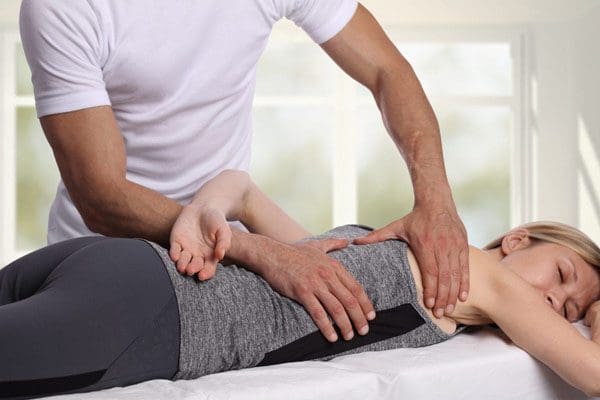
Mid section of senior woman having back pain in bedroom at home
Spinal disorders and injuries could cause a nerve injury through compression or damage causing Neurogenic Bladder Dysfunction also known as Bladder Dysfunction. Neurogenic bladder disorder means an individual is having problems with urination.
Neurogenic involves the nervous system and the nerve tissues that supply and stimulate the organs and muscles to function and operate correctly. Neurogenic bladder dysfunction causes the nerves that control the bladder and muscles in urination to be overactive or underactive.
Table of Contents
Symptoms
Constant bathroom visits
Control in urination is limited
Complete involuntary urination
Sudden urge/s to urinate
The bladder is unable to hold urine
The bladder fails to empty completely
Overfilling of the bladder creates intense pressure causing accidental leakage
Nerves of the Bladder
The brain and spinal cord function as the headquarters with the spine as the body’s highway that transmits and relays signals/messages to and from the bladder. In the low back, the spinal cord splits apart into a bundle of nerves called the cauda equina.
At the end of the lumbar spine is the sacrum this area is known as the sacral spine. The sacrum is the backside of the pelvis between the hip bones. The nerves in the sacral spine branch out and become part of the peripheral nervous system.
These nerves provide and stimulate bladder sensation and function. When these nerves become compressed, inflamed, injured, or damaged in some way, organ dysfunction can present. This is when any of the symptoms listed above can develop and progress.
Potential Causes of Neurogenic Bladder Dysfunction
Spinal Cord Injury/s are a common cause of neurogenic bladder dysfunction. The spinal cord does not have to be severed to cause paralysis below the injured part of the spine. If the spinal cord gets bruised or there is improper blood flow, the spinal cord’s ability to send nerve signals can become inhibited. Cauda Equina Syndrome happens when the nerves spinal roots become pinched or compressed. It is rare, but it is a serious medical condition that requires immediate medical attention. Causes of cauda equina syndrome include:
Trauma like an auto accident, personal/work/sports injury
Spinal condition from injury or present from birth
Treatment
The treatment depends on the cause or causes of neurogenic bladder dysfunction. A primary physician could call upon a bladder specialist like a urologist, nephrologist, or urogynecologist to collaborate and coordinate the treatment plan. If the dysfunction is caused by a nerve root compression, a spinal procedure (discectomy) is performed to decompress and relieve the pressure on the nerves.
Nutrition and Fitness During These Times
Dr. Alex Jimenez’s Blog Post Disclaimer
The scope of our information is limited to chiropractic, musculoskeletal, physical medicines, wellness, and sensitive health issues and/or functional medicine articles, topics, and discussions. We use functional health & wellness protocols to treat and support care for injuries or disorders of the musculoskeletal system. Our posts, topics, subjects, and insights cover clinical matters, issues, and topics that relate and support directly or indirectly our clinical scope of practice.*
Our office has made a reasonable attempt to provide supportive citations and has identified the relevant research study or studies supporting our posts. We also make copies of supporting research studies available to the board and or the public upon request. We understand that we cover matters that require an additional explanation as to how it may assist in a particular care plan or treatment protocol; therefore, to further discuss the subject matter above, please feel free to ask Dr. Alex Jimenez or contact us at 915-850-0900. The provider(s) Licensed in Texas& New Mexico*
Smiling physiotherapist giving back massage to girl patient in clinic
Chiropractic adjustments for children’s health is nothing new, but it could be something new for parents. Do children really need chiropractic adjustments? Chiropractic physicians, also known as DC’s provide techniques and treatments that pediatricians don’t offer.
Chiropractors offer non-invasive options, before referring an individual to a pain specialist that might only prescribe medication/s and surgery. The body’s central nervous system controls everything. Birth itself can be physically traumatic for some infants. Therefore, receiving an adjustment can improve neurological input and correction, allowing for healthy development.
If involved in sports or some type of physical activity, chiropractic helps recovery from injuries progress faster and is less traumatic than disruptive therapies like pain-meds or surgery. Chiropractic medicine takes into account the entire person when there is an adjustment/correction in one area, it supports and corrects the other areas.
Depending on the chiropractor, other techniques and specialties like acupuncture, craniosacral, nutrition, and more could be incorporated into a patient’s treatment plan. Here are a few ways chiropractic can benefit children’s health.
Table of Contents
Non-invasive
Chiropractic treatment is holistic and non-invasive. For children’s health, adjustments help with proper growth and development by removing or limiting digestive issues like:
Nursing
Re-flux
Colic
Constipation
Other issues for where pediatric chiropractic care can be utilized include:
Allergies
Asthma
Bed-wetting
Colds
Ear infections
Attention deficit disorder
Attention deficit hyperactivity disorder
Autism
However, unlike adults, children, and especially infants, chiropractic medicine focuses on mobilization that places a lower amount of pressure on the area, rather than manipulation associated with chiropractic for adult treatment that places more pressure on the area being adjusted.
Nutrition
Parents who are considering chiropractic treatment for their children’s health and wellness should also expect nutritional health coaching for optimal health. Chiropractors go through extensive training in nutrition and are qualified to offer nutritional plans that are part of the treatment.
Proper nutrition is important for everyone’s health. But for children who are growing and developing, it is essential that they get the nutrients they need for optimal spine health and development. Some foods and food additives can cause behavioral issues. These foods include:
Dairy
Artificial colors
Sugar
Preservatives
Other food allergens
Chiropractors can help parents and caregivers by testing and identifying behavioral triggers whose root cause could be nutritional that is improper or deficient for children’s health.
Wellness Philosophy
Educating parents and families about the benefits of proper nutrition and fitness are essential for children’s health and wellness. Families need to follow the principles of:
Eating whole foods
Junk food minimalization
Electronic device limits
Playing/exercising regularly
These are strategies that will reduce childhood obesity that is causing a range of problems for health care like Type 2 diabetes, high cholesterol, and high blood pressure. Excess weight in young children and if it goes on for a long time creates a higher chance of earlier death in adulthood. From a psychological perspective, it is important to understand that during childhood kids can develop a negative body image, leading to low self-esteem, and causing depression. This can lead to serious mental health issues.
The scope of our information is limited to chiropractic, musculoskeletal, physical medicines, wellness, and sensitive health issues and/or functional medicine articles, topics, and discussions. We use functional health & wellness protocols to treat and support care for injuries or disorders of the musculoskeletal system. Our posts, topics, subjects, and insights cover clinical matters, issues, and topics that relate and support directly or indirectly our clinical scope of practice.*
Our office has made a reasonable attempt to provide supportive citations and has identified the relevant research study or studies supporting our posts. We also make copies of supporting research studies available to the board and or the public upon request. We understand that we cover matters that require an additional explanation as to how it may assist in a particular care plan or treatment protocol; therefore, to further discuss the subject matter above, please feel free to ask Dr. Alex Jimenez or contact us at 915-850-0900. The provider(s) Licensed in Texas& New Mexico*
Osteopath doing a tensor fasciae latae treatment on a muscle in the thigh of a young woman on his examination couch in the clinic
Individuals with chronic pain, whether back, neck, arm, hips, etc, want to avoid surgery or drug treatments. This is where a chiropractic physician comes in with natural/alternative medicinecombined with conventional approaches to pain management. New pain assessment and management standards now require hospitals to provide or inform and educate individuals on pain treatment options that are not drug-based. These include:
“Provide Safer, More Effective Care for patients with chronic pain” and that “non-opioid therapy is preferred for chronic pain outside of active cancer, palliative, and end-of-life care.”
CDC
A widely recognized and highly effective form of pain management is chiropractic treatment. A chiropractic physician is trained and equipped with a wide range of diagnostic tools and treatment/rehabilitation options to bring relief from pain without surgery or drugs.
Many chiropractic physicians are trained or incorporate acupuncture and physical and massage therapy into their pain management plans. The ability to provide this type of range of care is why many individuals keep a regular chiropractic regimen to keep them loose, limber, and in top form.
Table of Contents
Myths
Individuals that have pain believe they have to live with it and that it’s just part of the wear and tear on the body. It is true that the body wears down, however continual pain does not have to be part of the cycle. Chiropractic adjustments keep the body balanced and in proper alignment bringing relief and providing pain prevention.
Then there are those that believe the answer is muscle relaxers or pain meds, not realizing that chiropractic can offer relief.
The most common myth is that chiropractic physicians only treat back pain. Chiropractic doctors treat a wide variety of acute and chronic pain syndromes including:
Headaches
Sports injuries
Auto Accident injuries
Personal injuries
Work injuries
Athletic performance enhancement
Neuropathy
Fibromyalgia
Stress
Fertility
Pregnancy
Chiropractic Pain Management
Chiropractic physicians’ principal focus is on the musculoskeletal and nervous systems and their impact on the health of an individual. They often work collaborate with the individual’s primary or emergency health care providers in diagnosis, treatment, and management for their health condition/s. They take into account various factors that are affecting their patients’ health, which include:
Treatment options vary depending on every individual’s specific needs and personal situation. A treatment plan could consist of a chiropractor recommending therapeutic massage, stretches, and exercises as part of a daily regimen combined with manual adjustments to:
Reduce pain
Prevent musculoskeletal deterioration
Improve strength
Increased range of motion
Another treatment plan could include soft tissue massage therapy to augment/enhance muscle and ligament function. The primary aim of a chiropractic physician is to identify the source of the pain and return the body to its proper alignment and function. These adjustments to gain proper alignment allow the body to heal itself without medication or surgery.
The Benefits
Chiropractic therapy as a no-meds approach to pain management has gained support. The misconceptions and myths are being debunked as individuals and science are seeing the effectiveness of chiropractic for many pain-related conditions. Many job insurance plans cover chiropractic. Medicare and Medicaid include chiropractic services and are offered at military facilities/clinics.
The benefits of chiropractic include:
The risk of pain meds dependence is significantly reduced
The causes of pain and treating them naturally is the goal
Reduces inflammation
Improves athletic performance
Natural rehabilitation for auto, personal, sports and work injuries
Health coaching
Treating Severe & Complex Sciatica Syndromes
Dr. Alex Jimenez’s Blog Post Disclaimer
The scope of our information is limited to chiropractic, musculoskeletal, physical medicines, wellness, and sensitive health issues and/or functional medicine articles, topics, and discussions. We use functional health & wellness protocols to treat and support care for injuries or disorders of the musculoskeletal system. Our posts, topics, subjects, and insights cover clinical matters, issues, and topics that relate and support directly or indirectly our clinical scope of practice.*
Our office has made a reasonable attempt to provide supportive citations and has identified the relevant research study or studies supporting our posts. We also make copies of supporting research studies available to the board and or the public upon request. We understand that we cover matters that require an additional explanation as to how it may assist in a particular care plan or treatment protocol; therefore, to further discuss the subject matter above, please feel free to ask Dr. Alex Jimenez or contact us at 915-850-0900. The provider(s) Licensed in Texas& New Mexico*
Female Physiotherapist inspecting her patient. Medical check in a physiotherapy center.
Massage therapeutics is not about the candles, aromatherapy, and the spa. Although those items can be beneficial for relaxation etc, the massage part of the therapy is just that. An intense manual manipulation of the body’s tissues. Made to work out/relax tight, knotted, spasmed, and inflamed muscles, ligaments, and tendons back to a normal and relaxed function. This can be caused by injury, stress, awkward motion/s, etc. Research done by the American Massage Therapy Association shows that 50% of individuals asked for a therapeutic massage for musculoskeletal/stress issues.
More physicians, specialists, and surgeons are recognizing the health benefits that massage therapeutics can bring and are sending their patients to certified/licensed massage therapists for treatment. There is now a high demand for massage therapists with the career possibilities being one of the strongest in the health care industry. Massage therapy is the manual manipulation of muscles and soft tissues including:
Connective tissues
Ligaments
Tendons
This is all done with the focus of improving an individual’s health and overall well-being. Licensed certified massage therapists are highly-trained and highly-versed in anatomy and physiology. Many often work with chiropractors preparing patients for the chiropractic adjustment/s by loosening up the muscles/tissues, thenafter with a light massage to ease the soreness of the adjustment and if necessary with continued visits with a mild to intense massage session to keep the areas loose and mobile.
Massage therapeutics effectively treats several medical conditions, sports injuries, automobile accident injuries, personal injuries, and helps prevent health problems connected with stress. Research shows that these medical conditions can be significantly improved or even healed with massage therapeutics.
Table of Contents
Fitness
Top professional and weekend warrior athletes can benefit from massage therapeutics. Massage has been shown to help:
Reduce muscle tension
Improve exercise performance
Prevent injuries
Low Back Pain
The guidelines for treating chronic back pain. Now the suggested guidelines state that alternative treatments/therapies like massage, chiropractic, physical therapy, and acupuncture should be utilized before prescription medication, which is now the last resort, is implemented.
Headaches
Head and neck massage reduces chronic tension headaches, along with the stress that often comes with headaches.
Compromised Immune System Function
Myofascial massage has been shown to improve the nervous system, which is crucial to a healthy immune system. Through massage which increases blood circulation helps to increase the activity of T cells, which recognize and destroy cells that are infected with viruses. Stress reduction has been found to be a universally recognized benefit of massage therapeutics, and can also strengthen the immune system.
Blood Pressure
Improved blood flow with massage therapeutics can also bring blood pressure down and elevates heart health.
Fibromyalgia
Currently, there is no cure for fibromyalgia, but studies are showing a definite connection for those that receive myofascial massage therapeutics and improved quality of life. Reduced pain and anxiety, and quality sleep were has been experienced by individuals getting regular massage therapy.
Cancer Pain
A common symptom for individuals battling cancer is pain, which can be mild to severe. Used in conjunction with other pain management techniques recommended by doctors, massage therapeutics have been shown to reduce pain along with anxiety symptoms.
PTSD
Those with post-traumatic stress disorder can benefit from massage therapy. Massage can help reduce:
Anxiety
Stress
Depression
Pain associated with trauma/images/memories
Massage is often recommended as a companion for PTSD psychotherapy. Therapists are well established at many medical clinics and hospitals. With the opioid epidemic, the need for safe, natural, and effective pain therapy, then massage therapists can definitely help out.
Chiropractic Care Massage Therapy
Dr. Alex Jimenez’s Blog Post Disclaimer
The scope of our information is limited to chiropractic, musculoskeletal, physical medicines, wellness, and sensitive health issues and/or functional medicine articles, topics, and discussions. We use functional health & wellness protocols to treat and support care for injuries or disorders of the musculoskeletal system. Our posts, topics, subjects, and insights cover clinical matters, issues, and topics that relate and support directly or indirectly our clinical scope of practice.*
Our office has made a reasonable attempt to provide supportive citations and has identified the relevant research study or studies supporting our posts. We also make copies of supporting research studies available to the board and or the public upon request. We understand that we cover matters that require an additional explanation as to how it may assist in a particular care plan or treatment protocol; therefore, to further discuss the subject matter above, please feel free to ask Dr. Alex Jimenez or contact us at 915-850-0900. The provider(s) Licensed in Texas& New Mexico*
Professional male track and field athlete during obstacle race. Young athlete jumping over a hurdle during training on racetrack in athletics stadium.
Chiropractic athletics is a natural treatment focused on athletes and sports injuries. It is a non-surgical, non-drug option that can help individual athletes prevent injury/s from happening, maintain optimal athletic performance, and relives sports musculoskeletal injuries.Athletes of all types can benefit from chiropractic athletics.
Sports leagues and professional athletes including Major League Baseball and the National Football League have full-time chiropractors on their teams. Athletes from all over the world utilize chiropractic medicine. With the advancement in sports technology, intense training and superb athleticism come injuries that can turn into game-ending conditions. Because of this, there is a wide variety of treatment needs and is where chiropractic athletics comes in.
Commonly athletes are referred to chiropractors for neck, lower back, and extremity conditions. Chiropractic athletics help them get them back into play after an injury faster, with added flexibility and agility. And for those without injuries chiropractic helps athletes prevent injuries by increasing strength and power to help perform at peak level.
Chiropractic sports doctors are highly trained with the tools and skills that will optimize the performance of an athlete’s musculoskeletal and nervous system. This training is what allows these athletic chiropractors to provide sports therapy/s that is focused on maintaining agility, flexibility, strength, and quick rehabilitation after an injury. Why chiropractic athletics should be essential?
Table of Contents
Chiropractic Athletic Importance
Regular chiropractic improves range of motion. Athletes place intense pressure on their bodies when training, weight-lifting, and playing. This can shift the spine out of alignment affecting movement, along with the rest of the body, generating a high probability of injury.
Athletes have to deal with soreness, stiffness, and pain from their basic training regiment. An injury can easily compound the soreness into something more severe. Spinal alignment problems can cause the range of motion to be hindered and limited, inhibiting overall ability. Chiropractic athletics undoes the damage. Once a chiropractic regiment is in place injury prevention kicks in, all the while keeping the athlete moving pain-free.
Pain Reduction
Anyone especially the strongest athletes can have an episode of back pain, specifically in the low back. A chiropractor promotes proper alignment and movement of the delicate spine. Chiropractors can recommend treatments both professional and self-care that will reduce all types of back pain short and long-term. Research confirms that a manual spine manipulation is an effective form of pain relief.
Less Need for Pain Meds
Too often aches and pain are treated with pain meds, cortisone shots, and other drugs that provide short-term relief. Chiropractic is drug-free. This means athletes are not subject to side effects or dependencies that unfortunately arise from prescription med use.
Because of the increasing dependency on opioids, the American College of Physicians has updated their guidelines when it comes to low back pain, a very common reason for opioid prescriptions. Now, those with low back pain are encouraged to utilize various complementary and alternative medicine techniques that include chiropractic spinal manipulation before having to use prescription medication.
Non-invasive
Chiropractic is non-surgical and can provide relief from injuries throughout the body. It can even serve as an alternative to surgery/s that would keep athletes on the sidelines because of a long recovery period. Treatments include:
All of these can be used to treat athletic injury.
Athletic Benefits
Whether a neighborhood sports league or advanced competitive league athletes need chiropractic specialists for injury treatment to get them back to play. Kids are now traveling at a younger age meaning more practices and tournaments. Kids are also committing to only one sport early on. This is known as specializing. A study by The American Journal of Sports Medicine found that athletes that specialize too early are subject to continued injury/s.
Chiropractic decreases recovery time
Normal wear and tear happens to all of us but can wear down faster especially in an extremely healthy athlete’s body.
A baseball pitcher uses a consistent repetitive throwing motion.
A volleyball player jumps, constantly hitting and blocking.
A skateboarder falls repeatedly, sometimes over one-hundred times trying to land a trick.
At some point and quite often an athlete experiences muscle fatigue and soreness. Practices and games have only a few days between them. Younger athletes and their growing bodies need a lot more than rest to keep them in shape. After practice or a game, a chiropractor can do some soft tissue massage or instrument-assisted soft tissue techniques to make the muscles, tendons, ligaments, and joints flexible, relaxed, with decreased lactic acid, and improved blood circulation.
Physical therapy and the equipment used like ultrasound or cold laser therapy can be used to help with areas that are highly inflamed. This along with adjustments can improve joint mobility. Chiropractic athletics also helps with proper rehydration and customized dietary plans to assist with recovery and maintaining top-level performance.
Lacrosse players experience knee injuries and muscle strains
Chiropractic adjusting of joint segments, no longer moving, can enhance mechanical motion. Soft tissue techniques improve muscle tone and blood flow to injured areas and decrease tissue buildup around the injured areas. Chiropractic along with the aforementioned treatment options can significantly reduce inflammation and pain.
All of these treatment options can be enhanced with Kinesio Taping. It can add support and various taping techniques can assist in blood circulation to the injured area. A sports chiropractor has a complete understanding of sports injury repair and knows the proper guidelines for safely returning the athlete to their sport.
Health and Wellness
Athletes have to focus on body awareness, health, diet, and optimal function. But they also need to be injury prepared through preventive awareness. Think of it as defensive driving. A chiropractor can assist an athlete with:
Proper training strategies that can become life-long habits
Body mechanic evaluation
Gait analysis
Continually keeping an athlete’s body in top form, allows them to train more efficiently and effectively.
A Vital Role
With athletes training year-round and specializing earlier, chiropractic assistance can keep an athlete at a top level of body function. Chiropractic combined with certified athletic trainers can help with muscle development, ligament, and tendon stability. These specialists play a vital role in obtaining and maintaining whole-body wellness.
Consider Chiropractic
Chiropractic athletics includes a whole health assessment to ensure there are no underlying issues that could be contributing to an injury, or that could cause future problems. Athletes, consider seeing a chiropractor regularly for those that want to maintain physical strength and range of motion, or if they want to recover from an injury without taking prescription meds and surgery. Sports performance will improve when the body is in alignment and pain-free!
Functional Fitness Fellas
Dr. Alex Jimenez’s Blog Post Disclaimer
The scope of our information is limited to chiropractic, musculoskeletal, physical medicines, wellness, and sensitive health issues and/or functional medicine articles, topics, and discussions. We use functional health & wellness protocols to treat and support care for injuries or disorders of the musculoskeletal system. Our posts, topics, subjects, and insights cover clinical matters, issues, and topics that relate and support directly or indirectly our clinical scope of practice.*
Our office has made a reasonable attempt to provide supportive citations and has identified the relevant research study or studies supporting our posts. We also make copies of supporting research studies available to the board and or the public upon request. We understand that we cover matters that require an additional explanation as to how it may assist in a particular care plan or treatment protocol; therefore, to further discuss the subject matter above, please feel free to ask Dr. Alex Jimenez or contact us at 915-850-0900. The provider(s) Licensed in Texas& New Mexico*
surgery, medicine and people concept - group of surgeons in operating room at hospital
Most of us have heard the term spinal tap, or have seen it on a tv medical drama show. It is known as a lumbar puncture, but what does this procedure involve and how is it utilized? What to know. This procedure is performed in the lower part of the back. It can be used for:
A spinal tap is performed by a doctor or nurse trained to do lumbar punctures. A specialized needle is inserted between the vertebrae to collect cerebrospinal fluid. Cerebrospinal fluid is a watery, colorless fluid that cushions the spinal cord and brain, protecting them from injury/damage. Questions may arise as to when an individual would need a spinal tap, how dangerous it is, and what to expect from this procedure?
Table of Contents
Spinal Tap Utilization
Spinal taps are often utilized in helping to diagnose infections of the central nervous system. One of the most common infections is meningitis. A sample of cerebrospinal fluid is taken, tested, and if infectious organisms are growing within, these are clue/s for determining and customizing a treatment plan and antibiotic therapy. The procedure also helps with:
Identifying central nervous system disorders, like multiple sclerosis, or epilepsy for example.
Diagnosing cancers that affect the brain or spinal cord
Administration of chemotherapy or anesthesia
Spinal taps are also used with imaging assistance.
For example, a contrast dye can be injected into the cerebrospinal fluid to get an anatomical view of the spinal cord and coverings. They are quite helpful when an individual cannot have an MRI done.
Spinal cord coverings from a cross-section of a nerve
Spinal cord rear view
spinal cord
arachnoid
dorsal rootlets of the
spinal nerve
the spinal nerve of
the posterior surface of the body of the vertebra
conus medullaris
cauda equina
filum terminale
subarachnoid space
A spinal tap is done in a hospital or outpatient facility, depending on the reason for the tap. It is not an emergency procedure. Emergencies bring to mind situations and events that have to be done within seconds/minutes. A lumbar puncture does not entail that type of action.
Preparation
Listen and follow the provider’s instructions regarding what to eat and drink.
An individual could be told to not eat or drink anything for a specific set of hours before.
Any prescription/s, over-the-counter meds, and drug allergies need to be disclosed to the medical team that will perform the procedure.
Individuals can wear their own clothes but preferably loose-fitting and comfortable should be the objective.
Once at the location a hospital gown is given to the patient for the procedure.
The day of the appointment, tell the doctor of any unusual symptoms.
Have a designated driver for the ride home, as sometimes a patient can feel weak and dizzy after the procedure.
The Procedure
A tap is a simple procedure that usually takes a half-hour or less to complete.
The patient sits bent forward or lying down on the side.
The knees should be pulled up as far as possible with the chin down into the chest curled into a ball.
This arcs the back and spaces out the vertebrae, so there is a wider area for the needle to enter.
The skin is cleaned with an antiseptic.
A sterile sheet or towel is placed over the patient that has an opening exposing the lower back.
Unless the doctor instructs movement, remaining still is key as the advancement of the needle into the small area is a delicate procedure.
There is an initial what feels like a stinging sensation, but the patient does not feel the actual needle as it advances.
The needle gets inserted into the spinal space where the cerebrospinal fluid resides.
The cerebrospinal fluid pressure is measured.
Sometimes an ultrasound or specialized x-ray technique, known as fluoroscopy is used to locate the best place for the needle.
This is where the reason for the tap determines what action is taken. Either medicine is administered or a small amount of cerebrospinal fluid is taken.
The needle is retracted.
A bandage is applied.
Spinal tap pain is rare, but sometimes the needle can brush a nerve root when it is inserted. It could feel like an electric shock down the leg.
Recovery
Once finished, the patient lies on their back for 30 to 60 minutes so the doctor can check for any abnormalities or affects. Being sent home depends on the reason for the tap. If there is unexplained fever, nausea, etc, a patient will not be sent home.
If it was an outpatient procedure the patient can leave and resume some simple activities after having a few hours of relaxation. Temporary pain meds are prescribed to address any discomfort. Results could come a day or a week later. They depend on the reason for the spinal tap.
Risks and Complications
It is considered a safe procedure with rare complications. The most common effect is a headache and usually comes on several hours, to a day or two later. These will not lead to any neurologic problems. Water or tea can help prevent and reduce the headache. Over-the-counter pain relievers can help too. However, if the headache continues after two days, call the doctor. A very small possibility of a more severe complication could happen including:
Infection
Bleeding
Numbness
Brain herniation or movement of the brain tissue from the added pressure
Nerve or spinal cord damage
This is a very safe procedure with the medical team being highly trained and skilled professionals that are careful and gentle.
Auto Accident Doctors & Chiropractic Treatment
Dr. Alex Jimenez’s Blog Post Disclaimer
The scope of our information is limited to chiropractic, musculoskeletal, physical medicines, wellness, and sensitive health issues and/or functional medicine articles, topics, and discussions. We use functional health & wellness protocols to treat and support care for injuries or disorders of the musculoskeletal system. Our posts, topics, subjects, and insights cover clinical matters, issues, and topics that relate and support directly or indirectly our clinical scope of practice.*
Our office has made a reasonable attempt to provide supportive citations and has identified the relevant research study or studies supporting our posts. We also make copies of supporting research studies available to the board and or the public upon request. We understand that we cover matters that require an additional explanation as to how it may assist in a particular care plan or treatment protocol; therefore, to further discuss the subject matter above, please feel free to ask Dr. Alex Jimenez or contact us at 915-850-0900. The provider(s) Licensed in Texas& New Mexico*
Life balance concept. Man looking down at feet and sandals on volcanic black sand beach. Legs relaxing, running, walking or jogging on a beach, inspirational landscape, Tenerife Canary Islands.
Summer footwear, although light and comfortable can lead to low back pain. Individuals with low back pain conditions/issues should opt for custom flip-flops or sandals. A few tips on how to choose the right summer footwear and avoid back pain. With the temperature going up we’re all ready to take out the shorts, t-shirts, and flip-flops or sandals. That’s when back pain can flare-up.
There are a variety of things that can generate back pain like improper posture, muscle spasms, and various medical issues. However, everyday shoe choices can also impact the spine and cause back pain. NCBI studies backed by podiatrists have found that unstable shoes, e.g., cheap flip-flops, and sandals can cause low back pain.
Improper footwear allows biomechanical abnormalities affecting the feet to be compounded and worsened. This leads to increased pain in the knees, hips, and lower back. Accurately fitted shoes and orthotics are some of the best footwear for lower back pain. While flip-flops and sandals unless they are orthotic based offer little to no support.
Table of Contents
Summer Footwear Back Pain
Like any type of mechanical system, if there is something wrong in one area, other problem issues begin to arise in other areas. It is the same with the body. If there is an issue with the feet it can affect the knees and hips, rising up to the spine causing back pain.
Summer shoes can worsen any of these underlying issues that often individuals don’t even know they had until they see a doctor for their back pain. This usually begins with the foot type. Those with flat feet tend to force the muscles and tendons in the feet to work more leading to tendinitis.
Arches that have fallen or droppedand remain unsupported can lead to arthritis development in the knees and the wearing down of the medial meniscus. Knees that do not function properly place added stress on the hips and lower back. This can lead to disc degeneration of the intervertebral discs.
Foot Arch Type
Anatomical anomalies like fallen arches/flat feet and high arches can cause back pain differently. Hyperpronation happens in flat feet causing the arches to collapse. This places more pressure on the inside of the legs and knees, which creates more imbalance in the hips and low back.
Hyper supination happens in high-arched feet causing the arches to rise. This places the pressure on the outside of the legs and knees, leading to muscle imbalances on the outside of the legs along with the hips and low back. Wearing unsupportive shoes like flip-flops, sandals, and heels for a long time, can cause back pain or make an existing condition worse.
Either flat feet or high-arched feet left untreated can lead to long-term injuries and extended/over wear and tear of the spine’s vertebrae and intervertebral discs. Summer footwear choices can influence discomfort and back pain.
The Right Shoes
Summer footwear that doesn’t generate back pain doesn’t mean that you have to throw out the flip-flops. Look for shoes or flip-flops that are highly durable, sturdy, that don’t bend in the middle, and only at the toes.
For those with flat feet look for sufficient arch support to prevent hyperpronation. Pay attention to the details of the shoes/flip-flops/sandals. For example, added cushion, or ankle support could mean the difference between pain and relief. There are sandals that have ankle straps to keep the feet in place. This prevents the feet from slipping out, provides better stability during walks, and can help prevent tendinitis.
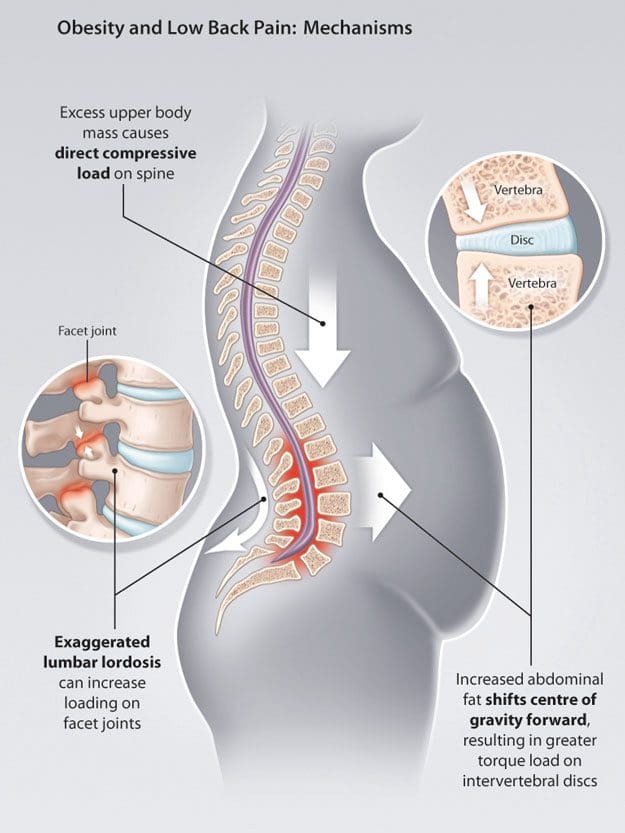
It is better to avoid anything with a heel, especially sandals or flip-flops that have a heel/high lift. These force the individual to shift their center of gravity forwardforcing the arching of the spine when standing. This position definitely contributes to back pain.
Customized Footwear
Customized flip-flops or sandals that won’t cause any back pain are available with the help of a podiatrist or a chiropractor that helps and works with podiatrists. 3D-scans can be done to make fully-customized flip-flops that support the arches based on the scan.
The Difference Custom Foot Orthotics Makes
Dr. Alex Jimenez’s Blog Post Disclaimer
The scope of our information is limited to chiropractic, musculoskeletal, physical medicines, wellness, and sensitive health issues and/or functional medicine articles, topics, and discussions. We use functional health & wellness protocols to treat and support care for injuries or disorders of the musculoskeletal system. Our posts, topics, subjects, and insights cover clinical matters, issues, and topics that relate and support directly or indirectly our clinical scope of practice.*
Our office has made a reasonable attempt to provide supportive citations and has identified the relevant research study or studies supporting our posts. We also make copies of supporting research studies available to the board and or the public upon request. We understand that we cover matters that require an additional explanation as to how it may assist in a particular care plan or treatment protocol; therefore, to further discuss the subject matter above, please feel free to ask Dr. Alex Jimenez or contact us at 915-850-0900. The provider(s) Licensed in Texas& New Mexico*
Chronic back pain does not have to ruin the summer season. The best approach is planning ahead remembering a few self-care warm/hot weather tips. The hot weather can worsen pain symptoms. With all the family activities going on, maintaining back pain wellness can be difficult. This is where the planning/preparing for chronic pain comes in.
Individuals should begin thinking around April what they will be doing once the hot months arrive and plan accordingly. However, self-care should be implemented for all seasons.
Table of Contents
Water Therapy
Depending on the condition, water can be a friendly sanctuary from the pain with the ability to do some spine exercises. Light stretching can bring relief and keeps the muscles and ligaments stretched. Outside of the pool, a misting fan can create a relaxing atmosphere along with ice packs during summer pain flares.
Avoid high heat
Sunburn or prolonged heat exposure can cause burning nerve pain. The changes in temperature and barometric pressure can trigger joint pain. Plan on doing activities in the morning or after the sun has set. Keep a hand-held fan close-by whenever going out. Wear loose light sun friendly clothing, comfortable shoes, possibly a hat to shield the face and keep an ice-cold water bottle with you.
Proper seating
Summer activities typically include uncomfortable seating, like small chairs, bleachers, and activities where everyone sits on the ground. Plan ahead for these situations and store a comfortable possibly therapeutic folding or travel chair that fits in an automobile. Add a lumbar cushion to support the lower back.
Pay attention to the air quality rating during the summer. Studies have shown that air pollution can increase inflammation, specifically for individuals with:
Don’t let summer vacation or road trips get in the way of your chiropractic treatment plan. Check-in before you go and ask for help to navigate the adventure with as little pain as possible. Self-sufficiency can be achieved by planning ahead. Reduce stress and increase your independence.
Why Chiropractic Works
Dr. Alex Jimenez’s Blog Post Disclaimer
The scope of our information is limited to chiropractic, musculoskeletal, physical medicines, wellness, and sensitive health issues and/or functional medicine articles, topics, and discussions. We use functional health & wellness protocols to treat and support care for injuries or disorders of the musculoskeletal system. Our posts, topics, subjects, and insights cover clinical matters, issues, and topics that relate and support directly or indirectly our clinical scope of practice.*
Our office has made a reasonable attempt to provide supportive citations and has identified the relevant research study or studies supporting our posts. We also make copies of supporting research studies available to the board and or the public upon request. We understand that we cover matters that require an additional explanation as to how it may assist in a particular care plan or treatment protocol; therefore, to further discuss the subject matter above, please feel free to ask Dr. Alex Jimenez or contact us at 915-850-0900. The provider(s) Licensed in Texas& New Mexico*
Two doctors working with female patient in neck brace
An individual may need to wear a neck brace or cervical collar after cervical spine surgery, or after experiencing a traumatic injury to the neck, from an automobile accident, sports, work, or personal injury. Neck braces are some of the most common spinal braces. A doctor might call these orthoses or orthotics. There are different types of neck braces also called cervical collars, and function for different purposes.
They can be utilized in stabilizing the neck after cervical/neck surgery.
They can provide non-surgical relief after experiencing trauma or injury to the neck
Neck braces or collars are used to limit movement, support the head, and take the load off the neck. This gives the muscles time to rest, recover, and heal properly and thoroughly.
Soft braces are made to be flexible and are made of a polyurethane foam rubber. They easily wrap around the neck and are secured with Velcro.
Soft collars are usually worn for a minor injury that just needs to be worn for a short time or to transition from wearing a hard brace from a more serious injury or surgery. Soft braces are worn typically at the end or completion of the healing process. The main purpose is to help with the gradual transition to remove the brace.
Hard neck braces look sort of like soft braces. The difference is that they are made of hard polyethylene and are rigid/stiff to really keep the neck from moving. These braces provide support and pain relief for spinal conditions like cervical spondylosis and acute neck pain.
Philadelphia
A Philadelphia brace is made of stiff foam and is made in two pieces that attach with Velcro. The upper portion supports the lower jaw with the lower brace extending down to cover the upper back.
This brace is made to protect more of the neck area than a soft or hard brace. However, it does place a higher restriction on the neck and body’s range of motion. Because of its effectiveness for limiting movement, it is usually prescribed after cervical surgery for a healthy recovery. The Philadelphia neck brace is also used for stabilization of minor cervical fractures and to reduce pain brought on from neck muscle strain.
Sterno-Occipital-Mandibular Immobilization
The Sternooccipital mandibular immobilization brace is a highly rigid braceused to position the neck in straight alignment with the spine. This brace immobilizes the neck completely by preventing the head and neck from moving at all. This allows the injured/damaged structures to heal correctly and quickly. Sterno comes from the sternum. The brace has a front chest plate, and bars that go over the shoulder.
It is secured with straps that attach to the front chest plate. It also has a removable chin piece where the mandibular comes from, which is the lower jawbone. And there is an optional headpiece for added protection and support. Occipital is referring to the occipital bone at the back of the head. This type of brace is used for the treatment of severe neck injury/s or cervical pain caused by a chronic condition, like arthritis. It can also aid in recovery after cervical spine surgery.
Halo
The halo brace is the most rigid of the neck braces. It completely immobilizes the head and neck from moving. Sometimes it is necessary to immobilize the spine after a major neck procedure or for stabilizing fractures in the neck or middle back area. Halo bracing is considered a form of spinal traction. Traction pulls the spine in 2 different directions.
The tension reduces the abnormal curvature associated with spinal conditions, like scoliosis. A halo brace has a metal ring secured to the head using pins. The ring is connected to bars that are attached to a properly weighted vest. The weight of a halo brace is different depending on the individual wearing it. A halo brace is worn at all times until completely healed and recovered.
Effectiveness
Neck braces are the most effective when they are used as directed by a doctor, chiropractor, or spine specialist. Working with an orthotist, or a specialist that designs and custom fits spinal braces can be extremely beneficial. Any questions about how to wear and care for a spinal brace should be brought up with a doctor or orthotist. They will help ensure a full understanding of how to get the most benefit from the treatment.
Neck Pain Chiropractic Treatment
Dr. Alex Jimenez’s Blog Post Disclaimer
The scope of our information is limited to chiropractic, musculoskeletal, physical medicines, wellness, and sensitive health issues and/or functional medicine articles, topics, and discussions. We use functional health & wellness protocols to treat and support care for injuries or disorders of the musculoskeletal system. Our posts, topics, subjects, and insights cover clinical matters, issues, and topics that relate and support directly or indirectly our clinical scope of practice.*
Our office has made a reasonable attempt to provide supportive citations and has identified the relevant research study or studies supporting our posts. We also make copies of supporting research studies available to the board and or the public upon request. We understand that we cover matters that require an additional explanation as to how it may assist in a particular care plan or treatment protocol; therefore, to further discuss the subject matter above, please feel free to ask Dr. Alex Jimenez or contact us at 915-850-0900. The provider(s) Licensed in Texas& New Mexico*
Osteopathy Treatment. Elementary age boy's forehead being manipulated by real osteopathic physician
Spinal meningitis does not just affect the brain. Most think of meningitis as a brain disease, but it can also affect the spine. We will discuss learning how to recognize it and find the right treatment to fix it within the spinal cord. Spinal meningitis can be a potentially deadly infection of the meninges. This is the protective tissue that covers the brain and spinal cord.
It can be caused by viruses, bacteria, or fungi that are transmitted from person to person by sneezing, talking, and sharing food.Viruses and pathogens that cause other infections, like the mumps and measles, can also cause meningitis. The lining around the brain and the spine are connected, which means that infection can travel from one area to another, or remain in the brain or the spine.
Table of Contents
The Meninges
Meninges are the protective membranes that surround the brain and spinal cord. They are made up of three layers:
Dura mater is the thick and tough outer layer
Arachnoid mater is the middle layer made up of strands of connective tissue
Pia mater is the inner layer of cells
Spinal meningitis can develop when a virus, bacteria, or pathogen invade the meninges layers. This causes the immune system to react trying to remove the invading bacteria etc, which causes inflammation. These organisms usually take up residence in the nose and throat and never cause problems. Most individuals that come into contact with these viruses never get sick.
The reason for this is because the body produces fighting antibodies before the pathogens can invade the meninges. Others, possibly from age or underlying conditions, where they are not able to produce enough or any antibodies, makes them vulnerable to the illness. When the brain and spine’s tissue/s get infected with any one of these pathogens, the tissue swells, which constricts proper blood flow to the brain.
Types of Spinal Meningitis
The most common types of spinal meningitis in the United States include:
Viral meningitis
Viral meningitis is caused by enteroviruses, which are common viruses that enter the body through the mouth and travel to the brain and tissues where multiplication ensues. There are other viruses that can also cause meningitis. These include:
Viruses that cause mumps
Herpesviruses – like Epstein-Barr, measles, influenza, West Nile
Lymphocytic choriomeningitis virus from rodents
Any of these viruses can spread to the meninges, causing spinal meningitis to develop. This is a less severe type than bacterial meningitis.
Bacterial meningitis
This is the type where dangerous bacteria invade the meninges. Individuals are at higher risk as this type can be fatal if not treated. Common types of bacterial meningitis include:
Haemophilus influenzae – can cause severe infection/s of the lining of the brain, spinal cord, and the blood.
Pneumococcal meningitis – is caused by the bacterium Streptococcus pneumonia and is the most common form of bacterial meningitis.
Meningococcal meningitis – also known as meningococcal disease, is a less common type. This type is caused by the bacterium Neisseria meningitides. Around 2,600 people in the U.S. are affected yearly.
Symptoms
Viral or bacterial spinal meningitis can cause a range of symptoms, including:
Neck and back stiffness
Muscle weakness
Headache
Drowsiness
Fatigue
Fever
Double vision
Sensitivity to light
Nausea
Vomiting
Hearing difficulty
Confusion
Seizures
Rash
Symptoms are often far more pronounced with the bacterial form. This is because it’s associated with more inflammation, compared to the viral type.
Complications
Depending on the type whether viral or bacterial the results can be serious, leading to:
Permanent brain damage
Permanent organ damage
Stroke
Loss of hearing
Loss of limbs
Death
Anyone who experiences symptoms of meningitis should see a doctor immediately for diagnosis and treatment options.
Risk for Spinal Meningitis
Getting spinal meningitis depends on various factors like:
Age
Immune system status
If the individual lives in a group environment
Children younger than five
Individuals with weakened immune systems from taking medication/s for other conditions
Recent organ/bone marrow transplants
Babies younger than 1-month-old along with weakened immune systems are more likely to experience severe illness
These are factors that could increase the risk of viral meningitis. Fortunately, most cases are not serious and in children’s cases, most recover in one to two weeks. Meningitis can also occur very rarely after spine surgery where the lining around the dura is torn with an infection happening at the same time.
Diagnosis
Detecting spinal meningitis a doctor will utilize:
Blood tests
Imaging tests
Spinal tap to test the cerebrospinal fluid which surrounds the brain and spinal cord.
The fluid is collected and sent to a lab, where it is analyzed for bacteria or viruses.
Treatment
Antiviral medication can help with certain types of viral meningitis with other meds for treating meningitis symptoms. Doctors recommend bed rest, proper fluids, and medication for fever relief and headache relief. This is for viral meningitis.
Antibiotic medications can treat bacterial spinal meningitis. It is commonly treated with intravenous antibiotics in a hospital setting. Unfortunately, around ten percent of children with bacterial meningitis die from it yearly. Even with immediate antibiotic treatment a child’s body can become overwhelmed by the bacteria/organism. The Meningococcus bacteria can create a toxin that invades the blood. This can be fatal for a child or adolescent within hours. This is why it’s highly recommended to prevent bacterial meningitis than to treat it once it’s active.
Contagious
Proper hygiene like hand washing, not sharing food, beverages, utensils, or body care products like lip salve/balm can help stop the spread of bacterial and viral meningitis.
Chiropractors On Metabolic Syndrome & Inflammation
Dr. Alex Jimenez’s Blog Post Disclaimer
The scope of our information is limited to chiropractic, musculoskeletal, physical medicines, wellness, and sensitive health issues and/or functional medicine articles, topics, and discussions. We use functional health & wellness protocols to treat and support care for injuries or disorders of the musculoskeletal system. Our posts, topics, subjects, and insights cover clinical matters, issues, and topics that relate and support directly or indirectly our clinical scope of practice.*
Our office has made a reasonable attempt to provide supportive citations and has identified the relevant research study or studies supporting our posts. We also make copies of supporting research studies available to the board and or the public upon request. We understand that we cover matters that require an additional explanation as to how it may assist in a particular care plan or treatment protocol; therefore, to further discuss the subject matter above, please feel free to ask Dr. Alex Jimenez or contact us at 915-850-0900. The provider(s) Licensed in Texas& New Mexico*
surgery, medicine and people concept - group of surgeons at operation in operating room at hospital
Surgery for sciatica is sometimes necessary if medications, chiropractic, and physical therapy are not working to relieve sciatica symptoms, but don’t worry. Individuals who sometimes have sciatica that does not respond to conservative treatment can find relief through surgical procedures.
Questions begin to pop up as to which procedure makes the most sense, what will the experience be like, and how long will it be until you get back to a normal, pain-free life?
Table of Contents
Sciatica
Sciatica is pain that runs down the longest nerve in the body, known as the sciatic nerve. Pain starts in the lower back and spreads down one leg, into the calf, and possibly the foot. It is rare but sciatica can occur in both legs. The pain is mild to severe and feels worse when sneezing, coughing, bending, and standing/sitting in certain positions. The pain is often accompanied by numbness, tingling, or weakness in the affected legs.
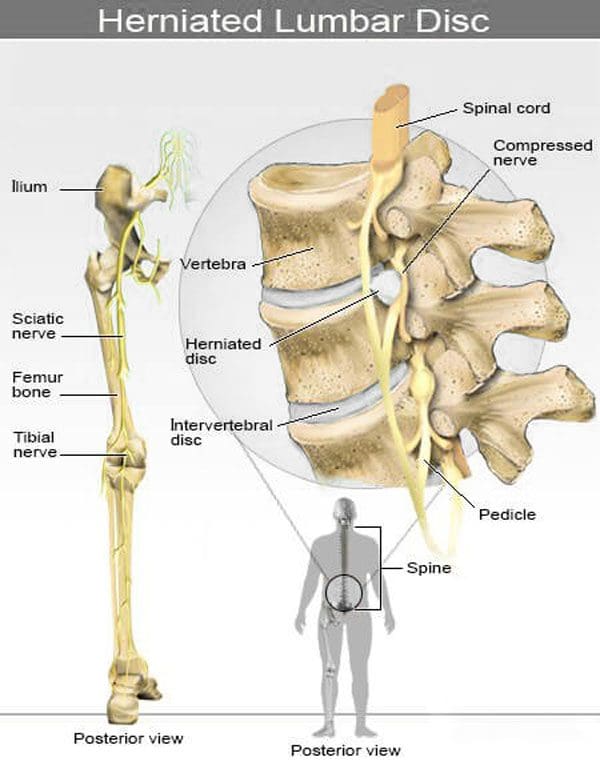
Sciatica is a set of symptoms caused by other medical problems like an injury, tumor, or the most common cause around 90% of the time is a herniated disc in the lower back. The soft-gel center of the disc pushes through the tough exterior, where it can pinch or press on the sciatic nerve causing pain.
Research shows that sciatica affects 1% to 5% of the population, and around 40% will experience sciatica at some point in their life. Men between the ages of 30 and 50 have a higher risk along with smokers, individuals that sit for a long time, and those that perform physically strenuous work. Doctors and chiropractors can diagnose cases of sciatica with a medical history and physical exam. Diagnostic imaging can also be used in some cases.
When it’s Time to Consider Surgery for Sciatica
Most individuals with sciatica respond positively to non-surgical treatments like chiropractic, physical therapy, acupuncture, medication, spinal injection/s, etc. This makes spine surgery a rarely needed treatment for low back and leg pain caused by sciatic nerve compression. But there are situations when surgery for sciatica could be beneficial.
Symptoms become severe and non-surgical treatment is no longer effective
There are different types of surgical procedures for spine surgery. A spine surgeon will recommend the best approach for each patient’s sciatica. Which procedure they recommend will be based on the disorder causing sciatica with the entire procedure clearly explained so that you understand completely. Ask any questions to better understand the surgeon’s recommendation. Remember, the final decision is always up to you. A second opinion is recommended before deciding.
Sciatica usually goes away on its own with the majority of cases managed with conservative treatment. Depending on the cause, this could be heat or ice packs, chiropractic, therapeutic massage, pain medication, stretching exercises, physical therapy, or injections.
Sciatica for Surgery Options
Surgery for sciatica is performed to relieve the added compression/pressure on the nerves and relieve the pain. Options include a microdiscectomy and laminectomy. Each has its similarities and differences when it comes to the preparation, process, and recovery for the operation.
Microdiscectomy
During a microdiscectomy, part or all of the herniated disc is removed. Research has shown the effectiveness of relieving pain to be around 80 to 95 percent of patients. The operation is done in a hospital or surgery center and requires about one hour to complete. General anesthesia is administered during this procedure.
A surgeon will make an incision over the affected disc.
Skin and tissue covering the disc will be opened and moved for better access. Some of the bone could be taken out as part of the procedure called a laminotomy.
The surgeon will use various tools to remove all or part of the herniated disc.
Once the removal is done, the surgeon will close the incision and send you to a recovery room.
To quicken the healing process patients are encouraged to start walking within hours of the procedure.
Most go home the same day. Some patients will have to stay at the hospital for observation. This could be from other conditions present.
You will not be allowed to operate a vehicle on the same day. Therefore a designated driver will be necessary.
Laminectomy
Preparation for a laminectomy is similar to a microdiscectomy. The lamina is the back part of the vertebrae, which protects the spinal canal. This procedure relieves pain by creating space for the nerves to move around.
The procedure takes about one to three hours from start to finish.
Both sides of the laminae are removed, along with the spinous process in the middle.
The patient lies face-down as the surgeon makes an incision near the affected vertebrae.
Skin and muscles are moved around and various tools/instruments are used to remove all or part of the lamina. Overgrowth of bone or spinal disc could also be removed.
The incision is stitched or stapled, bandaged, and sent to a recovery room.
Just like a microdiscectomy the individual will be encouraged to begin walking the same day.
Most individuals leave the hospital after surgery, however, a one to possible three-night could be required for others.
A driver does need to be designated for the ride home.
A microdiscectomy is recommended for stenosis caused by a herniated disc. However, if the stenosis is caused by another health issue/condition like bone spurs developed from arthritis, then a laminectomy could be the best approach. Laminectomies are usually performed on individuals in their 50s or 60s. While micro discectomies vary when it comes to age and are usually performed on younger individuals.
Recovery
At home, post-op rules need to be followed no matter what surgery for sciatica was performed. The incision area needs to stay clean and no lifting of heavy objects, bending, and sitting for extended times. Surgery for sciatica is considered safe with complications being uncommon. All operations come with risks. These include nerve damage, blood clots, and infection.
The provider needs to know about unusual symptoms after the procedure. This could be fever, excess drainage, or pain around the incision area. Pain meds could be prescribed to ease the post-surgery pain, and chiropractic along with physical therapy could be implemented to speed recovery. Individuals are typically cleared to return to work two to four weeks after the procedure. It could be six to eight weeks if their job/occupation is physically demanding and strenuous.
Depending on how complex the spine surgery is an individual could be sitting upright the same day and walking within 24 hours. A course of pain meds could be prescribed to help manage postoperative pain. Instructions will be given on how to sit, rise, get out of bed, and stand in a careful manner. The body needs time to heal, so a doctor could recommend activity restriction. This could be anything that moves the spine too much. For sure contact sports, twisting, or heavy lifting during recovery are to be avoided. Report any problem/s like fever, increased pain, infection right away.
Spine Surgery Relief
Many individuals benefit from sciatica surgery, but it doesn’t work for everyone. A small percentage of individuals continue to feel discomfort in the weeks/months after. And sciatica can return in the future and in a different location. Your healthcare provider can help you decide if surgery for sciatica is the right choice for you.
Accident/Collisions are seeing a rise and along with those crashes are spinal injuries. What you need to know about:
Accident-related injuries
Treatment
Recovery
Legal issues
We take a risk, however small, every time we get in the car/truck, of being involved in a car wreck that results in injuries and specifically a spinal injury/s. The National Spinal Cord Injury Statistical Center has seen that motor vehicle accidents/collisions with the majority being car/truck accidents.
However, with all the construction taking place nowadays, excavators, bulldozers, steamrollers, forklifts, and other vehicles are also seeing a rise in accidents. This is also generating a rise in spinal cord injury/s. Auto accidents are now ranked as the number one cause of spinal injury. The risk of an accident is small and the risk of a resulting serious spine injury is smaller still, it’s not anything. What you need to know about a motor vehicle accident/collision includes:
Injuries
Treatment
Recovery
Insurance
Legal issues
Table of Contents
Common Motor Vehicle Accidents/Collisions
Whiplash
Whiplash is one of the most typical injuries following an accident, especially when rear-ended or a rear-end collision. Its a neck injury that happens when the neck snaps suddenly back and forth causing trauma to the tissues in the neck. Symptoms often develop a few days after the accident including:
Limited neck movement
Stiffness and pain in the neck
Pain or tenderness in the upper back, shoulders, and arms
Numbness or tingling in the arms
Dizzyness
Headaches starting at the base of the skull
Problems with concentration or memory
Ringing in the ears
Sleep issues
Depression
Herniated Disc
The discs in the spine cushion the vertebrae by absorbing the weight, force, and overall impact of a regular day. They are made of a soft, gel-like substance in the center that behaves like the gel in foot orthotics, shoes, mattresses, etc made to feel soft and comfortable. It has a tough outer membrane.
A herniated disc happens when that soft gel springs a leak/s out from a tear, meaning the shock-absorbing cushion has been compromised and is not delivering the absorption it’s supposed to and places added pressure on the surrounding nerve/s and roots. Herniations can happen naturally from age and from jobs that involve consistent and constant repetitive:
Pushing
Pulling
Bending
Twisting
Herniations also happen after going through some type of physical trauma like a motor vehicle accident/collision. Symptoms depend on where the herniation occurs and include:
Muscle weakness around the affected nerve/s
Sharp shooting pain that can spread out from the shoulders to the arms, legs and low back
Tingling in arms or legs
Numbness
There could also be no symptoms and no discovery of a herniated disc until tested for something else.
Vertebral Fractures
The vertebrae are highly susceptible to fractures of all types and can appear at any spot along the spine. For many, the injuries are mild and heal with non-surgical treatment and time. Major trauma to the spine can cause severe injuries/conditions which include:
Burst fractures
This is where the vertebra fractures in multiple places into bony fragments that fall into the spinal cord getting lodged inside with the jagged edges of the bones creating tears, cuts, etc that can result in paralysis and even death.
Flexion fracture
This is an injury seen in head-on collisions where the upper part of the body gets thrown forward and the bottom part stays in place likely from the seatbelt. This tears the vertebra apart resulting in a flexion teardrop fracture.
Vertebral compression
These types cause the front of the vertebra to collapse while the back keeps its position that forms a wedge-like shape. However, more often it is associated with osteoporosis, healthy individuals can experience a vertebral compression fracture from a serious traumatic event like an auto accident. Fractures can cause mild to severe pain that is exacerbated with movement. If the spinal cord is injured the individual could experience:
Tingling
Numbness
Weakness in the limbs
Loss of bladder/bowel function
Because of the increased safety features in today’s vehicles, fractures of the spine are rare except for severe motor vehicle accidents/collisions.
Diagnosis and treatment
A doctor will review medical history along with the accident information. Imaging tests will follow like:
X-ray
CT or computed tomography scan
MRI or magnetic resonance imaging
The way these techniques of imaging are done depends on the accident and the state of the spine. Being brought into the hospital from a motor vehicle accident/collision with a suspected spinal injury means the imaging will be done first to rule out or not potentially life-threatening injury/s to the spine. Treatment for spinal injuries can range from:
Surgery to correct certain injuries when all other forms of treatment are not working
Recovery
Every case, accident, and injury is different and depends on several factors, like age, health, and how severe the accident/collision was. Severe and extreme injures like a burst fracture can take a long time to heal.
Legal Issues
Individuals with a spinal injury can face thousands in medical bills. If there is medical equipment involved along with therapeutic services for long-term care, like physical therapy then bills will accumulate.
Also, a personal injury claim could be necessary to pay for everything, especially, if the accident/collision is no fault of your own. Compensation could help with:
Loss of employment
Employment benefits
Wages lost
Ability to work/earn income
Medical expenses
Pain
Suffering
Consult with a specialist when considering filing a personal injury claim
Work Compensation
If a spinal injury accident happens at work there could be worker’s compensation. Workers’ compensation is insurance that replaces wages and medical benefits to workers that have been injured while doing their job. These are injuries that happened during the operation of a motor vehicle, like a truck, or forklift. The worker must file an injury report immediately so there is documentation supporting the injury claim. Waiting to file can make the employer question if there even was an injury. A workers’ compensation claim works differently than a personal injury claim, based primarily on what is covered under the job’s insurance policies.
An example is the legal term pain and suffering. This is not covered by workers’ compensation. However, a work training accident would be covered by work comp in the event that the individual cannot return to their job/occupation after the injury. However, any injury/s after a motor vehicle accident/collision should never be taken lightly or ignored. Individuals must be proactive in their treatment after an accident/collision. This is to prevent and avoid further injury.
Auto Accident Doctors & Chiropractor Treatments
Dr. Alex Jimenez’s Blog Post Disclaimer
The scope of our information is limited to chiropractic, musculoskeletal, physical medicines, wellness, and sensitive health issues and/or functional medicine articles, topics, and discussions. We use functional health & wellness protocols to treat and support care for injuries or disorders of the musculoskeletal system. Our posts, topics, subjects, and insights cover clinical matters, issues, and topics that relate and support directly or indirectly our clinical scope of practice.*
Our office has made a reasonable attempt to provide supportive citations and has identified the relevant research study or studies supporting our posts. We also make copies of supporting research studies available to the board and or the public upon request. We understand that we cover matters that require an additional explanation as to how it may assist in a particular care plan or treatment protocol; therefore, to further discuss the subject matter above, please feel free to ask Dr. Alex Jimenez or contact us at 915-850-0900. The provider(s) Licensed in Texas& New Mexico*
Cowboy Pushing the Accelerator Using Cowboy Boot. Wild West Pedal to the Metal Theme. Classic Car Automatic Transmission Drive.
Part 2 delayed braking reaction time caused by sciatica, we continue with the spinal cord, nerves, and how they communicate with the brain. A herniated disc can cause sciatica, which is a compressing of the nerve/s in and around the spinal cord. This compression causes a pinching of the nerve/s like bending a water hose cuts off the flow and damages the hose, is what happens to the spinal nerve/s cutting proper blood flow, and proper synapse/signal flow.
This occurs from the damage to the nerve/s and could delay braking signals for a split second. But that is all that is needed for an auto accident to happen. A delay in braking time has been found in individuals with herniated/bulging/ruptured/slipped discs. Fortunately, through chiropractic and physical therapy, the nerves can be re-stimulated and brought back to optimal function.
Table of Contents
Communication
The spinal cord is about one inch across at its widest and around eighteen inches long. The spinal cord is a type of tube that is filled with nerves and cerebrospinal fluid. This protects and nourishes the cord. Spinal cord added protection includes:
There are three types of membranes surrounding the spinal cord referred to as meninges. The outer membrane is known as the dura mater, the middle membrane is the arachnoid mater and the innermost membrane is the pia mater.
These membranes can become inflamed and damaged by disease or trauma. Arachnoiditis is caused by inflammation of the arachnoid lining that results in intense stinging and burning pain. This can happen post-surgery and can cause the scarring of nerve/s.
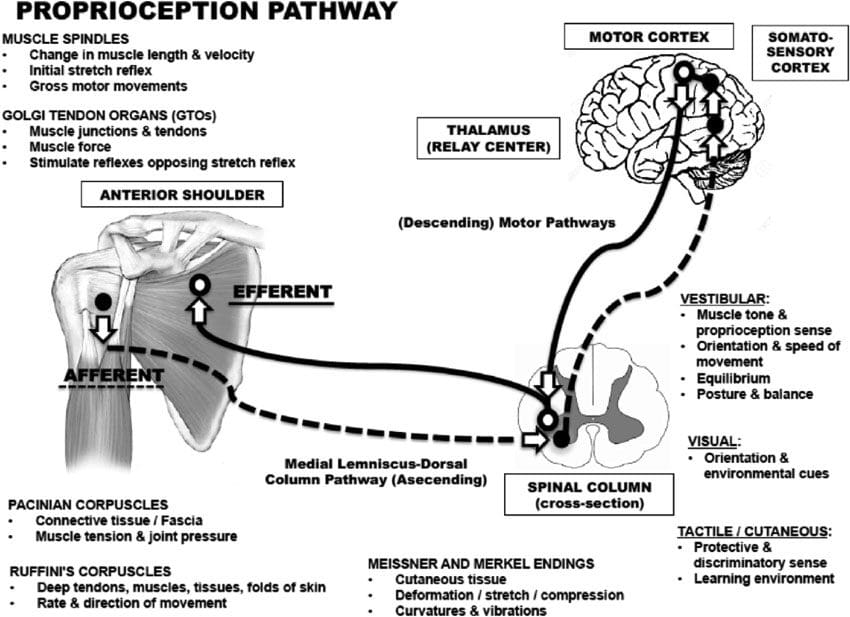
The nerves exit the spinal column and branch out to the rest of the body. All parts of the body are controlled by specific spinal nerves. The nerves are placed in and around the area they control. Like the nerves in the neck area branch out into the arms. This is why a neck ache/pain issue can lead to pain spreading into the arms and hands.
Thoracic spine controls the middle of the body,
The lumbar spine extends into the outer legs controlling that area
Sacral nerves control the middle of the legs and organ functions of the pelvis
The brain
Two major types of nerves: sensory and motor. Sensory nerves send information like:
Touch
Temperature
Pain
These get sent to the brain via the spinal cord. Motor nerves relay signals from the brain back to the muscles making them contract voluntarily or reflexively. Peripheral nervous system – the PNS has nerves that extend down the spinal canal and branch out at openings in the vertebrae called foramina.
Signals/messages get sent to and from the brain aka the central nervous system. It sends all types of signals including pain and initiates movement. For example, the nerves reflexively make the spine twist and turn when driving to keep balance when turning and braking. The peripheral nervous system is a collection of millions of nerves throughout the torso and limbs. This system conveys messages to the central nervous system.
Referred pain
When a health problem/issue/condition takes place in one part of the body with pain being felt in another or several areas, pain specialists call it referred pain.
Nerves
Nerves exiting the spinal cord is done in pairs with one being a sensory nerve, and the other a motor nerve. Motor nerves initiate movement and bodily function. Damage to a motor nerve could cause a weakness in a muscle or loss of function. For example, a prick in the foot that is not felt could mean there is some sensational loss, indicating a problem with the sensory nerves and or possible nerve damage. These are the nerves that control pain, temperature, etc. Sensory nerve issues can feel like shooting electrical pain Continuing with activities could exacerbate the nerve damage.
Cauda Equina
The spinal cord ends at the lumbar low back, where the nerves extend in a bundle of strands called cauda equina, called this because it looks like a horsetail. These nerves provide motor and sensory function to the:
Legs
Intestines
Genitals
Bladder
Therefore, based on this knowledge there is adequate information displaying how sciatica could cause a delayed braking reaction time based on the nerves’ dysfunctional signal firing. Chiropractic treatment could be an option to help an individual realign their spine, work out tight muscles, nerves, ligaments preventing any further damage, and getting the individual back in top form.
Chiropractors & Sciatica Syndrome Expose
NCBI Resources
Dr. Alex Jimenez’s Blog Post Disclaimer
The scope of our information is limited to chiropractic, musculoskeletal, physical medicines, wellness, and sensitive health issues and/or functional medicine articles, topics, and discussions. We use functional health & wellness protocols to treat and support care for injuries or disorders of the musculoskeletal system. Our posts, topics, subjects, and insights cover clinical matters, issues, and topics that relate and support directly or indirectly our clinical scope of practice.*
Our office has made a reasonable attempt to provide supportive citations and has identified the relevant research study or studies supporting our posts. We also make copies of supporting research studies available to the board and or the public upon request. We understand that we cover matters that require an additional explanation as to how it may assist in a particular care plan or treatment protocol; therefore, to further discuss the subject matter above, please feel free to ask Dr. Alex Jimenez or contact us at 915-850-0900. The provider(s) Licensed in Texas& New Mexico*
Brake and accelerator pedal of automatic transmission car
Research has found that individuals with disc herniation/s can have a delayed braking time when driving. After undergoing surgery these individuals showed significant improvement in braking time.
Based on this information Dr. Jimenez looks at how individuals with functional sciatica, (often caused by a herniated disc) meaning they can move and operate a vehicle to a certain point without generating pain, however they often put themselves in extreme/awkward positions just to operate, could also have a delay in brake reaction time.
Table of Contents
Sciatic Nerve
The sciatic nerve is a large nerve that travels from the lower back down both of the legs and into the feet. Sciatica begins in the low back. The nerve roots in the lower spine come together and turn into the sciatic nerve. Sciatica happens when these nerves get pinched/compressed. This usually occurs from a herniated disc or when the spinal canal narrows called stenosis.
Symptoms
Typically, sciatica causes:
Pain in the leg/s
Shooting pain that goes down from the low back, through the leg, calf and sometimes into the foot
Electrical pain running/shooting down the leg
Burning pain
Pain from slight movement
Numbness
Weakness
A car accident can cause sciatica, but now it seems that sciatica can cause an automobile accident because of delayed braking reaction time. People with sciatica that is present without pain often say there is a constant non-painful tingling, numbness, or numbing sensation along the leg that lets them know the sciatica is still there.
This could be insufficient blood flow from wherever the impingement is happening. Keep in mind that there could be multiple areas of impingement. Just like the slow blood flow, they may find when they drive the impingement slows the motor-sensory signal and braking time to depress the brake pedal fast enough to avoid a collision.
Nerve Treatment
Sciatica can be treated non-surgically with:
Chiropractic
Physical therapy
24 to 48 hours of rest
Over the counter pain relievers like ibuprofen or acetaminophen
Muscle spasms can be treated with heat or ice
Patients with sciatica feel better with time, usually a few weeks. However, if pain continues, other forms of treatment can be discussed.A doctor or chiropractor may advise light exercise and therapeutic stretching. As recovery progresses they may give you exercises to strengthen the back and core.
With new automobiles implementing automatic braking systems has helped significantly reduce accidents, however, there are still bugs to sort out. This is normal with these computerized systems. Reliance upon these systems, especially those with sciatica, herniated, or bulging disc/s, could be a dangerous combination, specifically when it comes to braking reaction time.
Sciatica Pain* Treatment Relief
Dr. Alex Jimenez’s Blog Post Disclaimer
The scope of our information is limited to chiropractic, musculoskeletal, physical medicines, wellness, and sensitive health issues and/or functional medicine articles, topics, and discussions. We use functional health & wellness protocols to treat and support care for injuries or disorders of the musculoskeletal system. Our posts, topics, subjects, and insights cover clinical matters, issues, and topics that relate and support directly or indirectly our clinical scope of practice.*
Our office has made a reasonable attempt to provide supportive citations and has identified the relevant research study or studies supporting our posts. We make copies of supporting research studies available to the board and or the public upon request. We understand that we cover matters that require added explanation as to how it may assist in a particular care plan or treatment protocol; therefore, to further discuss the subject matter above, please feel free to ask Dr. Alex Jimenez or contact us at 915-850-0900. The provider(s) Licensed in Texas& New Mexico*