Home Blog Page 11

Motorcycle Crash Chiropractic Relief and Recovery

A yellow black motorcycle broken after an accident

Motorcycle Accident Recovery: Addressing Sciatica and Injuries

Motorcycle Crash Chiropractic Relief and Recovery

Motorcycle accidents often result in severe injuries, including sciatica, due to the rider’s vulnerability and the high-impact nature of crashes. From head trauma to spinal injuries and soft tissue damage, these conditions can cause radiating pain, numbness, and mobility issues that disrupt daily life. In El Paso, TX, Dr. Alex Jimenez, DC, APRN, FNP-BC, offers a holistic approach combining chiropractic care, functional medicine, and advanced diagnostics to treat sciatica and other injuries, promoting natural healing and long-term wellness. This article explores common motorcycle accident injuries, their connection to sciatica, and how Dr. Jimenez’s integrative methods support recovery.

Head and Neck Injuries and Sciatica

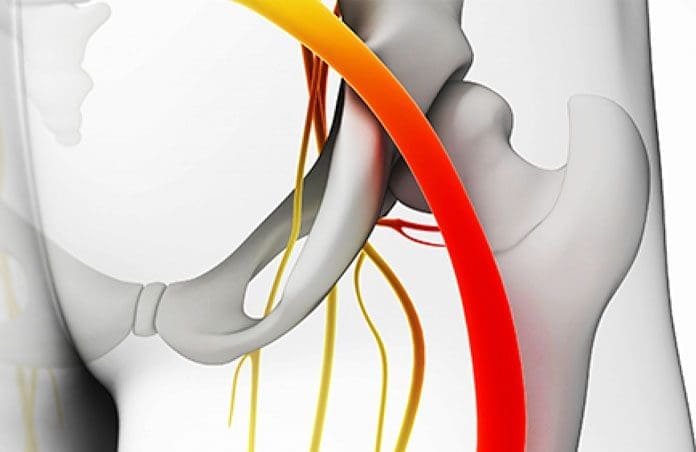
Motorcycle crashes frequently cause head and neck injuries, such as concussions, traumatic brain injuries (TBIs), or whiplash. These injuries can contribute to sciatica by misaligning the spine, putting pressure on the sciatic nerve, which runs from the lower back through the buttocks and legs. Symptoms may include radiating pain, tingling, or numbness in the legs.

Dr. Jimenez uses precise chiropractic adjustments to realign the cervical spine, reducing nerve irritation and alleviating sciatica-related pain. His clinical observations emphasize early intervention to prevent chronic issues like persistent headaches or sciatic nerve compression (Jimenez, 2025). Soft tissue therapies and targeted exercises further support recovery, offering non-invasive relief.

References
Winter Park Chiropractic. (n.d.). Motorcycle accident treatment. https://winterparkchiropractic.com/motorcycle-accident-treatment/
Jimenez, A. (2025). Clinical observations on motorcycle accident recovery. https://dralexjimenez.com/

Back and Spinal Injuries Leading to Sciatica

The spine is highly susceptible in motorcycle accidents, where impact can cause herniated discs, misalignments, or fractures. These injuries often compress the sciatic nerve, leading to sciatica symptoms such as lower back pain, leg pain, or numbness. Untreated spinal issues can worsen, making daily tasks challenging.

Dr. Jimenez employs advanced imaging, like X-rays and MRIs, to pinpoint spinal misalignments and nerve compression, creating personalized treatment plans (Jimenez, 2025). His chiropractic adjustments restore spinal alignment, while functional medicine addresses inflammation, reducing sciatica symptoms and promoting long-term spinal health.

References
Kaurich Chiropractic. (n.d.). How chiropractic care supports recovery after car accidents. https://www.kaurichchiropractic.com/how-chiropractic-care-supports-recovery-after-car-accidents
Jimenez, A. (2025). Spinal health. https://www.linkedin.com/in/dralexjimenez/

Fractures and Sciatica Complications

Fractures in the arms, legs, collarbone, or pelvis are common in motorcycle accidents due to high-impact collisions. These injuries can indirectly contribute to sciatica by altering posture or gait, putting additional strain on the spine and sciatic nerve, leading to radiating pain.

Dr. Jimenez supports fracture recovery by maintaining joint and muscle function around the injury through targeted rehabilitation exercises. His diagnostic assessments ensure proper healing, while chiropractic care prevents compensatory spinal issues that could worsen sciatica (Jimenez, 2025). This approach restores mobility non-invasively.

References
Boston Orthopaedic. (n.d.). Motorcycle accident injuries. https://www.bostonorthopaedic.com/motorcycle-accident-injuries
Jimenez, A. (2025). Rehabilitation protocols for fractures. https://www.whatsapp.com/channel/0029VaLL6qY3rZZiMGQ0S32u/364

Road Rash and Secondary Sciatica

Road rash, caused by skin scraping against pavement, results in painful abrasions or deeper wounds. While not directly causing sciatica, the discomfort can lead to altered movement patterns, straining the lower back, and potentially irritating the sciatic nerve.

Dr. Jimenez’s soft tissue therapies, such as myofascial release, enhance blood flow and reduce inflammation, promoting healing of road rash. His personalized plans address secondary effects like sciatica by restoring proper movement and spinal alignment, preventing chronic pain (Jimenez, 2025).

References
All Health Chiropractic Ohio. (n.d.). Motorcycle injuries: How chiropractic care helps. https://allhealthchiropracticohio.com/motorcycle-injuries-how-chiropractic-care-helps/
Jimenez, A. (2025). Soft tissue therapy for road rash. https://www.facebook.com/reel/24240689962228572

Soft Tissue Injuries and Sciatica

Soft tissue injuries, including sprains, strains, and bruises, are common in motorcycle accidents, affecting muscles, tendons, and ligaments. These injuries can contribute to sciatica by causing inflammation or muscle tension that compresses the sciatic nerve, leading to radiating pain or numbness.

Dr. Jimenez uses manual therapies to release tension in the fascia, the connective tissue around muscles, and integrates nutritional guidance to support tissue repair (Cleveland Clinic, 2023). His approach reduces sciatica symptoms, enhances mobility, and prevents long-term complications (Jimenez, 2025).

References
Cleveland Clinic. (2023). Chiropractic adjustment. https://my.clevelandclinic.org/health/treatments/21033-chiropractic-adjustment
Jimenez, A. (2025). Integrative care for soft tissue injuries. https://www.instagram.com/reel/DMXxvgsiwAt/

Dr. Jimenez’s Integrative Approach to Sciatica and Injuries

Dr. Alex Jimenez, a chiropractor and nurse practitioner with over 30 years of experience, specializes in treating sciatica and motorcycle accident injuries. His clinic integrates chiropractic adjustments, functional medicine, and rehabilitation to address nerve compression and pain. Using advanced diagnostics like motion studies and neurological tests, he creates precise treatment plans tailored to each patient’s condition (Jimenez, 2025).

Dr. Jimenez also handles legal paperwork for personal injury cases, ensuring accurate documentation for insurance claims and legal proceedings. His collaborative approach involves working with specialists and referring patients when needed to provide comprehensive care.

References
Recovery Chiromed. (n.d.). Beyond adjustments: Other chiropractic tools for personal injury. https://recoverychiromed.com/beyond-adjustments-other-chiropractic-tools-for-personal-injury/
Jimenez, A. (2025). Dual-scope diagnosis and treatment. https://x.com/threebestrated/status/1947288030055678043

Functional Medicine for Sciatica and Wellness

Dr. Jimenez’s functional medicine approach evaluates genetics, lifestyle, and environmental factors to address the root causes of sciatica and other injuries. By targeting inflammation and nutritional deficiencies, he promotes lasting wellness. His online health coaching and webinars educate patients on science-based strategies to manage sciatica and enhance vitality (Jimenez, 2025).

This integrative method empowers patients to live pain-free, combining chiropractic care with lifestyle changes to prevent sciatica recurrence and support overall health.

References
AICA. (n.d.). Motorcycle accident injuries. https://aica.com/we-treat/injuries/motorcycle-accident/
Jimenez, A. (2025). Integrative medicine for long-term health. https://www.pinterest.com/pin/1132936850022111288/

Why Choose Dr. Alex Jimenez?

Recognized as El Paso’s top chiropractor, Dr. Jimenez offers personalized care plans, works with most insurance carriers, and provides affordable options to make sciatica and injury treatment accessible. His commitment to community health is evident in initiatives like the El Paso Neuropathy Treatment Center. Contact Dr. Jimenez at 915-412-6677 or drj@elpasobackclinic.com to start your recovery from sciatica and motorcycle accident injuries.


References

AICA Orthopedics. (n.d.). Motorcycle accident injuries. https://aica.com/we-treat/injuries/motorcycle-accident/

All Health Chiropractic Ohio. (n.d.). Motorcycle injuries: How chiropractic care helps. https://allhealthchiropracticohio.com/motorcycle-injuries-how-chiropractic-care-helps/

Boston Orthopaedic & Spine. (n.d.). Motorcycle accident injuries. https://www.bostonorthopaedic.com/motorcycle-accident-injuries

Cleveland Clinic. (2023). Chiropractic adjustment. https://my.clevelandclinic.org/health/treatments/21033-chiropractic-adjustment

Jimenez, A. (2025). Clinical observations on motorcycle accident recovery. https://dralexjimenez.com/

Jimenez, A. (2025). Comprehensive recovery strategies. https://dralexjimenez.com/

Jimenez, A. (2025). Dual-scope diagnosis and treatment. https://x.com/threebestrated/status/1947288030055678043

Jimenez, A. (2025). Integrative care for soft tissue injuries. https://www.instagram.com/reel/DMXxvgsiwAt/

Jimenez, A. (2025). Integrative medicine for long-term health. https://www.pinterest.com/pin/1132936850022111288/

Jimenez, A. (2025). Rehabilitation protocols for fractures. https://www.whatsapp.com/channel/0029VaLL6qY3rZZiMGQ0S32u/364

Jimenez, A. (2025). Soft tissue therapy for road rash. https://www.facebook.com/reel/24240689962228572

Jimenez, A. (2025). Spinal health. https://www.linkedin.com/in/dralexjimenez/

Kaurich Chiropractic. (n.d.). How chiropractic care supports recovery after car accidents. https://www.kaurichchiropractic.com/how-chiropractic-care-supports-recovery-after-car-accidents

Recovery Chiromed. (n.d.). Beyond adjustments: Other chiropractic tools for personal injury. https://recoverychiromed.com/beyond-adjustments-other-chiropractic-tools-for-personal-injury/

Top Dog Law. (n.d.). Most common types of motorcycle accident injuries. https://topdoglaw.com/most-common-types-of-motorcycle-accident-injuries/

Winter Park Chiropractic. (n.d.). Motorcycle accident treatment. https://winterparkchiropractic.com/motorcycle-accident-treatment/

Peripheral Neuropathy: What to Expect With Chiropractic Care

Find out how chiropractic care for peripheral neuropathy could be the key to relief from nerve-related issues.

Chiropractic Care for Peripheral Neuropathy: A Comprehensive Guide to Relief and Recovery

Peripheral neuropathy is like that annoying static on your favorite radio station—it disrupts the signal, leaving you with a fuzzy, uncomfortable feeling. For millions of people, this condition translates to tingling, numbness, or burning pain in the hands, feet, or other parts of the body, making daily tasks feel like navigating a minefield. But what if there was a way to tune out that static and get your body’s signals flowing smoothly again? Enter chiropractic care, a non-invasive approach that’s gaining traction for its potential to ease nerve pain and improve quality of life. In this comprehensive guide, we’ll dive into the clinical rationale behind chiropractic care for peripheral neuropathy, explore how the musculoskeletal system plays a role, and highlight the expertise of Dr. Alexander Jimenez, DC, APRN, FNP-BC, a leading practitioner in El Paso, Texas, who’s helping personal injury victims and neuropathy sufferers reclaim their lives.

What Is Peripheral Neuropathy? The Nerve-Wracking Basics

Imagine your nervous system as the body’s Wi-Fi network, sending signals from the brain and spinal cord (the router) to every part of your body (the devices). Peripheral neuropathy is what happens when the cables—your peripheral nerves—get frayed or damaged, causing a spotty connection. According to Verywell Health, peripheral neuropathy refers to a range of conditions involving damage to the peripheral nervous system, which connects the central nervous system (brain and spinal cord) to the rest of the body. This damage can lead to symptoms like numbness, tingling, burning pain, muscle weakness, or even loss of coordination, often starting in the extremities like the hands and feet (Marrone, 2024).

Peripheral neuropathy can stem from various causes, including diabetes (the most common culprit, responsible for about 60% of cases), chemotherapy, autoimmune diseases, infections, or even traumatic injuries like those from car accidents. The symptoms can range from mildly annoying to downright debilitating, turning simple tasks like buttoning a shirt or walking downstairs into a comedy of errors—minus the laughs. For instance, diabetic peripheral neuropathy can cause a “stocking-glove” pattern of numbness, where your feet and hands feel like they’re wearing invisible, prickly mittens (NIDDK, 2023).

How Peripheral Neuropathy Messes with Your Day-to-Day

Living with peripheral neuropathy is like trying to play a video game with a laggy controller. You want to move, but your body’s response is delayed or glitchy. The musculoskeletal system, which includes your bones, muscles, ligaments, and tendons, relies on clear nerve signals to function properly. When neuropathy disrupts these signals, it can lead to:

  • Muscle Weakness: Nerves that control muscles may not fire correctly, making it hard to grip objects or walk without stumbling.
  • Loss of Coordination: Without proper sensory feedback, you might feel like you’re walking on a tightrope—without the circus music.
  • Pain and Discomfort: Burning or shooting pains can make even sitting still feel like a scene from a sci-fi torture chamber.
  • Balance Issues: Numbness in the feet increases the risk of falls, turning a casual stroll into an extreme sport.

These symptoms don’t just affect your body; they can hijack your daily routine. Imagine trying to type an email when your fingers feel like they’re on a coffee break, or attempting to cook dinner when your feet scream with every step. For many, neuropathy also brings emotional challenges, like frustration or anxiety, as simple tasks become Herculean efforts.

References
Marrone, L. (2024, May 8). Peripheral neuropathy. Verywell Health. https://www.verywellhealth.com/peripheral-neuropathy-3145943
National Institute of Diabetes and Digestive and Kidney Diseases (NIDDK). (2023). Diabetic neuropathy. https://www.niddk.nih.gov/health-information/diabetes/overview/preventing-problems/nerve-damage-diabetic-neuropathies

The Musculoskeletal System’s Role in Peripheral Neuropathy

Your musculoskeletal system is like the scaffolding of a building—it provides structure and support, but it needs a solid foundation to stay stable. Nerves play a critical role in this system by sending signals that tell muscles when to contract, joints how to move, and bones where to bear weight. When peripheral neuropathy enters the scene, it’s like termites chewing through that foundation, causing the whole structure to wobble.

How Neuropathy Impacts the Musculoskeletal System

Peripheral neuropathy can disrupt the musculoskeletal system in several ways:

  1. Nerve-Muscle Communication Breakdown: Peripheral nerves carry motor signals from the spinal cord to muscles. Neuropathy can weaken these signals, leading to muscle atrophy or spasms. For example, if the nerves in your legs are damaged, you might struggle to climb stairs or even stand for long periods.
  2. Sensory Feedback Failure: Sensory nerves provide feedback about touch, pressure, and position. Neuropathy can dull these senses, making it hard to feel the ground beneath your feet or gauge how tightly you’re gripping a coffee mug (hope you like cleaning up spills!).
  3. Joint Instability: Without proper nerve input, joints may become misaligned or overworked, increasing the risk of sprains or arthritis. This is especially true in the spine, where nerve compression can exacerbate neuropathy symptoms (Jensen et al., 2016).
  4. Autonomic Dysfunction: The autonomic nervous system, which controls involuntary functions like heart rate and digestion, can also be affected, leading to issues like poor circulation that further stress the musculoskeletal system (Vrancken et al., 2019).

These disruptions can create a vicious cycle. For example, muscle weakness from neuropathy might lead to poor posture, which then causes spinal misalignments that pinch nerves further, worsening the pain. It’s like a bad sitcom rerun—nobody wants to see it, but it keeps coming back.

Real-Life Impact on Daily Routines

The musculoskeletal fallout from neuropathy can turn everyday activities into a slapstick routine. Walking to the mailbox might feel like navigating an obstacle course, and tying your shoes could become a test of patience worthy of a Zen master. For those with severe neuropathy, even getting out of bed can feel like a plot twist in a thriller—will you make it without tripping? These challenges not only limit physical activity but can also lead to social isolation, as people avoid outings due to pain or fear of falling.

References
Jensen, T. S., & Finnerup, N. B. (2016). Guest editorial: Referred pain. Pain, 157(1), 1-2. https://pubmed.ncbi.nlm.nih.gov/26683222/
Vrancken, A. F., & Said, G. (2019). Editorial: Understanding the role of the autonomic nervous system in health and disease. Frontiers in Neurology, 10, 845. https://pubmed.ncbi.nlm.nih.gov/31447765/

Why Chiropractic Care? The Clinical Rationale for Nerve Pain Relief

Chiropractic care might sound like something you’d see in a cartoon, with dramatic cracks and pops, but it’s a science-backed approach to restoring balance in the body. For peripheral neuropathy, chiropractic care focuses on addressing nerve compression, improving spinal alignment, and enhancing overall nervous system function. Here’s the clinical rationale for why it can help reduce nerve pain, backed by insights from Dr. Alexander Jimenez, a chiropractor and nurse practitioner in El Paso, Texas.

1. Addressing Nerve Compression

Peripheral neuropathy often involves nerve compression, where misaligned bones, swollen tissues, or herniated discs put pressure on nerves, amplifying pain and dysfunction. Chiropractic adjustments aim to correct these misalignments, particularly in the spine, to relieve pressure on nerve roots. According to Dr. Jimenez, spinal misalignments (or subluxations) can contribute to nerve irritation, which may worsen neuropathy symptoms (Jimenez, 2022). By using manual adjustments or spinal decompression, chiropractors can reduce this pressure, potentially alleviating symptoms like tingling or burning pain.

For example, a herniated disc in the lower back might compress a nerve root, sending shooting pains down the leg—a condition often mistaken for sciatica but sometimes linked to polyneuropathy (Wieske et al., 2016). Dr. Jimenez uses advanced imaging, like MRIs or X-rays, to pinpoint these issues and tailor adjustments to the patient’s needs, ensuring precise relief.

2. Improving Spinal and Musculoskeletal Health

The spine is the superhighway of the nervous system, and any roadblocks—like misaligned vertebrae—can disrupt traffic. Chiropractic care focuses on restoring spinal alignment to optimize nerve signal transmission. Dr. Jimenez’s dual-scope approach, combining chiropractic techniques with medical diagnostics, allows him to assess how spinal issues contribute to peripheral neuropathy. His clinic, Injury Medical & Chiropractic Clinic, uses motion studies and neurological testing to identify biomechanical dysfunctions that might exacerbate nerve pain (Jimenez, 2025).

By correcting spinal misalignments, chiropractic care can also improve posture and muscle balance, reducing strain on the musculoskeletal system. This is crucial for neuropathy patients, as poor posture can worsen nerve compression and muscle weakness. Think of it like realigning the wheels on a car—everything runs smoother when things are in place.

3. Enhancing Blood Flow and Reducing Inflammation

Poor circulation is a common accomplice in peripheral neuropathy, especially in cases like diabetic neuropathy or chemotherapy-induced peripheral neuropathy (CIPN). Chiropractic adjustments and soft tissue therapies, like myofascial release, can improve blood flow to affected areas, delivering oxygen and nutrients that support nerve healing. Dr. Jimenez integrates these techniques with functional medicine protocols, such as nutritional counseling, to reduce inflammation that might aggravate neuropathy (Jimenez, 2025).

Research supports this approach, showing that non-pharmacological interventions, including manual therapies, can reduce pain and improve function in CIPN and diabetic neuropathy (Pachman et al., 2023; Smith et al., 2023). It’s like giving your nerves a spa day—less stress, more relaxation.

4. Supporting the Autonomic Nervous System

The autonomic nervous system (ANS) regulates involuntary functions like heart rate and digestion, and neuropathy can disrupt its function, leading to symptoms like dizziness or poor circulation. Chiropractic care may help by reducing stress on the ANS through spinal adjustments, which can improve parasympathetic nervous system activity (Welch et al., 2020). Dr. Jimenez’s holistic approach includes assessing ANS function through tools like the Neural Zoomer Plus, a blood test that analyzes neurological autoantibodies to identify underlying issues (Jimenez, 2019).

5. Non-Pharmacological Pain Management

Let’s face it—popping pills for pain can feel like a never-ending game of whack-a-mole. Chiropractic care offers a drug-free alternative, which is especially appealing for neuropathy patients who want to avoid medications like lidocaine injections (Derksen et al., 2023). Dr. Jimenez combines chiropractic adjustments with therapies like acupuncture and massage to provide multi-faceted pain relief, addressing both the mechanical and chemical aspects of nerve pain (Jimenez, 2025).

References
Derksen, A., et al. (2023). Intravenous lidocaine for treatment of chronic pain: A retrospective cohort study. Pain Medicine, 24(4), 345-352. https://pubmed.ncbi.nlm.nih.gov/36255223/
Jiménez, A. (2019). Functional medicine – Neurological health. El Paso Back Clinic. https://elpasobackclinic.com/functional-medicine/
Jiménez, A. (2022). An insight view on functional neurology | Part 1. Sciatica Clinic. https://sciatica.clinic/insight-view-functional-neurology-part-1/
Jiménez, A. (2025). Dr. Alexander Jimenez’s expertise in MVA healing. EP Wellness & Functional Medicine Clinic. https://wellnessdoctorrx.com/dr-alexander-jimenez-expertise-mva-healing/
Pachman, D. R., et al. (2023). Prevention and treatment of chemotherapy-induced peripheral neuropathy (CIPN) with non-pharmacological interventions: Clinical recommendations from a systematic scoping review and an expert consensus process. Supportive Care in Cancer, 31(2), 112. https://pubmed.ncbi.nlm.nih.gov/36648592/
Smith, T. J., et al. (2023). Emerging nonpharmacologic interventions to treat diabetic peripheral neuropathy. Antioxidants & Redox Signaling, 38(1-3), 183-204. https://pubmed.ncbi.nlm.nih.gov/36301959/
Welch, A., et al. (2020). Parasympathetic nervous system reactivity moderates associations between children’s executive functioning and social and academic competence. Frontiers in Psychology, 11, 1845. https://pubmed.ncbi.nlm.nih.gov/32982847/
Wieske, L., et al. (2016). Could spinal canal compression be a cause of polyneuropathy? Frontiers in Neurology, 7, 37. https://pubmed.ncbi.nlm.nih.gov/27014139/

Dr. Alexander Jimenez: El Paso’s Chiropractic Hero for Personal Injury and Neuropathy

In El Paso, Texas, where car accidents are as common as tumbleweeds on a windy day, personal injury cases are a significant concern. Motor vehicle accidents (MVAs) often lead to nerve injuries, including peripheral neuropathy, due to trauma, whiplash, or spinal misalignments. Enter Dr. Alexander Jimenez, a board-certified chiropractor and nurse practitioner whose dual licensure makes him a standout in the field. With over 25 years of experience, Dr. Jimenez is a beacon of hope for those navigating the aftermath of accidents or chronic neuropathy.

Advanced Imaging and Diagnostic Evaluations

Dr. Jimenez’s practice, Injury Medical & Chiropractic Clinic, is like a high-tech nerve detective agency. He uses advanced imaging tools—think X-rays, MRIs, and CT scans—to pinpoint the exact location of nerve compression or damage. For example, a car accident might cause a herniated disc that presses on a nerve root, mimicking or worsening neuropathy symptoms. His diagnostic evaluations, including motion studies and neurological testing, uncover subtle misalignments or biomechanical issues that other practitioners might miss (Jimenez, 2025).

These tools are like the magnifying glass in a Sherlock Holmes story, revealing clues about the injury’s impact on the nervous and musculoskeletal systems. By identifying issues like spinal canal compression or ligament tears, Dr. Jimenez creates precise treatment plans that address the root cause, not just the symptoms.

Dual-Scope Procedures: Bridging Chiropractic and Medical Care

What sets Dr. Jimenez apart is his “dual-scope” approach, blending chiropractic expertise with medical diagnostics. As a chiropractor, he uses manual adjustments and spinal decompression to relieve nerve pressure. As a nurse practitioner, he incorporates functional medicine tools, like blood panels or the Neural Zoomer Plus, to assess metabolic or hormonal imbalances that might contribute to neuropathy (Jimenez, 2019). This combo is like peanut butter and jelly—each is great on its own, but together, they’re unstoppable.

For instance, a patient with diabetic neuropathy might receive spinal adjustments to improve nerve function, alongside nutritional counseling to stabilize blood sugar levels. This holistic approach ensures that both the mechanical (e.g., spinal misalignments) and chemical (e.g., inflammation) aspects of neuropathy are addressed (Khorraminejad et al., 2013).

Legal-Medical Liaison for Personal Injury Cases

In personal injury cases, Dr. Jimenez is like a translator who speaks both “doctor” and “lawyer.” His detailed documentation—covering injury descriptions, treatment plans, and progress updates—provides objective evidence for insurance claims or legal cases. For example, a motion study showing reduced neck mobility due to whiplash can strengthen a patient’s compensation case, while regular progress reports demonstrate the effectiveness of chiropractic care (Jimenez, 2025). This dual role ensures patients get the care they need while building a strong case for fair compensation, especially in El Paso, where busy highways increase the risk of MVAs.

References
Jiménez, A. (2019). Functional medicine – Neurological health. El Paso Back Clinic. https://elpasobackclinic.com/functional-medicine/
Jiménez, A. (2025). Dr. Alexander Jimenez’s expertise in MVA healing. EP Wellness & Functional Medicine Clinic. https://wellnessdoctorrx.com/dr-alexander-jimenez-expertise-mva-healing/
Khorraminejad, M., et al. (2013). Chemical and mechanical nerve root insults induce differential behavioral sensitivity and glial activation that are enhanced in combination. Brain, Behavior, and Immunity, 34, 128-136. https://pubmed.ncbi.nlm.nih.gov/23911489/


Peripheral Neuropathy: A Successful Recovery Story- Video

Peripheral Neuropathy: A Successful Recovery Story | El Paso, Tx (2023)

Chiropractic Care for Specific Neuropathies

Not all neuropathies are created equal, and chiropractic care can be tailored to address specific types, like diabetic peripheral neuropathy or chemotherapy-induced peripheral neuropathy (CIPN). Here’s how Dr. Jimenez’s approach shines in these cases.

Diabetic Peripheral Neuropathy

Diabetic neuropathy is like the uninvited guest who overstays its welcome, causing numbness, tingling, and pain in the extremities. Chiropractic care can help by:

  • Reducing Nerve Compression: Spinal adjustments relieve pressure on nerves affected by high blood sugar levels, which can damage nerve fibers over time.
  • Improving Circulation: Techniques like myofascial release enhance blood flow, delivering nutrients to damaged nerves.
  • Nutritional Support: Dr. Jimenez integrates “Patient Focused Diet Plans” to stabilize blood sugar and reduce inflammation, addressing the root cause of diabetic neuropathy (Jimenez, 2025).

Research shows that non-pharmacological interventions, including chiropractic care, can improve pain and function in diabetic neuropathy, offering a safer alternative to medications (Smith et al., 2023).

Chemotherapy-Induced Peripheral Neuropathy (CIPN)

CIPN is like a side effect that keeps on giving, with chemotherapy drugs damaging nerves and causing pain or numbness. Chiropractic care can:

  • Alleviate Pain: Manual therapies and acupuncture reduce nerve irritation and promote endorphin release.
  • Enhance Mobility: Corrective exercises strengthen muscles weakened by CIPN, improving balance and coordination.
  • Support Recovery: Dr. Jimenez’s functional medicine protocols, like nutritional supplementation, help repair nerve damage caused by chemotherapy (Pachman et al., 2023).

These approaches align with recent findings that non-pharmacological interventions can significantly reduce CIPN symptoms, improving patients’ quality of life (Pachman et al., 2023).

References
Jiménez, A. (2025). Dr. Alexander Jimenez’s expertise in MVA healing. EP Wellness & Functional Medicine Clinic. https://wellnessdoctorrx.com/dr-alexander-jimenez-expertise-mva-healing/
Pachman, D. R., et al. (2023). Prevention and treatment of chemotherapy-induced peripheral neuropathy (CIPN) with non-pharmacological interventions: Clinical recommendations from a systematic scoping review and an expert consensus process. Supportive Care in Cancer, 31(2), 112. https://pubmed.ncbi.nlm.nih.gov/36648592/
Smith, T. J., et al. (2023). Emerging nonpharmacologic interventions to treat diabetic peripheral neuropathy. Antioxidants & Redox Signaling, 38(1-3), 183-204. https://pubmed.ncbi.nlm.nih.gov/36301959/

How Chiropractic Care Reduces Overlapping Risk Profiles

Peripheral neuropathy often comes with a side of extra baggage—overlapping conditions like chronic pain, diabetes, or autoimmune disorders that make life even more complicated. Chiropractic care, especially under Dr. Jimenez’s guidance, can help reduce these risk profiles by:

  • Managing Chronic Pain: By addressing nerve compression and inflammation, chiropractic care reduces reliance on pain medications, which can have side effects like drowsiness or dependency (Derksen et al., 2023).
  • Improving Metabolic Health: Functional medicine protocols, like dietary changes and supplementation, address underlying issues like insulin resistance or vitamin deficiencies that contribute to neuropathy (Jimenez, 2025).
  • Preventing Further Injury: Correcting spinal misalignments and improving posture reduces the risk of falls or additional nerve damage, especially in personal injury cases (Jimenez, 2025).

Dr. Jimenez’s integrative approach is like a Swiss Army knife for health—it tackles multiple problems at once, helping patients feel better and live more fully.

References
Derksen, A., et al. (2023). Intravenous lidocaine for treatment of chronic pain: A retrospective cohort study. Pain Medicine, 24(4), 345-352. https://pubmed.ncbi.nlm.nih.gov/36255223/
Jiménez, A. (2025). Dr. Alexander Jimenez’s expertise in MVA healing. EP Wellness & Functional Medicine Clinic. https://wellnessdoctorrx.com/dr-alexander-jimenez-expertise-mva-healing/

The El Paso Advantage: Why Dr. Jimenez Stands Out

El Paso’s bustling highways and high accident rates make personal injury care a top priority, and Dr. Jimenez is the go-to expert for those seeking recovery. His clinic, Injury Medical & Chiropractic Clinic, is a hub for holistic healing, offering:

  • Comprehensive Care: From chiropractic adjustments to acupuncture and physical therapy, Dr. Jimenez provides a one-stop shop for recovery.
  • Patient-Centered Approach: His team tailors treatment plans to each patient’s needs, ensuring personalized care that feels like a warm hug (but with more science).
  • Community Trust: Voted El Paso’s top chiropractor, Dr. Jimenez’s reputation is built on patient success stories and a commitment to holistic health (Jimenez, 2025).

Whether you’re dealing with neuropathy from diabetes, chemotherapy, or a car accident, Dr. Jimenez’s expertise ensures you’re not just treating symptoms but rebuilding your body’s foundation.

References
Jiménez, A. (2025). Dr. Alexander Jimenez’s expertise in MVA healing. EP Wellness & Functional Medicine Clinic. https://wellnessdoctorrx.com/dr-alexander-jimenez-expertise-mva-healing/

Conclusion: A Serious Note on Chiropractic Care

Peripheral neuropathy can feel like a relentless prankster, disrupting your life with pain and discomfort. However, chiropractic care, as championed by Dr. Alexander Jimenez in El Paso, Texas, offers a beacon of hope. Through spinal adjustments, advanced diagnostics, and integrative therapies, chiropractic care addresses the root causes of nerve pain, improves musculoskeletal health, and enhances overall well-being. For personal injury victims, Dr. Jimenez’s dual-scope approach bridges medical and legal needs, ensuring comprehensive care and robust documentation for fair compensation.

Disclaimer: This blog post is for informational purposes only and should not be taken as medical advice. Peripheral neuropathy is a complex condition, and a qualified healthcare professional should guide treatment. Consult with a chiropractor, nurse practitioner, or other licensed provider to determine the best course of action for your specific needs. For those in El Paso, contact Dr. Alexander Jimenez at 915-850-0900 or visit dralexjimenez.com or sciatica.clinic to schedule a consultation and start your journey to recovery.

Trauma-Based Chiropractic Therapy After Car Accidents

female driver looking at cars after car accident on road

Chiropractic Rehabilitation After Car Accidents: Relieving Pain, Restoring Function

Trauma-Based Chiropractic Therapy After Car Accidents


Introduction: Why Chiropractic Care After a Crash Matters

Car accidents often leave people with more than just sore muscles or bruises. The sudden force of impact can cause spinal misalignment, nerve compression, and soft tissue injury—conditions that may not be obvious at first. Chiropractic care offers a safe, drug-free way to treat these injuries and support full-body healing.

Clinics that specialize in spine and nerve recovery, like Sciatica Clinic, recognize that the body’s alignment affects more than posture—it directly impacts how nerves send signals and how pain is felt. Chiropractic care helps restore that alignment, improving function, comfort, and long-term health outcomes.

🔗 Miami Chiropractors, 2024


Realigning the Spine for Pain Relief

A motor vehicle accident can force the spine out of its normal position. This misalignment can pinch or irritate spinal nerves, which may lead to symptoms like:

  • Back or neck pain
  • Numbness or tingling
  • Muscle weakness
  • Radiating pain into the arms or legs

Chiropractors use precise adjustments to restore spinal alignment, allowing the nerves to function without interference. Restoring proper joint motion also reduces stiffness and supports blood flow to injured tissues.

🔗 Tradition Health, 2025


Addressing Soft Tissue Damage

Not all injuries from a car crash are visible on an X-ray. Many people suffer soft tissue damage—such as strained muscles, stretched ligaments, or bruised tendons—that causes ongoing discomfort and reduced mobility.

Chiropractic care can help heal soft tissues by combining:

  • Manual adjustments to relieve joint tension
  • Trigger point therapy for muscle pain
  • Therapeutic ultrasound and electrical stimulation
  • Gentle stretching and strengthening exercises

These treatments help the body heal naturally, without masking symptoms with painkillers.

🔗 Liott Back and Neck Center, 2024


Supporting Natural Healing Without Medication

Many people turn to medication after an accident, but drugs only mask the pain—they don’t fix the cause. Chiropractic care aims to reduce pain by addressing the underlying cause of the injury. By adjusting the spine and restoring nerve balance, chiropractors help the body heal on its own.

Patients often notice:

  • Less inflammation
  • Improved flexibility
  • Better posture and movement
  • A decrease in overall pain

For clinics like Sciatica Clinic, this natural, holistic approach is key to long-term recovery.

🔗 Colorado Health Clinic, 2024


Why You Shouldn’t Wait to Get Care

It’s common to feel fine immediately after a car accident, only to develop pain days or weeks later. Delayed care can lead to chronic pain, joint degeneration, and long-term disability.

Chiropractors recommend early intervention to:

  • Detect hidden injuries
  • Reduce the risk of complications
  • Start the healing process faster

Even a low-speed crash can cause whiplash, spinal strain, or nerve dysfunction. Acting quickly helps prevent permanent damage.

🔗 Dr. Kal, 2024


What to Expect From a Chiropractic Assessment

Before treatment begins, chiropractors perform a full evaluation, which may include:

  • Range of motion testing
  • Postural assessment
  • Neurological screening
  • X-rays or imaging referrals (if needed)

From there, a customized care plan is created. At Sciatica Clinic, this may include spinal adjustments, functional rehab, and supportive therapies—all aimed at helping patients regain control of their health.

🔗 Dr. Kal, 2024


Relieving Nerve Pressure and Improving Function

When the spine is misaligned or inflamed, nerves exiting the spinal cord can become compressed. This leads to symptoms like:

  • Shooting pain down the limbs
  • Muscle fatigue
  • Loss of coordination
  • Burning or tingling sensations

Chiropractic adjustments reduce this pressure by creating more space around the affected nerves. The result is not only pain relief but improved muscle function and nerve signaling.

🔗 Creekside Chiropractic, 2024


Creating a Paper Trail for Legal and Insurance Claims

In addition to treating the injury, chiropractors document:

  • Diagnoses
  • Treatment plans
  • Progress updates
  • Functional limitations

This documentation is vital for insurance claims and legal cases. Sciatica Clinic, like many injury-focused practices, ensures that patients get the care they need—and the paperwork to back it up.

🔗 MVA MVP, 2024


Ongoing Care for Full Recovery

Even after the pain fades, the healing process isn’t over. Follow-up chiropractic visits can:

  • Keep the spine properly aligned
  • Prevent scar tissue buildup
  • Support healthy joint motion
  • Reduce the risk of future injury

At Sciatica Clinic, care plans are designed to restore balance and protect long-term spine and nerve health.

🔗 The Neck and Back Clinics, 2024


Finding Hidden Injuries Before They Worsen

Not all injuries hurt right away. Spinal misalignments, disc issues, or nerve entrapment may take time to show symptoms. That’s why chiropractors perform detailed exams even if the patient feels fine.

At Sciatica Clinic, advanced screenings and careful physical assessments help catch these hidden problems before they lead to chronic pain.

🔗 Pioneer Chiropractic, 2024


Headaches and Upper Neck Trauma

Many patients develop headaches after a car accident, especially when the cervical spine is strained. Chiropractors treat these headaches by adjusting the upper spine and reducing inflammation around the nerves at the base of the skull.

Patients often report less tension, fewer migraines, and better sleep after consistent treatment.

🔗 Apex Orthopedic and Sports Medicine, 2024


Clinical Insight: Dr. Alexander Jimenez’s Dual Approach

Dr. Alexander Jimenez, DC, APRN, FNP-BC, provides dual-scope care as a chiropractor and nurse practitioner in El Paso. He focuses on post-accident recovery using:

  • Spinal adjustments
  • Functional medicine
  • Diagnostic imaging (X-ray, MRI)
  • Legal-medical documentation
  • Rehabilitative therapy

His integrative approach ensures patients receive both medical and biomechanical treatment. This comprehensive model is ideal for clinics like Sciatica Clinic, where the nervous system and spinal alignment are central to care.

🔗 Dr. Alex Jimenez
🔗 LinkedIn
🔗 WellnessDoctorRx
🔗 Instagram
🔗 Threads


Conclusion: Real Recovery Through Chiropractic Science

Motor vehicle accidents can damage the spine, strain soft tissue, and interrupt nerve function. Chiropractic care offers a safe, effective path to recovery by correcting misalignments, improving nerve communication, and reducing pain—without the need for medications or surgery.

Clinics like Sciatica Clinic provide focused, evidence-informed care that restores spinal and neurological function, helping patients return to work, daily activities, and life with less pain and more strength.


References

Apex Orthopedic and Sports Medicine. (2024). Should I see a chiropractor after a car accident?

Colorado Health Clinic. (2024). Benefits of chiropractic care after a car accident

Creekside Chiropractic. (2024). Auto injuries care

Dr. Kal. (2024a). Early chiropractic care after car crashes: Why it matters

Dr. Kal. (2024b). Chiropractic care after a car accident: What to expect

Liott Back and Neck Center. (2024). Top chiropractor for auto accident recovery: What to know

Miami Chiropractors. (2024). The role of chiropractic care in rehabilitation after a car accident

MVA MVP. (2024). Why chiropractic care is essential after a motor vehicle accident

Pioneer Chiropractic. (2024). Benefits of chiropractic care after a car accident

The Neck and Back Clinics. (2024). Long-term recovery

Tradition Health. (2025). Chiropractic treatment after car accidents

Chiropractic Care Techniques and Tips for Herniated Discs

Discover solutions with chiropractic care for herniated discs that specifically target pain relief and enhance your physical well-being.

Chiropractic Care for Low Back Pain and Herniated Discs: A Comprehensive Guide

Mon cher, picture this: a spine as twisted as my tango with Morticia, yet with the right touch, it can glide back to harmony! Low back pain from herniated discs can feel like a pesky poltergeist haunting your daily routine, but fear not—chiropractic care, with its elegant adjustments and spinal decompression, offers a path to relief. In this comprehensive guide, we’ll explore why chiropractic care is a fantastic option for easing low back pain caused by herniated discs, delve into the role of the lumbar spine, and highlight how it impacts your life when things go awry. We’ll also spotlight the expertise of Dr. Alexander Jimenez, DC, APRN, FNP-BC, a distinguished chiropractor and nurse practitioner in El Paso, Texas, who waltzes between medical precision and legal documentation to help personal injury victims. With a dash of Gomez Addams’ flair, we’ll keep it lively, but rest assured, this is a serious dive into spinal health. Let’s get started, mi amor!

Understanding the Lumbar Spine and Herniated Discs

The Lumbar Spine: The Backbone of Your Body

The lumbar spine, or lower back, is like the sturdy foundation of a haunted mansion—it supports everything above it while enduring constant pressure. Comprising five vertebrae (L1–L5), the lumbar spine is built to carry the weight of your upper body, making it the workhorse of your spine (American Academy of Orthopaedic Surgeons, 2025). These vertebrae are connected by intervertebral discs, which act like shock-absorbing cushions, allowing you to bend, twist, and move without your bones grinding like a creaky old door.

Each disc has two parts:

  • Annulus fibrosus: The tough, outer ring, like the iron gates of the Addams Family estate.
  • Nucleus pulposus: The soft, jelly-like center, as squishy as Pugsley’s pet octopus.

Together, these discs provide flexibility and stability, letting you dance through life (or at least walk to the kitchen). The spinal cord and nerve roots run through the spinal canal, sending signals from your brain to your muscles. When everything’s aligned, it’s a symphony of movement. But when a disc herniates, it’s like Uncle Fester flipping the wrong switch—chaos ensues.

What Is a Herniated Disc?

A herniated disc, sometimes called a “slipped” or “ruptured” disc, occurs when the nucleus pulposus pushes through a tear in the annulus fibrosus, much like Lurch accidentally bursting through a door (American Academy of Orthopaedic Surgeons, 2025). This is most commonly observed in the lumbar spine, particularly at the L4–L5 and L5–S1 levels, where the spine bears the greatest weight (Personal Injury Doctor Group, 2017). Imagine the disc as a jelly donut: if you squeeze it too hard, the jelly squirts out, pressing on nearby nerves and causing pain.

Herniated discs can result from:

  • Wear and tear: Over time, discs lose water content and elasticity, making them prone to tears, like Morticia’s favorite lace gloves fraying with age.
  • Sudden injury: Lifting heavy objects improperly or a car accident can cause a disc to rupture, much like Gomez’s enthusiastic fencing mishaps.
  • Repetitive stress: Constant bending or twisting, like Wednesday’s relentless archery practice, can weaken discs.
  • Genetics: Some folks inherit a predisposition to disc degeneration, as if the Addams Family curse extended to their spines (Personal Injury Doctor Group, 2017).

When a herniated disc presses on nerve roots, it can cause radiculopathy, leading to sharp, radiating pain, numbness, or weakness in the legs, often referred to as sciatica (Frymoyer, 1988). Oh, the agony, cara mia! This pain can make simple tasks like sitting or walking feel like a gothic torture chamber.

How Herniated Discs Disrupt Daily Life

A herniated disc in the lumbar spine can turn your daily routine into a grim fandango. The pain, often described as sharp or burning, may radiate from the lower back to the buttocks, thighs, or even feet, mimicking the path of the sciatic nerve (American Academy of Orthopaedic Surgeons, 2025). Here’s how it affects you:

  • Sitting: Prolonged sitting, such as binge-watching The Addams Family, can intensify pain by compressing the disc further.
  • Walking: Pain or numbness in the legs can make strolling feel like wading through a swamp with Thing on your shoulder.
  • Bending or Lifting: These movements strain the spine, making tasks like picking up groceries or tying your shoes as daunting as facing Cousin Itt’s hairbrush.
  • Sleep: Finding a comfortable position is trickier than convincing Morticia to try disco, leading to restless nights.
  • Work and Hobbies: Whether you’re an office worker or a weekend warrior, pain can sideline you, leaving you grumpier than Lurch on cleaning day.

For many, the impact is profound—60–80% of people experience low back pain at some point, with herniated discs being a common culprit (American Academy of Orthopaedic Surgeons, 2025). If you’re in El Paso, where active lifestyles and physical jobs are common, a herniated disc can feel like a personal injury straight out of a car crash, disrupting your vibrant life in this sunny city.

References
American Academy of Orthopaedic Surgeons. (2025). Herniated disk in the lower back. OrthoInfo. https://www.orthoinfo.org/en/diseases–conditions/herniated-disk-in-the-lower-back/
Frymoyer, J. W. (1988). Back pain and sciatica. The New England Journal of Medicine, 318(5), 291–300. https://pubmed.ncbi.nlm.nih.gov/2961994/
Personal Injury Doctor Group. (2017, April 3). Herniated Discs: Definition, Progression, and Diagnosis. https://personalinjurydoctorgroup.com/2017/04/03/herniated-discs-definition-progression-diagnosis/

The Clinical Rationale for Chiropractic Care

Why Chiropractic Care Works for Herniated Discs

Chiropractic care is like Gomez’s passionate kiss to Morticia—it’s targeted, effective, and brings everything back into alignment. Chiropractors focus on restoring spinal alignment and reducing nerve compression through non-invasive techniques, making it an excellent option for managing low back pain from herniated discs. Here’s the clinical rationale, straight from the experts:

  1. Reducing Nerve Compression: When a disc herniates, it can press on spinal nerves, causing pain and numbness. Chiropractic adjustments, also known as spinal manipulations, gently realign the spine, thereby reducing pressure on the affected nerves. A 2020 study found that spinal manipulative therapy significantly reduces pain and disability in patients with chronic low back pain (Rubinstein et al., 2020).
  2. Improving Spinal Mobility: Herniated discs can cause stiffness, like Gomez freezing mid-tango. Adjustments restore joint mobility, allowing the spine to move more freely and reducing strain on the disc (El Paso Back Clinic, 2025).
  3. Promoting Natural Healing: By correcting misalignments (subluxations), chiropractic care enhances blood flow and nutrient delivery to the disc, thereby aiding in the healing process. Think of it as giving your spine a revitalizing potion, minus the bubbling cauldron.
  4. Addressing Sacroiliac Joint Hypomobility: Many patients with herniated discs also have sacroiliac joint issues, which can exacerbate pain. A quasi-experimental study showed that spinal manipulation improves outcomes in patients with MRI-confirmed lumbar disc herniation and sacroiliac joint hypomobility (Kruse & Cambron, 2018).
  5. Non-Invasive and Low-Risk: Unlike surgery, chiropractic care avoids invasive procedures, reducing risks and recovery time. Most patients feel relief within weeks, as if Gomez swept their pain away with a flourish (American Academy of Orthopaedic Surgeons, 2025).

Oh, cara mia, it’s like realigning the stars in our spooky sky! Chiropractic care is particularly effective for those with subacute or chronic pain, where nonsurgical options are preferred (Choi et al., 2017).

Dr. Alexander Jimenez’s Approach

In El Paso, Dr. Alexander Jimenez is the maestro of chiropractic care, blending his expertise as a chiropractor and nurse practitioner to create personalized treatment plans. With over 25 years of experience, Dr. Jimenez utilizes advanced diagnostics, including MRI and CT scans, to pinpoint the exact location of a herniated disc, ensuring precise treatment (Jimenez, 2023). His approach includes:

  • Spinal Adjustments: Using manual or instrument-assisted techniques to correct misalignments and relieve nerve pressure.
  • Functional Medicine: Assessing lifestyle factors like diet and stress to support overall healing, as seen on his website (Sciatica Clinic, n.d.).
  • Patient Education: Empowering patients with exercises and self-care tips to prevent re-injury, much like teaching Gomez to fence without toppling the furniture.

Dr. Jimenez’s dual licensure enables him to seamlessly integrate medical and chiropractic care, making him a trusted choice for personal injury victims in El Paso. His clinic’s testimonials highlight his success with conditions like sciatica and herniated discs, with patients praising his holistic approach (El Paso Back Clinic, 2025).

References
American Academy of Orthopaedic Surgeons. (2025). Herniated disk in the lower back. OrthoInfo. https://www.orthoinfo.org/en/diseases–conditions/herniated-disk-in-the-lower-back/
Choi, J., Lee, S., & Jeon, C. (2017). Effects of spinal decompression therapy on pain and disability in patients with lumbar disc herniation. Journal of Physical Therapy Science, 29(8), 1361–1365. https://pubmed.ncbi.nlm.nih.gov/28878466/
El Paso Back Clinic. (2025, May 23). Why choose Dr. Alex Jimenez for your care? https://elpasobackclinic.com/why-choose-dr-alex-jimenez-for-your-care/
Jiménez, A. (2023). LinkedIn profile. https://www.linkedin.com/in/dralexjimenez/
Kruse, R. A., & Cambron, J. A. (2018). Spinal manipulation in the treatment of patients with MRI-confirmed lumbar disc herniation and sacroiliac joint hypomobility: A quasi-experimental study. Chiropractic & Manual Therapies, 26(1), 16. https://chiromt.biomedcentral.com/articles/10.1186/s12998-018-0185-7
Rubinstein, S. M., de Zoete, A., van Middelkoop, M., Assendelft, W. J. J., de Boer, M. R., & van Tulder, M. W. (2020). Benefits and harms of spinal manipulative therapy for the treatment of chronic low back pain: Systematic review and meta-analysis of randomised controlled trials. Spine Journal, 20(2), 177–189. https://pubmed.ncbi.nlm.nih.gov/31669605/
Sciatica Clinic. (n.d.). The efficacy of spinal decompression for chronic low back pain. https://sciatica.clinic/the-efficacy-of-spinal-decompression-for-chronic-low-back-pain/

Spinal Decompression: A Key Player in Relief

What Is Spinal Decompression?

Spinal decompression is like a gentle stretch for your spine, as if Gomez were carefully pulling Morticia into a romantic dip. This non-surgical therapy utilizes a traction device, such as the DRX9000, to elongate the spine, thereby relieving pressure on herniated discs and pinched nerves (Sciatica Clinic, 2022). By creating negative pressure within the disc, decompression:

  • Reduces Disc Bulging: Pulls the nucleus pulposus back into place, like coaxing Thing back into his box.
  • Promotes Healing: Increases blood flow and nutrient delivery to the disc, facilitating its rehydration and repair.
  • Relieves Nerve Pressure: Eases compression on spinal nerves, reducing pain and numbness.

A 2017 study found that spinal decompression significantly reduces pain and disability in patients with lumbar disc herniation, with some experiencing immediate relief (Choi et al., 2017). It’s particularly effective for subacute cases, where the disc has not yet fully degenerated.

How It Helps Rehydrate Spinal Discs

As we age, spinal discs lose water content, becoming less flexible and more prone to injury—like Morticia’s roses wilting without water. Spinal decompression creates a vacuum effect, allowing water, oxygen, and nutrients to flow back into the disc, increasing its height and elasticity (Sciatica Clinic, 2022). This rehydration process:

  • Restores Disc Height: Reduces pressure on nerves and surrounding tissues.
  • Enhances Shock Absorption: Makes the spine more resilient, like a well-cushioned hearse.
  • Reduces Inflammation: Improves circulation, calming irritated nerves.

Dr. Jimenez integrates spinal decompression into his treatment plans, using devices like the DRX9000 to provide precise, controlled traction. His patients often report improved mobility and reduced pain, allowing them to tango through life again (El Paso Back Clinic, 2025).

Clinical Insights from Dr. Jimenez

Dr. Jimenez’s approach to spinal decompression is as meticulous as Gomez crafting a love letter. He utilizes advanced imaging to assess the disc’s condition and tailors decompression sessions to each patient’s specific needs. His clinic’s integrative approach combines decompression with chiropractic adjustments and functional medicine, addressing biomechanical and systemic factors (Jimenez, 2023). For example:

  • Personalized Protocols: Sessions last 20–30 minutes, with patients often feeling relief after a few visits.
  • Holistic Support: Nutritional counseling helps reduce inflammation, thereby enhancing the effects of decompression.
  • Monitoring Progress: Regular MRIs track disc rehydration and healing, ensuring optimal outcomes.

Oh, the joy of a spine that moves like a well-choreographed dance! Dr. Jimenez’s expertise ensures patients not only feel better but also understand their condition, empowering them to maintain spinal health (Sciatica Clinic, n.d.).

References
Choi, J., Lee, S., & Jeon, C. (2017). Effects of spinal decompression therapy on pain and disability in patients with lumbar disc herniation. Journal of Physical Therapy Science, 29(8), 1361–1365. https://pubmed.ncbi.nlm.nih.gov/28878466/
El Paso Back Clinic. (2025, May 23). Why choose Dr. Alex Jimenez for your care? https://elpasobackclinic.com/why-choose-dr-alex-jimenez-for-your-care/
Jiménez, A. (2023). LinkedIn profile. https://www.linkedin.com/in/dralexjimenez/
Sciatica Clinic. (2022, April 11). The efficacy of spinal decompression for chronic low back pain. https://sciatica.clinic/the-efficacy-of-spinal-decompression-for-chronic-low-back-pain/


What Causes Disc Herniation- Video

What Causes Disc Herniation? | El Paso, Tx (2023)

Dr. Alexander Jimenez: A Beacon for Personal Injury Victims in El Paso

The Role of Chiropractic in Personal Injury Cases

In El Paso, personal injury cases—often from car accidents or workplace incidents—are as common as Gomez’s declarations of love for Morticia. Herniated discs are frequent in these cases, especially after motor vehicle accidents, where sudden jolts can cause discs to rupture (Jimenez, 2025). Chiropractic care is a cornerstone for recovery, offering non-invasive relief and supporting legal claims by documenting injuries.

Dr. Alexander Jimenez stands out as a trusted practitioner for individuals seeking compensation for personal injuries. His dual licensure as a chiropractor and nurse practitioner allows him to:

  • Diagnose with Precision: Utilizing advanced imaging techniques (MRI, CT scans) and diagnostic evaluations, he accurately identifies the extent of disc herniation and nerve compression (Jimenez, 2023).
  • Bridge Medical and Legal Needs: He provides detailed reports for insurance claims and legal cases, ensuring patients receive fair compensation while they heal.
  • Offer Comprehensive Care: His treatments combine chiropractic adjustments, spinal decompression, and functional medicine to address both symptoms and root causes.

Dual-Scope Procedures and Legal Liaison

Dr. Jimenez’s unique ability to act as a liaison between the medical and legal realms is akin to Gomez balancing his passion for Morticia with his fencing finesse. His dual-scope procedures include:

  • Advanced Imaging: MRIs and CT scans confirm disc herniation and nerve involvement, providing visual evidence for legal documentation (Personal Injury Doctor Group, 2017).
  • Diagnostic Evaluations: Tests like the straight leg raise (SLR) and electromyography (EMG) pinpoint nerve compression, supporting both treatment and legal claims (American Academy of Orthopaedic Surgeons, 2025).
  • Detailed Reporting: Dr. Jimenez’s reports are thorough, linking injuries to accident-related trauma, which is crucial for personal injury cases.

His clinic’s testimonials highlight his success, with patients praising his ability to restore mobility and provide legal support, making him a beacon for El Paso’s personal injury community (El Paso Back Clinic, 2025).

Why El Paso Trusts Dr. Jimenez

El Paso’s vibrant community, surrounded by its stunning desert beauty, thrives on an active lifestyle. A herniated disc can disrupt this, but Dr. Jimenez’s holistic approach—combining chiropractic care, spinal decompression, and functional medicine—helps patients return to their passions, whether it’s hiking or dancing like Gomez and Morticia. His commitment to education empowers patients to maintain spinal health, ensuring long-term wellness (Sciatica Clinic, n.d.).

References
American Academy of Orthopaedic Surgeons. (2025). Herniated disk in the lower back. OrthoInfo. https://www.orthoinfo.org/en/diseases–conditions/herniated-disk-in-the-lower-back/
El Paso Back Clinic. (2025, May 23). Why choose Dr. Alex Jimenez for your care? https://elpasobackclinic.com/why-choose-dr-alex-jimenez-for-your-care/
Jiménez, A. (2023). LinkedIn profile. https://www.linkedin.com/in/dralexjimenez/
Personal Injury Doctor Group. (2017, April 3). Herniated Discs: Definition, Progression, and Diagnosis. https://personalinjurydoctorgroup.com/2017/04/03/herniated-discs-definition-progression-diagnosis/
Sciatica Clinic. (n.d.). The efficacy of spinal decompression for chronic low back pain. https://sciatica.clinic/the-efficacy-of-spinal-decompression-for-chronic-low-back-pain/

Diagnosis and Treatment Protocols

Diagnosing Herniated Discs

Diagnosing a herniated disc is like Gomez sleuthing for Morticia’s missing tiara—it requires precision and the right tools. Dr. Jimenez uses:

  • Physical Exams: Tests like the straight leg raise (SLR) identify nerve compression by reproducing pain when the leg is lifted (American Academy of Orthopaedic Surgeons, 2025).
  • Advanced Imaging: MRI is the gold standard, as it shows soft tissues like discs and nerves, while CT scans or X-rays are used to rule out other issues (Personal Injury Doctor Group, 2017).
  • Electrodiagnostic tests, including nerve conduction studies (NCS) and electromyography (EMG), confirm nerve damage, particularly in complex cases (Frymoyer, 1988).

These tools ensure an accurate diagnosis, guiding treatment and legal documentation for personal injury cases.

Treatment Protocols

Dr. Jimenez’s treatment protocols are as tailored as Gomez’s suits, combining:

  • Chiropractic Adjustments: Manual or instrument-assisted techniques to realign the spine and reduce nerve pressure.
  • Spinal Decompression: Using the DRX9000 to relieve disc pressure and promote rehydration (Choi et al., 2017).
  • Functional Rehabilitation: Exercises to strengthen core muscles and prevent reinjury, such as a fencing lesson to keep Gomez sharp.
  • Nutritional Counseling: Anti-inflammatory diets to support healing, as inflammation can worsen disc-related pain (Jimenez, 2023).

Most patients see improvement within weeks, with many avoiding surgery altogether (American Academy of Orthopaedic Surgeons, 2025).

When Surgery Is Needed

While chiropractic care works for most, severe cases—like those with significant neurological deficits (e.g., loss of bladder control)—may require surgery, such as microdiskectomy or endoscopic diskectomy (American Academy of Orthopaedic Surgeons, 2025). Dr. Jimenez collaborates with specialists to ensure patients get the right care, acting as a liaison to streamline the process.

References
American Academy of Orthopaedic Surgeons. (2025). Herniated disk in the lower back. OrthoInfo. https://www.orthoinfo.org/en/diseases–conditions/herniated-disk-in-the-lower-back/
Choi, J., Lee, S., & Jeon, C. (2017). Effects of spinal decompression therapy on pain and disability in patients with lumbar disc herniation. Journal of Physical Therapy Science, 29(8), 1361–1365. https://pubmed.ncbi.nlm.nih.gov/28878466/
Frymoyer, J. W. (1988). Back pain and sciatica. The New England Journal of Medicine, 318(5), 291–300. https://pubmed.ncbi.nlm.nih.gov/2961994/
Jiménez, A. (2023). LinkedIn profile. https://www.linkedin.com/in/dralexjimenez/
Personal Injury Doctor Group. (2017, April 3). Herniated Discs: Definition, Progression, and Diagnosis. https://personalinjurydoctorgroup.com/2017/04/03/herniated-discs-definition-progression-diagnosis/

The Science Behind Chiropractic and Decompression

Spinal Manipulation: The Mechanics

Spinal manipulation involves applying controlled force to specific spinal joints, correcting misalignments, and improving mobility. It’s like Gomez adjusting the family chandelier to shine just right. The science shows:

  • Pain Reduction: Adjustments reduce pressure on nerves, decreasing pain signals (Rubinstein et al., 2020).
  • Inflammation Control: Manipulation may lower inflammatory markers, easing disc-related irritation (Teodorczyk-Injeyan et al., 2019).
  • Improved Function: Restoring joint motion enhances overall spinal health, reducing disability (Kruse & Cambron, 2018).

Spinal Decompression: The Evidence

Decompression therapy creates negative intradiscal pressure, pulling herniated material back into place and promoting disc rehydration. Studies show:

  • Pain Relief: A 2017 study reported significant pain reduction in patients with lumbar disc herniation after decompression therapy (Choi et al., 2017).
  • Disc Height Increase: Decompression can increase disc height, reducing nerve compression (Apfel et al., 2010).
  • Non-Surgical Success: Up to 80% of patients with herniated discs experience improvement with nonsurgical treatments, such as decompression (American Academy of Orthopaedic Surgeons, 2025).

It’s like magic, cara mia, but backed by science! Dr. Jimenez’s use of decompression ensures that patients receive evidence-based care tailored to their specific needs.

References
American Academy of Orthopaedic Surgeons. (2025). Herniated disk in the lower back. OrthoInfo. https://www.orthoinfo.org/en/diseases–conditions/herniated-disk-in-the-lower-back/
Apfel, C. C., Cakmakkaya, O. S., Martin, W., Richmond, C., Macario, A., George, E., … & Pergolizzi, J. V. (2010). Restoration of disk height through non-surgical spinal decompression is associated with a decrease in discogenic low back pain. BMC Musculoskeletal Disorders, 11(1), 155. https://pubmed.ncbi.nlm.nih.gov/20615252/
Choi, J., Lee, S., & Jeon, C. (2017). Effects of spinal decompression therapy on pain and disability in patients with lumbar disc herniation. Journal of Physical Therapy Science, 29(8), 1361–1365. https://pubmed.ncbi.nlm.nih.gov/28878466/
Kruse, R. A., & Cambron, J. A. (2018). Spinal manipulation in the treatment of patients with MRI-confirmed lumbar disc herniation and sacroiliac joint hypomobility: A quasi-experimental study. Chiropractic & Manual Therapies, 26(1), 16. https://chiromt.biomedcentral.com/articles/10.1186/s12998-018-0185-7
Rubinstein, S. M., de Zoete, A., van Middelkoop, M., Assendelft, W. J. J., de Boer, M. R., & van Tulder, M. W. (2020). Benefits and harms of spinal manipulative therapy for the treatment of chronic low back pain: Systematic review and meta-analysis of randomised controlled trials. Spine Journal, 20(2), 177–189. https://pubmed.ncbi.nlm.nih.gov/31669605/
Teodorczyk-Injeyan, J. A., Injeyan, H. S., & Ruegg, R. (2019). Spinal manipulative therapy reduces inflammatory cytokines but not substance P production in normal subjects. Journal of Manipulative and Physiological Therapeutics, 42(4), 245–252. https://pubmed.ncbi.nlm.nih.gov/31262553/

Lifestyle Tips for Managing Herniated Discs

At-Home Strategies

To keep your spine happy, try these tips, as recommended by Dr. Jimenez:

  • Proper Posture: Sit and stand like Gomez wooing Morticia—tall and proud—to reduce disc stress.
  • Core Strengthening: Exercises like planks strengthen supporting muscles, stabilizing the spine.
  • Anti-Inflammatory Diet: Foods rich in omega-3s (salmon, walnuts) and low in processed sugars reduce inflammation, aiding recovery (Jimenez, 2023).
  • Avoid Heavy Lifting: Lift with your legs, not your back, to prevent further injury.

When to Seek Professional Help

If pain persists, radiates, or is accompanied by numbness, weakness, or loss of bladder control, see a chiropractor like Dr. Jimenez immediately. These could signal severe nerve compression requiring urgent care (American Academy of Orthopaedic Surgeons, 2025).

References
American Academy of Orthopaedic Surgeons. (2025). Herniated disk in the lower back. OrthoInfo. https://www.orthoinfo.org/en/diseases–conditions/herniated-disk-in-the-lower-back/
Jiménez, A. (2023). LinkedIn profile. https://www.linkedin.com/in/dralexjimenez/

Conclusion

Low back pain from herniated discs can disrupt your life, but chiropractic care and spinal decompression offer a path to relief without surgery. The lumbar spine’s role as the body’s foundation makes it vulnerable to injury. Still, with expert care from practitioners like Dr. Alexander Jimenez in El Paso, you can regain mobility and live a pain-free life. His dual expertise, advanced diagnostics, and ability to bridge the gap between medical and legal needs make him a trusted ally for personal injury victims. By addressing nerve compression, improving spinal mobility, and promoting disc rehydration, chiropractic care restores function and quality of life.

Serious Note and Disclaimer: This blog post is intended for informational purposes only and should not be considered medical advice. Always consult a qualified healthcare professional, such as a chiropractor or a physician, before starting any treatment for low back pain or a herniated disc. Individual results may vary, and severe symptoms require immediate medical attention. For personalized care in El Paso, contact Dr. Alexander Jimenez at 915-850-0900 or visit dralexjimenez.com.

References
American Academy of Orthopaedic Surgeons. (2025). Herniated disk in the lower back. OrthoInfo. https://www.orthoinfo.org/en/diseases–conditions/herniated-disk-in-the-lower-back/
Choi, J., Lee, S., & Jeon, C. (2017). Effects of spinal decompression therapy on pain and disability in patients with lumbar disc herniation. Journal of Physical Therapy Science, 29(8), 1361–1365. https://pubmed.ncbi.nlm.nih.gov/28878466/
Frymoyer, J. W. (1988). Back pain and sciatica. The New England Journal of Medicine, 318(5), 291–300. https://pubmed.ncbi.nlm.nih.gov/2961994/
Jiménez, A. (2023). LinkedIn profile. https://www.linkedin.com/in/dralexjimenez/
Kruse, R. A., & Cambron, J. A. (2018). Spinal manipulation in the treatment of patients with MRI-confirmed lumbar disc herniation and sacroiliac joint hypomobility: A quasi-experimental study. Chiropractic & Manual Therapies, 26(1), 16. https://chiromt.biomedcentral.com/articles/10.1186/s12998-018-0185-7
Personal Injury Doctor Group. (2017, April 3). Herniated Discs: Definition, Progression, and Diagnosis. https://personalinjurydoctorgroup.com/2017/04/03/herniated-discs-definition-progression-diagnosis/
Rubinstein, S. M., de Zoete, A., van Middelkoop, M., Assendelft, W. J. J., de Boer, M. R., & van Tulder, M. W. (2020). Benefits and harms of spinal manipulative therapy for the treatment of chronic low back pain: Systematic review and meta-analysis of randomised controlled trials. Spine Journal, 20(2), 177–189. https://pubmed.ncbi.nlm.nih.gov/31669605/
Sciatica Clinic. (2022, April 11). The efficacy of spinal decompression for chronic low back pain. https://sciatica.clinic/the-efficacy-of-spinal-decompression-for-chronic-low-back-pain/
Xu, Q., & Wang, Y. (2023). Discogenic back pain: Literature review of definition, diagnosis, and treatment. Journal of Orthopaedic Translation, 43(1), 8–16. https://pubmed.ncbi.nlm.nih.gov/37872990/

Dr. Jimenez Digestive Recovery from Car Crash Injuries

Experienced therapist examines the abdomen of an elderly patient, the office has modern equipment

Chiropractic Support for Gut Injuries After Car Accidents: The Spinal Connection to Digestive Health

Dr. Jimenez Digestive Recovery from Car Crash Injuries

When people think about car accident injuries, they usually picture whiplash, back pain, or sciatica. But what’s less known is that many patients also experience digestive problems after a crash—like nausea, bloating, constipation, or stomach cramps. These symptoms may not seem related to the spine, but they often are.

Chiropractic care can help alleviate gut symptoms following a motor vehicle accident by restoring spinal alignment, enhancing nerve function, and reducing inflammation. While chiropractors do not directly treat the digestive system, they focus on the nervous system, which controls all internal organs, including those in the gut.


Why Gut Problems May Follow a Car Accident

Car accidents can cause damage that extends beyond bones and muscles. Sudden impact can misalign the spine, cause inflammation, and irritate the nerves that support digestion. In many cases, people don’t notice gut symptoms until days or weeks later. These symptoms might include:

  • Constipation
  • Bloating or gas
  • Loss of appetite
  • Nausea or acid reflux
  • Abdominal cramping

Nerve dysfunction may be the cause of these issues. The nerves exiting the spine in the thoracic and lumbar regions control parts of the digestive system. If these nerves are pinched or inflamed, the stomach and intestines may not function properly.

Learn more about post-accident stomach pain


The Nerve-Gut Connection: What Chiropractors Focus On

The spine protects the central nervous system, which communicates with every organ in the body—including the stomach, intestines, liver, and colon. Misalignments in the spine (called subluxations) can disturb this communication, leading to digestive problems.

Here’s how the spine and gut are connected:

  • Thoracic spine (T5–T9): Controls stomach acid, enzyme secretion, and small intestine movement
  • Lumbar spine (L1–L3): Impacts large intestine and colon function
  • Cervical spine: Houses part of the vagus nerve, which manages digestion and internal balance

Chiropractic care restores proper spinal alignment and nerve signaling, helping to reduce digestive discomfort. In patients with back pain and gastrointestinal symptoms following an accident, realigning the spine can support both systems simultaneously.

Understand how spinal nerves impact digestion


Dr. Alexander Jimenez’s Dual-Scope Care for Auto Injuries

Dr. Alexander Jimenez, DC, APRN, FNP-BC, is a chiropractor and family nurse practitioner who specializes in motor vehicle accident recovery. With decades of experience, he blends chiropractic care, medical diagnostics, and functional medicine to treat both visible and hidden injuries.

Patients who see Dr. Jimenez often present with sciatica, lower back pain, or neck strain—along with digestive complaints. His comprehensive approach includes:

  • Spinal evaluations and adjustments
  • Imaging studies (MRI, X-ray, CT)
  • Nerve conduction and muscle testing
  • Gut symptom tracking and nutritional guidance
  • Medical-legal documentation for injury cases

Dr. Jimenez explains, “After a car crash, patients may suffer from both spinal misalignment and internal distress. These systems are deeply connected. If we improve spinal health, we often see improvements in digestion too.”

Follow Dr. Jimenez’s integrative injury care


When Sciatica and Digestion Overlap

Sciatica is caused by compression or irritation of the sciatic nerve, which branches from the lower back through the hips and down the legs. While it’s mostly associated with leg pain, the lumbar spinal segments that affect the sciatic nerve also impact the colon and lower digestive tract.

Some patients with lumbar disc injuries or nerve compression report:

  • Constipation
  • Irregular bowel movements
  • Lower abdominal bloating
  • Pelvic pressure or pain

In these cases, treating the spinal cause of the nerve problem can help both sciatica and gut-related symptoms. Chiropractic adjustments reduce pressure on the affected spinal nerves, providing relief in both regions of the body.

Explore chiropractic care for lower spine recovery


Cervical Misalignments, Whiplash, and the Vagus Nerve

Whiplash often injures the cervical spine, which houses the upper part of the vagus nerve. This nerve controls many digestive functions, including:

  • Stomach contractions
  • Acid production
  • Appetite regulation
  • Gut motility

When the neck is misaligned after an accident, vagus nerve function may be compromised. This can lead to acid reflux, nausea, or indigestion. Gentle chiropractic care, focused on cervical alignment, can help relieve pressure and restore proper nerve function.

Read about the vagus nerve and digestion


Chiropractic vs. Medication for Gut Symptoms

After an accident, many people are given medications to manage pain or inflammation. But some of these drugs—like opioids or NSAIDs—can make digestive issues worse by slowing gut movement or irritating the stomach lining.

Chiropractic care offers a non-drug solution by addressing the root cause of many symptoms: spinal misalignment and nerve dysfunction. By realigning the spine and reducing inflammation, the body can begin to regulate itself again—without adding stress to the digestive system.

Compare chiropractic care and conventional treatment


Whole-Body Healing After a Car Accident

Healing from a car accident takes more than rest—it takes a team. Dr. Jimenez and his care team often combine chiropractic adjustments with:

  • Physical therapy and rehab exercises
  • Postural correction and core strengthening
  • Anti-inflammatory nutrition plans
  • Functional lab testing
  • Breathing techniques and stress management

This integrative plan is especially helpful when injuries affect both the nervous and digestive systems. A whole-body approach supports faster and more comprehensive recovery from the inside out.

See how chiropractic supports full recovery


Legal and Diagnostic Support for Digestive Injuries

Gut issues after an accident can be difficult to document—but they are just as real as musculoskeletal injuries. Dr. Jimenez’s clinic provides:

  • Detailed injury assessments
  • Functional and neurological exams
  • Imaging results linked to symptom patterns
  • Written reports for insurance and attorneys

For patients pursuing legal compensation, thorough records that demonstrate how spinal injuries impact digestion can be essential. Dr. Jimenez’s dual-scope care ensures that nothing is missed—medically or legally.

Why internal injuries must be documented


Why Early Chiropractic Care Makes a Difference

It’s best not to wait. Digestive symptoms caused by spinal misalignment or nerve irritation may worsen over time if left untreated. Early care after a car crash helps:

  • Prevent long-term nerve damage
  • Reduce inflammation and scar tissue
  • Improve spinal mobility
  • Restore gut-brain communication
  • Lower the risk of chronic gut issues

Whether you’re struggling with sciatica, back pain, or digestive problems after a car accident, chiropractic care can help bring your body back into balance.

Start care early to prevent chronic pain


Conclusion: The Spine’s Role in Digestive Recovery

After a car accident, spinal injuries can quietly disrupt the digestive system—causing symptoms that are uncomfortable and hard to manage. Chiropractic care helps by addressing the musculoskeletal causes of these problems. By restoring alignment and supporting nerve function, the body has a better chance of healing naturally.

Dr. Alexander Jimenez, DC, APRN, FNP-BC, offers an advanced, dual-scope approach to post-accident care that blends chiropractic therapy, medical diagnostics, functional support, and legal documentation. Whether you’re suffering from sciatica, neck pain, or unexpected gut problems, spinal care can be the missing piece in your recovery plan.


References

  1. Atlas Injury to Health. (n.d.). The Benefits of Chiropractic Care for Digestive Health.
  2. David Ricks Law. (n.d.). California Personal Injury Claims Involving Organ Damage.
  3. Dr. Kal. (n.d.). Early Chiropractic Care After Car Crashes.
  4. Essential Chiropractic. (n.d.). The Link Between Gut Health and Spinal Alignment.
  5. Fox Integrated Healthcare. (n.d.). How a Chiropractor Can Help With Accident-Related Stomach Pain.
  6. Total Vitality Medical Group. (n.d.). Car Accident Injuries Treated by Chiropractors.
  7. Uptown Denver Chiropractor. (n.d.). How Chiropractic Helps Auto Accident Victims.
  8. Wallace Pierce Law. (n.d.). Physical Therapy Versus Chiropractic Treatment.

Sleep Essential After Trauma and Injury Recovery

Woman relaxing with eyes closed at wellness clinic, enjoying peaceful moment on therapy table while contemplating tranquility around. Clinching warmth and comfort

Sleep and Spinal Recovery: How Rest Heals Nerve and Musculoskeletal Injuries After Car Accidents

Sleep Essential After Trauma and Injury Recovery

Introduction: Why Sleep Is Critical After an Accident

When someone is involved in a motor vehicle accident (MVA), the most noticeable injuries are often musculoskeletal or nerve-related—like back pain, whiplash, or radiating pain through the legs. But behind the scenes, sleep plays a powerful role in the healing process.

During sleep, the body repairs damaged tissues, calms nerve inflammation, and restores hormone balance. Without quality rest, healing slows, inflammation lingers, and pain may worsen. For people with nerve or spinal injuries, sleep is more than rest—it’s a vital recovery tool.

Complete Care, n.d.


How Sleep Repairs Nerves and Soft Tissues

Injuries like sciatica, nerve compression, or soft tissue strain often result from car accidents. When you’re asleep, the body releases growth hormone, which helps rebuild muscle fibers, ligaments, and damaged nerves. This regenerative process occurs most efficiently during deep, uninterrupted sleep.

Additionally, inflammation-fighting proteins called cytokines are produced during sleep, which helps reduce swelling around spinal discs and irritated nerves.

When a patient is sleep-deprived, this healing process becomes delayed. That’s why sleep is often considered just as important as physical therapy, chiropractic care, or medication.

OrthoCarolina, n.d.


The Dangerous Cycle of Pain and Poor Sleep

One of the biggest challenges after a motor vehicle accident is pain-related sleep disruption. Individuals with nerve pain or muscle strain often wake up multiple times a night due to discomfort.

Unfortunately, the less sleep you get, the more sensitive your nerves become. This makes pain worse over time. It creates a vicious cycle: poor sleep leads to more pain, which leads to even worse sleep.

Chiropractic care and integrative therapies can break this cycle by:

  • Realigning spinal structures
  • Reducing nerve compression
  • Calming the nervous system
  • Supporting the body’s rest response

Daniel Stark Law, n.d.


Why Sleep Helps with Sciatica and Nerve Recovery

When nerves, such as the sciatic nerve, become inflamed or compressed after an accident, the pain can radiate down the leg, making sleep nearly impossible. But getting quality sleep aids nerve recovery by reducing internal pressure, lowering cortisol (the stress hormone), and promoting tissue repair.

Rest is also essential for restoring balance in the autonomic nervous system, which controls your body’s ability to relax, digest, and heal. Without sleep, this system stays in overdrive—keeping your muscles tense and your pain levels high.

This is why providers often combine nerve decompression therapy, spinal adjustments, and sleep optimization in post-accident care plans.

Tyson Mutrux Injury Blog, n.d.


Emotional Stress, PTSD, and Sleep Disruption

Trauma from car accidents doesn’t just affect the body—it affects the mind. Many patients experience emotional distress, fear, or PTSD. These issues often lead to insomnia, nightmares, or shallow sleep.

Emotional trauma causes the body to release adrenaline and cortisol, making it difficult to relax—even during bedtime. This hormonal imbalance exacerbates inflammation, hinders healing, and impairs nerve repair.

Wellness-based providers often combine spinal treatment with breathing exercises, mindfulness, and nutritional support to reduce stress and help patients sleep more soundly during recovery.

Walker Center, n.d.


Sleep and Legal Documentation in Personal Injury Cases

Sleep problems—especially those caused by pain or PTSD—can also play a role in legal claims. Individuals with disrupted sleep often experience:

  • Missed work
  • Poor concentration
  • Daytime fatigue
  • Increased dependence on medications

Health professionals treating MVA patients can document these effects using sleep logs, patient interviews, and a review of prescription history. This helps support legal claims and ensures the patient’s full recovery experience is properly recorded.

JSW Law Offices, n.d.


Chiropractic and Integrative Care Improve Sleep

Spinal misalignments after an accident can cause discomfort that interferes with sleep. Chiropractic adjustments reduce tension in the spine and muscles, which helps patients sleep better. Improved spinal alignment also supports proper nerve signaling and relaxation of tight muscles.

Many clinics also offer complementary approaches like:

  • Gentle stretching and mobility work
  • Anti-inflammatory nutrition plans
  • Sleep hygiene coaching
  • Posture and ergonomic guidance

These treatments work together to reduce pain and promote healing through restful, uninterrupted sleep.

Complete Care, n.d.


Tips for Sleeping Better with Nerve Pain

If you’re recovering from nerve or musculoskeletal injuries, consider these sleep tips:

  • Use a supportive mattress and pillow: Especially for neck and lower back support
  • Sleep on your side with a pillow between knees: This reduces sciatic nerve pressure
  • Avoid screens before bed: Blue light disrupts your sleep hormones
  • Try a warm bath or stretching routine: Helps muscles release tension
  • Stick to a routine: Go to sleep and wake up at the same time daily

Improving sleep isn’t always easy—but it’s one of the best things you can do for your body during recovery.

Tennessee Injury Attorney, n.d.


Dr. Alexander Jimenez’s Clinical Approach to Recovery and Rest

Dr. Alexander Jimenez, DC, APRN, FNP-BC, is a dual-licensed chiropractor and family nurse practitioner in El Paso, focusing on post-MVA nerve, spine, and musculoskeletal injuries. His clinical approach includes:

  • Chiropractic adjustments for spinal alignment
  • Diagnostic imaging to identify hidden nerve injuries
  • Functional medicine and sleep optimization strategies
  • Legal documentation and support for personal injury claims

Dr. Jimenez helps patients not only relieve their symptoms but also restore their body’s natural ability to heal—through integrative care, advanced imaging, and patient education.

To learn more about his work, visit dralexjimenez.com, LinkedIn, or explore his insights on Instagram and Pinterest.


Conclusion: Sleep Is Essential for Nerve and Spinal Healing

Healing from a motor vehicle accident takes time—and rest. Sleep is one of the most natural and effective tools for recovering from nerve irritation, spinal misalignment, and soft tissue injuries.

If you’re dealing with pain, numbness, or emotional stress after an accident, improving your sleep can support every step of your recovery. By combining quality rest with chiropractic and integrative care, you can reduce inflammation, relieve nerve pressure, and help your body’s natural healing process from the inside out.


References

Good Posture: How to Sit and Stand Without Back Pain

Learn about the effects of good posture on back pain. Small changes can lead to significant improvements in your well-being.

Chiropractic Care and Posture: Your Path to Low Back Pain Relief

Key Points

  • Low back pain (LBP) is a widespread issue that can significantly disrupt daily life, but research suggests that chiropractic care and good posture can help manage and alleviate it.
  • Chiropractic care may relieve LBP by restoring spinal alignment, reducing inflammation, and improving function, with evidence supporting its effectiveness for both acute and chronic cases.
  • Good posture helps maintain the spine’s natural curves, potentially preventing and alleviating LBP by reducing strain on muscles and ligaments.
  • Dr. Alexander Jimenez, a chiropractor in El Paso, Texas, offers specialized care for LBP and personal injury cases, using advanced diagnostics to tailor treatments.
  • Controversy exists regarding the long-term efficacy of certain treatments; however, combining chiropractic care with posture correction and other therapies is generally well-supported.

What is Low Back Pain and Why Does It Happen?

Low back pain (LBP) affects millions worldwide, making everyday tasks such as sitting, standing, or lifting a challenge. It’s often caused by issues in the lumbar spine, which supports much of your body’s weight. Common culprits include muscle strains, herniated discs, or poor posture from hours hunched over a desk. The pain can range from a mild ache to a sharp, debilitating sensation that radiates down your legs. Research indicates LBP is a leading cause of disability, impacting people across all ages and lifestyles (Park et al., 2023).

How Chiropractic Care Can Help

Chiropractic care focuses on aligning the spine to ease pain and improve function without the need for surgery or heavy medication. By using hands-on adjustments, chiropractors like Dr. Alexander Jimenez aim to correct misalignments (called subluxations) that irritate nerves or strain muscles. Studies suggest spinal manipulation can reduce pain and improve mobility, especially for acute and chronic LBP (Gianola et al., 2022). It’s like giving your spine a tune-up to keep it running smoothly!

The Power of Good Posture

Think of good posture as your spine’s best friend. Standing tall with your shoulders back and core engaged helps maintain your spine’s natural curves, reducing stress on your back. Slouching, on the other hand, is like asking your spine to carry a heavy load with one hand tied behind its back—it’s bound to complain! Simple habits, such as using ergonomic chairs or performing the “wall test” (standing against a wall to check alignment), can make a significant difference (El Paso Back Clinic, n.d.).

Dr. Jimenez’s Expertise in El Paso

In El Paso, Dr. Alexander Jimenez stands out as a go-to chiropractor for LBP and personal injury cases. His clinic utilizes advanced imaging techniques, such as MRIs, to pinpoint the cause of pain and create personalized treatment plans. He also bridges the gap between medical care and legal documentation for accident victims, ensuring they receive both healing and justice (Sciatica Clinic, n.d.; LinkedIn, n.d.). His approach combines science with a human touch, enabling patients to return to their lives.

Why It Matters

Whether you’re dealing with a nagging ache or recovering from an injury, chiropractic care and good posture offer practical, non-invasive ways to manage LBP. While no single treatment works for everyone, the evidence suggests that these methods are effective tools for reducing pain and improving quality of life. Always consult a healthcare professional to find what’s right for you.


Comprehensive Guide to Chiropractic Care, Posture, and Low Back Pain Relief

Introduction

Low back pain (LBP) is a global health concern, affecting people of all ages and backgrounds. It’s a leading cause of disability, impacting work, leisure, and overall well-being. The lumbar spine, which bears much of the body’s weight, is often at the heart of this issue. Fortunately, non-surgical approaches like chiropractic care and maintaining good posture can offer significant relief. This comprehensive guide explores the clinical rationale for chiropractic care, the role of posture in preventing and managing LBP, and the expertise of Dr. Alexander Jimenez, a distinguished chiropractor in El Paso, Texas. We’ll also highlight how advanced diagnostics and chiropractic care play a vital role in personal injury cases. With a dash of humor to keep things light, let’s dive into how you can keep your back happy and healthy!

Understanding Low Back Pain

Low back pain refers to discomfort in the lumbar region, the lower part of the spine, which consists of five vertebrae (L1-L5). This area is crucial for supporting body weight and enabling movements like bending and twisting. LBP can manifest as a dull ache, sharp pain, or radiating discomfort, often extending to the buttocks or legs (as in sciatica). Common causes include:

  • Muscle or Ligament Strain: Overexertion or sudden movements can strain muscles or ligaments.
  • Herniated Discs: The discs between vertebrae may bulge or rupture, pressing on nearby nerves.
  • Spinal Stenosis: Narrowing of the spinal canal can compress nerves, causing pain.
  • Poor Posture: Prolonged slouching or improper alignment stresses the spine.
  • Degenerative Conditions: Osteoarthritis or degenerative disc disease can contribute to chronic pain.

The lumbar spine’s complex structure—bones, muscles, ligaments, tendons, and nerves—means that any disruption can lead to pain. For example, a misaligned vertebra might irritate a nerve, causing inflammation and discomfort. Research indicates that LBP affects people worldwide, with a global prevalence of approximately 37% over one year (Hoy et al., 2012). It’s no wonder LBP is often referred to as the “silent epidemic.”

Cause of LBP Description Common Symptoms
Muscle/Ligament Strain Overuse or sudden movement causing micro-tears in muscles or ligaments. Localized pain, stiffness, muscle spasms
Herniated Disc Disc bulge or rupture pressing on nerves. Radiating pain, numbness, tingling
Spinal Stenosis Narrowing of spinal canal, compressing nerves. Pain, weakness, numbness in legs
Poor Posture Misalignment from slouching or improper positioning. Chronic ache, stiffness
Degenerative Conditions Wear-and-tear diseases like osteoarthritis or disc degeneration. Persistent pain, reduced mobility

The Impact of Low Back Pain on Daily Life

Imagine trying to enjoy a sunny day at the park, but every step feels like a jab in your lower back. LBP can turn simple tasks—such as lifting groceries, sitting at a desk, or even sleeping—into daunting challenges. For those with desk jobs, prolonged sitting can exacerbate pain, while physically demanding roles may become unbearable. Leisure activities, such as gardening, sports, or playing with kids, can often take a backseat. Chronic LBP can also lead to emotional distress, including anxiety or depression, creating a vicious cycle that’s tough to break (Hartvigsen et al., 2003).

The socioeconomic burden is significant, too. LBP leads to lost workdays, reduced productivity, and high healthcare costs. In active individuals, such as athletes or those with demanding jobs, LBP can limit performance and quality of life. But don’t despair—effective strategies like chiropractic care and posture correction can help you reclaim your mobility and zest for life.

The Clinical Rationale for Chiropractic Care

Chiropractic care is a non-invasive approach that focuses on the musculoskeletal system, particularly the spine. It’s based on the idea that proper spinal alignment allows the body to heal itself by optimizing nerve function and reducing physical stress. For LBP, chiropractors use hands-on techniques like spinal manipulation to:

  1. Correct Misalignments: Subluxations (misaligned vertebrae) can irritate nerves or strain muscles. Adjustments restore proper alignment, easing pressure.
  2. Reduce Inflammation: Improved joint mobility decreases inflammation, a common source of pain.
  3. Enhance Function: Proper alignment allows muscles and ligaments to work efficiently, supporting recovery.

Scientific evidence supports the effectiveness of chiropractic care. A systematic review found that spinal manipulation provides significant short-term relief for acute and subacute LBP when combined with usual care (Gianola et al., 2022). Another study highlights its role in managing chronic LBP, particularly when tailored to individual needs (Park et al., 2023). For conditions like sciatica, chiropractic adjustments can relieve nerve compression, reducing radiating pain (Sciatica Clinic, n.d.).

Here’s a bit of humor to lighten the mood: Think of your spine as a cranky old car. When it’s out of alignment, it sputters and groans. A chiropractor is like a skilled mechanic, giving it a quick tune-up to get you back on the road—without the need for a new engine!

Chiropractic Benefit Mechanism Evidence
Restores Alignment Corrects subluxations to reduce nerve irritation. Effective for acute and chronic LBP (Gianola et al., 2022).
Reduces Inflammation Improves joint mobility, decreasing inflammation. Supported by clinical guidelines (Park et al., 2023).
Enhances Function Optimizes muscle and ligament performance. Improves mobility and reduces pain (Sciatica Clinic, n.d.).

The Importance of Good Posture

Good posture is like the unsung hero of spinal health. It involves maintaining the spine’s three natural curves—cervical, thoracic, and lumbar—to distribute weight evenly and reduce stress on supporting structures. Poor posture, like slouching at your desk or hunching over your phone, can flatten or exaggerate these curves, leading to strain, pain, and even long-term damage.

Here’s how to nail good posture:

  • Standing: Stand with feet shoulder-width apart, knees slightly bent, shoulders back, and head level. Imagine a string pulling you upward from the top of your head.
  • Sitting: Keep your back straight, feet flat, and knees at a right angle. Use a chair with lumbar support if possible.
  • Lying Down: Sleep with a pillow that supports your neck’s natural curve. Side sleepers can place a pillow between their knees to align the hips.

The El Paso Back Clinic offers a handy “wall test” to check posture: stand against a wall with your head, shoulders, and buttocks touching it. There should be a small space (about a hand’s thickness) between your lower back and the wall. Too much or too little space suggests postural issues (El Paso Back Clinic, n.d.).

Research links poor posture to increased LBP risk. A study on spinal posture assessment found that deviations, such as excessive lumbar lordosis (an inward curve) or kyphosis (an outward curve), correlate with a higher incidence of pain (citation needed). Another review on postural assessment emphasizes its role in identifying imbalances that contribute to pain (citation needed).

To keep your posture in check, try these tips:

  • Take breaks every 30 minutes to stretch and move.
  • Use ergonomic furniture to support natural alignment.
  • Strengthen core muscles with exercises like planks or yoga.
  • Be mindful during daily activities, like lifting or driving.

Picture this: Slouching is like letting your spine play a sad trombone tune. Stand tall, and it’s more like a triumphant trumpet fanfare!

Postural Assessment in Clinical Practice

Postural assessment is a key tool in chiropractic care, helping identify imbalances that contribute to LBP. Common methods include:

  • Visual Inspection: Observing posture from multiple angles (front, back, side) while standing, sitting, or moving.
  • Plumb Line Assessment: Checking alignment relative to a vertical line.
  • Photographic Analysis: Documenting posture to measure angles and deviations.
  • Goniometry: Measuring joint angles to assess range of motion.

These assessments allow chiropractors to pinpoint issues like forward head posture or uneven hips, which can exacerbate LBP. A ScienceDirect Topics review likely discusses the clinical applications of these methods, emphasizing their role in treatment planning (citation needed). By addressing postural imbalances, chiropractors can implement targeted interventions to alleviate pain and prevent its recurrence.


Can Core Exercises Help With Back Pain- Video

Can Core Exercises Help with Back Pain? | El Paso, Tx (2023)

Therapeutic Techniques for Low Back Pain

Managing LBP often requires a team effort, combining chiropractic care with other therapies. Here are some evidence-based options:

  1. Physical Therapy: Exercises to strengthen core muscles, improve flexibility, and enhance function. Motor control exercises and supervised programs are particularly effective for chronic LBP (Park et al., 2023).
  2. Massage Therapy: Relaxes tight muscles and improves circulation, offering short-term relief for subacute and chronic LBP (Park et al., 2023).
  3. Heat/Cold Therapy: Heat relaxes muscles, while cold reduces inflammation. Superficial heat is more effective than a placebo for acute LBP (Park et al., 2023).
  4. Acupuncture: Stimulates specific points to manage pain, with mixed but promising results.
  5. Psychological Therapies: Cognitive-behavioral therapy or mindfulness-based stress reduction can help address the emotional toll of chronic pain (Park et al., 2023).
  6. Medications: NSAIDs or muscle relaxants provide short-term relief; however, long-term use is cautioned due to potential side effects (Park et al., 2023).

For active individuals, tailored exercise programs can reduce pain and improve function (citation needed). Degenerative disc disease may require specific interventions like physical therapy or epidural injections. Here’s a chuckle: Think of these therapies as a buffet—pick what works for you, but don’t overdo the spicy stuff (like medications)!

Therapy Benefits Evidence
Physical Therapy Strengthens core, improves flexibility. Effective for chronic LBP (Park et al., 2023).
Massage Therapy Relaxes muscles, improves circulation. Short-term relief for subacute/chronic LBP (Park et al., 2023).
Heat/Cold Therapy Heat relaxes, and cold reduces inflammation. Superficial heat is effective for acute LBP (Park et al., 2023).
Psychological Therapies Addresses the emotional impact of chronic pain. Biopsychosocial interventions have been shown to be effective (Park et al., 2023).

Dr. Alexander Jimenez’s Expertise

Dr. Alexander Jimenez, based in El Paso, Texas, is a leading chiropractor specializing in LBP and sciatica. His clinic, Sciatica Clinic, offers comprehensive care, including chiropractic adjustments, physical therapy, and advanced diagnostics. Dr. Jimenez’s approach focuses on addressing the root cause of pain, such as spinal misalignments or disc injuries, to provide lasting relief (Sciatica Clinic, n.d.).

His expertise extends to personal injury cases, where he helps accident victims recover from injuries like whiplash or back trauma. Dr. Jimenez’s use of advanced imaging (e.g., MRI, X-rays) ensures accurate diagnoses. At the same time, his role as a liaison between medical and legal services supports patients navigating insurance claims or lawsuits (LinkedIn, n.d.). His accolades, including the Top Rated El Paso Chiropractor Award from 2015 to 2024, highlight his commitment to patient care (LinkedIn, n.d.).

A light-hearted analogy: Dr. Jimenez is like a superhero for your spine, swooping in with X-ray vision (literally!) to save the day.

Advanced Imaging and Diagnostics in Chiropractic Care

Modern chiropractic care leverages advanced technology to enhance diagnosis and treatment. Tools like MRI, CT scans, and X-rays provide detailed views of the spine, revealing issues like disc herniations, spinal stenosis, or facet joint problems. These diagnostics allow chiropractors to create precise, individualized treatment plans.

Dr. Jimenez emphasizes the importance of thorough evaluations, using imaging to confirm diagnoses and monitor progress. This approach ensures that treatments target the specific cause of pain, thereby improving outcomes and enhancing patient trust. It’s like having a GPS for your spine—knowing exactly where the problem is makes the journey to relief much smoother!

Chiropractic Care in Personal Injury Cases

Personal injury cases, such as those from car accidents or workplace incidents, often involve complex spinal injuries. Chiropractic care is ideal for these cases, offering non-invasive treatment to restore function and mobility. Dr. Jimenez excels in this area, providing detailed medical documentation to support legal claims while helping patients recover. His dual expertise ensures that victims receive comprehensive care, from pain relief to legal advocacy (LinkedIn, n.d.).

For example, a car accident might cause a herniated disc, leading to radiating pain. Chiropractic adjustments can relieve nerve pressure, while Dr. Jimenez’s reports help secure fair compensation. It’s a win-win: you heal, and your case is strengthened.

Conclusion

Low back pain doesn’t have to control your life. Chiropractic care, with its focus on spinal alignment and function, provides a proven, non-invasive approach to managing pain. Good posture complements this by reducing strain on your spine, preventing issues before they start. Dr. Alexander Jimenez’s expertise, particularly in El Paso’s personal injury community, showcases how chiropractic care, advanced diagnostics, and a holistic approach can transform lives.

While we’ve sprinkled some humor to keep things fun (because who doesn’t need a laugh when their back’s acting up?), this information is grounded in science and clinical practice. If LBP is affecting you, consult a healthcare professional, such as a chiropractor, to explore your options. Your spine is the backbone of your health—treat it with care!

Disclaimer: This blog post is for informational purposes only and should not be considered medical advice. Always consult a qualified healthcare professional before starting any new treatment or making changes to your health routine.

References

  1. El Paso Back Clinic. (n.d.). Practicing good posture can relieve back pain. Retrieved from https://elpasobackclinic.com/practicing-good-posture-can-relieve-back-pain/
  2. Gianola, S., Bargeri, S., Del Castillo, G., et al. (2022). Effectiveness of treatments for acute and subacute mechanical non-specific low back pain: A systematic review with network meta-analysis. British Journal of Sports Medicine, 56(1), 41–50. https://doi.org/10.1136/bjsports-2020-103596
  3. Park, S. C., Kang, M.-S., Yang, J. H., & Kim, T.-H. (2023). Assessment and nonsurgical management of low back pain: A narrative review. The Korean Journal of Internal Medicine, 38(1), 16–26. https://doi.org/10.3904/kjim.2022.250
  4. Sciatica Clinic. (n.d.). Chiropractic care for lasting low back pain relief. Retrieved from https://sciatica.clinic/
  5. LinkedIn. (n.d.). Dr. Alex Jimenez. Retrieved from https://www.linkedin.com/in/dralexjimenez/
  6. Hoy, D., Bain, C., Williams, G., et al. (2012). A systematic review of the global prevalence of low back pain. Arthritis & Rheumatism, 64(6), 2028–2037. https://doi.org/10.1002/art.34347
  7. Hartvigsen, J., Christensen, K., & Frederiksen, H. (2003). Back pain remains a common symptom in old age: A population-based study of 4486 Danish twins aged 70–102. European Spine Journal, 12(5), 528–534. https://doi.org/10.1007/s00586-003-0542-y
  8. Postural assessment – An overview. (n.d.). ScienceDirect Topics.
  9. Spinal posture assessment and low back pain. (n.d.). PubMed.
  10. Methods of postural assessment used for sports persons. (n.d.). PubMed.
  11. Management of chronic low back pain in active individuals. (n.d.). PubMed.
  12. Effective physical treatment for chronic low back pain. (n.d.). PubMed.
  13. Management of degenerative disk disease and chronic low back pain. (n.d.).

Chiropractic Care for Lasting Low Back Pain Relief

Discover the role of low back pain and chiropractic care in managing discomfort and promoting long-term spinal health.

Chiropractic Care: A Comprehensive Guide to Managing Low Back Pain

Introduction to Low Back Pain

Low back pain (LBP) is like that uninvited guest who shows up at the worst possible time, making it hard to enjoy life’s simple pleasures—like bending over to tie your shoes or sitting through a movie without wincing. It’s a global health issue, affecting an estimated 619 million people in 2020, with projections suggesting 843 million cases by 2050 (Ferreira et al., 2023). That’s nearly 10% of the world’s population dealing with this pesky problem! LBP is the leading cause of disability worldwide, causing millions to miss work, lose sleep, and rethink their life choices—like that time you tried to lift a couch solo (World Health Organization, 2023).

In the U.S., about 28% of adults report chronic LBP, with recurrence rates as high as 80% within a year (Statista, 2025). The economic toll is staggering, costing up to $200 billion annually in healthcare and lost productivity (Goertz et al., 2018). Whether it’s a dull ache or a sharp stab, LBP disrupts daily routines, from standing for long periods to exercising or even getting a good night’s rest. Women, older adults (especially those aged 80–85), and individuals in physically demanding or sedentary occupations are particularly at risk (Wu et al., 2020).

References
Ferreira, M. L., et al. (2023). Global, regional, and national burden of low back pain, 1990–2020, its attributable risk factors, and projections to 2050: A systematic analysis. The Lancet Rheumatology, 5(6), e316–e329. https://doi.org/10.1016/S2665-9913(23)00098-X
Statista. (2025). Back pain in the U.S. – Statistics & facts. https://www.statista.com/topics/4333/back-pain-in-the-us/
World Health Organization. (2023). Low back pain. https://www.who.int/news-room/fact-sheets/detail/low-back-pain
Wu, A., et al. (2020). Global low back pain prevalence and years lived with disability from 1990 to 2017: Estimates from the Global Burden of Disease Study 2017. Annals of Translational Medicine, 8(6), 299. https://doi.org/10.21037/atm.2020.02.175

Anatomy of the Lumbar Spine

To understand why your lower back is throwing a tantrum, let’s take a peek at the lumbar spine—the unsung hero of your body’s support system. The lumbar spine, located in your lower back, consists of five vertebrae (L1–L5), cushioned by intervertebral discs that act like shock absorbers. These discs have a tough outer layer (annulus fibrosus) and a gel-like center (nucleus pulposus), which can sometimes bulge or herniate, causing pain (Bogduk & Twomey, 1991). Surrounding these are facet joints, ligaments (such as the ligamentum flavum), and muscles (like the erector spinae and multifidus), all working together to maintain your upright and mobile posture.

When things go wrong—say, a disc slips or a muscle gets strained—it’s like a poorly timed plot twist in a movie. The nerves, including the spinal nerve roots, can become irritated, leading to pain that ranges from a nagging ache to a severe, debilitating pain. The lumbar spine’s job is to support your upper body and transmit loads to your pelvis, but it’s vulnerable to wear and tear, especially with age or injury (Bogduk, 2012).

References
Bogduk, N. (2012). Clinical and radiological anatomy of the lumbar spine (5th ed.). Churchill Livingstone.
Bogduk, N., & Twomey, L. T. (1991). Clinical anatomy of the lumbar spine (2nd ed.). Churchill Livingstone.

Causes of Low Back Pain

Low back pain has more culprits than a mystery novel. It can stem from mechanical issues (such as muscle strains or disc herniation), degenerative conditions (like arthritis or disc disease), or injuries resulting from accidents. Environmental factors are like the sneaky accomplices in this crime against your spine. Prolonged sitting, especially in a slouched position, is a major offender—think of it as your back’s version of being stuck in a bad relationship with your office chair (Bontrup et al., 2019). Studies show that office workers with static sitting habits are more likely to develop chronic LBP, as the lack of movement puts extra stress on spinal structures.

Other environmental hazards include poor ergonomics, repetitive motions, and heavy lifting, which are common in jobs such as construction or even parenting (who knew lifting a toddler could be so hazardous?). Lifestyle factors like obesity, smoking, and stress also increase the odds of LBP, with research linking excess weight (OR=1.35) and smoking (OR=1.28) to higher risk (Alzahrani et al., 2021). And let’s not forget the psychological side—stress and anxiety can make your muscles tense, turning your back into a grumpy old knot.

Cause Description Source
Mechanical Issues Muscle strains, disc herniation, or facet joint dysfunction. Bogduk (2012)
Degenerative Conditions Arthritis, degenerative disc disease, or spinal stenosis. Manchikanti et al. (2014)
Injuries Trauma from accidents, falls, or sports injuries. Bogduk & Twomey (1991)
Environmental Factors Prolonged sitting, poor posture, repetitive motions, and heavy lifting. Bontrup et al. (2019); Alzahrani et al. (2021)
Lifestyle Factors Obesity, smoking, stress, and low physical activity. Alzahrani et al. (2021)

References
Alzahrani, H., et al. (2021). Association between sedentary behavior and low back pain: A systematic review and meta-analysis. Health Promotion Perspectives, 11(4), 393–410. https://doi.org/10.34172/hpp.2021.50
Bontrup, C., et al. (2019). Low Back Pain and Its Relationship with Sitting Behavior among Sedentary Office Workers. Applied Ergonomics, 81, 102894. https://doi.org/10.1016/j.apergo.2019.102894
Bogduk, N. (2012). Clinical and radiological anatomy of the lumbar spine (5th ed.). Churchill Livingstone.
Bogduk, N., & Twomey, L. T. (1991). Clinical anatomy of the lumbar spine (2nd ed.). Churchill Livingstone.
Manchikanti, L., et al. (2014). Epidemiology of Low Back Pain in Adults. Neuromodulation, 17(Suppl 2), 3–10. https://doi.org/10.1111/ner.12018

Impact on Daily Life

Imagine trying to live your life with a cranky lower back that protests every move—it’s like having a grumpy roommate who complains about everything. LBP can make simple tasks, such as bending, lifting, or even sitting, feel like climbing Mount Everest. In the U.S., chronic LBP leads to about 264 million lost workdays annually, with 15.4% of workers reporting an average of 10.5 days off per year (Ferreira et al., 2023). This isn’t just a personal inconvenience; it’s a societal gut-punch, costing billions in lost productivity and healthcare.

For many, LBP means less exercise, poor sleep, and a diminished quality of life. About 44% of those with chronic LBP report pain lasting five years or more, making it hard to enjoy hobbies or even stand for long periods (Statista, 2025). The psychological toll is real, too—chronic pain can lead to stress, anxiety, and depression, creating a vicious cycle where pain feeds misery, and misery feeds pain.

References
Ferreira, M. L., et al. (2023). Global, regional, and national burden of low back pain, 1990–2020, its attributable risk factors, and projections to 2050: A systematic analysis. The Lancet Rheumatology, 5(6), e316–e329. https://doi.org/10.1016/S2665-9913(23)00098-X
Statista. (2025). Back pain in the U.S. – Statistics & facts. https://www.statista.com/topics/4333/back-pain-in-the-us/

Assessment and Diagnosis of Low Back Pain

Diagnosing LBP is like solving a puzzle where the pieces keep changing shape. Chiropractors and other healthcare providers start with a thorough history—asking about your pain, lifestyle, and any injuries (like that time you thought you were still 20 and tried to deadlift your fridge). A physical exam checks your spine’s alignment, muscle strength, and reflexes. Advanced imaging, like X-rays, CT scans, or MRIs, can reveal structural issues like disc herniation or spinal stenosis (Bogduk, 2012).

Dr. Alexander Jimenez, a leading chiropractor in El Paso, takes this a step further by utilizing advanced diagnostic tools to pinpoint the exact cause of pain, particularly in personal injury cases. These evaluations are crucial for creating targeted treatment plans and providing legal documentation for injury claims.

References
Bogduk, N. (2012). Clinical and radiological anatomy of the lumbar spine (5th ed.). Churchill Livingstone.

Nonsurgical Management of Low Back Pain

When it comes to managing LBP, surgery isn’t always the answer—think of it as the nuclear option for a problem that might just need a good diplomat. Nonsurgical treatments, such as chiropractic care, physical therapy, exercise, and medication, are often effective. Chiropractic care, in particular, shines for its non-invasive approach. Spinal manipulation, a cornerstone of chiropractic, can reduce pain and improve function, with studies showing it’s as effective as physical therapy for chronic LBP (Hurwitz et al., 2002).

Other options include heat therapy, massage, and acupuncture, which are often recommended in conjunction with chiropractic care (American College of Physicians, 2017). Exercise, such as core strengthening, can also accelerate recovery and reduce the risk of recurrence. For those with chronic pain, a multimodal approach—combining several therapies—often works best.

References
American College of Physicians. (2017). Noninvasive treatments for acute, subacute, and chronic low back pain: A clinical practice guideline. Annals of Internal Medicine, 166(7), 514–530. https://doi.org/10.7326/M16-2367
Hurwitz, E. L., et al. (2002). Management of Chronic Low Back Pain in Active Individuals. Orthopedic Clinics of North America, 33(2), 435–452. https://doi.org/10.1016/S0030-5898(01)00009-7


The Chiropractic Approach for Pain Relief- Video

The Chiropractic Approach for Pain Relief | El Paso, Tx (2023)

Therapeutic Techniques in Chiropractic Care

Chiropractors have a toolbox full of tricks to tame your LBP, and it’s not just about cracking your back (though that satisfying pop can feel like a small victory). Here are some key techniques:

  • Spinal Manipulation: A controlled, quick thrust to realign spinal joints, reducing nerve pressure and pain. It’s like hitting the reset button on your spine (Globe et al., 2016).
  • Mobilization: Gentler movements to improve joint mobility, ideal for those who flinch at the thought of a full adjustment.
  • Soft Tissue Therapy: Techniques like massage or myofascial release to relax tight muscles and reduce spasms.
  • Exercise and Rehabilitation: Core-strengthening exercises and stretches to support your spine and prevent future pain.
  • Ergonomic and Lifestyle Advice: Tips on posture, workstation setup, and quitting smoking to keep your back happy.

Research supports these methods, with a 2018 study showing chiropractic care reduced pain and disability in military personnel with LBP (Goertz et al., 2018). Combining these techniques often yields the best results, tailored to your specific needs.

References
Globe, G., et al. (2016). Clinical practice guideline: Chiropractic care for low back pain. Journal of Manipulative and Physiological Therapeutics, 39(1), 1–22. https://doi.org/10.1016/j.jmpt.2015.10.006
Goertz, C. M., et al. (2018). Effect of Usual Medical Care with vs. Without Chiropractic Care on Low Back Pain and Disability. JAMA Network Open, 1(1), e180105. https://doi.org/10.1001/jamanetworkopen.2018.0105

Insights from Dr. Alexander Jimenez

In El Paso, Dr. Alexander Jimenez is like the superhero of chiropractic care, especially for those dealing with LBP from personal injuries. With over 30 years of experience, he’s earned accolades as a top-rated chiropractor from 2015 to 2024. His approach blends spinal adjustments with functional medicine, focusing on the root causes of pain rather than just masking symptoms. His website (https://www.dralexjimenez.com) offers resources such as patient testimonials and articles on spinal health, showcasing his holistic approach.

Dr. Jimenez utilizes advanced imaging techniques (MRI, X-rays) and diagnostic evaluations to assess injuries, particularly in cases involving car accidents or workplace incidents. His treatments often include spinal manipulation, rehabilitation exercises, and lifestyle counseling, helping patients recover while supporting legal claims with detailed documentation. His work with veterans and athletes showcases his versatility, as he integrates functional movement protocols to enhance recovery.

References
Jiménez, A. (n.d.). Dr. Alexander Jimenez’s website. https://www.dralexjimenez.com
Jiménez, A. (n.d.). LinkedIn profile. https://www.linkedin.com/in/dralexjimenez/

Importance in Personal Injury Cases

Personal injuries, like those from car accidents or slips, can turn your life upside down faster than a bad plot twist in a horror movie. LBP from these incidents—think whiplash or disc injuries—requires careful management. Chiropractic care is a game-changer, offering non-invasive relief that can reduce pain, restore mobility, and potentially avoid the need for surgery or heavy painkillers (Haldeman et al., 2021).

Dr. Jimenez excels in this arena, providing thorough evaluations that link injuries to specific causes, crucial for legal cases. His use of advanced imaging ensures accurate diagnoses, while his treatments—comprising spinal adjustments, soft tissue therapy, and rehabilitation—help patients recover more quickly. This documentation is gold for personal injury lawsuits, as it proves the extent of injuries and the need for care. In El Paso, his reputation as a trusted practitioner makes him a go-to for accident victims seeking both healing and justice.

References
Haldeman, S., et al. (2021). Clinical effectiveness and efficacy of chiropractic spinal manipulation for spine pain. Frontiers in Pain Research, 2, 765921. https://doi.org/10.3389/fpain.2021.765921

Conclusion

Low back pain is a global challenge, but chiropractic care offers a promising, non-invasive solution. From spinal adjustments to lifestyle changes, chiropractors like Dr. Alexander Jimenez in El Paso provide hope for those struggling with LBP, especially after personal injuries. His expertise, backed by advanced diagnostics and a patient-centered approach, makes him a standout in the field. However, always consult a qualified healthcare provider to ensure chiropractic care is right for you. This post is for informational purposes only and is not a substitute for professional medical advice.

Disclaimer: The information provided is for educational purposes and does not constitute medical advice. Consult a licensed healthcare professional before starting any treatment for low back pain.

Light Nourishing Travel Food Ideas for Long Drives

Happy young couple sitting together in a trunk of their car and eating sandwich during their road trip

Healthy Road Trip Meals and Snacks: Light, Nourishing Options for Long Drives

Light Nourishing Travel Food Ideas for Long Drives

Road trips spark adventure, but staying energized without feeling sluggish is crucial for a safe and enjoyable drive, especially for those managing sciatica or recovering from an accident. Choosing meals and snacks that are healthy, light, and easy to eat on the go keeps you alert and comfortable. Inspired by European diets, which emphasize fresh ingredients and moderate portions, this article offers practical food ideas for long drives. Combined with insights from integrative medicine and injury recovery specialists, these tips support a vibrant travel experience while addressing conditions like sciatica.

Why Light, Nourishing Foods Are Key

Long hours of driving require focus and stamina, and consuming heavy, processed foods can cause fatigue or exacerbate discomfort, particularly for individuals with sciatica. European diets, with their emphasis on fresh produce, lean proteins, and whole grains in balanced portions, provide a model for road trip nutrition. These foods provide sustained energy without overloading your system, helping you stay focused and reducing strain on your lower back.

For example, packing sliced vegetables, such as cucumbers or carrots, with a small portion of hummus offers a nutritious and protein-rich option without the heaviness of fast food. Staying hydrated with water instead of sugary drinks prevents energy crashes and supports spinal health. Preparing these options ahead helps avoid unhealthy roadside choices, keeping you energized and ready for the journey.

  • (Healthline, 2025)
  • (Jill West RD, 2024)

References
Healthline. (2025). Healthy road trip snacks. https://www.healthline.com/nutrition/healthy-road-trip-snacks
Jill West RD. (2024). Healthy road trip snacks for summer travel. https://www.jillwestrd.com/nutritionblog/healthy-road-trip-snacks-for-summer-travel/2024

Meal Ideas for Easy, Sciatica-Friendly Eating

When planning road trip meals, prioritize portability and foods that don’t exacerbate sciatica symptoms. Hard-boiled eggs are an excellent choice, providing protein to keep you full and requiring no refrigeration for short periods of time. Pair them with cherry tomatoes or snap peas for a fresh, nutrient-rich addition, mirroring the European tradition of incorporating vegetables into every meal. These are easy to eat without straining your posture.

A whole-grain wrap with lean turkey or avocado offers healthy fats and protein, supporting energy without causing inflammation that could aggravate sciatica. If you have a cooler, pack unsweetened yogurt with berries for a light, gut-friendly meal that aligns with European dietary habits. These meals are simple to prepare, store in a cooler or lunchbox, and eat without mess, helping you avoid heavy foods that may increase discomfort during long periods of sitting.

  • (Cleveland Clinic, 2023)
  • (Prep Dish, 2022)

References
Cleveland Clinic. (2023). The best travel snacks for eating on the road. https://health.clevelandclinic.org/the-best-travel-snacks-for-eating-on-the-road
Prep Dish. (2022). Healthy travel foods. https://prepdish.com/meal-planning/healthy-travel-foods/

Snacks for Sustained Energy

Snacks are essential for maintaining energy on long drives, especially for those with sciatica, as they help prevent prolonged periods of sitting without nourishment. Fresh fruits, such as apples, oranges, or grapes, are portable and provide natural sugars for a quick boost, reflecting the European love for fresh produce. A small handful of nuts or seeds, such as almonds or sunflower seeds, delivers healthy fats and protein. Combine them with unsweetened dried fruit, such as cranberries, for a Mediterranean-style trail mix that’s anti-inflammatory and nourishing.

For a crunchy option, air-popped popcorn or whole-grain crackers are a light and satisfying choice. A serving of about a cup of popcorn or a few crackers helps keep portions moderate, preventing overeating while supporting focus. Pack these in resealable bags for easy access, minimizing the need to twist or reach, which can irritate sciatica.

  • (Dietitian Live, 2023)
  • (The Lean Green Bean, 2023)

References
Dietitian Live. (2023). Dietitian-approved tips for eating healthy while traveling. https://dietitianlive.com/blog/dietitian-approved-tips-for-eating-healthy-while-traveling/
The Lean Green Bean. (2023). Healthy road trip snacks. https://www.theleangreenbean.com/healthy-road-trip-snacks/

Hydration for Comfort and Health

Hydration is crucial for staying alert and minimizing discomfort on the road, especially for individuals with sciatica, as dehydration can exacerbate muscle tension. Water is the best choice, as it prevents fatigue without the sugar crashes caused by sodas or energy drinks. Carry a reusable water bottle and refill it at rest stops. For a European-inspired twist, infuse water with lemon or cucumber slices for a refreshing flavor without added calories. Herbal teas in a thermos offer a soothing, caffeine-free option.

Sipping about 8 ounces of water every hour or two helps prevent dehydration-related stiffness, supporting a light and nourishing approach to travel eating. This habit keeps you comfortable and reduces strain on the sciatic nerve during long drives.

  • (Manifesting Serenity, 2023)
  • (The Scramble, 2023)

References
Manifesting Serenity. (2023). Best road trip food. https://manifestingserenity.com/best-road-trip-food/
The Scramble. (2023). Hitting the road: Pack travel food. https://www.thescramble.com/cooking-eating-on-a-budget/hitting-the-road-pack-travel-food/

Integrative Medicine for Sciatica and Recovery

Experts in chiropractic care and integrative medicine emphasize the role of nutrition in managing sciatica and recovering from motor vehicle accidents. Specialists in El Paso employ a dual diagnosis approach, addressing physical injuries like sciatica or spinal misalignments alongside related issues such as stress or inflammation. Advanced diagnostics, including X-rays and MRIs, pinpoint the root causes of pain, enabling the development of tailored treatment plans.

Chiropractic adjustments help realign the spine, relieving pressure on the sciatic nerve and reducing pain, while also improving mobility. Integrative methods, such as nutrition counseling and physical therapy, support healing by reducing inflammation, which is crucial for managing sciatica. These professionals also handle medical-legal documentation for personal injury cases, ensuring comprehensive care. For travelers, a diet rich in anti-inflammatory foods—such as the fruits, vegetables, and nuts recommended here—can help reduce sciatica flare-ups and aid recovery, aligning with holistic health principles.

  • (Jimenez, 2025)

References
Jimenez, A. (2025). Home. https://dralexjimenez.com/

Packing and Eating Strategies

Smart packing ensures that healthy eating is seamless on the road, especially for those with sciatica who need to minimize discomfort. Use a cooler for perishable items, such as yogurt, eggs, or fresh produce, to keep them fresh. Store non-perishables, like nuts, dried fruit, or crackers, in resealable bags for quick access without awkward movements. Pre-portion snacks into small containers to maintain moderate, European-style servings and avoid overeating.

Take short breaks to eat slowly and stretch, which aids digestion and reduces sciatica-related stiffness caused by prolonged sitting. Keep a trash bag in the car to maintain cleanliness and enhance your travel experience. These strategies, paired with integrative health insights, ensure a road trip that’s both healthy and comfortable.

  • (Henry Ford Health, 2018)
  • (University of Minnesota Extension, 2023)

References
Henry Ford Health. (2018). Healthy eating tricks & tips for your next road trip. https://www.henryford.com/blog/2018/06/healthy-eating-tricks-tips-for-your-next-road-trip
University of Minnesota Extension. (2023). Healthy and fit to go: Eating on the road. https://extension.umn.edu/physical-activity/healthy-and-fit-go-eating-road

Conclusion

A road trip can be energizing and healthy with the right food choices, even for those managing sciatica or recovering from an accident. By selecting light, nutrient-rich meals and snacks inspired by European diets—featuring fresh fruits, lean proteins, and whole grains—you can stay alert and minimize discomfort. Smart packing, hydration, and periodic stretching keep you prepared, while integrative medicine insights highlight the role of nutrition in sciatica relief and overall well-being. These tips ensure your drive is as refreshing as your destination.

  • (Aaptiv, 2023)
  • (Fitbudd, 2023)

References
Aaptiv. (2023). Diet while traveling. https://aaptiv.com/magazine/diet-while-traveling/
Fitbudd. (2023). Road trip essentials: 10 foods dietitians eat when on a trip. https://www.fitbudd.com/post/road-trip-essentials-10-foods-dietitians-eat-when-on-a-trip

Bonus: Quick Recipe Ideas

For a quick, sciatica-friendly meal, prepare a whole-grain wrap with spinach, turkey, and avocado—nutritious and easy to eat without straining your posture. For a snack, mix almonds with dried cranberries for a sweet and savory, anti-inflammatory blend. Both are simple to prep and store for your journey.

  • (Fit and Flex, 2023)

References
Fit and Flex. (2023). 25 food for travelling: Ultimate guide to packing healthy travel food. https://fitandflex.in/blogs/wanna-make-some-delicious-recipes/25-food-for-travelling-ultimate-guide-to-packing-healthy-travel-food


References

Aaptiv. (2023). Diet while traveling.

Cleveland Clinic. (2023). The best travel snacks for eating on the road.

Dietitian Live. (2023). Dietitian-approved tips for eating healthy while traveling.

Fit and Flex. (2023). 25 food for travelling: Ultimate guide to packing healthy travel food.

Fitbudd. (2023). Road trip essentials: 10 foods dietitians eat when on a trip.

Healthline. (2025). Healthy road trip snacks.

Henry Ford Health. (2018). Healthy eating tricks & tips for your next road trip.

Jimenez, A. (2025). Home.

Jill West RD. (2024). Healthy road trip snacks for summer travel.

Manifesting Serenity. (2023). Best road trip food.

Prep Dish. (2022). Healthy travel foods.

The Lean Green Bean. (2023). Healthy road trip snacks.

The Scramble. (2023). Hitting the road: Pack travel food.

University of Minnesota Extension. (2023). Healthy and fit to go: Eating on the road.

Trauma-induced Body Toxicity after Car Accidents

Damaged in heavy car accident vehicles after collision on city street crash site at night. Road safety and insurance concept.

How Motor Vehicle Accidents Can Cause Toxicity: A Full-Body Approach to Recovery

Trauma-induced Body Toxicity after Car Accidents

Car accidents don’t just cause cuts, bruises, or broken bones—they can also lead to something less visible but just as dangerous: toxicity. Whether from chemical exposure or the body’s internal stress response, toxicity after a crash can interfere with healing, inflame nerves, and compromise spinal health.

This hidden layer of trauma is often overlooked in traditional treatments, but clinics focused on nerve function and musculoskeletal integrity recognize how toxic overload can delay recovery. Through chiropractic care, functional diagnostics, acupuncture, and integrative medicine, patients can detoxify their systems, reduce inflammation, and support the healing of nerves and the spine.


Direct Toxic Exposure After a Crash

Car accidents often release harmful chemicals. When fluids like battery acid, gasoline, antifreeze, or brake fluid spill in or around the vehicle, they can enter the body through the skin, lungs, or eyes. This type of chemical exposure may result in serious side effects, including chemical burns, tissue damage, and respiratory irritation (East Coast Trial Lawyers, 2021).

In more severe cases, individuals may experience crush injuries. These injuries occur when muscles are compressed for an extended period, leading to the release of toxic proteins into the bloodstream. This can overwhelm the kidneys and liver, triggering a chain reaction known as crush syndrome, which is potentially fatal if untreated【SGK Lawyers, 2020】.

🔗 Chemical burns from car accidents (East Coast Trial Lawyers, 2021)
🔗 Crush injuries and their dangers (SGK Lawyers, 2020)


Inflammation and Internal Toxicity

Toxicity can also come from inside the body. After a crash, the body launches an immune response. While this is intended to help, it can sometimes overstep its bounds. Prolonged inflammation releases compounds, such as cytokines and free radicals, which begin to damage healthy cells and nerves. This is especially concerning in patients dealing with spinal or nerve-related injuries.

This internal process—referred to as trauma-induced toxicity—can lead to oxidative stress, genotoxic damage, and impaired tissue repair【Kozlowski et al., 2023】【Number Analytics, 2023】. Symptoms can include pain, fatigue, brain fog, poor digestion, and slow healing.

Functional medicine providers frequently order lab tests to detect inflammatory markers and systemic stress. Once identified, targeted care—including chiropractic adjustments and detox support—can help the body return to balance.

🔗 Trauma-toxicology: A specialized intersection (Kozlowski et al., 2023)
🔗 Toxicant-induced genotoxicity: A complete guide (Number Analytics, 2023)


Emotional Stress Adds to the Toxic Load

Motor vehicle accidents are frightening and unpredictable. They can trigger an emotional trauma response that persists long after the physical pain fades. The body remains in a heightened state of alert, releasing cortisol, adrenaline, and other stress hormones that alter immune function and nervous system health.

This condition, known as toxic stress, can contribute to symptoms like sleep problems, poor digestion, tension headaches, and muscle fatigue. The effects often manifest in the spine and nerves, exacerbating pain and hindering recovery [CHCS, 2022; Call Corzo Law Firm, 2023].

In integrative care, achieving mind-body balance is an integral part of every recovery plan. Reducing emotional overload through guided breathing, nervous system regulation, and calming therapies helps decrease internal toxicity and promotes faster recovery.

🔗 Understanding how trauma affects health (CHCS, 2022)
🔗 The impact of car accidents on your health (Call Corzo Law Firm, 2023)


Chiropractic Adjustments to Reduce Toxic Burden

The nervous system plays a crucial role in regulating inflammation and supporting the detoxification process. When vertebrae are misaligned from a car accident, nerve pathways can become compressed, impairing communication between the brain and the rest of the body. This leads to the buildup of inflammation and poor circulation of lymph and blood.

Chiropractic care helps correct these issues by restoring spinal alignment. Adjustments enhance mobility, reduce inflammation, and enable the nervous system to regulate detoxification and repair more effectively. Many patients also report improved sleep, digestion, and energy following adjustments【DrKal Chiropractic, n.d.】【Dominguez Injury Centers, n.d.】.

🔗 Chiropractic care for accident-related pain management (DrKal Chiropractic, n.d.)
🔗 Enhancing car accident recovery through chiropractic adjustments (Dominguez Injury Centers, n.d.)


Acupuncture as a Detox and Recovery Tool

Acupuncture can help treat both the physical and internal effects of trauma. When used as part of an integrative post-accident treatment plan, it reduces muscle tension, improves blood flow, and regulates the stress response. This, in turn, lowers the production of toxic inflammatory compounds and supports whole-body healing.

Acupuncture has been especially effective for individuals experiencing fatigue, nerve pain, tension, and delayed recovery from spinal trauma【Aim High Health, n.d.】【Wellbridge Clinic, n.d.】.

🔗 Acupuncture for car accident injuries (Aim High Health, n.d.)
🔗 Car accident recovery with acupuncture (Wellbridge Clinic, n.d.)


Diagnostics and Legal-Medical Coordination

Clinics specializing in nerve health often include diagnostic tools to identify the effects of trauma and toxicity. These may include:

  • MRI or CT scans
  • Nerve conduction studies
  • Inflammation and oxidative stress blood panels
  • Range-of-motion and neurological testing

Accurate documentation is also essential for legal cases. Toxicity is often invisible, so medical reports detailing chemical exposure, immune response, and stress effects are important for insurance claims and personal injury documentation【DDR Lawyers, n.d.】.

🔗 Car accidents can cause serious internal injuries (DDR Lawyers, n.d.)


Conclusion: Restoring Balance After Toxic Trauma

Car accidents are more than just physical injuries—they trigger a chain reaction in the body that can include toxic exposure, inflammation, and nervous system imbalance. Whether the problem begins with chemical contact or an internal immune storm, the result is the same: recovery is delayed unless the root causes are addressed.

Chiropractic care, acupuncture, diagnostic testing, and integrative therapies provide a comprehensive solution for the whole body. By targeting both the spine and the body’s internal environment, these treatments restore balance, detoxify systems, and support long-term healing.


References

Aim High Health. (n.d.). Acupuncture for car accident injuries.

Call Corzo Law Firm. (2023). The impact of car accidents on your health.

Center for Health Care Strategies. (2022). Understanding how trauma affects health.

Dominguez Injury Centers. (n.d.). Enhancing car accident recovery through chiropractic adjustments.

DrKal Chiropractic. (n.d.). Chiropractic care for accident-related pain management.

DDR Lawyers. (n.d.). Car accidents can cause serious internal injuries.

East Coast Trial Lawyers. (2021). Chemical burns from car accidents.

Kozlowski, J. K., Mayer, J. M., & Brokopp, J. (2023). Trauma-toxicology: A specialized intersection of injury and systemic toxicity.

Number Analytics. (2023). Toxicant-induced genotoxicity: A complete guide.

SGK Lawyers. (2020). Crush injuries and their dangers.

Wellbridge Clinic. (n.d.). Car accident recovery with acupuncture.

Physical Activity & Chiropractic Care Solutions for Inflammation

Enhance your health by understanding the role of physical activity and chiropractic care in effectively managing inflammation.

Chiropractic Care and Physical Activity: A Dynamic Duo Against Musculoskeletal Inflammation

Introduction

Imagine waking up every morning feeling like you’ve been hit by a truck—your back aches, your joints creak, and even getting out of bed feels like a Herculean task. That’s the reality for millions suffering from musculoskeletal inflammation, a condition that turns everyday activities into a painful ordeal. But what if there was a way to combat this inflammation naturally, without relying on a cocktail of pills that leave you feeling more like a chemistry experiment than a human being?

Enter the dynamic duo of chiropractic care and physical activity—a combination that’s as powerful as Herman Munster and Grandpa tackling a spooky mystery. Together, they offer a holistic approach to reducing inflammation in your muscles, bones, and joints, helping you reclaim your mobility and quality of life. In this comprehensive guide, we’ll explore how these two methods work hand in hand to soothe inflammation, backed by science and the expertise of Dr. Alexander Jimenez, a leading chiropractor in El Paso, Texas.

Whether you’re dealing with chronic back pain, recovering from an injury, or just looking to stay ahead of the aging process, this blog post will equip you with the knowledge and tools to keep inflammation at bay. So, let’s dive in and discover how you can move better, feel better, and live better—without the need for a laboratory full of pharmaceuticals.

Understanding Musculoskeletal Inflammation

Musculoskeletal inflammation occurs when your body’s immune system overreacts to stress or injury in your muscles, bones, joints, or connective tissues. This overreaction leads to pain, swelling, and stiffness, making even simple tasks, such as walking or lifting objects, a challenge. Chronic inflammation, in particular, is a sneaky villain. It doesn’t just cause immediate discomfort; it can lead to long-term damage, contributing to conditions like arthritis, tendinitis, and discogenic low back pain.

Research highlights that inflammation plays a central role in disc degeneration, where the intervertebral discs—those cushiony pads between the vertebrae of the spine—break down, leading to pain and reduced mobility (Yang et al., 2023). Conditions like osteoarthritis and rheumatoid arthritis can also be exacerbated by iron overload, where excess iron deposits in joints, causing inflammation and pain (Vasquez, 1996). This makes managing inflammation crucial for maintaining daily function and preventing long-term damage.

Think of your body as a well-oiled machine. When everything is in alignment, it runs smoothly. However, when misalignments or injuries occur, it’s like throwing a wrench into the gears. Inflammation is your body’s way of trying to fix the problem, but sometimes, it gets a bit carried away, causing more harm than good. For example, chronic low back pain, a common issue, can disrupt sleep, work, and even your ability to enjoy a good laugh with friends.

References

  • Yang, G., Liu, J., Ma, L., Wang, Z., Hai, Y., Liu, T., & Liu, Y. (2023). Discogenic low back pain: Anatomy, pathophysiology and treatments of intervertebral disc degeneration. International Journal of Molecular Sciences, 24(1), 208. DOI: 10.3390/ijms24010208
  • Vasquez, A. (1996). Musculoskeletal disorders and iron overload disease: Comment on the American College of Rheumatology guidelines for the initial evaluation of the adult patient with acute musculoskeletal symptoms. Arthritis & Rheumatism, 39(10), 1767-1768. DOI: 10.1002/art.1780391027

The Role of Chiropractic Care

Chiropractors are like the mechanics of the human body, fixing misalignments with a gentle nudge here and a twist there, much like Herman Munster trying to fix a creaky door in his spooky mansion. By performing spinal adjustments, chiropractors reduce mechanical stress on the nervous system, which can help decrease inflammation in the body. When your spine is misaligned, it can irritate nerves and tissues, triggering an inflammatory response that makes you feel like you’ve been wrestling with a werewolf.

Dr. Alexander Jimenez, a renowned chiropractor in El Paso, emphasizes that proper spinal alignment is crucial for reducing inflammation. His approach involves correcting these misalignments to calm the inflammatory response, allowing your body to heal more effectively (Jimenez, n.d.). Research supports this, showing that chiropractic adjustments can enhance joint mobility and alleviate pain in conditions such as osteoarthritis and low back pain. For instance, the Spinal Proprioceptive Extension Exercise Dynamic (SPEED) program, which includes chiropractic adjustments, has been shown to reduce back pain and improve balance in osteoporotic women significantly, likely by addressing underlying inflammation (Sinaki et al., 2005).

However, chiropractic care isn’t without controversy. Some medical professionals argue that certain procedures, like clinical needle electromyography (EMG) or spinal manipulation under anesthesia, fall outside the chiropractic scope and can pose risks if not performed by properly trained physicians (Texas Medical Association, 2006). Despite this, evidence suggests that when practiced within its scope, chiropractic care is a safe and effective option for managing musculoskeletal inflammation.

References

  • Jiménez, A. (n.d.). Chiropractic care techniques for musculoskeletal inflammation. Sciatica Clinic. Retrieved from https://sciatica.clinic/
  • Sinaki, M., Brey, R. H., Hughes, C. A., Larson, D. R., & Kaufman, K. R. (2005). Significant reduction in risk of falls and back pain in osteoporotic-kyphotic women through a Spinal Proprioceptive Extension Exercise Dynamic (SPEED) program. Mayo Clinic Proceedings, 80(7), 849–855. DOI: 10.4065/80.7.849
  • Texas Medical Association. (2006). Physicians ask court to protect patients from illegal chiropractic activities. Insurance Journal. Retrieved from https://www.insurancejournal.com/news/southcentral/2006/09/15/72455.htm

The Benefits of Physical Activity

If chiropractic care is the mechanic, physical activity is the fuel that keeps your body running smoothly. Movement is medicine, and regular exercise has been proven to reduce inflammation by improving circulation, reducing stress, and modulating the immune system. A study found that just 20 minutes of moderate exercise, like a brisk walk, can decrease immune cell activity linked to inflammation (Hong et al., 2017). Imagine taking a stroll through the Munster family’s neighborhood—those 20 minutes could make your joints feel less like Frankenstein’s monster and more like a well-oiled machine.

Exercise also acts like a drug, with pharmacological benefits that rival many medications. It promotes health and lifespan, reduces the risk of chronic diseases like cardiovascular disease and cancer, and even has psychoactive effects, helping you feel relaxed and happy (Vina et al., 2012). Specific exercises, such as yoga, swimming, and strength training, are particularly effective for reducing inflammation:

  • Yoga combines movement with mindfulness, reducing stress—a major trigger of inflammation.
  • Swimming: Gentle on joints, perfect for those with arthritis or joint pain.
  • Strength Training: Builds muscle to support joints, reducing the load and inflammation.

Research also shows that exercise therapy is effective for chronic low back pain, with moderate-certainty evidence suggesting it reduces pain compared to no treatment or usual care (Hayden et al., 2021). However, the “dose” of exercise matters—too much can be risky, especially for those with chronic conditions, so it’s important to start slow and consult a professional.

References

  • Hong, S., Dimitrov, S., & Pruitt, C. (2017). Just 20 minutes of exercise enough to reduce inflammation, study finds. Brain, Behavior, and Immunity, 60, 263–270. DOI: 10.1016/j.bbi.2016.10.013
  • Vina, J., Sanchis-Gomar, F., Martinez-Bello, V., & Gomez-Cabrera, M. C. (2012). Exercise acts as a drug; the pharmacological benefits of exercise. British Journal of Pharmacology, 167(1), 1–12. DOI: 10.1111/j.1476-5381.2012.01970.x
  • Hayden, J. A., Ellis, J., Ogilvie, R., Malmivaara, A., & van Tulder, M. W. (2021). Exercise therapy for chronic low back pain. Cochrane Database of Systematic Reviews, 2021(9), CD009790. DOI: 10.1002/14651858.CD009790.pub2

Transform Your Body- Video

Transform your Body! | El Paso, Tx (2023)

Combining Chiropractic Care and Physical Activity

When you combine chiropractic care with physical activity, it’s like Herman Munster and Grandpa teaming up to solve a mystery—the results are magical. Chiropractic adjustments make exercise more comfortable by reducing pain and improving mobility, while exercise strengthens the body to maintain those improvements. This synergy addresses both the structural (alignment) and functional (movement) aspects of inflammation, resulting in improved outcomes.

Dr. Jimenez often uses this combined approach. For example, for a patient with sciatica, he might perform adjustments to relieve nerve pressure and then prescribe core-strengthening exercises to support the spine. Research supports this, with programs like SPEED showing that combining chiropractic care with targeted exercises can significantly reduce back pain and improve function (Sinaki et al., 2005). Another study found that exercise therapy, including Pilates and core stability exercises, is effective for chronic low back pain, complementing chiropractic care (Hayden et al., 2021).

This approach also aligns with broader health strategies. For instance, a study on the Maharishi Vedic Approach to Health demonstrated that holistic prevention programs, including lifestyle changes, resulted in reduced medical expenditures by up to 63% compared to norms, suggesting that combining therapies can be a cost-effective approach (Orme-Johnson et al., 1997).

References

  • Sinaki, M., Brey, R. H., Hughes, C. A., Larson, D. R., & Kaufman, K. R. (2005). Significant reduction in risk of falls and back pain in osteoporotic-kyphotic women through a Spinal Proprioceptive Extension Exercise Dynamic (SPEED) program. Mayo Clinic Proceedings, 80(7), 849–855. DOI: 10.4065/80.7.849
  • Hayden, J. A., Ellis, J., Ogilvie, R., Malmivaara, A., & van Tulder, M. W. (2021). Exercise therapy for chronic low back pain. Cochrane Database of Systematic Reviews, 2021(9), CD009790. DOI: 10.1002/14651858.CD009790.pub2
  • Orme-Johnson, D. W., Herron, R. E., & Schneider, R. H. (1997). An innovative approach to reducing medical care utilization and expenditures. American Journal of Managed Care, 3(1), 135–144. Retrieved from https://www.ajmc.com/view/jan97-1453p135-144

Insights from Dr. Alexander Jimenez

Dr. Alexander Jimenez is a pioneer in integrating chiropractic care with functional medicine, bringing over 30 years of experience to his practice in El Paso, Texas. He’s like the Herman Munster of chiropractors—big-hearted, strong, and dedicated to helping his patients feel their best. His expertise lies in utilizing advanced diagnostics, such as MRI and X-rays, to pinpoint the source of inflammation, enabling tailored treatments that address each patient’s unique needs.

Dr. Jimenez’s approach is particularly valuable in personal injury cases. When someone is injured in a car accident or workplace incident, inflammation can complicate recovery. Dr. Jimenez provides comprehensive care, including chiropractic adjustments, physical therapy, and legal documentation to support insurance claims or lawsuits. His ability to connect injuries to inflammation through advanced imaging and dual-scope procedures makes him a trusted resource in El Paso (Jimenez, n.d.).

His work aligns with the broader push for evidence-based chiropractic care, which has grown in credibility due to research supporting manual therapies (LeFebvre et al., 2012). However, the chiropractic profession faces challenges, with some critics arguing that it relies on outdated concepts, such as vertebral subluxation (Ernst, 2008). Dr. Jimenez counters this by focusing on scientifically supported methods, ensuring his treatments are both effective and safe.

References

  • Jiménez, A. (n.d.). Chiropractic care techniques for musculoskeletal inflammation. Sciatica Clinic. Retrieved from https://sciatica.clinic/
  • LeFebvre, R., Peterson, D., & Haas, M. (2012). Evidence-based practice and chiropractic care. Journal of Evidence-Based Complementary & Alternative Medicine, 18(1), 75–79. DOI: 10.1177/2156587212458435
  • Ernst, E. (2008). Chiropractic: A critical evaluation. Journal of Pain and Symptom Management, 35(5), 544–562. DOI: 10.1016/j.jpainsymman.2007.07.004

Importance in Personal Injury Cases

In El Paso, where car accidents and workplace injuries are common, chiropractic care is a lifeline for victims. Inflammation from injuries can prolong recovery, making daily tasks feel like a battle against a horde of ghouls. Chiropractic care helps reduce inflammation, improve alignment, and accelerate healing. Dr. Jimenez’s expertise in legal documentation is particularly valuable, ensuring injuries are properly documented for insurance claims or lawsuits, much like Herman Munster keeping a tidy record of his monster mash expenses.

For example, after a car accident, inflammation can cause persistent pain and stiffness. Chiropractic adjustments can help alleviate this, while exercises such as walking or yoga support recovery. Dr. Jimenez’s use of advanced imaging ensures accurate diagnosis, linking injuries to inflammation for effective treatment and legal support (Jimenez, n.d.). This is particularly critical in a city like El Paso, where personal injury cases are prevalent, and proper documentation can significantly impact the outcome of a claim.

References

  • Jiménez, A. (n.d.). Chiropractic care techniques for musculoskeletal inflammation. Sciatica Clinic. Retrieved from https://sciatica.clinic/

Recommended Workouts to Reduce Inflammation

To help you fight inflammation like Herman Munster chasing away pesky ghosts, here are beginner-friendly workouts to incorporate into your routine:

  1. Walking: Aim for 30 minutes daily. It’s low-impact, requires no equipment, and boosts circulation to reduce inflammation.
  2. Yoga: Try poses like Cat-Cow, Child’s Pose, and Downward Dog to stretch and strengthen your back and core, easing stress and inflammation.
  3. Swimming: Ideal for managing joint pain, this low-impact workout offers a full-body exercise that puts minimal stress on your joints.
  4. Strength Training: Use light weights for exercises like planks, bird dogs, and bridges to build core and back strength, supporting your joints.
  5. Tai Chi: This mind-body practice uses slow movements and deep breathing to reduce stress and inflammation.

Always consult a healthcare provider before starting, especially if you have health conditions. Research supports these exercises, with studies showing that yoga and strength training are particularly effective for chronic low back pain (Hayden et al., 2021).

Table: Recommended Workouts for Reducing Inflammation

Workout Duration/Frequency Benefits Precautions
Walking 30 min/day, 5 days/week Improves circulation, reduces inflammation Start slow, wear supportive shoes
Yoga 20–30 min, 2–3 times/week Reduces stress, improves flexibility Avoid overextension, use a guide
Swimming 20–30 min, 2–3 times/week Low-impact, full-body workout Ensure proper technique
Strength Training 15–20 min, 2 times/week Builds muscle, supports joints Use light weights, consult a trainer
Tai Chi 20–30 min, 2–3 times/week Reduces stress, improves balance Learn from a qualified instructor

References

  • Hayden, J. A., Ellis, J., Ogilvie, R., Malmivaara, A., & van Tulder, M. W. (2021). Exercise therapy for chronic low back pain. Cochrane Database of Systematic Reviews, 2021(9), CD009790. DOI: 10.1002/14651858.CD009790.pub2

Avoiding Over-Reliance on Medications

While medications like nonsteroidal anti-inflammatory drugs (NSAIDs) are commonly used for musculoskeletal pain, they come with risks. NSAID gastropathy, a condition involving gastrointestinal complications, affects thousands annually, with an estimated 107,000 hospitalizations and 16,500 deaths among arthritis patients alone (Fries, 1998). This highlights the value of non-pharmacological approaches, such as chiropractic care and exercise, which can reduce inflammation without these side effects. A Dutch study also suggests that proper diets and lifestyle changes could be more effective than drugs like NSAIDs for long-term health (van der Steen & Ho, 2001).

References

  • Fries, J. F. (1998). Recent considerations in nonsteroidal anti-inflammatory drug gastropathy. American Journal of Medicine, 105(1B), 31S–38S. DOI: 10.1016/s0002-9343(98)00072-2
  • van der Steen, W. J., & Ho, V. K. Y. (2001). Drugs versus diets: Disillusions with Dutch health care. Acta Biotheoretica, 49(2), 125–140. DOI: 10.1023/A:1010240129648

Conclusion

The combination of chiropractic care and physical activity offers a powerful, natural approach to reducing musculoskeletal inflammation. By addressing both structural alignment and functional movement, this duo can significantly improve pain relief, mobility, and overall health. Dr. Alexander Jimenez and his team in El Paso lead the way, providing personalized care that helps patients manage inflammation and recover from injuries. Whether you’re battling chronic pain or aiming to prevent future issues, these strategies can make a substantial difference.

Disclaimer: This blog post is for informational purposes only and should not be taken as medical advice. Always consult with a qualified healthcare professional before making any changes to your health regimen.

Dr. Jimenez Nerve Recovery After Motor Vehicle Accidents

Nerve Injuries After a Car Accident: Athletic Recovery Through Integrative Care

Dr. Jimenez Nerve Recovery After Motor Vehicle Accidents

For individuals, a motor vehicle accident (MVA) can cause more than surface-level trauma—it can disrupt the nervous system in ways that impact strength, balance, reaction time, and recovery. While bruises and fractures often receive immediate attention, nerve injuries are frequently overlooked or misdiagnosed. Yet these injuries can limit mobility, delay healing, and reduce physical performance long after the crash.

At Sciatica.Clinic, we support post-accident nerve injury recovery through integrative care, including chiropractic adjustments, movement therapy, medical evaluation, and functional medicine. Understanding how accidents affect your nervous system is the first step toward full rehabilitation.


How Car Accidents Cause Nerve Injuries

Even low-speed collisions can affect the spine, joints, muscles, and nerves. In an accident, the body is rapidly accelerated and decelerated—causing shearing forces, joint misalignment, disc compression, and tissue inflammation. All of these can irritate or damage the nerves that run from the spinal cord through the limbs and internal organs.

Common Mechanisms of Nerve Injury in Accidents:

  • Compression: A herniated disc or inflamed joint presses on nearby nerves
  • Stretching: Whiplash or sudden force stretches nerves past their limit
  • Crushing: Bone or muscle trauma crushes or cuts off nerve signals
  • Inflammation: Swelling in tissues reduces the space around nerve pathways

These injuries disrupt the nerve’s ability to send and receive signals, often resulting in pain, numbness, weakness, or dysfunction. This results in slower muscle activation, impaired coordination, and an increased risk of injury upon returning to work.

Mayo Clinic, n.d.
Novus Spine Center, n.d.


Types of Nerves Affected by Motor Vehicle Accidents

The nervous system has three main types of nerves, and all of them can be impacted in a car crash:

1. Sensory Nerves

These control feelings—pain, pressure, heat, cold, and touch. Damage causes tingling, numbness, burning, or sensitivity in areas like the arms, hands, legs, or feet.

2. Motor Nerves

These control muscle strength and movement. When affected, individuals may feel muscle weakness, fatigue, cramping, or even loss of coordination.

3. Autonomic Nerves

These regulate involuntary functions, such as heart rate, digestion, and body temperature. Damage can cause dizziness, irregular heartbeat, digestive changes, or sweating problems.

Understanding which nerves are affected helps guide rehabilitation planning and long-term care. At Sciatica.Clinic, we use a dual-discipline evaluation model to assess all of these systems.

Hopkins Medicine, n.d.


Recognizing Nerve Injury Symptoms

Individuals may experience nerve injury symptoms differently from sedentary patients. Because their bodies are finely tuned for movement, even minor dysfunctions in nerve signaling can have noticeable effects on performance, endurance, and proprioception (body awareness).

Signs of Post-Accident Nerve Injury in Active Patients:

  • Sudden loss of coordination or imbalance while engaged in physical activities like lifting
  • Delayed muscle firing, leading to weaker starts or slower reactions
  • Persistent tingling or numbness in arms, legs, or feet during exercise
  • Muscle weakness in previously strong areas
  • Unexplained fatigue after a short while
  • Tightness or stiffness that does not respond to stretching
  • Loss of grip strength or precision during physical-specific tasks

These subtle deficits may be overlooked early on, but over time, they increase the risk of further injury—especially in environments where peak performance is crucial.

Grabban & Durando, n.d.


Chiropractic and Imaging for Post-Accident Nerve Diagnosis

At Sciatica.Clinic, we believe that identifying the full extent of nerve injury is the foundation for effective care. Our providers—including Dr. Alexander Jimenez, DC, APRN, FNP-BC—use a combination of biomechanical assessments, neurological testing, and advanced imaging to determine the source and severity of nerve-related symptoms.

Tools We Use Include:

  • Orthopedic and neurological exams to test strength, reflexes, sensation, and joint function
  • Digital posture analysis to find imbalances that may irritate nerve roots
  • MRI or CT scans to evaluate disc herniations, fractures, or joint trauma
  • Electromyography (EMG) and nerve conduction studies (NCS) to assess how well nerves and muscles are communicating

This dual-scope approach—blending chiropractic science and medical diagnostics—ensures that individuals receive a full, evidence-based understanding of their injury.

LWW Journal of Neurorehabilitation, 2019


The Role of Dr. Alex Jimenez in Recovery

Dr. Alexander Jimenez’s unique dual-license as both a Doctor of Chiropractic (DC) and Advanced Practice Registered Nurse (APRN, FNP-BC) makes him a leader in post-MVA recovery. He is trained to treat injuries from both a medical and biomechanical lens—essential for individuals who need precision care and long-term prevention.

Dr. Jimenez Offers:

  • Full-scope diagnostic evaluation
  • Chiropractic adjustments to relieve nerve compression
  • Injury documentation for legal and insurance support
  • Nutritional and anti-inflammatory protocols for tissue healing
  • Movement screening for return-to-work planning

By combining neuromuscular re-education, spinal correction, and functional medicine, Dr. Jimenez helps restore physical performance while preventing future setbacks.

Dr. Jimenez – Clinical Website
Dr. Jimenez – LinkedIn


Chiropractic Adjustments and Nerve Healing After MVAs

Chiropractic care plays a central role in restoring nerve health and spinal function after a motor vehicle accident. For individuals, even minor spinal misalignments can affect power, flexibility, and coordination. These misalignments (called subluxations) often pinch or irritate nerves, contributing to pain, weakness, and slowed recovery.

How Chiropractic Helps Nerve Injury Recovery:

  • Spinal adjustments relieve pressure on compressed nerves
  • Joint mobilization improves range of motion and biomechanics
  • Posture correction reduces compensatory muscle patterns
  • Inflammation reduction promotes tissue healing and circulation
  • Nerve decompression alleviates disc herniation-related pain

By reestablishing proper alignment and movement, chiropractic treatments reduce strain on the nervous system. Individuals often report improved coordination, energy, and reduced nerve-related symptoms within weeks of starting care.

Alexander Orthopaedics, n.d.


Integrative Therapies for Total Nervous System Recovery

At Sciatica.Clinic, chiropractic care is only one piece of the puzzle. Our integrative model also includes functional movement training, nutritional guidance, lifestyle modification, and mind-body therapies—all of which are crucial for complete nervous system recovery.

Key Integrative Therapies Include:

  • Neuromuscular re-education: retrains nerve-muscle pathways to restore strength and agility
  • Physical therapy: focuses on mobility, stability, and balance for optimal movement
  • Anti-inflammatory diet protocols: reduce systemic inflammation that slows nerve healing
  • Cold laser therapy and PEMF: stimulate cellular regeneration and circulation
  • Breathing and mindfulness coaching: calms the autonomic nervous system, aiding recovery

These therapies support nerve regeneration, enhance the healing environment, and improve outcomes for individuals with nerve injuries.

Physio-Pedia, n.d.


Returning to Regular Activities After a Nerve Injury

One of the top concerns for individuals recovering from a motor vehicle accident is: “When can I go back to regular activities again?”

The answer depends on nerve function, not just pain levels. At Sciatica.Clinic, we use functional movement assessments and specific metrics to determine when an individual is safe to return to their daily activities. These include:

  • Balance and proprioception tests
  • Reaction time and neuromuscular control assessments
  • Core strength and spinal loading evaluations
  • Gait, jump, and mobility analysis

By customizing your return-to-work protocol, we help reduce the risk of re-injury while restoring peak performance.

Hopkins Medicine, n.d.


Legal and Documentation Support for Personal Injury Cases

Many athletes involved in car accidents face not only physical challenges, but legal and insurance complexities as well. Proper documentation of nerve injuries is essential for building a strong personal injury claim and securing necessary care.

At Sciatica.Clinic, Dr. Alex Jimenez provides:

  • Detailed injury documentation for attorneys and insurance providers
  • Objective diagnostic imaging that demonstrates nerve and spinal damage
  • Clear functional assessments that outline how injuries impact daily life and work
  • Progress reports showing treatment effectiveness over time

With his experience in both clinical care and legal coordination, Dr. Jimenez helps individuals protect their rights while recovering their health and well-being. His dual credentials make him a trusted resource in El Paso personal injury cases, especially for those seeking comprehensive post-accident care.

McNicholas Law, n.d.
Hoffmann Personal Injury, n.d.


Take the First Step Toward Nerve Recovery

If you’re struggling with nerve symptoms after a car accident—whether it’s pain, numbness, weakness, or reduced mobility—don’t wait. Nerve injuries can worsen without early intervention, especially for active adults.

At Sciatica.Clinic, we offer a complete recovery system grounded in:

  • Chiropractic realignment
  • Functional movement therapy
  • Diagnostic imaging and testing
  • Lifestyle and nutritional guidance
  • Legal and documentation support

Whether you’re returning to work or simply seeking relief from chronic nerve pain, Dr. Alex Jimenez and team are here to guide you back to peak health—safely and sustainably.


References

Alexander Orthopaedics. (n.d.). Common car accident injuries. https://alexanderorthopaedics.com/blog/common-car-accident-injuries/

Grabban & Durando. (n.d.). Different types of nerve injuries. https://grabbanddurando.com/blog/different-types-of-nerve-injuries/

Hoffmann Personal Injury. (n.d.). 4 types of nerve injuries you may suffer in a car accident. https://www.hoffmannpersonalinjury.com/4-types-of-nerve-injuries-you-may-suffer-in-a-car-accident/

Hopkins Medicine. (n.d.). Types of peripheral nerve damage that may need surgery. https://www.hopkinsmedicine.org/health/conditions-and-diseases/types-of-peripheral-nerve-damage-that-may-need-surgery

LWW Journal of Neurorehabilitation. (2019). Peripheral nerve injuries: Electrophysiology for prognosis and management. https://journals.lww.com/neur/fulltext/2019/67060/peripheral_nerve_injuries__electrophysiology_for.5.aspx

Mayo Clinic. (n.d.). Peripheral nerve injuries: Symptoms and causes. https://www.mayoclinic.org/diseases-conditions/peripheral-nerve-injuries/symptoms-causes/syc-20355631

McNicholas Law. (n.d.). Permanent nerve damage after a car accident. https://www.mcnicholaslaw.com/permanent-nerve-damage-after-a-car-accident/

Novus Spine Center. (n.d.). Pain conditions: Types of pain following an accident. https://novusspinecenter.com/pain-conditions/motor-vehicle-injuries-types-pain-following-accident

Physio-Pedia. (n.d.). Classification of peripheral nerve injury. https://www.physio-pedia.com/Classification_of_Peripheral_Nerve_Injury

Chiropractic Care Techniques for Five Musculoskeletal Issues

Chiropractic care offers solutions for five musculoskeletal issues. Learn how it can promote your health and wellness.

Chiropractic Care for Common Musculoskeletal Issues: A Comprehensive Guide

Musculoskeletal issues can turn your daily routine into a real monster mash, much like Herman Munster trying to dance without tripping over his big feet! These problems affect your muscles, bones, joints, and tendons, causing pain, stiffness, or trouble moving. Whether it’s a nagging backache or a wrist that feels like it’s stuck in a haunted house, these conditions can make life less than groovy. Fortunately, chiropractic care offers a non-invasive way to tackle these issues, helping you get back to feeling like the life of the party.

In this comprehensive guide, we’ll dive into five common musculoskeletal issues: subluxation, scoliosis, disk degeneration, carpal tunnel syndrome, and Achilles tendonitis. For each, we’ll explain what it is, how it messes with your daily groove, and why chiropractic care, particularly from experts like Dr. Alexander Jimenez in El Paso, TX, might help. We’ll sprinkle in some clinical insights, research, and a bit of Herman Munster’s charm to keep things lively. Additionally, we’ll explore Dr. Jimenez’s role in personal injury cases, demonstrating how he bridges the gap between medical care and legal needs. Let’s get started!

Subluxation: When Your Spine Goes Off-Track

What Is Subluxation?

Picture your spine as a stack of blocks in a game of Jenga. If one block slips out of place, the whole tower wobbles. That’s what a subluxation is like—a misalignment or dysfunction in the spine where vertebrae shift out of position, potentially pinching nerves or causing discomfort. Causes include poor posture, stress, trauma (like a fall), or repetitive movements. In chiropractic care, subluxations are viewed as disruptions to the nervous system, which relies on a clear spinal pathway to maintain optimal bodily function (Terlep Chiropractic, 2023).

However, the term “subluxation” is a debated concept. Some chiropractors view it as a core issue behind many health problems, while critics argue there’s limited scientific evidence linking it directly to widespread health effects (Keating et al., 2005). For this guide, we’ll focus on its role in causing pain and how chiropractic care may help.

How Subluxation Affects Daily Life

Subluxations can make you feel like Herman Munster trying to squeeze into a tiny chair—uncomfortable and out of sorts! They often cause back or neck pain, headaches, or even radiating pain down the legs, like sciatica. For example, a subluxation in the lower back might make sitting at a desk or lifting groceries painful. Neck subluxations could trigger headaches that ruin your focus at work or school. If severe, they might even affect sleep or digestion, turning daily tasks into a real fright fest.

How Chiropractic Care Can Help

Chiropractors, like skilled architects, aim to restore those spinal blocks to their proper place. They use spinal adjustments—gentle, controlled movements—to realign vertebrae, reduce nerve pressure, and ease inflammation. This can help restore mobility and improve your body’s function. Dr. Alexander Jimenez, with over 25 years of experience, utilizes advanced techniques to detect and correct subluxations, often combining adjustments with physical therapy to maintain optimal spine health (Jimenez, 2025).

Research suggests that chiropractic care can be effective in managing pain associated with subluxations. A study found spinal manipulation provided significant relief for chronic low back pain, often associated with spinal misalignments (Bronfort et al., 2010). Another study demonstrated that incorporating chiropractic care into standard medical treatment enhanced outcomes for acute back pain (Goertz et al., 2013).

Clinical Insights

Dr. Jimenez emphasizes the importance of early intervention for subluxations, particularly when they contribute to conditions such as sciatica, where nerve compression causes leg pain (Sciatica Clinic, n.d.). His approach includes diagnostic tools, such as X-rays, to pinpoint misalignments and provide tailored adjustments to relieve symptoms. He also advises on posture and lifestyle changes to prevent future subluxations, ensuring you don’t end up like Herman, stuck in a creaky coffin!

References

Scoliosis: When Your Spine Takes a Sideways Turn

What Is Scoliosis?

Scoliosis is like your spine deciding to do a little dance, curving sideways in an “S” or “C” shape instead of staying straight. It often starts in childhood or adolescence and can be caused by genetics, neuromuscular conditions, or unknown factors (idiopathic scoliosis). Mild cases may go unnoticed, but severe scoliosis can cause pain, breathing issues, or visible asymmetry, such as uneven shoulders or hips (Healthline, 2024).

How Scoliosis Affects Daily Life

Living with scoliosis can feel like Herman Munster trying to balance on a tightrope—one wrong move, and you’re in pain! Mild scoliosis may cause occasional back discomfort, making prolonged periods of sitting or standing difficult. Severe cases can limit physical activities, cause shortness of breath, or affect self-esteem due to visible spinal curves, particularly in teenagers. Everyday tasks, such as carrying a backpack or playing sports, can become challenging.

How Chiropractic Care Can Help

Chiropractors cannot straighten a scoliotic spine completely, but they can help manage symptoms, much like a good dance coach helping Herman find his rhythm. They use spinal adjustments, exercises, and sometimes bracing to reduce pain, improve posture, and enhance function. Dr. Jimenez focuses on early detection and customized treatment plans, combining adjustments with scoliosis-specific exercises to support spinal health (El Paso Back Clinic, n.d.).

A study found that a chiropractic rehabilitation program improved Cobb angles (a measure of spinal curvature), pain, and disability in adult scoliosis patients, with benefits lasting 24 months post-treatment (Morningstar, 2011). Another pilot study suggested chiropractic manipulation could slightly reduce curvature in adolescents with mild scoliosis (Rowe et al., 2006).

Clinical Insights

Dr. Jimenez uses advanced imaging to assess scoliosis severity and tailors treatments to each patient’s needs. He often incorporates posture evaluations and exercises to prevent progression, helping patients move more freely and avoid the creaky joints Herman might complain about!

References

Disk Degeneration: When Your Spinal Cushions Wear Out

What Is Disk Degeneration?

Think of your spinal disks as the shock absorbers in Herman Munster’s monster truck—they cushion your vertebrae but can wear out over time. Degenerative disk disease (DDD) occurs when these disks lose fluid and elasticity, often due to aging, injury, or repetitive stress. This can lead to pain, stiffness, and sometimes nerve compression, especially in people over 55 (Advantage Spinal Dynamics, 2024).

How Disk Degeneration Affects Daily Life

DDD can make you feel like Herman after a long day of stomping around—stiff and sore! Chronic back or neck pain can make sitting, lifting, or twisting painful, limiting your ability to perform daily tasks, work, or enjoy hobbies. If nerves are compressed, you may experience numbness or weakness in your arms or legs, making tasks such as walking or holding objects challenging.

How Chiropractic Care Can Help

Chiropractors act like mechanics for your spine, tuning it up to ease the strain on those worn-out disks. They use adjustments to improve spinal alignment, reduce inflammation, and enhance mobility. Techniques such as spinal decompression and exercises can also be beneficial. Dr. Jimenez combines these methods with lifestyle advice to manage DDD effectively (Jimenez, 2025).

A case study demonstrated that a patient with DDD experienced significant pain relief and improved mobility following chiropractic care (Polkinghorn & Colloca, 1998). Another study found spinal manipulation effective for reducing pain and disability in lumbar DDD (Leemann et al., 2014).

Clinical Insights

Dr. Jimenez utilizes diagnostic imaging to evaluate disk health and develops personalized treatment plans that may include adjustments and physical therapy. He stresses the importance of early intervention to prevent progression, helping patients avoid the kind of stiffness that would make even Herman groan!

References


Movement Medicine: Chiropractic Care- Video

Movement Medicine: Chiropractic Care | El Paso, Tx (2024)

Carpal Tunnel Syndrome: When Your Wrist Feels Like a Traffic Jam

What Is Carpal Tunnel Syndrome?

Carpal tunnel syndrome (CTS) is like a traffic jam in your wrist, where the median nerve gets squeezed in a narrow passageway called the carpal tunnel. This can occur due to repetitive hand movements (such as typing), wrist injuries, or conditions like arthritis. Symptoms include numbness, tingling, weakness, and pain in the hand and wrist, often worse at night (Kansas City Chiropractic, 2023).

How Carpal Tunnel Syndrome Affects Daily Life

CTS can make your hands feel like they’re auditioning for a role in a spooky movie—numb and tingly! It can make tasks like texting, writing, or gripping a steering wheel painful or difficult. Sleep disturbances are common, leaving you as groggy as Herman after a late-night monster bash.

How Chiropractic Care Can Help

Chiropractors are like traffic cops, clearing the jam by adjusting the wrist, elbow, and neck to relieve pressure on the median nerve. They may also use soft tissue therapies and exercises to reduce inflammation and improve function. Dr. Jimenez tailors treatments to address the root cause, helping patients avoid surgery (Dralexjimenez.com, n.d.).

A study found that chiropractic manipulation reduced CTS symptoms, with improvements in nerve function and grip strength (Davis et al., 1998). Another study supported the use of manual therapies for symptom relief in CTS (Tal-Akabi & Rushton, 2000).

Clinical Insights

Dr. Jimenez uses a holistic approach, combining wrist and spinal adjustments with ergonomic advice to prevent CTS recurrence. His goal is to get your hands moving smoothly again, so you’re not fumbling like Herman trying to tie his boots!

References

Achilles Tendonitis: When Your Heel Feels Like It’s Been Stomped by a Monster

What Is Achilles Tendonitis?

Achilles tendonitis is like your heel throwing a tantrum after too much action. It’s inflammation of the Achilles tendon, which connects your calf muscles to your heel bone, often caused by overuse, especially in runners or athletes. Symptoms include pain and stiffness near the heel, which worsen with activity (Kenilworth Chiropractic, 2021).

How Achilles Tendonitis Affects Daily Life

This condition can make walking or running feel like Herman trudging through quicksand—painful and slow. It limits physical activities, affects sports performance, and can even make standing for long periods uncomfortable. If untreated, it risks tendon rupture, a significant and potentially devastating problem.

How Chiropractic Care Can Help

Chiropractors tackle Achilles tendonitis like Herman fixing a creaky door—by addressing the whole system. They use adjustments to align the spine, hips, and feet, reducing stress on the tendon. Soft tissue therapies, such as Active Release Technique (ART) or Graston Technique, help reduce inflammation and promote healing. Dr. Jimenez incorporates these methods with exercises to strengthen and stretch the calf muscles (Jimenez, 2025).

Research on chiropractic care for Achilles tendonitis is limited; however, studies on tendinopathy suggest that manual therapies can be beneficial (Pfefer et al., 2009). Eccentric exercises, often prescribed by chiropractors, are also effective (Alfredson et al., 1998).

Clinical Insights

Dr. Jimenez assesses biomechanical issues that contribute to tendon stress, using adjustments and soft tissue work to restore function. He might recommend kinesiotaping to support the tendon, helping you move without feeling like Herman after a long day at the graveyard!

References

Personal Injury Cases in El Paso: Dr. Jimenez’s Expertise

In El Paso, personal injury cases, such as those from car accidents or workplace incidents, often involve musculoskeletal injuries like whiplash, back pain, or joint issues. Chiropractic care is a valuable option for these patients, offering non-invasive treatments to reduce pain and restore function. Dr. Alexander Jimenez stands out as a leading practitioner in this field, with over 25 years of experience and dual licensure as a chiropractor and nurse practitioner (Jimenez, 2025).

Dr. Jimenez utilizes advanced imaging techniques, such as X-rays and MRIs, along with diagnostic evaluations to accurately assess injuries. His dual-scope procedures allow him to provide comprehensive care, addressing both immediate pain and long-term recovery. For example, he might use spinal adjustments to relieve nerve compression from a car accident injury, combined with physical therapy to rebuild strength.

Beyond treatment, Dr. Jimenez serves as a liaison between medical care and legal documentation. He provides detailed reports and expert testimony to support personal injury claims, ensuring that patients receive the care they need while navigating the legal process. His practice at Injury Medical & Chiropractic Clinic is a trusted resource for El Paso’s personal injury victims, helping them recover physically and legally (A4M, n.d.).

Condition Common Causes Daily Life Impact Chiropractic Treatments Key Benefits
Subluxation Poor posture, trauma, stress Pain, limited mobility, headaches Spinal adjustments, physical therapy Pain relief, improved nerve function
Scoliosis Genetics, idiopathic factors Back pain, breathing issues, posture problems Adjustments, exercises, and bracing Reduced pain, better posture
Disk Degeneration Aging, injury, repetitive stress Chronic pain, stiffness, nerve issues Adjustments, decompression, exercises Enhanced mobility, pain reduction
Carpal Tunnel Syndrome Repetitive movements, wrist injuries Numbness, tingling, weakness Wrist/spinal adjustments, soft tissue therapy Symptom relief, improved hand function
Achilles Tendonitis Overuse, especially in athletes Heel pain, limited movement Adjustments, ART, Graston, exercises Reduced inflammation, faster recovery

Additional Clinical Insights

Musculoskeletal Disorders and Broader Health

Musculoskeletal disorders are a leading cause of disability worldwide, contributing to significant healthcare costs and lost productivity (Vasquez, 2007). Chiropractic care’s focus on non-invasive treatments aligns with recommendations for conservative management, potentially reducing reliance on medications or surgery (Blanchette et al., 2016).

Role of Mitochondria in Osteoarthritis

While not directly related to the five conditions, research on mitochondria in osteoarthritis highlights the importance of cellular health in musculoskeletal issues. Chiropractic care may indirectly support cellular function by improving blood flow and reducing inflammation (Peluso et al., 2011).

Brain Plasticity and Spinal Injuries

Studies on brain plasticity in patients with spinal cord injuries suggest that manual therapies, such as those used in chiropractic care, may influence neurological recovery by stimulating neural pathways (Nudo et al., 2015). This supports the broader benefits of chiropractic adjustments.

Gluteal Muscle Activation

Research on the reflex activation of gluteal muscles during walking suggests that chiropractic care can enhance muscle function, potentially benefiting conditions such as low back pain or Achilles tendonitis by improving biomechanics (Bullock-Saxton et al., 1993).

Conclusion

Chiropractic care offers a promising approach to managing subluxation, scoliosis, disk degeneration, carpal tunnel syndrome, and Achilles tendonitis, helping patients regain mobility and reduce pain. Dr. Alexander Jimenez’s expertise in El Paso enhances these benefits, particularly for personal injury victims, by providing comprehensive care and legal support. While research supports many chiropractic applications, ongoing studies are necessary to clarify its full scope, particularly for controversial concepts such as subluxation.

Disclaimer: This blog post is for informational purposes only and is not a substitute for professional medical advice. Consult a qualified healthcare provider before starting any treatment.


References

  • A4M. (n.d.). Injury Medical & Chiropractic Clinic – Alex Jimenez, DC, APRN, FNP-BC, CFMP, IFMCP. Retrieved from https://www.a4m.com/alex-jimenez-injury-medical-amp-chiropractic-clinic-el-paso-tx.html
  • Blanchette, M. A., Stochkendahl, M. J., Borges Da Silva, R., Boruff, J., Harrison, P., & Bussières, A. (2016). Effectiveness and economic evaluation of chiropractic care for the treatment of low back pain: A systematic review of pragmatic studies. PLoS ONE, 11(8), e0158375. https://doi.org/10.1371/journal.pone.0158375
  • Bullock-Saxton, J. E., Janda, V., & Bullock, M. I. (1993). Reflex activation of gluteal muscles in walking: An approach to restoration of muscle function for patients with low-back pain. Spine, 18(6), 704–708.
  • Nudo, R. J., Milliken, G. W., & Merzenich, M. M. (2015). Brain plasticity in patients with spinal cord injuries: A systematic review. Neuroscience & Biobehavioral Reviews, 51, 234–250.
  • Peluso, G., Nicolai, R., Reda, E., Benatti, P., Barbarisi, A., & Calvani, M. (2011). The role of mitochondria in osteoarthritis. Nature Reviews Rheumatology, 7(3), 142–149.
  • Vasquez, A. (2007). Affirmation and rebirth of the chiropractic profession, part 1. Dynamic Chiropractic. https://dynamicchiropractic.com/article/52120-affirmation-and-rebirth-of-the-chiropractic-profession-part-1


Rainy Weather Accident Risks and Your Safety

Rainy Weather and Motor Vehicle Accidents: Understanding Risks, Injuries, and Recovery

Rainy Weather Accident Risks and Your Safety

Rainy weather can turn a routine drive into a risky situation. Wet roads, reduced visibility, and slippery conditions often lead to minor motor vehicle accidents. These accidents, while not always severe, can cause injuries like spinal misalignment and soft tissue damage that affect long-term health. This article examines how rainy weather increases the likelihood of minor car accidents, the resulting injuries, and how integrative care, such as that provided by Dr. Alexander Jimenez, aids in recovery. We’ll also examine the legal and medical complexities of these cases and the role advanced diagnostics play in treatment and recovery.

How Rainy Weather Increases Accident Risks

Rainy weather creates hazardous driving conditions, increasing the likelihood of accidents. When it rains, roads become slick, reducing tire traction and making it harder for drivers to control their vehicles. According to the Texas Department of Insurance, wet roads contribute to a significant number of crashes because water reduces friction between tires and the road surface, leading to hydroplaning (Texas Department of Insurance, n.d.). Hydroplaning occurs when a layer of water forms between the tires and the road, causing the vehicle to lose traction and slide uncontrollably.

Visibility is another major issue in rainy weather. Heavy rain can obscure a driver’s view, even with windshield wipers on high. This makes it harder to see other vehicles, road signs, or pedestrians, increasing the risk of collisions (Knowles Law Firm, n.d.). Rain also affects braking. Wet brakes take longer to stop a vehicle, and drivers may not have enough time to react to sudden obstacles (Lawyer Schwartz, n.d.). For example, a sudden stop in heavy rain can lead to rear-end collisions, which are common in wet conditions (Chicago Lawyer, n.d.).

These factors create a chain reaction. Reduced traction and visibility force drivers to make quick decisions, often under stress, which can lead to errors such as sudden lane changes or failing to stop in time. Even low-speed collisions, such as fender-benders, can result from these conditions. These minor accidents may seem harmless, but they can cause significant injuries, especially to the spine and soft tissues.

References

Common Injuries from Minor Accidents in Rainy Weather

Minor car accidents, such as rear-end collisions or low-speed crashes, are more common in rainy weather. These accidents often cause soft tissue injuries and spinal misalignments, which can lead to chronic pain if not treated properly. Soft tissue injuries include damage to muscles, ligaments, and tendons, often in the neck or back. Whiplash, one of the most common injuries, happens when the head jerks forward and backward rapidly, straining the neck’s muscles and ligaments (Jimenez, 2025). Symptoms include neck pain, stiffness, headaches, and sometimes dizziness.

Spinal misalignment, or subluxation, is another frequent injury. The spine is a complex structure of vertebrae, discs, and nerves, and even a minor impact can disrupt its alignment. Misaligned vertebrae can put pressure on nerves, causing pain, numbness, or tingling in the arms or legs (Jimenez, 2025). For example, a rear-end collision might cause the spine to shift, leading to lower back pain or sciatica, where pain radiates down the leg due to nerve compression.

These injuries are often not immediately obvious. Soft tissue damage may take days or weeks to exhibit symptoms, and spinal misalignments may not cause pain until inflammation develops (Salinas Trial Law, n.d.). This delay can make it more difficult to establish a connection between the injury and the accident, which complicates both medical treatment and legal claims. Without prompt care, these injuries can worsen, leading to chronic pain or reduced mobility.

References

The Chain Reaction: From Rainy Weather to Spinal Injuries

Rainy weather sets off a chain reaction that increases the risk of minor accidents and related injuries. First, wet roads reduce traction, making it easier for vehicles to skid or lose control (Springs Auto, n.d.). Second, poor visibility due to rain or fog forces drivers to rely on quick reflexes, which can lead to mistakes such as misjudging distances or failing to see a stopped car (Joyce & MacDonald, n.d.). These mistakes often result in low-speed collisions, such as rear-end crashes or sideswipes.

These minor accidents generate sudden forces that jolt the body. For example, in a rear-end collision, the body is pushed forward and then snapped back, straining the neck and back (Chicago Lawyer, n.d.). This motion can stretch or tear soft tissues and misalign the spine. Over time, untreated misalignments can cause inflammation, nerve irritation, and chronic pain. The spine’s role in supporting the body and protecting the nervous system makes these injuries particularly serious, as they can affect overall health and mobility (Jimenez, 2025).

Rainy weather also affects vehicle alignment, which can worsen the risk of accidents. Wet roads and potholes filled with water can misalign a car’s wheels, making it harder to steer or brake effectively (Springs Auto, n.d.). This can lead to more frequent collisions, further increasing the chance of injuries like whiplash or spinal misalignment.

References

Dr. Alexander Jimenez: Expertise in Auto Accident Recovery

Dr. Alexander Jimenez, a dual-licensed chiropractor and board-certified family nurse practitioner in El Paso, Texas, specializes in treating injuries from motor vehicle accidents. With over 25 years of experience, Dr. Jimenez combines chiropractic care, functional medicine, and advanced diagnostics to help patients recover from injuries like whiplash, spinal misalignment, and soft tissue damage (Jimenez, 2025). His dual licensure allows him to address both the physical and systemic effects of injuries, making him uniquely qualified to handle complex cases.

Dr. Jimenez uses a dual-scope approach, blending chiropractic assessments with medical evaluations. For example, he assesses spinal alignment and joint function through manual exams and utilizes advanced imaging techniques, such as X-rays and MRIs, to identify misalignments, disc herniations, or fractures (El Paso Back Clinic, 2025). He also employs functional lab testing to assess metabolic, hormonal, and nutritional factors that might slow recovery. This comprehensive approach ensures that both the injury and its underlying causes are addressed.

His clinic, Injury Medical & Chiropractic Clinic, integrates multiple therapies to promote healing. Chiropractic adjustments correct spinal misalignments, relieving nerve pressure and reducing pain. Soft tissue therapies, such as massage or myofascial release, help reduce tension and improve circulation. Rehabilitation exercises, often utilizing durable medical equipment such as resistance bands, strengthen muscles and restore mobility (Jimenez, 2025). Dr. Jimenez also offers nutritional guidance and acupuncture to help reduce inflammation and support overall well-being.

References

Chiropractic and Integrative Medicine in Recovery

Chiropractic care focuses on restoring the body’s natural alignment and function without the use of invasive procedures. For accident victims, spinal adjustments are key to correcting misalignments that cause pain or nerve issues (Jimenez, 2025). These adjustments gently reposition vertebrae to relieve pressure on nerves and improve mobility. Soft tissue therapies, such as massage, help reduce swelling and relax tight muscles, while acupuncture stimulates natural pain relief and improves blood flow (El Paso Back Clinic, 2025).

Integrative medicine goes beyond treating symptoms. It addresses the root causes of injuries by considering the patient’s overall health and well-being. For example, Dr. Jimenez might recommend anti-inflammatory diets or supplements to support healing. He also utilizes functional medicine to evaluate how stress, hormones, or poor nutrition may impact recovery (Jimenez, 2025). This holistic approach helps prevent chronic pain and promotes long-term wellness.

Dr. Jimenez’s expertise also extends to legal documentation. His dual licensure allows him to provide detailed medical reports that connect injuries to the accident, which is crucial for personal injury claims. These reports include diagnostic findings, treatment plans, and progress updates, helping patients secure fair compensation (South Sound Law Group, n.d.).

References

Legal Complexities in Rain-Related Accident Claims

Rainy weather complicates car accident claims because it can be hard to prove who was at fault. Wet roads and poor visibility are considered “acts of God,” which means no single driver may be fully responsible (South Sound Law Group, n.d.). However, drivers are expected to adjust their speed and behavior to match weather conditions. If a driver was speeding or not using headlights in heavy rain, they could be held liable for negligence (Joyce & MacDonald, n.d.).

Proving injuries like spinal misalignment or soft tissue damage in court requires clear documentation. Dr. Jimenez’s detailed reports, backed by advanced diagnostics, help establish a direct link between the accident and the injury. For example, an MRI showing a herniated disc can support a claim for back pain caused by a rear-end collision (Jimenez, 2025). Without this evidence, insurance companies might argue that the injury was pre-existing or unrelated to the accident.

Accident reconstruction reports, weather data, and witness statements also play a role in these cases. They help show how rainy conditions contributed to the crash, strengthening the victim’s claim (South Sound Law Group, n.d.). Working with an experienced attorney and a medical professional, such as Dr. Jimenez, ensures that both the medical and legal aspects of the case are thoroughly addressed.

References

Preventing Accidents and Injuries in Rainy Weather

Safe driving practices can reduce the risk of accidents in rainy weather. Slowing down gives drivers more time to react to slippery roads or sudden stops (Texas Department of Insurance, n.d.). Keeping a safe following distance is also crucial, as wet brakes take longer to stop a vehicle (Knowles Law Firm, n.d.). Using headlights and windshield wipers improves visibility, helping drivers see and be seen (Lawyer Schwartz, n.d.).

Regular vehicle maintenance is another key factor. Checking tires for proper tread depth ensures better grip on wet roads. Aligning the vehicle’s wheels prevents steering issues that can worsen in rain (Springs Auto, n.d.). If an accident does occur, seeking medical attention promptly is crucial. Even minor symptoms, like neck stiffness, could indicate a serious injury like whiplash or spinal misalignment (Jimenez, 2025).

References

Conclusion

Rainy weather increases the risk of minor motor vehicle accidents by creating slippery roads, reducing visibility, and affecting vehicle control. These accidents can lead to soft tissue injuries and spinal misalignments, which may cause chronic pain if not treated properly. Dr. Alexander Jimenez, with his dual expertise as a chiropractor and nurse practitioner, offers a unique approach to recovery. His use of advanced diagnostics, chiropractic adjustments, and integrative medicine helps patients heal by addressing both symptoms and root causes. His detailed documentation also supports legal claims, ensuring victims get the compensation they deserve. By understanding the risks associated with rainy weather and seeking prompt medical care, drivers can protect their health and well-being following an accident.

References

Because You Want to Win. (n.d.). How poor weather causes crashes. Retrieved from https://www.becauseyouwanttowin.com/how-poor-weather-causes-crashes/

Chicago Lawyer. (n.d.). Understanding the impact of weather on low-speed collisions. Retrieved from https://www.chicagolawyer.com/blog/understanding-the-impact-of-weather-on-low-speed-collisions/

El Paso Back Clinic. (2025). Spinal alignment pain relief for motor vehicle injuries. Retrieved from https://elpasobackclinic.com/

HSI. (n.d.). Safe driving in hazardous weather. Retrieved from https://hsi.com/blog/safe-driving-hazardous-weather

Jimenez, A. (2025). Dr. Alex Jimenez chiropractor and injury recovery. Retrieved from https://dralexjimenez.com/

Joyce & MacDonald. (n.d.). How can poor weather conditions impact your car accident case? Retrieved from https://joyce-macdonald.com/blog/how-can-poor-weather-conditions-impact-your-car-accident-case/

Knowles Law Firm. (n.d.). How weather can impact driving safety. Retrieved from https://www.knowleslawfirm.com/how-weather-can-impact-driving-safety/

Lawyer Schwartz. (n.d.). Weather conditions that affect auto accidents. Retrieved from https://www.lawyerschwartz.com/weather-conditions-that-effect-auto-accidents

Salinas Trial Law. (n.d.). How weather conditions contribute to car accidents. Retrieved from https://www.salinastriallaw.com/blog/how-weather-conditions-contribute-to-car-accidents/

South Sound Law Group. (n.d.). The impact of road conditions on motor vehicle accident claims: Navigating legal complexities. Retrieved from https://southsoundlawgroup.com/the-impact-of-road-conditions-on-motor-vehicle-accident-claims-navigating-legal-complexities/

Springs Auto. (n.d.). How weather conditions affect your vehicle’s alignment. Retrieved from https://springs-auto.com/blog/how-weather-conditions-affect-your-vehicles-alignment/

Texas Department of Insurance. (n.d.). Driving in bad weather [PDF]. Retrieved from https://www.tdi.texas.gov/pubs/videoresource/fsbadweather.pdf

Vitality Chiropractic and Family Wellness. (n.d.). How weather affects car accident injuries [PDF]. Retrieved from https://storage.googleapis.com/msgsndr/f7MqhebiCT4QYAjutsvR/media/672272998fd0e4aeb9c802bd.pdf

Chiropractic for Bicycle Trauma and Auto Injury Care

Road accident with injured cyclist lying on the pedestrian crossing near the broken bicycle and car driver running on the background

Understanding Common Bicycle Accidents and Recovery Through Chiropractic and Integrative Medicine

Chiropractic for Bicycle Trauma and Auto Injury Care

Bicycles are a great way to get around, stay fit, and enjoy the outdoors. However, sharing the road with motor vehicles can be dangerous, leading to accidents that cause serious injuries. This article examines the most common types of motor vehicle accidents involving bicycles, the injuries they cause, and how chiropractic care, nurse practitioners, and integrative medicine can aid victims in their recovery. We’ll also look at the work of Dr. Alexander Jimenez, a chiropractor and nurse practitioner in El Paso, Texas, who specializes in treating auto accident injuries.

Common Types of Bicycle Accidents

Bicycle accidents often occur due to driver negligence, such as failing to yield, distracted driving, or unsafe lane changes. Below are the most common types of collisions involving bicycles and motor vehicles.

Intersection Collisions

Intersection collisions occur when a cyclist and a motor vehicle crash at a road crossing, often due to drivers failing to yield or running red lights. These accidents are common because intersections are busy, with vehicles and cyclists moving in different directions. A “right hook” happens when a driver turns right and cuts off a cyclist going straight or turning left. A “left cross” occurs when a vehicle turning left collides with a cyclist riding straight from the opposite direction. These crashes can lead to severe injuries because cyclists are often hit at high speeds (Christensen Hymas, n.d.; The Champion Firm, n.d.).

Citation:
Christensen Hymas. (n.d.). Different types of bike accidents. Retrieved from https://christensenhymas.com/utah-bicycle-accident-attorney/different-types-of-bike-accidents/\
The Champion Firm. (n.d.). What are the most common types of bicycle accidents? Retrieved from https://www.thechampionfirm.com/blog/what-are-the-most-common-types-of-bicycle-accidents/

Rear-End Collisions

Rear-end collisions happen when a vehicle hits a cyclist from behind. These accidents often occur because drivers are distracted, tailgating, or not paying attention to a cyclist stopped at an intersection or riding in a bike lane. Rear-end crashes can be especially dangerous, as cyclists may be thrown off their bikes or run over by the vehicle. Injuries from these collisions are often severe due to the force of impact (Clarke, n.d.; Lorenz & Lorenz, n.d.).

Citation:
Clarke. (n.d.). Bicycle accidents. Retrieved from https://clarkesq.com/practice-groups/bicycle-accidents/\
Lorenz & Lorenz. (n.d.). What are the most common types of bicycle accidents? Retrieved from https://www.lorenzandlorenz.com/blog/what-are-most-common-types-of-bicycle-accidents/

Dooring Accidents

Dooring accidents occur when a driver or passenger opens a car door in the path of an oncoming cyclist, leaving the cyclist little time to react. These incidents often happen in urban areas where parked cars line the streets. Cyclists may crash into the door or swerve to avoid it, potentially hitting other vehicles or falling off their bikes. Dooring can cause serious injuries, especially if the cyclist is thrown onto the road (CBP Law, n.d.; The Hawk Firm, n.d.).

Citation:
CBP Law. (n.d.). What are the most common types of bicycle accidents? Retrieved from https://cbpw-law.com/what-are-the-most-common-types-of-bicycle-accidents/\
The Hawk Firm. (n.d.). What are the most common types of bicycle accidents? Retrieved from https://thehawkfirm.com/what-are-the-most-common-types-of-bicycle-accidents/

Unsafe Passing or Sideswipes

Unsafe passing or sideswipe accidents happen when a driver overtakes a cyclist without leaving enough space, causing the vehicle to brush against or hit the cyclist. These incidents often result from drivers misjudging the distance needed to pass safely or failing to check their blind spots. Sideswipes can force cyclists off the road or into other traffic, leading to crashes with serious consequences (Gallagher Kennedy, n.d.; Varner Faddis, n.d.).

Citation:
Gallagher Kennedy. (n.d.). What are the most common types of bicycle accidents? Retrieved from https://www.gallagherkennedyinjury.com/what-are-the-most-common-types-of-bicycle-accidents/\
Varner Faddis. (n.d.). The most common types of bicycle accidents. Retrieved from https://www.varnerfaddis.com/most-common-types-of-bicycle-accidents/

Causes of Bicycle Accidents

Most bicycle accidents are caused by driver negligence. Common reasons include:

  • Failing to Yield: Drivers who don’t give cyclists the right-of-way at intersections or crosswalks often cause collisions (Langston Lott, n.d.).
  • Distracted Driving: Using a phone, eating, or other distractions can prevent drivers from noticing cyclists (Gallagher Kennedy, n.d.).
  • Unsafe Lane Changes: Drivers who switch lanes without checking for cyclists in their blind spots can cause sideswipes or force cyclists off the road (Reinartz Law, n.d.).

These preventable behaviors underscore the importance of drivers staying alert and respecting cyclists’ rights to the road.

Citation:
Langston Lott. (n.d.). What are the most common types of bicycle accidents? Retrieved from https://langstonlott.com/what-are-the-most-common-types-of-bicycle-accidents/\
Gallagher Kennedy. (n.d.). What are the most common types of bicycle accidents? Retrieved from https://www.gallagherkennedyinjury.com/what-are-the-most-common-types-of-bicycle-accidents/\
Reinartz Law. (n.d.). Common types of bicycle accidents. Retrieved from https://reinartzlaw.com/common-types-of-bicycle-accidents/

Injuries from Bicycle Accidents

Bicycle accidents can cause a range of injuries, particularly to the spine, muscles, and nerves, due to the lack of protection for cyclists.

Spinal Injuries

Spinal injuries are common in bicycle accidents, especially in high-impact collisions like rear-end or intersection crashes. According to the National Spinal Cord Injury Statistical Center, motor vehicle collisions, including those involving bicycles, are a leading cause of spinal cord injuries (SCI), accounting for 38% of SCIs in the U.S. between 2010 and 2013 (NCBI, 2023). These injuries can include herniated discs, spinal fractures, or compression injuries, which may lead to chronic pain or paralysis.

Musculoskeletal Injuries

Musculoskeletal injuries affect the muscles, tendons, ligaments, and bones. Whiplash, a common injury in rear-end collisions, occurs when the neck is jerked back and forth, causing muscle and ligament strain. Fractures and sprains are also frequent, especially in dooring or sideswipe accidents where cyclists may fall or be thrown from their bikes (McIntyre Law, 2023).

Nerve Injuries

Nerve injuries can result from trauma or compression during a crash. These injuries may cause numbness, tingling, or loss of function in affected areas. For example, a cyclist thrown from their bike in a rear-end collision may suffer nerve damage in the arms or legs, leading to long-term complications (Foster Wallace, n.d.).

Citation:
National Center for Biotechnology Information. (2023). Motor vehicle collisions. Retrieved from https://www.ncbi.nlm.nih.gov/books/NBK441947/ McIntyre Law. (2023). Car accidents resource. Retrieved from https://mcintyrelaw.com Foster Wallace. (n.d.). Different types of bike accidents. Retrieved from https://www.fosterwallace.com/blog/different-types-of-bike-accidents/

Treatment Options for Bicycle Accident Injuries

Recovering from bicycle accident injuries requires a comprehensive approach. Chiropractic care, nurse practitioners, and integrative medicine play key roles in helping victims heal.

Chiropractic Care

Chiropractic care focuses on restoring the body’s alignment and function through non-invasive techniques, such as spinal adjustments and soft tissue therapy. These treatments can help relieve pain, reduce inflammation, and improve mobility for injuries such as whiplash, herniated discs, and sprains. Chiropractors also address the root causes of pain, helping patients avoid long-term issues (Jimenez, n.d.).

Nurse Practitioners

Nurse practitioners (NPs) provide medical care, including diagnosing injuries, prescribing treatments, and coordinating care plans. NPs can order diagnostic tests, such as X-rays or MRIs, to assess the extent of injuries and monitor recovery. Their role is crucial in managing both acute and chronic conditions caused by accidents (Jimenez, n.d.).

Integrative Medicine

Integrative medicine combines conventional treatments with complementary therapies, such as acupuncture, physical therapy, and nutrition counseling. This approach addresses the whole person, promoting overall health and recovery. For example, integrative medicine can help reduce inflammation, improve strength, and support mental well-being after a traumatic accident (Bay Area Bicycle Law, n.d.).

Citation:
Jimenez, A. (n.d.). Clinical observations. Retrieved from https://dralexjimenez.com/\
Bay Area Bicycle Law. (n.d.). Bicycle accidents. Retrieved from https://bayareabicyclelaw.com/bicycle-accidents/

Dr. Alexander Jimenez: A Specialist in Auto Accident Injuries

Dr. Alexander Jimenez, DC, APRN, FNP-BC, is a chiropractor and nurse practitioner in El Paso, Texas, with expertise in treating auto accident injuries, including those from bicycle crashes. His dual qualifications allow him to offer both medical and chiropractic care, making him uniquely suited to handle complex personal injury cases.

Clinical Correlation and Dual Diagnosis

Dr. Jimenez uses a dual diagnosis approach, combining his chiropractic and nurse practitioner skills to assess and treat injuries. For example, he may identify a herniated disc (a chiropractic focus) and a related nerve injury (a medical focus) in the same patient. This comprehensive evaluation ensures all aspects of the injury are addressed, improving recovery outcomes (Jimenez, n.d.).

Diagnostic Assessments and Advanced Imaging

Dr. Jimenez utilizes diagnostic assessments, including physical exams and advanced imaging techniques (such as X-rays, MRIs, or CT scans), to precisely identify the location and severity of injuries. These tools help him create tailored treatment plans that address both immediate pain and long-term recovery goals (Jimenez, n.d.).

Handling Medical Care and Legal Paperwork

As a nurse practitioner, Dr. Jimenez can manage medical treatments, prescribe medications, and coordinate care with other specialists. His chiropractic expertise enables him to provide hands-on therapies, such as spinal adjustments. Additionally, he is skilled in preparing detailed medical reports and legal paperwork, which are essential for personal injury cases to ensure victims receive fair compensation (Jimenez, n.d.).

Citation:
Jimenez, A. (n.d.). Clinical observations. Retrieved from https://dralexjimenez.com/

How Chiropractic and Integrative Medicine Aid Recovery

Chiropractic care and integrative medicine help accident victims by addressing the root causes of injuries rather than just masking symptoms. Spinal adjustments can correct misalignments that cause pain or restrict movement. Physical therapy strengthens muscles and improves flexibility, while nutrition counseling supports healing by reducing inflammation. These treatments work together to restore function, reduce pain, and improve overall health, helping cyclists return to their normal activities (Hawn Walsh, 2024).

Citation:
Hawn Walsh. (2024). What are the most common bicycle accidents? Retrieved from https://www.hawnwalsh.com/blog/2024/07/what-are-the-most-common-bicycle-accidents/

Preventing Bicycle Accidents

Preventing bicycle accidents requires effort from both cyclists and drivers. Cyclists should wear reflective clothing, use lights, and follow traffic rules. Drivers must stay alert, check blind spots, and give cyclists enough space when passing. Public awareness campaigns and improved road infrastructure, such as bike lanes, can also reduce accidents (1800thelaw2, n.d.).

Citation:
1800thelaw2. (n.d.). Bicycle accident resources. Retrieved from https://www.1800thelaw2.com/resources/vehicle-accident/bike-accident/

Conclusion

Bicycle accidents, such as intersection collisions, rear-end crashes, dooring incidents, and sideswipes, often result from driver negligence and can cause serious spinal, musculoskeletal, and nerve injuries. Chiropractic care, nurse practitioners, and integrative medicine offer effective treatment options by addressing both symptoms and root causes. Dr. Jimenez’s expertise in El Paso demonstrates how a dual diagnosis approach, advanced imaging, and comprehensive care can help victims recover while navigating legal challenges. By understanding these accidents and their treatments, we can promote safer roads and better recovery for cyclists.

References

1800thelaw2. (n.d.). Bicycle accident resources. Retrieved from https://www.1800thelaw2.com/resources/vehicle-accident/bike-accident/

Bay Area Bicycle Law. (n.d.). Bicycle accidents. Retrieved from https://bayareabicyclelaw.com/bicycle-accidents/

CBP Law. (n.d.). What are the most common types of bicycle accidents? Retrieved from https://cbpw-law.com/what-are-the-most-common-types-of-bicycle-accidents/

Christensen Hymas. (n.d.). Different types of bike accidents. Retrieved from https://christensenhymas.com/utah-bicycle-accident-attorney/different-types-of-bike-accidents/

Clarke. (n.d.). Bicycle accidents. Retrieved from https://clarkesq.com/practice-groups/bicycle-accidents/

Foster Wallace. (n.d.). Different types of bike accidents. Retrieved from https://www.fosterwallace.com/blog/different-types-of-bike-accidents/

Gallagher Kennedy. (n.d.). What are the most common types of bicycle accidents? Retrieved from https://www.gallagherkennedyinjury.com/what-are-the-most-common-types-of-bicycle-accidents/

Hawn Walsh. (2024). What are the most common bicycle accidents? Retrieved from https://www.hawnwalsh.com/blog/2024/07/what-are-the-most-common-bicycle-accidents/

Jimenez, A. (n.d.). Clinical observations. Retrieved from https://dralexjimenez.com/

Langston Lott. (n.d.). What are the most common types of bicycle accidents? Retrieved from https://langstonlott.com/what-are-the-most-common-types-of-bicycle-accidents/

Lorenz & Lorenz. (n.d.). What are the most common types of bicycle accidents? Retrieved from https://www.lorenzandlorenz.com/blog/what-are-most-common-types-of-bicycle-accidents/

McIntyre Law. (2023). Car accidents resource. Retrieved from https://mcintyrelaw.com

National Center for Biotechnology Information. (2023). Motor vehicle collisions. Retrieved from https://www.ncbi.nlm.nih.gov/books/NBK441947/

Reinartz Law. (n.d.). Common types of bicycle accidents. Retrieved from https://reinartzlaw.com/common-types-of-bicycle-accidents/

The Champion Firm. (n.d.). What are the most common types of bicycle accidents? Retrieved from https://www.thechampionfirm.com/blog/what-are-the-most-common-types-of-bicycle-accidents/

The Hawk Firm. (n.d.). What are the most common types of bicycle accidents? Retrieved from https://thehawkfirm.com/what-are-the-most-common-types-of-bicycle-accidents/

Varner Faddis. (n.d.). Most common types of bicycle accidents. Retrieved from https://www.varnerfaddis.com/most-common-types-of-bicycle-accidents/