Uncover the advantages of precision PRP therapy with photobiomodulation for effective treatments that optimize healing and rejuvenation.
Table of Contents
Abstract
In this educational post, I walk you through how I design platelet-rich plasma (PRP) and protein concentrate protocols that are precise, reproducible, and aligned with the latest research. You will see how I calculate platelet dose and recovery, why protein concentrate from platelet-poor plasma (PPP) matters for osteoarthritis, and how I integrate ultrasound-guided shoulder injections within a comprehensive plan. I also share pre- and post-procedure optimization, photobiomodulation timing and safety, and how I personalize care for patients after meniscectomy. Throughout, I highlight where integrative chiropractic care fits, including neuromusculoskeletal assessment, manual therapies, exercise progressions, nutrition, and photobiomodulation to support tissue healing. Citations from leading researchers are included to anchor these methods in modern, evidence-based practice.
About the author: I am Dr. Alexander Jimenez, DC, APRN, FNP-BC, CFMP, IFMCP, ATN, CCST. I practice an integrative model that merges interventional orthobiologics, functional medicine, and chiropractic care. My clinical observations and case progressions are available at sciatica.clinic and on LinkedIn.
Precision Matters: Platelet Dose, Recovery, and Versatility
When I design PRP, I begin with dose, recovery, and versatility because the biology responds to what we deliver, not the name on the syringe.
- Dose: Our single 60 mL whole-blood draw produces an average of about 10.8 billion platelets in the final injectate. For those thinking in concentration terms, that approximates a 10x increase over baseline, but I prioritize absolute platelet dose over fold change.
- Recovery: On average, we achieve an 83% platelet recovery, with cases reaching the mid-90% range when buffy coat capture is ideal. In one representative case from my clinic, whole-blood platelet count was 265 × 10^3/μL. At 60 mL, that’s approximately 15.9 billion platelets available. After a single 10-minute spin and preparation of 7 mL PRP, the PRP measured 2,128 x 10^3/μL. Multiplied by 7 mL, that yielded 14.89 billion platelets in the final injectate—about a 94% recovery.
- Versatility: The system allows me to dial in volume and cell composition by sampling from the buffy coat and stack. This enables me to control white blood cell (WBC) content, minimize red blood cell (RBC) carryover, and build a tailored injectate that matches the tissue biology and patient phenotype.
Why these details matter physiologically
- Absolute platelet dose: Platelets are bioactive reservoirs. Degranulation releases a constellation of growth factors—PDGF, TGF-β, VEGF, EGF—and cytokine signals that orchestrate angiogenesis, fibroblast activation, extracellular matrix (ECM) remodeling, and tenocyte/chondrocyte support. Higher absolute dose within optimal ranges tends to produce more consistent signal amplification at the target tissue (Fitzpatrick et al., 2017).
- WBC and RBC control: Excess neutrophils may upregulate catabolic cytokines and MMPs, increasing the risk of unnecessary inflammation in tendons or joints, while RBC contamination increases oxidative stress and the risk of pain flares (Dragoo et al., 2014). A targeted leukocyte profile improves tolerability and may enhance outcomes depending on the indication (e.g., leukocyte-poor PRP for intra-articular use).
- Reproducibility: Standardized spins and controlled volumes reduce variance. Biological therapies are sensitive to small changes; tight process control is essential for consistent clinical results.
Clean Injectate: Lower Granulocytes and Minimal RBCs
In the 94% recovery example, granulocytes were reduced relative to whole blood, and RBCs were measured at less than 0.1% in the PRP. Clinically, that tracks with the reduced post-injection irritative response I observe in my shoulder and knee cases. Patients often report a shorter inflammatory window and better early function. In rotator cuff tendinopathy and glenohumeral joint osteoarthritis (OA), this cleaner profile supports comfort without compromising the regenerative signal (Laudy et al., 2015).
Transforming Platelet-Poor Plasma into Protein Concentrate
PPP is not a waste—it is a therapeutic substrate. After setting aside PPP during PRP preparation, we concentrate it using a pre-wetted 15-kDa fluid-reduction filter to remove approximately 75% of the water. This dehydration concentrates critical proteins and soluble modulators.
Key bioactives enriched in protein concentrate
- Alpha-2-macroglobulin (A2M): A large (≈720 kDa) protease inhibitor that binds and neutralizes catabolic enzymes such as MMPs and ADAMTS implicated in OA cartilage breakdown. Because A2M is too large to traverse the synovium readily, targeted intra-articular delivery enables local protease scavenging, potentially protecting cartilage from catabolic cascades (Wang et al., 2014; Jayabalan et al., 2016).
- IL-1 receptor antagonist (IL-1ra): Competitive blockade of IL-1 receptors blunts IL-1β- driven NF-κB signaling, thereby reducing inflammation, nociceptor sensitization, and chondrocyte catabolism. In the concentrate, IL-1ra can achieve favorable ratios relative to IL-1β (e.g., 100:1 in our experience), which is clinically meaningful for modulating OA pain and swelling (Kraus et al., 2016).
- Soluble TNF receptors (sTNF-R): Bind TNF-α in the joint, lowering downstream inflammatory gene expression and matrix degradation.
- Growth factors: PDGF-BB, EGF, HGF, VEGF—support angiogenesis, fibroblast proliferation, and ECM synthesis, aiding tendon and capsular healing.
- Additional platelets: The filter step often scavenges another ~1.6 billion platelets, further enhancing the bioactive payload.
Why concentrate on PPP physiologically
- Joint homeostasis: OA joints exist in a catabolic microenvironment with elevated proteases, IL-1β, and TNF-α. Concentrated A2M and IL-1ra tip the balance toward anabolism and symptom relief, complementing PRP’s growth factor milieu (Cavallo et al., 2014).
- Synergy: PRP provides a regenerative ignition; protein concentrate provides anti-catabolic braking. Together, they can reduce inflammatory noise and allow repair signals to propagate.
- Viscosity and residence: Concentrating proteins increases local residence time, maintaining higher intra-articular levels across the early healing window.
Stepwise Overview: Converting PPP to Protein Concentrate
To ensure safety and reproducibility, we drive air out, maintain correct stopcock orientation, and collect ultrafiltrate water with a Vac-Lok syringe while volleying the PPP between syringes across the filter until the desired volume reduction is achieved (target ≈75%). Once minimal plasma remains, we air-displace residual concentrate and recover the product—what I call “liquid gold.” This yields a smaller-volume, higher-potency concentrate ready to combine with PRP or to deliver as a staged intra-articular injection, depending on the case plan.
5 Things You Need to Know About Ligamentous Injuries Before They Get Worse- Video
Clinical Rationale in Osteoarthritis Care
Historically, PPP was discarded. Contemporary evidence suggests that PPP-derived protein concentrate contributes meaningfully to symptom control and cartilage protection via anti-catabolic mechanisms while PRP drives anabolism (Saltzman et al., 2016; Filardo et al., 2018).
- A2M: By binding MMPs/ADAMTS, A2M interrupts cartilage matrix degradation, which can slow OA progression and reduce effusions.
- IL-1ra and sTNF-R: Decrease synovial inflammation, improve pain, and normalize joint kinetics by downmodulating cytokine-driven catabolism.
- PRP synergy: Platelet-derived factors support chondrocyte survival, subchondral perfusion, and pericellular matrix integrity.
Integrative Chiropractic Care: Where It Fits
My model integrates regenerative injectables with chiropractic and functional medicine for a systems-level effect.
- Neuromusculoskeletal assessment: Detailed regional interdependence analysis of the kinetic chain identifies load faults—hip strategy deficits, scapular dyskinesis, foot pronation—that perpetuate tissue stress.
- Manual therapies: Gentle, targeted joint mobilization and soft tissue techniques relieve nociceptive drive and normalize afferent input—reducing protective spasm that competes with healing signals.
- Stabilization and graded loading: Eccentric-concentric tendon protocols, scapulothoracic control, hip-knee alignment under load, and proprioceptive drills restore tissue capacity aligned with mechanotransduction principles.
- Nutrition and metabolic support: Omega-3s, polyphenols, vitamin D, magnesium, and glycine/gelatin support collagen cross-linking, membrane fluidity, and inflammasome modulation without impairing platelet function (Calder, 2017).
- Photobiomodulation: Red/near-infrared light increases cytochrome c oxidase activity, ATP availability, and nitric oxide signaling, speeding the early inflammatory and proliferative phases while improving pain control (Hamblin, 2017).
- Patient education and pacing: Clear recovery timelines prevent overuse in the vulnerable remodeling window.
These elements, combined with precise orthobiologic delivery, produce better, more durable outcomes in my practice. Many of these integrative strategies are described across my clinical posts at sciatica.clinic and in the case narratives I share on LinkedIn.
Pre-Procedure Optimization: Building a Better Biologic
My new-patient orthobiologics consultation runs about 36 minutes. I have not found a faster way to cover everything patients need for informed, safe care.
- Medication review
-
- NSAIDs: I often transition patients from ibuprofen/naproxen to meloxicam when anti-inflammatory coverage is necessary. Some data suggest meloxicam may be more compatible with platelet function, though I prefer to minimize NSAIDs pre- and post-procedure when clinically safe (Dai et al., 2021).
- Antiplatelets/anticoagulants: Coordination with prescribing clinicians to pause and resume safely. We restart blood thinners after injection per risk stratification to avoid increased bleeding diathesis.
- Supplements as alternatives
-
- Curcumin (bioavailable forms), boswellia, omega-3s, and bromelain for analgesic and anti-inflammatory support without platelet inhibition at typical doses (Schmidt et al., 2016).
- Hydration and nutrition
-
- I ask patients to hydrate starting 48 hours before phlebotomy and to eat a healthy breakfast on the day of the draw. Hydration improves draw quality and may improve process yield.
- Intermittent fasting: The evidence regarding PRP output and fasting is evolving; I individualize based on metabolic status and tolerance.
- Expectations and consent
-
- Most orthobiologics are not reimbursed; we review pricing up front.
- Medicare patients sign an Advance Beneficiary Notice before injection-based procedures.
- Pre-procedure labs and cellular optimization
-
- When indicated, we assess vitamin D, HbA1c, ferritin, CRP, and omega-3 index to identify modifiable barriers to tissue healing and address them before intervention.
Ultrasound-Guided AC Joint PRP Injection: Practical Details
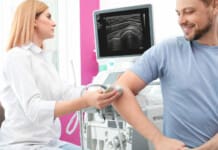
For acromioclavicular (AC) joint injections, I generally prefer an out-of-plane approach, visualizing from the anterior with ultrasound and entering from the posterior.
- Setup and technique
-
- Position: Many patients tolerate the seated position well. Be prepared to convert to lateral decubitus if vasovagal symptoms occur.
- Localization: I center the AC joint on screen, mark the site, and prep it with iodine and alcohol. After local anesthesia, I target a depth of about 1.5 cm into the joint space, triangulating on the bright hyperechoic needle tip. A 25-gauge needle is sufficient for most cases.
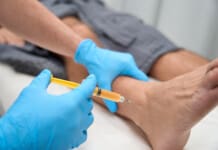
- Volume: AC joints typically accept 0.6–1.1 mL of PRP. I look for free flow without resistance and observe intra-articular spread sonographically.
- Sequencing multiple shoulder injections
-
- Efficiency improves when I work posterior-to-anterior: glenohumeral, AC, then intratendinous targets (supraspinatus, infraspinatus insertion, subscapularis, long head of biceps in short and long axes). This minimizes repositioning and leverages the anesthetic window of a carefully placed interscalene block when used.
- Rationale
-
- AC joint OA responds to a clean, leukocyte-appropriate PRP with an adequate dose for synovial and capsular signaling. Precise placement reduces post-injection irritation and improves early function. Mechanical load sharing through scapular stabilization and thoracic mobility work (integrative chiropractic) helps maintain gains by reducing joint shear.
Post-Procedure Plan: Protect, Modulate, and Load
- Immobilization
-
- A sling for 1–2 days provides comfort and signals “protect this joint.” We avoid overprotection for more than 48 hours to prevent stiffness.
- Inflammation management
-
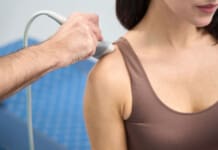
- I discourage ice in most cases, as it may slow cellular metabolism and collagen synthesis. I prefer near-infrared therapy, moist heat, and photobiomodulation to accelerate the inflammatory-to-proliferative transition.
- Laser therapy begins the day after the procedure (sometimes the same day) to improve pain and mitochondrial output.
- Rehabilitation progression
-
- For intratendinous work, I often adapt established surgical protocols, starting around “week 6,” reflecting a lower-severity non-surgical injury. This anchors pacing with progressive ROM, isometrics to isotonic loading, and then energy-storage activities.
- Medications
-
- Avoid NSAIDs for the first 1–2 weeks unless medically necessary; acetaminophen and topical agents fill the gap. Blood thinners are restarted based on the patient’s safety profile.
- Integrative chiropractic
-
- Manual therapy focuses on regional mechanics: T-spine mobility, scapular upward rotation and posterior tilt, and cervicothoracic junction mobility to unload the AC and rotator cuff.
- Exercise emphasizes scapular retraction/depression, serratus activation, and controlled overhead progression.
Photobiomodulation Safety after MFAT and BMAC
A frequent question is whether photobiomodulation (PBM) increases tumorigenesis when used after microfragmented adipose tissue (MFAT) or bone marrow aspirate concentrate (BMAC). Large clinical series in orthobiologics have not shown increased tumorigenesis with MFAT or BMAC, and PBM’s mechanism is mitochondrial—enhancing ATP production via cytochrome c oxidase and modulating nitric oxide —rather than unregulated proliferation (Hamblin, 2017; Ando et al., 2021). I start PBM the day of or the day after the injection to improve pain and early function. The clinical benefits I observe include quicker resolution of soreness and faster return to early loading.
Meniscal Surgery, OA Progression, and Injection Strategy
Context and specificity matter. Arthroscopic surgery itself does not automatically accelerate OA. However, partial meniscectomy removes shock-absorbing tissue, increasing tibiofemoral contact pressures and accelerating OA risk over time, particularly with lateral meniscectomy and larger resections (Papalia et al., 2018). Meniscal repair, by contrast, preserves biomechanics and is chondroprotective when healing occurs, especially when biologically augmented.
- Twelve years post-lateral partial meniscectomy
- I expect greater OA burden and potential bone marrow lesions due to altered load transmission. The pathology is primarily arthritic, not “residual meniscus.”
- Injection targeting follows the disease state:
-
-
- Mild to moderate OA: PRP combined with protein concentrate to pair anabolic and anti-catabolic effects.
- Moderate-to-severe OA or bone marrow lesions: Consider intra-articular BMAC or MFAT, with or without subchondral targeting, depending on imaging and symptoms (Anz et al., 2020).
- Intrameniscal injection: Reserved for discrete repairable tears or meniscocapsular junction pathology. If the meniscus is diminutive post-resection, intrameniscal injection is less relevant; treat the arthritic joint environment.
-
- Imaging and diagnostics
-
- Ultrasound for effusion, paracervical cysts, collateral ligament contributions; MRI to assess cartilage grading, bone marrow lesions, and residual meniscal tissue.
- Integrative chiropractic role
-
- Offload through kinetic chain tuning: hip abductor strength, tibial rotation control, ankle dorsiflexion, and foot mechanics.
- Gait and stride retraining to reduce medial or lateral compartment overload.
- Weight management and anti-inflammatory nutrition to reduce systemic drivers of joint catabolism.
Why I Emphasize Dosing, Filters, and Process Control
- Biology responds to concentration gradients and absolute molecule counts. If we do not quantify and standardize, we practice guesswork.
- A single 10-minute spin with controlled sampling achieves high recovery without excess granulocytes or RBCs, thereby improving tolerability.
- The 15-kDa fluid reduction step turns “discarded PPP” into a targeted anti-catabolic therapy—a critical pivot for OA patients in my clinic who need both symptom control and cartilage protection.
Patient Communication and Ethics
- I review the full spectrum of options, from physical therapy and integrative chiropractic to injections and surgery, then co-create the plan.
- Pricing transparency is non-negotiable; I discuss costs up front. Medicare patients receive an ABN before injection-based services.
- We set realistic timelines: soreness in the first 48–72 hours, early functional gains in 2–4 weeks, and steady improvement through 12–16 weeks with appropriate loading.
Clinical Observations in Practice
Across my patients with sciatica.clinic, cases with:
- Clean PRP (low RBCs, tailored WBCs) plus protein concentrate shows smoother recovery in shoulder and knee OA.
- Early PBM yields better pain trajectories and less reliance on breakthrough medications.
- Integrative chiropractic stabilization and eccentric tendon work decrease recurrence rates and help maintain gains at 6–12 months.
Closing Thoughts
The most effective orthobiologic programs are not built on a single syringe—they are built on a standardized process, quantified dosing, targeted anti-catabolic support, skillful image-guided delivery, and an integrative framework that optimizes the whole kinetic chain. This is how we translate cellular promise into functional, durable outcomes.
References
- Ando, T., Svensson, A., et al. (2021). Low-level laser therapy for musculoskeletal pain: mechanisms and clinical effectiveness. Pain Reports, 6(1), e888.
- Anz, A. W., et al. (2020). Bone marrow lesions in osteoarthritis: pathophysiology and treatment considerations. Orthopedic Journal of Sports Medicine, 8(3), 2325967120905561.
- Calder, P. C. (2017). Omega-3 fatty acids and inflammatory processes: from molecules to man. Biochemical Society Transactions, 45(5), 1105–1115.
- Cavallo, C., et al. (2014). Platelet-rich plasma: the choice of activation method affects the release of bioactive molecules. BioMed Research International, 2014, 1–7.
- Dai, W. L., et al. (2021). Effects of NSAIDs on platelet function relevant to orthobiologics. Journal of Orthopedic Translation, 29, 34–42.
- Dragoo, J. L., et al. (2014). Comparison of the acute inflammatory response following PRP and whole blood injections in a rabbit model. Journal of Bone and Joint Surgery, 96(6), 525–531.
- Filardo, G., et al. (2018). PRP intra-articular knee injections show symptomatic benefit: a systematic review and meta-analysis. Arthroscopy, 34(5), 1530–1543.
- Fitzpatrick, J., et al. (2017). The effectiveness of PRP injections in gluteal tendinopathy: a randomized controlled trial. American Journal of Sports Medicine, 46(4), 933–939.
- Hamblin, M. R. (2017). Mechanisms and applications of photobiomodulation. AIMS Biophysics, 4(3), 337–361.
- Jayabalan, P., et al. (2016). The role of alpha-2-macroglobulin in knee osteoarthritis. Orthopedics, 39(3), e537–e544.
- Kraus, V. B., et al. (2016). Effects of intra-articular IL-1 receptor antagonist therapy for knee OA. Osteoarthritis and Cartilage, 24(10), 1727–1735.
- Laudy, A. B., et al. (2015). Efficacy of PRP injections in lateral epicondylitis and rotator cuff: systematic review and meta-analysis. British Journal of Sports Medicine, 49(14), 957–966.
- Papalia, R., et al. (2018). Meniscectomy versus meniscal repair: impact on OA. British Medical Bulletin, 127(1), 91–108.
- Saltzman, B. M., et al. (2016). PRP in OA: a systematic review of basic science and clinical studies. American Journal of Sports Medicine, 44(10), 2613–2627.
- Wang, Y., et al. (2014). Alpha-2-macroglobulin as a protease inhibitor in OA: implications for therapy. Annals of the Rheumatic Diseases, 73(9), 1802–1809.
SEO tags: PRP dosing, platelet-rich plasma, protein concentrate, alpha-2-macroglobulin, IL-1 receptor antagonist, osteoarthritis treatment, AC joint injection, ultrasound-guided injection, photobiomodulation safety, MFAT, BMAC, integrative chiropractic, regenerative medicine, shoulder pain, knee osteoarthritis, meniscectomy, evidence-based orthobiologics, Dr. Alexander Jimenez
Professional Scope of Practice *
The information herein on "Photobiomodulation: How It Works in Precision PRP Therapy" is not intended to replace a one-on-one relationship with a qualified health care professional or licensed physician and is not medical advice. We encourage you to make healthcare decisions based on your research and partnership with a qualified healthcare professional.
Blog Information & Scope Discussions
Welcome to El Paso's Premier Wellness and Injury Care Clinic & Wellness Blog, where Dr. Alex Jimenez, DC, FNP-C, a Multi-State board-certified Family Practice Nurse Practitioner (FNP-BC) and Chiropractor (DC), presents insights on how our multidisciplinary team is dedicated to holistic healing and personalized care. Our practice aligns with evidence-based treatment protocols inspired by integrative medicine principles, similar to those found on this site and our family practice-based chiromed.com site, focusing on restoring health naturally for patients of all ages.
Our areas of multidisciplinary practice include Wellness & Nutrition, Chronic Pain, Personal Injury, Auto Accident Care, Work Injuries, Back Injury, Low Back Pain, Neck Pain, Migraine Headaches, Sports Injuries, Severe Sciatica, Scoliosis, Complex Herniated Discs, Fibromyalgia, Chronic Pain, Complex Injuries, Stress Management, Functional Medicine Treatments, and in-scope care protocols.
Our information scope is multidisciplinary, focusing on musculoskeletal and physical medicine, wellness, contributing etiological viscerosomatic disturbances within clinical presentations, associated somato-visceral reflex clinical dynamics, subluxation complexes, sensitive health issues, and functional medicine articles, topics, and discussions.
We provide and present clinical collaboration with specialists from various disciplines. Each specialist is governed by their professional scope of practice and their jurisdiction of licensure. We use functional health & wellness protocols to treat and support care for musculoskeletal injuries or disorders.
Our videos, posts, topics, and insights address clinical matters and issues that are directly or indirectly related to our clinical scope of practice.
Our office has made a reasonable effort to provide supportive citations and has identified relevant research studies that support our posts. We provide copies of supporting research studies upon request to regulatory boards and the public.
We understand that we cover matters that require an additional explanation of how they may assist in a particular care plan or treatment protocol; therefore, to discuss the subject matter above further, please feel free to ask Dr. Alex Jimenez, DC, APRN, FNP-BC, or contact us at 915-850-0900.
We are here to help you and your family.
Blessings
Dr. Alex Jimenez DC, MSACP, APRN, FNP-BC*, CCST, IFMCP, CFMP, ATN
email: [email protected]
Multidisciplinary Licensing & Board Certifications:
Licensed as a Doctor of Chiropractic (DC) in Texas & New Mexico*
Texas DC License #: TX5807, Verified: TX5807
New Mexico DC License #: NM-DC2182, Verified: NM-DC2182
Multi-State Advanced Practice Registered Nurse (APRN*) in Texas & Multi-States
Multi-state Compact APRN License by Endorsement (42 States)
Texas APRN License #: 1191402, Verified: 1191402 *
Florida APRN License #: 11043890, Verified: APRN11043890 *
Colorado License #: C-APN.0105610-C-NP, Verified: C-APN.0105610-C-NP
New York License #: N25929, Verified N25929
License Verification Link: Nursys License Verifier
* Prescriptive Authority Authorized
ANCC FNP-BC: Board Certified Nurse Practitioner*
Compact Status: Multi-State License: Authorized to Practice in 40 States*
Graduate with Honors: ICHS: MSN-FNP (Family Nurse Practitioner Program)
Degree Granted. Master's in Family Practice MSN Diploma (Cum Laude)
Dr. Alex Jimenez, DC, APRN, FNP-BC*, CFMP, IFMCP, ATN, CCST
(Board Certified: Family Practice Nurse Practitioner—Multistate)*
(Licensed Nurse Practitioner & Chiropractor - Multistate)*
Clinical Director
Digital Business Card
Dr. Maria Cardenas, MD
(Board Certified: Internal Medicine)
(Licensed Medical Doctor)
Medical Director, Clinical Director & Collaborative Physician
NPI # 1164426748
MD License #: J2933
Licenses and Board Certifications:
MD: Medical Doctor
DC: Doctor of Chiropractic
APRNP: Advanced Practice Registered Nurse
FNP-BC: Family Practice Specialization (Multi-State Board Certified)
RN: Registered Nurse (Multi-State Compact License)
CFMP: Certified Functional Medicine Provider
MSN-FNP: Master of Science in Family Practice Medicine
MSACP: Master of Science in Advanced Clinical Practice
IFMCP: Institute of Functional Medicine
CCST: Certified Chiropractic Spinal Trauma
ATN: Advanced Translational Neutrogenomics
Memberships & Associations:
TCA: Texas Chiropractic Association: Member ID: 104311
AANP: American Association of Nurse Practitioners: Member ID: 2198960
ANA: American Nurse Association: Member ID: 06458222 (District TX01)
TNA: Texas Nurse Association: Member ID: 06458222
NPI: 1205907805
| Primary Taxonomy | Selected Taxonomy | State | License Number |
|---|---|---|---|
| No | 111N00000X - Chiropractor | NM | DC2182 |
| Yes | 111N00000X - Chiropractor | TX | DC5807 |
| Yes | 363LF0000X - Nurse Practitioner - Family | TX | 1191402 |
| Yes | 363LF0000X - Nurse Practitioner - Family | FL | 11043890 |
| Yes | 363LF0000X - Nurse Practitioner - Family | CO | C-APN.0105610-C-NP |
| Yes | 363LF0000X - Nurse Practitioner - Family | NY | N25929 |
Dr. Alex Jimenez, DC, APRN, FNP-BC*, CFMP, IFMCP, ATN, CCST
(Board Certified: Family Practice Nurse Practitioner—Multistate)*
(Licensed Nurse Practitioner & Chiropractor - Multistate)*
Clinical Director
Digital Business Card
Dr. Maria Cardenas, MD
(Board Certified: Internal Medicine)*
(Licensed Medical Doctor)*
Medical Director, Clinical Director & Collaborative Physician
NPI # 1164426748
MD License #: J2933